




What Is the Cost of E-Commerce App Development? Complete Guide
Discover the cost of e-commerce app development, key pricing factors, features, tech stack, and strategies to optimize your investment.
What Is the Cost of E-Commerce App Development?
If you’re planning to launch an online store, one of the first questions you’ll ask is: What is the cost of e-commerce app development? The answer depends on multiple factors including app complexity, platform choice, features, integrations, and scalability requirements.
E-commerce apps have become essential for modern businesses. With mobile shopping continuing to grow, companies are investing in secure, scalable, and feature-rich applications to enhance customer experience and increase revenue. Whether you’re building a startup marketplace, a D2C brand app, or an enterprise retail platform, understanding development costs helps you plan effectively.
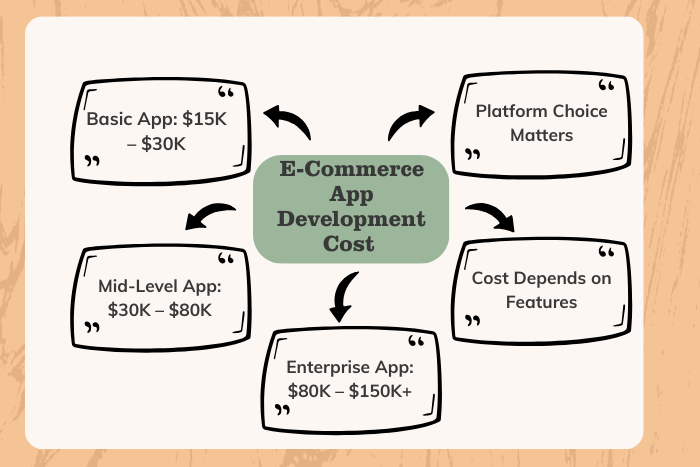
Typically, e-commerce app development costs range from $15,000 to $150,000+, depending on features and customization level. This guide breaks down the cost components, technology stack, development process, hidden expenses, and strategies to optimize your investment.
Why This Service Is Important
An e-commerce mobile app helps businesses:
Increase mobile conversions
Improve customer retention
Enable personalized shopping experiences
Simplify online payments
Expand global reach
Enhance brand credibility
Generate recurring revenue
A professionally developed e-commerce app becomes a long-term digital asset that drives business growth.
Types of E-Commerce App Development Solutions
E-commerce apps vary based on business model and scope:
Single Vendor E-Commerce Apps
One brand selling its own products
Direct-to-consumer model
Multi-Vendor Marketplace Apps
Multiple sellers
Commission-based revenue
B2B E-Commerce Apps
Wholesale transactions
Bulk ordering systems
Subscription-Based Commerce Apps
Recurring billing
Membership features
On-Demand Commerce Apps
Grocery delivery
Food delivery platforms
Each type influences overall development cost.
Key Features of an E-Commerce App
Essential features include:
User Panel Features:
User registration & profiles
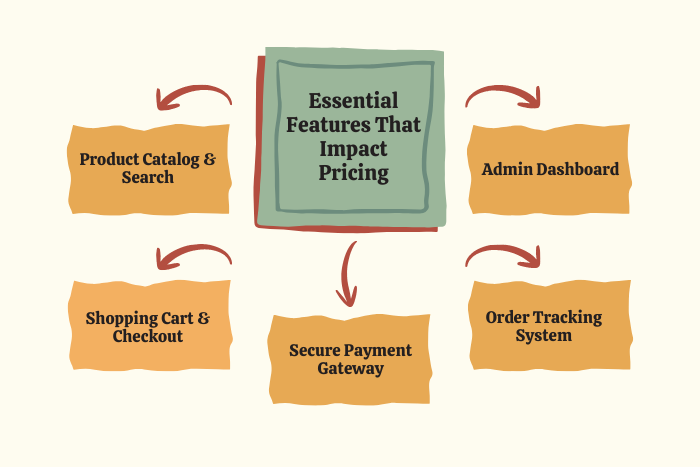
Product catalog & search filters
Shopping cart & checkout
Secure payment gateway integration
Order tracking
Push notifications
Reviews & ratings
Admin Panel Features:
Product management
Inventory control
Order management
Analytics dashboard
Customer management
Advanced features may include AI personalization, chatbots, AR try-on, voice search, and loyalty programs.
Development Process
The e-commerce app development process includes:
Market Research & Strategy
Define target audience and competitor analysis.Feature Planning & Architecture Design
Decide on core and advanced functionalities.UI/UX Design & Wireframing
Create intuitive shopping experiences.Backend Development
Database setup and server-side logic.Frontend Development
Mobile app interface implementation.Third-Party Integrations
Payment gateways, CRM, shipping APIs.Testing & Quality Assurance
Security, performance, and device compatibility testing.Deployment & Launch
Publish on App Store and Google Play.Post-Launch Support
Continuous improvements and updates.
Technology Stack
A modern e-commerce app development tech stack includes:
Front-End Technologies:
Kotlin (Android), Swift (iOS), Flutter (Cross-platform), React Native (Cross-platform), HTML5, CSS3, JavaScriptBack-End Technologies:
Node.js, Python (Django), Java (Spring Boot), PHP (Laravel)Database Solutions:
MySQL, PostgreSQL, MongoDB, FirebaseCloud Infrastructure:
AWS, Google Cloud, Microsoft AzurePayment Integrations:
Stripe, PayPal, RazorpaySecurity Tools:
SSL encryption, Two-factor authentication, PCI DSS compliance
Cost Factors of E-Commerce App Development
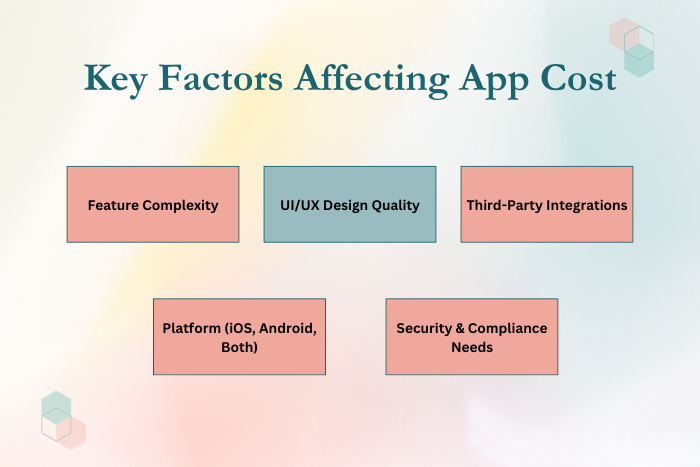
The cost of e-commerce app development depends on:
App complexity
Number of features
Platform (Android, iOS, or both)
UI/UX design quality
Third-party integrations
Customization requirements
Backend infrastructure
Security standards
Maintenance and updates
Estimated Cost Range:
Basic e-commerce app: $15,000 – $30,000
Mid-level app: $30,000 – $80,000
Enterprise-level marketplace: $80,000 – $150,000+
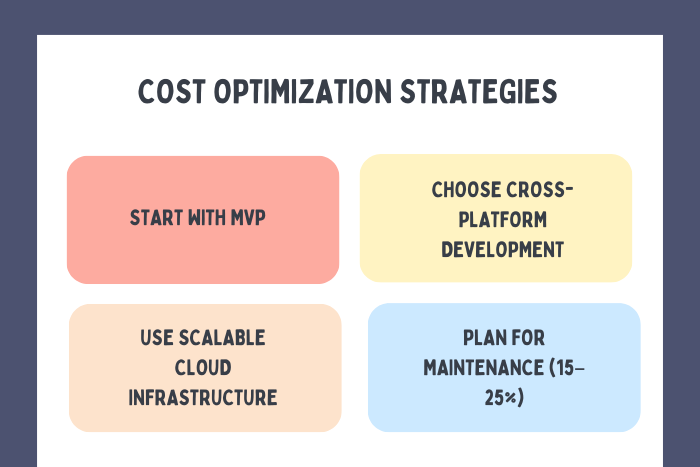
Annual maintenance typically costs 15–25% of development cost.
Latest Trends in E-Commerce App Development
Modern e-commerce apps include:
AI-powered product recommendations
Voice commerce integration
Augmented reality product previews
One-click checkout systems
Blockchain-based payment security
Subscription-based shopping models
Headless commerce architecture
Progressive Web App integration
These trends improve customer experience and increase conversions.
Why Choose Us for Your E-Commerce App Development?
If you’re wondering what is the cost of e-commerce app development for your business, the real value lies in choosing the right partner.
We provide:
Cost-transparent development plans
Scalable architecture
Secure payment integrations
Custom UI/UX design
Agile project management
Post-launch maintenance support
We build high-performing, revenue-driven e-commerce apps tailored to your business goals.
Ready to launch your e-commerce mobile app?
Let’s build a scalable shopping experience for your customers.
Contact us today for a free cost estimation and consultation.
Key Points :
- The cost of e-commerce app development typically ranges from $15,000 to $150,000+ depending on complexity.
- App features, customization level, and platform choice significantly impact pricing.
- Single-vendor apps cost less than multi-vendor marketplace platforms.
- UI/UX design quality directly affects user engagement and overall cost.
- Third-party integrations like payment gateways and shipping APIs add to development expenses.
- Annual maintenance usually costs 15–25% of the initial development cost.
- Starting with an MVP helps reduce upfront investment and risk.
- Advanced features like AI personalization and AR increase both cost and competitive advantage.
FAQ's
It ranges from $15,000 to $150,000+ depending on complexity.
Typically 3–9 months depending on features.
Advanced features, AI integration, and multi-vendor functionality.
Yes, you can launch an MVP first and scale later.
Often yes, as it uses a single codebase for multiple platforms.
Maintenance, hosting, app store fees, and security updates.
Yes, regular updates ensure performance and security.