
Learn how to develop an app for wearable devices, including smartwatches and fitness trackers, with features, development process, tech stack, and costs.
Can I Develop an App for Wearable Devices?
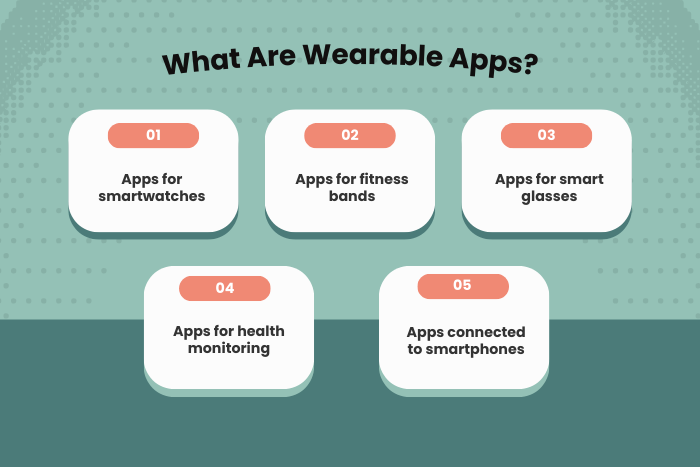
Wearable technology has become an important part of the digital ecosystem. Devices such as smartwatches, fitness bands, smart glasses, and health monitoring wearables are widely used across industries including healthcare, fitness, sports, and enterprise productivity. Many businesses and startups now ask the question: can I develop an app for wearable devices? The answer is yes, and wearable app development is becoming one of the fastest-growing areas in the mobile technology industry.
Wearable apps are designed specifically for small devices that users wear on their bodies. These apps provide quick access to important information, real-time notifications, health tracking, and seamless connectivity with smartphones and cloud systems. Because wearable devices have smaller screens and limited battery capacity, wearable applications must be optimized for efficiency, performance, and usability.
Modern wearable apps can monitor heart rate, track fitness activity, provide navigation, enable voice commands, and even support enterprise workflows. Businesses are increasingly investing in wearable solutions to improve customer engagement and enhance productivity.
In this guide, we will explore how wearable apps are developed, their key features, the development process, technology stack, costs, and the latest trends shaping the future of wearable app development.
Why Wearable App Development Is Important
Wearable applications provide a new way for users to interact with technology. Instead of relying only on smartphones, users can access important information instantly from wearable devices.
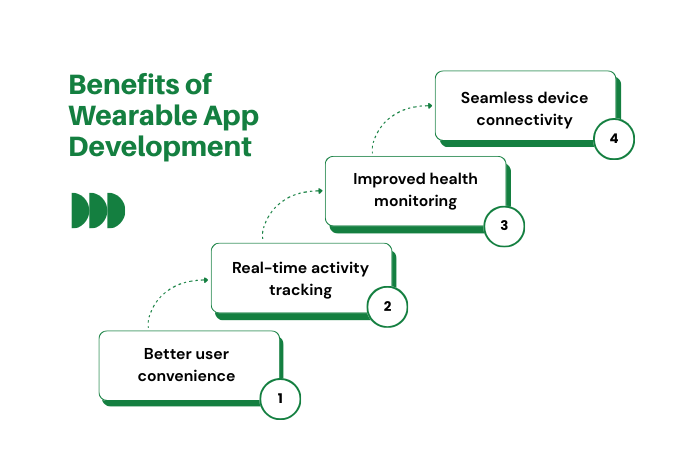
Key benefits of wearable app development include:
Real-Time Data Monitoring
Wearable devices provide instant health, activity, and location tracking.Improved User Convenience
Users can access information without opening their phones.Better Health and Fitness Tracking
Wearables help monitor steps, heart rate, sleep patterns, and workouts.Enhanced Productivity
Enterprise wearable apps improve employee efficiency in various industries.Seamless Device Integration
Wearable apps connect with smartphones, IoT devices, and cloud platforms.Improved Customer Engagement
Personalized notifications and alerts increase user interaction.
These benefits make wearable applications valuable for businesses and consumers alike.
Types of Wearable App Development Solutions
Wearable applications can be developed for different types of devices and use cases.
Smartwatch Applications
Smartwatch apps are the most common wearable solutions.
Fitness tracking apps
Notification apps
Messaging and communication apps
Fitness and Health Monitoring Apps
These apps track physical activity and health data.
Heart rate monitoring
Step counting and activity tracking
Sleep analysis
Enterprise Wearable Applications
Businesses use wearable apps to improve workflow and efficiency.
Field service monitoring
Workforce productivity tracking
Inventory and logistics management
IoT-Enabled Wearable Applications
Wearables can connect with smart home devices and other IoT systems.
Smart home controls
Industrial monitoring systems
Smart healthcare solutions
Augmented Reality (AR) Wearable Applications
Smart glasses and AR devices support immersive experiences.
AR navigation tools
Training and simulation applications
Interactive learning platforms
Each type of wearable app serves different industries and business goals.
Key Features of Wearable Applications
Wearable apps require unique features to function efficiently on small devices.
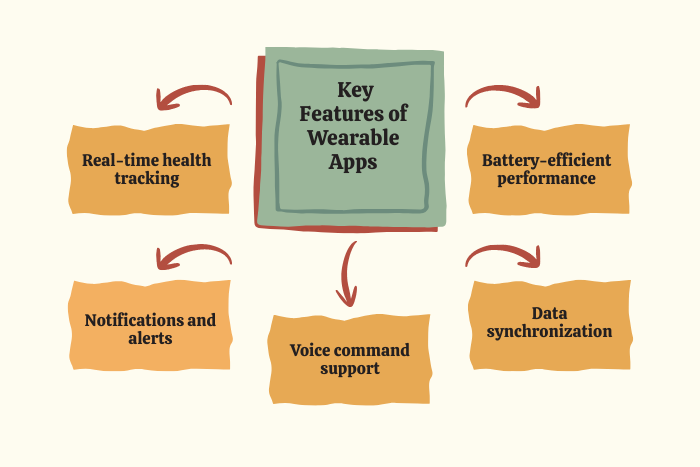
Important features include:
Real-time data synchronization with smartphones
Health and fitness tracking capabilities
Push notifications and alerts
Voice command integration
Gesture-based navigation
Low power consumption optimization
Secure data storage and encryption
Integration with IoT devices and sensors
These features ensure that wearable apps remain efficient, user-friendly, and highly functional.
Wearable App Development Process
Developing a wearable application involves several key stages.
Concept and Idea Validation
Identify the purpose of the wearable app and its target users.Market Research and Competitor Analysis
Study existing wearable apps and identify opportunities for innovation.Feature Planning and Architecture Design
Define the core functionalities and system architecture.UI/UX Design for Wearable Devices
Create intuitive designs optimized for small screens.Application Development
Developers build the app using wearable-specific frameworks and APIs.Testing and Quality Assurance
Ensure compatibility with wearable devices and optimize performance.Deployment and Launch
Release the app on wearable platforms such as Google Wear OS or Apple Watch.Maintenance and Continuous Improvement
Provide updates, bug fixes, and new features based on user feedback.
This structured process ensures a high-quality wearable application.
Technology Stack for Wearable App Development
Building wearable applications requires specialized technologies and tools.
Wearable Platforms: Wear OS, watchOS, Fitbit OS
Mobile Development Frameworks: Flutter, React Native, Swift, Kotlin
Programming Languages: Java, Kotlin, Swift, JavaScript
Backend Technologies: Node.js, Python, Java
Databases: MongoDB, PostgreSQL, Firebase
Connectivity Technologies: Bluetooth, NFC, Wi-Fi
Cloud Platforms: AWS, Google Cloud Platform, Microsoft Azure
Analytics Tools: Firebase Analytics, Google Analytics
Using the right technology stack ensures smooth performance and scalability.
Cost Factors in Wearable App Development
The cost of developing a wearable app depends on several factors.
Important cost considerations include:
App complexity and number of features
Type of wearable device supported
UI/UX design requirements
Integration with sensors and hardware
Cloud infrastructure and backend development
Security and data protection requirements
Development team expertise
Maintenance and updates
Simple wearable apps may require lower investment, while complex healthcare or enterprise wearable solutions can be more expensive.
Latest Trends in Wearable App Development
Wearable technology continues to evolve with new innovations and capabilities.
Major trends include:
AI-powered health monitoring applications
Integration with IoT and smart home systems
Voice-controlled wearable interfaces
Advanced biometric sensors for health tracking
AR and VR wearable experiences
Enterprise productivity wearables
Contactless payments via wearable devices
Edge computing for faster data processing
These trends are shaping the future of wearable technology and application development.
Why Choose Us for Wearable App Development?
Choosing the right development partner ensures a successful wearable application.
Here’s why businesses trust us:
Expertise in Wearable Technology
Our developers specialize in smartwatch and wearable device applications.Custom Wearable App Solutions
We build applications tailored to your business needs.Seamless Device Integration
Our apps connect smoothly with smartphones, sensors, and IoT systems.Optimized Performance and Battery Efficiency
We design lightweight apps optimized for wearable devices.Secure and Scalable Architecture
Applications are built with strong security and scalability.Cross-Platform Development Capabilities
Our apps work across multiple wearable platforms.End-to-End Development Support
From concept to deployment and maintenance, we provide full-cycle services.
Interested in building a wearable app for your business or startup?
Our team can help you develop innovative wearable solutions.
Contact us today for a free consultation and project estimate.
Key Points :
- Yes, you can develop an app for wearable devices such as smartwatches, fitness bands, and smart glasses.
- Wearable apps provide real-time data like health monitoring, notifications, and activity tracking.
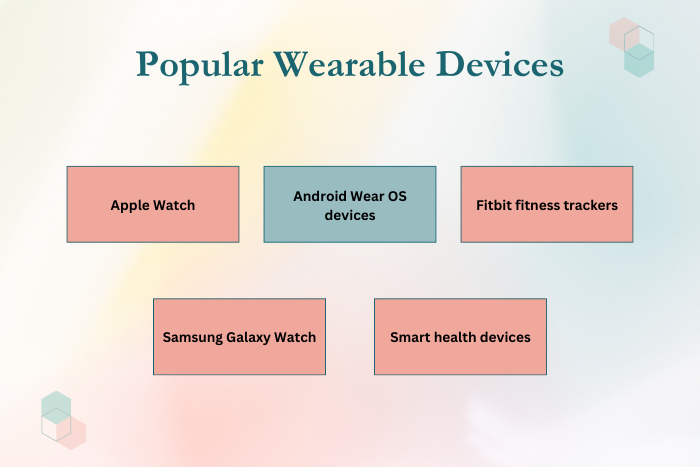
- Popular wearable platforms include Wear OS, watchOS, and Fitbit OS.
- Wearable apps must be optimized for small screens and low battery consumption.
- Industries like healthcare, fitness, logistics, and sports widely use wearable applications.
- Wearable app development helps businesses create innovative and connected digital experiences.
FAQ's
Yes. Developers can build apps for wearable devices such as smartwatches, fitness bands, and smart glasses.
Popular platforms include Wear OS, Apple watchOS, and Fitbit OS.
Features include fitness tracking, notifications, voice commands, and real-time health monitoring.
The development timeline depends on app complexity and features but typically ranges from a few weeks to several months.
Industries such as healthcare, fitness, logistics, retail, and enterprise productivity use wearable apps.
Yes. Wearable apps often connect with IoT devices and smart systems for advanced functionality.