Build a scalable Content Management System (CMS) with SEO tools, workflow automation, API integrations, and secure architecture for modern digital experiences.
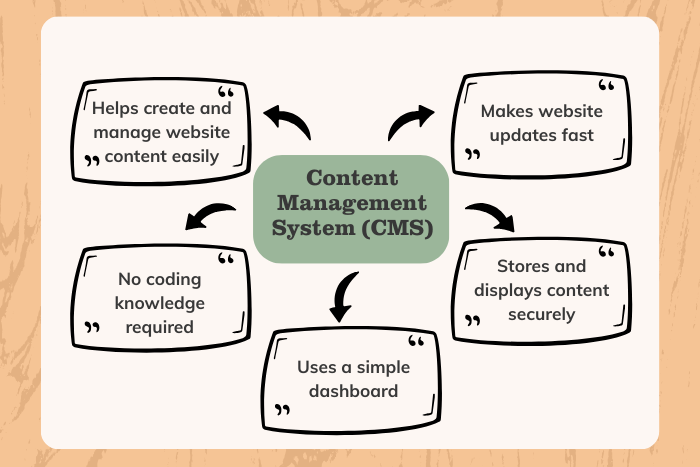
Content Management System (CMS)
A Content Management System (CMS) is a powerful software platform that enables businesses to create, manage, edit, and publish digital content without requiring advanced technical expertise. From corporate websites and blogs to eCommerce platforms and enterprise portals, a CMS acts as the backbone of modern digital experiences.
In today’s competitive digital landscape, organizations must regularly update content, optimize for search engines, maintain brand consistency, and deliver seamless user experiences across devices. Relying solely on developers for every content change slows down operations and increases costs. A well-designed CMS empowers marketing teams, content creators, and administrators to manage website content independently through intuitive dashboards and workflow controls.
Whether you need a custom-built CMS, a headless architecture, or enterprise-grade content governance, our CMS development services are tailored to your business goals. We build scalable, secure, and SEO-optimized Content Management Systems that enhance performance, improve collaboration, and future-proof your digital infrastructure.
Why This Service is Important
Content drives digital engagement, brand visibility, and customer acquisition. Without a structured Content Management System (CMS), businesses face challenges such as:
Delays in publishing updates
Inconsistent branding
Poor content governance
SEO optimization issues
Limited scalability
Security vulnerabilities
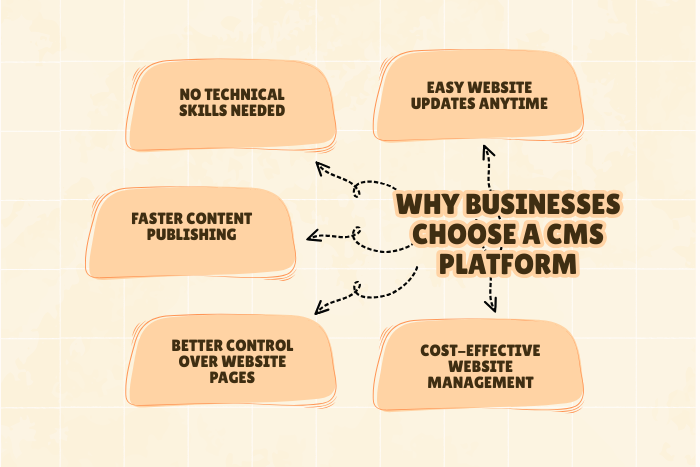
A professionally developed CMS provides centralized control over digital content while enabling non-technical users to manage updates efficiently.
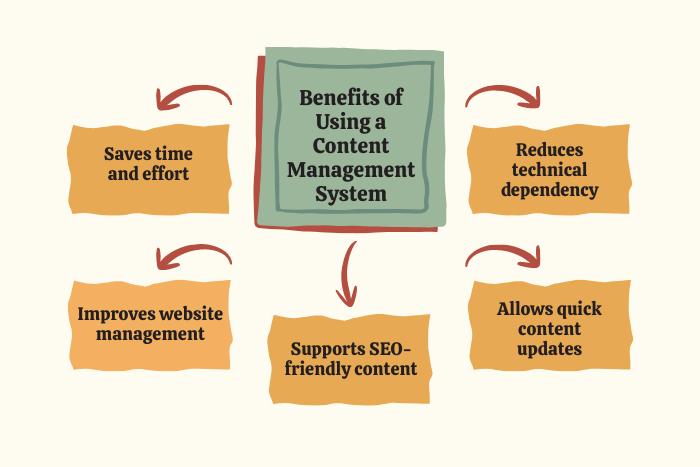
Key business advantages include:
Faster content publishing workflows
Improved collaboration between teams
Enhanced SEO performance
Secure content governance
Multi-channel publishing capabilities
Better user experience across devices
Reduced dependency on developers
By investing in a scalable Content Management System, businesses streamline digital operations and maintain a competitive edge.
Types of Content Management System (CMS) Solutions
We develop customized CMS solutions based on your operational needs and digital strategy:
Traditional (Coupled) CMS
Front-end and back-end tightly integrated for website management.Headless CMS
Backend-only content management system delivering content via APIs to multiple platforms.Decoupled CMS
Hybrid architecture offering flexibility between presentation and content layers.Enterprise CMS
Large-scale solution with advanced workflows, governance, and integrations.SaaS-Based CMS
Cloud-hosted platform with minimal infrastructure management.Custom CMS Development
Fully tailored CMS designed around your unique business processes.
Each solution is built to support scalability, performance, and seamless integration.
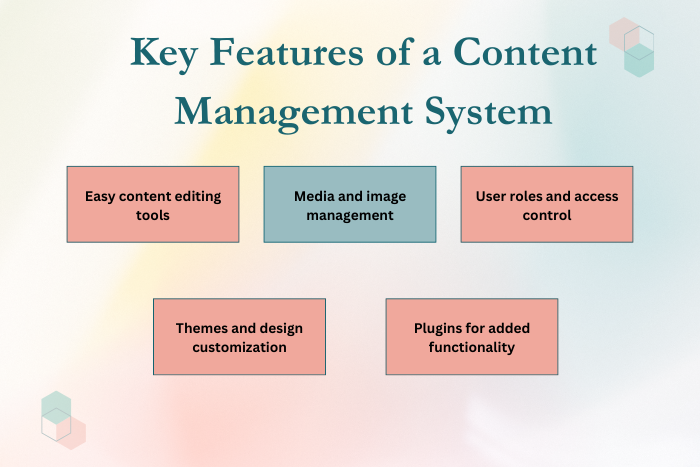
Key Features of Our Content Management System (CMS)
Our CMS platforms are equipped with robust features for efficient content handling:
User-Friendly Content Editor
Intuitive WYSIWYG editing interface for easy content creation and formatting.Role-Based Access Control
Define permissions for authors, editors, and administrators.Content Workflow Management
Structured approval processes for publishing and updates.SEO Optimization Tools
Meta tags, URL management, schema support, and analytics integration.Template & Theme Management
Customizable layouts and branding controls.Content Versioning
Track revisions and restore previous versions when needed.Multi-Language & Localization Support
Publish content across different languages and regions.Digital Asset Management
Manage images, videos, documents, and media libraries.API & Third-Party Integrations
Seamless integration with CRM, ERP, eCommerce, and marketing tools.Security & Compliance Controls
Data encryption, authentication, and audit logs.
Content Management System (CMS) Development Process
We follow a structured approach to ensure reliable and scalable CMS implementation:
Requirement Analysis & Strategy Planning
Identify content workflows, scalability needs, and integration requirements.Information Architecture Design
Define taxonomy, tagging structures, and content hierarchy.UI/UX Design
Develop intuitive interfaces for both administrators and end users.Custom CMS Development
Build backend, APIs, templates, and workflow modules.Integration & Migration
Migrate existing content and integrate with business systems.Testing & Quality Assurance
Conduct usability, performance, and security testing.Deployment & Training
Launch the CMS and train your internal teams.Ongoing Maintenance & Optimization
Provide updates, security patches, and performance improvements.
Technology Stack
We use modern technologies to build scalable and high-performance CMS platforms:
Front-End: React.js, Next.js, Angular, Vue.js
Back-End: Node.js, .NET Core, Laravel, Django
Databases: PostgreSQL, MySQL, MongoDB
Cloud Services: AWS, Microsoft Azure, Google Cloud Platform
APIs: RESTful APIs, GraphQL, third-party marketing and CRM integrations
DevOps: Docker, Kubernetes, CI/CD pipelines
Security: SSL encryption, OAuth 2.0, role-based access control, multi-factor authentication
Our stack ensures performance, flexibility, and enterprise-grade security.
Cost Factors for Content Management System (CMS) Development
The cost of developing a CMS depends on:
Customization level and complexity
Headless or traditional architecture
Integration requirements
Multi-language support
SEO and analytics tools
Cloud or on-premise deployment
Migration of legacy content
Ongoing maintenance and scalability needs
We provide flexible pricing options tailored to startups, SMEs, and enterprise organizations.
Latest Trends in Content Management Systems
AI-driven content personalization
Headless and API-first CMS architecture
Cloud-native CMS platforms
Voice-search optimization
Automated SEO analysis
Omnichannel content distribution
Real-time collaboration tools
Composable digital experience platforms
These advancements enhance content efficiency and digital transformation strategies.
Why Choose Us
Choosing the right development partner is essential for building a scalable and future-ready CMS.
Here’s why businesses trust us:
Expertise in custom CMS development
Scalable architecture aligned with growth strategies
SEO-focused implementation
Seamless integration with existing systems
Secure and compliant infrastructure
Transparent communication and structured delivery
Dedicated post-launch support
We deliver CMS solutions that improve operational efficiency, enhance digital presence, and drive measurable business growth.
Ready to take control of your digital content?
Contact us today for a free consultation and customized quote.
Let’s build a powerful Content Management System tailored to your business.
Key Points :
- A Content Management System helps users create, edit, and manage website content easily without technical knowledge.
- Using a Content Management System (CMS) saves time by allowing quick content updates through a simple dashboard.
- A CMS platform supports search engine optimization with SEO-friendly URLs, meta tags, and content structure.
- A Content Management System offers design flexibility through themes, plugins, and customization options.
- Businesses use a CMS to manage blogs, service pages, and website content efficiently.
- A Content Management System improves team collaboration with user roles and content approval workflows.
FAQ's
A CMS is software that allows users to create, manage, and publish digital content without advanced coding knowledge.
A traditional CMS manages both frontend and backend together, while a headless CMS delivers content via APIs to multiple platforms.
Yes, CMS platforms can integrate with eCommerce systems to manage products, blogs, and landing pages.
Yes, built-in SEO tools and optimization features help improve search engine visibility.
Yes, we offer both cloud-based and on-premise CMS solutions.
Yes, we provide secure content migration services.
We implement encryption, access controls, and compliance standards to ensure security.
Typically 8–20 weeks depending on complexity and customization requirements.