
Integrated ERP (Enterprise Resource Planning) Software to streamline finance, HR, supply chain, and operations with real-time insights and automation.
ERP (Enterprise Resource Planning) Software
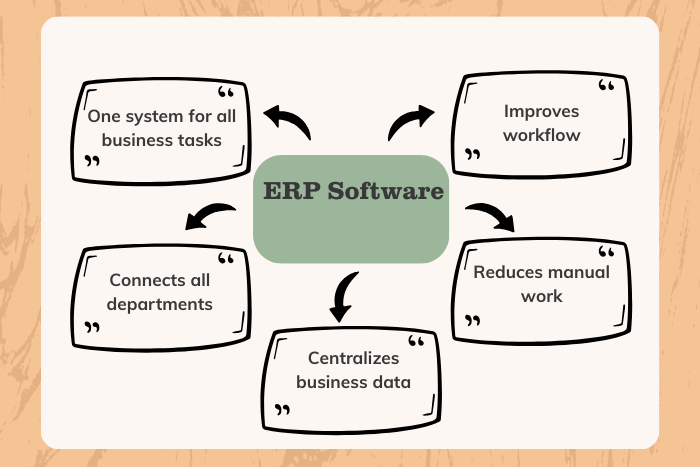
ERP (Enterprise Resource Planning) Software is a centralized business management solution designed to integrate core processes such as finance, human resources, supply chain, manufacturing, procurement, inventory, sales, and customer management into one unified platform. Instead of operating through disconnected systems and spreadsheets, modern organizations use ERP systems to gain real-time visibility, automation, and data-driven control across departments.
As businesses scale, operational complexity increases. Manual processes, siloed data, delayed reporting, and inconsistent workflows can limit growth and reduce profitability. A robust ERP solution eliminates inefficiencies by streamlining cross-department collaboration, automating repetitive tasks, and providing accurate, real-time business intelligence.
Whether you are a small business modernizing operations, a mid-sized company expanding across regions, or a large enterprise managing global operations, our ERP software solutions are designed to improve productivity, enhance financial transparency, and support sustainable growth.
If you’re ready to unify your business processes and unlock operational efficiency, our ERP system is built to transform how your organization operates.
Why ERP (Enterprise Resource Planning) Software is Important
Modern businesses operate in fast-paced, data-driven environments. Departments such as finance, operations, HR, procurement, and sales must work seamlessly together. Without integration, companies face challenges like:
Duplicate data entry and manual errors
Delayed financial reporting
Poor inventory visibility
Inefficient procurement processes
Limited forecasting capabilities
Compliance risks
ERP software solves these problems by creating a single source of truth across the organization. It centralizes business data, standardizes workflows, and ensures that all departments operate using real-time information.
Key business benefits include:
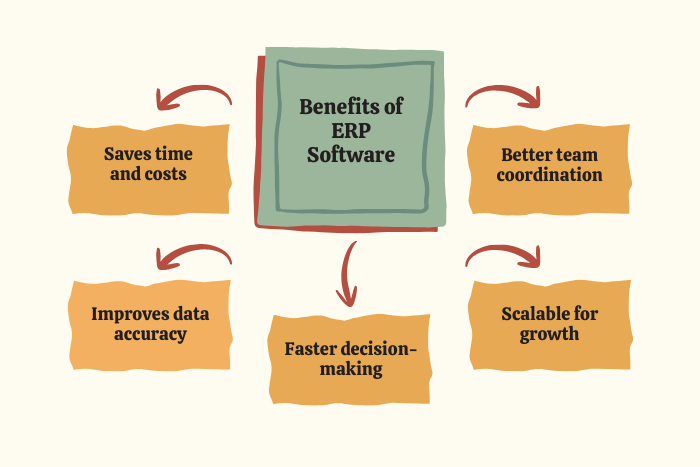
Improved operational efficiency
Faster financial closing cycles
Accurate inventory and supply chain management
Enhanced decision-making with real-time dashboards
Better regulatory compliance
Scalability for business expansion
ERP is no longer optional for growing businesses — it is a strategic foundation for digital transformation and long-term competitiveness.
Types of ERP Solutions
We offer flexible ERP (Enterprise Resource Planning) Software solutions tailored to different business sizes and industries:
Cloud ERP Software
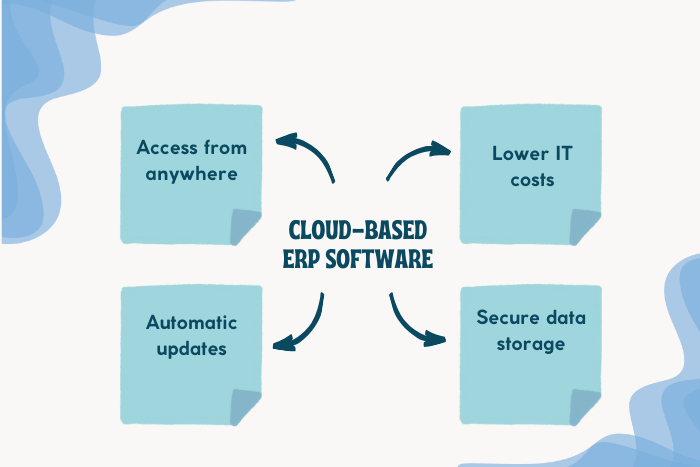
Hosted on secure cloud infrastructure, offering scalability, remote accessibility, automatic updates, and reduced IT overhead.On-Premise ERP Software
Installed within your organization’s internal servers for complete data control and customization flexibility.Hybrid ERP Solutions
A combination of cloud and on-premise systems to support phased digital transformation strategies.Industry-Specific ERP Systems
Customized ERP modules for manufacturing, retail, healthcare, logistics, construction, and service-based industries.Small Business ERP
Simplified, cost-effective ERP systems designed for startups and growing companies.Enterprise-Grade ERP
Advanced, multi-location ERP solutions with global compliance, multi-currency support, and enterprise-level scalability.
Key Features of Our ERP (Enterprise Resource Planning) Software
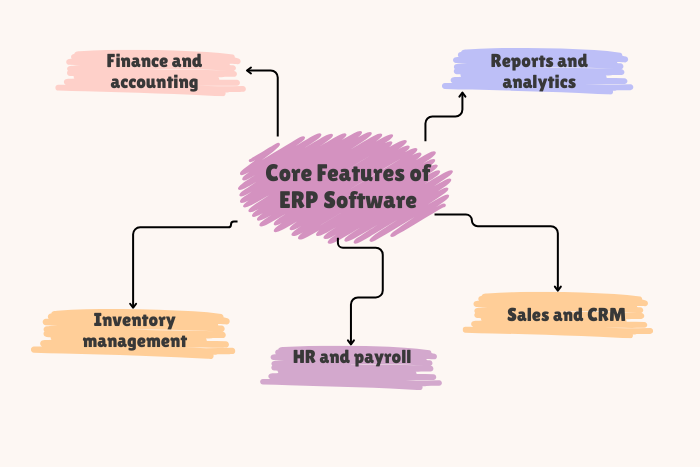
Our ERP software is designed to automate, integrate, and optimize core business functions within a centralized platform.
Financial Management
Manage general ledger, accounts payable and receivable, budgeting, financial forecasting, tax compliance, and automated reporting with real-time visibility into your organization’s financial health.
Supply Chain Management
Streamline procurement, vendor management, inventory control, order fulfillment, and logistics coordination with accurate demand forecasting and stock optimization.
Human Resource Management (HRM)
Automate payroll, attendance tracking, employee performance management, recruitment workflows, and compliance documentation.
Manufacturing & Production Management
Plan production schedules, manage bills of materials (BOM), track work orders, and optimize resource allocation for improved operational efficiency.
Customer Relationship Management (CRM) Integration
Align sales, marketing, and customer support processes with unified data access for better lead management and customer retention.
Inventory & Warehouse Management
Real-time inventory tracking, barcode integration, warehouse optimization, and automated replenishment alerts.
Business Intelligence & Analytics
Interactive dashboards, KPI tracking, predictive analytics, and customizable reports for data-driven decision-making.
Compliance & Security
Role-based access controls, encrypted data storage, audit trails, and adherence to regulatory standards for secure operations.
ERP Software Development Process
We follow a structured ERP implementation methodology to ensure successful deployment:
Business Requirement Analysis
Detailed assessment of workflows, departments, pain points, and integration requirements.Process Mapping & Gap Analysis
Aligning ERP capabilities with your existing business processes.System Architecture & Module Planning
Designing scalable ERP architecture with appropriate module selection.Customization & Development
Configuring modules and building custom functionalities tailored to your organization.Integration with Existing Systems
Seamless integration with CRM, HR tools, accounting software, and third-party platforms.Data Migration & Testing
Secure data migration from legacy systems and rigorous testing for performance and security.Training & Go-Live Support
End-user training sessions and ongoing post-implementation support.
Technology Stack
Front-End: React.js, Angular, Vue.js
Back-End: Node.js, .NET Core, Java, Python
Databases: MySQL, PostgreSQL, Oracle, MongoDB
Cloud Platforms: AWS, Microsoft Azure, Google Cloud
APIs & Integrations: REST APIs, SOAP APIs, Third-party ERP connectors
DevOps: Docker, Kubernetes, CI/CD Pipelines
Security: SSL Encryption, Multi-Factor Authentication, Role-Based Access Control
Our technology framework ensures high performance, scalability, reliability, and enterprise-grade security.
Cost Factors of ERP (Enterprise Resource Planning) Software
The cost of ERP software depends on several key factors:
Number of users and departments
Selected modules and functionalities
Customization complexity
Deployment model (cloud vs on-premise)
Integration requirements
Data migration scope
Ongoing maintenance and support
Industry-specific compliance needs
Small businesses may require a modular ERP solution, while enterprises may need full-scale, multi-location implementations. We provide transparent pricing models tailored to your operational needs and growth goals.
Latest Trends in ERP Software
AI-powered predictive analytics
Generative AI for financial forecasting
Cloud-native ERP systems
Low-code and no-code ERP customization
Real-time data visualization dashboards
Mobile-accessible ERP platforms
Industry-specific vertical ERP solutions
Advanced cybersecurity integration
Staying aligned with these trends ensures your ERP system remains future-ready and adaptable to changing market conditions.
Why Choose Us for ERP (Enterprise Resource Planning) Software?
Selecting the right ERP partner is a strategic decision that impacts every aspect of your business operations.
We don’t just implement software — we deliver intelligent, scalable business transformation solutions.
Deep cross-industry expertise
Customized ERP development tailored to your workflows
Scalable architecture for long-term growth
Enterprise-grade security standards
Seamless third-party system integration
Faster implementation with minimal disruption
Dedicated training and post-launch support
Transparent pricing and predictable ROI
Our ERP software empowers your organization to:
Increase productivity
Improve financial visibility
Enhance supply chain efficiency
Reduce operational costs
Make faster, data-driven decisions
Ready to transform your business operations?
Contact Us today for a personalized ERP consultation.
Let’s build a smarter, integrated, and future-ready enterprise together.
Key Points :
- ERP (Enterprise Resource Planning) Software integrates all business processes like finance, HR, sales, and inventory into one system.
- ERP software improves operational efficiency by reducing manual work and data duplication across departments.
- Cloud-based ERP (Enterprise Resource Planning) Software allows anytime access with secure data storage and automatic updates.
- ERP systems help businesses make better decisions using real-time reports and analytics.
- ERP (Enterprise Resource Planning) Software supports business growth through scalable and customizable modules.
FAQ's
ERP software is an integrated system that manages core business processes such as finance, HR, supply chain, inventory, and operations through a centralized platform.
Accounting software focuses mainly on financial management, while ERP integrates finance with other departments like HR, supply chain, and production for complete operational control.
Cloud ERP offers scalability, remote accessibility, and lower infrastructure costs, while on-premise ERP provides greater data control and customization flexibility.
Implementation timelines vary depending on system complexity and organization size but typically range from a few months to a year for large enterprises.
Yes, ERP systems can be customized to align with specific business workflows, industry requirements, and integration needs.
Yes. Modular ERP solutions are available for small and mid-sized businesses to streamline operations and support growth.
Modern ERP systems include encryption, multi-factor authentication, access controls, and compliance-ready infrastructure to ensure data security.
ERP improves productivity, reduces operational costs, enhances reporting accuracy, and supports better decision-making — leading to measurable long-term ROI.