




Explore the features of a good agile development methodology including iterative development, collaboration, flexibility, and continuous improvement.
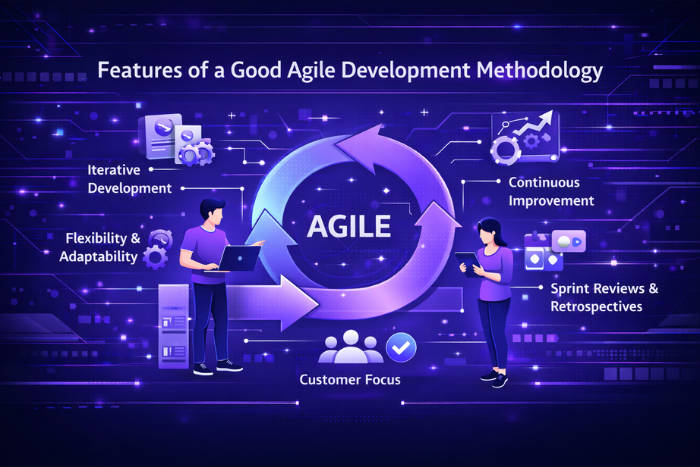
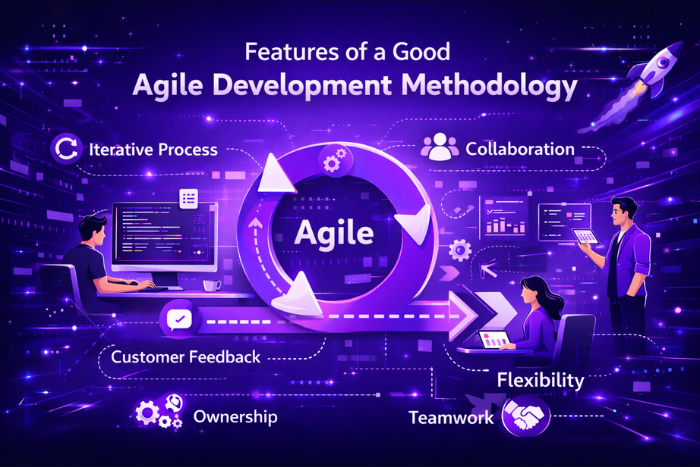
Features of a Good Agile Development Methodology
Software development has evolved significantly over the past few decades, with organizations increasingly adopting flexible and adaptive frameworks to deliver high-quality products. One of the most effective approaches in modern project management is Agile. Understanding the features of a good agile development methodology helps organizations build better software, respond quickly to changing requirements, and deliver value to customers faster.
Agile development focuses on iterative progress, collaboration, customer feedback, and continuous improvement. Instead of following rigid, long-term plans, Agile encourages teams to break projects into smaller increments called iterations or sprints. This allows developers to test, refine, and improve products continuously throughout the development lifecycle.
Agile methodologies are widely used in software development, mobile app development, web applications, and enterprise systems. Popular frameworks such as Scrum, Kanban, and Lean Agile are based on Agile principles that prioritize teamwork, flexibility, and customer satisfaction.
By implementing Agile development practices, organizations can improve productivity, enhance communication among teams, and ensure that the final product aligns closely with business objectives and user needs.
Why Features of a Good Agile Development Methodology Are Important
Agile methodology has become a preferred development framework because it allows teams to adapt quickly to changes while maintaining high product quality. Projects often face evolving requirements, market shifts, and customer feedback, making flexibility essential.
Here are several reasons why the features of a good Agile methodology are important:
Faster Delivery of Working Software
Iterative development allows teams to release functional features quickly.Improved Collaboration
Agile encourages close collaboration between developers, stakeholders, and customers.Adaptability to Changing Requirements
Teams can easily modify project scope during development.Higher Product Quality
Continuous testing and feedback improve software reliability.Better Risk Management
Short development cycles help identify potential issues early.Greater Customer Satisfaction
Regular feedback ensures the product meets user expectations.
By focusing on these principles, Agile helps organizations deliver high-quality software while remaining responsive to market demands.
Types of Agile Development Methodology Solutions
Agile methodology includes several frameworks that support different development environments and team structures.
Scrum Development Framework
A popular Agile approach using time-based sprints and structured team roles.Kanban Methodology
A visual workflow management system that focuses on continuous delivery.Lean Agile Development
A methodology focused on eliminating waste and maximizing efficiency.Extreme Programming (XP)
Agile framework emphasizing frequent releases and strong technical practices.Scaled Agile Framework (SAFe)
Agile practices adapted for large enterprise teams and complex projects.DevOps Integration with Agile
Combining Agile development with automated deployment and operations.
Each solution helps teams implement Agile principles effectively depending on project requirements.
Key Features of a Good Agile Development Methodology
A successful Agile development process includes several defining features that improve productivity, collaboration, and software quality.
Iterative Development Cycles
Projects are divided into short development cycles known as sprints.Continuous Feedback and Improvement
Teams gather feedback regularly and refine the product.Customer-Centric Development
Customer needs and feedback guide development priorities.Cross-Functional Team Collaboration
Teams include developers, designers, testers, and product managers.Adaptive Planning and Flexibility
Agile teams adjust plans as project requirements evolve.Frequent Testing and Quality Assurance
Continuous testing ensures software reliability.Incremental Product Releases
New features are delivered in stages rather than all at once.Transparency and Communication
Daily stand-ups and sprint reviews maintain team alignment.Focus on Business Value
Development efforts prioritize features that deliver the most value.
These features allow Agile teams to produce high-quality products efficiently.
Agile Development Process
A structured Agile development process helps teams manage complex projects while maintaining flexibility.
Project Vision and Requirement Definition
Define product goals, target users, and initial requirements.Product Backlog Creation
List all features, tasks, and improvements required for the project.Sprint Planning
Select tasks from the backlog to complete during the sprint.Development and Implementation
Build and integrate features during each sprint cycle.Testing and Quality Assurance
Continuously test functionality to identify and fix issues.Sprint Review and Demonstration
Present completed features to stakeholders for feedback.Sprint Retrospective
Evaluate the development process and identify improvements.Continuous Delivery and Updates
Release updates regularly and improve features over time.
This iterative process ensures that development remains efficient and adaptable.
Technology Stack for Agile Development
Agile development relies on various tools and technologies to manage workflows, collaboration, and software delivery.
Project Management Tools: Jira, Trello, Asana
Version Control Systems: Git, GitHub, GitLab
CI/CD Tools: Jenkins, GitHub Actions, CircleCI
Collaboration Tools: Slack, Microsoft Teams
Testing Tools: Selenium, Cypress, JUnit
Cloud Platforms: AWS, Google Cloud, Microsoft Azure
These tools help Agile teams manage projects efficiently and automate development workflows.

Cost Factors in Agile Development
The cost of implementing Agile development depends on several factors related to project complexity and team structure.
Project size and scope
Team size and expertise
Development tools and infrastructure
Integration with existing systems
Testing and quality assurance requirements
Project timeline and sprint cycles
Maintenance and continuous updates
While Agile projects require ongoing development cycles, they often reduce long-term costs by minimizing rework and improving efficiency.
Latest Trends in Agile Development
Agile methodologies continue to evolve as new technologies and project management practices emerge.
Some key trends shaping Agile development include:
AI-Assisted Agile Project Management
AI tools help analyze workflows and improve team productivity.DevOps and Agile Integration
Combining development and operations for faster delivery.Remote Agile Collaboration
Distributed teams working together using digital collaboration tools.Scaled Agile for Large Enterprises
Agile frameworks adapted for complex organizational structures.Automation in Testing and Deployment
Automated pipelines improve development speed.Data-Driven Agile Decision Making
Analytics and metrics guide project improvements.
These trends show how Agile continues to adapt to modern development challenges.
Why Choose Us for Agile Development Services?
Choosing the right development partner is essential for successfully implementing Agile methodologies. Our team specializes in delivering flexible, high-performance solutions using modern Agile practices.
Here’s why businesses choose our Agile development services:
Experienced Agile Development Teams – Skilled professionals trained in Scrum and Agile frameworks.
Customer-Focused Development Approach – Continuous collaboration with stakeholders.
Rapid Feature Delivery – Faster development cycles with regular updates.
High-Quality Software Solutions – Continuous testing ensures reliability.
Transparent Development Process – Clear communication and progress tracking.
Scalable and Future-Ready Applications – Agile systems designed to grow with your business.
Our goal is to help businesses deliver innovative software solutions faster and more efficiently.
Ready to implement Agile development for your next software project?
Let our experts help you build flexible and high-performing applications using modern Agile practices.
Contact us today for a free consultation and project discussion.
Key Points :
- Agile development methodology focuses on iterative development cycles, allowing teams to deliver functional features quickly.
- Continuous feedback and collaboration between developers, stakeholders, and customers help improve product quality.
- Cross-functional teams work together to design, develop, test, and deliver software efficiently.
- Adaptive planning allows teams to respond quickly to changing project requirements and market demands.
- Frequent testing and incremental releases ensure reliable and high-quality software development.
- Agile promotes transparency, communication, and continuous improvement throughout the development lifecycle.
FAQ's
Key features include iterative development, continuous feedback, cross-functional collaboration, adaptive planning, and incremental product delivery.
Agile development is a project management approach that focuses on iterative progress, collaboration, and flexibility.
Popular frameworks include Scrum, Kanban, Lean Agile, and Extreme Programming (XP).
Agile allows teams to adapt quickly to changing requirements and deliver features faster.
Common tools include Jira, Trello, GitHub, Jenkins, and Slack.
Sprints typically last between one and four weeks.
Yes, Agile methodologies are used in marketing, product management, and other industries.
Customer feedback helps teams refine features and ensure the product meets user needs.