




Features of a Good Fitness App
Discover the features of a good fitness app including workout tracking, personalized plans, wearable integration, and real-time progress monitoring.
Features of a Good Fitness App
Fitness applications have become essential tools for people looking to maintain a healthy lifestyle, track workouts, and achieve their fitness goals. With the rapid growth of digital health technologies, mobile fitness apps now offer personalized training plans, activity tracking, nutrition guidance, and real-time performance insights. Understanding the features of a good fitness app is crucial for businesses and startups planning to build successful fitness platforms that attract and retain users.
A well-designed fitness app helps users monitor their daily activities, follow customized workout routines, track nutrition intake, and stay motivated through progress tracking and reminders. Many modern apps also integrate with wearable devices such as smartwatches and fitness trackers to collect real-time health data. These capabilities allow users to monitor metrics like steps taken, calories burned, heart rate, and workout intensity.
Fitness apps are not only beneficial for individuals but also for fitness trainers, gyms, and wellness organizations. By offering advanced features such as virtual coaching, social challenges, and AI-powered recommendations, fitness apps can improve engagement and encourage users to stay consistent with their health goals.
Why the Features of a Good Fitness App Are Important
The success of a fitness application depends on its ability to deliver an engaging and motivating user experience. The right features help users stay committed to their fitness routines and achieve measurable health improvements.
Here’s why these features are important:
Improved User Motivation
Gamification, reminders, and progress tracking encourage users to stay consistent with workouts.Personalized Fitness Experience
Customized workout and nutrition plans help users achieve specific health goals.Real-Time Health Monitoring
Activity tracking allows users to monitor physical performance and health metrics.Enhanced User Engagement
Social sharing and community challenges make fitness journeys more interactive.Better Data Insights
Fitness analytics help users track improvements and adjust workout routines.Convenient Health Management
Fitness apps allow users to manage workouts, diet plans, and activity tracking in one place.
Implementing these features ensures that fitness apps provide value to users and remain competitive in the digital health market.
Types of Fitness Application Solutions
Fitness applications can serve different purposes depending on the needs of users and fitness businesses.
Activity Tracking Apps
Apps designed to track daily activities such as steps, calories burned, and distance traveled.Workout Training Apps
Platforms offering guided workouts, exercise tutorials, and structured fitness programs.Nutrition and Diet Apps
Applications that help users monitor food intake, calories, and diet plans.Personal Trainer Apps
Apps that provide virtual coaching, training sessions, and customized workout plans.Community Fitness Apps
Platforms that connect users through fitness challenges, leaderboards, and social engagement.
Each type of solution requires different features depending on the fitness goals of the users.
Key Features of a Good Fitness App
A successful fitness app should provide comprehensive tools and features that support user health and fitness progress.
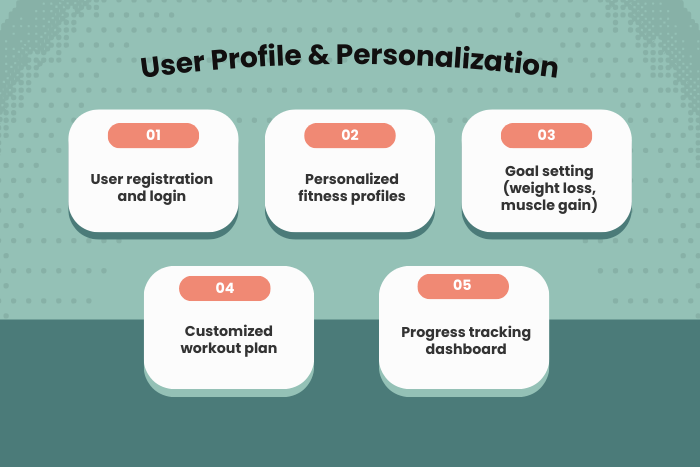
User Registration and Personalized Profiles
Users can create profiles and set fitness goals such as weight loss, muscle gain, or endurance training.Workout Plans and Exercise Guidance
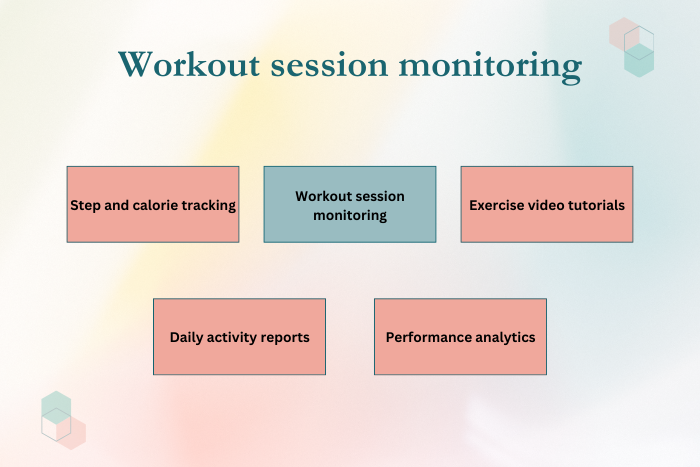
Structured workout routines with video tutorials and step-by-step instructions.Activity Tracking and Monitoring
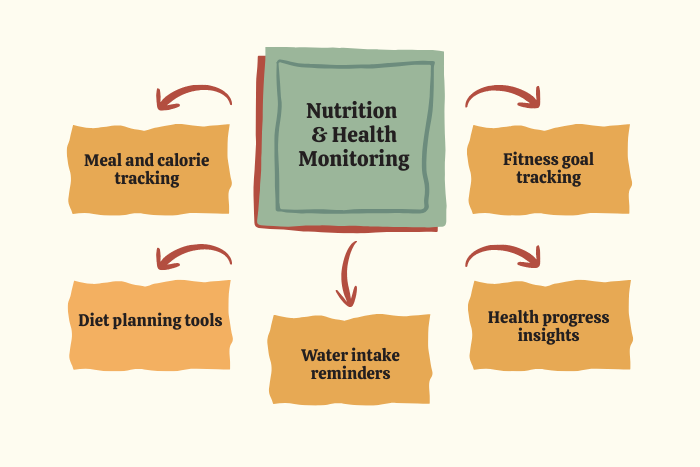
Track steps, calories burned, distance, and other fitness metrics.Nutrition and Diet Tracking
Users can log meals and monitor daily calorie intake.Wearable Device Integration
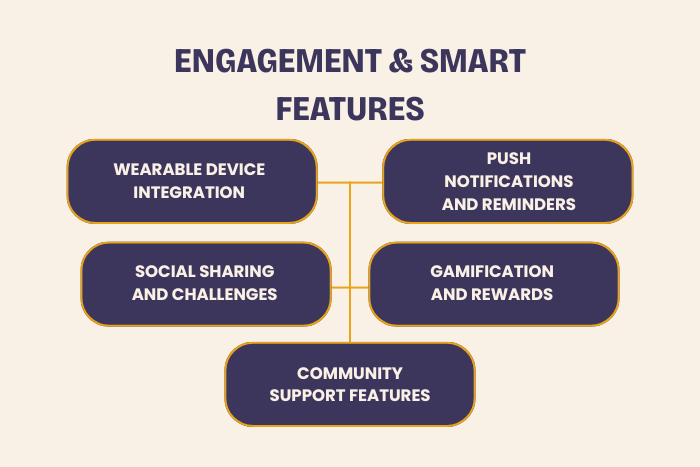
Integration with smartwatches and fitness trackers for real-time data collection.Progress Monitoring and Analytics
Users can track improvements through charts, reports, and performance insights.Push Notifications and Reminders
Alerts help users stay consistent with workouts and meal plans.Social Sharing and Community Engagement
Users can share achievements and participate in fitness challenges.Audio and Video Workout Support
High-quality media content enhances the workout experience.Goal Setting and Achievement Tracking
Users can set fitness goals and receive motivational updates.
These features help fitness apps deliver engaging and personalized health experiences.
Development Process for a Fitness App
Developing a high-quality fitness application requires a structured development approach.
Market Research and Requirement Analysis
Identify the target audience, fitness goals, and core features required.Feature Planning and Architecture Design
Design the system architecture and define app functionalities.UI/UX Design and Prototyping
Create user-friendly interfaces that enhance the workout experience.Frontend and Backend Development
Develop the app interface and backend infrastructure.API and Wearable Integration
Connect the app with fitness devices and health APIs.Testing and Quality Assurance
Conduct performance testing, usability testing, and security audits.Deployment and Launch
Release the app on mobile platforms and ensure stable performance.Maintenance and Continuous Improvement
Add new features, fix bugs, and optimize performance.
A structured development process ensures that the app performs efficiently and meets user expectations.
Technology Stack for Fitness Application Development
Modern fitness apps rely on advanced technologies to provide real-time tracking and data analysis.
Frontend Technologies: React Native, Flutter, Swift, Kotlin
Backend Technologies: Node.js, Python, Java, PHP
Databases: MongoDB, PostgreSQL, MySQL
Cloud Platforms: AWS, Google Cloud Platform, Microsoft Azure
Wearable Integrations: Apple HealthKit, Google Fit APIs
DevOps Tools: Docker, Kubernetes, CI/CD pipelines
Security Technologies: SSL encryption, OAuth authentication
These technologies enable scalable and secure fitness applications capable of handling large user bases.
Cost Factors in Fitness App Development
The cost of developing a fitness app with good features depends on several factors :
Complexity of features and functionalities
Integration with wearable devices and health APIs
Platform choice (iOS, Android, or cross-platform)
Custom UI/UX design requirements
Third-party integrations and analytics tools
Cloud infrastructure and hosting
Maintenance and updates after launch
Compliance with health and data security standards
Fitness apps with advanced AI recommendations and real-time tracking require higher development investment.
Latest Trends in Fitness App Development
The fitness technology landscape continues to evolve with new innovations improving digital health experiences.
AI-Based Personalized Training Plans
Artificial intelligence analyzes user data to create custom workout programs.Wearable Device Ecosystems
Fitness apps integrate seamlessly with smartwatches and health trackers.Virtual Fitness Coaching
Users can receive guidance from professional trainers through live sessions.Gamification and Fitness Challenges
Leaderboards and rewards motivate users to stay active.Augmented Reality Workouts
AR technology provides interactive fitness experiences.Mental Wellness Integration
Apps combine physical fitness with meditation and mindfulness features.
These trends are shaping the future of digital fitness platforms.
Why Choose Us for Fitness App Development?
Choosing the right development partner is essential when building a feature-rich fitness application. Our team specializes in creating scalable and engaging fitness platforms designed to help users achieve their health goals.
Here’s why businesses choose our services:
Experienced Fitness App Developers – Skilled in building high-performance health and wellness applications.
User-Centered Design Approach – Intuitive interfaces that improve user engagement.
Advanced Wearable Integration – Seamless connectivity with smart fitness devices.
Scalable Cloud Infrastructure – Apps designed to support growing user bases.
AI and Data Analytics Expertise – Personalized fitness recommendations and insights.
Cross-Platform Development – Build apps for iOS, Android, and web platforms efficiently.
Agile Development Process – Transparent workflows with continuous collaboration.
Long-Term Support and Maintenance – Regular updates and performance optimization.
We help fitness businesses launch powerful digital platforms that motivate users and support healthy lifestyles.
Ready to build a high-performance fitness application?
Let our experts develop a feature-rich fitness app tailored to your vision.
Contact us today for a free consultation and project estimate.
Key Points :
- A good fitness app should include activity tracking features that monitor steps, calories burned, workout duration, and overall physical performance.
- Personalized workout plans help users achieve specific goals such as weight loss, muscle gain, or endurance improvement.
- Nutrition and diet tracking allows users to log meals, monitor calorie intake, and maintain balanced eating habits.
- Integration with wearable devices like smartwatches and fitness trackers enables real-time health and activity monitoring.
- Progress tracking and analytics provide insights through reports, charts, and performance metrics to keep users motivated.
- Push notifications, reminders, and fitness challenges encourage consistent workouts and long-term user engagement.
FAQ's
Important features include activity tracking, personalized workout plans, nutrition tracking, wearable integration, and progress monitoring.
Development timelines typically range from three to six months depending on complexity and integrations.
Technologies such as React Native, Node.js, MongoDB, and cloud platforms like AWS are commonly used.
Yes. Many apps integrate with devices like smartwatches and fitness trackers to collect health data.
Yes. AI can create personalized workout plans and provide performance insights.
Yes. Many apps include community challenges, leaderboards, and social sharing options.
Yes. Continuous updates, security improvements, and feature enhancements are necessary to maintain performance.