
Discover the essential features of a successful gaming app including gameplay, UI/UX, monetization, and scalability for building engaging mobile games.


Features of a Successful Gaming App
The mobile gaming industry has grown into one of the most competitive and profitable segments of the digital economy. With millions of apps available across platforms, creating a game that attracts and retains users requires more than just an interesting idea. The real difference between a short-lived game and a long-term success lies in the features of a successful gaming app.
A successful gaming app combines engaging gameplay mechanics, intuitive user experience, strong performance, and smart monetization strategies. Modern gamers expect immersive visuals, seamless interactions, social features, and frequent updates that keep the experience fresh. At the same time, developers must ensure scalability, security, and compatibility across multiple devices and platforms.
Understanding these essential features is critical for startups, gaming studios, and businesses entering the gaming market. From user engagement and multiplayer capabilities to analytics and backend infrastructure, every component contributes to the overall success of a gaming application.
In this guide, we explore the most important features that define a successful gaming app and how the right development strategy can help transform a creative idea into a highly engaging and profitable gaming experience.
Why the Features of a Successful Gaming App Are Important
Building a gaming app is not just about graphics or gameplay; it requires a balanced combination of technology, design, and user engagement strategies. The features of a successful gaming app directly impact user retention, monetization potential, and long-term popularity.
Here are several reasons why these features are crucial:
Higher User Engagement: Well-designed features keep players engaged and encourage longer play sessions.
Improved User Retention: Engaging mechanics and frequent updates motivate players to return regularly.
Competitive Advantage: Unique features help a game stand out in crowded app marketplaces.
Better Monetization Opportunities: Smart monetization models increase revenue without damaging the gaming experience.
Scalability and Stability: Strong backend systems ensure smooth performance even with large numbers of players.
Games that successfully combine innovation with user-friendly design often achieve higher download rates and stronger community engagement. Therefore, focusing on the right features during development can significantly increase the chances of building a successful gaming application.
Types of Successful Gaming App Businesses Can Build
Before exploring the features of a successful gaming app, it is important to understand the different types of gaming applications that businesses can develop.
Casual Games
Simple and highly addictive games designed for quick play sessions, such as puzzle or endless runner games.Arcade Games
Fast-paced games focused on reflexes, scoring, and progressive difficulty levels.Strategy Games
Games that require tactical thinking, resource management, and long-term planning.Adventure and Story-Based Games
Games that revolve around narratives, quests, and character development.Multiplayer Online Games
Real-time multiplayer games where players compete or collaborate with others.Role-Playing Games (RPG)
Games where players develop characters, explore worlds, and progress through storylines.Educational and Skill-Based Games
Games designed to improve knowledge, memory, or cognitive skills.
Each type of gaming application may require slightly different features, but the core principles of engagement, usability, and scalability remain the same.
Key Features of a Successful Gaming App
A successful gaming app must combine engaging gameplay, intuitive design, strong technical performance, and monetization strategies. The following features play a crucial role in creating a game that attracts and retains players:
Intuitive User Interface and User Experience
The game interface should be simple, responsive, and easy to navigate. Smooth controls and clear menus help players understand gameplay quickly and enjoy a seamless experience.Engaging Gameplay Mechanics
Addictive gameplay mechanics keep players engaged for longer periods. Balanced difficulty levels, rewards, and challenges motivate users to continue playing.High-Quality Graphics and Visual Design
Visually appealing environments, detailed characters, and smooth animations create an immersive gaming experience that attracts modern players.Multiplayer and Social Integration
Multiplayer modes allow players to compete or collaborate with others worldwide. Features like leaderboards, social sharing, and in-game chat increase engagement.Player Customization and Personalization
Custom avatars, skins, characters, and settings allow players to personalize their gaming experience and build stronger emotional connections with the game.Smart Monetization Options
Successful gaming apps use monetization strategies such as in-app purchases, rewarded ads, and premium upgrades without disrupting gameplay.Real-Time Notifications and Reward Systems
Daily rewards, achievements, push notifications, and limited-time events encourage players to return regularly.Performance Optimization
Fast loading times, smooth frame rates, and optimized graphics ensure the game runs smoothly on different devices and operating systems.Security and Anti-Cheat Mechanisms
Secure authentication, encrypted transactions, and anti-cheat systems protect player accounts and maintain fair gameplay.Advanced Analytics and Player Insights
Analytics tools help developers track player behavior, optimize game features, and improve user retention strategies.
Gaming App Development Process
Developing a gaming application requires a structured and strategic approach to ensure quality and performance.
Concept Ideation and Game Planning
The process begins with defining the game concept, storyline, gameplay mechanics, and target audience.Market Research and Competitor Analysis
Studying market trends and existing games helps identify opportunities and potential challenges.Game Design and UI/UX Development
Designers create game characters, environments, and interactive elements to build an engaging user interface.Game Development and Programming
Developers implement game logic, physics engines, graphics rendering, and backend infrastructure.Testing and Quality Assurance
Rigorous testing ensures the game runs smoothly across devices and platforms.Deployment and Launch
The game is published on platforms such as Google Play Store and Apple App Store.Post-Launch Updates and Optimization
Regular updates, bug fixes, and new content keep players engaged and improve performance.
Technology Stack for Gaming App Development
Choosing the right technology stack is essential for building high-performance gaming applications.
Game Engines: Unity, Unreal Engine, Godot, GameMaker Studio
Programming Languages: C#, C++, JavaScript, Python
Graphics Tools: Blender, Maya, Photoshop
Mobile Platforms: Android, iOS, Cross-platform frameworks
Backend Technologies: Node.js, Firebase, AWS Game Tech
Database: MongoDB, MySQL, PostgreSQL
Analytics Tools: Google Analytics, GameAnalytics, Firebase Analytics
Cloud Services: AWS, Google Cloud, Microsoft Azure
These technologies enable developers to build scalable, visually appealing, and high-performing gaming apps.


Cost Factors in Gaming App Development
The cost of developing a gaming application varies depending on several factors.
Game complexity and feature set
Type of game (casual, multiplayer, RPG, etc.)
Graphics quality and animation requirements
Multiplayer functionality and server infrastructure
Development platform (Android, iOS, or both)
Technology stack and game engine selection
Security features and backend architecture
Ongoing maintenance and updates
A simple casual game may require a modest budget, while complex multiplayer games with advanced graphics can involve significantly higher development costs.
Latest Trends in Gaming App Development
The gaming industry continues to evolve with new technologies and innovations shaping player experiences.
Cloud gaming and streaming platforms
Augmented Reality (AR) and Virtual Reality (VR) gaming
AI-driven gameplay and adaptive difficulty
Cross-platform gaming experiences
Blockchain and NFT-based gaming ecosystems
Real-time multiplayer gaming infrastructure
Gamification in non-gaming apps
Advanced player analytics and personalization
These trends are redefining how games are built and experienced, creating new opportunities for developers and businesses.
Why Choose Us for Gaming App Development
Choosing the right development partner can make a significant difference in the success of your gaming application. Our team focuses on combining creativity, advanced technology, and industry best practices to build high-performing gaming apps.
Here’s why businesses trust us for gaming app development:
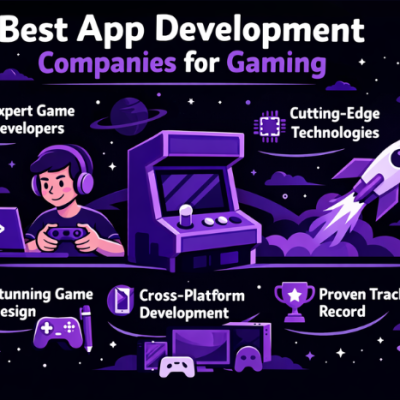
Expert Game Developers with experience in multiple gaming engines and technologies
Creative Game Design focused on engaging gameplay and immersive user experiences
High-Performance Applications optimized for speed, graphics, and stability
Scalable Multiplayer Architecture capable of supporting large player communities
Secure Gaming Platforms with advanced anti-cheat systems and data protection
Smart Monetization Strategies designed to maximize revenue while maintaining player satisfaction
Continuous Updates and Support to keep games fresh and competitive
We transform innovative gaming ideas into engaging, scalable, and profitable mobile games.
Ready to build your next hit gaming app?
Let’s create an engaging game that players love and keep coming back to.
Contact us today to discuss your gaming app development project.
Key Points :
- Intuitive user interface and smooth user experience help players easily navigate the game and stay engaged for longer sessions.
- Engaging gameplay mechanics with progressive challenges and rewards increase player retention and encourage repeat usage.
- High-quality graphics, animations, and immersive visual design enhance the overall gaming experience and attract more users.
- Multiplayer functionality and social integration allow players to compete, collaborate, and share achievements, boosting engagement.
- Smart monetization strategies such as in-app purchases, ads, and premium upgrades generate revenue without interrupting gameplay.
- Strong backend infrastructure, security features, and performance optimization ensure smooth gameplay, scalability, and protection against cheating.
FAQ's
Key features include engaging gameplay mechanics, intuitive UI/UX, high-quality graphics, multiplayer functionality, monetization systems, and strong backend infrastructure.
Gaming apps typically generate revenue through in-app purchases, advertisements, subscriptions, and premium game versions.
Development time varies based on complexity. A simple game may take 2–4 months, while advanced multiplayer games can take 6–12 months.
Yes. Multiplayer functionality significantly increases engagement, competitiveness, and community interaction among players.
Yes. With scalable cloud infrastructure and optimized backend architecture, gaming apps can handle millions of concurrent users.
User retention improves through regular updates, new levels, rewards, leaderboards, social features, and engaging gameplay mechanics.
Yes. Continuous updates, bug fixes, and new content are essential to keep players engaged and maintain app performance.