

Discover the features of a successful online gaming platform including cross-platform play, security, multiplayer tools, rewards systems, and scalable infrastructure.
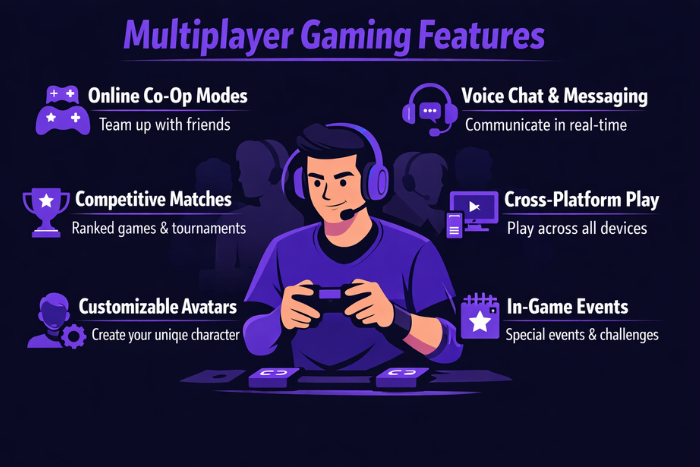
Features of a Successful Online Gaming Platform
Online gaming has evolved into a global digital entertainment industry, attracting millions of players across mobile devices, PCs, and gaming consoles. Modern gamers expect immersive experiences, smooth gameplay, social interaction, and seamless access across multiple platforms. For developers, gaming studios, and startups, building a robust platform requires understanding the features of a successful online gaming platform that keep players engaged while ensuring performance, security, and scalability.
An online gaming platform acts as the digital infrastructure that hosts games, manages user accounts, processes payments, and supports multiplayer interactions. Beyond simply offering games, successful platforms provide features like matchmaking systems, leaderboards, community engagement tools, cross-platform compatibility, and secure payment systems.
As competition in the gaming industry grows, platforms must also deliver fast performance, advanced analytics, and personalized gaming experiences. By integrating the right technology and features, developers can create gaming ecosystems that attract players, encourage retention, and generate sustainable revenue.
Whether you’re developing a casual gaming portal, an esports platform, or a large-scale multiplayer gaming network, implementing the right features ensures long-term success. This guide explores the key features, development process, technology stack, cost considerations, and emerging trends in online gaming platform development.
Why Features of a Successful Online Gaming Platform Are Important
A well-designed gaming platform goes beyond gameplay—it creates a complete digital ecosystem that enhances player experiences and supports business growth.
Here’s why implementing the features of a successful online gaming platform is essential:
Enhanced Player Experience
Intuitive design, smooth gameplay, and fast loading times improve user satisfaction.Stronger Player Engagement
Features such as leaderboards, tournaments, and social tools encourage long-term participation.Secure Gaming Environment
Advanced security protocols protect player accounts and digital transactions.Scalable Infrastructure
Platforms must support thousands or millions of players simultaneously.Efficient Game Management
Developers and administrators can manage game updates, players, and analytics.Revenue Generation Opportunities
Integrated payment systems enable in-game purchases, subscriptions, and digital marketplaces.
With the right features, gaming platforms can deliver immersive experiences while maintaining reliable performance.
Types of Gaming Platform Solutions
Online gaming platforms can be designed for different gaming models depending on the target audience and game types.
Casual Gaming Platforms
Designed for simple browser or mobile games.
Puzzle games
Arcade-style gameplay
Single-player experiences
Multiplayer Gaming Platforms
Platforms that allow players to compete or collaborate online.
Real-time multiplayer matches
Matchmaking systems
Online tournaments
Esports Gaming Platforms
Platforms designed for competitive gaming communities.
Tournament management
Leaderboards and rankings
Streaming integrations
Cloud Gaming Platforms
Platforms that allow users to play games without downloading them.
Game streaming technology
Cross-device access
Remote server processing
Online Casino and Betting Platforms
Platforms focused on gambling-style games.
Card games and slots
Digital wallets and payments
Reward systems
Each platform requires specific features depending on the gaming experience it offers.
Key Features of a Successful Online Gaming Platform
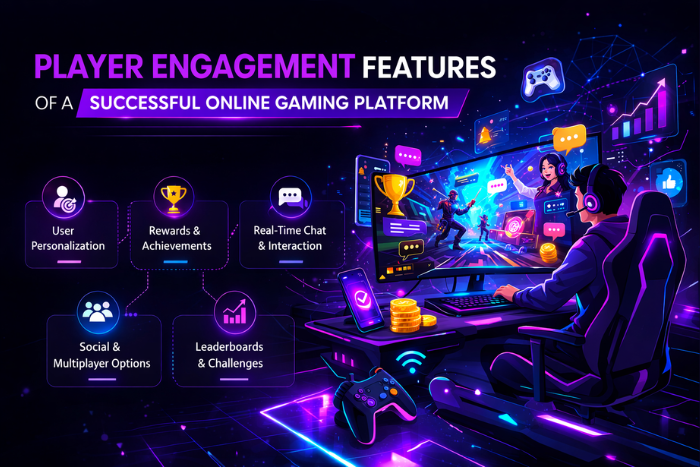
To build a competitive gaming platform, developers must integrate features that enhance gameplay, performance, and user engagement.
User-Friendly Interface and Navigation
Players should be able to easily browse games, access profiles, and navigate the platform without confusion.
Cross-Platform Compatibility
Players should be able to access games on mobile devices, desktops, tablets, and gaming consoles.
Secure User Authentication
Strong login systems, including two-factor authentication, protect player accounts.
High-Performance Game Servers
Low latency servers ensure smooth gameplay and real-time interactions between players.
Multiplayer Matchmaking System
Automated matchmaking helps players connect with opponents of similar skill levels.
In-Game Communication Tools
Voice chat, messaging, and team collaboration tools enhance multiplayer experiences.
Leaderboards and Ranking Systems
Competitive ranking systems motivate players to improve performance.
Reward and Achievement Systems
Points, badges, and rewards encourage long-term engagement.
Game Library Management
The platform should support multiple game genres and regular content updates.
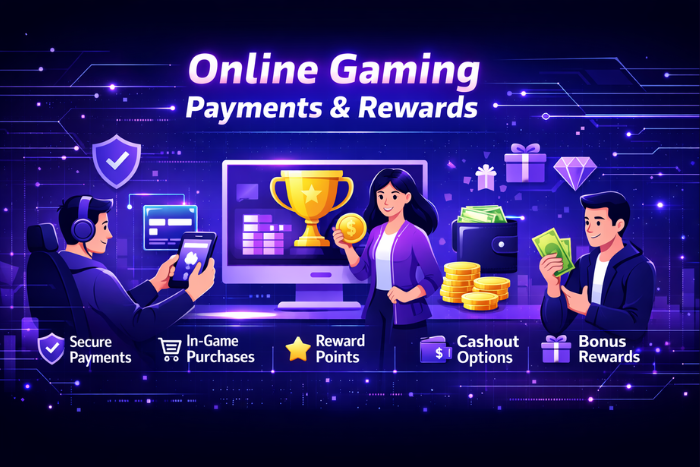
Integrated Payment and Wallet Systems
Players should be able to purchase digital items, skins, or subscriptions securely.
Community and Social Features
Forums, guilds, and player groups encourage social interaction within the platform.
Admin Dashboard and Analytics
Administrators can track player activity, revenue data, and platform performance.
These features ensure that gaming platforms deliver engaging, secure, and scalable experiences.
Development Process for an Digital Gaming Platform
Developing a successful online gaming platform requires a structured development approach.
Market Research and Requirement Analysis
Identify target players, game types, and business models.Game Platform Architecture Design
Plan server infrastructure, game engines, and networking systems.UI/UX Design and Prototyping
Design user-friendly interfaces for game navigation and player interaction.Backend and Game Engine Development
Build game servers, player management systems, and networking protocols.Integration of Multiplayer and Social Features
Implement matchmaking, communication tools, and community features.Testing and Performance Optimization
Conduct load testing, security checks, and gameplay testing.Deployment and Launch
Launch the platform on cloud infrastructure and app stores.Continuous Updates and Maintenance
Regular updates introduce new games and improve platform performance.
This development process ensures that the gaming platform remains scalable and reliable.
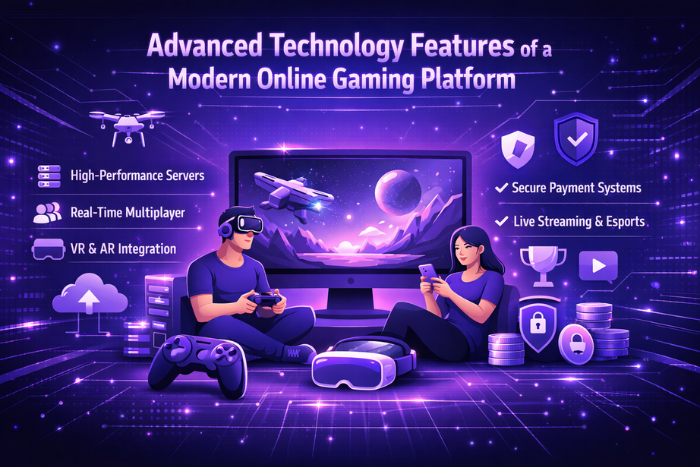
Technology Stack for Online Gaming Platform Development
Online gaming platforms rely on advanced technologies for real-time performance and scalability.
Game Engines: Unity, Unreal Engine
Frontend Technologies: HTML5, CSS3, JavaScript, React
Backend Technologies: Node.js, Python, Java
Database Systems: MySQL, PostgreSQL, MongoDB
Real-Time Communication: WebSockets, WebRTC
Cloud Platforms: AWS, Google Cloud Platform, Microsoft Azure
Payment Systems: Stripe, PayPal, digital wallet integrations
Security Technologies: SSL encryption, authentication protocols, anti-cheat systems
These technologies ensure smooth gameplay, secure data management, and reliable performance.
Cost Factors in Online Gaming Platform Development
The cost of building an online gaming platform depends on several factors.
Key cost considerations include:
Number and complexity of games
Multiplayer and matchmaking features
UI/UX design requirements
Server infrastructure and cloud hosting
Payment gateway integrations
Security and anti-cheat systems
Development team expertise and location
Maintenance and platform updates
Simple gaming portals require moderate investment, while advanced multiplayer platforms require larger budgets.
Latest Trends in Online Gaming Platform Development
The gaming industry continues to evolve with innovative technologies.
Key trends include:
Cloud gaming and streaming services
AI-powered matchmaking systems
Blockchain-based gaming assets
Virtual reality (VR) and augmented reality (AR) gaming
Metaverse gaming environments
Cross-platform multiplayer gaming
Esports tournament integration
Personalized gaming recommendations
These innovations are shaping the future of online gaming platforms.
Why Choose Us for Online Gaming Platform Development
Developing a high-performance gaming platform requires expertise in game development, scalable infrastructure, and real-time networking technologies.
Here’s why businesses choose us:
Expertise in Gaming Platform Development
We build scalable gaming platforms for startups and gaming studios.Custom Feature Integration
Our developers integrate all essential features of a successful online gaming platform.Secure and Scalable Infrastructure
Our platforms support large gaming communities and high player traffic.Advanced Multiplayer and Real-Time Systems
We implement high-performance matchmaking and networking technologies.User-Centered Gaming Experiences
Our design approach focuses on immersive gameplay and easy navigation.End-to-End Development Services
From concept and development to deployment and maintenance.
We help gaming businesses build powerful platforms that engage players and drive long-term growth.
Planning to build a next-generation online gaming platform?
Our developers can create a scalable and engaging gaming ecosystem tailored to your audience.
Contact us today for a free consultation and project estimate.
Key Points :
- Online gaming platforms provide interactive gameplay, multiplayer features, and cross-platform access across mobile, desktop, and consoles.
- Key features include user-friendly interfaces, secure authentication, real-time matchmaking, and high-performance game servers.
- Engagement tools such as leaderboards, reward systems, tournaments, and community forums keep players active.
- Integrated payment systems and digital wallets enable in-game purchases, subscriptions, and virtual item transactions.
- Development costs depend on game complexity, server infrastructure, multiplayer functionality, and security features.
- Emerging trends include cloud gaming, AI-powered matchmaking, VR/AR gaming experiences, and blockchain-based gaming assets.
FAQ's
Important features include multiplayer matchmaking, leaderboards, cross-platform compatibility, secure payments, and community engagement tools.
It hosts games on servers, manages player accounts, supports multiplayer interactions, and processes digital transactions.
It allows players to access games across multiple devices such as PCs, mobile phones, and consoles.
They use encryption, secure authentication systems, and anti-cheat mechanisms.
Costs vary depending on game complexity, multiplayer features, server infrastructure, and development resources.
Game engines such as Unity and Unreal Engine, along with cloud servers and real-time networking technologies, are commonly used.
Yes. Rewards, achievements, and leaderboards motivate players and increase engagement.