




Learn the key features of a successful SEO strategy including keyword research, content optimization, technical SEO, and analytics to improve rankings.
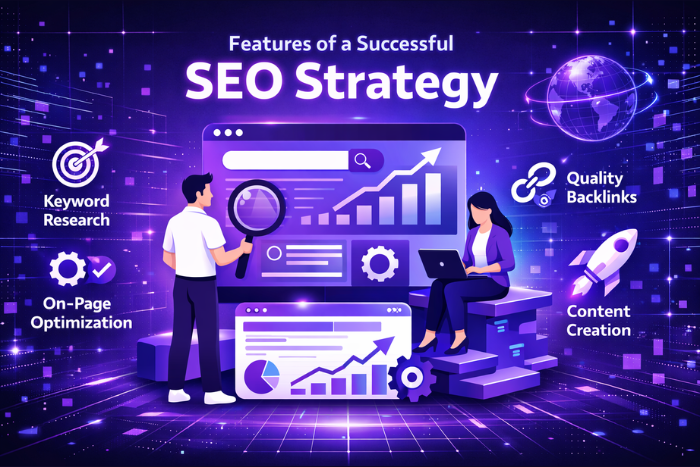
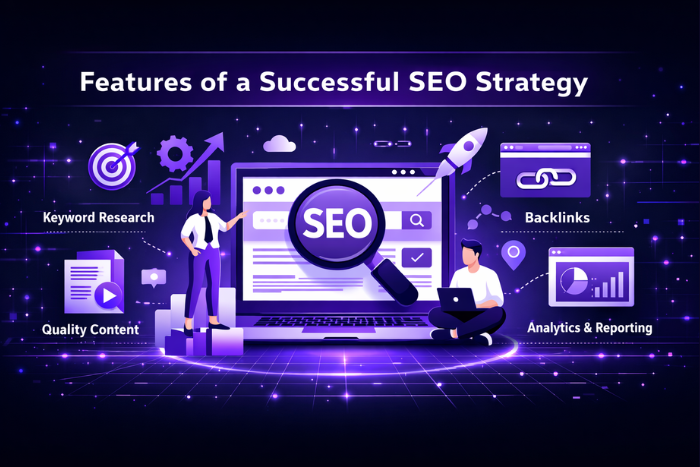
Features of a Successful SEO Strategy
Search engine optimization (SEO) is one of the most powerful digital marketing strategies for increasing online visibility, attracting qualified traffic, and generating long-term business growth. Understanding the features of a successful SEO strategy is essential for businesses that want to rank higher in search engines and outperform their competitors in an increasingly competitive digital landscape.
A successful SEO strategy involves more than simply adding keywords to web pages. It requires a comprehensive approach that combines technical optimization, high-quality content creation, user experience improvements, and data-driven decision-making. When implemented effectively, SEO helps search engines understand your website while delivering valuable content that meets the needs of users.
Modern SEO strategies also focus on search intent, mobile optimization, site performance, and structured data to improve visibility in search results. Businesses that invest in well-planned SEO campaigns can build authority, attract organic traffic, and convert visitors into customers over time.
In this guide, we explore the essential features of a successful SEO strategy, including core elements, development processes, technologies, and best practices that help businesses achieve sustainable search engine growth.
Why Features of a Successful SEO Strategy Are Important
An effective SEO strategy plays a critical role in helping businesses grow their online presence and reach potential customers who are actively searching for products or services. Without a structured SEO strategy, websites often struggle to compete in search results and miss valuable opportunities for organic traffic.
Here are some key reasons why understanding the features of a successful SEO strategy is important:
Improved Search Engine Rankings
A well-structured SEO strategy helps websites rank higher in search engine results pages (SERPs).Increased Organic Traffic
Higher rankings lead to more visitors from search engines without relying on paid advertising.Better User Experience
SEO focuses on improving site usability, navigation, and page speed, which enhances user satisfaction.Higher Conversion Rates
Targeting the right keywords and search intent attracts visitors who are more likely to convert.Long-Term Marketing Results
Unlike paid ads, SEO provides sustainable results that continue generating traffic over time.Stronger Brand Authority
Websites that consistently appear in top search results build trust and credibility among users.
By implementing the right SEO features, businesses can create a strong digital presence that drives measurable growth.
Types of Successful SEO Strategy Solutions
Different SEO strategies focus on various aspects of website optimization and digital marketing. Combining these solutions creates a comprehensive SEO approach.
On-Page SEO Optimization
Improving website content, keyword placement, headings, meta tags, and internal linking.Technical SEO Optimization
Enhancing website structure, crawlability, indexing, page speed, and mobile responsiveness.Content SEO Strategy
Creating valuable and informative content that targets relevant search queries.Local SEO Optimization
Optimizing business listings and location-based keywords to attract nearby customers.Off-Page SEO and Link Building
Building high-quality backlinks and brand authority through external websites.E-commerce SEO Strategy
Optimizing product pages, category pages, and structured data for online stores.Enterprise SEO Strategy
Large-scale SEO campaigns for organizations with extensive websites and multiple pages.
Each solution contributes to building a comprehensive SEO strategy that improves visibility and traffic.
Key Features of a Successful SEO Strategy
A successful SEO strategy is built on several essential features that help search engines understand your content while delivering valuable experiences for users.
Comprehensive Keyword Research
Identifying relevant keywords, long-tail search queries, and user search intent.High-Quality Content Creation
Publishing valuable, informative, and engaging content that answers users’ questions.Technical SEO Optimization
Ensuring websites are easily crawlable and indexable by search engines.Mobile-Friendly Website Design
Optimizing websites for mobile devices to improve accessibility and performance.Page Speed and Performance Optimization
Fast-loading websites improve user experience and search rankings.Structured Data and Schema Markup
Helping search engines understand content through structured data implementation.Internal Linking Strategy
Connecting relevant pages to improve navigation and distribute link authority.Backlink Building and Authority Development
Acquiring high-quality links from reputable websites to increase domain authority.User Experience Optimization
Enhancing website design, readability, and navigation for better engagement.Analytics and Performance Tracking
Monitoring SEO performance through metrics such as rankings, traffic, and conversions.
These features work together to create a strong SEO strategy that improves search visibility and user engagement.
SEO Strategy Development Process
Building an effective SEO strategy requires a structured process that combines research, planning, implementation, and continuous optimization.
SEO Audit and Website Analysis
Evaluate the current website performance, technical issues, and keyword rankings.Keyword Research and Competitor Analysis
Identify target keywords and analyze competitor SEO strategies.Content Strategy Development
Plan blog posts, landing pages, and website content targeting relevant keywords.Technical SEO Implementation
Improve website speed, mobile responsiveness, crawlability, and site architecture.On-Page Optimization
Optimize titles, meta descriptions, headings, images, and internal links.Link Building and Authority Development
Acquire backlinks from reputable websites to increase credibility.Performance Monitoring and Reporting
Track rankings, traffic, and conversions using analytics tools.Continuous Optimization
Regularly update content and improve SEO elements based on performance data.
This systematic approach ensures that SEO strategies remain effective and aligned with search engine algorithms.
Technology Stack for SEO Strategy Implementation
Successful SEO strategies rely on a variety of tools and technologies that help analyze data, optimize websites, and monitor performance.
SEO Research Tools: Ahrefs, SEMrush, Moz, Ubersuggest
Keyword Research Tools: Google Keyword Planner, AnswerThePublic, KeywordTool.io
Analytics Platforms: Google Analytics, Google Search Console
Technical SEO Tools: Screaming Frog SEO Spider, Sitebulb
Content Optimization Tools: Surfer SEO, Clearscope, Grammarly
Website Platforms: WordPress, Shopify, Webflow
Performance Tools: Google PageSpeed Insights, GTmetrix
Structured Data Tools: Schema Markup Generator, Google Rich Results Test
Using advanced tools enables businesses to build data-driven SEO strategies and optimize websites efficiently.
Cost Factors in Developing an SEO Strategy
The cost of implementing a successful SEO strategy depends on several factors related to project scope, competition level, and required resources.
Website size and number of pages
Industry competition and keyword difficulty
Content creation requirements
Technical SEO improvements
Link building and outreach campaigns
SEO tools and analytics platforms
Ongoing monitoring and optimization
Local or international SEO targeting
Small businesses may require basic SEO services, while large enterprises often invest in comprehensive SEO strategies for long-term growth.
Latest Trends in SEO Strategy
Search engine optimization continues to evolve as search engines update their algorithms and user behavior changes.
Some of the most important trends shaping SEO strategies include:
AI-Driven Search Optimization
Artificial intelligence helps analyze search intent and generate optimized content.Voice Search Optimization
More users are searching using voice assistants and conversational queries.Search Intent and Topic Clusters
SEO strategies now focus on topic authority rather than individual keywords.Core Web Vitals Optimization
Page experience metrics influence search rankings and user satisfaction.E-E-A-T (Experience, Expertise, Authority, Trust)
Google prioritizes high-quality content from credible sources.Video and Visual Search Optimization
Optimizing multimedia content for search visibility.Mobile-First SEO Strategy
Mobile usability is now a major ranking factor.
These trends highlight the importance of continuously evolving SEO strategies to stay competitive.
Why Choose Us for SEO Strategy Services?
Choosing the right SEO partner is essential for achieving long-term digital success. Our team specializes in developing comprehensive SEO strategies that improve search visibility and drive sustainable growth.
Here’s what sets our SEO services apart:
Data-Driven SEO Strategy – We use advanced analytics and research tools to identify growth opportunities.
Comprehensive Optimization Approach – Covering technical SEO, content strategy, and link building.
Experienced SEO Specialists – Our experts stay updated with the latest search engine algorithm changes.
Content-Focused SEO Campaigns – High-quality content designed to attract and engage your target audience.
Transparent Reporting and Analytics – Clear performance reports and actionable insights.
Scalable SEO Solutions – Strategies designed to grow with your business.
We help businesses improve their online visibility, attract qualified traffic, and achieve measurable results through strategic SEO implementation.
Ready to build a powerful SEO strategy for your business?
Let our SEO experts help you achieve higher search rankings and sustainable growth.
Contact us today for a free SEO consultation and customized strategy.
Key Points :
- A successful SEO strategy includes keyword research, high-quality content, technical SEO, and strong backlink building to improve search rankings.
- Understanding user search intent helps create relevant content that attracts qualified organic traffic.
- On-page SEO elements such as meta tags, headings, internal links, and optimized images improve search engine visibility.
- Technical SEO features like mobile optimization, fast page speed, and proper site structure enhance user experience and crawlability.
- Tracking SEO performance with tools like Google Analytics and Search Console helps measure traffic, rankings, and conversions.
- Continuous optimization and updated content help maintain long-term search engine rankings and sustainable organic growth.
FAQ's
Key features include keyword research, high-quality content, technical optimization, mobile-friendly design, link building, and performance analytics.
Keyword research helps identify the search terms users are looking for, allowing businesses to create relevant content that ranks in search results.
SEO results typically take 3–6 months depending on competition, website authority, and optimization efforts.
Technical SEO focuses on improving website structure, crawlability, indexing, and performance to help search engines understand the site.
High-quality content helps websites rank for relevant keywords while providing value to users.
Backlinks from authoritative websites increase domain authority and improve search rankings.
Popular tools include Google Analytics, Google Search Console, Ahrefs, SEMrush, and Screaming Frog.
SEO provides long-term organic traffic, while paid advertising generates immediate results but requires continuous investment.