
Learn how app development companies charge for their services, including pricing models, cost factors, and budgeting tips for mobile app projects.

How Do App Development Companies Charge for Their Services?
Businesses planning to build a mobile or web application often ask an important question: how do app development companies charge for their services? Understanding pricing models and cost structures is essential before starting a development project because it helps businesses plan budgets, choose the right development partner, and avoid unexpected expenses.
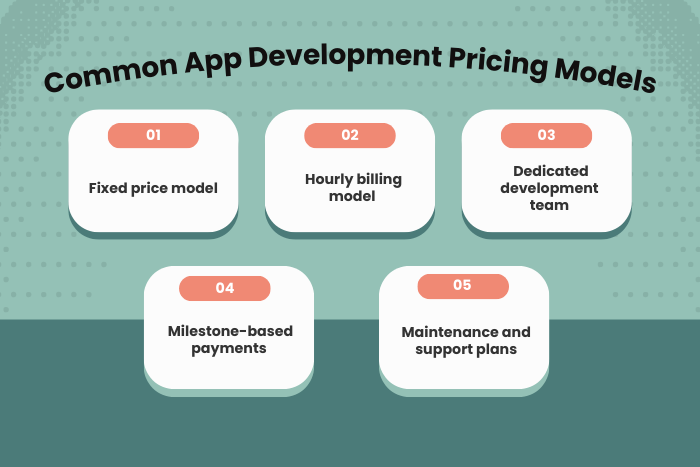
App development companies typically offer several pricing models depending on project requirements, complexity, and collaboration style. These models may include fixed-price contracts, hourly billing, dedicated development teams, or milestone-based payments. Each pricing structure offers unique advantages depending on the scope of the project and the level of flexibility required.
The cost of app development is also influenced by factors such as the number of features, design complexity, technology stack, integrations, and the location of the development team. For example, a simple application with basic functionality may require a smaller investment, while a large enterprise platform with advanced features can require significantly more resources.
In this guide, we explore how app development companies charge for their services, the common pricing models used in the industry, the factors that affect development costs, and how businesses can plan their app development budgets effectively.
Why Understanding App Development Pricing Models Is Important
Understanding how development companies structure their pricing helps businesses make informed decisions when selecting a development partner.
Here’s why understanding pricing models is important:
Better Budget Planning
Businesses can estimate project costs and allocate resources effectively.Transparent Collaboration
Knowing how companies charge reduces confusion during contract negotiations.Flexibility in Development Approach
Different pricing models allow businesses to choose the most suitable option for their project.Improved Cost Control
Clear pricing structures help prevent unexpected expenses.Better Project Management
Understanding billing models helps track progress and manage development timelines.
When businesses understand how development companies charge for their services, they can select the most efficient and cost-effective development approach.
Types of App Development Pricing Solutions
App development companies usually offer several pricing models depending on the project scope and collaboration style.
Fixed Price Model
In this model, the development company provides a predetermined cost for the entire project based on detailed requirements. This approach is ideal for projects with clearly defined features and timelines.
Hourly Billing Model
Developers charge based on the number of hours spent working on the project. This model offers flexibility and is suitable for projects where requirements may evolve over time.
Dedicated Development Team
Businesses hire a dedicated team of developers, designers, and project managers who work exclusively on their project. This model is often used for long-term projects.
Milestone-Based Payment
Payments are divided into stages based on project milestones such as design completion, development phases, and final delivery.
Retainer or Maintenance Model
After launching an application, companies may charge ongoing fees for updates, maintenance, and technical support.
Each pricing solution offers advantages depending on the project’s complexity and development strategy.
Key Features of Services When App Development Companies Charge for Their Services
When working with an app development company, certain features ensure high-quality project execution.
Clear project scope and defined deliverables
Transparent communication and regular progress updates
Scalable architecture for long-term growth
Secure coding practices and data protection
Integration with third-party platforms and APIs
Agile development methodologies for flexibility
Comprehensive testing and quality assurance
Continuous support and post-launch updates
These features ensure that the application is built efficiently and meets business goals.
App Development Process
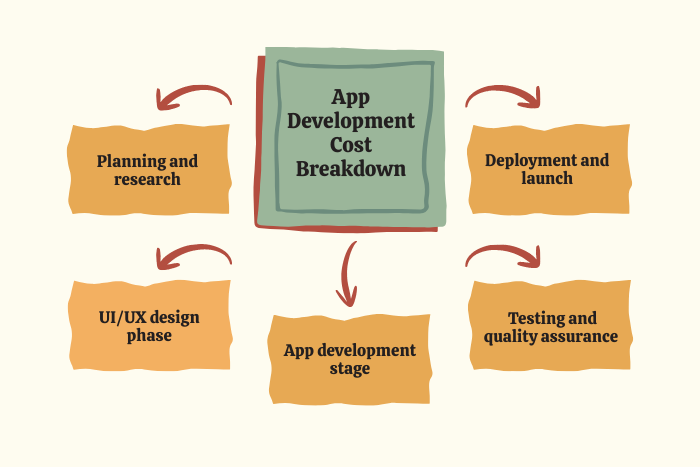
Understanding the development process also helps businesses understand how costs are structured.
Project Discovery and Planning
Development teams analyze business goals, target audience, and project requirements to define the scope.
Market Research and Feature Planning
Teams research competitors and define key features required for the application.
UI/UX Design and Prototyping
Designers create wireframes and prototypes to visualize the application interface.
Application Development
Developers build the frontend interface, backend systems, APIs, and database architecture.
Testing and Quality Assurance
QA teams conduct functional testing, security testing, and performance evaluations.
Deployment and Launch
The application is released on app stores or deployed to cloud environments.
Maintenance and Updates
Developers provide ongoing support, performance monitoring, and feature enhancements.
Each stage contributes to the overall project cost and timeline.
Technology Stack Used in App Development
Modern applications rely on multiple technologies to ensure scalability and performance.
Mobile Development: Swift, Kotlin, Java, Dart
Cross-Platform Frameworks: Flutter, React Native, Xamarin
Frontend Technologies: HTML5, CSS3, JavaScript, TypeScript
Backend Technologies: Node.js, Python, Java, PHP
Databases: PostgreSQL, MySQL, MongoDB, Firebase
Cloud Platforms: AWS, Microsoft Azure, Google Cloud Platform
DevOps Tools: Docker, Kubernetes, GitHub Actions, Jenkins
Security Technologies: OAuth 2.0, JWT authentication, SSL encryption, RBAC
The selected technology stack can influence both development time and cost.
Cost Factors That Affect How App Development Companies Charge for Their Services
Several factors affect how much development companies charge for their services.
Application complexity and number of features
Platform selection (Android, iOS, or cross-platform)
UI/UX design requirements
Integration with third-party services
Development team expertise and location
Backend infrastructure and cloud services
Testing and quality assurance processes
Post-launch maintenance and updates
Understanding these factors helps businesses estimate development budgets more accurately.
Latest Trends in App Development Pricing
The app development industry continues to evolve with new technologies and development models.
Some trends influencing pricing include:
Increased adoption of cross-platform development frameworks
Growth of AI-powered mobile applications
Development of progressive web applications (PWAs)
Use of low-code and no-code development platforms
Expansion of cloud-native application architecture
Implementation of DevOps automation and CI/CD pipelines
Increased focus on security and compliance standards
Integration of Internet of Things (IoT) technologies
These innovations are helping businesses build scalable applications while optimizing development costs.
Why Choose Us for App Development Services
Selecting the right development partner is essential for building successful digital products within budget and timeline.
Here’s why businesses choose our development services:
Transparent Pricing Models – Clear cost structures with no hidden charges.
Experienced Development Team – Skilled engineers with expertise across modern technologies.
End-to-End Development Services – From idea validation to deployment and support.
Scalable Architecture – Applications designed for long-term growth.
User-Centered Design Approach – Interfaces optimized for engagement and usability.
Agile Development Methodology – Faster development cycles and transparent progress tracking.
Secure Development Practices – Industry-standard security implementation.
Ongoing Maintenance and Optimization – Continuous updates and performance monitoring.
We help businesses build high-performance applications while maintaining cost efficiency and transparency.
Planning to develop a mobile application for your business?
Let our experts help you understand pricing and choose the right development approach.
Contact us today for a free consultation and cost estimate.
Key Points :
- App development companies use different pricing models, including fixed price, hourly rates, and dedicated development teams.
- Fixed-price models are suitable for projects with clear requirements and defined timelines.
- Hourly billing provides flexibility when project requirements may change during development.
- Dedicated development teams are often used for long-term or complex app projects.
- Development costs depend on factors like app complexity, features, platform, and technology stack.
- Many companies also charge for post-launch maintenance, updates, and technical support.
FAQ's
App development companies typically use pricing models such as fixed-price contracts, hourly billing, dedicated teams, or milestone-based payments.
The most common models include fixed-price projects and hourly billing, depending on project complexity and flexibility requirements.
Costs vary depending on app complexity, features, platform requirements, and development team expertise.
Hourly pricing offers flexibility for evolving projects, while fixed pricing works well for clearly defined projects.
Yes. Many companies offer maintenance plans for updates, security improvements, and performance optimization.
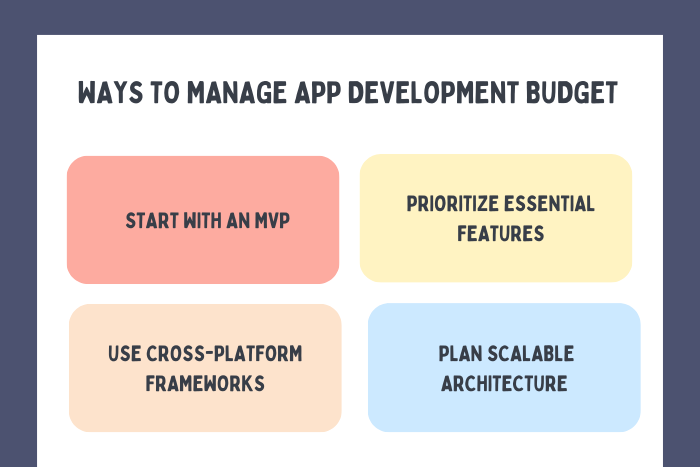
Yes. Starting with an MVP, prioritizing essential features, and using cross-platform frameworks can help reduce costs.
Consulting with an experienced development team and sharing your requirements will help provide a detailed cost estimate.