



Learn how to integrate social login in an app using OAuth, Google, Facebook, and Apple sign-in. Improve user experience, security, and onboarding speed.
How Do I Integrate Social Login in an App?
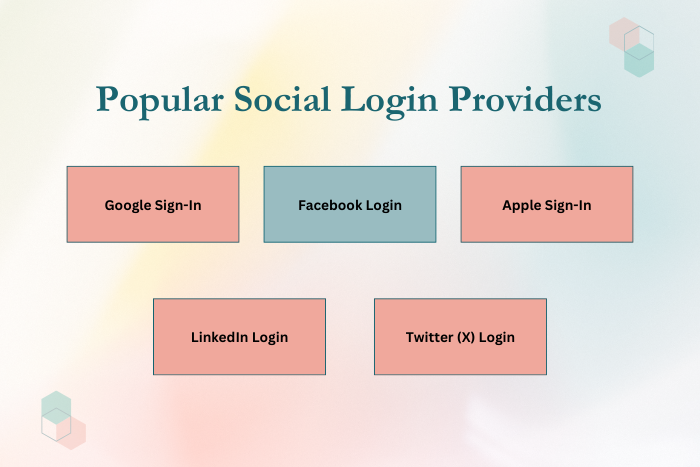
Modern mobile and web applications are designed to provide users with seamless and fast onboarding experiences. One of the most effective ways to simplify the registration and login process is by integrating social login. If you’re wondering how do I integrate social login in an app, the process involves connecting your application with popular identity providers such as Google, Facebook, Apple, LinkedIn, or Twitter using secure authentication protocols.
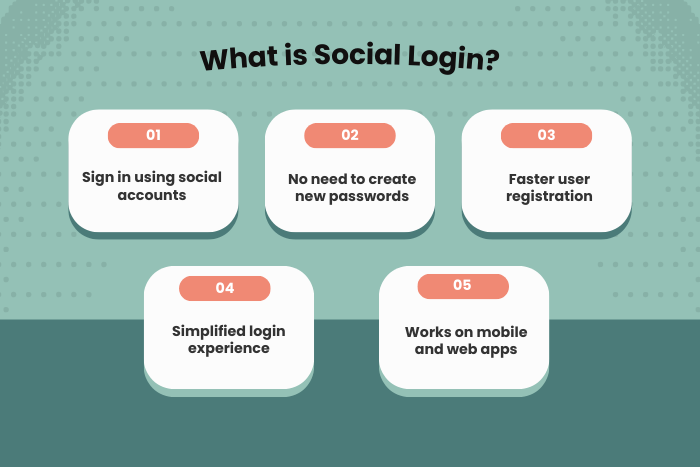
Social login allows users to sign in to an application using their existing social media or online accounts instead of creating a new username and password. This approach significantly improves user convenience and reduces friction during the sign-up process. As a result, many businesses adopt social authentication to increase user registrations, enhance security, and improve overall engagement.
By implementing social login, developers can leverage authentication protocols such as OAuth 2.0 and OpenID Connect to securely verify user identities while protecting personal data. Additionally, users benefit from faster access to apps without remembering multiple credentials.
In this guide, we’ll explore how to integrate social login into an app, including key benefits, development steps, technologies involved, cost factors, and the latest trends in authentication systems.
Why Social Login Integration is Important
Social login has become a standard feature in modern applications because it simplifies authentication while improving user experience.
Here are several reasons why integrating social login into your app is important:
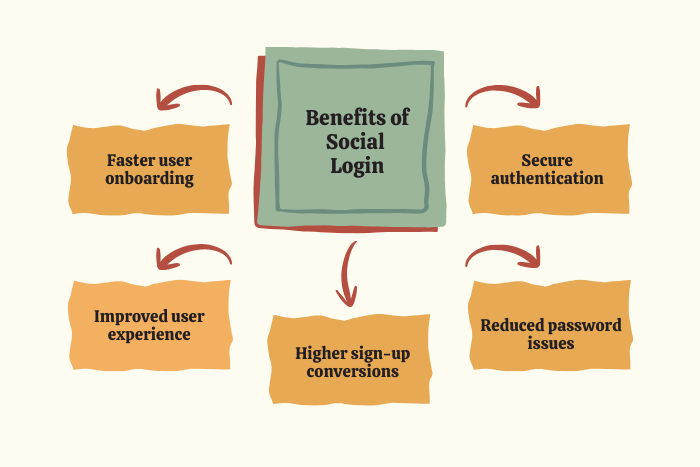
Faster User Registration
Users can sign up instantly without filling lengthy registration forms.Improved User Experience
Simplified login processes reduce friction and increase engagement.Higher Conversion Rates
Apps that offer social login often see higher sign-up completion rates.Enhanced Security
Authentication through trusted identity providers offers strong security protocols.Reduced Password Management Issues
Users no longer need to remember multiple passwords for different applications.
Businesses that implement social login create smoother onboarding experiences and improve customer retention.
Types of Solutions to Integrate Social Login in an App
Social login can be integrated through various identity providers and authentication services depending on the application’s needs.
Google Login Integration
Allows users to authenticate using their Google accounts.Facebook Login Integration
Enables users to sign in using their Facebook credentials.Apple Sign-In Integration
Required for many iOS applications and provides strong privacy protections.LinkedIn Login Integration
Useful for professional networking platforms and business applications.Twitter (X) Login Integration
Allows users to log in using their Twitter accounts.Custom OAuth Authentication
Developers can integrate multiple social providers using OAuth protocols.Single Sign-On (SSO) Integration
Enables users to access multiple services with a single authentication session.
These solutions make it easier for users to access applications securely while improving overall usability.
Key Features of Social Login Integration
A well-implemented social login system includes several features that enhance both user convenience and security.
Secure OAuth Authentication
Ensures user identities are verified through trusted authentication protocols.Multiple Login Options
Users can choose from different social platforms to sign in.Quick Account Creation
New users can create accounts automatically using their social profiles.Profile Data Synchronization
Basic user information such as name and email can be retrieved securely.Cross-Platform Authentication
Users can log in from web apps, mobile apps, and other platforms.Token-Based Authentication
Secure tokens allow session management without exposing passwords.Account Linking
Users can connect multiple social accounts to a single application account.
These features help create secure, efficient authentication systems.
Development Process for Social Login Integration
Integrating social login into an application requires a structured development approach.
Define Authentication Requirements
Identify which social login providers your app will support.Register Application with Identity Providers
Create developer accounts and obtain client IDs and API credentials.Implement OAuth Authentication
Integrate OAuth 2.0 or OpenID Connect protocols for secure authentication.Design Login Interface
Add social login buttons and user-friendly authentication flows.Backend Authentication Setup
Implement token validation and session management.User Profile Handling
Store user data securely in the application database.Testing and Security Validation
Ensure authentication flows work properly across platforms.Deployment and Monitoring
Launch the application and monitor authentication performance.
Following a structured process ensures a reliable and secure social login system.
Technology Stack used to Integrate Social Login in an App
Developers use modern technologies and authentication frameworks to implement social login systems.
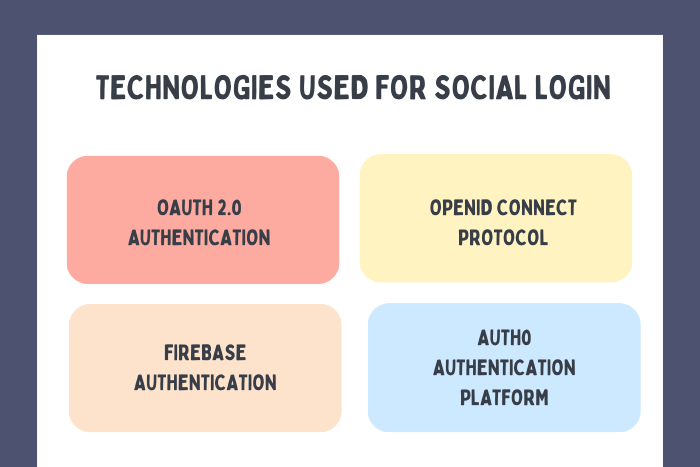
Authentication Protocols: OAuth 2.0, OpenID Connect
Backend Technologies: Node.js, Python, Java, PHP
Mobile Frameworks: Flutter, React Native, Swift, Kotlin
Frontend Technologies: HTML5, CSS3, JavaScript, TypeScript
Authentication Services: Firebase Authentication, Auth0, AWS Cognito
Databases: MongoDB, PostgreSQL, MySQL, Firebase
Security Tools: JWT authentication, SSL encryption, multi-factor authentication
A strong technology stack ensures secure and scalable authentication systems.
Cost Factors in Social Login Integration
The cost of integrating social login into an application varies depending on several factors.
Number of social login providers integrated
Complexity of authentication workflows
Custom UI/UX design for login interfaces
Backend infrastructure and database setup
Security features such as multi-factor authentication
Integration with third-party authentication services
Maintenance and ongoing updates
Basic integrations may require minimal resources, while enterprise authentication systems may require larger investments.
Latest Trends to Integrate Social Login in an App
Authentication technologies continue to evolve with new innovations that improve user security and convenience.
Passwordless Authentication
Many apps now rely on social login or email-based authentication without passwords.Biometric Authentication Integration
Apps combine social login with fingerprint or facial recognition for enhanced security.Decentralized Identity Systems
Blockchain-based identity solutions are emerging for secure authentication.Single Sign-On (SSO) Ecosystems
Businesses integrate SSO systems across multiple applications and services.AI-Powered Fraud Detection
Advanced algorithms detect suspicious login activities.Privacy-Focused Authentication
Platforms such as Apple Sign-In prioritize user privacy and data protection.
These trends are shaping the future of digital authentication.
Why Choose Us for Social Login Integration?
Implementing social login requires strong expertise in authentication protocols, security standards, and scalable application architecture. Our development team specializes in building secure and seamless authentication systems for modern applications.
Here’s why businesses trust us:
Expert Authentication Integration – Experience with OAuth, OpenID Connect, and modern authentication systems.
Multiple Social Provider Integration – Google, Facebook, Apple, LinkedIn, and more.
Secure and Scalable Architecture – Built with industry-standard encryption and authentication protocols.
Cross-Platform Development Expertise – Integration across mobile apps, web apps, and enterprise systems.
User-Friendly Authentication Flows – Optimized login experiences to increase conversion rates.
Compliance with Security Standards – Implementation of modern privacy and security best practices.
End-to-End Development Support – From authentication strategy to deployment and maintenance.
We help businesses implement secure social login systems that enhance user experience and application security.
Want to simplify your app’s login experience?
Let our experts integrate secure social login into your application.
Contact us today for a free consultation and development estimate.
Key Points :
- Social login allows users to sign in to an app using existing accounts like Google, Facebook, Apple, or LinkedIn.
- Integrating social login simplifies the registration process and improves user onboarding.
- Authentication protocols like OAuth 2.0 and OpenID Connect are commonly used for secure social login integration.
- Social login can increase user sign-up rates and engagement by reducing the need for passwords.
- Developers can implement social login using authentication platforms like Firebase, Auth0, or AWS Cognito.
- Modern authentication trends include passwordless login, biometric security, and single sign-on (SSO) systems.
FAQ's
Social login allows users to sign into an application using existing accounts such as Google, Facebook, or Apple instead of creating new credentials.
You can integrate social login by registering your application with identity providers, implementing OAuth authentication, and connecting login APIs.
Popular providers include Google, Facebook, Apple, LinkedIn, and Twitter.
Yes, when implemented with secure protocols such as OAuth 2.0, SSL encryption, and token-based authentication.
Yes, social authentication works for both mobile applications and web platforms.
Technologies include OAuth, OpenID Connect, Firebase Authentication, Auth0, and backend frameworks like Node.js.
Yes, many applications allow users to connect multiple social accounts to a single profile.