




Discover the key features of a successful blog website including SEO optimization, content management, responsive design, and audience engagement tools.


Key Features of a Successful Blog Website
Blog websites have become one of the most powerful tools for sharing information, building personal brands, generating traffic, and growing online businesses. From professional bloggers and content creators to businesses and educational platforms, blogs are widely used to publish valuable content, connect with audiences, and improve online visibility. To achieve long-term success, it is important to understand the key features of a successful blog website.
A well-designed blog website should offer more than just a place to publish articles. It must provide a structured content management system, intuitive navigation, SEO-friendly architecture, and engagement tools that keep readers returning. These features help improve user experience, increase search engine rankings, and encourage content sharing across digital platforms.
Modern blog websites also integrate advanced features such as analytics dashboards, social media integrations, email subscription tools, and mobile-friendly design. These capabilities allow bloggers and businesses to track performance, optimize content strategies, and build loyal audiences.
Whether you are launching a personal blog, a niche content website, or a corporate blogging platform, implementing the right features ensures better content visibility, stronger engagement, and sustainable growth.
Why Key Features of a Successful Blog Website Are Important
A blog website is not just a collection of articles—it is a platform designed to attract readers, deliver valuable content, and build authority in a particular niche. Without the right features, blogs may struggle with poor usability, low engagement, and limited search engine visibility.
Here’s why the key features of a successful blog website are important:
Improved User Experience
Clear navigation and structured content help readers find relevant articles easily.
Better Search Engine Visibility
SEO-friendly design and content structure improve rankings in search engine results.
Audience Engagement
Comment systems, sharing options, and newsletters encourage readers to interact with the content.
Content Organization
Categories, tags, and archives help manage large volumes of blog posts effectively.
Performance Tracking
Analytics tools provide insights into traffic, reader behavior, and content performance.
Scalable Content Platform
Modern blogging platforms allow creators to expand their content libraries and audience reach.
These benefits make feature-rich blog websites essential for successful digital publishing and marketing strategies.
Types of Successful Blog Website Solutions
Blog websites can serve different purposes depending on the content strategy and business objectives.
Personal Blogs
Platforms where individuals share experiences, opinions, and expertise on specific topics.
Business Blogs
Corporate blogs used by companies to publish industry insights, product updates, and marketing content.
Niche Blogs
Blogs focused on specific subjects such as technology, health, finance, travel, or lifestyle.
News and Magazine Blogs
Content-driven platforms publishing news articles, interviews, and editorial content.
Affiliate and Monetization Blogs
Blogs designed to generate revenue through affiliate marketing, advertisements, or sponsored content.
Each type of blog website requires specialized features for content management, audience engagement, and monetization.
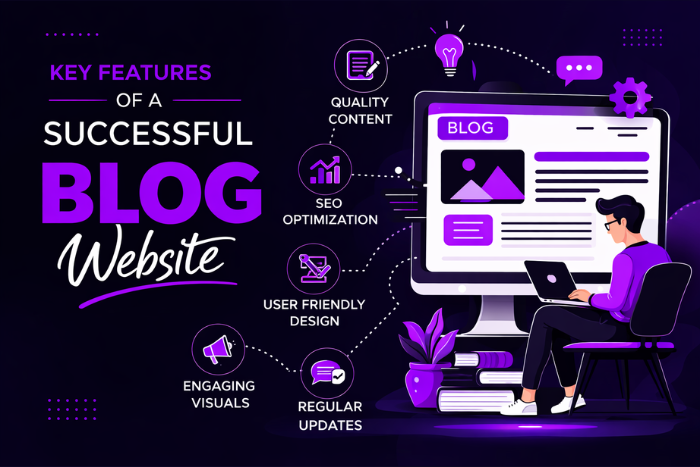
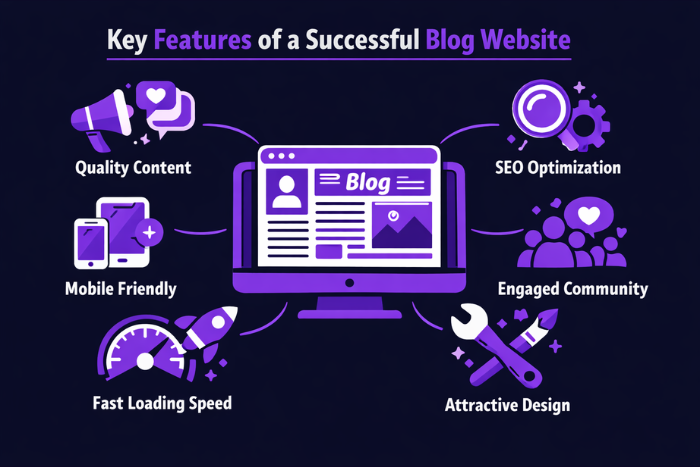
Key Features of a Successful Blog Website
A successful blog platform should include multiple features that enhance content visibility, user engagement, and performance.
User-Friendly Website Design
Clean layouts and intuitive navigation make it easy for readers to browse blog posts.
Content Management System (CMS)
A robust CMS allows bloggers to create, edit, organize, and publish content efficiently.
SEO Optimization Tools
Built-in SEO features help improve search engine rankings and increase organic traffic.
Blog Categories and Tags
Categories and tags organize blog posts and help users discover related content.
Responsive and Mobile-Friendly Design
Mobile optimization ensures readers can access content seamlessly across devices.
Fast Page Loading Speed
Optimized website performance improves user experience and SEO rankings.
Search Functionality
On-site search tools help users quickly find relevant articles.
Social Media Integration
Sharing buttons allow readers to distribute content across social networks.
Email Newsletter Subscription
Email subscription forms help bloggers build mailing lists and maintain audience engagement.
Comment and Interaction System
Comment sections encourage discussions and reader engagement.
Analytics and Traffic Monitoring
Data analytics tools help bloggers track traffic, reader behavior, and popular content.
Monetization Features
Integration with advertising platforms, affiliate programs, and sponsorship tools allows bloggers to generate revenue.
These features ensure that blog websites attract readers, deliver valuable content, and maintain long-term growth.
Development Process for a Blog Website
Building a successful blog platform with advanced features requires careful planning and strategic implementation.
Content Strategy Planning
Identify the blog niche, target audience, and content goals.
Platform Architecture Design
Design the website structure including categories, navigation, and content layout.
UI/UX Design
Create visually appealing and user-friendly interfaces.
CMS and Backend Development
Implement content management systems and publishing tools.
SEO and Performance Optimization
Optimize the blog for search engines and fast loading speeds.
Integration with Marketing Tools
Connect the platform with analytics, email marketing, and social media tools.
Testing and Quality Assurance
Conduct usability testing and performance optimization.
Deployment and Content Publishing
Launch the blog and begin publishing optimized content regularly.
This structured process ensures the blog website operates efficiently and supports long-term content growth.
Technology Stack for Blog Website Development
Modern blogging platforms rely on scalable technologies for performance and reliability.
Frontend Technologies: HTML5, CSS3, JavaScript, React.js, Vue.js
Backend Technologies: Node.js, PHP, Python
Content Management Systems: WordPress, Ghost, Drupal
Databases: MySQL, PostgreSQL, MongoDB
Analytics Tools: Google Analytics, Search Console
Cloud Platforms: AWS, Google Cloud Platform, Microsoft Azure
SEO Tools: Schema markup, XML sitemaps, SEO plugins
Security Technologies: SSL encryption, authentication systems
DevOps Tools: Docker, CI/CD pipelines
These technologies ensure blog websites remain secure, scalable, and optimized for performance.
Cost Factors in Blog Website Development
The cost of developing a blog website varies depending on features and design complexity.
Key cost factors include:
Custom UI/UX design and branding
Content management system implementation
SEO optimization and performance features
Third-party integrations such as analytics or email marketing
Hosting infrastructure and scalability
Security and data protection measures
Custom development for monetization features
Maintenance and support services
Businesses and bloggers should evaluate both development costs and long-term content management needs.
Latest Trends in Blog Website Development
Blogging platforms continue to evolve with new technologies improving content delivery and user engagement.
Key trends include:
AI-powered content recommendations for personalized reading experiences
Voice search optimization for modern search engines
Interactive blog content such as quizzes, videos, and polls
Mobile-first blog design optimized for smartphone users
Integrated email marketing tools for audience growth
Subscription-based blogging models for premium content
SEO-focused content architecture for improved rankings
Data-driven content strategies using advanced analytics
These trends are shaping the future of blogging and digital content publishing.
Why Choose Us for Blog Website Development?
Creating a successful blog platform with key features requires expertise in content architecture, SEO optimization, and scalable web development. Our team specializes in designing blog websites that attract readers, improve search engine visibility, and support content growth.
Here’s why businesses and creators choose us:
Custom Blog Website Development
Tailored blogging platforms designed for your niche and audience.
SEO-Optimized Website Architecture
Blog structures designed to improve search engine rankings and organic traffic.
User-Centered Design
Intuitive layouts that improve readability and audience engagement.
Content Management Efficiency
Easy-to-use CMS systems that simplify content publishing and editing.
Performance Optimization
Fast-loading blog websites that enhance user experience.
Monetization Integration
Support for advertising networks, affiliate programs, and sponsored content.
Analytics and Growth Insights
Data-driven tools that help bloggers refine content strategies.
Long-Term Technical Support
Continuous maintenance and optimization services.
We help creators and businesses build blog websites that grow audiences, increase engagement, and generate revenue.
Ready to launch your professional blog website?
Let’s build a feature-rich blog platform tailored to your content strategy.
Contact us today for a free consultation and customized development plan.
Key Points :
- A successful blog website should include a strong content management system (CMS) to easily create, edit, and organize blog posts.
- SEO optimization features help blog posts rank higher in search engines and attract organic traffic.
- Categories, tags, and search functionality make it easier for readers to find relevant content.
- Mobile-responsive design ensures users can read and interact with blog content on any device.
- Social media integration allows readers to share blog posts and increase content reach.
- Analytics tools help track website traffic, reader behavior, and overall content performance.
FAQ's
Important features include SEO optimization, content management systems, responsive design, social sharing, analytics tools, and monetization options.
SEO helps blogs rank higher in search engines and attract organic traffic.
Popular platforms include WordPress, Ghost, and custom-built blogging systems.
Yes, blogs can earn revenue through advertising, affiliate marketing, sponsored posts, and subscriptions.
Basic blog websites may take 2–4 weeks, while advanced platforms may require more time.
Modern blog websites are designed with responsive layouts to support smartphones and tablets.
Yes, blog platforms can integrate with analytics tools, CRM systems, and email marketing platforms.