




Learn the key features of a successful website design including UX, responsive design, SEO structure, fast loading speed, and conversion-focused layouts.
Key Features of a Successful Website Design
A website is often the first interaction potential customers have with a brand. Because of this, the quality of your website design plays a crucial role in shaping user perception, building trust, and driving conversions. Understanding the key features of a successful website design helps businesses create websites that are visually appealing, easy to navigate, and optimized for performance.
A well-designed website does more than look good. It delivers a seamless user experience, communicates brand value clearly, and guides visitors toward meaningful actions such as making a purchase, submitting a form, or contacting a business. Successful website design combines aesthetics, usability, functionality, and performance optimization to create an engaging digital experience.
Modern websites must also be responsive, secure, search-engine-friendly, and optimized for speed. These factors ensure that websites perform well across different devices and meet the expectations of both users and search engines.
Whether you are launching a new website or redesigning an existing one, incorporating the essential features of effective website design can significantly improve user engagement, search visibility, and overall business growth.
Why Key Features of a Successful Website Design Are Important
A well-designed website is essential for attracting visitors, building credibility, and converting users into customers. Without proper design and usability, even the best products or services may struggle to gain traction online.
Here are several reasons why the key features of a successful website design are important:
First Impressions Matter
Visitors form opinions about a website within seconds, making professional design crucial.Improved User Experience
Intuitive navigation and responsive layouts help users easily find the information they need.Higher Conversion Rates
Well-structured pages and clear calls-to-action guide visitors toward desired actions.Better Search Engine Visibility
SEO-friendly design improves rankings in search engine results.Enhanced Brand Credibility
A modern and professional website builds trust with potential customers.Mobile Accessibility
With most users browsing on mobile devices, responsive design ensures a seamless experience.
By focusing on these design principles, businesses can create websites that engage visitors and support long-term growth.
Types of Successful Website Design Solutions
Different types of website design solutions are tailored to meet specific business needs and objectives.
Business Website Design
Professional websites that showcase services, company information, and contact details.E-commerce Website Design
Online stores designed to showcase products and facilitate secure online transactions.Landing Page Design
Conversion-focused pages designed for marketing campaigns and lead generation.Portfolio Website Design
Websites designed for individuals or creative professionals to showcase their work.Corporate Website Design
Large-scale websites designed for enterprises with multiple service pages and resources.Responsive Website Design
Websites optimized to function seamlessly across desktops, tablets, and smartphones.Custom Website Design
Fully customized websites tailored to unique business requirements and branding.
These solutions help businesses establish a strong online presence while meeting their specific goals.
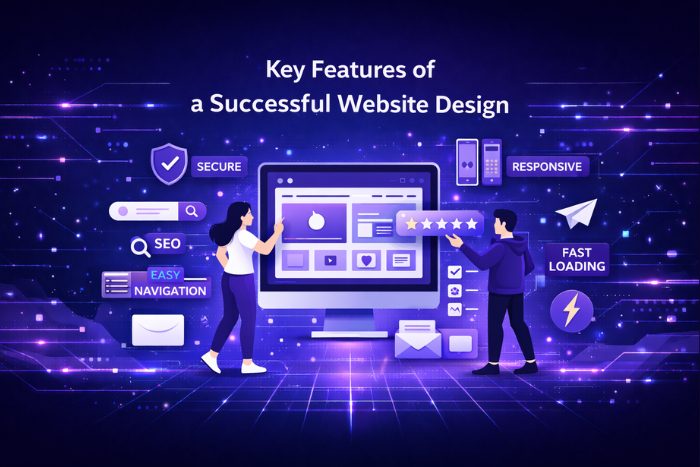
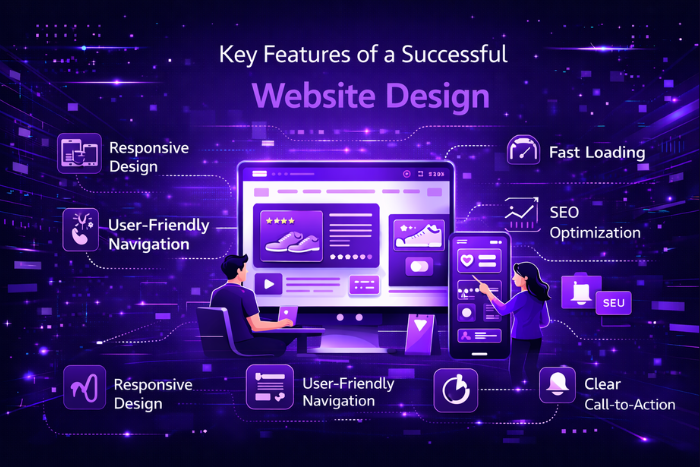
Key Features of a Successful Website Design
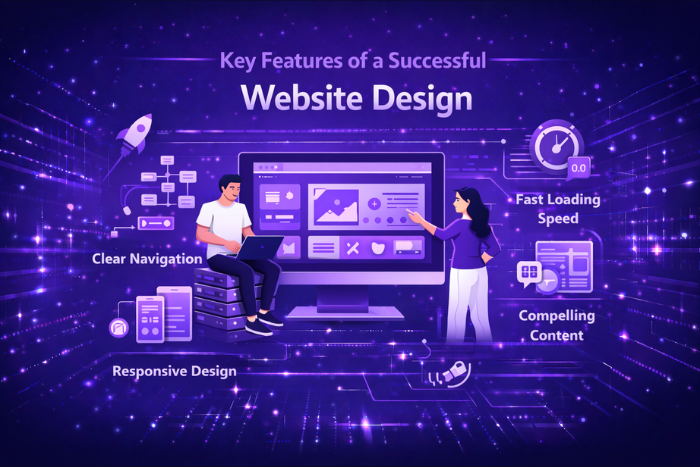
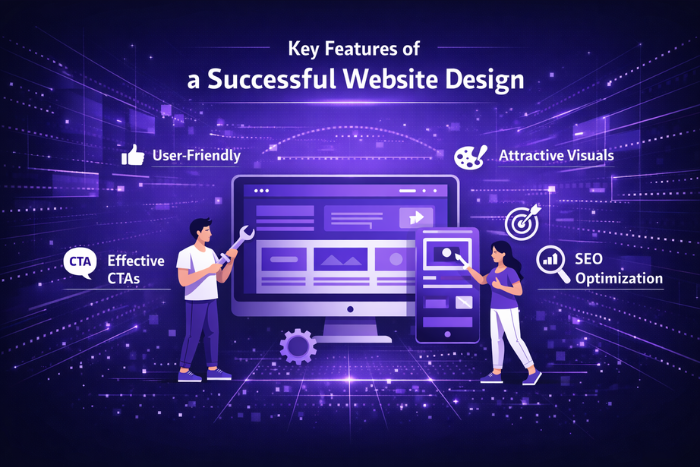
A successful website design incorporates several important elements that improve usability, performance, and engagement.
Clear Purpose and Messaging
Visitors should quickly understand what the website offers and how it benefits them.Simple and Intuitive Navigation
Well-structured menus and navigation help users find information easily.Responsive Design
Websites must adapt seamlessly to different screen sizes and devices.Fast Loading Speed
Optimized images, efficient coding, and reliable hosting improve website performance.Visual Hierarchy and Layout
Proper layout and spacing guide users’ attention to important elements.Engaging Visual Design
Professional graphics, colors, and typography enhance the overall aesthetic appeal.Clear Calls-to-Action (CTAs)
Strategic CTAs encourage visitors to take actions such as contacting the business or making a purchase.SEO-Friendly Structure
Proper use of headings, metadata, and structured content helps improve search engine rankings.Secure Website Infrastructure
SSL certificates and secure hosting protect user data and build trust.Accessibility and Inclusivity
Designing websites that are accessible to users with disabilities improves usability and compliance.
These features ensure that a website not only attracts visitors but also delivers a meaningful and engaging experience.
Website Design Development Process
Building a successful website requires a structured design and development process that aligns with business goals and user needs.
Requirement Analysis and Planning
Understand the client’s business objectives, target audience, and website functionality requirements.Information Architecture and Sitemap Creation
Organize website structure and navigation to improve usability.Wireframing and UI/UX Design
Create wireframes and design mockups that define the visual layout and user interface.Website Development and Coding
Develop the website using modern programming languages and frameworks.Content Integration and Optimization
Add website content, images, and multimedia elements optimized for SEO.Testing and Quality Assurance
Test functionality, responsiveness, speed, and compatibility across devices.Deployment and Launch
Publish the website and configure hosting, security, and analytics tools.Maintenance and Continuous Improvement
Regular updates, performance monitoring, and feature improvements.
This development process ensures that websites are functional, secure, and optimized for performance.
Technology Stack for Website Design
Modern website design relies on various technologies and tools to deliver visually appealing and high-performing websites.
Frontend Technologies: HTML5, CSS3, JavaScript, React, Vue.js
Backend Technologies: Node.js, PHP, Python, Ruby
CMS Platforms: WordPress, Shopify, Webflow, Drupal
UI/UX Design Tools: Figma, Adobe XD, Sketch
Database Systems: MySQL, PostgreSQL, MongoDB
Performance Tools: Google PageSpeed Insights, GTmetrix
Security Tools: SSL encryption, firewall protection, secure authentication
Using modern technology ensures websites remain scalable, secure, and easy to maintain.
Cost Factors in Website Design
The cost of website design depends on several factors related to project complexity and required features.
Website size and number of pages
Custom design requirements
E-commerce functionality
Content creation and copywriting
Integration with third-party tools
SEO optimization and analytics setup
Website hosting and security configuration
Maintenance and ongoing support
Simple websites may require smaller budgets, while large custom platforms often involve higher development costs.
Latest Trends in Website Design
Website design continues to evolve as new technologies and user expectations shape digital experiences.
Key trends influencing modern website design include:
Minimalist Design and Clean Layouts
Simple and uncluttered interfaces improve readability and user engagement.Mobile-First Design Approach
Designing websites primarily for mobile users.Interactive and Dynamic Content
Animations and interactive elements enhance user engagement.AI-Powered Personalization
Websites deliver customized experiences based on user behavior.Voice Search Optimization
Designing websites that support voice-based search queries.Dark Mode and Adaptive Themes
Providing flexible display options for better user comfort.Progressive Web Applications (PWAs)
Web experiences that function like mobile apps.
These trends help businesses create modern and engaging digital experiences.
Why Choose Us for Website Design Services?
Selecting the right web design partner can make a significant difference in your online success. Our team combines creative design expertise with advanced technology to build websites that are visually appealing, user-friendly, and optimized for performance.
Here’s what makes our web design services stand out:
User-Centered Design Approach – Websites designed with the user experience as the top priority.
Custom Design Solutions – Tailored designs that reflect your brand identity.
SEO-Optimized Website Structure – Websites built to perform well in search engine rankings.
Responsive and Mobile-Friendly Designs – Seamless experiences across all devices.
High-Performance Websites – Fast loading speeds and optimized performance.
Secure and Scalable Infrastructure – Websites designed to grow with your business.
Ongoing Support and Maintenance – Continuous updates and improvements.
We help businesses build professional websites that attract visitors, enhance brand credibility, and drive conversions.
Ready to create a powerful website that represents your brand and drives business growth?
Let our web design experts build a modern, high-performing website tailored to your needs.
Contact us today for a free consultation and project estimate.
Key Points :
- A successful website design includes responsive layouts, intuitive navigation, fast loading speed, and clear messaging to improve user experience.
- Mobile-friendly design ensures websites perform well across smartphones, tablets, and desktops.
- Clear calls-to-action (CTAs) guide visitors toward actions such as contacting a business or making a purchase.
- SEO-friendly structure with optimized headings, metadata, and content improves search engine visibility.
- High-quality visuals, cohesive branding, and engaging layouts help build credibility and trust with visitors.
- Secure infrastructure, accessibility features, and continuous optimization ensure long-term website performance and usability.
FAQ's
Important features include responsive design, fast loading speed, intuitive navigation, clear messaging, SEO optimization, and strong calls-to-action.
Responsive design ensures that websites work seamlessly across desktops, tablets, and smartphones.
SEO-friendly design improves website structure, page speed, and content accessibility, which helps search engines rank pages higher.
Clear navigation, readable content, fast loading speed, and mobile compatibility contribute to a user-friendly website.
Websites should be updated regularly to maintain security, improve performance, and keep content relevant.
The timeline depends on complexity, but most websites take between 3–8 weeks to design and develop.
Yes, effective design improves user experience and encourages visitors to take actions such as purchasing products or contacting a business.