


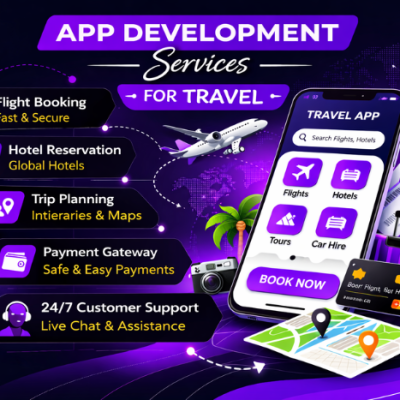

Discover the key features of a travel guide website including destination search, maps, booking tools, reviews, and mobile-friendly design.


Key Features of a Travel Guide Website
The travel industry has experienced a major digital transformation over the past decade. Travelers now rely heavily on online platforms to research destinations, plan itineraries, compare travel options, and book their trips. A well-designed travel guide website acts as a central hub where users can explore destinations, find travel tips, view attractions, and access useful resources for planning their journeys. Understanding the key features of a travel guide website is essential for businesses, tourism agencies, bloggers, and travel startups that want to build an engaging and informative travel platform.
A modern travel guide website does much more than display destination information. It provides interactive maps, personalized recommendations, travel itineraries, booking integrations, and real-time travel insights. These features help users make informed decisions while enhancing the overall travel planning experience.
For travel businesses, such platforms also serve as powerful marketing tools that attract visitors, build brand authority, and generate revenue through bookings, partnerships, and advertising.
Whether you are building a tourism portal, travel blog, destination guide platform, or a complete travel planning website, integrating the right features ensures better user engagement and higher conversions. In this guide, we’ll explore the essential features, development process, technology stack, costs, and latest trends in travel guide website development.
Why Key Features of a Travel Guide Website Are Important
A travel guide website must offer more than basic information to stand out in the competitive tourism industry. The right features help create an immersive experience for users while improving engagement and conversions.
Here’s why implementing the key features of a travel guide website is important:
Enhanced Travel Planning Experience
Visitors can easily explore destinations, attractions, accommodations, and travel routes.Improved User Engagement
Interactive elements such as maps, itineraries, and travel recommendations encourage users to spend more time on the site.Better Decision-Making for Travelers
Access to detailed destination guides, reviews, and travel tips helps travelers plan trips efficiently.Revenue Opportunities
Travel guide websites can generate income through bookings, affiliate programs, sponsored listings, and advertisements.Stronger Brand Authority
High-quality travel content builds credibility and positions your platform as a trusted travel resource.Scalable Tourism Platforms
Well-structured travel websites can expand to include new destinations, services, and booking options.
By incorporating essential features, travel guide websites can provide both informational value and business growth opportunities.
Types of Tourism guide website Solutions
Travel guide platforms can be built for different purposes depending on the target audience and business goals.
Destination Guide Websites
These platforms focus on providing detailed information about travel destinations.
Destination highlights and attractions
Local culture and travel tips
Best time to visit information
Travel Blog and Content Platforms
Designed for sharing travel experiences, guides, and storytelling.
Travel articles and guides
Photography and video content
Community engagement features
Tourism and City Guide Portals
Developed for tourism boards and local organizations.
Local attractions and events
Restaurant and hotel recommendations
Interactive travel maps
Travel Planning and Itinerary Websites
These platforms help travelers plan trips efficiently.
Custom itinerary builder
Travel recommendations
Activity scheduling tools
Travel Booking and Guide Platforms
These websites combine travel guides with booking services.
Flight and hotel bookings
Tour and activity reservations
Travel package comparisons
Each type of solution may emphasize different features, but the core objective remains providing valuable travel information and planning tools.
Key Features of a Travel Guide Website
To create a successful travel guide platform, several essential features should be integrated to enhance user experience and functionality.
- Destination Search and Filtering
Users should be able to search destinations based on location, interests, activities, or travel preferences. - Detailed Destination Pages
Each destination should include attractions, travel tips, local culture, transportation information, and best travel seasons. - Interactive Maps and Location Services
Map integrations allow travelers to visualize destinations, nearby attractions, and travel routes. - High-Quality Images and Videos
Visual content plays a major role in inspiring travelers and showcasing destinations effectively. - Travel Itinerary Planner
Users can create custom travel plans by selecting attractions, activities, and schedules. - User Reviews and Ratings
Reviews from travelers provide credibility and help users make informed decisions. - Booking Integration
Travel websites can integrate booking systems for hotels, flights, tours, or local activities. - Mobile-Friendly Design
A responsive design ensures that the website works smoothly across mobile devices and tablets. - Multilingual and Multi-Currency Support
International travelers benefit from language and currency options. - Travel Tips and Guides
Providing helpful travel advice such as visa requirements, safety tips, and transportation details adds value. - Social Media Integration
Users can share travel experiences, reviews, and destinations across social platforms. - Admin Dashboard and Content Management
Administrators should have tools to update destinations, manage content, and analyze visitor behavior.
These features create a user-friendly travel guide platform that attracts visitors and encourages exploration.
Development Process for a Travel information website
Developing a travel guide website involves a structured process that ensures usability, scalability, and performance.
Requirement Analysis and Planning
Identify the target audience, type of travel platform, and required features.UI/UX Design and Wireframing
Create visually appealing layouts that make navigation easy for users.Technology Selection and Architecture Design
Choose the appropriate frameworks, CMS, and backend infrastructure.Frontend and Backend Development
Build the user interface, content management system, and database architecture.Integration of Key Features
Implement search tools, map integrations, booking systems, and content modules.Testing and Quality Assurance
Conduct usability, security, and performance testing.Website Deployment and Launch
Launch the platform on a reliable hosting infrastructure.Maintenance and Updates
Continuously update content, improve features, and optimize performance.
Following a structured development process ensures that the travel guide website meets modern user expectations.
Technology Stack for Travel Guide Website Development
Travel guide platforms rely on modern web technologies and cloud infrastructure to deliver high performance and scalability.
Frontend Technologies: HTML5, CSS3, JavaScript, React, Vue.js
Backend Technologies: Node.js, Python, PHP, Laravel
Content Management Systems: WordPress, Strapi, Contentful
Databases: MySQL, PostgreSQL, MongoDB
Maps and Location Services: Google Maps API, Mapbox
Cloud Platforms: AWS, Google Cloud Platform, Microsoft Azure
Payment Gateways: Stripe, PayPal, Razorpay
DevOps Tools: Docker, Kubernetes, GitHub Actions
Security Technologies: SSL encryption, OAuth authentication, firewall protection
A modern technology stack ensures reliability, scalability, and security for travel platforms.


Cost Factors in Travel Guide Website Development
The cost of developing a travel guide website depends on various factors including complexity, functionality, and development resources.
Key cost factors include:
Number of website pages and destinations
Custom design and UI/UX requirements
Booking system integration
Map and geolocation services
Content management system implementation
Third-party API integrations
Hosting infrastructure and cloud services
Maintenance and updates
Simple travel guide websites may require a smaller budget, while large travel platforms with advanced booking systems and personalization features require larger investments.
Latest Trends in Travel Guide Website Development
The travel technology industry continues to evolve with innovative tools that improve travel planning and digital experiences.
Key trends include:
AI-powered travel recommendations
Personalized travel itinerary generators
Virtual reality destination previews
Augmented reality travel experiences
Voice search for travel queries
Integration with smart tourism platforms
Interactive travel maps and route planners
Sustainable travel recommendations
These innovations are transforming how travelers research destinations and plan their trips.
Why Choose Us for Travel Guide Website Development
Creating a successful travel guide platform requires a combination of creative design, powerful technology, and travel industry expertise.
Here’s why businesses choose us:
Expertise in Travel Website Development
We build scalable travel platforms designed to attract and engage global travelers.Custom Feature Integration
Our team integrates essential travel guide website features including search filters, maps, booking tools, and itinerary planners.Mobile-Optimized Design
We create responsive websites that provide seamless experiences across devices.SEO-Optimized Travel Platforms
Our development approach ensures better search visibility and organic traffic.Scalable and Secure Architecture
Websites are built to support growing traffic and expanding travel content.End-to-End Development Services
From strategy and design to deployment and ongoing support.
We help travel businesses, tourism boards, and startups build engaging travel guide platforms that inspire travelers.
Want to build a powerful travel guide website for your business?
Our experts can create a feature-rich platform tailored to your audience.
Contact us today for a free consultation and project estimate.
Key Points :
- Travel guide websites help users explore destinations, plan trips, and find attractions through detailed travel information.
- Key features include destination search, interactive maps, itinerary planners, booking integrations, and user reviews.
- High-quality images, travel tips, and mobile-friendly design improve user engagement and experience.
- These platforms use technologies like cloud hosting, map APIs, CMS systems, and modern web frameworks.
- Development costs depend on design complexity, integrations, content management systems, and hosting infrastructure.
- Trends include AI travel recommendations, virtual destination previews, personalized itineraries, and smart tourism integration.
FAQ's
Important features include destination search, interactive maps, travel itineraries, booking integrations, reviews, and mobile-friendly design.
A travel guide website provides destination information, travel tips, attractions, and planning tools that help users organize trips efficiently.
Yes. Many travel guide platforms integrate booking systems for hotels, tours, and activities.
The cost depends on factors such as design complexity, number of features, integrations, and development requirements.
Travel websites often use technologies like React or Vue.js for frontend development and Node.js or PHP for backend systems.
Revenue can come from affiliate bookings, advertising, sponsored listings, and premium travel services.
Many travelers plan trips using mobile devices, so responsive design ensures a smooth browsing experience across all screen sizes.