
Learn the must-have features of a PPC campaign including keyword targeting, ad optimization, audience segmentation, and analytics to maximize ROI.
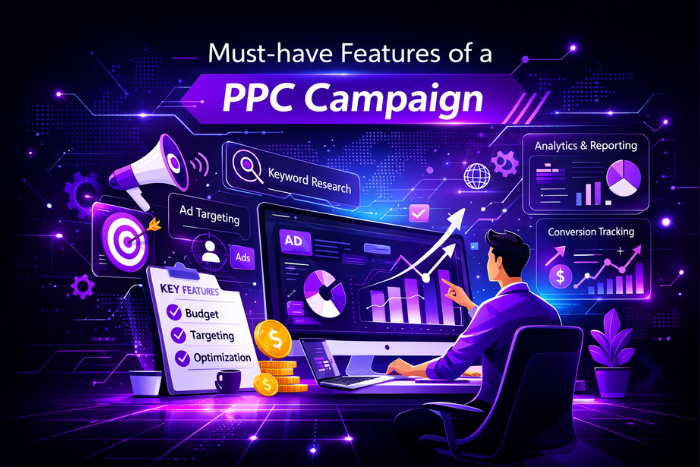

Must-Have Features of a PPC Campaign
Pay-per-click (PPC) advertising is one of the most effective digital marketing strategies for driving targeted traffic, generating leads, and increasing sales. However, running a successful paid advertising campaign requires more than simply creating ads and setting a budget. Understanding the must-have features of a PPC campaign is essential for maximizing performance, controlling advertising costs, and achieving measurable marketing results.
A well-structured PPC campaign allows businesses to reach their target audience at the exact moment they are searching for relevant products or services. Platforms like Google Ads, Microsoft Ads, and social media advertising networks enable businesses to create highly targeted campaigns using keywords, audience demographics, location targeting, and behavioral data.
Modern PPC campaigns also rely on automation, advanced analytics, conversion tracking, and continuous optimization to improve performance over time. These features ensure that marketing budgets are spent efficiently while delivering the best possible return on investment.
In this guide, we explore the essential features that make PPC campaigns successful, including campaign strategy, optimization techniques, technologies used, and best practices that help businesses achieve better results from paid advertising.
Why Must-Have Features of a PPC Campaign Are Important
A well-designed PPC campaign can deliver immediate visibility in search engines and digital platforms. However, without the right campaign features and optimization strategies, businesses may struggle with high advertising costs and low conversion rates.
Here are several reasons why understanding the must-have features of a PPC campaign is important:
Precise Audience Targeting
PPC allows businesses to target users based on search intent, demographics, interests, and behavior.Immediate Traffic and Visibility
Unlike SEO, PPC campaigns can generate instant traffic once ads are activated.Cost Control and Budget Flexibility
Advertisers can control spending by setting daily budgets and adjusting bids.Measurable Marketing Performance
PPC platforms provide detailed data on clicks, conversions, and campaign performance.Improved Lead Generation
Highly targeted ads help attract users who are more likely to convert into customers.Competitive Advantage
Businesses using optimized PPC strategies can outperform competitors in search results and advertising placements.
When campaigns are built with the right features, PPC advertising becomes a powerful tool for business growth.
Types of PPC Campaign Solutions
Different types of PPC campaigns serve unique marketing goals depending on the business objectives and advertising platforms.
Search Advertising Campaigns
Ads that appear on search engine results pages when users search for specific keywords.Display Advertising Campaigns
Visual banner ads displayed across websites, blogs, and online platforms within advertising networks.Social Media PPC Campaigns
Paid advertisements on platforms like Facebook, Instagram, LinkedIn, and TikTok targeting specific audiences.Shopping Advertising Campaigns
Product-based ads used by eCommerce businesses to promote products directly in search results.Remarketing Campaigns
Ads that target users who previously visited a website but did not complete a purchase or conversion.Video Advertising Campaigns
PPC ads shown on video platforms such as YouTube and streaming networks.
Each campaign type helps businesses reach potential customers across multiple digital touchpoints.
Key Features of a Successful PPC Campaign
The success of any PPC campaign depends on implementing several essential features that improve targeting, ad performance, and conversion rates.
Comprehensive Keyword Research
Identifying relevant keywords and search queries that potential customers use.Strategic Bid Management
Optimizing bids to balance advertising costs with desired campaign outcomes.Audience Targeting and Segmentation
Targeting users based on demographics, location, device, interests, and behavior.Compelling Ad Copy and Creative Design
Creating engaging headlines, descriptions, and visuals that encourage clicks.Landing Page Optimization
Designing landing pages that align with ad messaging and improve conversion rates.Conversion Tracking and Analytics
Tracking user actions such as purchases, form submissions, and sign-ups.Ad Extensions and Additional Information
Enhancing ads with extensions such as site links, call buttons, and location information.A/B Testing and Campaign Optimization
Testing different ad variations to determine the most effective strategies.Quality Score Optimization
Improving ad relevance and landing page experience to reduce advertising costs.Budget and ROI Monitoring
Ensuring that advertising spend generates profitable results.
These features allow marketers to optimize campaign performance while maximizing return on investment.
PPC Campaign Development Process
Building a successful PPC campaign requires a systematic process that ensures ads reach the right audience and generate meaningful results.
Campaign Strategy and Goal Definition
Identify marketing objectives such as lead generation, website traffic, or product sales.Keyword Research and Market Analysis
Analyze search trends, competitor campaigns, and keyword opportunities.Audience Targeting Setup
Define target demographics, geographic locations, and user interests.Ad Creation and Creative Development
Write compelling ad copy and design engaging visuals.Landing Page Design and Optimization
Create optimized landing pages that encourage users to complete desired actions.Campaign Launch and Budget Allocation
Activate campaigns with controlled bidding strategies and budgets.Performance Monitoring and Data Analysis
Track campaign metrics such as impressions, clicks, and conversions.Continuous Optimization and Scaling
Adjust bids, refine targeting, and optimize ads to improve results.
Following this process helps businesses create efficient and profitable PPC campaigns.
Technology Stack
Successful PPC campaigns rely on a variety of digital marketing tools and advertising platforms.
Advertising Platforms: Google Ads, Microsoft Advertising, Facebook Ads, LinkedIn Ads
Keyword Research Tools: Google Keyword Planner, SEMrush, Ahrefs
Analytics Tools: Google Analytics, Google Tag Manager
Conversion Tracking Tools: Google Ads Conversion Tracking, Meta Pixel
Landing Page Builders: Unbounce, Instapage, Leadpages
Automation and Optimization Tools: Optmyzr, AdEspresso, WordStream
CRM Integrations: HubSpot, Salesforce, Zoho CRM
These technologies help marketers automate campaign management, analyze data, and optimize advertising performance.
Cost Factors in PPC Campaign Management
The cost of running a PPC campaign depends on several factors, including campaign features, competition, targeting options, and advertising strategy.
Keyword competition and cost-per-click (CPC)
Industry and market demand
Campaign targeting settings
Ad quality and relevance
Geographic location targeting
Advertising platform selection
Campaign management and optimization services
Budget allocation and bid strategies
Highly competitive industries often require higher budgets, while well-optimized campaigns can reduce advertising costs and improve ROI.
Latest Trends
PPC advertising continues to evolve as new technologies and marketing strategies emerge.
Some of the most important trends shaping modern PPC campaigns include:
AI-Powered Bid Optimization
Artificial intelligence automatically adjusts bids to improve campaign performance.Smart Campaign Automation
Automated ad management reduces manual work and improves targeting accuracy.Audience-Based Advertising
Targeting users based on behavior, interests, and past interactions.Performance Max Campaigns
Google’s AI-powered campaigns that optimize ads across multiple channels.Voice Search Advertising
Ad strategies optimized for voice-based search queries.Video and Interactive Ads
Increasing use of video advertising across social and search platforms.Data-Driven Attribution Models
Advanced analytics that identify which ads contribute most to conversions.
Businesses that adopt these trends can gain a competitive advantage in paid advertising.
Why Choose Us for PPC Campaign Management?
Selecting the right PPC advertising partner with the right campaign features can significantly impact the success of your digital marketing campaigns. Our team combines strategic planning, creative design, advanced campaign features, and data-driven optimization to deliver powerful PPC campaigns that drive measurable results.
Here’s why businesses trust our PPC services:
Strategic Campaign Planning – Custom PPC strategies aligned with your business goals.
Advanced Keyword Research – Targeting high-intent search queries that drive qualified traffic.
Conversion-Focused Ad Design – Ads designed to attract clicks and generate leads.
Continuous Campaign Optimization – Regular performance analysis and campaign improvements.
Transparent Reporting and Analytics – Detailed reports showing campaign performance and ROI.
Multi-Platform Advertising Expertise – Experience managing campaigns across search, display, and social platforms.
Budget Optimization and Cost Efficiency – Maximizing results while controlling advertising costs.
Our team focuses on building high-performing PPC campaigns that deliver real business growth.
Ready to launch a high-performing PPC campaign for your business?
Let our experts design a paid advertising strategy that maximizes your return on investment.
Contact us today for a free PPC consultation and campaign analysis.
Key Points :
- A successful PPC campaign includes key features such as keyword targeting, audience segmentation, compelling ad copy, and optimized landing pages.
- Comprehensive keyword research helps identify high-intent search terms that drive qualified traffic.
- Audience targeting based on demographics, location, interests, and behavior improves ad relevance and conversions.
- Conversion tracking and analytics help measure clicks, leads, and return on investment (ROI).
- Continuous A/B testing and campaign optimization improve ad performance and reduce cost-per-click (CPC).
- Using platforms like Google Ads, Microsoft Ads, and social media advertising helps businesses reach targeted audiences effectively.
FAQ's
Essential features include keyword targeting, audience segmentation, compelling ad copy, landing page optimization, conversion tracking, and performance analytics.
PPC advertising works by allowing advertisers to bid on keywords. When users search for those keywords, ads appear in search results, and advertisers pay when someone clicks the ad.
Popular PPC platforms include Google Ads, Microsoft Advertising, Facebook Ads, and LinkedIn Ads.
Quality Score is a metric used by advertising platforms to evaluate the relevance of keywords, ads, and landing pages, which affects ad ranking and cost-per-click.
Optimization involves improving keyword targeting, testing ad variations, refining audience targeting, and adjusting bids.
Costs depend on keyword competition, industry demand, and campaign targeting settings.
PPC provides immediate traffic and results, while SEO delivers long-term organic visibility.
PPC campaigns can start generating traffic and leads immediately after launch.