
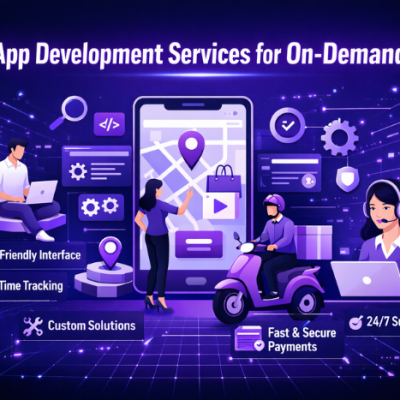



Discover the best app development practices for 2024 including design, security, testing, performance optimization, and scalable mobile app strategies.
What Are the App Development Best Practices for 2024?
Mobile applications have become a fundamental part of modern digital ecosystems. Businesses across industries rely on mobile apps to connect with customers, streamline operations, and deliver services efficiently. However, creating a successful application requires more than just coding—it requires following proven strategies and development standards. If you are asking what are the app development best practices for 2024, understanding the right development approach is essential for building scalable, secure, and high-performance applications.
Mobile app development best practices help developers create apps that provide excellent user experiences while maintaining stability, security, and performance. These practices include careful planning, user-centered design, optimized performance, strong security frameworks, and continuous testing.
In 2024, modern app development also incorporates technologies such as cloud computing, artificial intelligence, cross-platform frameworks, and advanced analytics. Businesses that follow the right development strategies can reduce development risks, improve application reliability, and deliver products that meet user expectations.
This guide explains the most important mobile app development best practices, including design strategies, development processes, technologies, cost considerations, and emerging trends shaping the mobile app industry.
Why App Development Best Practices for 2024 Are Important
Following proven development practices ensures that applications are reliable, scalable, and secure.
Here are some reasons why best practices are essential in app development:
Improved Application Performance
Optimized code and architecture ensure smooth and fast app performance.
Better User Experience
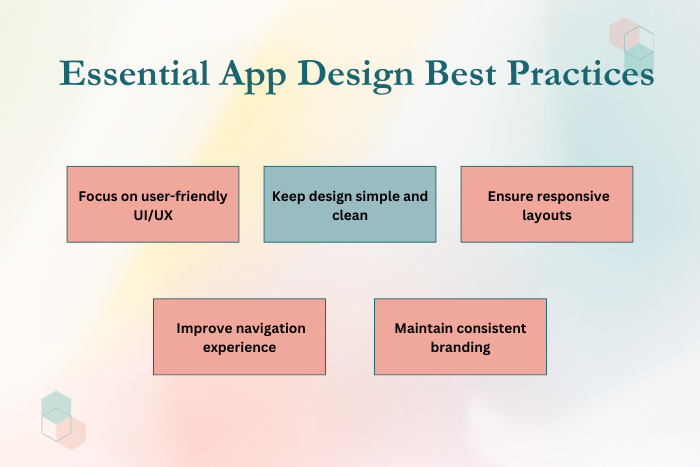
Well-designed interfaces make apps easier to use and navigate.
Enhanced Security
Implementing security standards protects user data and prevents vulnerabilities.
Scalable App Architecture
Applications can grow easily as user demand increases.
Efficient Development Process
Structured development reduces errors and improves productivity.
Long-Term Maintainability
Clean code and modular design make future updates easier.
These benefits make following best practices crucial for building successful mobile applications.
Types of App Development Solutions
Mobile applications can be developed using different approaches depending on business goals and technical requirements.
Native App Development
Native apps are built specifically for one platform such as Android or iOS.
High performance and responsiveness
Full access to device features
Platform-specific user experience
Cross-Platform App Development
Cross-platform apps allow developers to build one codebase that works across multiple platforms.
Faster development time
Reduced development costs
Consistent user experience
Progressive Web Applications (PWAs)
PWAs combine the benefits of web and mobile applications.
Lightweight and fast
Accessible via browsers
No app store installation required
Hybrid App Development
Hybrid apps combine web technologies with native app capabilities.
Single codebase
Lower development effort
Cross-platform compatibility
Enterprise Mobile Applications
Enterprise apps are designed for internal business processes and productivity tools.
Employee collaboration tools
Data management systems
Workflow automation platforms
Choosing the right development approach is an important part of modern mobile app development best practices.
Key Features of High-Quality Mobile Applications
Successful mobile apps include essential features that improve performance, usability, and reliability.
Important features include:
User-friendly interface design
Fast loading speed and optimized performance
Secure user authentication and data encryption
Offline functionality support
Push notifications and real-time updates
Integration with third-party services and APIs
Analytics and user behavior tracking
Scalable backend infrastructure
These features ensure that applications deliver a smooth and engaging user experience.
App Development Process Following Best Practices
A structured development process ensures efficient and reliable application development.
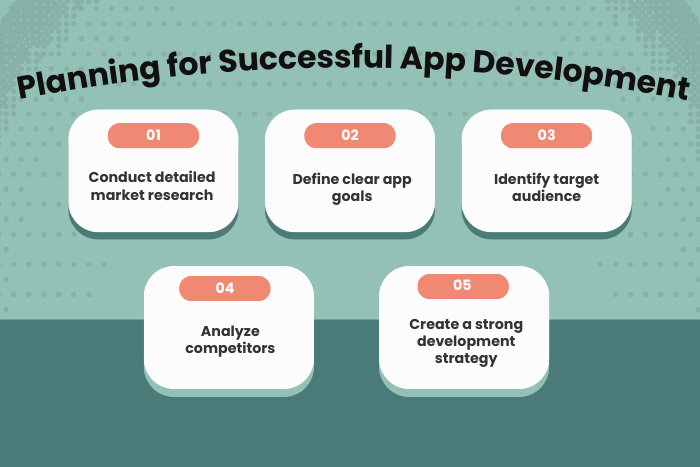
Market Research and Planning
Understand target users, competitors, and app requirements.
Define App Features and Goals
Create a roadmap outlining features and functionality.
Design User Interface and User Experience
Develop wireframes and design prototypes for user interaction.
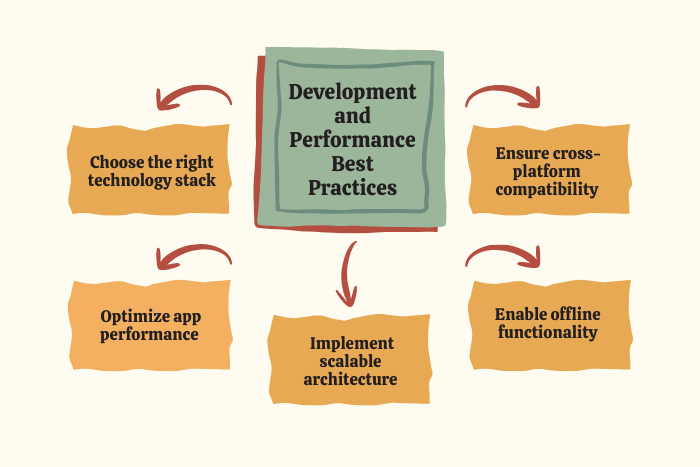
Select the Right Development Technology
Choose appropriate frameworks, programming languages, and platforms.
Develop the Application
Build frontend interfaces and backend systems.
Testing and Quality Assurance
Perform functional testing, usability testing, and performance optimization.
Deployment and App Store Submission
Publish the application on relevant app stores.
Maintenance and Continuous Updates
Monitor performance and release updates regularly.
This structured process ensures that apps follow industry best practices.
Technology Stack for Modern App Development
Modern mobile apps rely on powerful technologies for performance, scalability, and security.
- Frontend Technologies: React Native, Flutter, Swift, Kotlin
- Backend Technologies: Node.js, Python, Java, PHP
- Database Systems: MySQL, PostgreSQL, MongoDB, Firebase
- Cloud Platforms: AWS, Google Cloud Platform, Microsoft Azure
- DevOps Tools: Docker, Kubernetes, Jenkins
- Analytics Tools: Google Analytics, Firebase Analytics
- Security Technologies: OAuth authentication, encryption protocols
These technologies support modern mobile app architectures.
Cost Factors in Mobile App Development Best Practices for 2024
Several factors influence the cost of developing a mobile application.
App complexity and number of features
Choice of development platform
UI/UX design requirements
Backend infrastructure and cloud services
Integration with third-party APIs
Development team expertise
Security implementation
Maintenance and updates
Understanding these factors helps businesses plan app development budgets effectively.
Latest Trends in Mobile App Development
The mobile app industry continues to evolve with new technologies and development approaches.
Important trends include:
Artificial intelligence and machine learning integration
Low-code and no-code development platforms
Cross-platform development frameworks
Voice-enabled mobile applications
Cloud-native app architectures
Internet of Things (IoT) app integration
Enhanced mobile security practices
Augmented reality (AR) and virtual reality (VR) applications
These trends are shaping the future of mobile app development.
Why Choose Us for Mobile App Development?
Selecting an experienced development partner is essential for building successful mobile applications.
Here’s why businesses choose our development services:
Expert Mobile App Developers – Skilled professionals with extensive industry experience.
User-Focused Design Approach – Applications designed with user experience as a priority.
Scalable and Secure Applications – Built using modern technologies and security standards.
Cross-Platform Development Expertise – Apps compatible with both Android and iOS platforms.
Agile Development Methodology – Faster development cycles and efficient project delivery.
Quality Testing and Optimization – Ensuring smooth performance across devices.
Post-Launch Support and Maintenance – Continuous improvements and updates.
Cost-Effective Development Solutions – High-quality applications within budget.
Ready to build a powerful mobile application for your business?
Let our experts implement the best app development practices for your project.
Contact us today for a free consultation and project estimate.
Key Points :
- Conduct thorough market research and define clear app objectives before starting development.
- Choose the right development approach such as native or cross-platform based on project requirements.
- Focus on user-centered UI/UX design to create intuitive and engaging mobile app experiences.
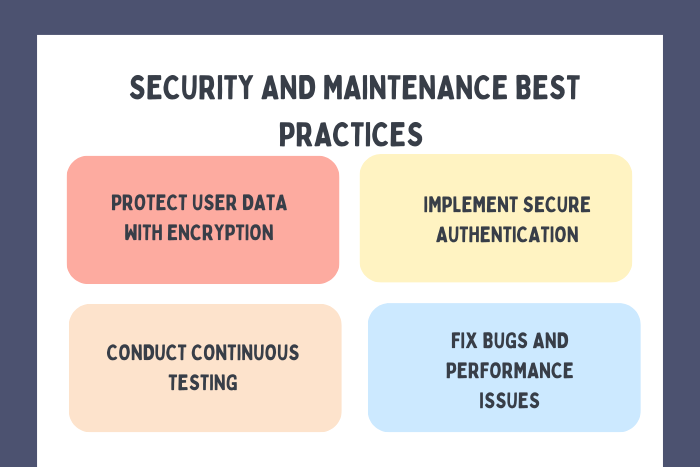
- Implement strong security measures including encryption and secure authentication to protect user data.
- Optimize app performance to ensure fast loading speeds and smooth functionality across devices.
- Use scalable technologies and cloud infrastructure to support future growth and user demand.
- Regularly update and maintain the application to improve features, security, and user experience.
FAQ's
Best practices include proper planning, user-centered design, strong security measures, and continuous testing.
Performance optimization ensures fast loading speeds and smooth user experiences.
Common technologies include Flutter, React Native, Node.js, cloud platforms, and advanced analytics tools.
Development time depends on the complexity, features, and platforms required.
Cross-platform development allows apps to run on both Android and iOS using a single codebase.
Good user experience improves engagement, retention, and overall satisfaction.
Yes, updates are necessary to fix bugs, improve performance, and add new features.