
Explore logistics app development services, features, costs, and trends. Build scalable transport and supply chain solutions for 2025.
What Are the App Development Services for Logistics?
The logistics and transportation industry is undergoing a major digital transformation. From real-time fleet tracking to automated warehouse management, modern logistics businesses rely heavily on smart mobile and web applications to streamline operations. If you’re wondering what are the app development services for logistics, the answer goes far beyond simple tracking tools.
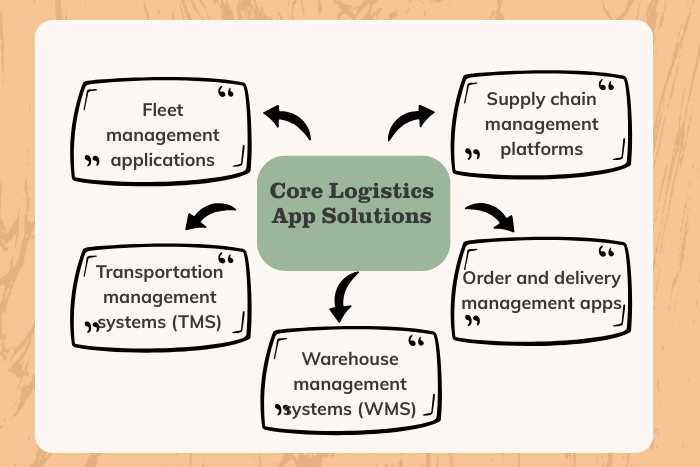
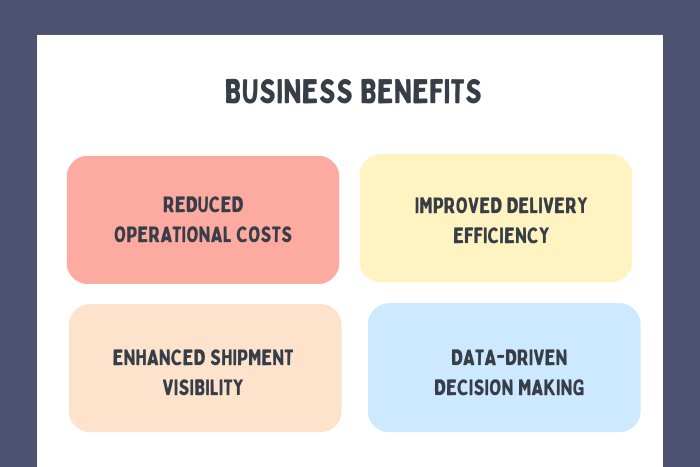
Logistics app development services include end-to-end solutions such as transportation management systems (TMS), fleet management apps, warehouse management systems (WMS), delivery tracking platforms, and supply chain analytics tools. These digital solutions help logistics companies reduce operational costs, improve route efficiency, enhance shipment visibility, and increase customer satisfaction.
Whether you operate a courier startup, freight forwarding company, eCommerce delivery network, or global supply chain enterprise, custom logistics app development can modernize your operations and drive measurable growth. In this guide, we break down services, features, development processes, technology stacks, costs, and the latest trends shaping logistics software in 2025.
Why App Development Services for Logistics Are Important
The logistics sector operates in a fast-paced, high-pressure environment where delays and inefficiencies can result in significant financial losses. Manual systems and outdated software can no longer meet modern demands.
Here’s why logistics app development services are essential:
Real-time shipment tracking improves transparency.
Route optimization reduces fuel costs and delivery time.
Automated inventory systems minimize human errors.
Centralized dashboards enhance operational control.
Data analytics improves forecasting and planning.
Digital transformation in logistics enables better coordination between suppliers, warehouses, drivers, and customers. Businesses that invest in custom logistics applications gain a competitive advantage by delivering faster, safer, and more reliable services.
Types of App Development Services for Logistics Solutions
Fleet Management Applications
Real-time vehicle tracking, driver monitoring, fuel management, and route optimization to improve delivery efficiency.Transportation Management Systems (TMS)
Automated shipment planning, freight rate management, load optimization, and carrier coordination.Warehouse Management Systems (WMS)
Inventory tracking, barcode scanning, storage allocation, picking & packing automation, and warehouse analytics.Order & Delivery Management Apps
Order processing, dispatch management, proof-of-delivery capture, and live customer tracking.Supply Chain Management Platforms
End-to-end visibility across suppliers, distributors, and retailers with centralized data control.Asset Tracking & Telematics Solutions
GPS-enabled monitoring of vehicles, containers, and high-value goods using IoT sensors.On-Demand Logistics & Courier Apps
Uber-like booking platforms for real-time pickup and delivery requests.
Key Features in App Development Services for Logistics
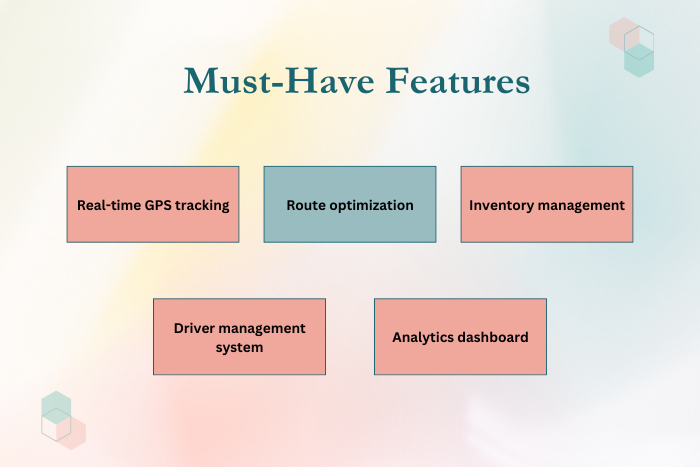
Successful logistics app development services include powerful features designed for operational efficiency and scalability.
- Real-Time GPS Tracking
Live tracking of vehicles, drivers, and shipments. - Route Optimization
AI-powered route planning to reduce delivery time and fuel consumption. - Inventory Management
Automated stock tracking, barcode scanning, and warehouse monitoring. - Driver Management System
Driver onboarding, performance tracking, and digital documentation. - Push Notifications & Alerts
Instant updates on shipment status and delivery schedules. - Analytics Dashboard
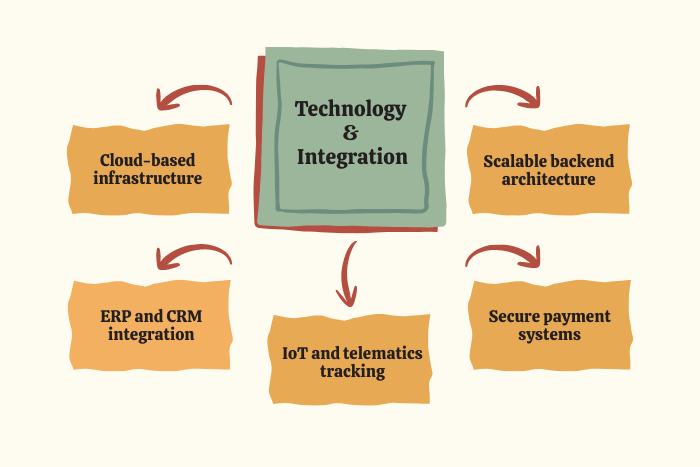
KPIs, performance reports, cost analysis, and demand forecasting. - Integration with ERP & CRM Systems
Seamless connectivity with enterprise systems. - Secure Payment & Billing System
Automated invoicing and transaction tracking. - Cloud-Based Data Storage
Secure and scalable infrastructure.
Development Process
We follow a structured and agile approach to deliver scalable logistics applications.
Requirement Analysis & Consultation
Define business goals, workflows, and target users.Market Research & Competitor Analysis
Identify industry standards and optimization opportunities.UI/UX Design
Create intuitive dashboards and user-friendly interfaces.Architecture Planning
Build scalable backend infrastructure.Development & API Integration
Implement logistics modules and third-party integrations.Quality Assurance & Testing
Conduct functional, performance, and security testing.Deployment & Launch
Publish on app stores or deploy on enterprise servers.Maintenance & Continuous Optimization
Monitor performance and release updates.
Technology Stack
Our logistics app development services leverage modern technologies:
Frontend: React Native, Flutter, Swift, Kotlin
Backend: Node.js, Python, .NET, Java
Database: PostgreSQL, MongoDB, MySQL
Cloud: AWS, Microsoft Azure, Google Cloud
Tracking & Maps: Google Maps API, Mapbox, GPS APIs
IoT Integration: Telematics sensors, RFID, Bluetooth
Analytics: Power BI, Tableau, custom dashboards
Security: OAuth 2.0, SSL encryption, role-based access control
This tech stack ensures high performance, scalability, and enterprise-grade security.
Cost Factors of App Development Services for Logistics
The cost of logistics app development depends on multiple factors:
1. App Complexity
Basic tracking apps cost less than enterprise-level supply chain platforms.
2. Features & Integrations
IoT, AI, blockchain, and ERP integrations increase development costs.
3. Platform Choice
Native (iOS/Android) vs. cross-platform development.
4. Development Team Location
Costs vary based on regional development rates.
5. Customization Level
White-label vs. fully customized solutions.
Estimated Cost Range:
Basic App: $20,000 – $40,000
Mid-Level Solution: $40,000 – $80,000
Enterprise Platform: $80,000 – $200,000+
Latest Trends
Logistics technology is evolving rapidly. Here are key trends for 2025:
- AI-Powered Route Optimization
Smart algorithms reduce delivery delays. - Blockchain for Transparency
Secure and tamper-proof shipment records. - IoT-Enabled Smart Tracking
Real-time sensor-based monitoring. - Autonomous Vehicle Integration
Self-driving delivery innovations. - Predictive Analytics
Demand forecasting and inventory planning. - Green Logistics Technology
Eco-friendly route planning to reduce carbon emissions.
Why Choose Us for Logistics App Development Services
Choosing the right technology partner is critical for logistics digital transformation.
Proven experience in transportation and supply chain solutions
Agile development methodology
Secure and scalable architecture
Custom-built solutions tailored to your workflows
Dedicated post-launch support
Integration with existing enterprise systems
We help logistics businesses modernize operations, reduce costs, and improve delivery efficiency through intelligent software solutions.
Ready to Digitize Your Logistics Operations?
Contact us today for a free consultation and tailored project estimate.
Let’s build a scalable logistics app that drives efficiency and growth.
Key Points :
- Comprehensive logistics app development services including fleet management, warehouse management (WMS), transportation management (TMS), and supply chain solutions.
- Real-time GPS tracking and route optimization to improve delivery speed, reduce fuel costs, and enhance shipment visibility.
- Custom logistics software integration with ERP, CRM, IoT devices, and cloud infrastructure for seamless operations.
- Scalable and secure technology stack using React Native, Node.js, AWS, GPS APIs, and IoT for enterprise-grade performance.
- Cost breakdown based on app complexity, features, and integrations, helping logistics companies plan budgets effectively.
- Latest logistics app trends for 2025 including AI-powered analytics, blockchain for transparency, predictive demand forecasting, and green logistics solutions.
FAQ's
The app development services for logistics include fleet management, warehouse systems, transportation management, supply chain platforms, and delivery tracking apps.
Typically 3–9 months depending on complexity and integrations.
Common technologies include React Native, Node.js, AWS, GPS APIs, IoT, and AI-based analytics.
Costs range from $20,000 to $200,000+ based on features and scale.
Yes, with encryption, role-based access, and compliance standards.
Absolutely. Uber-like logistics apps are widely implemented.
Yes, we offer continuous monitoring, updates, and scaling support.