
What Are the App Development Services for the Fitness Industry? (Explained)
Explore the app development services for fitness industry including workout apps, wearable integration, features, costs, and tech solutions.
What Are the App Development Services for Fitness Industry?
If you’re wondering, “What are the app development services for fitness industry?”, you’re tapping into one of the fastest-growing segments in digital health and wellness. Fitness applications have evolved far beyond simple step counters. Today’s fitness apps offer AI-powered coaching, real-time activity tracking, wearable integrations, nutrition planning, virtual classes, and personalized progress dashboards.
From startups launching innovative workout platforms to gyms building member engagement apps and healthcare providers offering digital wellness solutions, fitness app development services enable businesses to create scalable, data-driven ecosystems. These apps combine mobile technology, IoT devices, cloud computing, and analytics to deliver seamless user experiences.
Whether you’re planning a personal trainer app, diet tracking platform, mindfulness solution, or enterprise-grade fitness ecosystem, choosing the right development strategy ensures performance, security, and long-term scalability. This guide explains the core services, features, technologies, costs, and trends shaping fitness app development in 2024–2025.
Why Fitness App Development Services Are Important
The global fitness industry is rapidly shifting toward digital transformation. Consumers expect convenient, personalized, and connected fitness experiences.
Here’s why investing in fitness app development services is crucial:
Enables 24/7 virtual fitness access
Increases member engagement and retention
Expands reach beyond physical gym locations
Supports subscription-based revenue models
Leverages wearable device data for personalization
Builds stronger fitness communities
Provides data-driven insights for trainers and businesses
A well-developed fitness application strengthens brand loyalty, increases recurring revenue, and creates measurable health engagement.
Types of Fitness Application Development Solutions
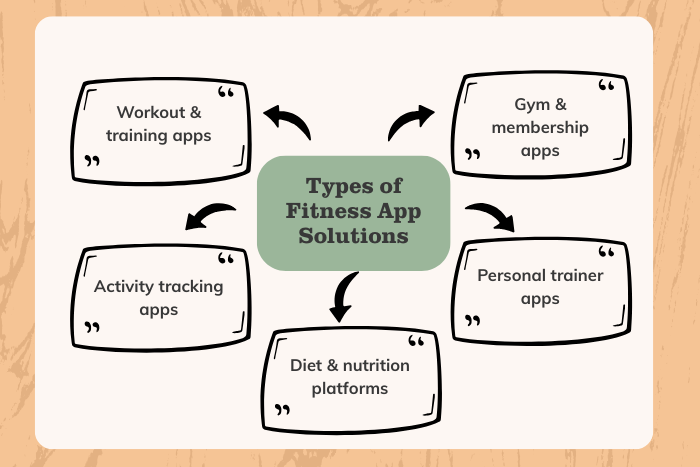
Fitness app development services cater to various segments within the health and wellness industry:
Workout & Training Apps
Guided exercise routines, video tutorials, and personalized training programs.Activity Tracking Apps
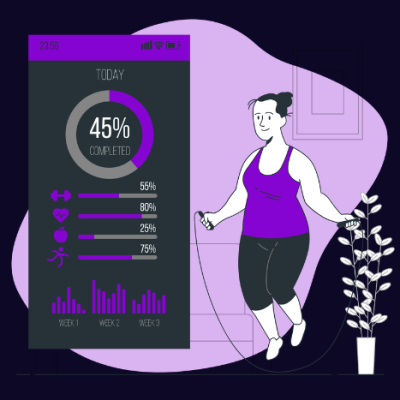
Step counting, calorie tracking, heart rate monitoring, and GPS tracking.Diet & Nutrition Apps
Meal planning, calorie logging, hydration reminders, and macro tracking.Personal Trainer Apps
One-on-one coaching, live chat, custom workout plans, and performance tracking.Wearable-Integrated Apps
Integration with smartwatches and IoT devices for real-time health monitoring.Meditation & Mindfulness Apps
Stress management, breathing exercises, sleep tracking, and mood analytics.Gym & Membership Management Apps
Member subscriptions, class booking, trainer management, and payments.Corporate Wellness Platforms
Employee fitness tracking and health incentive programs.
Each solution requires tailored architecture and feature customization.
Key Features of Fitness App Development Services
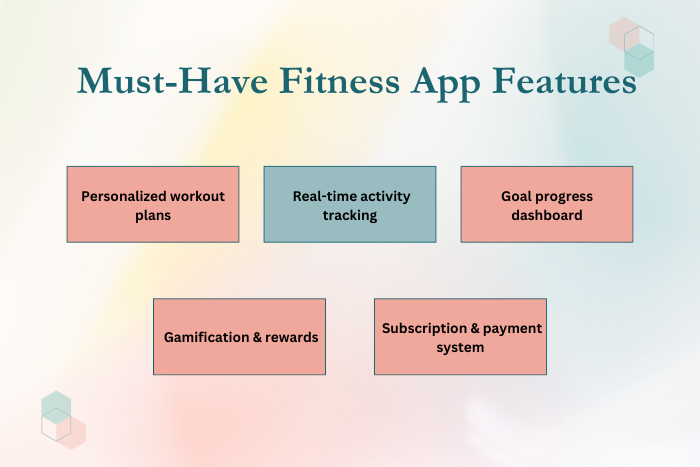
Successful fitness apps include both user-focused and admin-focused features:
User Features:
Personalized workout plans
Real-time activity tracking
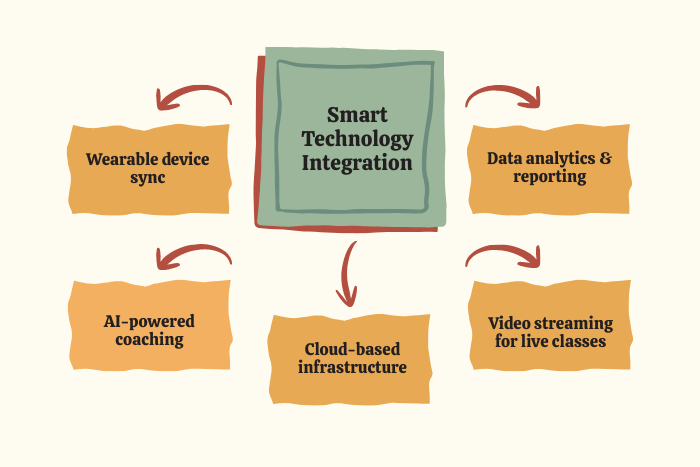
AI-powered coaching
Goal-based progress dashboards
Video streaming for live classes
Nutrition tracking and meal plans
Gamification and rewards
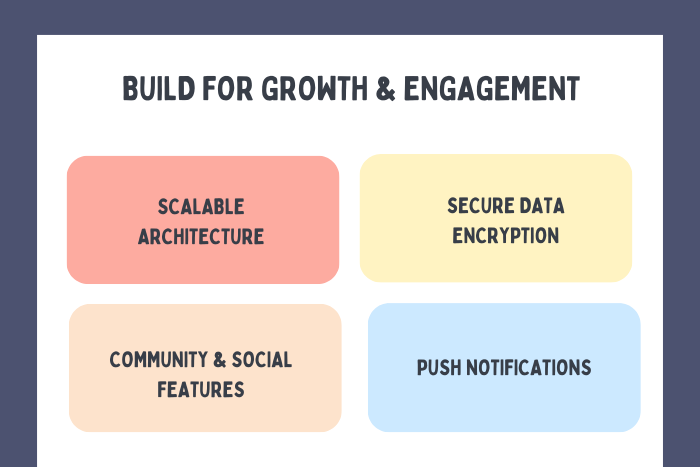
Social community and challenges
Push notifications and reminders
Subscription and payment integration
Admin & Trainer Features:
User management system
Content management tools
Performance analytics
Trainer dashboards
Role-based access control
Revenue and retention analytics
Balancing usability with powerful backend tools ensures sustainable growth.
Development Process for Fitness Application Solutions
A structured roadmap ensures efficient development and scalability:
Market Research & Competitor Analysis
Identify target audience, niche, and monetization strategy.Feature Planning & MVP Definition
Prioritize essential features for faster time-to-market.UI/UX Design for Engagement
Design intuitive, motivating user journeys.Backend Architecture Planning
Implement scalable cloud-native systems.Wearable & IoT Integration
Sync with smart devices for real-time tracking.App Development (iOS, Android, or Cross-Platform)
Build high-performance mobile applications.Testing & Quality Assurance
Validate performance, security, and device compatibility.Deployment & Launch Strategy
Release to app stores with analytics monitoring.Post-Launch Maintenance & Scaling
Continuous updates, feature expansion, and optimization.
Agile methodologies accelerate iteration and innovation.
Technology Stack for Fitness App Development
Modern fitness app development services rely on scalable technologies:
Frontend: React Native, Flutter, Swift, Kotlin
Backend: Node.js, Python (Django), .NET Core
Databases: PostgreSQL, MongoDB, Firebase
Cloud Platforms: AWS, Azure, Google Cloud
Wearable Integration: Apple HealthKit, Google Fit APIs
AI & Machine Learning: TensorFlow, OpenAI APIs
Video Streaming: WebRTC, AWS Media Services
IoT Connectivity: MQTT Protocol
Security: OAuth 2.0, JWT, data encryption
Choosing the right tech stack ensures performance and device compatibility.
Cost Factors in Fitness App Development
The cost of developing a fitness app depends on several variables:
App complexity and feature set
Wearable integration requirements
AI and machine learning implementation
Real-time video streaming functionality
Cross-platform vs native development
Cloud hosting and data storage
Security and compliance needs
Ongoing maintenance and updates
A basic MVP may require a moderate budget, while enterprise-level fitness platforms with AI and IoT integration demand higher investment.
Latest Trends in Fitness App Development (2024–2025)
The fitness app industry continues evolving with advanced technologies:
AI-powered personalized training plans
Real-time biometric tracking
Gamification with leaderboards
AR/VR workout experiences
Social community-driven fitness platforms
Integration with smart home fitness devices
Voice-activated coaching
Data-driven retention analytics
Businesses adopting these innovations gain a competitive edge in user engagement.
Why Choose Us for Fitness App Development Services?
Developing a fitness app requires expertise in mobile development, wearable integration, cloud architecture, and user engagement strategy. We provide end-to-end fitness app development services tailored to your business goals.
Here’s why clients trust us:
Customized Fitness Solutions – Built around your unique business model.
Wearable & IoT Integration Expertise – Seamless real-time tracking.
AI-Driven Personalization – Smart workout and nutrition recommendations.
Scalable Cloud Architecture – Designed for global growth.
Secure & Compliant Systems – Data protection and health privacy standards.
Agile Development Approach – Faster launches and iterative improvements.
Post-Launch Support & Optimization – Continuous monitoring and scaling.
We transform fitness ideas into high-performance digital platforms that drive engagement and recurring revenue.
Ready to build your fitness app?
Let’s create a scalable, AI-powered fitness platform tailored to your audience.
Contact us today for a free consultation and project estimate.
Key Points :
- Comprehensive fitness app development services including workout apps, activity tracking platforms, diet & nutrition apps, and personal trainer solutions.
- Wearable and IoT integration capabilities with Apple HealthKit, Google Fit, smartwatches, and connected fitness devices.
- AI-powered personalization features such as custom workout plans, biometric tracking, and predictive health insights.
- Scalable cloud-based architecture designed for subscription models, live streaming classes, and global user growth.
- Advanced monetization strategies including memberships, in-app purchases, coaching subscriptions, and premium content access.
- Secure and compliant development approach ensuring data encryption, role-based access control, and health data protection standards.
FAQ's
They include workout apps, activity tracking apps, diet and nutrition platforms, wearable integrations, and gym management systems.
Costs depend on complexity, AI features, wearable integrations, and platform choice.
An MVP may take 3–4 months, while advanced platforms can take 6–9 months.
Yes, integration with Apple HealthKit, Google Fit, and other wearables is common.
React Native, Flutter, Node.js, cloud platforms, AI frameworks, and IoT APIs are widely used.
Yes, when implemented with encryption, secure authentication, and compliance standards.
Yes, we offer continuous updates, monitoring, and performance optimization.