
Discover the best app monetization strategies including ads, subscriptions, freemium, and in-app purchases to maximize mobile app revenue.
What Are the App Monetization Strategies?
Mobile applications are not only tools for user engagement but also powerful revenue-generating platforms. Businesses, startups, and developers increasingly rely on mobile apps to create sustainable income streams. If you’re wondering what are the app monetization strategies, these strategies refer to the different methods used to generate revenue from mobile applications.
App monetization involves implementing business models that allow apps to earn money through user activity, subscriptions, advertising, transactions, or premium services. The right monetization approach depends on factors such as the type of app, target audience, industry, and long-term business goals.
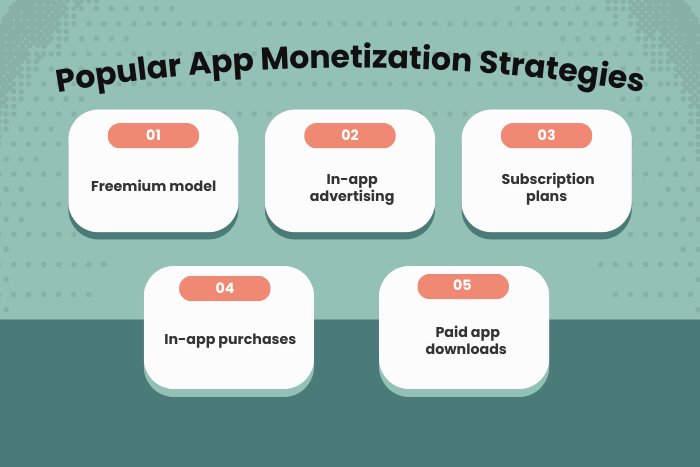
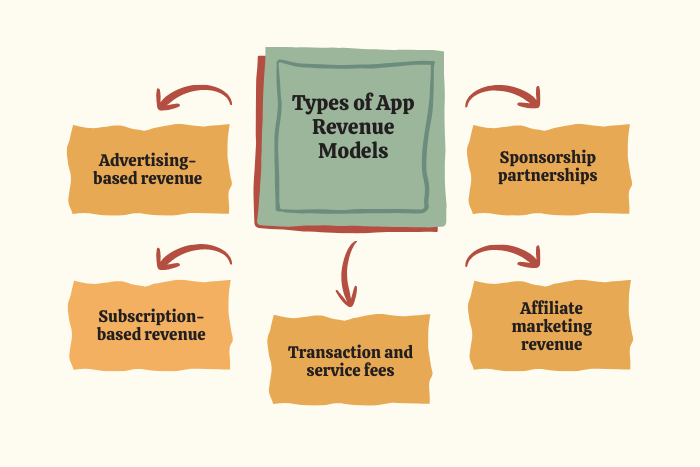
Today, many successful apps combine multiple monetization models to maximize revenue while maintaining a positive user experience. Popular approaches include in-app advertising, subscription models, freemium services, in-app purchases, affiliate partnerships, and sponsorships.
Choosing the right monetization strategy is essential for building a profitable mobile application. A well-planned monetization model ensures that the app generates consistent revenue without negatively affecting user engagement.
In this guide, we will explore the most effective app monetization strategies, their benefits, implementation methods, and best practices for maximizing app revenue.
Why App Monetization Strategies Are Important
Mobile app development requires time, resources, and financial investment. Monetization strategies help developers and businesses recover these investments while generating sustainable profits.
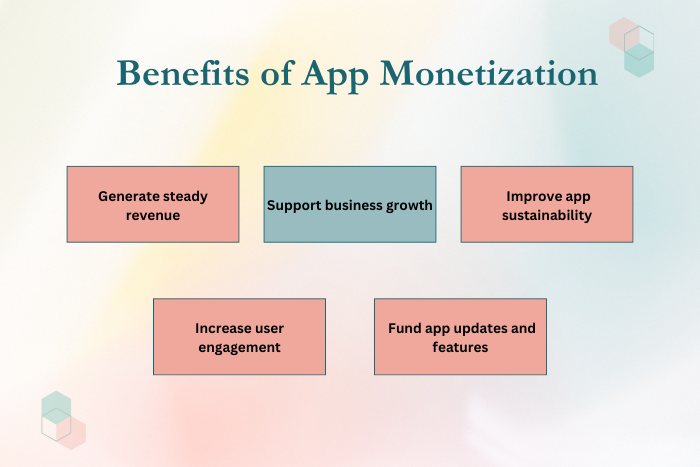
Here are several reasons why app monetization strategies are essential:
Generate Consistent Revenue
Monetization models create reliable income streams for mobile applications.
Support Business Growth
Revenue generated from apps can fund future product development.
Improve User Value
Monetization often involves offering premium features or services that enhance user experience.
Sustain Long-Term Development
Ongoing revenue allows businesses to update and improve their applications.
Encourage User Engagement
Strategic monetization models incentivize users to interact with the app regularly.
Enable Data-Driven Business Models
Monetization analytics help businesses understand user behavior and preferences.
Effective monetization ensures that mobile apps remain financially sustainable while delivering value to users.
Types of Monetization Solutions
Different app monetization models allow businesses to generate revenue in various ways.
Freemium Model
The freemium model offers a basic version of the app for free while charging for premium features.
Free access attracts more users
Premium features generate revenue
Popular among productivity and SaaS apps
In-App Advertising
Advertising allows apps to generate revenue by displaying ads to users.
Banner ads
Video ads
Rewarded ads
Subscription Model
Subscription-based apps charge users recurring fees for access to services or content.
Monthly or annual plans
Common in streaming and SaaS apps
In-App Purchases
Users can purchase digital products or additional features within the app.
Virtual goods
Premium content
Game upgrades
Paid App Model
Users pay a one-time fee to download the application.
Popular for premium apps
Generates immediate revenue
Sponsorship and Partnerships
Brands collaborate with apps to promote products or services.
Sponsored content
Brand collaborations
Many successful apps use hybrid monetization strategies that combine multiple revenue models.
Key Features of Successful App Monetization
Implementing effective app monetization strategies require certain features that enhance revenue potential without harming user experience.
Important features include:
Seamless payment integration
Personalized subscription plans
Non-intrusive advertising formats
Data analytics and revenue tracking
Secure in-app purchase systems
Flexible pricing models
User segmentation for targeted monetization
Integration with advertising networks
These features help maximize revenue while maintaining a positive user experience.
App Monetization Implementation Process
Implementing a monetization strategy requires careful planning and testing.
Analyze the Target Audience
Understand user behavior, preferences, and willingness to pay.
Choose the Monetization Model
Select the strategy that best aligns with your app’s functionality and audience.
Design Monetization Features
Implement paywalls, ads, subscriptions, or purchase options.
Integrate Payment and Advertising Systems
Connect the app with payment gateways and advertising networks.
Test the Monetization Strategy
Conduct A/B testing to determine which models perform best.
Launch the Monetization Model
Deploy monetization features within the application.
Track Revenue and User Behavior
Use analytics tools to monitor performance and revenue.
Optimize Monetization Strategy
Continuously refine pricing models and monetization techniques.
This process ensures effective and sustainable revenue generation.
Technology Stack for Application Monetization
Modern monetization strategies rely on various tools and platforms.
- Payment Gateways: Stripe, PayPal, Apple Pay, Google Pay
- Ad Networks: Google AdMob, Meta Audience Network, Unity Ads
- Subscription Platforms: RevenueCat, Stripe Billing
- Analytics Tools: Firebase Analytics, Google Analytics, Mixpanel
- Attribution Platforms: AppsFlyer, Adjust, Branch
- Cloud Platforms: AWS, Google Cloud Platform, Microsoft Azure
- Security Tools: OAuth 2.0, SSL encryption, secure payment APIs
These technologies help manage payments, advertising, and user analytics efficiently.
Cost Factors in App Monetization
Several factors influence the cost and effectiveness of app monetization strategies.
App category and industry
User base size and engagement level
Advertising network commission fees
Payment gateway transaction fees
Infrastructure and cloud hosting costs
Marketing and user acquisition expenses
Monetization tool subscriptions
Compliance and privacy regulations
Understanding these factors helps businesses maximize profits.
Latest Trends in App Monetization
Mobile app monetization continues to evolve with new technologies and business models.
Some key trends include:
Growth of subscription-based mobile apps
Increasing use of rewarded video ads
Expansion of hybrid monetization models
Integration of AI-driven personalized pricing
Use of blockchain-based digital payments
Growth of in-app commerce and marketplaces
Increased focus on privacy-friendly monetization strategies
Integration of data analytics for revenue optimization
These trends help developers maximize revenue while improving user satisfaction.
Why Choose Us for App Monetization Solutions?
Choosing the right monetization strategy is critical for building profitable mobile applications.
Here’s why businesses trust our monetization services:
Strategic Monetization Planning – We help identify the best revenue models for your app.
Hybrid Monetization Expertise – Combining ads, subscriptions, and purchases for maximum revenue.
Advanced Analytics Integration – Data-driven insights to optimize monetization performance.
User-Centered Monetization Design – Revenue strategies that maintain a positive user experience.
Secure Payment and Subscription Systems – Reliable and secure payment integration.
Ad Network Optimization – Maximizing ad revenue with optimized placements.
Scalable Monetization Architecture – Monetization strategies designed for growing user bases.
End-to-End Support – From monetization strategy planning to implementation and optimization.
We help businesses transform mobile apps into sustainable revenue-generating platforms.
Ready to maximize revenue from your mobile app?
Let our experts design the perfect monetization strategy for your app.
Contact us today for a free consultation and revenue optimization plan.
Key Points :
- App monetization strategies help generate revenue from mobile applications.
- Common models include freemium, subscriptions, and in-app purchases.
- In-app advertising allows apps to earn revenue from ads.
- Subscription models provide recurring revenue from users.
- Paid apps charge users a one-time download fee.
- Hybrid monetization combines multiple revenue models.
- Analytics tools help track user behavior and monetization performance.
- Choosing the right strategy improves app profitability and growth.
FAQ's
Common app monetization strategies include freemium models, in-app purchases, advertising, subscriptions, and paid downloads.
The best model depends on the app type, user base, and business goals.
The freemium model provides a free version of the app with optional premium features.
Apps earn revenue by displaying ads from advertising networks such as Google AdMob.
In-app purchases allow users to buy digital products or additional features within the app.
Yes, subscription models provide recurring revenue and are widely used in SaaS and streaming apps.
Yes, many successful apps use hybrid monetization models.
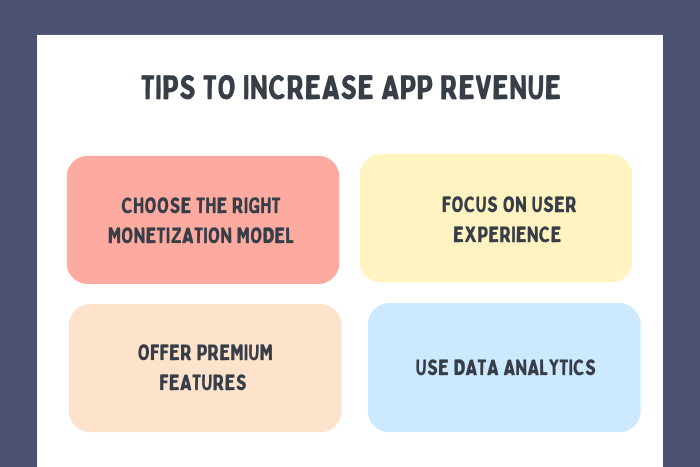
Optimizing pricing, improving user engagement, and implementing hybrid monetization strategies can increase revenue.