



Learn what the costs of app maintenance and updates are, including hosting, bug fixes, security updates, feature upgrades, and long-term support.
What Are the Costs of App Maintenance and Updates?
Launching a mobile or web application is only the first step in a long-term digital journey. After deployment, businesses must regularly maintain and update their applications to ensure performance, security, and compatibility with evolving technologies. This leads many business owners and startups to ask: “What are the costs of app maintenance and updates?”
App maintenance involves a variety of activities such as bug fixing, performance optimization, feature improvements, security patches, server monitoring, and compatibility updates. These updates ensure that the application continues to function smoothly across devices, operating systems, and user environments.
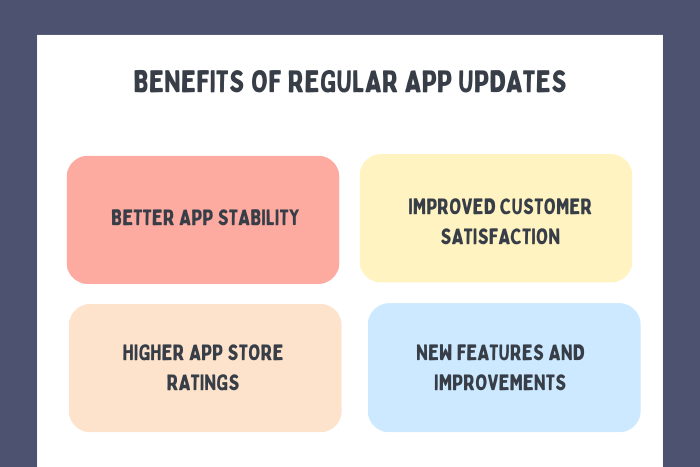
Without proper maintenance, applications may experience performance issues, security vulnerabilities, and compatibility problems with new software versions. Regular updates also help businesses improve user experience, introduce new features, and stay competitive in the digital marketplace.
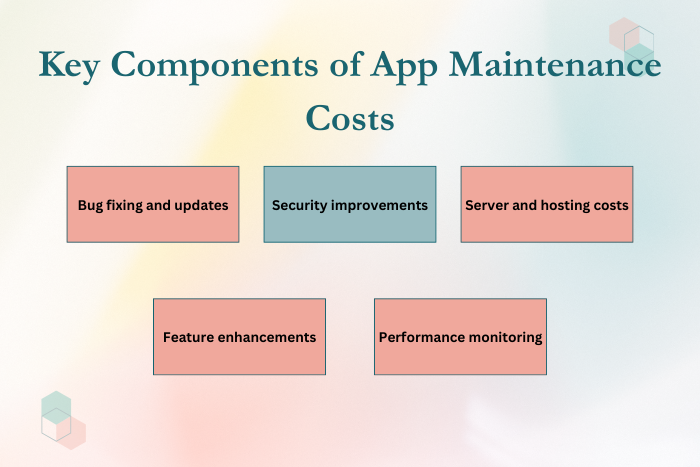
The cost of maintaining an app varies depending on factors such as application complexity, number of users, infrastructure requirements, and frequency of updates. Businesses typically allocate a percentage of their original development cost each year for maintenance and improvements.
In this guide, we will explore the costs of app maintenance and updates, the factors influencing these costs, and strategies to manage them effectively while keeping applications reliable and scalable.
Why App Maintenance and Updates Are Important
Ongoing maintenance ensures that an application continues to perform efficiently and meet user expectations.
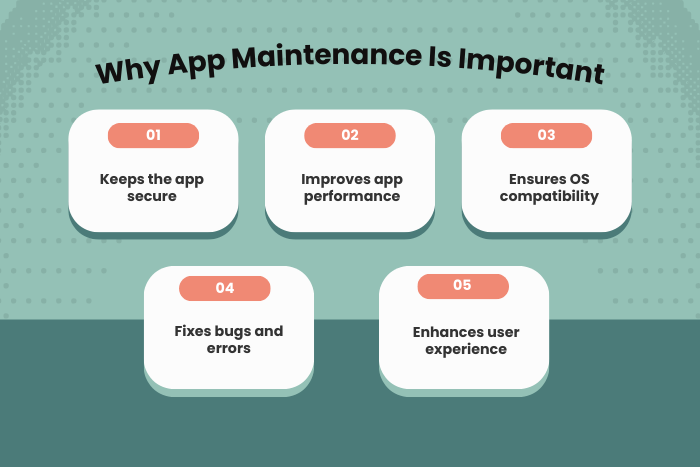
Here are several reasons why app maintenance is essential:
Ensures Smooth App Performance
Regular updates fix bugs and improve application speed and reliability.Improves Application Security
Security patches protect applications from vulnerabilities and cyber threats.Maintains Compatibility with New Devices
Updates ensure the app works properly with new operating systems and devices.Enhances User Experience
Continuous improvements help deliver better interfaces and smoother interactions.Adds New Features and Functionalities
Businesses can introduce innovative features to remain competitive.Supports Business Growth
Maintenance ensures the app can handle increased traffic and data.
By investing in regular updates and improvements, businesses can maintain user satisfaction and long-term app performance.
Types of App Maintenance Solutions
Different types of maintenance services help ensure applications remain functional and up to date.
Corrective Maintenance
This type of maintenance focuses on fixing bugs and resolving errors in the application.
Bug fixes
Performance issues
System crashes
Adaptive Maintenance
Adaptive maintenance ensures the application works with new operating systems, devices, and technologies.
OS compatibility updates
Hardware support improvements
API updates
Perfective Maintenance
Perfective maintenance improves application features and usability.
UI/UX enhancements
Feature improvements
Performance optimization
Preventive Maintenance
Preventive maintenance focuses on identifying potential issues before they affect performance.
Security updates
Code refactoring
Infrastructure improvements
Emergency Maintenance
Emergency maintenance addresses critical issues that require immediate attention.
Security breaches
Server failures
System downtime
These maintenance strategies ensure applications remain reliable and secure over time.
Key Features of App Maintenance Services
Effective app maintenance services include several essential components.
Key features include:
Continuous performance monitoring
Bug detection and fixing
Security patch implementation
Server and cloud infrastructure management
Regular application updates
UI/UX improvements based on user feedback
Third-party API integration updates
Data backup and recovery systems
These services ensure the application remains stable and secure throughout its lifecycle.
Development Process for App Maintenance and Updates
Maintaining an application involves a structured process to ensure consistent improvements.
Performance Monitoring and Analysis
Track application performance and identify issues using analytics tools.Bug Detection and Troubleshooting
Identify and fix bugs reported by users or monitoring systems.Security Assessment and Updates
Implement security patches to protect user data and prevent vulnerabilities.Feature Improvements and Enhancements
Add new features based on user feedback and business needs.Compatibility Updates
Ensure the app works with the latest operating systems and devices.Testing and Quality Assurance
Test updates thoroughly before releasing them to users.Deployment of Updates
Release updates through app stores or web platforms.Continuous Monitoring and Support
Monitor app performance after updates and provide ongoing support.
This structured process ensures the application remains reliable and up to date.
Technology Stack
The technologies used for app maintenance help developers monitor performance and implement updates efficiently.
Mobile Development: Flutter, React Native, Swift, Kotlin
Backend Technologies: Node.js, Python, Java, PHP
Databases: PostgreSQL, MySQL, MongoDB, Firebase
Cloud Platforms: AWS, Microsoft Azure, Google Cloud Platform
Monitoring Tools: New Relic, Datadog, Firebase Performance Monitoring
DevOps Tools: Docker, Kubernetes, Jenkins, GitHub Actions
Security Tools: SSL encryption, OAuth authentication
Using modern technologies helps maintain application performance and security.
Cost Factors in App Maintenance and Updates
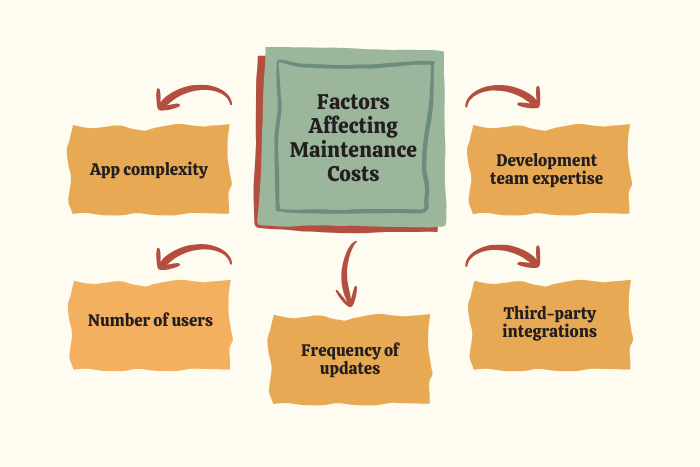
The costs of app maintenance and updates depend on several factors.
Key cost factors include:
Application complexity and feature set
Number of active users
Frequency of updates and improvements
Server hosting and cloud infrastructure
Security and compliance requirements
Third-party API integrations
Development team expertise and location
Performance monitoring and analytics tools
On average, businesses allocate 15–25% of the initial app development cost annually for maintenance and updates.
Proper budgeting ensures that the application remains stable and competitive in the market.
Latest Trends in App Maintenance and Updates
Modern technologies are transforming how applications are maintained and updated.
Key trends include:
AI-powered monitoring and predictive maintenance
Automated CI/CD pipelines for faster updates
Cloud-native infrastructure management
Microservices architecture for flexible updates
Advanced analytics for user behavior insights
Automated security vulnerability detection
Serverless maintenance environments
Continuous delivery strategies
These innovations allow businesses to maintain applications more efficiently and reduce operational risks.
Why Choose Us for App Maintenance Services?
Maintaining a high-performance application requires technical expertise, proactive monitoring, and a structured update strategy. Our team provides comprehensive maintenance services to keep your application secure, efficient, and scalable.
Here’s why businesses trust us:
Dedicated Maintenance Experts – Experienced developers specializing in ongoing application support.
Performance Optimization – Continuous monitoring to ensure optimal application speed and stability.
Advanced Security Updates – Implementation of modern security standards and compliance measures.
Scalable Infrastructure Management – Systems designed to handle increasing traffic and data.
Rapid Bug Fixing and Issue Resolution – Quick response to technical issues and errors.
User Experience Improvements – Continuous updates based on user feedback.
Flexible Maintenance Plans – Cost-effective solutions tailored to your business needs.
Long-Term Technical Support – Reliable support to ensure your application evolves with new technologies.
We help businesses keep their applications secure, reliable, and ready for future growth.
Looking to maintain and update your application efficiently?
Let our experts manage your app maintenance strategy.
Contact us today for a free consultation and maintenance estimate.
Key Points :
- App maintenance and updates ensure your application remains secure, stable, and compatible with new devices.
- Typical maintenance costs range from 15–25% of the original app development cost annually.
- Server hosting and cloud infrastructure also contribute to app maintenance costs.
- Feature upgrades and UI/UX improvements may increase maintenance budgets.
- Monitoring tools and analytics help detect issues early and reduce downtime.
- Investing in maintenance helps extend the lifespan and success of your app.
FAQ's
App maintenance costs depend on factors such as app complexity, infrastructure, updates, and development resources.
Businesses typically allocate around 15–25% of the original development cost annually for maintenance.
Maintenance includes bug fixes, performance optimization, security updates, compatibility improvements, and feature upgrades.
Apps should be updated regularly to fix bugs, improve features, and maintain compatibility with new devices.
Maintenance ensures the application remains secure, stable, and optimized for user experience.
Yes, costs can be reduced by using scalable technologies, efficient coding practices, and automated monitoring tools.
Yes, we offer comprehensive app maintenance services including performance optimization, updates, and long-term support.