

Learn the steps involved in app development, from idea and design to coding, testing, and launch. A complete guide to building successful mobile apps.
What Are the Steps Involved in App Development?
Mobile applications have become essential tools for businesses aiming to improve customer engagement, streamline operations, and expand their digital presence. However, creating a successful application requires a structured process that ensures quality, scalability, and user satisfaction. Many businesses and startups often ask, “What are the steps involved in app development?” Understanding the development lifecycle helps organizations plan their projects effectively and reduce risks during the process.
App development is not limited to coding alone. It involves several stages, including ideation, market research, design, development, testing, and post-launch maintenance. Each stage plays a critical role in building an application that meets business goals and user expectations.
Whether you are developing a simple mobile app, a complex enterprise platform, or a cross-platform application, following a well-defined development process ensures efficiency and better outcomes. From planning and user experience design to backend architecture and deployment, every step contributes to the overall success of the product.
In this guide, we explain the key steps involved in app development, the technologies used, cost considerations, and modern trends shaping the mobile app development lifecycle.
Why the App Development Process Is Important
A well-defined app development process ensures that projects are delivered efficiently while maintaining quality and performance standards. Without a structured workflow, development teams may face delays, miscommunication, or unexpected technical issues.
Here’s why understanding the app development process is important:
Clear Project Direction
A structured process helps teams define goals, features, and user requirements before development begins.Efficient Resource Management
Development teams can allocate time, tools, and resources effectively.Reduced Development Risks
Planning and testing at each stage help identify potential problems early.Improved User Experience
A systematic design and testing approach ensures intuitive and engaging applications.Faster Time to Market
Organized workflows allow businesses to launch their apps more quickly.
By following a structured development lifecycle, businesses can build reliable applications that support long-term growth.
Types of Solutions in the Steps Involved in App Development
Different businesses require different types of mobile and web applications depending on their goals and target audience.
Native Mobile App Development
Native apps are built specifically for Android or iOS platforms using technologies such as Kotlin or Swift. They offer high performance and full access to device features.
Cross-Platform App Development
Cross-platform frameworks allow developers to create apps for multiple platforms using a single codebase, reducing development time and cost.
Hybrid App Development
Hybrid apps combine web technologies with mobile frameworks, enabling faster development and easier maintenance.
Progressive Web Applications (PWAs)
PWAs function like mobile apps but run in web browsers, making them cost-effective and accessible across devices.
Enterprise Application Development
Enterprise apps support internal business operations such as workflow management, analytics, and customer management systems.
Each solution offers different benefits depending on business requirements and technical complexity.
Key Features of Modern Mobile Applications
Modern mobile apps include advanced capabilities that enhance usability, security, and performance.
User-friendly and intuitive interface design
Secure login and authentication systems
Integration with APIs and third-party services
Real-time notifications and messaging features
Cloud-based infrastructure for scalability
Offline functionality and data synchronization
Analytics and performance monitoring tools
Cross-device compatibility and responsiveness
These features ensure that applications deliver seamless experiences for users while supporting business operations.
Development Process: Steps Involved in App Development
The app development lifecycle consists of several stages that guide the creation of a functional and scalable application.
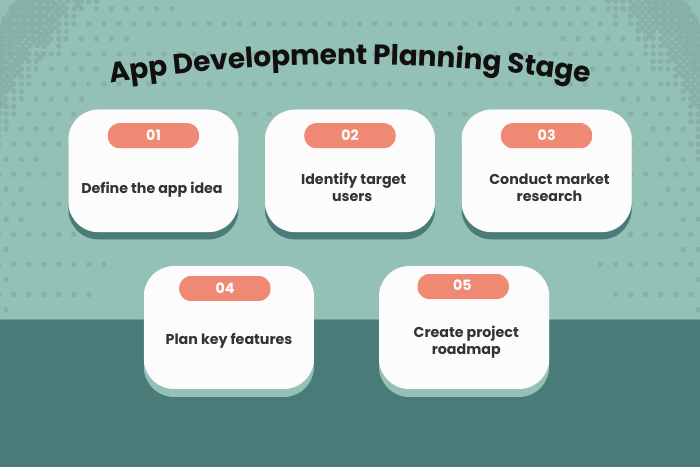
Idea Generation and Planning
The development process begins with defining the app idea, target audience, and business goals. Teams identify the purpose of the app and key functionalities required.
Market Research and Analysis
Research helps understand user needs, competitor applications, and industry trends. This stage ensures that the product addresses real market demands.
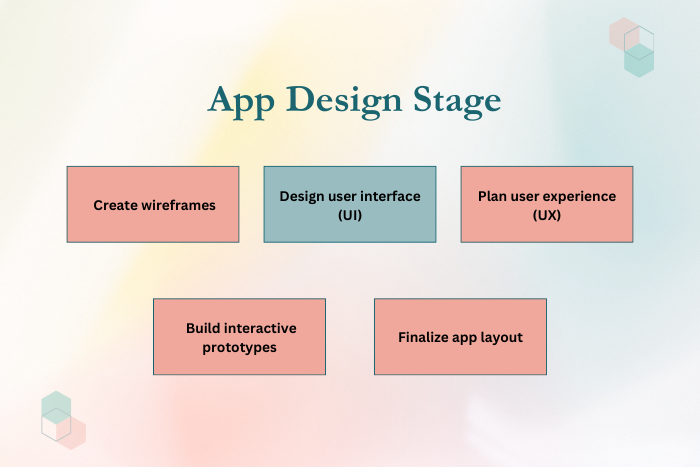
Wireframing and UI/UX Design
Designers create wireframes and interactive prototypes to visualize the user interface and user journey.
App Architecture and Technology Selection
Developers define the application architecture, choose programming languages, frameworks, and database systems.
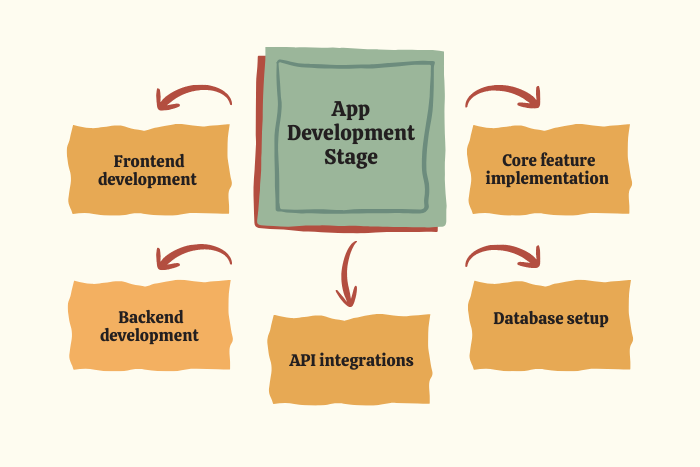
Application Development
Development teams build the frontend and backend components, integrate APIs, and implement core features.
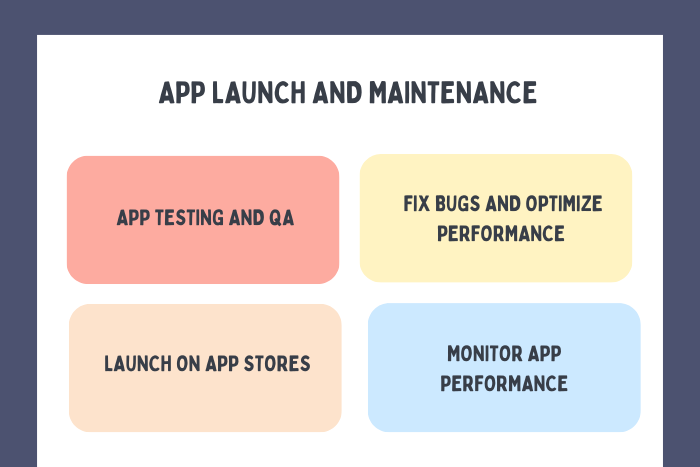
Testing and Quality Assurance
QA teams perform functional testing, usability testing, performance testing, and security checks to ensure reliability.
Deployment and Launch
The app is published on the Apple App Store, Google Play Store, or deployed to cloud platforms.
Post-Launch Maintenance and Updates
Developers monitor performance, fix bugs, release updates, and add new features to keep the application competitive.
Following these steps helps create high-quality applications that meet user expectations and business objectives.
Technology Stack Used in App Development
Modern mobile applications rely on multiple technologies to deliver performance, security, and scalability.
Mobile Development: Swift, Kotlin, Java, Dart
Cross-Platform Frameworks: Flutter, React Native, Xamarin
Frontend Technologies: HTML5, CSS3, JavaScript, TypeScript
Backend Technologies: Node.js, Python, Java, PHP
Databases: PostgreSQL, MySQL, MongoDB, Firebase
Cloud Platforms: AWS, Microsoft Azure, Google Cloud Platform
DevOps Tools: Docker, Kubernetes, GitHub Actions, Jenkins
Security Technologies: OAuth 2.0, JWT authentication, SSL encryption, RBAC
Choosing the right technology stack ensures efficient development and long-term scalability.
Cost Factors in the Steps Involved in App Development
The cost of building a mobile application depends on multiple factors.
Application complexity and feature set
Platform selection (Android, iOS, or both)
UI/UX design requirements
Third-party integrations and APIs
Development team size and location
Backend infrastructure and hosting
Testing and quality assurance processes
Ongoing maintenance and updates
Businesses often start with a minimum viable product (MVP) to reduce initial costs and validate the product idea.
Latest Trends in App Development
Mobile app development continues to evolve with new technologies and innovative approaches.
Key trends include:
Adoption of cross-platform frameworks for faster development
Integration of artificial intelligence and machine learning
Development of progressive web applications (PWAs)
Growth of Internet of Things (IoT) mobile applications
Cloud-native architectures for scalable apps
Increased focus on mobile security and data privacy
Use of AR and VR technologies in apps
Automation through DevOps and CI/CD pipelines
These trends help businesses create smarter, more efficient digital products.
Why Choose Us for App Development
Selecting the right development partner is essential for building successful applications. Our team focuses on delivering scalable, secure, and high-performance digital solutions tailored to your business needs.
Here’s why businesses trust our app development services:
Experienced Development Team – Skilled developers with expertise in modern mobile technologies.
End-to-End Development Services – From idea validation to deployment and support.
Scalable Architecture – Applications designed to grow with your business.
User-Centered Design Approach – Interfaces built for engagement and usability.
Agile Development Methodology – Faster delivery with iterative development cycles.
Secure Development Practices – Implementation of industry-standard security measures.
Cloud-Ready Infrastructure – Reliable and scalable deployment environments.
Continuous Support and Optimization – Regular updates and performance improvements.
We help businesses transform innovative ideas into powerful mobile applications.
Ready to turn your app idea into a successful digital product?
Let our experts guide you through every step of the app development process.
Contact us today for a free consultation and project estimate.
Key Points :
- App development involves multiple stages, including planning, design, development, testing, and deployment.
- Idea validation and market research help ensure the app solves real user problems.
- UI/UX design and wireframing create a clear structure and user-friendly interface.
- Developers build the frontend and backend using modern frameworks and technologies.
- Testing and quality assurance ensure the app works smoothly and securely.
- Post-launch maintenance and updates help improve performance and add new features over time.
FAQ's
The main steps include idea generation, market research, design, development, testing, deployment, and post-launch maintenance.
The timeline varies depending on complexity. Simple apps may take weeks, while complex applications may require several months.
Common technologies include Swift, Kotlin, Flutter, React Native, Node.js, and cloud platforms like AWS or Google Cloud.
Yes. Testing ensures that the application works correctly, performs well, and meets security standards.
An MVP (Minimum Viable Product) is a basic version of the app with core features used to validate the idea before full development.
Costs vary depending on complexity, features, platform requirements, and development team expertise.
Yes. Post-launch updates allow developers to fix bugs, improve performance, and add new features.