



Learn the difference between native and hybrid app development, including performance, cost, development process, and which option suits your business.
What Is the Difference Between Native and Hybrid App Development?
Businesses planning to build mobile applications often face a critical decision: should they choose native app development or hybrid app development? Understanding the difference between these two approaches is essential because it directly affects performance, user experience, development cost, and time to market.
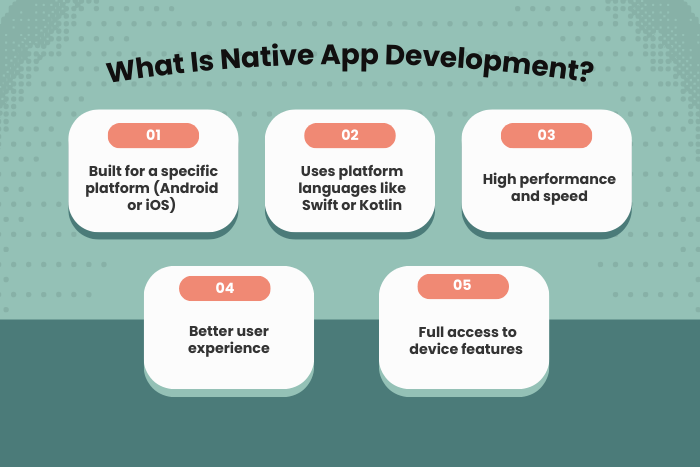
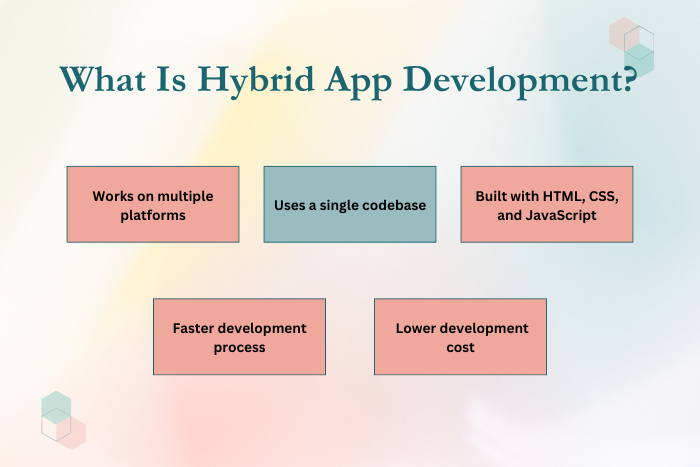
Native and hybrid applications are two widely used methods for building mobile apps for platforms such as Android and iOS. Native apps are developed specifically for a particular operating system using platform-specific programming languages. Hybrid apps, on the other hand, use a single codebase that runs across multiple platforms using web technologies wrapped in a mobile container.
Both approaches have unique advantages depending on project requirements, budget, and business goals. Native apps often provide better performance and deeper access to device features, while hybrid apps allow faster development and lower costs due to shared codebases.
Choosing the right development approach requires careful evaluation of your target audience, app complexity, scalability requirements, and long-term maintenance strategy. In this guide, we explain the difference between native and hybrid app development, their key features, development processes, technologies used, cost considerations, and which option may be best for your business.
Why Understanding Native vs Hybrid App Development Is Important
Selecting the right app development approach is a strategic decision that influences how your application performs and scales over time. Businesses must evaluate different development methods to ensure their apps deliver a smooth user experience while staying within budget.
Here are several reasons why understanding the difference between native and hybrid app development is important:
Performance Optimization
Native apps typically offer higher performance because they are built specifically for a platform.Development Efficiency
Hybrid apps allow developers to use a shared codebase, reducing development time.User Experience Quality
Native apps often provide smoother animations and better responsiveness.Budget and Resource Management
Hybrid development can reduce costs by minimizing the need for separate codebases.Access to Device Features
Native apps offer deeper integration with device hardware such as cameras, sensors, and GPS.
Understanding these factors helps businesses choose the development strategy that best fits their goals and technical requirements.
Types of App Development Solutions
Mobile applications can be developed using different approaches depending on performance needs and platform requirements.
Native App Development
Native apps are built specifically for a single operating system using platform-specific languages. For example, Android apps use Kotlin or Java, while iOS apps use Swift. Native development offers excellent performance and seamless integration with device features.Hybrid App Development
Hybrid apps combine web technologies like HTML, CSS, and JavaScript within a mobile framework. They allow developers to build apps for multiple platforms using one codebase, reducing development time and costs.Cross-Platform Development
Cross-platform frameworks such as Flutter or React Native enable developers to create apps that run on multiple platforms with near-native performance.Progressive Web Applications (PWAs)
PWAs run in web browsers but offer app-like functionality such as offline access and push notifications.Enterprise Mobile Applications
Large organizations often develop enterprise apps that integrate with internal systems and require high security and scalability.
Each approach offers different benefits depending on the project scope and user expectations.
Key Features That Differentiate Native and Hybrid App Development
Native and hybrid applications differ in several important aspects that influence development decisions.
Platform-specific or shared codebase architecture
Performance and responsiveness levels
Access to device hardware and system features
Development speed and time to market
Cost of development and maintenance
Security and reliability standards
Scalability for future application updates
Compatibility across multiple devices and platforms
These features determine which development approach is best suited for a particular application.
Development Process
Although native and hybrid apps use different technologies, their development lifecycle typically follows a structured process.
Idea Discovery and Planning
Development begins with identifying the app’s purpose, target audience, and required features.Market Research and Requirement Analysis
Teams analyze competitors and industry trends to refine the product concept.UI/UX Design and Wireframing
Designers create wireframes and prototypes that illustrate the application’s interface and user flow.Technology Selection
Developers determine whether native or hybrid development is the best approach based on performance and scalability needs.Application Development
Developers build the frontend interface, backend systems, APIs, and database structures.Testing and Quality Assurance
QA teams perform functional testing, security testing, and performance analysis.Deployment and Launch
The app is published on the Apple App Store and Google Play Store.Post-Launch Maintenance and Updates
Continuous improvements, bug fixes, and new features help maintain long-term performance.
Following this structured development process ensures that applications meet user expectations and business goals.
Technology Stack
Modern app development relies on various programming languages and frameworks.
Native Development: Swift, Kotlin, Java
Hybrid Frameworks: Ionic, Cordova, PhoneGap
Cross-Platform Frameworks: Flutter, React Native, Xamarin
Frontend Technologies: HTML5, CSS3, JavaScript, TypeScript
Backend Technologies: Node.js, Python, Java, PHP
Databases: PostgreSQL, MySQL, MongoDB, Firebase
Cloud Platforms: AWS, Google Cloud Platform, Microsoft Azure
Security Tools: OAuth 2.0, JWT authentication, SSL encryption, RBAC
The chosen technology stack affects application performance, scalability, and development speed.
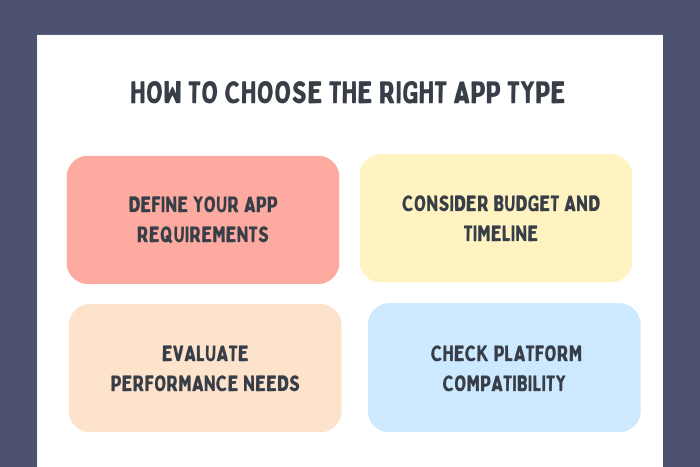
Cost Factors in Native and Hybrid App Development
The cost of developing native or hybrid apps depends on several variables.
Application complexity and number of features
Platform selection (Android, iOS, or both)
UI/UX design requirements
Development approach (native vs hybrid)
Integration with third-party services
Development team location and expertise
Testing and quality assurance processes
Maintenance and future updates
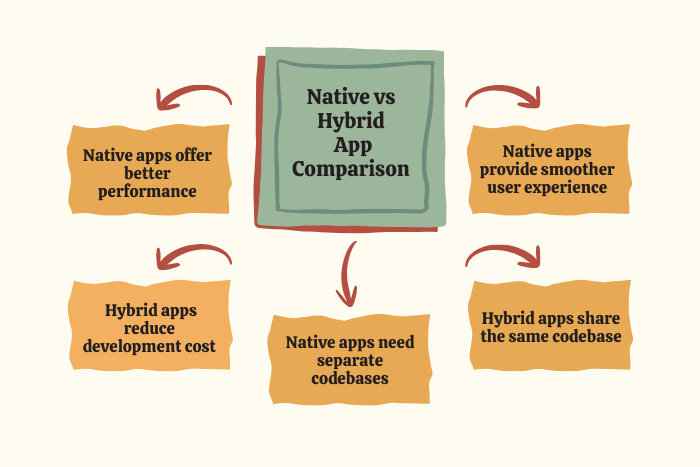
Hybrid development often reduces initial development costs, while native development may require a larger budget but deliver higher performance.
Latest Trends in Mobile App Development
The mobile development landscape continues to evolve with new tools and technologies.
Key trends include:
Increasing adoption of cross-platform frameworks such as Flutter and React Native
Integration of artificial intelligence and machine learning into mobile apps
Development of progressive web applications (PWAs)
Use of cloud-native architectures for scalable applications
Expansion of Internet of Things (IoT) mobile integrations
Stronger focus on mobile security and privacy compliance
Adoption of DevOps and CI/CD pipelines for faster releases
Growing use of low-code and no-code platforms
These trends help businesses build more efficient and scalable mobile applications.
Why Choose Us for Mobile App Development
Choosing the right development partner is essential for building high-quality mobile applications. Our team specializes in delivering scalable, secure, and high-performance mobile solutions tailored to business needs.
Here’s what makes our services stand out:
Expertise in Native and Hybrid Development – We help businesses choose the right development strategy.
Experienced Development Team – Skilled engineers with expertise across modern frameworks.
End-to-End Development Services – From idea validation to deployment and maintenance.
Scalable Architecture – Applications designed to grow with your business.
User-Centered Design Approach – Interfaces optimized for usability and engagement.
Agile Development Process – Faster development cycles with transparent collaboration.
Secure Development Practices – Implementation of industry-standard security protocols.
Continuous Support and Optimization – Ongoing updates and performance monitoring.
We help businesses transform innovative ideas into powerful mobile applications.
Ready to build a high-performance mobile application?
Let our experts help you choose the right development approach.
Contact us today for a free consultation and project estimate.
Key Points :
- Native apps are built specifically for one platform like Android or iOS using platform-specific languages.
- Hybrid apps use a single codebase that works across multiple platforms.
- Native apps offer better performance and user experience.
- Hybrid apps reduce development time and cost because code is reused.
- Native apps provide deeper access to device features like camera, GPS, and sensors.
- The choice between native and hybrid depends on budget, performance needs, and project goals.
FAQ's
Native apps are built specifically for a single platform, while hybrid apps use a shared codebase to run on multiple platforms.
Yes. Native apps generally provide better performance because they are optimized for a specific operating system.
Hybrid apps often cost less because developers can reuse code across multiple platforms.
Hybrid or cross-platform development is often preferred by startups because it reduces development time and costs.
Many popular apps use hybrid or cross-platform frameworks to support multiple platforms efficiently.
Yes. Native apps usually require separate development for Android and iOS platforms.
The choice depends on factors such as performance requirements, budget, time to market, and long-term scalability.