




Learn the role of a project manager in app development, including planning, coordination, risk management, and ensuring successful app delivery.
What Is the Role of a Project Manager in App Development?
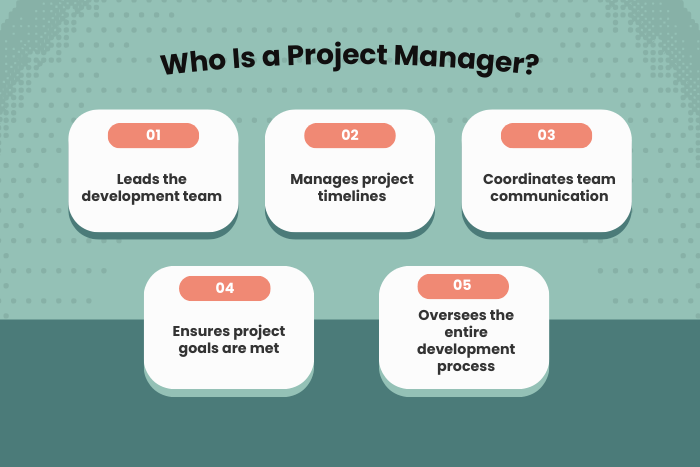
Successful mobile and software development projects require strong leadership, coordination, and strategic planning. This is where a project manager plays a crucial role. Many businesses often ask: What is the role of a project manager in app development? The answer lies in their ability to manage the entire development process, ensure smooth communication, and keep projects on schedule and within budget.
A project manager acts as the central point of coordination between stakeholders, developers, designers, quality assurance teams, and clients. Their responsibility is to ensure that every stage of the mobile app development lifecycle—from planning and design to development, testing, and deployment—runs efficiently.
Without proper project management, development teams may face communication gaps, missed deadlines, budget overruns, and inconsistent product quality. A skilled project manager ensures that project goals are clearly defined, risks are minimized, and the development process stays aligned with business objectives.
In modern app development environments that often use Agile or DevOps methodologies, project managers also facilitate collaboration, manage product backlogs, track progress through sprints, and adapt project strategies based on feedback and performance metrics.
In this guide, we’ll explore the responsibilities of a project manager in app development, how they contribute to successful product delivery, and why their role is essential for building high-quality mobile applications.
Why the Project Manager’s Role Is Important in App Development
A project manager ensures that the entire app development process remains organized, transparent, and efficient.
Here’s why their role is essential:
Clear Project Planning
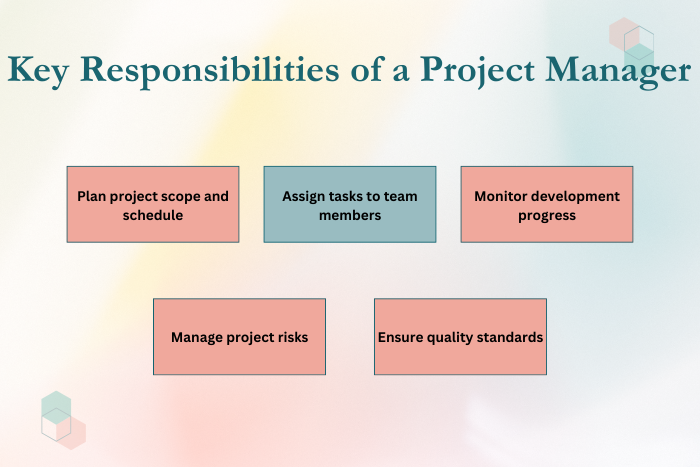
Project managers define the project scope, timeline, and deliverables before development begins.
Team Coordination
They ensure designers, developers, and testers collaborate effectively.
Efficient Communication
A project manager acts as the communication bridge between clients and the development team.
Risk Management
Potential technical or scheduling risks are identified early and managed proactively.
Quality Assurance
They monitor project milestones to ensure the final product meets quality standards.
Budget Control
Project managers track project expenses and ensure resources are used efficiently.
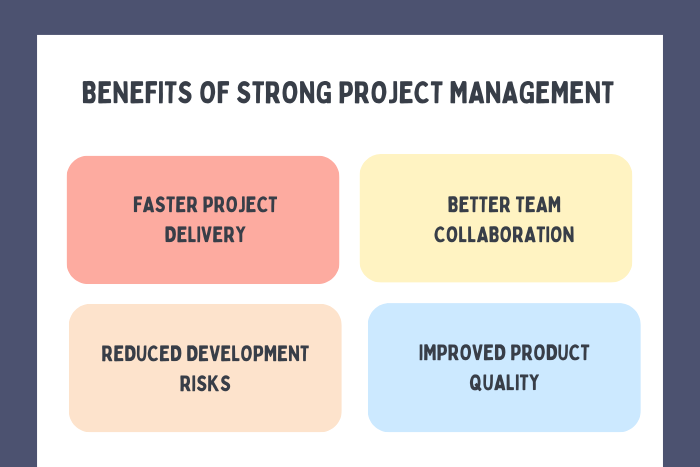
By maintaining structure and accountability, project managers help ensure that app development projects achieve their intended goals.
Types of Project Management Solutions in Application Development
Project management in app development can follow different methodologies depending on the project scope and team structure.
Agile Project Management
Agile focuses on iterative development cycles called sprints, allowing teams to adapt quickly to changes.
Scrum Framework
A popular Agile approach where project managers (or Scrum Masters) organize development into short, focused iterations.
Waterfall Project Management
A sequential development approach where each phase must be completed before moving to the next.
DevOps Project Management
Combines development and operations teams to streamline development and deployment processes.
Hybrid Project Management
Combines elements of Agile and traditional project management for flexible workflows.
Each methodology offers different advantages depending on the project complexity and team structure.
Key Features of Effective Project Management in App Development
Successful project managers bring several critical capabilities that contribute to project success.
Key features include:
Clear communication between clients and development teams
Detailed project planning and timeline management
Effective resource allocation and task management
Continuous progress tracking and reporting
Risk identification and mitigation strategies
Quality control and testing coordination
Agile sprint management and backlog prioritization
Stakeholder collaboration and feedback management
These features help ensure smooth development processes and timely project delivery.
Development Process Managed by a Project Manager
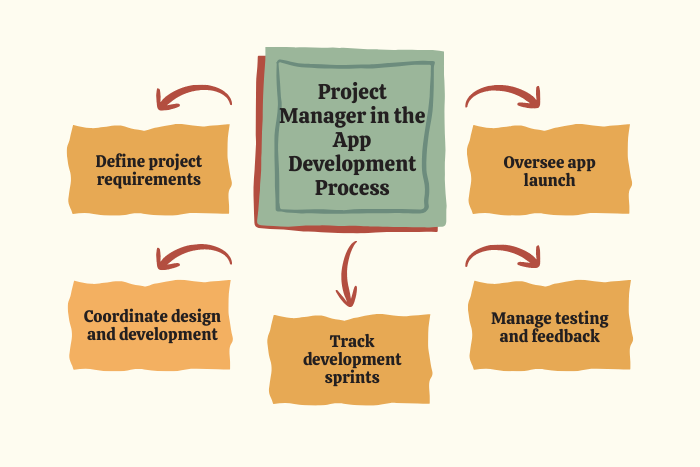
Project managers oversee each stage of the app development lifecycle.
Project Discovery and Requirement Analysis
Understanding client goals, business needs, and technical requirements.
Project Planning and Roadmap Creation
Defining project scope, timelines, milestones, and resource allocation.
Team Coordination and Task Assignment
Assigning responsibilities to designers, developers, and QA engineers.
Development Sprint Management
Organizing development work into sprints and monitoring progress.
Quality Assurance and Testing Coordination
Ensuring that the application is thoroughly tested and meets quality standards.
Client Communication and Progress Reporting
Providing regular updates and gathering client feedback.
Deployment and Release Management
Coordinating the launch of the application on app stores or web platforms.
Post-Launch Support and Improvements
Monitoring app performance and managing future updates.
This structured approach helps keep the project organized and aligned with business goals.
Technology Stack for Project Management in App Development
Project managers use modern tools and technologies to track progress, collaborate with teams, and manage development workflows.
- Project Management Tools: Jira, Trello, Asana, ClickUp
- Communication Tools: Slack, Microsoft Teams, Zoom
- Documentation Tools: Confluence, Notion, Google Docs
- Version Control Systems: GitHub, GitLab, Bitbucket
- CI/CD Tools: Jenkins, GitHub Actions, GitLab CI/CD
- Design Collaboration Tools: Figma, Adobe XD, InVision
- Analytics and Reporting Tools: Google Analytics, Firebase Analytics
These tools enable project managers to maintain transparency and efficiency across development teams.
Cost Factors Influenced by Project Management
Project management can significantly impact the overall cost and efficiency of app development.
Key cost factors include:
Project scope and feature complexity
Development timeline and milestones
Size of the development team
Communication and collaboration tools
Risk management and contingency planning
Testing and quality assurance processes
Resource allocation and productivity
Post-launch maintenance and updates
Effective project management helps reduce unnecessary costs by optimizing workflows and minimizing delays.
Latest Trends in Project Management for App Development
Modern project management practices are evolving alongside technological advancements.
Some key trends include:
Agile and Scrum-based project management frameworks
AI-powered project management tools
Real-time collaboration platforms
Data-driven decision making using analytics
Remote and distributed development teams
Automation of project workflows
Continuous integration and delivery pipelines
Enhanced risk management strategies
These innovations allow project managers to manage complex development projects more efficiently.
Why Choose Us for App Development Project Management?
Choosing a team with experienced project managers ensures your app development project runs smoothly from start to finish.
Here’s why businesses trust us:
Experienced Project Managers – Skilled professionals managing every stage of development.
Agile Development Expertise – Efficient sprint planning and iterative development cycles.
Transparent Communication – Regular updates and clear reporting throughout the project.
Risk Management Strategies – Identifying and resolving potential issues early.
Efficient Resource Management – Optimizing team productivity and project timelines.
High-Quality Product Delivery – Ensuring the app meets performance and usability standards.
Collaborative Development Approach – Close coordination with clients and stakeholders.
Post-Launch Support and Scaling – Continuous improvements after product launch.
Our project managers ensure that your mobile app development process is efficient, transparent, and successful.
Ready to build your mobile app with expert project management?
Let our experienced team guide your project from concept to launch.
Contact us today for a free consultation and development strategy.
Key Points :
- A project manager coordinates the entire app development process from planning to launch.
- They manage communication between clients, developers, designers, and testers.
- Project managers plan timelines, allocate resources, and track project progress.
- They identify and mitigate technical, financial, and scheduling risks.
- Agile methodologies help project managers manage development through iterative sprints.
- Effective project management ensures timely delivery, better quality, and successful app launches.
FAQ's
A project manager oversees the entire development process, ensuring tasks are completed on time, within budget, and according to project requirements.
They coordinate teams, manage timelines, handle risks, and ensure smooth communication between stakeholders.
Important skills include leadership, communication, problem-solving, risk management, and technical understanding.
Common tools include Jira, Trello, Asana, Slack, and GitHub.
Most complex projects benefit from having a project manager to ensure efficiency and organization.
By identifying potential issues early and implementing mitigation strategies.
Project managers often coordinate maintenance, updates, and feature enhancements to improve the app over time.