
How Do I Integrate Payment Gateway in an App? Learn how to integrate a payment gateway in an app with secure APIs, backend flow, testing, and compliance. Enable seamless in-app payments today. How Do I Integrate Payment Gateway in an App? If you’re asking, “How do I integrate payment gateway in an app?”, you’re likely building a mobile or web application that requires secure online transactions. Whether it’s an eCommerce platform, subscription-based SaaS app, marketplace, on-demand service, or digital wallet, payment gateway integration is essential for processing payments safely and efficiently. A payment gateway acts as the bridge between your app, customers, and financial institutions. It securely authorizes credit cards, debit cards, UPI, net banking, digital wallets, and other payment methods. However, integrating a payment gateway involves more than embedding a checkout button — it requires backend logic, secure APIs, encryption protocols, webhook handling, fraud prevention, and compliance with industry regulations like PCI-DSS. This comprehensive guide explains how to integrate a payment gateway in an app step by step — covering technical architecture, security best practices, cost considerations, and modern trends — so you can enable smooth, secure, and scalable in-app payments. Why Payment Gateway Integration Is Important Integrating a secure payment gateway directly impacts user trust and revenue generation. Here’s why it matters: Enables secure online transactions Builds customer trust with encrypted payment processing Supports multiple payment methods Automates transaction validation Reduces fraud risks Ensures regulatory compliance Improves checkout experience and conversions Supports global scalability Without proper integration, payment failures, data breaches, and poor user experience can damage your brand reputation. Types of Payment Gateway Integration Solutions in an App Different business models require different integration approaches. Hosted Payment Gateway IntegrationRedirects users to a secure hosted payment page managed by the gateway provider. API-Based (Direct) IntegrationFully customized checkout flow embedded within your app. SDK-Based Mobile IntegrationUses official SDKs for iOS and Android to streamline implementation. Subscription Payment IntegrationRecurring billing systems for SaaS and membership apps. Marketplace Payment IntegrationMulti-vendor payment splitting and escrow handling. In-App Wallet IntegrationDigital wallet balance and stored payment methods. Choosing the right integration model depends on user experience goals, security requirements, and business logic. Get Free Quotation Now..!! Key Features of Secure Payment Gateway Integration in an App A robust payment integration should include: PCI-DSS compliance Secure tokenization of card details End-to-end encryption (TLS/HTTPS) Multi-factor authentication (3D Secure) Real-time payment authorization Webhook-based transaction updates Fraud detection and risk scoring Refund and dispute handling Multi-currency support Detailed transaction logging Security and reliability are critical when handling financial data. Development Process Business Requirement AnalysisDefine payment methods, regions, currencies, subscription models, and transaction volume expectations. Choose the Payment Gateway ProviderSelect a provider based on security, fees, global support, and developer documentation. Set Up Merchant AccountComplete onboarding, KYC verification, and API credential generation. Frontend Checkout IntegrationImplement secure payment UI using SDKs or hosted checkout. Backend API IntegrationConnect server-side logic to process payments, validate transactions, and store transaction records securely. Webhook ConfigurationSet up webhooks to receive payment confirmations, failures, refunds, and subscription updates. Security & Compliance ImplementationEnsure encryption, tokenization, and compliance standards. Testing in Sandbox EnvironmentPerform functional, security, and performance testing before going live. Go Live & Monitor TransactionsSwitch to production keys and continuously monitor transaction performance. A structured integration process reduces payment failures and security risks. Technology Stack for Payment Gateway Integration Secure payment integration requires reliable technologies. Frontend Frameworks: React, Angular, Vue.js, Swift, Kotlin Backend Technologies: Node.js, Django, .NET Core, Ruby on Rails Payment APIs & SDKs: Stripe API, PayPal SDK, Razorpay API Security Protocols: TLS 1.3, AES-256 encryption Authentication Methods: OAuth 2.0, JWT Database Systems: PostgreSQL, MongoDB Cloud Hosting: AWS, Azure, Google Cloud Monitoring & Logging: Datadog, Splunk Using a secure and scalable tech stack ensures reliable transaction processing. Cost Factors in Payment Gateway Integration in an App Payment gateway integration costs depend on: Development complexity Integration type (hosted vs API) Custom UI/UX checkout design Subscription or recurring billing logic Fraud detection tools Compliance requirements Gateway transaction fees Cross-border payment handling Ongoing maintenance and updates Typical transaction fees range between 1.5%–3% per transaction depending on provider and region. Development costs vary based on feature complexity and app architecture. Latest Trends in Payment Gateway Integration The payments ecosystem is evolving rapidly. Key trends include: One-click checkout solutions Biometric payment authentication AI-driven fraud detection Cryptocurrency payment integration Buy Now, Pay Later (BNPL) support Embedded finance solutions Real-time payment processing Tokenized and contactless transactions Adopting modern payment technologies enhances customer experience and revenue growth. Why Choose Us for Payment Gateway Integration? Integrating a payment gateway requires technical expertise, security knowledge, and regulatory compliance understanding. Here’s why businesses trust us: Secure-by-Design Integration – Strong encryption and compliance standards. Custom Checkout Experiences – Optimized for higher conversions. Scalable Payment Architecture – Supports growth and multi-currency transactions. Marketplace & Subscription Expertise – Advanced payment models implemented seamlessly. End-to-End Support – From integration to post-launch monitoring. Transparent Cost Planning – Clear breakdown of development and transaction costs. We don’t just integrate payments , we build secure and scalable transaction systems. Ready to integrate a secure payment gateway into your app? Let’s enable seamless and reliable in-app transactions.Contact us today for a free consultation. Get Free Quotation Now..!! Key Points : Step-by-step guide explaining how to integrate a payment gateway in a mobile or web app securely. Covers hosted, API-based, SDK, subscription, and marketplace payment integration models. Highlights essential security measures including PCI-DSS compliance, encryption, and tokenization. Explains backend API handling, webhook configuration, and transaction validation. Breaks down cost factors including development effort and transaction fees. Includes modern payment trends such as biometric authentication and BNPL solutions. Provides scalable technology stack recommendations for secure payment processing. FAQ’s How do I integrate a payment gateway in a mobile app? Choose a provider, set up a merchant account, integrate SDK/API, implement backend validation, and test thoroughly. What is the difference between hosted and API integration? Hosted redirects users to the provider’s page; API integration keeps the checkout within your app. Is payment gateway integration secure? Yes, when

What Are the App Security Best Practices?
What Are the App Security Best Practices? Discover app security best practices including encryption, secure APIs, authentication, and DevSecOps to protect your mobile and web applications. What Are the App Security Best Practices? If you’re asking, “What are the app security best practices?”, you’re prioritizing one of the most critical aspects of modern software development. With cyber threats increasing every year, applications are prime targets for data breaches, malware injection, API exploitation, and credential theft. A single vulnerability can compromise user data, damage brand reputation, and lead to costly legal consequences. App security best practices involve protecting data at every stage — from development and deployment to post-launch monitoring. Whether you’re building a mobile app, SaaS platform, enterprise system, or on-demand marketplace, implementing strong security controls ensures confidentiality, integrity, and availability of data. Modern application security requires secure coding, encrypted communication, strong authentication, safe data storage, continuous testing, and proactive threat monitoring. This guide explains the most important app security best practices and how to implement them effectively to safeguard your application against evolving cyber threats. Why App Security Best Practices Are Important Application security is no longer optional — it’s a business necessity. Here’s why strong app security matters: Protects sensitive user data and credentials Prevents financial losses due to cyberattacks Builds customer trust and brand credibility Ensures compliance with data protection regulations Reduces risk of downtime and service disruption Safeguards intellectual property and APIs Prevents reputational damage from breaches Security breaches can cost millions in recovery and fines. Implementing best practices from the start significantly reduces long-term risks. Types of Application Security Solutions Different security strategies protect applications at various levels. Secure Software Development Lifecycle (SSDLC)Integrating security at every development stage. Mobile App Security SolutionsPlatform-specific protections for iOS and Android apps. Web Application SecurityProtecting backend systems, APIs, and browser interactions. Cloud Application SecuritySecuring infrastructure, storage, and data in cloud environments. API Security SolutionsSafeguarding endpoints against unauthorized access and abuse. DevSecOps IntegrationContinuous security monitoring within CI/CD pipelines. Selecting the right approach depends on app architecture, industry, and compliance requirements. Get Free Quotation Now..!! Key Features of App Security Best Practices A secure application should include: End-to-end encryption (TLS/HTTPS) Secure authentication (OAuth, MFA, biometric login) Strong authorization controls (RBAC) Secure API endpoints Data encryption at rest and in transit Secure session management Input validation and output sanitization Regular security patch updates Dependency vulnerability scanning Secure storage mechanisms Logging and monitoring systems These features form the foundation of modern application security. Development Process Threat Modeling & Risk AssessmentIdentify potential vulnerabilities and attack vectors early in development. Secure Architecture DesignDesign application structure with encryption, authentication, and least-privilege access. Secure Coding PracticesImplement input validation, output encoding, and avoid hardcoded credentials. Dependency & Supply Chain ReviewAudit third-party libraries and update outdated dependencies. Static & Dynamic Security TestingPerform code analysis and penetration testing to identify vulnerabilities. API & Network Security ValidationEnsure secure protocols (HTTPS, TLS) and certificate pinning. Pre-Launch Security AuditConduct comprehensive vulnerability assessments before deployment. Continuous Monitoring & UpdatesImplement post-deployment logging, monitoring, and patch management. Security must be integrated throughout the development lifecycle, not added as an afterthought, ensuring that App Security Best Practices are consistently applied from planning and design to deployment and ongoing maintenance. Technology Stack for App Security Modern security tools strengthen application protection. Encryption Standards: AES-256, RSA, TLS 1.3 Authentication Protocols: OAuth 2.0, JWT, Multi-Factor Authentication API Security Tools: API gateways, rate limiting, token validation Security Testing Tools: OWASP ZAP, Burp Suite, SonarQube Mobile Security Tools: ProGuard, App Shielding Solutions Cloud Security Tools: AWS Shield, Azure Security Center Monitoring Tools: Splunk, Datadog, New Relic CI/CD Security Integration: DevSecOps pipelines Using a secure and updated technology stack significantly reduces vulnerabilities. Cost Factors in Implementing App Security App security investment depends on: App complexity and architecture Industry compliance requirements (GDPR, HIPAA, PCI-DSS) Security testing depth Encryption implementation API and infrastructure protection DevSecOps integration Ongoing monitoring and patch management Security typically accounts for 10–20% of development cost but prevents far greater financial losses. Latest Trends in Application Security Security evolves with emerging threats. Key trends include: Zero-trust security models AI-driven threat detection Biometric authentication Behavioral analytics monitoring Runtime application self-protection (RASP) Cloud-native security frameworks Blockchain-based security solutions Automated vulnerability scanning in CI/CD Adopting advanced security practices future-proofs your application by aligning with App Security Best Practices, reducing evolving cyber risks, and ensuring long-term data protection and compliance. Why Choose Us for Application Security Implementation? Protecting your app requires expertise, proactive monitoring, and a security-first mindset. Here’s why businesses trust us: Security-by-Design Approach – Integrated protection from day one. Comprehensive Risk Assessment – Identify vulnerabilities before attackers do. Advanced Encryption & Authentication – Enterprise-grade protection. DevSecOps Integration – Continuous security within development pipelines. Regulatory Compliance Support – Meet industry standards confidently. Ongoing Monitoring & Incident Response – Proactive defense strategies. We don’t just build applications — we build secure digital ecosystems. Ready to secure your app against modern threats? Let’s implement industry-leading app security best practices today.Contact us for a comprehensive security consultation. Get Free Quotation Now..!! Key Points : Comprehensive guide covering essential app security best practices for mobile and web applications. Explains secure coding, encryption standards, authentication, and API protection strategies. Highlights the importance of secure software development lifecycle (SSDLC) and DevSecOps integration. Covers data protection methods including encryption at rest and in transit. Details security testing approaches such as penetration testing and vulnerability scanning. Addresses compliance requirements like GDPR, HIPAA, and PCI-DSS. Discusses modern security trends including zero-trust architecture and AI-driven threat detection. Conversion-focused content encouraging businesses to implement proactive application security solutions. FAQ’s What are the most important app security best practices? Encryption, secure authentication, API protection, secure coding, and regular vulnerability testing. How do I secure my mobile app? Use encrypted communication, secure storage, certificate pinning, and regular updates. Why is API security important? APIs expose backend functionality. Without protection, they become entry points for attackers. How often should I perform security testing? Security testing should be continuous, especially before each major release. What is DevSecOps? DevSecOps integrates
How Do I Test an App Before Launch?
How Do I Test an App Before Launch? Learn how to test an app before launch with QA strategies, tools, beta testing, security checks, and performance testing to ensure a flawless release. How Do I Test an App Before Launch? If you’re asking, “How do I test an app before launch?”, you’re taking one of the most important steps toward ensuring your app’s success. Launching an app without proper testing can result in crashes, security vulnerabilities, negative reviews, and lost users. In today’s competitive app market, even minor bugs can damage your brand reputation and reduce retention rates. App testing before launch involves a structured quality assurance (QA) process that validates functionality, usability, performance, compatibility, and security. It ensures your application works seamlessly across devices, operating systems, and network conditions. Whether you’re preparing a startup MVP, enterprise application, SaaS product, or on-demand platform, thorough mobile app testing reduces risk and improves user satisfaction. From manual testing and automated testing to beta testing and performance optimization, this guide explains how to test an app before launch using proven methodologies, modern tools, and industry best practices — helping you release a stable, secure, and high-performing product. Why App Testing Before Launch Is Important Pre-launch app testing directly impacts user experience and long-term growth. Here’s why it matters: Prevents crashes and critical bugs Improves app performance and speed Ensures compatibility across devices Protects user data and enhances security Reduces negative app store reviews Increases user retention and engagement Minimizes post-launch emergency fixes Apps that undergo structured testing are more reliable, scalable, and competitive in the marketplace. Types of App Testing Solutions Different testing approaches ensure complete app validation when you test an app before launch: Functional TestingVerifies that all features work according to requirements. Usability TestingEnsures intuitive navigation and smooth user experience. Performance TestingMeasures app speed, load handling, and responsiveness. Compatibility TestingTests app behavior across multiple devices, OS versions, and screen sizes. Security TestingIdentifies vulnerabilities, encryption issues, and authentication flaws. Beta TestingInvolves real users testing the app before public release. Automated TestingUses scripts and tools to test repetitive scenarios efficiently. A comprehensive testing strategy combines multiple approaches for maximum coverage. Get Free Quotation Now..!! Key Features of Effective App Testing A robust pre-launch testing framework includes: Detailed test case documentation Real device and emulator testing Crash reporting and bug tracking API and backend validation Network condition testing Cross-platform verification Regression testing before release Load and stress testing Security audits and penetration testing User feedback collection and analysis These features ensure complete quality assurance before deployment. Development Process Test Planning & Strategy DefinitionDefine testing scope, objectives, timelines, and coverage strategy. Test Case Design & DocumentationPrepare detailed test scenarios for functional and non-functional testing. Environment SetupConfigure real devices, simulators, staging servers, and cloud-based testing environments. Functional & UI TestingVerify core features, workflows, navigation, and interface consistency. Performance & Load TestingSimulate real-world traffic and stress conditions to ensure stability. Security & Compliance TestingConduct vulnerability assessments and encryption validation. Beta Testing & User FeedbackRelease the app to a controlled audience to gather real-world insights. Bug Fixing & Regression TestingResolve identified issues and retest to ensure stability before launch. A structured QA lifecycle prevents last-minute launch failures. Technology Stack for App Testing Modern tools streamline pre-launch testing processes, making it easier to test an app before launch efficiently : Automated Testing Tools: Selenium, Appium, Espresso, XCTest Performance Testing Tools: JMeter, LoadRunner Crash Reporting Tools: Firebase Crashlytics, Sentry Beta Testing Platforms: TestFlight, Google Play Console (Internal Testing) Device Testing Platforms: BrowserStack, Sauce Labs CI/CD Integration: Jenkins, GitHub Actions Security Testing Tools: OWASP ZAP, Burp Suite Using the right testing tools improves efficiency and test coverage. Cost Factors in App Testing Before Launch App testing costs vary depending on several factors when you test an app before launch : App complexity and feature count Number of platforms (iOS, Android, Web) Device compatibility requirements Manual vs automated testing approach Security testing depth Performance testing scale Beta testing duration QA team size and expertise Testing typically accounts for 15–25% of total development cost but significantly reduces post-launch expenses. Latest Trends in App Testing Modern testing methodologies continue evolving: AI-powered automated testing Continuous testing in DevOps pipelines Cloud-based device testing Shift-left testing approach Real-time user analytics for UX optimization Security-first DevSecOps strategies Automated regression testing Performance monitoring with real-time dashboards Adopting advanced testing practices ensures long-term app reliability. Why Choose Us for Pre-Launch App Testing? Releasing an app without comprehensive testing risks your brand credibility. We provide end-to-end app testing services tailored to your product and industry. Here’s why businesses trust us: Comprehensive QA Coverage – Functional, performance, security, and usability testing. Real Device Testing Environment – Ensures cross-device compatibility. Automated & Manual Testing Expertise – Balanced approach for efficiency and accuracy. Scalable Testing Frameworks – Designed for startups and enterprises. Transparent Reporting & Documentation – Clear bug tracking and resolution timelines. Continuous Optimization Support – Post-launch monitoring and updates. We don’t just test apps — we ensure flawless launches. Ready to test your app before launch? Let’s ensure your app delivers a seamless, bug-free user experience.Contact us today for a comprehensive QA consultation. Get Free Quotation Now..!! Key Points : Step-by-step guide explaining how to test an app before launch using structured QA strategies. Covers essential testing types including functional, performance, compatibility, security, and usability testing. Explains the importance of beta testing and real-device validation before public release. Highlights automated vs manual testing approaches for maximum coverage. Includes modern app testing tools such as Appium, Selenium, Firebase, and CI/CD integration. Breaks down cost factors involved in pre-launch mobile app testing. Conversion-focused content with strong CTAs for businesses seeking professional app QA services. FAQ’s How do I test an app before launch effectively? Follow a structured QA process including functional testing, performance testing, security audits, and beta testing. Should I test on real devices or emulators? Both. Emulators are cost-effective for early testing, but real device testing ensures accurate performance validation. How long should pre-launch testing take? Testing duration depends on app

What Are the Best Tools for App Development?
What Are the Best Tools for App Development? Discover the best tools for app development including frameworks, IDEs, backend, UI/UX, and DevOps tools. Build scalable apps with the right tech stack. What Are the Best Tools for App Development? If you’re asking, “What are the best tools for app development?”, you’re likely planning to build a mobile or web application and want to choose the right technology stack. The tools you select directly impact development speed, scalability, performance, maintenance costs, and overall user experience. Modern app development involves more than just coding. It requires integrated tools for UI/UX design, frontend and backend development, API management, testing, deployment, analytics, and security. Whether you’re building a startup MVP, enterprise mobile solution, SaaS product, or on-demand marketplace, selecting the best app development tools ensures faster delivery and long-term scalability. From native platforms like Swift and Kotlin to cross-platform frameworks like React Native and Flutter — and from backend tools like Node.js to AI-powered no-code builders — the ecosystem is vast. This guide breaks down the best tools for app development, helping you choose the right combination based on your business goals, budget, and technical requirements. Why Choosing the Right App Development Tools Is Important Using the right application development tools can significantly influence your project’s success. Here’s why tool selection matters: Reduces development time and cost Improves code quality and maintainability Ensures app scalability and performance Enhances security and compliance Enables seamless cross-platform compatibility Simplifies testing and deployment Supports faster updates and feature releases The wrong tools can result in performance bottlenecks, expensive rework, and scalability issues. Strategic tool selection creates a strong foundation for sustainable app growth. Types of Application Development Solutions Different tools are suited for different development approaches. Native Application Development ToolsBest for high-performance apps built specifically for iOS or Android platforms. Cross-Platform Development ToolsIdeal for building apps that run on both iOS and Android using a single codebase. No-Code / Low-Code App BuildersRapid development solutions for startups and non-technical founders. AI-Powered Application Development ToolsTools that automate coding, design, and testing processes. Backend & Cloud Development ToolsInfrastructure tools for APIs, databases, authentication, and hosting. DevOps & Testing ToolsContinuous integration, automated testing, and deployment platforms. Selecting the right category depends on your app’s complexity, timeline, and scalability needs. Get Free Quotation Now..!! Key Features of the Best Application Development Tools The best tools for app development typically offer: Cross-platform compatibility Robust documentation and community support Scalable architecture Strong security frameworks Integrated testing capabilities Performance optimization features Cloud integration support Modular and reusable components Real-time debugging and monitoring Tools that provide ecosystem integration reduce friction between design, development, and deployment. Development Process Requirement Analysis & Tool SelectionIdentify project goals, platform requirements, scalability needs, and select suitable development tools. UI/UX Design with Modern Design ToolsCreate wireframes and prototypes using collaborative design software. Frontend DevelopmentBuild responsive user interfaces using native or cross-platform frameworks. Backend & API DevelopmentImplement server-side logic, database systems, and secure APIs. Integration & TestingUse automated testing tools to ensure functionality, security, and performance. Deployment & CI/CD SetupDeploy applications using cloud platforms with continuous integration pipelines. Monitoring & OptimizationTrack app performance and user behavior for continuous improvements. The right toolchain streamlines each stage of this process. Technology Stack: Best Tools for App Development We use modern, scalable, and performance-driven technologies to build reliable mobile and web applications. Below is a categorized overview of the best tools for app development: Mobile App Development Tools: Swift (iOS development), Kotlin (Android development), React Native, Flutter, Xamarin Integrated Development Environments (IDEs): Android Studio, Xcode, Visual Studio Code Backend Development Tools: Node.js, Django, Ruby on Rails, .NET Core Database Solutions: PostgreSQL, MongoDB, MySQL, Firebase Cloud & Hosting Platforms: AWS, Microsoft Azure, Google Cloud Platform UI/UX Design Tools: Figma, Adobe XD, Sketch DevOps & Testing Tools: Docker, Kubernetes, Jenkins, GitHub Actions AI & No-Code Tools: Bubble, Webflow, Retool, Microsoft Power Apps Choosing the right technology stack depends on your app’s performance requirements, scalability goals, team expertise, and budget constraints. Cost Factors in Choosing App Development Tools The cost of application development tools depends on: Licensing fees (open-source vs paid tools) Cloud hosting and storage usage Third-party API subscriptions DevOps automation platforms Enterprise support plans Scalability infrastructure requirements Security compliance solutions Open-source tools often reduce upfront costs, but enterprise-grade support and hosting services add recurring expenses. Latest Trends in App Development Tools The app development ecosystem evolves rapidly. Current trends include: AI-assisted coding and automation Low-code/no-code app builders Cross-platform frameworks gaining dominance Cloud-native and serverless architectures DevSecOps integration Real-time collaboration in development tools Modular microservices architecture API-first development Adopting modern tools enhances productivity and future-proofs your application. Why Choose Us for App Development? Selecting the best tools for app development requires technical insight and strategic foresight. We help businesses build optimized tech stacks tailored to their goals. Here’s why clients work with us: Expert Tool Selection Strategy – We match tools with business objectives. Scalable Architecture Planning – Built for long-term growth. Cost-Optimized Development Approach – Reduce unnecessary tool expenses. Cross-Platform Expertise – Native and hybrid development proficiency. Agile & Transparent Process – Milestone-driven execution. End-to-End Support – From planning to deployment and optimization. We don’t just use tools — we strategically combine them to build high-performance, scalable digital solutions. Ready to choose the best tools for your app development project? Let’s build a powerful, scalable application using the right technology stack.Contact us today for a free consultation. Get Free Quotation Now..!! Key Points : Comprehensive guide covering the best tools for mobile, web, and cross-platform app development. Categorized breakdown of development tools including frontend, backend, database, cloud, UI/UX, and DevOps. Explains differences between native, cross-platform, and no-code app development tools. Highlights scalable technology stacks for startups and enterprise applications. Covers cost considerations for open-source vs paid application development tools Includes modern trends like AI-assisted coding, low-code platforms, and cloud-native development. Conversion-focused content helping businesses choose the right app development tools strategically. FAQ’s What are the best tools for app development in 2026? Popular tools include React Native,
How Do I Design a Mobile App UI/UX?
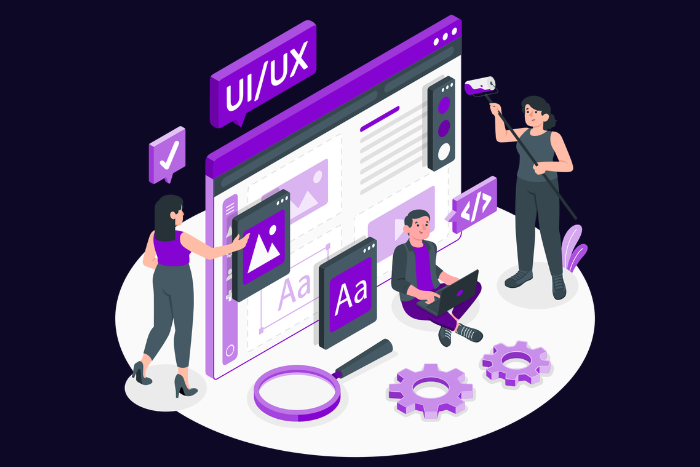
How Do I Design a Mobile App UI/UX? Learn how to design a mobile app UI/UX with best practices, tools, process, costs, and trends. Create intuitive, user-friendly mobile experiences. How Do I Design a Mobile App UI/UX? If you’re asking, “How do I design a mobile app UI/UX?”, you’re focusing on one of the most critical factors behind app success. A well-designed mobile app isn’t just visually appealing — it’s intuitive, fast, accessible, and aligned with user behavior. UI (User Interface) design shapes how your app looks, while UX (User Experience) design defines how it feels and functions. In today’s competitive digital landscape, users abandon apps within seconds if navigation feels confusing or performance lags. Designing a mobile app UI/UX requires user research, wireframing, prototyping, usability testing, and continuous iteration. It involves understanding mobile-specific behaviors such as touch gestures, screen limitations, context of use, and device diversity. Whether you’re building a startup MVP, eCommerce app, SaaS platform, or enterprise solution, strategic UI/UX design ensures higher engagement, improved retention rates, and stronger brand perception. This comprehensive guide explains how to design a mobile app UI/UX effectively — covering best practices, processes, tools, costs, and modern design trends. Why Mobile App UI/UX Design Is Important Mobile users expect seamless, frictionless experiences. A strong UI/UX strategy directly impacts business growth. Here’s why mobile app UI/UX design matters: Increases user engagement and retention Reduces bounce and uninstall rates Improves customer satisfaction Enhances brand credibility Boosts conversion rates Reduces development rework through early validation Improves app store ratings and reviews Even the most innovative app idea can fail without intuitive design. Investing in professional UI/UX design ensures your app is user-centered, accessible, and performance-optimized. Types of Mobile Application UI/UX Design Solutions Different app goals require different UI/UX approaches. Startup MVP UI/UX DesignLean and minimal design focused on validating user flows quickly. eCommerce App DesignConversion-focused layouts with seamless checkout and product navigation. SaaS Product UI/UXDashboard-driven interfaces with advanced usability and scalability. On-Demand App UI/UXReal-time booking flows, geolocation integration, and intuitive interactions. Enterprise Mobile UI/UXData-heavy interfaces optimized for productivity and performance. Redesign & UX OptimizationImproving existing apps through usability audits and redesign strategies. Each solution is tailored to user behavior, industry standards, and business objectives. Get Free Quotation Now..!! Key Features of Effective Mobile App UI/UX Design A high-performing mobile UI/UX includes: Clear visual hierarchy Intuitive navigation patterns Consistent color schemes and typography Touch-friendly elements and gestures Minimal cognitive load Fast loading and smooth transitions Accessibility compliance (contrast, readable fonts) Micro-interactions for feedback Personalized user flows Responsive and adaptive layouts Effective design balances aesthetics with functionality to create seamless user experiences. Development Process User Research & Persona CreationUnderstand user needs, pain points, goals, and behavioral patterns through surveys and competitor analysis. Information Architecture PlanningStructure content logically to ensure intuitive navigation and minimal friction. Wireframing & User Flow MappingDesign low-fidelity wireframes and map user journeys to validate layout structure. Interactive PrototypingCreate clickable prototypes to simulate real app behavior before development. Visual UI DesignDevelop color systems, typography, iconography, and brand-aligned components. Usability TestingConduct user testing to identify usability gaps and optimize workflows. Design Handoff to DevelopmentProvide detailed design specifications and style guides for smooth implementation. Post-Launch UX OptimizationAnalyze user behavior data and continuously improve performance and usability. A structured design process ensures user-centered results while minimizing redesign costs. Technology Stack for Mobile App UI/UX Design Modern tools enhance efficiency and collaboration in UI/UX design. Design Tools: Figma, Adobe XD, Sketch Prototyping Tools: InVision, Marvel, Framer User Research Tools: Hotjar, Maze, Google Analytics Collaboration Tools: Zeplin, Miro, Notion Mobile Frameworks: React Native, Flutter, Swift, Kotlin Design Systems: Material Design, Human Interface Guidelines Choosing the right design and development tools improves workflow efficiency and cross-team collaboration. Cost Factors in Mobile App UI/UX Design UI/UX design costs depend on several variables: App complexity and number of screens Custom animations and micro-interactions User research depth Prototyping level (low vs high fidelity) Platform coverage (iOS, Android, Web) Accessibility compliance requirements Brand identity customization Iteration cycles and usability testing Estimated UI/UX Design Cost Ranges: Basic MVP Design: $3,000 – $8,000 Mid-Level App Design: $8,000 – $20,000 Complex or Enterprise Design: $20,000+ Investing in UI/UX design early reduces long-term development and redesign costs. Latest Trends Mobile UI/UX evolves constantly. Key trends include: Dark mode optimization Minimalist and clean interfaces AI-driven personalization Gesture-based navigation Micro-interactions and animations Voice and conversational UI Glassmorphism and neumorphism design styles Inclusive and accessible design practices Motion-based feedback systems Adopting modern design trends enhances engagement and keeps your app competitive. Why Choose Us for Mobile App UI/UX Design? Designing a mobile app UI/UX requires both creativity and strategic thinking. We combine research-driven design with performance optimization to deliver measurable results. Here’s what sets us apart: User-Centered Design Approach – Every decision is backed by research and testing. Conversion-Focused Interfaces – Designed to drive engagement and revenue. Scalable Design Systems – Future-proof layouts for easy feature expansion. Cross-Platform Expertise – Seamless UI/UX across iOS and Android. Agile Collaboration Model – Transparent communication and milestone tracking. Continuous Optimization – Post-launch UX improvements based on analytics. We don’t just design interfaces — we create intuitive digital experiences that support business growth. Ready to design a high-performing mobile app UI/UX? Let’s create an intuitive and visually compelling mobile experience.Contact us today for a free design consultation. Get Free Quotation Now..!! Key Points : Step-by-step guide explaining how to design a mobile app UI/UX from research to post-launch optimization. Covers essential UI/UX principles including user research, wireframing, prototyping, and usability testing. Highlights mobile-first design best practices for iOS and Android applications. Explains key features of intuitive, user-centered mobile app interfaces. Breaks down UI/UX design cost factors and estimated pricing ranges. Includes modern design trends such as dark mode, AI personalization, and micro-interactions. Conversion-focused content with strong CTAs for businesses seeking professional mobile UI/UX design services. FAQ’s How do I design a mobile app UI/UX from scratch? Start with user research, define personas, create wireframes, build prototypes, conduct usability testing, and refine designs before development. What is
What Are the App Development Costs for a Startup?
What Are the App Development Costs for a Startup? Discover app development costs for a startup, including features, tech stack, timelines, and hidden expenses. Plan your startup app budget wisely. What Are the App Development Costs for a Startup? If you’re wondering, “What are the app development costs for a startup?”, you’re asking one of the most critical questions before launching a digital product. For startups, every dollar matters — and understanding mobile app development costs helps you plan strategically, avoid overspending, and maximize return on investment. App development costs for startups vary widely depending on complexity, features, platform choice (iOS, Android, or both), backend infrastructure, UI/UX design, and ongoing maintenance. A simple MVP (Minimum Viable Product) may require a modest investment, while a scalable, feature-rich application with real-time functionality, AI integrations, or marketplace systems will require a higher budget. Beyond initial development, startups must also account for hidden costs such as cloud hosting, third-party integrations, app store fees, updates, security compliance, and marketing. This guide provides a complete breakdown of startup app development costs — helping you estimate budgets accurately and build a scalable app without financial surprises. Why Understanding App Development Costs Is Important Startups operate under limited budgets and tight timelines. Without cost clarity, projects can quickly exceed financial expectations. Understanding startup app development costs helps you: Allocate resources effectively Prevent scope creep and budget overruns Prioritize essential MVP features Choose the right development approach Estimate ROI before launch Plan long-term scalability and maintenance Cost transparency ensures that technical decisions align with your business model, revenue projections, and growth strategy. It also allows founders to present accurate financial projections to investors or stakeholders. Types of Startup App Development Solutions Startup app development costs depend heavily on the type of solution you plan to build. MVP Development for StartupsFocused on essential features to validate your idea quickly with minimal investment. Custom Mobile App DevelopmentFully tailored applications built from scratch to match unique business needs. Cross-Platform App DevelopmentCost-effective solutions using shared codebases for both iOS and Android. Marketplace or On-Demand App DevelopmentDual-panel systems for users and service providers with real-time capabilities. SaaS Product DevelopmentSubscription-based applications with scalable cloud infrastructure. Enterprise-Grade Startup SolutionsAdvanced architecture with integrations, analytics dashboards, and security compliance. Selecting the right model directly impacts development time, infrastructure needs, and overall budget. Get Free Quotation Now..!! Key Features That Influence Startup App Development Costs The number and complexity of features significantly affect the overall cost. Common cost-driving features include: User registration and authentication systems Profile management and personalization In-app purchases or payment gateways Real-time chat and notifications GPS tracking and geolocation services Admin dashboards and analytics tools API integrations with third-party services AI-driven recommendations or automation Advanced security protocols The more complex the features, the higher the development effort required. Startups often reduce costs by launching with core functionality first and scaling later. Development Process Discovery & Requirement AnalysisDefine business goals, identify target users, outline core features, and determine project scope. Market Research & Cost EstimationAnalyze competitors, validate demand, and prepare a realistic startup app budget forecast. MVP Planning & Feature PrioritizationSelect essential features for initial release to minimize development costs. UI/UX Design & PrototypingCreate wireframes and interactive prototypes to validate user experience before coding. Backend & Mobile DevelopmentDevelop server-side logic, APIs, and mobile interfaces for iOS, Android, or cross-platform apps. Testing & Quality AssuranceConduct functional, performance, and security testing to ensure reliability. Deployment & App Store SubmissionLaunch the app on Google Play and Apple App Store with proper compliance. Post-Launch Maintenance & ScalingMonitor performance, fix bugs, optimize infrastructure, and release updates. A structured development roadmap reduces unnecessary expenses and ensures controlled spending. Technology Stack for Startup App Development Choosing the right technology stack can reduce costs while maintaining scalability. Mobile Development: Swift (iOS), Kotlin (Android), React Native, Flutter Backend Development: Node.js, Django, .NET Core Databases: PostgreSQL, MongoDB, MySQL Cloud Hosting: AWS, Microsoft Azure, Google Cloud Platform Real-Time Services: Firebase, WebSockets DevOps: Docker, Kubernetes, CI/CD pipelines Security: OAuth 2.0, JWT authentication, SSL encryption Cross-platform frameworks often reduce startup costs by allowing simultaneous deployment on multiple platforms. Cost Factors in Startup App Development Several factors determine how much a startup app will cost: App complexity (basic, medium, or advanced) Number of platforms (iOS, Android, Web) UI/UX customization level Real-time features and integrations Backend infrastructure complexity Developer location and hourly rates Third-party API subscriptions Maintenance and hosting expenses App store fees and compliance requirements General Cost Estimates for Startups Basic MVP App: $15,000 – $30,000 Mid-Level App with Advanced Features: $30,000 – $70,000 Complex or Marketplace App: $70,000 – $150,000+ These ranges vary depending on region, team structure, and project scope. Latest Trends Affecting Startup App Development Costs Emerging technologies influence both cost and scalability: AI and machine learning integrations Low-code and no-code development tools Microservices architecture Cloud-native and serverless computing Blockchain for secure transactions Progressive Web Apps (PWA) Automation in testing and DevOps Startups that adopt modern frameworks can optimize long-term costs while maintaining competitive advantage. Why Choose Us to Estimate and Build Your Startup App? Accurately estimating app development costs for a startup requires technical expertise and business insight. We help startups balance innovation with budget efficiency. Here’s why founders partner with us: Cost-Optimized MVP Strategy – Launch faster with controlled investment. Transparent Pricing Models – No hidden costs or unexpected overruns. Scalable Architecture Planning – Built to support future growth. Experienced Startup Consultants – We understand early-stage constraints. Agile Development Approach – Iterative releases reduce financial risk. End-to-End Support – From idea validation to scaling. We don’t just build apps — we help startups invest wisely in digital products designed for long-term growth. Ready to calculate your startup app development cost? Let’s build a scalable app within your budget.Contact us today for a free consultation and detailed cost estimate. Get Free Quotation Now..!! Key Points : Complete breakdown of startup app development costs from MVP to complex applications. Explains key cost factors including features, platform choice, tech stack, and developer rates. Provides realistic budget estimates for

How Do I Plan an App Development Project?
How Do I Plan an App Development Project? Learn how to plan an app development project with strategy, features, tech stack, costs, and roadmap. Build scalable mobile apps the right way. How Do I Plan an App Development Project? If you’re asking, “How do I plan an app development project?”, you’re already taking the most important step toward building a successful digital product. Proper planning determines whether your mobile app becomes a scalable business asset or an expensive experiment. Many startups and enterprises rush into development without validating their idea, defining a clear roadmap, or aligning technical architecture with long-term goals — leading to delays, budget overruns, and poor user adoption. Planning an app development project involves structured market research, feature prioritization, UX strategy, technical architecture design, budgeting, timeline estimation, and risk assessment. It requires balancing business objectives with technical feasibility while ensuring scalability, performance, and security from day one. Whether you’re developing a startup MVP, enterprise mobile solution, SaaS platform, or on-demand marketplace, a strategic app development plan ensures predictable outcomes, faster time-to-market, and measurable ROI. This guide walks you through everything you need to plan your app development project effectively — from concept validation to post-launch scaling. Why Planning an App Development Project Is Important Strategic planning reduces risk and maximizes return on investment. Without a clear roadmap, projects often suffer from scope creep, miscommunication, and technical debt. Here’s why proper planning matters: Defines clear business objectives and success metrics Aligns stakeholders around features and priorities Reduces development costs by preventing rework Improves time-to-market efficiency Ensures scalability and performance readiness Identifies security and compliance requirements early Enables accurate budgeting and resource allocation A structured planning phase transforms your idea into a validated product strategy. It ensures that design, development, testing, and deployment follow a cohesive roadmap rather than reactive decision-making. Types of App Development Planning Solutions Different businesses require different planning approaches depending on complexity, industry, and scalability goals. Startup MVP PlanningFocused on rapid validation, core feature prioritization, and lean development to test market demand. Enterprise App RoadmappingLong-term planning for complex systems with integrations, security protocols, and compliance requirements. On-Demand App PlanningReal-time architecture design, geolocation systems, payment integrations, and marketplace logic. SaaS Product Strategy PlanningSubscription models, multi-tenant architecture, scalable backend infrastructure. Cross-Platform App StrategyPlanning for iOS, Android, and web applications using shared codebases for faster delivery. Legacy App Modernization PlanningMigrating outdated systems to modern, cloud-native architectures. Selecting the right planning framework depends on your industry, audience, and digital transformation goals. Get Free Quotation Now..!! Key Features of a Well-Planned App Development Project A properly structured app development plan includes the following core components: Clear Product Vision & Value Proposition Defined Target Audience & User Personas Competitive Market Analysis Feature Prioritization (MVP vs Future Releases) User Journey Mapping & Wireframes Technical Architecture Blueprint Security & Compliance Planning Scalability Strategy Budget & Timeline Estimation Risk Assessment & Mitigation Plan Post-Launch Growth Strategy Combining business strategy with technical foresight ensures that your app is not just functional — but sustainable and scalable. Development Process Market Research & Competitor AnalysisIdentify market gaps, analyze competitors, validate demand, and assess user expectations to reduce business risk. Define Business Goals & KPIsEstablish measurable objectives such as revenue targets, user acquisition goals, retention metrics, and performance benchmarks. Identify Target Audience & User PersonasCreate detailed user personas to understand behaviors, pain points, preferences, and usage patterns. Define Core Features (MVP Planning)Prioritize essential features that deliver immediate value while keeping development lean and cost-efficient. Platform & Technology SelectionChoose between native, cross-platform, or web development and finalize the backend, database, and cloud infrastructure. UX/UI Strategy & PrototypingDesign wireframes and interactive prototypes to validate user journeys and improve usability before development begins. Technical Architecture PlanningDefine system architecture, API structures, database schemas, scalability strategy, and integration requirements. Security & Compliance PlanningImplement data encryption standards, authentication mechanisms, and regulatory compliance requirements from the start. Budgeting & Timeline EstimationBreak down project phases into clear milestones with cost forecasting and realistic delivery timelines. Agile Roadmap & Sprint PlanningOrganize development into structured sprints with iterative releases, feedback loops, and continuous improvement. Technology Stack for App Development Planning Selecting the right technology stack impacts scalability, maintenance, and performance. Mobile Development: Swift (iOS), Kotlin (Android), React Native, Flutter Backend Development: Node.js, Django, .NET Core, Ruby on Rails Databases: PostgreSQL, MongoDB, MySQL Cloud & Hosting: AWS, Microsoft Azure, Google Cloud Platform APIs & Integrations: RESTful APIs, GraphQL Real-Time Services: WebSockets, Firebase DevOps & Deployment: Docker, Kubernetes, CI/CD pipelines Security: OAuth 2.0, JWT authentication, SSL encryption Choosing scalable, cloud-native technologies ensures your app can handle traffic growth and evolving feature requirements. Cost Factors in App Development Planning Planning helps you forecast and control development costs effectively. Major cost factors include: App complexity and feature set Number of supported platforms (iOS, Android, Web) Custom UI/UX design requirements Backend infrastructure needs Third-party API integrations Real-time features (chat, tracking, notifications) Security and compliance standards Ongoing maintenance and updates A well-defined MVP reduces upfront costs while enabling future scalability. Clear scope definition during planning prevents unexpected budget expansion. Latest Trends in App Development Planning Modern app planning increasingly incorporates emerging technologies and methodologies: AI-driven user personalization Low-code and rapid prototyping tools Microservices architecture Cloud-native development strategies DevSecOps integration Super app ecosystems Blockchain-based security systems Predictive analytics for feature prioritization Staying ahead of technological trends ensures long-term competitiveness and operational efficiency. Why Choose Us to Plan Your App Development Project? Planning an app development project requires both strategic thinking and deep technical expertise. We combine business consulting with advanced engineering knowledge to deliver structured, scalable roadmaps. Here’s what sets us apart: Strategy-First Approach – We align app functionality with measurable business goals. Scalable Architecture Planning – Built to grow with your user base. Security & Compliance Focused – Enterprise-grade security standards. Agile & Transparent Workflow – Clear milestones and predictable timelines. Cost-Optimized Planning – Preventing unnecessary development expenses. End-to-End Support – From idea validation to post-launch optimization. We don’t just plan apps — we build structured digital product strategies designed for success. Ready
What Is the App Development Process PDF?
What Is the App Development Process PDF? Learn what the app development process PDF includes—steps, lifecycle, cost factors, tech stack, and best practices for successful mobile app development. What Is the App Development Process PDF? If you are planning to build a mobile application, you may have searched for “What is the app development process PDF?” A well-structured application development process PDF is a comprehensive document that outlines every stage of mobile application creation from idea validation and planning to deployment and post-launch support. It serves as a roadmap for stakeholders, developers, designers, and investors, ensuring clarity, alignment, and efficient execution. The app development lifecycle includes strategy, UI/UX design, frontend and backend development, testing, deployment, and maintenance. A professionally prepared mobile application development process PDF helps businesses understand timelines, cost estimations, technology stack decisions, risk management, and scalability planning. Whether you are a startup launching an MVP or an enterprise building a large-scale solution, having a documented development framework reduces uncertainty and improves project success rates. In this guide, we explain what an app development process PDF includes, why it matters, and how businesses can leverage it for successful digital product development. Why This Service Is Important A structured app development process PDF is more than just documentation—it is a strategic planning tool. Without a clear roadmap, mobile app projects often face scope creep, budget overruns, delayed timelines, and miscommunication between stakeholders. Here’s why it is essential: Provides a clear step-by-step mobile app development lifecycle Aligns business goals with technical implementation Defines scope, features, and milestones Improves collaboration between teams Reduces risks and unforeseen costs Helps investors and stakeholders evaluate feasibility Ensures compliance, security, and scalability planning For businesses investing in mobile app development services, a detailed process PDF acts as a foundation for predictable outcomes and long-term success. Types of Solutions Covered in the App Development Process PDF Depending on business needs, the application development process PDF can be tailored to different solution types: Startup MVP DevelopmentFocused on rapid prototyping, core feature validation, and lean development cycles. Enterprise Mobile ApplicationsScalable architecture planning, integration with ERP/CRM systems, and compliance considerations. E-commerce & On-Demand AppsIncludes payment gateway integration, real-time tracking, and high-performance backend planning. SaaS-Based ApplicationsMulti-tenant architecture, subscription models, cloud deployment strategies. Cross-Platform & Native AppsSeparate workflows for iOS, Android, and cross-platform frameworks. App Modernization & Redesign ProjectsCovers UI/UX revamp, legacy migration, and performance optimization. Each solution type requires a customized mobile app development process PDF aligned with business objectives and technical complexity. Get Free Quotation Now..!! Key Features Included in the App Development Process PDF A professional application development process PDF typically includes: Project overview and business objectives Target audience and user personas Functional and non-functional requirements Wireframes and user journey flows Technology stack selection Development methodology (Agile, Scrum, etc.) Testing and quality assurance plan Deployment strategy Maintenance and scaling roadmap Cost estimation and timeline breakdown These components ensure complete transparency throughout the mobile application development lifecycle. Development Process The development process PDF generally outlines the following stages in detail: Requirement gathering and discovery workshop Market research and competitor analysis Product strategy and feature prioritization Wireframing and UI/UX design Frontend and backend development API integration and database setup Quality assurance and performance testing Security audits and compliance checks Deployment to App Store and Google Play Post-launch monitoring and maintenance This structured development lifecycle ensures smooth execution from concept to launch and beyond. Technology Stack The app development process PDF also defines the technical foundation of the project: Frontend Technologies: Flutter, React Native, Swift, KotlinBackend Technologies: Node.js, Python, PHP, .NETDatabases: MongoDB, PostgreSQL, MySQL, FirebaseCloud Platforms: AWS, Google Cloud, Microsoft AzureDevOps Tools: Docker, Kubernetes, CI/CD pipelinesSecurity Standards: OAuth 2.0, JWT, SSL encryption Choosing the right technology stack directly impacts scalability, performance, and long-term maintainability. Cost Factors in the App Development Process PDF The development process PDF includes detailed cost estimation influenced by several variables: App complexity and number of features Platform choice (iOS, Android, cross-platform) UI/UX design sophistication Backend infrastructure requirements Third-party integrations and APIs Security and compliance needs Development team size and expertise Maintenance and post-launch support Simple applications may require lower investment, while enterprise-grade apps with advanced features demand higher budgets. Transparent documentation helps businesses plan resources effectively. Latest Trends Modern app development process documentation now incorporates emerging trends such as: AI and machine learning integration 5G-enabled high-speed app experiences AR/VR capabilities Blockchain-based security Cloud-native architecture Low-code and no-code components Super app ecosystems Privacy-first development frameworks Including these innovations in the development roadmap ensures future-ready applications. Why Choose Us Selecting the right partner to create your app development process PDF and execute the project is crucial. We combine strategy, design, and technology to deliver high-performing digital solutions. Here’s what sets us apart: Structured and transparent development methodology Agile project management with milestone tracking Experienced UI/UX and engineering teams Scalable cloud-first architecture Strong focus on security and compliance Dedicated post-launch support and optimization Clear documentation and reporting We don’t just build apps, we build scalable digital products with well-defined processes that drive measurable business growth. Ready to turn your app idea into a structured roadmap?Let’s create a detailed app development process PDF tailored to your business goals.Contact us today for a free consultation and customized project plan. Get Free Quotation Now..!! Key Points : An app development process PDF outlines the complete mobile app development lifecycle from ideation to maintenance. It includes project scope, user personas, feature planning, and technical requirements. The document defines development methodology such as Agile or Scrum. Technology stack selection is a core component of the process PDF. Cost estimation and timeline planning are clearly structured in the document. UI/UX design, frontend, backend, and testing phases are detailed step-by-step. Security, compliance, and scalability planning are included for long-term success. A structured development process reduces risks and improves project efficiency. FAQ’s What is an app development process PDF? App development process PDF is a detailed document outlining the stages, requirements, technology stack, cost estimates, and timeline for building a mobile application. Why do I need a documented
What Are the Benefits of Outsourcing Mobile App Development?
What Are the Benefits of Outsourcing Mobile App Development? Discover the benefits of outsourcing mobile app development, including cost savings, faster delivery, scalability, and access to expert talent. What Are the Benefits of Outsourcing Mobile App Development? In today’s competitive digital landscape, businesses must innovate quickly while controlling costs. One of the most effective strategies to achieve this balance is outsourcing mobile app development. Instead of building an in-house team, companies partner with specialized mobile app development agencies or offshore teams to design, develop, and maintain their applications. Outsourcing has evolved beyond simple cost reduction. It now provides access to global talent, cutting-edge technologies, faster time-to-market, and scalable development models. Whether you are a startup building your MVP or an enterprise launching a complex digital platform, outsourcing offers flexibility and efficiency that traditional in-house models often struggle to match. This guide explains the benefits of outsourcing mobile app development, how it works, cost considerations, engagement models, and why businesses worldwide rely on outsourced development partners to accelerate digital transformation. Why This Service Is Important Mobile app development requires expertise in UI/UX design, backend engineering, cloud infrastructure, security compliance, and continuous updates. Building and maintaining a full in-house team can be expensive and time-consuming. Outsourcing mobile app development is important because it: Reduces operational and infrastructure costs Provides access to experienced developers and designers Accelerates product launch timelines Allows businesses to focus on core operations Improves scalability and flexibility Minimizes recruitment and training efforts Enhances innovation through diverse expertise By outsourcing, companies gain a competitive edge without the burden of long-term overhead expenses. Types of Solutions in Outsourcing Mobile App Development Different outsourcing models cater to varying project needs: Dedicated Development Team ModelA full-time remote team working exclusively on your project. Fixed-Price ModelIdeal for clearly defined projects with specific requirements and budgets. Time and Material ModelFlexible engagement based on actual development hours and evolving scope. Offshore Development ModelCost-effective global talent acquisition from international markets. Nearshore Development ModelCollaboration with teams in nearby time zones for easier communication. Hybrid ModelCombination of in-house and outsourced resources for maximum efficiency. Selecting the right outsourcing model depends on budget, project complexity, and long-term scalability goals. Get Free Quotation Now..!! Key Features of Outsourcing Mobile App Development Outsourcing mobile app development offers several strategic advantages: Cost efficiency and predictable budgeting Access to skilled global talent Faster time-to-market Agile development methodologies Scalable team structure Continuous support and maintenance Latest technology adoption Risk mitigation through experienced project management These features help businesses launch high-quality mobile applications with reduced risks and improved ROI. Development Process A structured outsourcing process ensures transparency and smooth collaboration: Requirement gathering and project scope definition Vendor research and technical evaluation NDA signing and contract finalization Agile sprint planning and milestone setup UI/UX design and prototyping Frontend and backend development Testing, security audits, and QA Deployment and post-launch support Continuous monitoring and optimization Clear communication channels and project management tools ensure accountability throughout the development lifecycle. Technology Stack Outsourced teams typically work with modern, scalable technologies: Frontend: Flutter, React Native, Swift, KotlinBackend: Node.js, Python, PHP, .NETDatabases: MongoDB, PostgreSQL, FirebaseCloud Platforms: AWS, Google Cloud, AzureDevOps: Docker, Kubernetes, CI/CD pipelinesSecurity: OAuth 2.0, JWT, SSL encryption Access to diverse technical expertise ensures your mobile application remains future-ready and scalable. Cost Factors of Outsourcing Mobile App Development The cost of outsourcing mobile app development depends on multiple variables: App complexity (simple, mid-level, enterprise-grade) Platform selection (iOS, Android, cross-platform) Geographic location of outsourcing partner Engagement model (fixed, hourly, dedicated team) UI/UX design complexity Third-party integrations and APIs Maintenance and post-launch support Outsourcing often reduces development costs by 30–60% compared to in-house development, especially when partnering with experienced offshore teams. Latest Trends Mobile app outsourcing continues to evolve with modern digital trends: Increased adoption of offshore development Agile and DevOps-driven delivery models AI-powered development tools Cybersecurity-first outsourcing practices Hybrid cloud infrastructure Sustainability and green IT initiatives Automation and robotic process integration Flexible remote collaboration ecosystems These trends enhance productivity, security, and innovation in outsourced projects. Why Choose Us Choosing the right outsourcing partner determines project success. We offer reliable, transparent, and scalable mobile app development outsourcing services tailored to your business needs. Here’s what makes us different: Experienced cross-functional development teams Agile and milestone-based project delivery Transparent pricing with no hidden costs Strong focus on data security and compliance Scalable engagement models Dedicated project managers Post-launch optimization and support We combine technical excellence with strategic business understanding to deliver high-performance mobile applications that drive growth. Looking to reduce costs and accelerate your app launch?Let’s build your mobile app with a scalable outsourcing model tailored to your needs.Contact us today for a free consultation and project estimate. Get Free Quotation Now..!! Key Points : Outsourcing mobile app development reduces operational and hiring costs significantly. Businesses gain access to experienced global developers and designers. Outsourcing accelerates time-to-market with Agile development methods. It allows companies to focus on core business operations. Scalable engagement models provide flexibility for growing projects. Offshore development offers cost-effective solutions without compromising quality. Security protocols and NDAs ensure data protection and compliance. Post-launch support and maintenance improve long-term app performance and ROI. FAQ’s What are the main benefits of outsourcing mobile app development? The main benefits of outsourcing mobile app development are Cost savings, access to global talent, faster delivery, scalability, and risk mitigation are key benefits. Is outsourcing mobile app development safe? Yes, when proper NDAs, contracts, and cybersecurity practices are implemented. How much does outsourcing mobile app development cost? Costs vary based on complexity, region, and engagement model, but outsourcing often reduces overall expenses. What is the best outsourcing model? It depends on your project scope—dedicated teams suit long-term projects, while fixed-price works for defined tasks. How do I choose the right outsourcing partner? Evaluate portfolio, expertise, communication practices, pricing transparency, and client reviews. Can outsourced teams handle maintenance? Yes, most agencies provide ongoing maintenance, updates, and performance optimization. Does outsourcing affect app quality? No, experienced outsourcing partners often deliver higher quality due to specialized expertise. Is offshore development
How Do I Choose the Right App Development Team?
How Do I Choose the Right App Development Team? Learn how to choose the right app development team with expert tips on experience, cost, process, and technology for successful app delivery. How Do I Choose the Right App Development Team? Choosing the right app development team can determine whether your mobile application becomes a market success or an expensive failure. If you’re asking, “How do I choose the right app development team?”, you’re likely looking for a partner who understands your business goals, delivers on time, and builds scalable, secure applications. With thousands of development agencies, freelancers, and in-house options available, selecting the right team can feel overwhelming. Some promise low costs, others claim rapid delivery, while a few focus on innovation and long-term scalability. The challenge lies in finding a team that balances technical expertise, transparency, communication, and strategic thinking. A professional app development team should not just write code — they should understand your industry, target audience, monetization model, and future growth plans. From UI/UX design and backend architecture to security and post-launch maintenance, every decision impacts your app’s performance and ROI. This guide will help you evaluate your options and confidently select the best mobile app development team for your project. Why This Service Is Important Selecting the right development team ensures: High-quality and scalable app architecture Faster development timelines Transparent communication and collaboration Reduced technical risks Better user experience Long-term maintenance and support A poor choice can lead to missed deadlines, budget overruns, and compromised app performance. Types of App Development Team Solutions Before choosing a team, understand the available models: App Development Agency – Full-service team with designers, developers, and project managers Freelancers – Independent developers for smaller projects In-House Development Team – Internal team dedicated to long-term product development Dedicated Remote Team – Offshore or nearshore experts working exclusively on your project Hybrid Model – Combination of in-house and outsourced professionals Each option has advantages depending on your budget, timeline, and scalability needs. Get Free Quotation Now..!! Key Features of the Right App Development Team When evaluating teams, look for these essential qualities: Proven portfolio of successful apps Industry-specific expertise Strong UI/UX capabilities Transparent pricing structure Agile development methodology Clear communication process Technical scalability knowledge Security-first development approach Post-launch support and maintenance Client testimonials and case studies A strong team focuses on both technical excellence and business alignment. App Development Team Selection Process A structured evaluation process ensures better decision-making: Define your app requirements clearly Identify target audience and business goals Research potential companies or developers Review portfolios and case studies Conduct technical interviews Evaluate communication and responsiveness Discuss project timeline and milestones Review pricing structure and contract terms Assess post-launch maintenance offerings Request references from past clients This process reduces risks and increases project success probability. Technology Stack Expertise to Look For A reliable app development team should be proficient in modern technologies: Frontend: Flutter, React Native, Swift, KotlinBackend: Node.js, Django, LaravelDatabase: MongoDB, MySQL, PostgreSQLCloud Platforms: AWS, Azure, Google CloudDevOps Tools: Docker, CI/CD pipelinesSecurity: OAuth 2.0, SSL encryption Choosing a team skilled in scalable technologies ensures long-term flexibility. Cost Factors When Choosing an App Development Team The cost of hiring a development team depends on: Team size and expertise level App complexity and feature set Native vs cross-platform development Location of the team (onshore vs offshore) Timeline requirements Third-party integrations Ongoing maintenance scope Security and compliance requirements Agencies may charge more than freelancers but typically provide end-to-end services and better accountability. Latest Trends in App Development Outsourcing Understanding current trends helps you evaluate modern teams: AI integration in mobile apps Cross-platform development dominance Low-code and no-code acceleration Cloud-native architecture adoption Increased focus on cybersecurity Agile and DevOps-driven workflows Nearshore outsourcing growth Sustainable development practices The right team stays updated with evolving technologies and methodologies. Why Choose Us? We offer a balanced combination of technical expertise and business strategy. Experienced cross-functional team Transparent pricing and communication Agile and milestone-based execution Strong UI/UX design capabilities Scalable backend architecture Security-first development standards Dedicated post-launch support We focus on building long-term partnerships, not just applications. Ready to Choose the Right App Development Team? Make an informed decision and partner with experts who understand your business goals.Contact us today to discuss your project requirements and explore tailored solutions. Get Free Quotation Now..!! Key Points : Choosing the right app development team requires evaluating experience, portfolio, and technical expertise. A reliable team follows an Agile development process with clear communication and milestones. Agencies, freelancers, and in-house teams each offer different advantages based on project scope. Reviewing past projects and client testimonials helps assess credibility and quality. Technical proficiency in modern stacks like Flutter, React Native, and Node.js ensures scalability. Post-launch maintenance and support are critical for long-term app success Selecting a business-focused development partner improves ROI and product scalability. FAQ’s What should I look for in an app development team? Experience, portfolio, communication, technical expertise, and support services. Is it better to hire an agency or freelancer? Agencies offer structured processes and accountability, while freelancers may suit smaller budgets. How much does it cost to hire an app development team? Costs vary based on complexity, team size, and geographic location. How long does it take to develop an app? Typically 3–6 months depending on scope. Should I choose native or cross-platform development? It depends on your performance requirements and budget. How important is post-launch support? Very important for updates, bug fixes, and scaling. How do I ensure app security? Choose a team experienced in secure coding and compliance standards. Can I switch development teams mid-project? Yes, but it may increase costs and delay timelines. Get Free Quotation Now..!!

