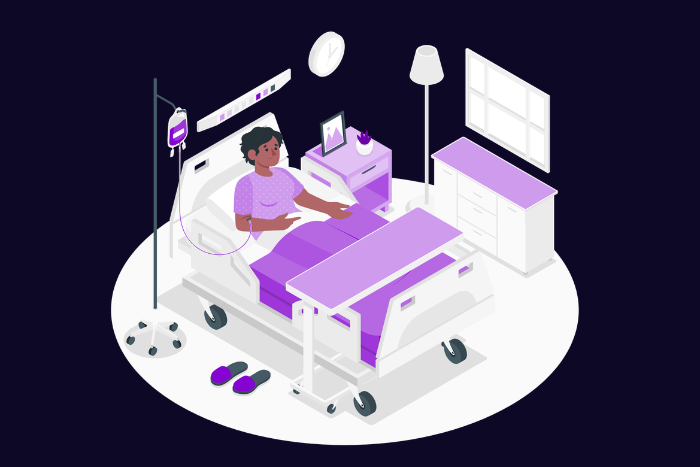
What Are the App Development Services for Healthcare Industry? Discover app development services for the healthcare industry including telemedicine, EHR, HIPAA-compliant apps, costs, features, and trends. What Are the App Development Services for Healthcare Industry? If you’re wondering, “What are the app development services for healthcare industry?”, you’re exploring one of the fastest-growing segments in digital transformation. The healthcare sector is rapidly adopting mobile and web-based applications to improve patient engagement, streamline clinical workflows, ensure regulatory compliance, and enable remote care delivery. Healthcare app development services cover a broad spectrum — from telemedicine platforms and EHR/EMR systems to patient portals, wearable integrations, and AI-powered diagnostic tools. These applications must not only deliver seamless user experiences but also meet strict compliance standards such as HIPAA, HL7, and GDPR while maintaining high levels of security and data privacy. Whether you are a hospital, clinic, health-tech startup, pharmaceutical company, or insurance provider, investing in custom healthcare application development can significantly improve operational efficiency and patient outcomes. In this comprehensive guide, we break down healthcare app development services, features, technologies, costs, and emerging trends to help you make informed decisions. Why Healthcare App Development Services Are Important Digital health solutions are no longer optional — they are essential. Healthcare providers must deliver faster, safer, and more accessible services in an increasingly connected world. Here’s why healthcare app development services are critical: Improve patient engagement through digital portals and mobile apps Enable telemedicine and remote patient monitoring Streamline clinical workflows and reduce administrative errors Enhance interoperability between medical systems Ensure compliance with healthcare regulations Provide real-time data access for better decision-making Mobile healthcare applications bridge the gap between patients and providers, enabling efficient communication, accurate record-keeping, and better treatment outcomes. Types of Healthcare App Development Solutions Healthcare application development services cover a wide range of solutions tailored to different stakeholders in the medical ecosystem. Telemedicine & Telehealth App DevelopmentVirtual consultation platforms with video calls, appointment scheduling, and e-prescriptions. EHR & EMR System DevelopmentDigital health record systems for secure storage and retrieval of patient data. Patient Portal & mHealth AppsApps that allow patients to book appointments, access reports, track medications, and communicate with doctors. Remote Patient Monitoring (RPM) AppsApplications integrated with wearable devices for tracking vitals and chronic conditions. Clinic & Hospital Management SystemsAdministrative platforms for scheduling, billing, inventory management, and workflow automation. Pharmacy & Medication Management AppsOnline prescription management, reminders, and pharmacy ordering solutions. Healthcare AI & Chatbot SolutionsAI-powered triage systems, symptom checkers, and automated support assistants. Each type of healthcare application requires custom workflows, secure architecture, and compliance-driven development practices. Get Free Quotation Now..!! Key Features of Healthcare Applications Healthcare apps must prioritize usability, security, and regulatory compliance. Core features typically include: Secure user authentication and role-based access HIPAA-compliant data storage and encryption Appointment scheduling and calendar integration Video conferencing for telehealth consultations Electronic prescriptions and digital signatures Real-time notifications and reminders Payment gateway integration for billing Integration with laboratory systems and insurance providers Multi-language and accessibility support Security and data privacy are fundamental components of any medical app development project. Healthcare App Development Process A structured development process ensures compliance, security, and high performance. Requirement Analysis & Compliance PlanningIdentify stakeholders, define features, and determine regulatory requirements. UI/UX Design for Healthcare UsersCreate intuitive interfaces for patients, doctors, and administrators. Architecture & Database DesignDesign secure, scalable systems capable of handling sensitive medical data. Frontend & Backend DevelopmentBuild mobile apps and backend APIs with compliance-ready coding standards. Integration with Healthcare SystemsConnect with EHR systems, HL7 standards, wearable devices, and insurance APIs. Testing & Quality AssuranceConduct functional, usability, performance, and security testing. Deployment & Cloud ConfigurationLaunch on secure cloud environments with encrypted infrastructure. Maintenance & Continuous UpdatesEnsure regulatory updates, performance optimization, and feature enhancements. Technology Stack for Healthcare App Development Choosing the right technology stack is critical for performance and compliance. Mobile Development: React Native, Flutter, Swift, Kotlin Backend Development: Node.js, Django, .NET Core Database: PostgreSQL, MongoDB, MySQL Cloud Infrastructure: AWS, Microsoft Azure, Google Cloud (HIPAA-ready environments) Interoperability Standards: HL7, FHIR APIs Security Protocols: OAuth 2.0, JWT, SSL encryption, multi-factor authentication DevOps & Deployment: Docker, Kubernetes, CI/CD pipelines Healthcare systems require scalable and secure architecture capable of handling large volumes of sensitive patient data. Cost Factors in Healthcare Application Development The cost of healthcare app development depends on multiple factors: App complexity and number of modules Compliance requirements (HIPAA, GDPR, HL7) Integration with third-party systems Custom UI/UX design requirements AI or wearable device integration Platform choice (iOS, Android, Web) Cloud hosting and infrastructure setup Maintenance and long-term support A basic telemedicine MVP may require moderate investment, while a full-scale hospital management platform with interoperability integrations can require significantly higher budgets. Latest Trends in Healthcare App Development Healthcare technology continues evolving rapidly. Key trends include: AI-powered diagnostics and predictive analytics Remote patient monitoring using IoT devices Blockchain for secure medical record management Voice-enabled healthcare assistants AR/VR for medical training and remote surgeries Cloud-based interoperability solutions Personalized medicine using data analytics Wearable health integration for real-time tracking Healthcare organizations adopting these innovations gain competitive advantages while improving patient outcomes. Why Choose Us for Healthcare App Development Services? Developing healthcare applications requires deep technical expertise, strict compliance understanding, and domain knowledge. Here’s why healthcare providers partner with us: Compliance-Focused Development – HIPAA, GDPR, and healthcare data standards integration. Scalable & Secure Architecture – Designed for high performance and encrypted data protection. Custom Healthcare Solutions – Tailored apps for hospitals, clinics, startups, and enterprises. AI & Advanced Technology Integration – Smart healthcare solutions with automation and analytics. Transparent Agile Process – Milestone-based delivery with full visibility. End-to-End Support – From idea validation to long-term maintenance. We build secure, scalable, and patient-centric healthcare applications that drive digital transformation. Ready to modernize your healthcare services?Let’s build a secure and compliant healthcare app tailored to your needs.Contact us today for a free consultation and project estimate. Get Free Quotation Now..!! Key Points : Healthcare app development services include telemedicine, EHR/EMR systems, patient portals, and hospital management solutions. Custom healthcare apps improve patient engagement,
What Are the Education App Development Services?
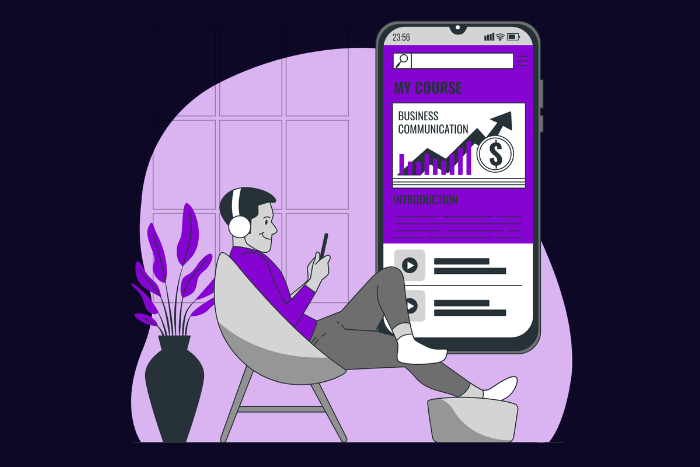
What Are the Education App Development Services? Explore education app development services including eLearning apps, LMS, features, costs, tech stack, and trends. Build scalable EdTech solutions. What Are the Education App Development Services? If you’re asking, “What are the education app development services?”, you are exploring one of the fastest-growing sectors in digital transformation. The education industry has rapidly evolved with the rise of eLearning platforms, mobile learning apps, virtual classrooms, and AI-powered tutoring systems. Educational institutions, corporate training providers, EdTech startups, and enterprises now rely on scalable and interactive digital solutions to deliver effective learning experiences. Education app development services include designing, developing, and maintaining mobile and web-based applications tailored to academic institutions, training organizations, and online learning businesses. These services focus on user-friendly design, secure data handling, performance optimization, content management, and integration with learning management systems (LMS). From K-12 learning apps to corporate training platforms and language learning solutions, professional education app development helps organizations increase engagement, improve learning outcomes, and expand their digital reach. This guide explains the types of services, features, development process, technology stack, costs, and trends shaping modern EdTech solutions. Why Education App Development Services Are Important The digital learning market is expanding rapidly due to remote learning adoption, personalized education needs, and mobile-first learners. Education app development services play a vital role in modernizing learning experiences. Here’s why these services matter: Enable remote and hybrid learning environments Increase student engagement through interactive content Provide personalized learning paths using analytics Simplify administration and attendance management Support scalability for growing institutions Improve accessibility and flexible learning options Custom educational apps help institutions automate operations while delivering engaging and measurable learning experiences. Types of Education App Development Solutions Education app development services cover various learning models and use cases. eLearning App DevelopmentInteractive mobile learning apps for schools, colleges, and online courses. Learning Management System (LMS) DevelopmentPlatforms to manage courses, content, student progress, and assessments. Virtual Classroom & Video Conferencing AppsReal-time online teaching platforms with recording and chat features. Language Learning App DevelopmentApps with quizzes, audio lessons, speech recognition, and gamification. Corporate Training App DevelopmentEmployee onboarding, compliance training, and skill development apps. Exam Preparation & Quiz AppsPractice tests, mock exams, performance analytics, and leaderboards. Kids Learning & Gamified Education AppsInteractive games designed to improve cognitive skills and engagement. Each solution is customized to meet specific learning objectives and audience needs. Get Free Quotation Now..!! Key Features of Education Applications A successful education app combines usability, engagement, and scalability. Core features typically include: Secure sign-up and user profile management Course catalog and content management Video lessons and live sessions Quiz modules and assignments Progress tracking dashboard Push notifications and reminders Payment gateway integration Gamification elements (badges, leaderboards) Offline learning mode Multi-language support Advanced features may include AI-based personalization, AR/VR learning modules, and speech recognition tools. Education App Development Process A structured and agile development approach ensures quality and scalability. Requirement Analysis & PlanningDefine target audience, business goals, content structure, and monetization strategy. UI/UX DesignCreate intuitive, engaging, and accessible interfaces for students and educators. Architecture & Backend DevelopmentBuild scalable backend systems and secure databases. Mobile & Web App DevelopmentDevelop cross-platform or native applications for Android, iOS, and web. Integration & TestingIntegrate LMS, payment gateways, and analytics tools, followed by rigorous testing. Deployment & LaunchPublish the app on app stores and configure cloud hosting. Maintenance & UpdatesProvide continuous improvements, bug fixes, and performance enhancements. This process ensures your education app remains reliable and competitive. Technology Stack for Education App Development Selecting the right technology stack ensures scalability and long-term performance. Mobile Development: React Native, Flutter, Swift, Kotlin Backend Development: Node.js, Django, .NET Core Database: PostgreSQL, MongoDB, MySQL Cloud Platforms: AWS, Microsoft Azure, Google Cloud Video & Streaming: WebRTC, Zoom SDK DevOps: Docker, Kubernetes, CI/CD pipelines Security: OAuth 2.0, SSL encryption, role-based access control A robust tech stack supports high user traffic, secure content delivery, and smooth video streaming. Cost Factors in Education Application Development The cost of developing an educational app depends on several factors: App complexity and feature set Platform selection (iOS, Android, Web) Live streaming and video integration UI/UX design customization Third-party integrations AI or AR/VR feature inclusion Content management system requirements Ongoing maintenance and updates A simple MVP education app may require moderate investment, while a full-featured LMS with AI capabilities demands a larger budget. Latest Trends in Education App Development The EdTech industry is evolving with innovative technologies. Emerging trends include: AI-driven personalized learning AR/VR immersive learning experiences Gamification and microlearning Blockchain-based certification Adaptive learning algorithms Voice-enabled tutoring assistants Data analytics for performance insights Hybrid learning ecosystems Institutions that adopt these trends gain competitive advantages and improve learning outcomes. Why Choose Us for Education App Development Services? Building a high-performing education app requires technical expertise and domain knowledge. Here’s why clients choose us: Custom EdTech Solutions – Tailored apps aligned with your academic or business goals. Scalable Architecture – Designed for high user engagement and future growth. Interactive & Engaging Design – User-focused UI/UX for students and instructors. Secure Development Standards – Data protection and encrypted communication. Agile Development Process – Transparent milestones and faster delivery. End-to-End Support – From idea validation to post-launch optimization. We help educational institutions and EdTech startups transform ideas into scalable digital learning platforms. Ready to build your education app?Let’s create an engaging and scalable eLearning solution.Contact us today for a free consultation and project estimate. Get Free Quotation Now..!! Key Points : Education app development services include eLearning apps, LMS platforms, virtual classrooms, and training solutions. Custom EdTech apps improve student engagement, accessibility, and personalized learning experiences. Core features include video lessons, quizzes, progress tracking, push notifications, and payment integration. Development involves requirement analysis, UI/UX design, backend architecture, testing, and deployment. Popular tech stack includes Node.js, React Native, Flutter, and cloud platforms like AWS. Costs depend on app complexity, platform choice, live streaming features, and third-party integrations. Ongoing maintenance and scalability planning are essential for long-term EdTech success. FAQ’s What are the education app development services? Education app
How Do I Develop an On-Demand App?
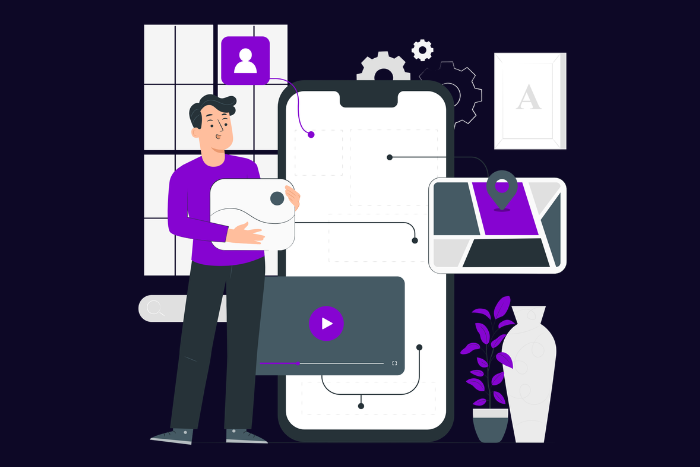
How Do I Develop an On-Demand App? Learn how to develop an on-demand app with features, tech stack, cost factors, and process. Build scalable, real-time on-demand solutions today. How Do I Develop an On-Demand App? If you’re asking, “How do I develop an on-demand app?” you’re likely exploring a fast-growing digital business model that connects users with services in real time. On-demand apps have transformed industries such as ride-sharing, food delivery, healthcare, logistics, beauty services, and home maintenance by offering instant access to products or professionals through mobile platforms. Developing an on-demand app requires more than just coding a mobile interface. It involves strategic planning, selecting the right business model, building scalable backend architecture, integrating real-time tracking, enabling secure payments, and ensuring a seamless user experience. Whether you are a startup launching a new marketplace platform or an established enterprise digitizing your services, the right development approach can determine long-term success. This comprehensive guide explains how to develop an on-demand app step by step — covering features, technologies, development processes, costs, and industry trends — so you can confidently turn your idea into a scalable and profitable digital solution. Why Developing an On-Demand App Is Important The demand for instant services continues to rise as consumers expect speed, convenience, and personalization. Businesses that offer on-demand mobile applications gain significant competitive advantages: Real-time service delivery increases customer satisfaction Digital automation reduces operational overhead Data-driven insights improve service optimization Scalable architecture supports rapid growth Wider customer reach expands market opportunities On-demand platforms also create dual-sided ecosystems — serving both customers and service providers — making them powerful revenue-generating models. Whether you’re building a ride-hailing app, a grocery delivery platform, or a healthcare booking solution, investing in professional on-demand app development ensures reliability, security, and long-term scalability. Types of On-Demand App Development Solutions When planning how to develop an on-demand app, choosing the right model is critical. Below are the most common types of on-demand solutions: Marketplace-Based On-Demand AppsMulti-vendor platforms connecting service providers with customers (e.g., ride-sharing, home services, tutoring). Aggregator AppsPlatforms that aggregate multiple service providers under one brand for simplified booking and payments. Single-Service Provider AppsApps designed for businesses offering their own services directly to customers (e.g., salon chains, delivery companies). Subscription-Based On-Demand AppsRecurring revenue models offering scheduled or unlimited services for members. Hyperlocal On-Demand AppsApps targeting specific geographic regions with localized services and delivery. Enterprise On-Demand SolutionsCustom platforms built for internal operations such as logistics, fleet management, or workforce allocation. Each model requires different backend architecture, payment systems, and user flows. Identifying your target audience and revenue model is the first step toward successful app development. Get Free Quotation Now..!! Key Features of an On-Demand App To build a competitive and scalable on-demand app, essential features must be integrated across user panels: User App Features Simple registration and profile management Real-time booking and scheduling Live tracking with GPS integration Secure in-app payments Push notifications Ratings and reviews Order history and support chat Service Provider App Features Profile and availability management Accept/reject requests Earnings dashboard Real-time navigation Performance tracking Admin Panel Features User and provider management Commission and revenue control Analytics dashboard Dispute resolution system Marketing and promotional tools A successful on-demand app must balance usability, speed, and reliability while ensuring secure data handling and seamless communication between users and providers. Development Process If you’re wondering how to develop an on-demand app efficiently, following a structured process ensures predictable outcomes: Market Research & Business AnalysisValidate your idea, identify competitors, define your target audience, and finalize your monetization model. Requirement Planning & Feature FinalizationDefine MVP features, create user flow diagrams, and prioritize core functionalities. UI/UX DesignDesign intuitive interfaces for customers, service providers, and admin panels to ensure seamless interactions. Backend Architecture DesignBuild scalable infrastructure that supports real-time requests, data processing, and secure transactions. Mobile App Development (iOS & Android)Develop native or cross-platform applications optimized for performance. API & Third-Party IntegrationsIntegrate payment gateways, maps, chat systems, and notification services. Testing & Quality AssuranceConduct functional, security, performance, and load testing to ensure stability. Deployment & LaunchPublish apps to app stores and configure cloud infrastructure. Post-Launch Maintenance & ScalingMonitor performance, fix bugs, release updates, and scale infrastructure as the user base grows. An agile development methodology ensures faster iterations and continuous improvements. Technology Stack for On-Demand App Development Choosing the right technology stack directly impacts scalability and performance. Front-End (Mobile Apps): React Native, Flutter, Swift (iOS), Kotlin (Android) Back-End: Node.js, Django, Ruby on Rails, .NET Core Databases: PostgreSQL, MongoDB, MySQL Real-Time Communication: WebSockets, Firebase Cloud & Hosting: AWS, Microsoft Azure, Google Cloud Platform Payments Integration: Stripe, PayPal, Razorpay Maps & Tracking: Google Maps API DevOps: Docker, Kubernetes, CI/CD pipelines Selecting scalable and cloud-native technologies ensures your app can handle growing traffic without downtime. Cost Factors in On-Demand Application Development The cost of developing an on-demand app depends on multiple factors: App complexity and feature set Platform choice (iOS, Android, or both) Real-time tracking and geolocation features Payment gateway integrations UI/UX design customization Backend infrastructure and scalability requirements Third-party API integrations Ongoing maintenance and updates A basic MVP may cost significantly less than a fully featured enterprise-level marketplace app. For accurate estimation, businesses should define project scope, timeline, and scalability requirements. Latest Trends in On-Demand App Development The on-demand economy continues evolving with technological advancements. Key trends include: AI-powered recommendations and dynamic pricing Blockchain-based secure transactions Voice-enabled bookings IoT-enabled service tracking Predictive analytics for demand forecasting Super app ecosystems integrating multiple services Sustainable and eco-friendly delivery models Integrating emerging technologies enhances competitive advantage and improves operational efficiency. Why Choose Us to Develop Your On-Demand App? Developing an on-demand platform requires expertise in scalable architecture, real-time systems, security, and user-centric design. We provide end-to-end on-demand app development services tailored to your business objectives. Here’s why clients partner with us: Scalable Architecture from Day One – Built to handle thousands of concurrent users. Real-Time System Expertise – Seamless GPS tracking, live updates, and instant notifications. Security-First Development – Encrypted transactions, secure authentication, and data protection. Custom UI/UX
What Is the Cost of E-Commerce App Development?
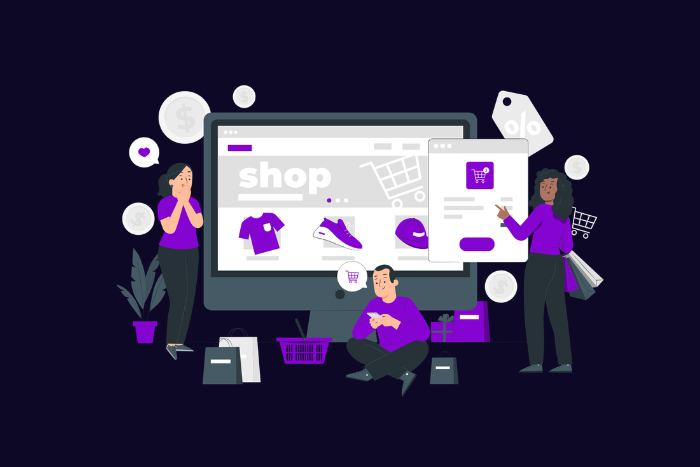
What Is the Cost of E-Commerce App Development? Discover the cost of e-commerce app development, key pricing factors, features, tech stack, and strategies to optimize your investment. What Is the Cost of E-Commerce App Development? If you’re planning to launch an online store, one of the first questions you’ll ask is: What is the cost of e-commerce app development? The answer depends on multiple factors including app complexity, platform choice, features, integrations, and scalability requirements. E-commerce apps have become essential for modern businesses. With mobile shopping continuing to grow, companies are investing in secure, scalable, and feature-rich applications to enhance customer experience and increase revenue. Whether you’re building a startup marketplace, a D2C brand app, or an enterprise retail platform, understanding development costs helps you plan effectively. Typically, e-commerce app development costs range from $15,000 to $150,000+, depending on features and customization level. This guide breaks down the cost components, technology stack, development process, hidden expenses, and strategies to optimize your investment. Why This Service Is Important An e-commerce mobile app helps businesses: Increase mobile conversions Improve customer retention Enable personalized shopping experiences Simplify online payments Expand global reach Enhance brand credibility Generate recurring revenue A professionally developed e-commerce app becomes a long-term digital asset that drives business growth. Types of E-Commerce App Development Solutions E-commerce apps vary based on business model and scope: Single Vendor E-Commerce Apps One brand selling its own products Direct-to-consumer model Multi-Vendor Marketplace Apps Multiple sellers Commission-based revenue B2B E-Commerce Apps Wholesale transactions Bulk ordering systems Subscription-Based Commerce Apps Recurring billing Membership features On-Demand Commerce Apps Grocery delivery Food delivery platforms Each type influences overall development cost. Get Free Quotation Now..!! Key Features of an E-Commerce App Essential features include: User Panel Features: User registration & profiles Product catalog & search filters Shopping cart & checkout Secure payment gateway integration Order tracking Push notifications Reviews & ratings Admin Panel Features: Product management Inventory control Order management Analytics dashboard Customer management Advanced features may include AI personalization, chatbots, AR try-on, voice search, and loyalty programs. Development Process The e-commerce app development process includes: Market Research & StrategyDefine target audience and competitor analysis. Feature Planning & Architecture DesignDecide on core and advanced functionalities. UI/UX Design & WireframingCreate intuitive shopping experiences. Backend DevelopmentDatabase setup and server-side logic. Frontend DevelopmentMobile app interface implementation. Third-Party IntegrationsPayment gateways, CRM, shipping APIs. Testing & Quality AssuranceSecurity, performance, and device compatibility testing. Deployment & LaunchPublish on App Store and Google Play. Post-Launch SupportContinuous improvements and updates. Technology Stack A modern e-commerce app development tech stack includes: Front-End Technologies:Kotlin (Android), Swift (iOS), Flutter (Cross-platform), React Native (Cross-platform), HTML5, CSS3, JavaScript Back-End Technologies:Node.js, Python (Django), Java (Spring Boot), PHP (Laravel) Database Solutions:MySQL, PostgreSQL, MongoDB, Firebase Cloud Infrastructure:AWS, Google Cloud, Microsoft Azure Payment Integrations:Stripe, PayPal, Razorpay Security Tools:SSL encryption, Two-factor authentication, PCI DSS compliance Cost Factors of E-Commerce App Development The cost of e-commerce app development depends on: App complexity Number of features Platform (Android, iOS, or both) UI/UX design quality Third-party integrations Customization requirements Backend infrastructure Security standards Maintenance and updates Estimated Cost Range: Basic e-commerce app: $15,000 – $30,000 Mid-level app: $30,000 – $80,000 Enterprise-level marketplace: $80,000 – $150,000+ Annual maintenance typically costs 15–25% of development cost. Latest Trends in E-Commerce App Development Modern e-commerce apps include: AI-powered product recommendations Voice commerce integration Augmented reality product previews One-click checkout systems Blockchain-based payment security Subscription-based shopping models Headless commerce architecture Progressive Web App integration These trends improve customer experience and increase conversions. Why Choose Us for Your E-Commerce App Development? If you’re wondering what is the cost of e-commerce app development for your business, the real value lies in choosing the right partner. We provide: Cost-transparent development plans Scalable architecture Secure payment integrations Custom UI/UX design Agile project management Post-launch maintenance support We build high-performing, revenue-driven e-commerce apps tailored to your business goals. Ready to launch your e-commerce mobile app?Let’s build a scalable shopping experience for your customers.Contact us today for a free cost estimation and consultation. Get Free Quotation Now..!! Key Points : The cost of e-commerce app development typically ranges from $15,000 to $150,000+ depending on complexity. App features, customization level, and platform choice significantly impact pricing. Single-vendor apps cost less than multi-vendor marketplace platforms. UI/UX design quality directly affects user engagement and overall cost. Third-party integrations like payment gateways and shipping APIs add to development expenses. Annual maintenance usually costs 15–25% of the initial development cost. Starting with an MVP helps reduce upfront investment and risk. Advanced features like AI personalization and AR increase both cost and competitive advantage. FAQ’s What is the average cost of e-commerce app development? It ranges from $15,000 to $150,000+ depending on complexity. How long does it take to build an e-commerce app? Typically 3–9 months depending on features. What increases development cost the most? Advanced features, AI integration, and multi-vendor functionality. Can I start with a small budget? Yes, you can launch an MVP first and scale later. Is cross-platform development cheaper? Often yes, as it uses a single codebase for multiple platforms. What are hidden costs? Maintenance, hosting, app store fees, and security updates. Do I need ongoing maintenance? Yes, regular updates ensure performance and security. Get Free Quotation Now..!!
What Services Are Offered for Social Media App Development?
What Services Are Offered for Social Media App Development? Discover what services are offered for social media app development, including features, cost, tech stack, and trends. Complete guide. What Services Are Offered for Social Media App Development? Social networking platforms dominate today’s digital economy. From short-form video apps and live streaming platforms to community forums and niche networking tools, businesses are investing heavily in social media app development to build user engagement and monetize digital communities. If you are wondering what services are offered for social media app development, the answer goes far beyond just building a basic mobile app. Modern social platforms require scalable backend infrastructure, AI-driven personalization, real-time messaging systems, advanced moderation tools, data security frameworks, and seamless cross-platform performance. Whether you’re launching a startup social network, building a community-driven marketplace, or developing the next viral content-sharing app, a comprehensive development strategy is essential. Our end-to-end social media app development services cover ideation, UI/UX design, scalable architecture, feature-rich development, deployment, and continuous optimization — ensuring your platform is built for engagement, retention, and growth. Why This Social Media App Development Service Is Important Social media apps are no longer optional — they are powerful business ecosystems. Here’s why professional development services matter: Users expect real-time interaction and seamless performance Security and data privacy regulations are stricter than ever Content moderation must be intelligent and scalable Platforms must handle millions of concurrent users Monetization strategies require strategic backend planning Without a strong development foundation, social platforms struggle with crashes, poor retention, and scalability issues. A structured approach ensures your app performs efficiently while delivering high engagement. Types of Solutions in Social Media App Development Custom Social Networking App Development – Fully tailored platforms with unique branding and features Video-Based Social Media App Development – Short-form and long-form video platforms Messaging & Chat App Development – Real-time communication apps with secure encryption Live Streaming App Development – Interactive live broadcasting platforms Community & Forum App Development – Discussion-based engagement platforms Social Commerce App Development – Integrated shopping within social ecosystems Dating & Matchmaking App Development – Algorithm-based connection platforms Enterprise Social Platforms – Internal networking solutions for businesses Get Free Quotation Now..!! Key Features of Social Media App Development A modern social media platform integrates multiple panels and intelligent systems: User Features Profile creation & customization Content posting (text, image, video, reels) Real-time chat & messaging Push notifications Personalized feed algorithms Like, comment, share functionality Admin Panel Features User management Content moderation dashboard Analytics & performance insights Revenue tracking Advertisement control Advanced Features AI-powered recommendations Video streaming integration End-to-end encryption Cloud-based scalability Multi-language support In-app monetization systems Development Process Market Research & Competitor Analysis Product Strategy & Feature Planning UI/UX Wireframing & Prototyping Architecture Design & Tech Stack Finalization Frontend & Backend Development API & Third-Party Integrations Testing & Quality Assurance Deployment to App Stores Post-Launch Monitoring & Optimization We follow Agile methodology to ensure faster releases and continuous improvements. Technology Stack A modern social media app development tech stack includes the following components: Front-End Technologies: Swift (iOS), Kotlin (Android), Flutter, React Native Back-End Technologies: Node.js, Python, Java, .NET Database: MongoDB, PostgreSQL, Firebase Cloud & Hosting: AWS, Google Cloud, Microsoft Azure Real-Time Communication: WebRTC, Socket.io AI & ML Integration: TensorFlow, OpenAI APIs Security: OAuth 2.0, SSL Encryption, JWT Authentication Cost Factors The cost of social media app development depends on several variables: Feature complexity Real-time functionality requirements Video & streaming capabilities UI/UX sophistication Backend infrastructure scalability Platform choice (iOS, Android, or both) Third-party integrations Maintenance and post-launch support Estimated Cost Range Basic MVP: $20,000 – $40,000 Mid-Level App: $40,000 – $100,000 Enterprise-Level Platform: $100,000+ Ongoing maintenance may cost 15–25% of the initial development cost annually. Latest Trends in Social Media App Development AI-driven personalized feeds Short-form video dominance Social commerce integration AR filters and immersive experiences Blockchain for digital identity Creator monetization tools Privacy-first architecture Decentralized social networks Staying aligned with these trends ensures long-term competitiveness. Why Choose Us for Social Media App Development? End-to-end custom development Scalable cloud-native architecture Expertise in AI-powered engagement systems Secure and compliant solutions Transparent pricing and Agile workflows Dedicated post-launch support Proven experience in building high-performance apps We don’t just build apps, we engineer digital communities that scale. Ready to Build the Next Big Social Platform? Let’s turn your idea into a scalable social media ecosystem.Contact us today for a free consultation and tailored proposal. Get Free Quotation Now..!! Key Points : Social media app development includes custom platform design and scalable backend architecture. Services cover video streaming, real-time messaging, and AI-powered personalization. Advanced features like live streaming and social commerce boost engagement. Secure authentication and data encryption ensure user privacy compliance. Development follows Agile methodology for faster releases and updates. Social media app development costs vary based on features and scalability. Post-launch maintenance and optimization are crucial for long-term growth. FAQ’s What services are offered for social media app development? Services include custom app development, UI/UX design, backend architecture, real-time messaging, video streaming integration, cloud deployment, and maintenance. How much does social media app development cost? It typically ranges from $20,000 to $100,000+ depending on complexity and features. How long does it take to build a social media app? Development timelines vary between 3 to 9 months based on scope. Can you build a TikTok-like or Instagram-like app? Yes, clone apps with custom features can be developed based on business goals. How do you ensure data security in social apps? We implement encryption protocols, secure authentication systems, and compliance frameworks. Can monetization features be integrated? Yes, we integrate ads, subscriptions, in-app purchases, and affiliate systems. Do you provide post-launch support? Yes, we offer ongoing maintenance, updates, and performance optimization. Get Free Quotation Now..!!
How Do I Develop an App for Small Business?
How Do I Develop an App for Small Business? Learn how to develop an app for small business with step-by-step guidance, cost insights, technology choices, and expert development strategies. How Do I Develop an App for Small Business? If you’re a business owner wondering, how do I develop an app for small business?, you’re not alone. Mobile apps are no longer limited to large enterprises. Today, small businesses use mobile applications to improve customer engagement, streamline operations, increase sales, and strengthen brand loyalty. Whether you run a retail store, restaurant, healthcare clinic, logistics company, or service-based business, a well-designed mobile app can provide direct communication with customers, enable online bookings, simplify payments, and automate workflows. However, developing an app requires planning, budgeting, choosing the right platform, and selecting the proper development approach. Small businesses must focus on scalability, affordability, and user experience to ensure long-term success. This complete guide explains the process, cost, technology stack, features, and best practices for developing a mobile app tailored to small business growth. Why This Service Is Important Developing an app for your small business helps you: Increase customer engagement Improve brand visibility Offer seamless digital services Enable mobile payments and bookings Improve operational efficiency Collect valuable customer data Gain competitive advantage A mobile app strengthens your digital presence and builds direct relationships with customers. Types of App Development Solutions for Small Businesses Depending on your goals to develop an app for small business can be: Customer-Facing Apps E-commerce apps Booking & appointment apps Loyalty and rewards apps Internal Business Apps Employee management tools Inventory tracking apps CRM & workflow apps On-Demand Service Apps Delivery apps Home services apps Marketplace apps Progressive Web Apps (PWA) Budget-friendly web-based apps Faster deployment Cross-device compatibility Choosing the right solution depends on your target audience and business model. Get Free Quotation Now..!! Key Features of a Small Business Mobile App Successfully to develop an app for small business should include: User registration & login Secure payment gateway integration Push notifications In-app chat or support Booking or ordering system Analytics dashboard Customer feedback system Social media integration Features should align with your business goals and customer needs. Development Process Developing an app for small business typically involves: Business Analysis & Goal DefinitionIdentify target audience and define app objectives. Market Research & Competitor StudyUnderstand industry trends and customer expectations. UI/UX Design & PrototypingCreate user-friendly and intuitive interfaces. App DevelopmentFrontend and backend coding using agile methodology. Testing & Quality AssuranceFunctional, usability, and security testing. Launch & App Store SubmissionDeploy on Google Play and Apple App Store. Maintenance & UpdatesContinuous improvements and feature upgrades. A structured approach ensures better ROI and smoother execution. Technology Stack A modern tech stack to develop an app for small business typically includes: Front-End Technologies:Kotlin (Android), Swift (iOS), Flutter (Cross-platform), React Native (Cross-platform), HTML5, CSS3, JavaScript Back-End Technologies:Node.js, Python, PHP, Java, .NET Database Solutions:MySQL, PostgreSQL, MongoDB, Firebase Cloud Platforms:AWS, Google Cloud, Microsoft Azure Payment Integrations:Stripe, Razorpay, PayPal This stack ensures scalability, security, and performance. Cost Factors The cost to develop an app for small business depends on: App complexity Platform choice (Android, iOS, cross-platform) Custom design requirements Third-party integrations Backend infrastructure Ongoing maintenance Typical cost range: Basic app: $8,000 – $20,000 Mid-level app: $20,000 – $50,000 Advanced app: $50,000+ Small businesses often start with an MVP (Minimum Viable Product) to reduce initial investment. Latest Trends in Small Business App Development Modern small business apps include: AI-powered chatbots Cloud-based infrastructure Contactless payment systems Subscription models In-app marketing automation Data-driven personalization Cross-platform frameworks Adopting modern trends helps small businesses stay competitive. Why Choose Us to Develop Your Small Business App? If you’re asking, how do I develop an app for small business successfully?, choosing the right partner is critical. We provide: Affordable development packages Custom solutions for small businesses Transparent pricing Agile development methodology Secure coding standards Post-launch support We help small businesses turn ideas into scalable digital products. Ready to build your small business app?Let’s create a solution tailored to your growth goals.Contact us today for a free consultation and cost estimate. Get Free Quotation Now..!! Key Points : Developing an app for small business improves customer engagement and brand visibility. Start with clear business goals and target audience research before development. Choosing between Android, iOS, or cross-platform depends on your market. An MVP approach helps small businesses reduce initial development costs. Essential features include secure login, payments, push notifications, and analytics. App development costs for small businesses typically range from $8,000 to $50,000+. Regular maintenance and updates are crucial for performance and security. FAQ’s How long does it take to develop a small business app? It typically takes 2–6 months depending on features and complexity. How much does a small business app cost? Costs usually range from $8,000 to $50,000+. Should I build Android or iOS first? It depends on your target audience and market research. Can I build an app on a small budget? Yes, starting with an MVP reduces initial investment. Do small businesses really need mobile apps? Yes, apps improve customer engagement and brand loyalty. What features are essential? Secure login, payments, notifications, and analytics are key. Can I update the app later? Yes, apps can be continuously improved post-launch. Is maintenance necessary? Yes, regular updates ensure performance and security. Get Free Quotation Now..!!
How Do I Maintain and Update an App?
How Do I Maintain and Update an App? Learn how to maintain and update an app with best practices for bug fixes, security, performance optimization, and long-term scalability. How Do I Maintain and Update an App? Launching your mobile application is only the beginning. Many business owners ask, how do I maintain and update an app? because long-term success depends not just on development—but continuous improvement. Mobile apps require regular updates to remain compatible with new operating systems, secure against cyber threats, optimized for performance, and aligned with user expectations. Without ongoing maintenance, even a well-built app can suffer from bugs, crashes, declining ratings, and reduced user retention. App maintenance involves monitoring performance, fixing issues, enhancing UI/UX, improving backend infrastructure, and adding new features. Updates ensure compatibility with the latest Android and iOS versions, strengthen data security, and improve user engagement. This guide explains the complete process of app maintenance and updates, including strategies, costs, technologies, and best practices to keep your mobile application scalable, secure, and competitive. Why This Service Is Important App maintenance and updates are essential for: Ensuring OS compatibility Fixing bugs and performance issues Enhancing security Improving user experience Adapting to market trends Increasing retention and engagement Protecting your brand reputation Apps that are not updated regularly risk losing users and store rankings. Continuous maintenance ensures business continuity and long-term ROI. Types of Solutions to Maintain and Update an App Mobile app maintenance typically includes: Corrective Maintenance Bug fixes Crash resolution Error correction Adaptive Maintenance OS updates compatibility Device compatibility updates Third-party API updates Perfective Maintenance UI/UX improvements Feature enhancements Performance optimization Preventive Maintenance Code refactoring Security audits Infrastructure upgrades Each type ensures stability and long-term scalability. Get Free Quotation Now..!! Key Features Required to Maintain and Update an App Effective app maintenance services include: Real-time performance monitoring Crash analytics tracking Security patch management Regular version updates API and SDK upgrades Cloud infrastructure optimization Database maintenance User feedback integration These features help improve app ratings and customer satisfaction. Development Process for Maintaining and Updating an App A structured maintenance process includes: Performance Monitoring & Analytics ReviewAnalyze user behavior, crash logs, and engagement metrics. Bug Identification & ResolutionPrioritize critical issues and implement fixes. Compatibility TestingTest against new OS versions and device updates. Security EnhancementApply patches and strengthen encryption protocols. Feature ImprovementsAdd new functionalities based on user feedback. Deployment & App Store SubmissionRelease updated versions to app stores. Post-Update MonitoringTrack performance after each release. This lifecycle ensures continuous improvement. Technology Stack A modern app maintenance tech stack includes: Front-End Technologies:Kotlin, Java, Swift, Flutter, React Native Back-End Technologies:Node.js, Python, Java, .NET Database Solutions:MySQL, PostgreSQL, MongoDB, Firebase Monitoring & Analytics Tools:Firebase Analytics, Crashlytics, Google Analytics Cloud Platforms:AWS, Google Cloud, Microsoft Azure Security Technologies:SSL Encryption, OAuth 2.0, Secure APIs These tools help maintain stability, performance, and security. Cost Factors to Maintain and Update an App App maintenance typically costs 15–25% of the original development cost annually. Cost depends on: App complexity Platform (Android, iOS, cross-platform) Frequency of updates Backend infrastructure Security requirements Feature upgrades Typical monthly maintenance costs: Small app: $500–$1,500 Medium app: $1,500–$4,000 Enterprise app: $5,000+ Regular updates prevent costly overhauls in the future. Latest Trends in App Maintenance Modern app update strategies include: Continuous integration & deployment (CI/CD) Automated testing pipelines Cloud-native infrastructure AI-driven analytics Predictive performance monitoring In-app update mechanisms Zero-downtime deployments Adopting these practices ensures faster and safer releases. Why Choose Us for App Maintenance and Updates? If you’re wondering, how do I maintain and update an app effectively?, partnering with the right team makes all the difference. We offer: Dedicated maintenance team Proactive monitoring Agile release cycles Security-first approach Transparent pricing Long-term scalability support We ensure your app remains high-performing, secure, and competitive in the market. Need expert app maintenance support?Let’s keep your app optimized and future-ready.Contact us today for a free maintenance consultation. Get Free Quotation Now..!! Key Points : Regular app maintenance ensures compatibility with the latest Android and iOS updates. Bug fixes and performance optimization improve user retention and app ratings. Security patches and data protection updates prevent cyber threats. App maintenance typically costs 15–25% of the original development cost annually. Monitoring analytics helps identify crashes and user behavior patterns. UI/UX improvements enhance engagement and customer satisfaction. Continuous updates help maintain competitive advantage in app stores. FAQ’s How often should I update my app? Most apps require updates every 4–8 weeks, depending on user feedback and OS changes. What happens if I don’t update my app? You risk compatibility issues, security vulnerabilities, and declining user engagement. Is app maintenance expensive? Maintenance costs are typically 15–25% of the initial development cost annually. Do I need separate maintenance for Android and iOS? Yes, platform-specific updates may require individual attention. What is the difference between maintenance and updates? Maintenance focuses on stability; updates may include new features and enhancements. Can maintenance improve app store rankings? Yes, regular updates and performance improvements positively impact rankings. Should startups invest in maintenance? Absolutely—maintenance ensures user retention and sustainable growth. Get Free Quotation Now..!!
How Do I Find an App Development Company in Mumbai?
How Do I Find an App Development Company in Mumbai? Learn how to find the best app development company in Mumbai, including evaluation tips, cost factors, services, and selection criteria. How Do I Find an App Development Company in Mumbai? If you’re searching for reliable tech partners, you may be asking: How do I find an app development company in Mumbai? Mumbai is one of India’s leading technology and business hubs, home to experienced mobile app developers, software agencies, and digital transformation companies. From startups in Andheri and Powai to enterprises in Bandra-Kurla Complex, businesses across Mumbai rely on professional app development companies to build scalable Android, iOS, cross-platform, and enterprise applications. However, choosing the right app development company is not just about proximity. It involves evaluating technical expertise, portfolio quality, industry experience, communication standards, pricing transparency, and post-launch support. This guide explains how to identify, evaluate, and partner with the right mobile app development company in Mumbai to ensure your project’s success. Why Finding the Right App Development Company in Mumbai Is Important Selecting the right partner directly impacts: App quality and performance Development cost and timelines User experience and scalability Security and compliance Long-term maintenance Mumbai offers a strong ecosystem of tech talent, but not every agency is the right fit for your specific business needs. Proper evaluation ensures you avoid project delays, budget overruns, and poor execution. Types of App Development Solutions Available in Mumbai When searching for an app development company in Mumbai, you’ll find agencies offering: Android App Development Native Android apps Enterprise mobility solutions Play Store deployment iOS App Development Native iPhone & iPad apps App Store publishing Apple ecosystem integration Cross-Platform App Development Single codebase solutions Faster development cycles Cost-efficient builds Progressive Web App (PWA) Development Web-based mobile experiences Offline functionality Faster deployment Custom Enterprise Applications CRM & ERP apps Internal business tools SaaS platforms Understanding your required solution type helps you shortlist the right company. Get Free Quotation Now..!! Key Features to Look for in a Mumbai App Development Company When evaluating agencies, focus on: Strong portfolio with live apps Experience across industries Transparent pricing model Agile development methodology Dedicated project management NDA and IP protection policies Strong UI/UX design capabilities Post-launch maintenance services A reputable company will offer clarity in communication and documentation from day one. Development Process Followed by Top App Companies in Mumbai A professional mobile app development company typically follows: Requirement Gathering & Business AnalysisUnderstand project goals, target audience, and features. UI/UX Design & WireframingCreate user journeys and interactive prototypes. Development PhaseFrontend and backend coding using agile sprints. Testing & Quality AssuranceFunctional, performance, and security testing. Deployment & LaunchApp Store and Google Play submission. Maintenance & SupportUpdates, bug fixes, and feature enhancements. A structured SDLC (Software Development Life Cycle) ensures predictable outcomes. Technology Stack A modern app development company in Mumbai typically works with: Front-End Technologies:Kotlin (Android), Java (Android), Swift (iOS), Flutter, React Native, HTML5, CSS3, JavaScript Back-End Technologies:Node.js, Python, Java, PHP, .NET Database Solutions:MySQL, PostgreSQL, MongoDB, Firebase Cloud Platforms:AWS, Google Cloud, Microsoft Azure DevOps & Tools:GitHub, Docker, Jenkins These technologies ensure scalable, secure, and future-ready applications. Cost Factors of Hiring an App Development Company in Mumbai App development cost in Mumbai varies depending on: App complexity Platform (Android, iOS, cross-platform) Feature set UI/UX sophistication Integration requirements Maintenance needs Typical cost ranges: Basic app: ₹5,00,000 – ₹12,00,000 Mid-level app: ₹12,00,000 – ₹30,00,000 Enterprise app: ₹30,00,000+ Hourly rates typically range from ₹800 to ₹2,500 per hour depending on expertise. Always request detailed proposals and milestone-based payment structures. Latest Trends Mumbai-based agencies are adopting: AI & Machine Learning integration Cloud-native architectures Progressive Web Apps Cross-platform frameworks 5G-ready applications IoT-based mobile solutions Enhanced cybersecurity standards Choosing a company that stays updated with modern trends ensures long-term competitiveness. Why Choose Us as Your App Development Company in Mumbai? If you’re asking, How do I find an app development company in Mumbai?, the real answer is choosing a partner that aligns with your business vision. We offer: Experienced in-house development team Agile and transparent processes Custom app development solutions NDA and IP protection Competitive pricing Post-launch support and scalability We build secure, scalable, and user-friendly mobile applications that drive measurable business growth. Have an app idea? Let’s turn it into reality.Get a free consultation with our Mumbai app experts today.Start your app development journey with confidence. Get Free Quotation Now..!! Key Points : Finding the right app development company in Mumbai requires evaluating portfolio, expertise, and client reviews. Mumbai offers experienced Android, iOS, and cross-platform app developers. Always review live apps and case studies before hiring a development partner. Transparent pricing and NDA agreements are essential for secure collaboration. Development costs in Mumbai vary based on app complexity and feature set. Agile development methodology ensures faster and structured app delivery. Post-launch maintenance and support are critical for long-term success. Choosing a company aligned with your business goals improves scalability and ROI. FAQ’s How do I find an app development company in Mumbai? Research online, review portfolios, check client testimonials, and evaluate technical expertise. What is the cost of app development in Mumbai? Costs typically range from ₹5,00,000 to ₹30,00,000+ depending on complexity. How long does it take to develop a mobile app? It usually takes 3–6 months depending on features and scope. Do Mumbai app development companies sign NDAs? Yes, most reputable companies provide NDA agreements for confidentiality. Can I build an MVP in Mumbai? Yes, many agencies specialize in MVP development for startups. What platforms do Mumbai developers specialize in? Android, iOS, Flutter, React Native, and enterprise applications. Do companies provide post-launch support? Yes, maintenance and updates are usually part of the service package. How do I compare multiple agencies? Evaluate technical skills, communication, pricing transparency, and client feedback. Get Free Quotation Now..!!
What Are the App Development Platforms Available?
What Are the App Development Platforms Available? Discover what are the app development platforms available including native, cross-platform, hybrid, no-code, and cloud-based solutions. What Are the App Development Platforms Available? If you’re planning to build a mobile or web application, one of the first questions you’ll ask is: what are the app development platforms available? Choosing the right platform directly impacts performance, scalability, development time, cost, and long-term maintenance. Today, businesses can choose from a wide range of app development platforms — including native platforms like Android and iOS, cross-platform frameworks such as Flutter and React Native, hybrid technologies, progressive web apps (PWAs), and even no-code or low-code builders. Each platform comes with its own strengths, limitations, and ideal use cases. A startup validating an MVP may choose a cross-platform framework, while an enterprise building a performance-intensive application may opt for native development. Understanding the available app development platforms helps businesses make strategic technical decisions that align with budget, timeline, and scalability goals. This guide provides a comprehensive overview of the major app development platforms available today and how to choose the right one. Why Choosing the Right App Development Platform Is Important Selecting the appropriate platform ensures: Optimal app performance Better user experience Faster time-to-market Cost-efficient development Long-term scalability Easier maintenance and updates Secure data handling The wrong platform can lead to performance bottlenecks, high development costs, and limited scalability. Types of App Development Platforms Available There are several primary categories of app development platforms: Native App Development Platforms Android (Kotlin/Java) iOS (Swift/Objective-C) High performance Direct hardware access Cross-Platform Development Platforms Flutter React Native Xamarin Single codebase for multiple platforms Hybrid App Development Platforms Ionic Cordova Web technologies wrapped in native containers Progressive Web App (PWA) Platforms Web-based apps Offline functionality Browser-first experience No-Code / Low-Code Platforms Drag-and-drop builders Rapid development Limited customization Each category serves different business objectives and technical requirements. Get Free Quotation Now..!! Key Features of Modern App Development Platforms Most modern platforms offer: Multi-platform support API integration capabilities Cloud backend compatibility Built-in security frameworks Analytics and monitoring tools App store deployment support Real-time database synchronization Modular architecture These features enable scalable and secure app development. Development Process Using App Development Frameworks Regardless of platform, the app development lifecycle generally includes: Requirement Analysis & PlanningDefine business goals and technical specifications. Platform SelectionChoose native, cross-platform, hybrid, or no-code approach. UI/UX DesignCreate wireframes and prototypes. Frontend & Backend DevelopmentBuild user interface and server-side logic. Integration & API SetupConnect payment systems, analytics, and third-party tools. Testing & Quality AssuranceEnsure functionality, performance, and security. Deployment & App Store SubmissionPublish on Google Play and Apple App Store. Maintenance & ScalingMonitor performance and implement updates. Technology Stack A modern application development tech stack across platforms includes: Front-End Technologies:Kotlin (Android), Swift (iOS), Flutter, React Native, JavaScript, HTML5, CSS3 Hybrid Technologies:Ionic, Cordova Back-End Technologies:Node.js, Python (Django/Flask), Java (Spring Boot), .NET Databases:MongoDB, PostgreSQL, MySQL, Firebase, SQLite Cloud Platforms:AWS, Google Cloud Platform, Microsoft Azure DevOps & CI/CD Tools:Docker, Jenkins, GitHub Actions Security Technologies:OAuth 2.0, SSL Encryption, Role-Based Access Control Selecting the right combination depends on your chosen platform. Cost Factors Costs vary based on: Platform type (native vs cross-platform) App complexity Custom UI/UX design Third-party integrations Development team expertise Ongoing maintenance Estimated ranges: No-code apps: $20–$200/month subscription Cross-platform apps: $20,000–$70,000 Native apps: $30,000–$100,000+ Native development typically costs more but offers better performance. Latest Trends in App Development App development platforms are evolving with: AI-powered development tools Low-code enterprise solutions Cloud-native architecture Serverless backend integration Microservices-based apps 5G-ready applications Cross-platform performance optimization DevSecOps integration Businesses increasingly prefer flexible platforms that support rapid iteration and scalability. Why Choose Us for Platform Selection & App Development? Choosing from the available app development platforms can be complex. We help you: Evaluate business goals and technical needs Compare native vs cross-platform options Select scalable and future-ready platforms Optimize development cost Ensure secure architecture Deliver high-performance applications We provide end-to-end app development solutions tailored to your platform strategy. Not sure which app development platform is right for you?Let’s analyze your project and choose the best technology stack.Contact us today for a free consultation. Get Free Quotation Now..!! Key Points : App development platforms include native, cross-platform, hybrid, PWA, and no-code solutions. Native platforms like Android and iOS offer high performance and full device access. Cross-platform frameworks such as Flutter and React Native use a single codebase. Hybrid app platforms combine web technologies with native containers. Progressive Web Apps (PWAs) run in browsers with offline functionality. Platform selection impacts development cost, scalability, and time-to-market. Cloud integration and API support are essential features of modern app platforms. FAQ’s What are the app development platforms available? Native, cross-platform, hybrid, PWA, and no-code platforms. Which platform is best for Android app development? Native Android using Kotlin offers best performance. Which platform is best for cross-platform development? Flutter and React Native are widely used. Is native development better than cross-platform? Native offers better performance, but cross-platform reduces cost. How do I choose the right platform? Consider budget, scalability, timeline, and feature requirements. What is the most cost-effective app development platform? Cross-platform or no-code solutions are generally more affordable. Get Free Quotation Now..!!
Should I Outsource App Development to India?
Should I Outsource App Development to India? Discover whether you should outsource app development to India, including cost benefits, risks, engagement models, and selection tips. Should I Outsource App Development to India? If you’re evaluating global development options, you may be asking: should I outsource app development to India? For startups, SMBs, and enterprises worldwide, India has become one of the most preferred destinations for mobile and web app development outsourcing. India offers a large pool of skilled developers, competitive pricing, strong technical expertise, and experience across diverse industries. From native iOS and Android apps to cross-platform, SaaS, fintech, and AI-driven applications, Indian development companies serve global markets efficiently. However, outsourcing is a strategic decision. It involves evaluating cost, communication, quality, scalability, time zone differences, and long-term support. When managed correctly, outsourcing app development to India can reduce costs by 40–60% while maintaining high development standards. This guide explains the benefits, risks, cost factors, engagement models, and decision-making criteria to help you determine whether outsourcing app development to India is right for your business. Why Outsourcing App Development to India Is Important Outsourcing to India can provide: Access to a vast talent pool Cost-effective development solutions Faster project turnaround 24/7 productivity cycles Advanced technical expertise Flexible engagement models Scalable development teams For startups and enterprises aiming to optimize budgets while maintaining quality, outsourcing can be a strategic growth decision. Types of Outsourcing Solutions Available When outsourcing app development to India, you can choose from: Dedicated Development Team Full-time remote team Long-term collaboration Scalable resources Fixed Price Model Pre-defined scope Set budget and timeline Suitable for MVP projects Time & Material Model Flexible scope Pay for actual work hours Ideal for evolving projects Project-Based Outsourcing End-to-end development Agency-managed execution Suitable for startups and enterprises Each engagement model suits different business needs and project complexities. Get Free Quotation Now..!! Key Features of Outsourcing App Development to India Outsourcing to India offers: Skilled Android and iOS developers Expertise in Flutter, React Native, and hybrid platforms Agile development methodologies Transparent communication channels Strong project management processes Robust quality assurance testing Post-launch maintenance support Competitive pricing structure India’s IT ecosystem is mature, globally recognized, and innovation-driven. Development Process When Outsourcing to India A structured outsourcing process typically includes: Requirement Analysis & DocumentationDefine scope, features, technical requirements, and milestones. Vendor Selection & EvaluationReview portfolio, client testimonials, and technical expertise. Project Planning & Roadmap CreationEstablish timelines, sprint plans, and deliverables. Design & Development PhaseUI/UX design, frontend and backend development. Quality Assurance & TestingPerformance, security, and device compatibility testing. Deployment & LaunchApp Store and Google Play publishing. Post-Launch Support & ScalingMaintenance, updates, and feature enhancements. A clearly defined process reduces outsourcing risks. Technology Stack Indian development companies typically leverage modern, scalable technologies: Front-End Technologies:Kotlin (Android), Swift (iOS), Flutter, React Native, JavaScript Back-End Technologies:Node.js, Python (Django/Flask), Java (Spring Boot), .NET Databases:MongoDB, PostgreSQL, MySQL, Firebase Cloud Platforms:AWS, Google Cloud Platform, Microsoft Azure DevOps & CI/CD Tools:Docker, Jenkins, GitHub Actions Security Technologies:SSL Encryption, OAuth 2.0, Role-Based Access Control These tools ensure scalable and secure app development. Cost Factors of Outsourcing App Development to India Cost advantages are one of the biggest reasons companies outsource to India. Typical hourly rates: Junior developers: $15–$25/hour Mid-level developers: $25–$40/hour Senior developers: $40–$60/hour Project-based estimates: MVP app: $15,000–$40,000 Mid-level app: $40,000–$80,000 Enterprise app: $80,000+ Cost depends on: App complexity Platform choice UI/UX customization Integration requirements Maintenance support Outsourcing to India can significantly reduce overall development costs compared to US or European markets. Latest Trends in App Development Outsourcing Modern outsourcing trends include: Remote-first collaboration models Agile and DevOps methodologies Cybersecurity-first development AI and machine learning integration Cloud-native applications Dedicated offshore teams Hybrid engagement models India remains one of the top outsourcing hubs due to its continuous innovation and skilled workforce. Why Choose Us as Your Indian App Development Partner? If you’re asking, should I outsource app development to India?, the real question is choosing the right partner. We offer: Transparent communication Dedicated project managers Agile sprint delivery Cost-effective pricing Secure development practices Post-launch support We align with your business goals and ensure seamless collaboration across time zones. Ready to outsource your app development to India with confidence?Let’s build a scalable, high-performance app at optimized cost.Contact us today for a free consultation and project estimate. Get Free Quotation Now..!! Key Points : Outsourcing app development to India can reduce costs by up to 40–60% compared to Western markets. India offers a large pool of skilled Android, iOS, and cross-platform developers. Flexible engagement models like dedicated teams and fixed-price contracts improve scalability. Agile development methodologies ensure faster time-to-market. Indian IT companies provide strong quality assurance and testing processes. Time zone differences enable round-the-clock development cycles. Choosing the right Indian development partner is key to long-term success. FAQ’s Should I outsource app development to India? Yes, if you want cost savings, skilled developers, and scalable teams. Is outsourcing to India safe? Yes, when working with reputable companies using secure contracts and NDAs. How much can I save by outsourcing to India? You can reduce development costs by 40–60% compared to Western markets. Are Indian developers skilled in modern technologies? Yes, they work extensively with Flutter, React Native, AI, cloud platforms, and more. What are the risks of outsourcing? Communication gaps and expectation mismatches, which can be mitigated with clear processes. How do I choose the right outsourcing partner? Evaluate portfolio, technical expertise, communication skills, and client reviews. What engagement model is best? Dedicated team for long-term projects; fixed price for defined scope projects. Can outsourced teams handle enterprise-level apps? Yes, many Indian firms specialize in large-scale enterprise solutions. Get Free Quotation Now..!!