

School Management System: A Smarter Way to Run Modern Schools Comprehensive School Management System to automate admissions, attendance, fees & academics. Secure, scalable software for modern schools. School Management System A School Management System is a comprehensive digital platform designed to streamline academic, administrative, and communication processes within educational institutions. From student admissions and attendance tracking to fee management and academic performance monitoring, modern schools require an integrated solution to operate efficiently and deliver quality education. Manual record-keeping and fragmented systems create inefficiencies, data errors, and communication gaps between administrators, teachers, students, and parents. A centralized School Administration System eliminates paperwork, automates routine tasks, and provides real-time insights into school operations. Whether you manage a primary school, high school, college, or multi-campus educational institution, a robust system enhances productivity, improves transparency, and ensures compliance with academic regulations. Our School Management System solutions are designed to digitize school operations, simplify administrative workflows, enhance communication, and create a connected learning ecosystem that supports students, educators, and parents alike. Why School Management System is Important Educational institutions handle complex operations involving admissions, attendance, academics, finance, and communication. Without a structured School Administration System, managing these processes becomes time-consuming and error-prone. A modern Student Management System helps institutions: Automate student admissions and enrollment Track attendance in real time Manage fees and billing efficiently Monitor academic performance Improve communication with parents Maintain digital student records Generate academic and financial reports Ensure regulatory compliance By implementing a School Administration System, schools improve operational efficiency, reduce administrative workload, and create a more organized academic environment. Types of Solutions Cloud-Based School Management System – Web-based platform with secure remote access and automatic updates On-Premise School Management Software – Installed locally for institutions requiring full infrastructure control Multi-Campus School Management System – Centralized management for school groups or chains Primary & Secondary School Management Solution – Tailored modules for K–12 institutions College & University Management System – Advanced features for higher education institutions ERP-Integrated School Management Platform – Integrated with finance, HR, and inventory modules Custom School Management System Development – Fully tailored solution aligned with unique institutional workflows Get Free Quotation Now..!! Key Features of School Management System Our Academic Management System includes powerful modules that simplify academic and administrative operations: Student information management Admission and enrollment automation Attendance tracking and reporting Fee collection and financial management Examination and grading system Timetable and course scheduling Library management Transport management Staff and payroll management Parent and student portals Communication and notifications Data analytics and reporting These features help institutions operate smoothly while enhancing collaboration between stakeholders. Development Process We follow a structured approach to develop scalable and secure School Administration System solutions: Requirement AnalysisUnderstanding institutional workflows, academic structure, and compliance needs. System Architecture DesignDesigning scalable, secure, and high-performance infrastructure. UI/UX DevelopmentCreating user-friendly dashboards for administrators, teachers, students, and parents. Module DevelopmentBuilding admission, attendance, fee, examination, and reporting modules. Integration ImplementationConnecting with payment gateways, SMS/email services, and ERP systems. Testing & Quality AssuranceEnsuring system reliability, security, and performance. Deployment & TrainingSmooth implementation with training sessions for staff. Ongoing Maintenance & SupportContinuous upgrades and technical support. Technology Stack We leverage modern technologies to develop high-performance School Management System solutions: Front-End: React.js, Angular, Vue.js Back-End: Node.js, Python (Django), Java (Spring Boot), .NET Databases: PostgreSQL, MySQL, MongoDB Cloud Services: AWS, Microsoft Azure, Google Cloud Platform APIs: RESTful APIs, payment gateway integrations, communication APIs DevOps: Docker, Kubernetes, CI/CD pipelines Security: SSL encryption, role-based access control, multi-factor authentication Cost Factors of School Management System The cost of implementing a Academic Management System depends on: Number of students and campuses Deployment model (cloud or on-premise) Customization requirements Integration with payment and communication tools Data migration complexity Advanced analytics features Ongoing support and maintenance Small institutions may require basic modules, while large multi-campus schools need enterprise-grade solutions. Latest Trends Educational technology continues to evolve with innovative advancements: AI-driven student performance analytics Mobile-first school management applications Cloud-native education platforms Integrated e-learning modules Automated attendance via biometric integration Parent-teacher communication portals Data-driven academic reporting Digital fee payment systems These trends enable institutions to modernize education management and enhance the learning experience. Why Choose Us for School Management System Development We deliver scalable, secure, and customizable solutions tailored to your institution’s needs. Our strengths include: Education industry expertise Scalable cloud-based architecture Seamless payment and communication integrations Secure data management and compliance standards User-friendly interface for all stakeholders Dedicated post-deployment support Cost-effective implementation models We help schools transition from manual processes to fully digital management systems that improve efficiency and transparency. Ready to transform your school’s operations with a modern School Management System?Let’s build a secure and scalable solution tailored to your institution.Contact us today for a free consultation and personalized proposal. Get Free Quotation Now..!! Key Points : School Management System streamlines daily school operations by managing students, staff, attendance, exams, and fees in one platform. A modern school management software improves communication between teachers, parents, students, and administrators in real time. Student Management System helps schools reduce paperwork, minimize errors, and save time through automation. Digital attendance, exam, and result management make academic tracking faster and more accurate. Secure School Administration System protects sensitive student and staff data with controlled access and backups. Cloud-based school management system allows anytime, anywhere access for teachers, parents, and school administrators. Automated fee management and online payments improve financial transparency and cash flow. FAQ’s What is a School Management System? A School Management System is software that automates academic and administrative operations in educational institutions. Can it handle multi-campus schools? Yes, multi-campus management is supported in advanced systems. Does it support online fee payments? Yes, integration with payment gateways enables secure online fee collection. Is the system secure? Yes, modern systems use encryption and role-based access control for data protection. Can parents access student information? Yes, parent portals allow access to attendance, grades, and notifications. How long does implementation take? Implementation depends on institution size and customization requirements. Is training provided? Yes, comprehensive training is included during deployment. Can the system integrate
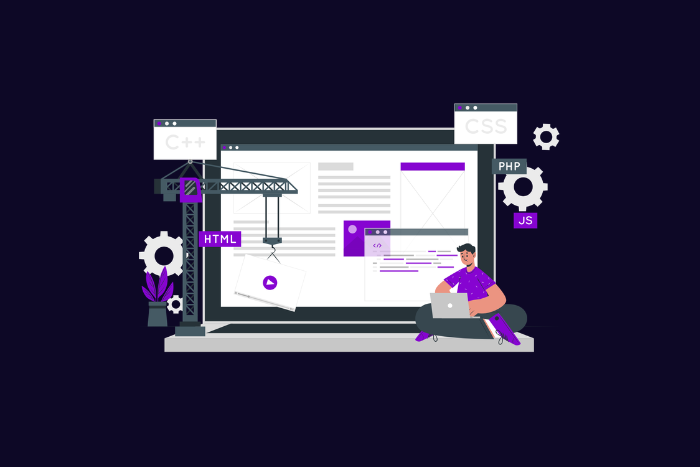
Web App Development Solutions That Power Modern Digital Growth
Web App Development Solutions That Power Modern Digital Growth Expert web app development solutions for scalable, secure applications. Custom SaaS, enterprise portals & cloud-ready web platforms. Web App Development Solutions Web app development solutions enable businesses to build scalable, secure, and high-performance applications accessible through web browsers across devices. Unlike traditional websites, modern web applications are dynamic, interactive, and designed to deliver seamless user experiences similar to desktop or mobile apps. From SaaS platforms and enterprise portals to eCommerce systems and custom business tools, web applications are the backbone of digital transformation. In today’s competitive landscape, businesses require robust web-based systems that integrate with cloud services, APIs, AI-driven analytics, and third-party tools. Professional web app development solutions ensure your platform is built with scalable architecture, optimized performance, and enterprise-grade security standards. Our web application development services focus on delivering customized solutions tailored to your business objectives. Whether you are a startup building an MVP, a growing company launching a SaaS product, or an enterprise modernizing legacy systems, we design and develop web applications that drive efficiency, engagement, and measurable growth. Why Web App Development Solutions Are Important Modern businesses rely heavily on digital platforms to manage operations, serve customers, and generate revenue. Web app development solutions are important because they: Provide cross-platform accessibility through browsers Enable centralized data management and automation Support scalability for growing user bases Integrate seamlessly with APIs and cloud services Reduce infrastructure costs compared to desktop software Deliver real-time collaboration and analytics capabilities Web applications empower organizations to streamline workflows, improve user experience, and build long-term digital assets. With cloud-native and API-first approaches, web apps can scale efficiently while maintaining security and performance. Types of Web App Development Solutions We provide comprehensive web app development services tailored to diverse business requirements: Custom Web Application DevelopmentFully tailored applications built from scratch to match unique business workflows. SaaS Web Application DevelopmentMulti-tenant subscription-based platforms with scalable infrastructure. Enterprise Web PortalsSecure internal systems for employee management, CRM, ERP, and collaboration. eCommerce Web ApplicationsScalable online stores with secure payment gateways and inventory management. Progressive Web Apps (PWAs)Web-based applications with offline functionality and app-like performance. API Development & IntegrationRESTful and GraphQL APIs for seamless third-party connectivity. Cloud-Based Web ApplicationsApplications designed for deployment on AWS, Azure, and Google Cloud. Web App Migration & ModernizationUpgrading legacy systems to modern, scalable architectures. Get Free Quotation Now..!! Key Features of Our Web App Development Solutions Scalable and modular architecture Responsive UI/UX design across devices Secure authentication and role-based access control High-performance optimization and caching strategies RESTful API and third-party integrations Cloud-ready infrastructure Real-time analytics and reporting Continuous monitoring and performance tracking Development Process We follow a structured and agile development methodology to ensure predictable and high-quality outcomes: Requirement Analysis & PlanningUnderstanding business goals, user needs, and technical requirements. Architecture & System DesignDesigning scalable backend systems and intuitive frontend interfaces. UI/UX Design & PrototypingCreating wireframes and interactive prototypes focused on user experience. Development & IntegrationImplementing clean, modular code and integrating third-party services. Testing & Quality AssuranceConducting functional, performance, and security testing. Deployment & DevOps ConfigurationSetting up CI/CD pipelines and cloud infrastructure. Post-Launch Support & OptimizationContinuous monitoring, updates, and performance enhancements. Technology Stack We use modern, proven technologies to build reliable and scalable web applications: Front-End: React.js, Angular, Vue.js, HTML5, CSS3, Tailwind CSS Back-End: Node.js, Python (Django), PHP (Laravel), Java (Spring Boot), .NET Databases: PostgreSQL, MySQL, MongoDB, SQL Server Cloud Services: AWS, Azure, Google Cloud Platform APIs: RESTful APIs, GraphQL DevOps: CI/CD pipelines, Docker, Kubernetes, Jenkins Security: OAuth 2.0, JWT authentication, SSL encryption, role-based access control (RBAC), Web Application Firewall (WAF) Cost Factors in Web App Development Solutions The cost of web app development solutions depends on several factors: Application complexity and feature set UI/UX design requirements Integration with third-party systems Scalability and cloud infrastructure needs Security and compliance standards Ongoing maintenance and support A basic MVP web application may require moderate investment, while enterprise-grade SaaS platforms with advanced analytics and AI integration will involve higher development resources. We offer flexible pricing models including fixed-price projects, hourly billing, and dedicated teams. Latest Trends in Web App Development API-first and headless architecture Microservices-based application development Cloud-native and serverless deployment AI-powered automation and personalization Progressive Web Apps (PWAs) Real-time applications with WebSockets Enhanced cybersecurity and zero-trust models Low-code and no-code integration tools Why Choose Us for Web App Development Solutions? Choosing the right web app development partner is critical to your digital success. Here’s why businesses trust us: Experienced full-stack developers and solution architects Agile methodology with transparent communication Enterprise-grade security and compliance standards Scalable architecture designed for long-term growth On-time delivery with milestone tracking Dedicated post-launch maintenance and optimization We build web applications that combine innovation, performance, and measurable business impact. Ready to build a powerful web application?Let’s transform your business idea into a scalable digital platform.Contact us today for a free consultation and customized proposal. Get Free Quotation Now..!! Key Points : Web app development solutions help businesses build fast, secure, and scalable web applications Custom web app development improves workflow efficiency and user experience Modern web apps work smoothly across all devices and browsers Secure web app development protects user data and business information Scalable web app solutions support long-term business growth Web applications reduce operational costs through automation User-friendly web app design increases engagement and retention Professional web app development ensures better performance and reliability FAQ’s What are web app development solutions? Web app development solutions involve building browser-based applications designed to deliver interactive and scalable digital experiences. How long does it take to develop a web application? An MVP may take 6–10 weeks, while complex enterprise systems may require several months. How much do web app development services cost? Costs depend on features, complexity, integrations, and infrastructure requirements. Can web apps scale for high traffic? Yes, with cloud-native architecture and proper optimization, web apps can handle large user bases. Do you provide SaaS web application development? Yes, we specialize in multi-tenant SaaS platforms with subscription models. How do you ensure web app security? We

Flutter App Development: Building Fast, Beautiful Apps for the Modern World
Flutter App Development: Building Fast, Beautiful Apps for the Modern World Expert Flutter app development for cross-platform mobile, web & desktop apps. Build scalable, high-performance applications today. Flutter App Development Flutter app development has transformed the way businesses build mobile and cross-platform applications. Powered by Google’s open-source framework, Flutter enables companies to create high-performance apps for iOS, Android, web, and desktop using a single codebase. This dramatically reduces development time, cost, and complexity while maintaining a near-native user experience. For startups aiming to launch quickly and enterprises seeking scalable digital solutions, Flutter offers flexibility, speed, and beautiful UI capabilities. Its widget-based architecture allows developers to build visually rich, responsive interfaces that perform seamlessly across devices. We specialize in delivering robust, scalable, and visually engaging Flutter applications tailored to your business objectives. From MVP development and UI/UX design to enterprise-grade app architecture and long-term maintenance, our services ensure fast time-to-market and sustainable growth. If you’re looking to build a cross-platform app that performs flawlessly and scales effortlessly, Flutter is one of the most strategic technology choices available today. Why Flutter App Development is Important Flutter app development offers significant advantages for businesses seeking performance and efficiency. Single Codebase for Multiple Platforms – Build once and deploy on iOS, Android, web, and desktop. Faster Time to Market – Accelerated development with hot reload capabilities. Cost-Effective Development – Reduced resources compared to native app builds. High-Performance UI – Smooth animations and responsive design. Scalable Architecture – Ideal for startups and enterprise applications. Strong Community Support – Backed by Google and a global developer ecosystem. Choosing flutter application development ensures speed, consistency, and reduced operational complexity. Types of Flutter App Development Solutions We provide customized Flutter app development solutions for various business needs: Cross-Platform Mobile App DevelopmentBuild iOS and Android apps simultaneously from a single codebase. Flutter MVP DevelopmentRapid development for startups to validate ideas and launch quickly. Enterprise Flutter ApplicationsScalable apps integrated with enterprise systems and APIs. eCommerce Flutter AppsHigh-performance online shopping apps with secure payment integration. On-Demand & Service AppsRide-sharing, delivery, booking, and marketplace solutions. Flutter Web & Desktop ApplicationsMulti-platform solutions extending beyond mobile. App Migration to FlutterConverting existing native apps into cross-platform Flutter applications. Each solution is built to optimize performance, scalability, and user experience. Get Free Quotation Now..!! Key Features of High-Performance Flutter Apps Our Flutter application development services include advanced features: Single codebase multi-platform support Custom widget-based UI Smooth animations and transitions Hot reload for rapid updates Native performance rendering Third-party API integrations Secure authentication systems Push notifications Real-time data synchronization Offline support capability Cloud integration Scalable backend architecture These features ensure your Flutter application delivers consistent performance across devices. Flutter App Development Process We follow a structured and agile development methodology: Requirement Analysis & StrategyUnderstanding business goals, user requirements, and market positioning. UI/UX Design & PrototypingCreating interactive prototypes and intuitive user interfaces. App DevelopmentCoding scalable frontend and backend systems using best practices. API & Backend IntegrationConnecting cloud infrastructure, databases, and third-party services. Testing & Quality AssuranceConducting functional, performance, and cross-device testing. Deployment & App Store LaunchPublishing on Google Play, Apple App Store, or web platforms. Maintenance & Continuous ImprovementOngoing updates, performance optimization, and feature expansion. Our streamlined process ensures timely delivery and high-quality results. Technology Stack for Flutter App Development We use modern and scalable technologies: Framework: Flutter SDK Programming Language: Dart Backend: Node.js, Python, .NET Database: Firebase, PostgreSQL, MongoDB Cloud Infrastructure: AWS, Google Cloud, Azure APIs: RESTful APIs, GraphQL CI/CD Tools: GitHub Actions, Bitrise Security: OAuth 2.0, SSL encryption This stack ensures reliability, scalability, and high-speed performance. Cost Factors of Flutter App Development The cost of Flutter development services depends on: App complexity and feature set UI/UX customization level Backend and API integrations Third-party services integration Platform coverage (mobile, web, desktop) Security and compliance requirements Testing and QA scope Maintenance and support needs Basic MVP applications require lower investment, while enterprise-grade Flutter applications with complex integrations require broader budgets. We provide transparent pricing based on project scope and business goals. Latest Trends in Flutter App Development Flutter app development continues to evolve with new advancements: Flutter for web and desktop expansion Integration with AI and machine learning Advanced animation frameworks IoT and embedded device applications Progressive Web Apps (PWA) Microservices-based backend architecture Enhanced DevOps automation Super app development models Leveraging these trends ensures innovation and competitive differentiation. Why Choose Us for Flutter App Development We deliver scalable, performance-driven Flutter solutions tailored to business growth. Experienced Flutter developers Agile development methodology User-focused UI/UX expertise Clean and maintainable code Seamless third-party integrations Strong testing and QA processes Transparent communication Long-term support and optimization Our Flutter app development services focus on delivering measurable business value. Ready to build a powerful cross-platform application with Flutter? Contact us today for a free consultation and customized project estimate. Let’s turn your app idea into a scalable, high-performance digital product. Get Free Quotation Now..!! Key Points : Flutter app development uses a single codebase to build apps for Android, iOS, web, and desktop. Businesses choose Flutter application development to reduce development time and overall project cost. Flutter apps deliver fast performance with smooth animations and a native-like user experience. Flutter app creation supports creative UI designs using flexible and customizable widgets. Startups and enterprises use Flutter application development for scalable and future-ready applications. Flutter application development simplifies app maintenance and updates across multiple platforms. Strong community support and regular Google updates make Flutter application development reliable and secure. FAQ’s What is Flutter app development? Flutter app development is the process of building cross-platform mobile, web, and desktop applications using Flutter’s single codebase framework. Why choose Flutter for application development? Flutter enables faster development, reduced costs, and consistent performance across multiple platforms. How long does Flutter application development take? Development timelines typically range from 2–6 months depending on app complexity and integrations. Is Flutter suitable for enterprise applications? Yes. Flutter supports scalable architecture and integrates seamlessly with enterprise systems. Can existing apps be migrated to Flutter? Yes. We can migrate native or hybrid apps

Tenant Management System: A Smarter Way to Manage Properties and Tenants
Tenant Management System: A Smarter Way to Manage Properties and Tenants Advanced Tenant Management System for landlords & property managers. Automate rent, leases, maintenance & reporting securely. Tenant Management System A Tenant Management System (TMS) is a comprehensive software solution designed to help landlords, property managers, and real estate companies efficiently manage rental properties, tenants, leases, payments, and maintenance operations. In today’s competitive real estate market, managing multiple properties manually can lead to missed payments, delayed maintenance, communication gaps, and compliance risks. A modern Tenant Management System centralizes all property-related operations into a single digital platform. From tenant screening and online rent collection to lease management and financial reporting, TMS software simplifies property management while improving transparency and accountability. Whether you manage residential apartments, commercial properties, co-living spaces, or mixed-use developments, a scalable tenant management platform ensures streamlined workflows and enhanced tenant satisfaction. Our Tenant Management System solutions are built to automate repetitive tasks, reduce operational costs, and provide real-time insights into property performance. By digitizing rental management processes, property owners can increase occupancy rates, improve cash flow, and deliver a seamless rental experience. Why Tenant Management System is Important Managing rental properties involves handling multiple responsibilities simultaneously tenant communication, payment tracking, lease renewals, maintenance coordination, and compliance documentation. A Tenant Management System is important because it: Centralizes tenant records and lease agreements Automates rent collection and payment reminders Streamlines maintenance request management Improves financial tracking and reporting Enhances communication between landlords and tenants Reduces administrative errors and paperwork Ensures compliance with rental regulations Without a structured system, landlords may struggle with delayed rent payments, inefficient maintenance handling, and incomplete documentation. A Property Control System provides operational clarity, allowing property managers to scale their portfolios confidently while maintaining tenant satisfaction. Types of Tenant Management System Solutions Cloud-Based Property Control SystemSecure, scalable, and accessible from anywhere with real-time data synchronization. On-Premise Tenant Management SoftwareComplete infrastructure control for organizations requiring internal hosting. Residential Property Management SystemDesigned for apartments, single-family rentals, and housing societies. Commercial Property Management SystemSpecialized modules for offices, retail spaces, and industrial properties. Multi-Property & Portfolio Management SolutionCentralized management for large-scale real estate portfolios. Integrated Accounting & Rent Management SystemAutomated financial tracking, invoicing, and expense management. Custom Tenant ERP SolutionsEnterprise-grade resource planning for real estate businesses. Get Free Quotation Now..!! Key Features of Our Tenant Management System Tenant registration and digital documentation storage Online rent collection and automated payment reminders Lease agreement management and renewal tracking Tenant screening and background verification integration Maintenance request tracking and vendor coordination Financial accounting and expense management Owner and tenant portals with real-time updates Reporting dashboards for occupancy and revenue analysis Mobile accessibility for landlords and tenants Secure data encryption and role-based access control Development Process Our structured development methodology ensures a reliable and scalable Tenant Management System: Requirement Analysis & Workflow AssessmentUnderstanding property size, operational needs, and compliance requirements. System Architecture DesignDesigning a modular and scalable platform architecture. Module Development & IntegrationBuilding core modules such as rent management, maintenance, and reporting. Third-Party IntegrationsIntegrating payment gateways, accounting tools, and background check services. Testing & Quality AssuranceEnsuring system performance, security, and usability. Deployment & User TrainingImplementing the solution and training property management teams. Ongoing Support & OptimizationContinuous updates, feature enhancements, and performance monitoring. Technology Stack We use modern, scalable technologies to develop robust Tenant Management Systems: Front-End: React.js, Angular, Vue.js, HTML5, CSS3 Back-End: Node.js, Python (Django), Java (Spring Boot), .NET Databases: PostgreSQL, MySQL, MongoDB Cloud Services: AWS, Azure, Google Cloud Platform APIs: RESTful APIs, payment gateway integrations, background check APIs DevOps: CI/CD pipelines, Docker, Kubernetes Security: SSL encryption, OAuth 2.0, JWT authentication, role-based access control Cost Factors in Tenant Management System Implementation The cost of implementing a Tenant Management System depends on: Number of properties and units managed Required modules and customization level Cloud or on-premise deployment Integration with accounting and payment systems Multi-user access and role management Data migration from legacy systems Ongoing maintenance and support Small landlords may require basic modules for rent collection and tenant tracking, while large real estate enterprises need comprehensive ERP-style systems with analytics and portfolio management features. Latest Trends in Tenant Management System AI-powered tenant screening and risk assessment Automated rent reminders and smart payment tracking Mobile-first property management platforms Cloud-based SaaS property management systems Predictive maintenance using data analytics Integration with IoT-enabled smart buildings Digital lease signing and document management Real-time occupancy and revenue dashboards Why Choose Us for Your Tenant Management System? Selecting the right management system provider ensures operational efficiency and long-term scalability for property. Here’s why property owners and managers trust us: Expertise in real estate and property management software Customizable and scalable system architecture Secure, cloud-ready infrastructure User-friendly dashboards for landlords and tenants Seamless integration with third-party tools Dedicated implementation and long-term support We don’t just develop software, we build intelligent property management solutions that simplify rental operations and maximize profitability. Ready to streamline your rental property operations?Let’s build a secure and scalable system tailored to your portfolio.Contact us today for a free consultation and customized proposal. Get Free Quotation Now..!! Key Points : A Tenant Management System digitizes tenant and property management tasks. It simplifies rent collection, lease tracking, and payment reminders. Tenant management software improves communication between tenants and managers. It helps store and manage tenant records securely in one platform. A cloud-based Property Control System supports remote access and scalability. Automated workflows reduce manual errors and operational costs. Tenant Management Systems improve tenant satisfaction and retention rates. The system supports business growth with real-time insights and reports. FAQ’s What is a Tenant Management System? A Tenant Management System is software that helps landlords manage tenants, leases, payments, and maintenance operations. Can tenants pay rent online through the system? Yes, modern TMS solutions support online payments and automated reminders. Is the system suitable for small landlords? Yes, the system can be customized for individual landlords or large property managers. Does the system support lease tracking? Yes, it tracks lease agreements, renewals, and expiration dates. Can it integrate with accounting software?

Productivity App: Your Smart Tool to Get More Done Every Day
Productivity App: Your Smart Tool to Get More Done Every Day Custom productivity app development with automation, smart features & scalable architecture. Boost efficiency with expert app solutions. Productivity App A productivity app is a powerful digital solution designed to help individuals and teams organize tasks, manage time, streamline workflows, and achieve goals more efficiently. In today’s fast-paced digital environment, businesses and professionals depend on productivity applications to improve collaboration, automate processes, and enhance performance across departments. Whether you’re planning to build a task management app, project management platform, team collaboration tool, time tracking solution, or enterprise workflow automation system, your productivity app must deliver speed, usability, scalability, and smart integrations. A successful productivity app does more than manage to-do lists, it transforms how users work, communicate, and execute tasks. We specialize in designing and developing scalable, user-centric productivity apps tailored to startups, enterprises, SaaS companies, and internal business operations. From idea validation and intuitive UI/UX design to secure backend development and cloud deployment, we build productivity applications that drive measurable efficiency gains. If you’re ready to create a productivity app that enhances user performance and delivers long-term business value, we provide the expertise and technology to make it a success. Why a Productivity App is Important A well-developed productivity app can significantly impact business operations and individual performance. Improves Time Management – Users can prioritize tasks and meet deadlines efficiently. Enhances Team Collaboration – Shared dashboards and communication tools streamline teamwork. Automates Repetitive Processes – Workflow automation reduces manual errors and saves time. Boosts Accountability – Clear task assignments and performance tracking improve responsibility. Supports Remote & Hybrid Work – Cloud-based access enables collaboration from anywhere. Increases Operational Efficiency – Optimized processes lead to measurable productivity gains. Improves Decision-Making – Real-time analytics provide actionable insights. In competitive markets, businesses leveraging productivity app development gain a strategic advantage by improving operational agility. Types of Productivity App Solutions We develop customized productivity application solutions designed for different industries and user needs: Task Management AppCreate, assign, categorize, and prioritize tasks with deadlines, reminders, and notifications. Project Management AppKanban boards, Gantt charts, sprint planning, milestone tracking, and performance analytics. Time Tracking & Scheduling AppAutomated time logs, attendance tracking, calendar integration, and productivity insights. Team Collaboration AppReal-time messaging, shared files, video conferencing integration, and team dashboards. Habit & Goal Tracking AppDaily performance tracking, streak systems, motivational reminders, and analytics reports. Enterprise Workflow Automation AppInternal approval systems, document management, HR workflows, and cross-department collaboration. Personal Productivity AppFocus timers, notes organization, daily planners, and task prioritization tools. Each solution is built to match your target audience, industry requirements, and growth strategy. Get Free Quotation Now..!! Key Features of a High-Performance Productivity App A competitive productivity application must combine simplicity with advanced functionality. Clean, distraction-free UI/UX design Task creation, tagging, and categorization Real-time synchronization across devices Push notifications and smart reminders Calendar and third-party API integration File sharing and cloud storage support Role-based access and permissions Data encryption and secure authentication Workflow automation rules Reporting and analytics dashboards Offline functionality with auto-sync Multi-device compatibility (mobile, tablet, web) AI-powered task prioritization (optional) In-app collaboration tools These features ensure that your productivity app enhances efficiency while maintaining a seamless user experience. Productivity App Development Process We follow a structured and agile methodology to ensure reliable delivery. Discovery & Market ResearchIdentifying user pain points, competitive landscape, and product differentiation strategy. Product Planning & WireframingCreating feature roadmap, user journeys, and technical architecture. UI/UX DesignDesigning intuitive interfaces focused on clarity and usability. App Development & IntegrationBuilding scalable backend systems and integrating third-party tools. Automation & Smart Features ImplementationIncorporating AI algorithms and workflow automation. Testing & Quality AssuranceConducting performance, usability, and security testing. Deployment & Post-Launch OptimizationPublishing the app and monitoring performance for continuous improvement. Our process ensures that every productivity app is secure, scalable, and user-friendly. Technology Stack for Productivity App Development We use advanced technologies to ensure performance and scalability: Frontend: React Native, Flutter, Swift, Kotlin Backend: Node.js, Python, .NET Core Database: PostgreSQL, MongoDB Cloud Infrastructure: AWS, Azure, Google Cloud APIs: RESTful APIs, GraphQL Authentication: OAuth 2.0, JWT Security: SSL encryption, data protection compliance AI Integration: Machine learning frameworks for automation This modern tech stack ensures that your productivity app can handle growing users and complex workflows. Cost Factors of Productivity App Development The cost of productivity application development varies depending on several factors: App complexity and feature depth Custom UI/UX design requirements Third-party integrations (CRM, cloud tools, APIs) AI or automation capabilities Cross-platform vs. native development Backend infrastructure scalability Data security and compliance requirements Ongoing maintenance and updates A simple personal task management app requires a lower budget, while enterprise-grade workflow automation platforms demand larger investments due to integrations and security layers. We provide transparent pricing based on your specific requirements and growth objectives. Latest Trends Modern productivity app development is evolving rapidly with new technologies: AI-powered task recommendations Smart scheduling and predictive reminders Voice-controlled productivity tools Real-time team collaboration features Gamification elements for user engagement Cross-platform synchronization Integration with enterprise tools like CRM and ERP Minimalist and distraction-free design Advanced productivity analytics Leveraging these trends ensures higher user engagement, retention, and long-term scalability. Why Choose Us for Productivity App Development We deliver high-quality, scalable productivity applications tailored to business success. Strategic product planning approach Agile development methodology User-centric UI/UX expertise Scalable cloud architecture Secure coding practices Seamless third-party integrations Transparent communication Dedicated project management Long-term maintenance and feature enhancement We focus not just on development but on creating digital tools that improve real-world productivity. Ready to build a powerful productivity app? Contact us today for a free consultation and customized project estimate. Let’s create a smart solution that transforms the way users work and collaborate. Get Free Quotation Now..!! Key Points : A productivity app helps users manage tasks, notes, and schedules in one place. Task management features improve focus and reduce missed deadlines. Note-taking tools make it easy to capture ideas anytime, anywhere. Productivity apps support better time management and daily planning. Simple design and fast performance

ERP (Enterprise Resource Planning) System: The Smart Way to Run a Growing Business
ERP (Enterprise Resource Planning) System: The Smart Way to Run a Growing Business Scalable ERP (Enterprise Resource Planning) System for finance, HR, supply chain & operations. Secure cloud & on-premise ERP solutions. ERP (Enterprise Resource Planning) System An ERP (Enterprise Resource Planning) System is a centralized software platform designed to integrate and manage core business processes such as finance, human resources, supply chain, procurement, manufacturing, sales, and customer management. In today’s competitive and data-driven business environment, organizations need real-time visibility, automation, and streamlined workflows to operate efficiently. Traditional disconnected systems often result in data silos, inefficiencies, and limited decision-making capabilities. A modern ERP system consolidates multiple departments into a unified platform, enabling seamless data flow across the organization. Whether deployed on-premise or in the cloud, ERP software helps businesses improve productivity, enhance reporting accuracy, reduce operational costs, and scale efficiently. From small businesses to large enterprises, ERP solutions play a critical role in digital transformation. Our ERP (Enterprise Resource Planning) System solutions are designed to deliver operational transparency, improved collaboration, and intelligent automation — helping organizations achieve sustainable growth and competitive advantage. Why ERP (Enterprise Resource Planning) System is Important An ERP system is more than just accounting software. It serves as the digital backbone of an organization by connecting departments and automating workflows. ERP is important because it: Centralizes business data into one integrated platform Eliminates data silos across departments Improves operational efficiency and productivity Enhances financial reporting and compliance Enables real-time analytics and decision-making Supports scalability and business growth Strengthens data security and governance Without ERP, organizations often rely on multiple disconnected systems that lead to manual errors, duplicated data, and poor visibility. Implementing an ERP (Enterprise Resource Planning) System ensures accurate reporting, streamlined processes, and improved organizational agility. Types of ERP (Enterprise Resource Planning) System Solutions Cloud ERP System – SaaS-based ERP accessible anywhere with automatic updates and scalability On-Premise ERP System – Installed within internal infrastructure for complete control Hybrid ERP Solution – Combination of cloud and on-premise deployment Industry-Specific ERP System – Customized modules tailored to manufacturing, retail, healthcare, education, or logistics Small & Mid-Sized Business ERP – Scalable ERP solutions designed for growing companies Enterprise-Grade ERP Platform – Advanced multi-location and multi-entity management systems Custom ERP Development – Tailor-made ERP systems built to match unique operational workflows ERP Modernization & Migration Services – Upgrading legacy systems to modern ERP platforms Get Free Quotation Now..!! Key Features of Our ERP (Enterprise Resource Planning) System Financial management and accounting automation Human resource management (HRMS) integration Supply chain and inventory management Procurement and vendor management Sales and customer relationship management (CRM) integration Manufacturing and production planning modules Real-time dashboards and business intelligence reporting Role-based access control and data security Multi-location and multi-currency support Automated workflow and approval processes Development Process We follow a structured and strategic ERP implementation process to ensure seamless deployment: Business Requirement AnalysisUnderstanding operational workflows, challenges, and growth objectives. ERP System Design & Architecture PlanningDesigning scalable and modular ERP architecture. Module Development & CustomizationBuilding and configuring finance, HR, supply chain, and other modules. Data Migration & IntegrationMigrating legacy data and integrating third-party systems. Testing & Quality AssuranceConducting functional, performance, and security testing. Deployment & User TrainingImplementing ERP system and training staff for adoption. Ongoing Support & OptimizationContinuous updates, performance monitoring, and enhancements. Technology Stack We leverage modern, scalable technologies to build robust ERP systems: Front-End: React.js, Angular, Vue.js, HTML5, CSS3 Back-End: Node.js, Python (Django), Java (Spring Boot), .NET Databases: PostgreSQL, MySQL, Oracle DB, MongoDB Cloud Services: AWS, Microsoft Azure, Google Cloud Platform APIs: RESTful APIs, SOAP integrations, third-party connectors DevOps: CI/CD pipelines, Docker, Kubernetes Security: SSL encryption, OAuth 2.0, JWT authentication, role-based access control, compliance standards Cost Factors in ERP Implementation The cost of implementing an ERP (Enterprise Resource Planning) System depends on: Organization size and number of users Required modules and customization level Deployment model (cloud or on-premise) Integration with existing software systems Data migration complexity Training and change management needs Ongoing maintenance and support Small businesses may adopt core ERP modules, while large enterprises require comprehensive multi-department solutions. We provide flexible pricing models tailored to organizational needs. Latest Trends in ERP (Enterprise Resource Planning) System AI-powered predictive analytics Cloud-first ERP adoption Mobile-access ERP dashboards Low-code ERP customization tools Industry-specific ERP vertical solutions Real-time business intelligence integration Blockchain integration for supply chain transparency Enhanced cybersecurity frameworks Why Choose Us for Your ERP (Enterprise Resource Planning) System? Selecting the right ERP implementation partner is crucial for long-term business success. Here’s why organizations trust us: Deep expertise in enterprise software development Scalable and customizable ERP architecture Strong focus on data security and compliance Industry-specific ERP customization capabilities Seamless integration with existing systems Dedicated implementation, training, and support We don’t just deploy ERP software — we deliver intelligent enterprise solutions that optimize operations and drive measurable business growth. Ready to transform your business operations with a powerful ERP system?Let’s implement a scalable and secure Enterprise Resource Planning solution tailored to your organization.Contact us today for a free consultation and customized proposal. Get Free Quotation Now..!! Key Points : An ERP (Enterprise Resource Planning) System centralizes all business processes in one platform. ERP software improves data accuracy and real-time visibility across departments. It streamlines finance, inventory, sales, and HR management efficiently. Cloud-based ERP Systems support remote access and easy scalability. Automation in ERP reduces manual errors and operational costs. ERP Systems enhance team collaboration and workflow efficiency. Advanced ERP analytics support data-driven business decisions. A flexible ERP System helps businesses scale and adapt to growth. FAQ’s What is an ERP (Enterprise Resource Planning) System? An ERP system is integrated software that manages core business processes such as finance, HR, supply chain, and operations. What is the difference between ERP and accounting software? Accounting software focuses on financial tasks, while ERP integrates finance with other business functions like HR and inventory. Is cloud ERP secure? Yes, with proper encryption and compliance standards, cloud ERP solutions are highly secure. How long does ERP implementation take? Implementation timelines
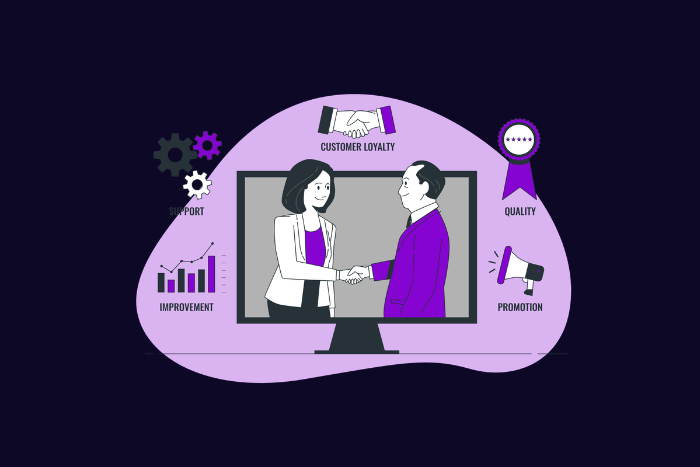
CRM (Customer Relationship Management) System: Building Stronger Customer Connections
CRM (Customer Relationship Management) System: Building Stronger Customer Connections Scalable CRM (Customer Relationship Management) System to automate sales, marketing & support. Secure cloud & custom CRM solutions. CRM (Customer Relationship Management) System A CRM (Customer Relationship Management) System is a strategic business solution designed to centralize customer data, streamline sales processes, automate marketing campaigns, and enhance customer support operations. In today’s competitive marketplace, businesses that build strong, data-driven customer relationships outperform competitors who rely on fragmented tools and manual processes. A modern CRM platform provides a unified 360-degree view of prospects and customers, allowing teams to track interactions, monitor pipelines, and personalize engagement at every stage of the customer journey. From lead generation and opportunity management to post-sale support and retention strategies, a CRM system acts as the backbone of customer-centric organizations. Whether you are a startup managing growing leads or an enterprise handling multi-channel interactions across regions, implementing a scalable CRM System improves collaboration, increases productivity, and drives measurable revenue growth. Our CRM solutions are built to be secure, customizable, and future-ready empowering businesses to transform customer relationships into long-term success. Why CRM (Customer Relationship Management) System is Important Customer expectations have evolved. Buyers expect personalized communication, fast responses, and seamless service experiences. Without a centralized CRM system, managing these expectations becomes difficult and inconsistent. A CRM (Customer Relationship Management) System is important because it: Creates a single source of truth for customer data Eliminates communication silos between sales, marketing, and support Automates repetitive tasks such as follow-ups and lead assignments Improves forecasting accuracy and sales planning Enhances customer retention and lifetime value Provides real-time performance analytics Strengthens data security and compliance Organizations using CRM software gain better visibility into their sales pipeline, customer preferences, and engagement patterns. This enables smarter decision-making, faster deal closures, and improved service delivery. Types of CRM (Customer Relationship Management) System Solutions Operational CRM – Automates sales processes, marketing campaigns, and customer service workflows Analytical CRM – Focuses on data analysis, reporting, predictive insights, and customer behavior tracking Collaborative CRM – Enables seamless information sharing across departments and communication channels Cloud-Based CRM – SaaS-based CRM system accessible from anywhere with automatic updates and scalability On-Premise CRM – Installed within internal infrastructure for complete control and customization Hybrid CRM – Combines cloud flexibility with on-premise data management Industry-Specific CRM – Customized CRM solutions tailored for healthcare, real estate, finance, education, and retail Custom CRM Development – Fully personalized CRM platforms built around unique business workflows Get Free Quotation Now..!! Key Features of CRM (Customer Relationship Management) System A powerful CRM system includes features that optimize every stage of the customer lifecycle: Lead management and qualification tracking Sales pipeline management and forecasting Contact and account management Marketing automation and campaign tracking Email, SMS, and communication integration Customer service ticketing and case management Workflow automation and approval routing AI-driven insights and predictive analytics Real-time dashboards and custom reports Multi-channel engagement tracking Role-based access control and advanced security Integration with ERP, accounting, and third-party tools These features ensure businesses can manage customer relationships efficiently while improving operational productivity. Development Process for CRM System We follow a structured approach to develop and implement a high-performing CRM System: Business Analysis & CRM Strategy PlanningWe assess your sales funnel, marketing strategy, and customer service workflows to design a tailored CRM solution. System Architecture & UX DesignOur team creates scalable CRM architecture with intuitive dashboards to ensure high user adoption. Custom Module DevelopmentWe build sales automation, marketing automation, and support modules based on your operational requirements. Integration & Data MigrationSecure integration with ERP systems, accounting tools, email platforms, and migration of legacy data. Testing & Quality AssuranceFunctional, performance, and security testing ensure reliable CRM system performance. Deployment & Team TrainingSmooth CRM deployment with structured training for teams. Post-Launch Support & OptimizationContinuous performance monitoring and feature enhancements. Technology Stack We use modern technologies to build scalable and secure CRM (Customer Relationship Management) System solutions: Front-End: React.js, Angular, Vue.js Back-End: Node.js, Python (Django), Java (Spring Boot), .NET Databases: PostgreSQL, MySQL, MongoDB, MS SQL Server Cloud Services: AWS, Microsoft Azure, Google Cloud Platform APIs: RESTful APIs, GraphQL integrations DevOps: CI/CD pipelines, Docker, Kubernetes Security: SSL encryption, OAuth 2.0, JWT authentication, multi-factor authentication Cost Factors of CRM (Customer Relationship Management) System The cost of implementing a CRM (Customer Relationship Management) System depends on: Number of users and user roles Required modules and customization level Deployment model (cloud, on-premise, hybrid) Integration with ERP and third-party systems Data migration complexity AI and advanced analytics requirements Compliance and security standards Ongoing maintenance and support Small businesses may opt for standard CRM packages, while enterprises require advanced automation, AI-driven insights, and multi-branch capabilities. Latest Trends in CRM (Customer Relationship Management) System Modern CRM solutions continue evolving with emerging technologies: AI-powered predictive analytics Generative AI for automated responses and reporting Hyper-personalized customer journeys Omnichannel CRM integration Mobile-first CRM applications Voice-enabled CRM features Low-code CRM customization platforms Enhanced data privacy and compliance frameworks AI integration in CRM systems enables businesses to predict customer behavior, identify opportunities, and automate decision-making processes. Why Choose Us for CRM System Development Choosing the right partner for CRM (Customer Relationship Management) System development determines long-term success. We provide: Proven expertise in enterprise CRM software development Custom-built and scalable CRM architecture Seamless ERP and third-party integration AI-driven automation capabilities Strong data security and compliance focus User-friendly design for maximum adoption Dedicated support and long-term optimization Our CRM solutions are designed to increase sales efficiency, improve customer retention, and deliver measurable ROI. Ready to streamline your customer relationships and improve operational efficiency?Let’s implement a powerful CRM system tailored to your business goals.Contact us today for a free consultation and customized roadmap. Get Free Quotation Now..!! Key Points : A CRM (Customer Relationship Management) System centralizes all customer data in one platform. CRM software improves sales, marketing, and customer support efficiency. It helps businesses track leads, interactions, and follow-ups accurately. Cloud-based CRM Systems support remote access and scalability. CRM automation reduces manual work and human errors. CRM Systems enhance
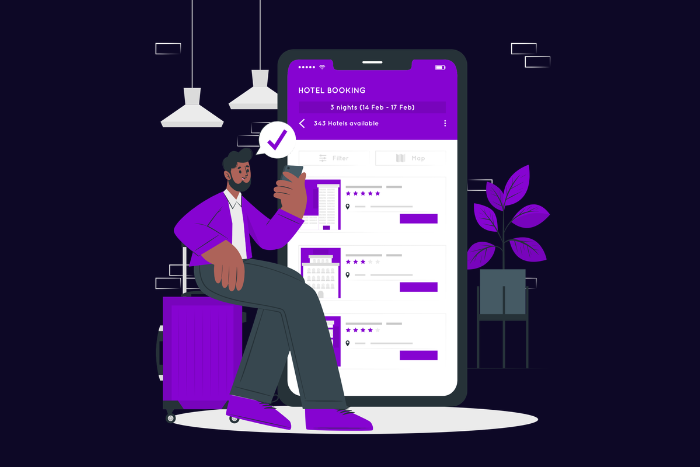
Booking System: The Easy Way to Manage Appointments and Reservations
Booking System: The Easy Way to Manage Appointments and Reservations Scalable Booking System to automate appointments, reservations & payments. Secure online booking software for businesses of all sizes. Booking System A Booking System is a digital platform that enables businesses to manage appointments, reservations, schedules, and payments efficiently through an automated interface. In today’s fast-paced digital economy, customers expect instant confirmations, seamless scheduling, and flexible payment options. Manual scheduling methods such as spreadsheets, phone calls, or email coordination often lead to double bookings, missed appointments, and administrative overload. A modern online Booking System eliminates scheduling chaos by providing real-time availability tracking, automated reminders, secure payment processing, and centralized reporting. Whether you operate a healthcare clinic, salon, hotel, educational institute, fitness center, or service-based business, implementing a scalable booking management solution enhances operational efficiency and improves customer experience. Our Booking System solutions are designed to streamline appointment scheduling, reduce no-shows, optimize staff utilization, and increase revenue. Built with scalability and security in mind, our systems help businesses automate workflows while delivering a seamless booking experience across web and mobile platforms. Why Booking System is Important An efficient Booking System is essential for businesses that rely on appointments, reservations, or scheduled services. Without automation, businesses often struggle with missed bookings, payment delays, and scheduling conflicts. A professional Booking platform helps: Provide 24/7 online appointment scheduling Reduce manual administrative workload Prevent double bookings and scheduling conflicts Automate confirmations and reminders Improve customer satisfaction and retention Enable secure online payment collection Offer real-time reporting and performance tracking Optimize staff and resource allocation By implementing a smart booking management solution, businesses increase operational efficiency while delivering a frictionless experience for customers. Types of Booking System Solutions Online Appointment System – Web-based scheduling platform for service-based businesses Reservation Management System – Ideal for hotels, travel agencies, event venues, and hospitality services Multi-Location Reservation System – Centralized scheduling for franchises and multi-branch businesses Mobile Booking Application – App-based booking solution for Android and iOS platforms Integrated Booking & Payment System – Combined scheduling and secure payment processing solution Industry-Specific Reservation System – Customized solutions for healthcare, fitness, education, salons, and professional services Enterprise Scheduling Management Platform – Advanced system for large organizations with high booking volumes Custom Reservation System Development – Tailor-made booking software built around unique operational workflows Get Free Quotation Now..!! Key Features of Booking System Our Booking System solutions are designed with performance, automation, and scalability in mind: Real-time availability management Automated booking confirmations SMS and email reminders Secure online payment integration Calendar synchronization (Google, Outlook, etc.) Multi-user and staff management Customer profile management Reporting and analytics dashboards Customizable booking pages Cancellation and rescheduling management Role-based access control API integration with CRM, ERP, and accounting systems These features help businesses eliminate scheduling errors while enhancing the overall booking experience. Development Process for Booking System We follow a structured development methodology to deliver scalable and secure Booking Systems: Requirement Analysis & Workflow MappingUnderstanding your scheduling process, customer journey, and business model. System Architecture & UX DesignDesigning intuitive interfaces optimized for conversion and usability. Custom Module DevelopmentDeveloping booking, payment, notification, and reporting modules tailored to your business. Third-Party IntegrationIntegrating payment gateways, CRM systems, calendar tools, and analytics platforms. Testing & Quality AssuranceConducting functional, performance, and security testing to ensure reliability. Deployment & Staff TrainingSeamless implementation with onboarding and user training. Post-Launch Support & OptimizationOngoing system monitoring, updates, and feature enhancements. Technology Stack We leverage modern technologies to build scalable Booking Systems: Front-End: React.js, Angular, Vue.js Back-End: Node.js, Python (Django), PHP (Laravel), .NET Databases: PostgreSQL, MySQL, MongoDB Cloud Services: AWS, Microsoft Azure, Google Cloud Platform APIs: RESTful APIs, third-party integration frameworks DevOps: Docker, Kubernetes, CI/CD pipelines Security: SSL encryption, OAuth 2.0, secure payment gateway integration, data protection compliance Cost Factors of Booking System The cost of implementing a Booking System depends on: Business size and booking volume Customization requirements Mobile app integration Payment gateway integration Multi-location functionality Third-party system integration Security and compliance requirements Ongoing maintenance and support Small businesses may opt for standard booking platforms, while enterprises require scalable and highly customized booking management solutions. Latest Trends Modern Booking System solutions continue to evolve with advanced technologies: AI-powered scheduling optimization Automated chatbots for booking assistance Contactless booking and digital check-ins Mobile-first booking platforms Voice-enabled booking interfaces Predictive analytics for demand forecasting Subscription-based booking models Integration with CRM and marketing automation tools These innovations help businesses maximize efficiency while enhancing user convenience. Why Choose Us for Booking System Development Selecting the right partner for Booking Platform development ensures long-term success and scalability. We provide: Expertise in custom booking management solutions Scalable cloud-based architecture Seamless payment gateway integration Strong focus on data security and compliance User-friendly interfaces designed for higher conversion Dedicated implementation and support services Custom integration with CRM, ERP, and analytics tools We design Booking platforms that not only streamline scheduling but also drive revenue growth and operational excellence. Ready to automate your appointment scheduling and increase bookings?Let’s build a secure and scalable Booking System tailored to your business.Contact us today for a free consultation and customized proposal. Get Free Quotation Now..!! Key Points : A Booking System automates appointment and reservation management online. Online booking systems improve customer convenience and satisfaction. Automated scheduling helps prevent double bookings and missed appointments. Booking software saves staff time by reducing manual scheduling tasks. Integrated reminders lower no-shows and cancellations. Cloud-based Booking Systems support remote access and scalability. Secure booking systems protect customer data and payment information. Booking analytics help businesses make data-driven scheduling decisions. FAQ’s What is a Booking System? A Booking System is software that allows businesses to manage appointments, reservations, and payments online. How does an online Reservation System work? Customers select available time slots, confirm appointments, and receive automated confirmations and reminders. Can a Booking Platform integrate with CRM software? Yes, modern booking systems can integrate with CRM, ERP, accounting, and payment gateways. Is a Booking Platform suitable for small businesses? Yes, booking systems are scalable and suitable for startups, SMEs, and large enterprises.
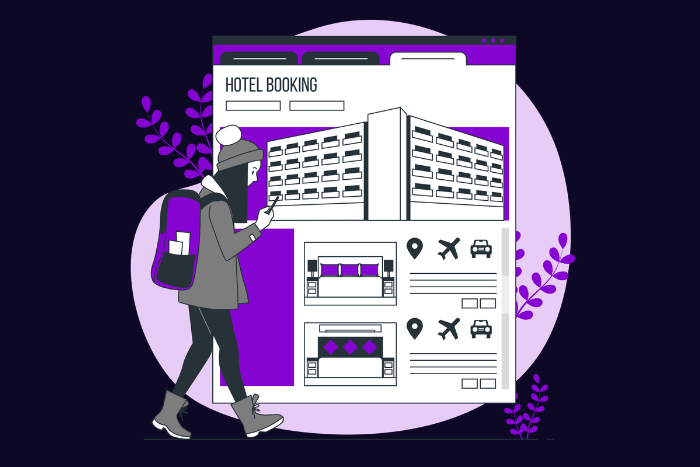
Hotel Booking System: The Smart Way to Manage Modern Hotel Reservations
Hotel Booking System: The Smart Way to Manage Modern Hotel Reservations Scalable Hotel Booking System to manage reservations, payments & room inventory. Boost direct bookings with secure, cloud-based solutions. Hotel Booking System A Hotel Booking System is a digital solution that enables hotels, resorts, boutique properties, and hospitality businesses to manage room reservations, availability, pricing, and guest data through an automated platform. In today’s competitive hospitality market, travelers expect real-time availability, instant confirmations, secure payments, and seamless mobile booking experiences. Relying on manual reservation methods or disconnected tools often results in overbookings, missed revenue opportunities, and poor guest communication. A modern Hotel Booking Platform integrates with your website, property management system (PMS), payment gateways, and third-party distribution channels to centralize operations. It helps hotels increase direct bookings, reduce reliance on online travel agencies (OTAs), automate workflows, and optimize room inventory management. Our Hotel Booking System solutions are designed to improve operational efficiency, enhance guest satisfaction, and maximize revenue. Built with scalability, automation, and data security in mind, our systems empower hospitality businesses to deliver a frictionless booking journey across web and mobile platforms. Why Hotel Booking System is Important The hospitality industry operates in real time. Availability, pricing, and guest communication must be accurate and synchronized across all channels. Without a centralized Hotel Booking System, properties face risks such as double bookings, manual errors, inconsistent pricing, and limited reporting visibility. A professional Hotel Reservation System is important because it: Enables 24/7 direct online reservations Prevents overbookings through real-time inventory management Automates confirmation emails and booking reminders Reduces dependency on OTAs and commission fees Enhances guest experience with instant booking confirmations Streamlines front desk operations Provides analytics for occupancy and revenue tracking Supports multi-currency and multilingual booking By implementing a scalable booking engine, hotels gain better control over room inventory, pricing strategies, and customer engagement. Types of Hotel Booking System Solutions Web-Based Booking System – Integrated booking engine embedded into hotel websites Central Reservation System (CRS) – Centralized platform managing multiple properties or chains Property Management Integrated Booking System – Booking engine connected directly with PMS for real-time room updates Mobile Hotel Booking Application – Android and iOS apps for direct reservations Multi-Property Booking Platform – Designed for hotel chains and franchise operations Cloud-Based Hotel Reservation System– SaaS-based solution accessible from anywhere Boutique & Small Hotel Booking System – Lightweight system optimized for small properties Custom Reservation System Development – Fully tailored solution built for unique operational needs Get Free Quotation Now..!! Key Features of Hotel Booking System Our solution includes advanced features designed for revenue growth and operational efficiency: Real-time room availability management Automated booking confirmations and reminders Secure online payment gateway integration Multi-currency and multilingual booking support Dynamic pricing and rate management OTA and channel manager integration Group booking management Mobile-responsive booking interface Add-ons and upsell functionality (meals, services, upgrades) Analytics dashboard for occupancy and revenue reports Inventory synchronization across platforms Role-based access control and advanced security These features help hotels increase direct bookings while delivering a smooth reservation experience. Development Process We follow a structured development approach to deliver a reliable and scalable Hotel Booking Platform: Requirement Analysis & Hospitality Workflow MappingUnderstanding your room categories, pricing structure, and operational needs. System Architecture & Booking UX DesignDesigning conversion-focused booking interfaces optimized for desktop and mobile users. Custom Module DevelopmentDeveloping booking engine, payment integration, inventory management, and reporting modules. Third-Party IntegrationIntegrating PMS, channel managers, OTAs, payment gateways, and CRM systems. Testing & Quality AssuranceEnsuring secure transactions, accurate inventory synchronization, and performance optimization. Deployment & Staff TrainingSmooth implementation with front desk and management team training. Post-Launch Support & OptimizationOngoing updates, analytics optimization, and system scalability enhancements. Technology Stack We leverage modern technologies to build secure and scalable Hotel Booking Systems: Front-End: React.js, Angular, Vue.js Back-End: Node.js, Python (Django), Java (Spring Boot), PHP (Laravel) Databases: PostgreSQL, MySQL, MongoDB Cloud Services: AWS, Microsoft Azure, Google Cloud Platform APIs: RESTful APIs, OTA integration APIs, payment gateway APIs DevOps: Docker, Kubernetes, CI/CD pipelines Security: SSL encryption, PCI-compliant payment processing, OAuth authentication Cost Factors of Hotel Booking System The cost of implementing a Hotel Reservation System depends on: Property size and number of rooms Multi-property or single-property deployment Customization level and design complexity Integration with PMS and channel managers Payment gateway integration Mobile application development Security and compliance requirements Ongoing maintenance and support Small boutique hotels may require simpler booking engines, while large hotel chains require enterprise-grade reservation management platforms. Latest Trends Modern Hotel Booking System solutions continue evolving with technology advancements: AI-driven dynamic pricing optimization Contactless check-in and digital key integration Mobile-first reservation experiences Voice search and booking capabilities Integration with global distribution systems (GDS) Chatbot-assisted booking support Data-driven revenue management Personalized upselling based on guest behavior These innovations help hotels increase occupancy rates while delivering superior guest experiences. Why Choose Us for Hotel Booking System Development Selecting the right development partner ensures your Hotel Booking Platform drives measurable results. We provide: Expertise in hospitality software development Scalable and cloud-based booking architecture Seamless PMS and OTA integration Conversion-optimized booking interfaces Strong data security and PCI compliance Revenue-focused features like upselling and dynamic pricing Dedicated implementation and long-term support We design Hotel Booking System solutions that increase direct bookings, streamline operations, and enhance guest satisfaction. Ready to boost your hotel’s direct reservations and revenue?Let’s build a powerful Hotel Booking System tailored to your property.Contact us today for a free consultation and customized solution roadmap. Get Free Quotation Now..!! Key Points : A Hotel Booking System allows guests to book rooms online anytime. Real-time availability helps prevent double bookings and errors. Online payment integration ensures secure and faster transactions. Automated confirmations improve guest trust and experience. Hotel Booking Systems reduce manual work and staff workload. Cloud-based systems offer remote access and scalability. Booking analytics help hotels make data-driven decisions. Guest data management supports personalized hotel services. FAQ’s What is a Hotel Booking System? A Hotel Booking System is software that allows guests to reserve rooms online while helping hotels manage availability and payments. How does a
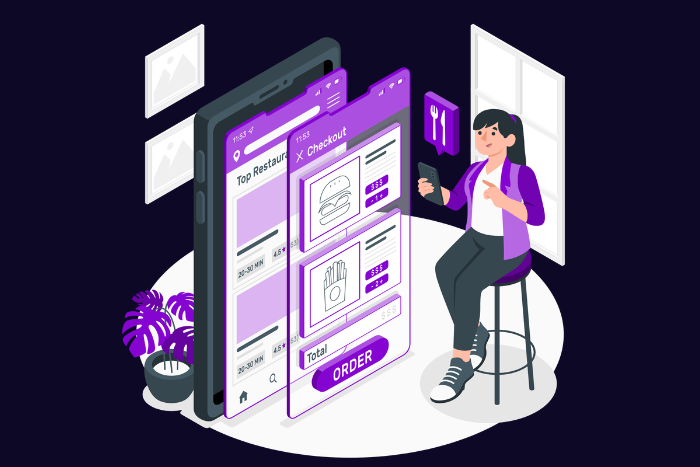
Restaurant POS (Point of Sale) System: The Smart Engine Behind Successful Restaurants
Restaurant POS (Point of Sale) System: The Smart Engine Behind Successful Restaurants Scalable Restaurant POS (Point of Sale) System for billing, inventory & payments. Cloud-based POS solutions to streamline restaurant operations. Restaurant POS (Point of Sale) System A Restaurant POS (Point of Sale) System is the operational backbone of modern food and beverage businesses. It goes far beyond simple billing , it connects ordering, kitchen operations, payments, inventory, staff management, and reporting into a unified platform. In today’s competitive hospitality industry, restaurants must deliver fast service, accurate orders, seamless payment processing, and data-driven decision-making to remain profitable. Traditional cash registers and disconnected systems create inefficiencies, slow down service, and increase human errors. A modern cloud-based Restaurant Point of Sale System streamlines workflows, improves order accuracy, integrates with online delivery platforms, and provides real-time business insights. Whether you operate a quick-service restaurant (QSR), full-service dining establishment, café, bar, food truck, or multi-location franchise, a scalable POS solution enhances operational efficiency and customer satisfaction. Our Restaurant POS (Point of Sale) System solutions are designed to optimize front-of-house and back-of-house operations while helping you maximize margins, improve service speed, and grow revenue. Why Restaurant POS (Point of Sale) System is Important Restaurants operate in high-pressure environments where speed and accuracy are critical. A robust Restaurant Point of Sale System ensures smooth order flow from table to kitchen while maintaining accurate billing and reporting. A modern POS system is important because it: Speeds up order processing and checkout Reduces billing and inventory errors Synchronizes online and in-house orders Improves table turnover and service efficiency Enables real-time inventory tracking Provides sales analytics and reporting Integrates loyalty programs and CRM tools Enhances staff productivity and accountability By implementing a Restaurant POS System, businesses can improve operational control, reduce costs, and deliver better dining experiences. Types of Restaurant POS System Solutions Cloud-Based Restaurant POS System – Web-based platform with remote access and automatic updates On-Premise POS System – Installed locally with full infrastructure control Mobile POS System – Tablet and smartphone-based POS for flexible service Quick-Service Restaurant (QSR) POS – Optimized for fast ordering and counter service Full-Service Restaurant POS – Designed for table management and waiter-based ordering Bar & Brewery POS System – Tailored for beverage tracking and high-volume transactions Multi-Location Restaurant POS Platform – Centralized management for chains and franchises Custom Restaurant POS Development – Fully tailored POS solution built around unique workflows Get Free Quotation Now..!! Key Features of Restaurant POS System Our Restaurant POS (Point of Sale) System includes powerful features designed for operational excellence: Order management and real-time synchronization Table layout and floor plan management Kitchen Display System (KDS) integration Integrated payment processing (card, digital wallet, contactless) Inventory and ingredient tracking Staff scheduling and access control CRM and loyalty program integration Online ordering and delivery integration Sales analytics and performance dashboards Multi-currency and tax management Offline mode functionality Secure role-based user permissions These features help restaurants improve order accuracy, reduce waste, and enhance customer satisfaction. Development Process for Restaurant POS (Point of Sale) System We follow a structured development approach to deliver a reliable Restaurant POS System: Business Requirement AnalysisUnderstanding your restaurant model, menu structure, and operational challenges. System Architecture & UI/UX DesignDesigning intuitive POS interfaces for quick order entry and easy navigation. Custom Module DevelopmentBuilding modules for billing, inventory, reporting, kitchen display, and staff management. Hardware & Payment IntegrationIntegrating POS terminals, receipt printers, barcode scanners, and secure payment gateways. Testing & Quality AssuranceEnsuring performance reliability during peak hours. Deployment & Staff TrainingSeamless implementation with hands-on training for employees. Ongoing Support & OptimizationContinuous updates, system monitoring, and feature improvements. Technology Stack We leverage modern technologies to build scalable Restaurant POS (Point of Sale) System solutions: Front-End: React.js, Angular, Vue.js Back-End: Node.js, Python (Django), Java (Spring Boot), .NET Databases: PostgreSQL, MySQL, MongoDB Cloud Services: AWS, Microsoft Azure, Google Cloud Platform APIs: RESTful APIs, payment gateway APIs, delivery platform integrations DevOps: Docker, Kubernetes, CI/CD pipelines Security: SSL encryption, PCI-compliant payment processing, multi-factor authentication Cost Factors The cost of implementing a Restaurant POS System depends on: Restaurant size and number of terminals Cloud-based vs. on-premise deployment Customization and integration needs Hardware requirements Payment gateway setup Multi-location management capability Advanced analytics and AI features Ongoing support and maintenance Small restaurants may adopt basic POS packages, while multi-location chains require enterprise-grade solutions. Latest Trends in Restaurant POS (Point of Sale) System Modern Restaurant POS systems continue evolving with innovative technologies: AI-driven demand forecasting Contactless and QR code ordering Self-service kiosks Mobile ordering and curbside pickup integration Voice-enabled ordering systems Real-time inventory automation Data-driven menu optimization Cloud-first POS infrastructure These advancements help restaurants increase efficiency, reduce labor costs, and improve guest experience. Why Choose Us for Restaurant POS (Point of Sale) System Development Selecting the right partner for Restaurant POS System development ensures operational success. We provide: Industry-specific POS expertise Scalable cloud-based architecture Seamless hardware and payment integration Customizable modules tailored to your workflow Strong focus on data security and PCI compliance Multi-location and franchise management support Dedicated post-launch support and system upgrades We build Restaurant POS systems that streamline operations, enhance service speed, and maximize profitability. Ready to modernize your restaurant operations and increase efficiency?Let’s implement a powerful Restaurant POS (Point of Sale) System tailored to your business.Contact us today for a free consultation and customized proposal. Get Free Quotation Now..!! Key Points : A Restaurant POS (Point of Sale) System manages orders, billing, and payments digitally. POS systems improve order accuracy and service speed in restaurants. Real-time order flow reduces kitchen errors and food waste. Integrated billing supports cashless and contactless payments. Inventory tracking helps control stock levels and costs. POS reports provide insights into sales trends and popular items. Cloud-based POS systems allow remote monitoring and scalability. Restaurant POS software boosts staff efficiency and customer satisfaction. FAQ’s What is a Restaurant POS (Point of Sale) System? A Restaurant POS System is software that manages billing, orders, payments, and inventory in restaurants. Can a Restaurant POS work offline? Yes, many modern POS systems support offline

