

How to Develop a Responsive Website?
Learn how to develop a responsive website with mobile-friendly design, SEO optimization, fast performance, and scalable solutions.
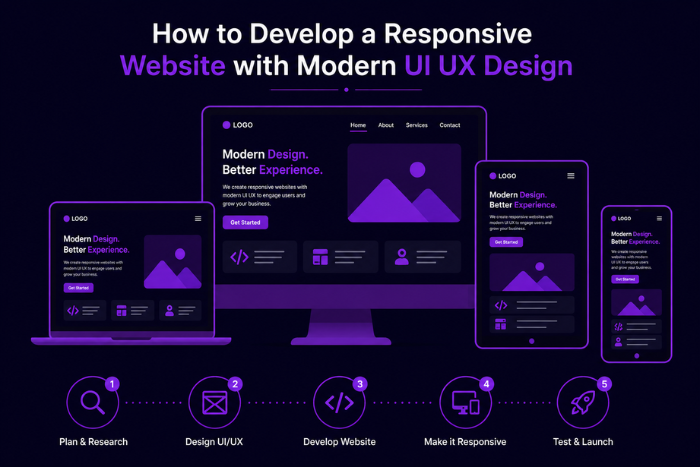
Introduction
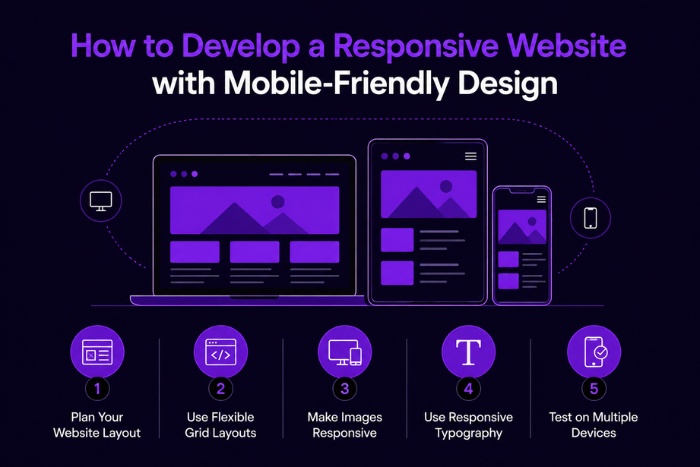
In today’s mobile-first digital landscape, businesses must ensure their websites provide seamless experiences across smartphones, tablets, laptops, and desktop devices. Understanding how to develop a responsive website is essential for companies looking to improve user engagement, search engine visibility, and online performance. A responsive website automatically adjusts its layout, content, images, and functionality based on screen size and device type, ensuring consistent usability and accessibility for all users.
Modern users expect fast-loading, visually appealing, and easy-to-navigate websites regardless of the device they use. Responsive website development helps businesses improve customer satisfaction, reduce bounce rates, and increase conversions. It also plays a critical role in SEO because search engines prioritize mobile-friendly websites in rankings. Businesses across industries such as eCommerce, healthcare, education, finance, hospitality, and technology rely on responsive web design to remain competitive in digital markets.
Responsive website development involves UI/UX design, flexible layouts, scalable images, CSS frameworks, performance optimization, cloud hosting, and cross-browser compatibility testing. By implementing responsive web development strategies, businesses can create future-ready digital platforms that improve accessibility, strengthen brand credibility, and support long-term business growth.
Why This Service is Important
- Improved Mobile User Experience
Responsive websites provide seamless browsing experiences across all devices. - Higher Search Engine Rankings
Mobile-friendly websites improve SEO performance and online visibility. - Better Customer Engagement
Optimized layouts increase user interaction and retention. - Faster Website Performance
Responsive designs improve loading speed and usability. - Cross-Device Compatibility
Websites work efficiently on smartphones, tablets, and desktops. - Increased Conversion Rates
Better user experiences help generate more leads and sales. - Cost-Effective Website Management
A single responsive website reduces maintenance complexity. - Future-Ready Digital Presence
Responsive architecture supports evolving devices and technologies.
Types of Solutions for How to Develop a Responsive Website
Business Responsive Websites
- Corporate company websites
- Service-focused business portals
- Brand identity platforms
eCommerce Responsive Websites
- Mobile-friendly online stores
- Responsive product pages
- Secure checkout experiences
Portfolio & Personal Websites
- Creative portfolio websites
- Freelancer showcase platforms
- Personal branding solutions
Educational Responsive Platforms
- Online learning websites
- Student portals
- Course management systems
Healthcare Responsive Websites
- Hospital and clinic websites
- Patient information portals
- Appointment booking systems
Booking & Reservation Websites
- Hotel reservation platforms
- Restaurant booking systems
- Appointment scheduling websites
Custom Responsive Web Applications
- CRM and ERP systems
- SaaS-based platforms
- Workflow automation dashboards
Key Features of How to Develop a Responsive Website
- Mobile-First Responsive Design
Websites are optimized primarily for mobile devices and smaller screens. - Flexible Grid Layouts
Dynamic layouts adapt to different screen sizes automatically. - Responsive Images & Media
Images and multimedia scale properly across devices. - Cross-Browser Compatibility
Websites function smoothly on Chrome, Safari, Firefox, and Edge. - Fast Website Loading Speed
Optimized performance improves user experiences and SEO. - SEO-Friendly Website Structure
Responsive coding enhances search engine indexing and rankings. - Touch-Friendly Navigation
User interfaces are optimized for mobile interactions and gestures. - Cloud-Based Hosting Infrastructure
Scalable hosting improves uptime and website performance. - Accessibility Optimization
Websites support usability for diverse audiences and devices. - Secure Website Architecture
SSL encryption and security tools protect user data. - Content Management System Integration
Easily manage content updates and website maintenance. - Analytics & Performance Tracking
Monitor traffic, user behavior, and engagement metrics.
Development Process
Requirement Analysis & Planning
- Understand business goals and target audiences
- Identify responsive design requirements
- Define website structure and feature scope
Mobile-First UI/UX Design
- Create responsive wireframes and layouts
- Optimize navigation for smaller screens
- Improve user accessibility and engagement
Frontend Development
- Build responsive page structures
- Implement flexible CSS frameworks
- Optimize media and interactive components
Backend Development & CMS Setup
- Configure databases and backend systems
- Integrate CMS and admin dashboards
- Set up APIs and server-side functionalities
Performance & SEO Optimization
- Optimize website speed and responsiveness
- Configure metadata and SEO structures
- Improve Core Web Vitals performance
Third-Party Integration
- Add payment gateways and CRM tools
- Integrate analytics and marketing systems
- Configure automation workflows
Testing & Quality Assurance
- Conduct cross-browser compatibility testing
- Test responsiveness across multiple devices
- Optimize security and website stability
Deployment & Website Launch
- Configure cloud hosting environments
- Deploy websites to production servers
- Monitor traffic and performance after launch
Maintenance & Continuous Improvements
- Update content and responsive components
- Monitor website analytics and performance
- Implement feature upgrades and optimizations
Technology Stack for How to Develop a Responsive Website
Frontend Technologies
- HTML5
- CSS3
- JavaScript
- React.js
CSS Frameworks
- Bootstrap
- Tailwind CSS
- Foundation
- Material UI
Backend Technologies
- Node.js
- PHP
- Python
- Laravel
CMS Platforms
- WordPress
- Webflow
- Shopify
- Drupal
Database Solutions
- MySQL
- PostgreSQL
- MongoDB
Cloud Hosting Platforms
- AWS
- Google Cloud Platform
- Microsoft Azure
SEO & Analytics Tools
- Google Analytics
- Google Search Console
- SEMrush
- Ahrefs
Security & Performance Tools
- SSL Certificates
- Cloudflare CDN
- OAuth Authentication
- Firewall Protection
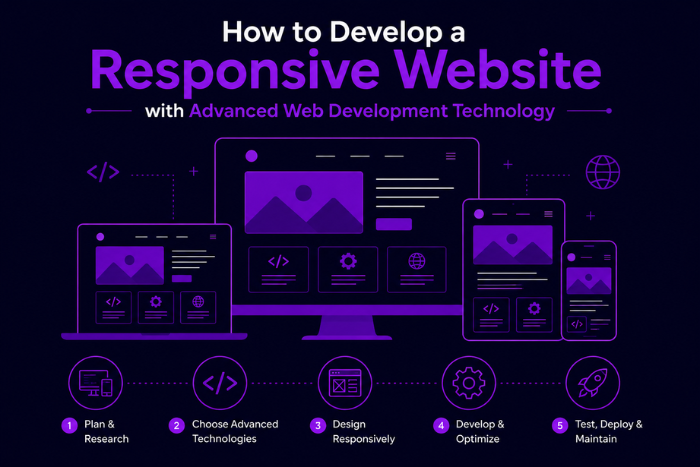
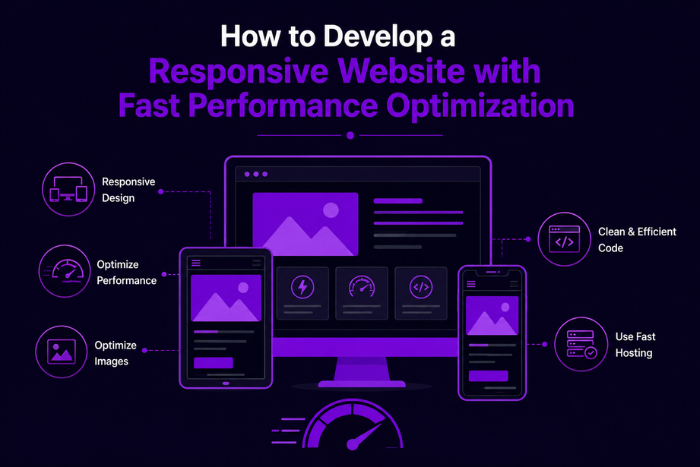
Cost Factors for How to Develop a Responsive Website
- Website Complexity
Advanced functionalities and custom features increase development costs. - Responsive UI/UX Design
Personalized mobile-friendly layouts affect project pricing. - Frontend & Backend Development
Complex coding structures impact overall budgets. - Third-Party Integrations
Payment gateways and CRM systems add implementation costs. - SEO & Performance Optimization
Advanced optimization services require additional investment. - Cloud Hosting & Infrastructure
Scalable hosting environments influence operational expenses. - Security & Compliance Requirements
SSL, firewalls, and data protection systems increase costs. - Maintenance & Technical Support
Ongoing updates and performance monitoring contribute to long-term investment.
Latest Trends
- Mobile-First Web Development
Websites are designed primarily for mobile users before desktop optimization. - Progressive Web Applications (PWAs)
Websites now provide app-like experiences with offline capabilities. - AI-Powered Responsive Design
AI tools automate layout optimization and content personalization. - Voice Search Optimization
Responsive websites support voice-based search interactions. - Dark Mode & Adaptive UI
Websites now adapt themes based on user preferences and devices. - Cloud-Native Responsive Infrastructure
Cloud hosting improves scalability and performance reliability. - Interactive UI Animations
Dynamic interfaces improve engagement and conversion rates. - Core Web Vitals Optimization
Businesses focus on speed, responsiveness, and visual stability for SEO.
Why Choose Us
Experienced Responsive Web Developers
- Expertise in mobile-first website development
- Industry-focused responsive web solutions
- Scalable and future-ready architecture
Customized Responsive Website Solutions
- Tailored responsive designs for businesses
- Flexible layouts and UI customization
- Personalized branding and functionality
SEO & Performance Optimization
- Search-engine-friendly responsive structures
- Fast-loading and optimized web pages
- Improved website visibility and rankings
Advanced Technology Integration
- Cloud hosting and API integration
- CRM and payment gateway implementation
- Analytics and automation support
User-Focused Website Experiences
- Intuitive navigation and accessibility
- Conversion-focused responsive layouts
- Enhanced customer engagement strategies
End-to-End Development Support
- Consultation and planning services
- Deployment and launch assistance
- Ongoing maintenance and technical support
Cost-Effective Responsive Web Solutions
- Affordable responsive website packages
- Transparent pricing structures
- High-quality website delivery standards
We help businesses create responsive, scalable, and SEO-friendly websites that improve user experiences and support long-term digital growth.
Ready to develop a responsive website for your business?
Contact us today for customized responsive web development solutions.
Let’s build a fast, mobile-friendly, and future-ready website tailored to your goals.
Key Points :
- Responsive web design improves user experience, SEO rankings, and customer engagement.
- Mobile-first development ensures better performance across all screen sizes and browsers.
- Flexible layouts, responsive images, and CSS frameworks improve website adaptability.
- Fast-loading responsive websites reduce bounce rates and increase conversion opportunities.
- SEO-friendly responsive websites improve search engine visibility and online reach.
- Cloud hosting and scalable infrastructure enhance website reliability and performance.
FAQ's
Responsive websites are developed using flexible layouts, CSS frameworks, responsive images, and mobile-first design principles.
Responsive design improves user experiences, SEO rankings, and accessibility across multiple devices.
Yes, search engines prioritize mobile-friendly and responsive websites in rankings.
Development timelines depend on website complexity, features, integrations, and customization requirements.
Yes, responsive layouts improve usability and customer engagement, leading to higher conversions.
Mobile-first development focuses on designing websites for smartphones before optimizing for larger screens.