
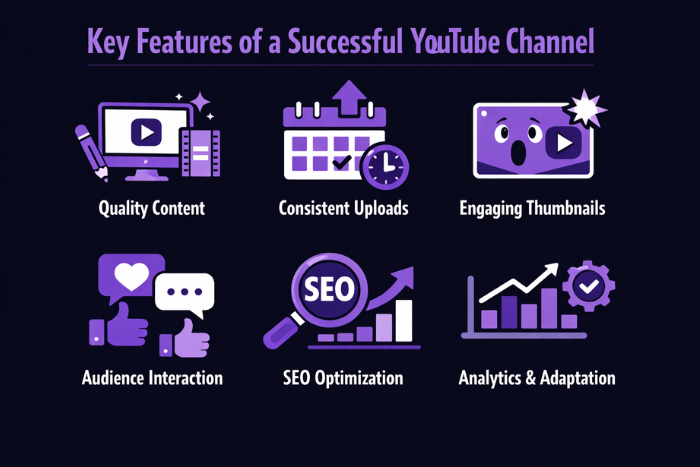
Key Features of a Successful YouTube Channel Discover the key features of a successful YouTube channel including SEO optimization, engaging thumbnails, consistent uploads, and audience engagement strategies. Key Features of a Successful YouTube Channel YouTube has become one of the most powerful digital platforms for content creators, businesses, educators, and influencers. With billions of active users watching videos daily, YouTube offers immense opportunities to reach global audiences, build brand authority, and generate revenue. However, creating a channel alone is not enough. Understanding the key features of a successful YouTube channel is essential for achieving long-term growth and engagement. A successful YouTube channel requires a combination of strong branding, high-quality video content, strategic optimization, and consistent publishing. From compelling thumbnails and SEO-optimized titles to audience interaction and analytics tracking, multiple factors contribute to a channel’s success. Modern creators also use advanced tools such as YouTube analytics, content scheduling, playlist organization, and social media integration to grow their channels. These features help creators understand viewer behavior, improve content strategies, and expand their subscriber base. Whether you are building a personal vlog channel, an educational platform, or a business marketing channel, implementing the right features ensures better visibility, stronger audience engagement, and sustainable channel growth. Why Key Features of a Successful YouTube Channel Are Important YouTube is a highly competitive platform where thousands of videos are uploaded every minute. Without the right strategies and features, channels may struggle to gain visibility or attract subscribers. Here’s why implementing the key features of a successful YouTube channel is essential: Higher Discoverability Optimized titles, descriptions, and keywords help videos appear in search results. Stronger Brand Identity Consistent branding builds recognition and credibility among viewers. Improved Audience Engagement Interactive elements encourage viewers to like, comment, and share videos. Better Content Organization Playlists and structured channel layouts make it easier for viewers to explore content. Performance Tracking Analytics tools provide insights into viewer behavior and video performance. Monetization Opportunities Successful channels can generate revenue through ads, sponsorships, and memberships. By implementing these features, creators can grow their channels and build loyal communities around their content. Types of YouTube Channel Solutions YouTube channels can be created for various purposes depending on the content strategy and target audience. Educational Channels Channels focused on tutorials, online learning, and skill development. Entertainment Channels Content such as vlogs, comedy, gaming, and lifestyle videos. Business and Marketing Channels Brands use YouTube to showcase products, share insights, and build customer relationships. Technology and Review Channels Channels reviewing gadgets, software, and digital products. Podcast and Interview Channels Platforms sharing discussions, interviews, and long-form conversations. Each type of YouTube channel requires different strategies and features to maximize audience engagement and growth. Get Free Quotation Now..!! Key Features of a Successful YouTube Channel A high-performing YouTube channel includes several features that help attract viewers and encourage long-term engagement. Strong Channel Branding Professional channel art, logos, and consistent visual identity help establish credibility. High-Quality Video Production Clear audio, high-resolution visuals, and well-edited videos improve viewer retention. Compelling Video Thumbnails Custom thumbnails increase click-through rates and attract viewers. SEO-Optimized Titles and Descriptions Proper keyword usage helps videos appear in search results. Content Consistency Regular video uploads keep audiences engaged and improve channel growth. Playlist Organization Playlists group related videos, making it easier for viewers to explore content. Engaging Video Introductions Strong openings capture viewer attention in the first few seconds. Audience Interaction Replying to comments and encouraging discussions builds community engagement. YouTube Shorts Integration Short-form videos help attract new audiences and increase visibility. Analytics and Performance Insights YouTube analytics help creators track views, watch time, and subscriber growth. Cross-Platform Promotion Sharing videos on social media platforms expands reach and traffic. Monetization Options Ads, memberships, sponsorships, and affiliate marketing support revenue generation. These features help creators build professional channels that attract viewers and sustain long-term growth. Development Process for a Successful YouTube Channel Building a successful YouTube channel involves strategic planning and consistent content creation. Channel Strategy Planning Define the niche, target audience, and content goals. Brand Identity Creation Design channel logos, banners, and visual branding elements. Content Planning and Scheduling Create a publishing calendar for consistent video uploads. Video Production and Editing Record, edit, and optimize videos for high-quality viewing experiences. SEO Optimization Optimize video titles, descriptions, and tags for search visibility. Audience Engagement Strategy Encourage viewers to like, comment, and subscribe. Performance Analysis Monitor analytics to improve content strategies. Channel Growth and Promotion Promote videos across social media and digital platforms. This structured approach ensures that the YouTube channel grows steadily while maintaining content quality. Technology Stack for YouTube Channel Growth Content creators rely on various tools and technologies to manage and optimize their YouTube channels. Video Editing Tools: Adobe Premiere Pro, Final Cut Pro, DaVinci Resolve Graphic Design Tools: Canva, Photoshop SEO Tools: TubeBuddy, VidIQ Analytics Tools: YouTube Analytics, Google Analytics Audio Tools: Audacity, Adobe Audition Content Scheduling Tools: Hootsuite, Buffer Streaming Tools: OBS Studio, Streamlabs Cloud Storage: Google Drive, Dropbox These tools help creators produce high-quality videos and manage content efficiently. Cost Factors in Building a Successful YouTube Channel The cost of running a YouTube channel varies depending on equipment, production quality, and marketing efforts. Key cost factors include: Video recording equipment such as cameras and microphones Lighting and studio setup Video editing software and tools Graphic design for thumbnails and channel branding Marketing and promotion strategies SEO optimization tools Content production and editing services Ongoing content creation and channel management Creators can start with basic equipment and gradually upgrade as their channels grow. Latest Trends in YouTube Channel Growth YouTube continues to evolve with new features and content formats that improve audience engagement. Key trends include: Short-form content through YouTube Shorts AI-powered video editing and optimization tools Interactive live streaming sessions Community posts and audience polls Collaboration between creators Data-driven content strategies using analytics Multi-platform content distribution Subscription-based creator memberships These trends help creators reach new audiences and maintain strong engagement. Why Choose Us for YouTube Channel Strategy and Development? Growing a successful YouTube channel
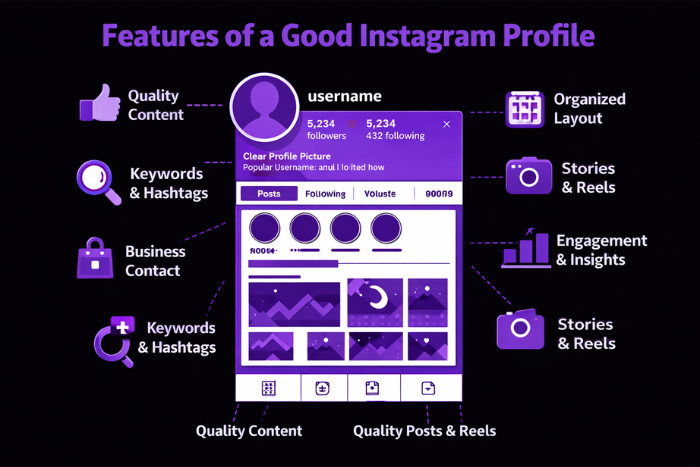
Features of a Good Instagram Profile
Features of a Good Instagram Profile Discover the key features of a good Instagram profile including optimized bio, engaging content, branding, analytics tools, and audience engagement strategies. Features of a Good Instagram Profile Instagram has evolved into one of the most influential social media platforms for individuals, creators, and businesses. With over a billion active users, Instagram offers powerful opportunities to build brand awareness, connect with audiences, and promote products or services. However, simply creating an account is not enough to stand out. Understanding the features of a good Instagram profile is essential for attracting followers, increasing engagement, and building a strong digital presence. A well-optimized Instagram profile acts as a digital storefront where visitors quickly decide whether to follow your account or explore your content further. From profile photos and bio descriptions to content quality and engagement strategies, every element of a profile contributes to its success. Successful Instagram profiles combine strong branding, high-quality visuals, consistent posting, and effective use of platform features such as reels, stories, and highlights. Additionally, tools like analytics dashboards and business features help users track performance and optimize their content strategies. Whether you are an influencer, entrepreneur, or business owner, implementing the right features ensures your Instagram profile attracts the right audience and supports long-term growth. Why Features of a Good Instagram Profile Are Important Instagram profiles serve as the first impression for audiences discovering your brand or content. A poorly optimized profile may struggle to attract followers or build engagement. Here’s why the features of a good Instagram profile are important: Strong First Impression A professional profile encourages visitors to follow your account. Improved Brand Identity Consistent visuals and messaging help strengthen brand recognition. Higher Engagement Rates Interactive features encourage followers to like, comment, and share posts. Better Content Discoverability Strategic hashtags and optimized captions improve visibility in search results. Audience Trust and Credibility Professional profiles build trust with potential customers and followers. Performance Tracking Analytics tools help users track engagement and improve content strategies. By implementing these features, Instagram users can build stronger communities and expand their reach on the platform. Types of Instagram Profile Solutions Instagram profiles can serve different purposes depending on the user’s goals and audience. Personal Profiles Accounts used by individuals to share personal experiences, hobbies, and lifestyle content. Creator Profiles Profiles designed for influencers, bloggers, and content creators. Business Profiles Accounts used by brands and companies to promote products or services. Portfolio Profiles Profiles showcasing creative work such as photography, design, or art. Community Profiles Accounts created to build communities around specific interests or niches. Each type of profile requires specific features and strategies to maximize engagement and growth. Get Free Quotation Now..!! Key Features of a Good Instagram Profile A successful Instagram profile includes several features that help attract followers and encourage engagement. Professional Profile Photo A clear and recognizable profile image strengthens brand identity. Optimized Bio Section A concise and informative bio explains what the account represents. Clickable Bio Link Links in the bio direct visitors to websites, landing pages, or online stores. Consistent Visual Branding Cohesive color palettes and design styles improve profile aesthetics. High-Quality Content Visually appealing photos, videos, and reels attract audience attention. Instagram Highlights Story highlights organize important content for easy access. Engaging Captions and Hashtags Captions and hashtags increase discoverability and audience interaction. Reels and Short Video Content Short-form videos help profiles reach wider audiences. Consistent Posting Schedule Regular content updates maintain follower engagement. Audience Interaction Responding to comments and messages builds community relationships. Analytics and Insights Instagram analytics help track engagement and content performance. Shopping and Monetization Tools Business accounts can integrate shopping features and promotional tools. These features help Instagram users build professional profiles that attract followers and increase engagement. Development Process for a Successful Instagram Profile Building a successful Instagram profile with key features involves strategic planning and consistent content creation. Profile Strategy Planning Define the account’s niche, target audience, and branding strategy. Profile Optimization Create a professional bio, profile photo, and highlight structure. Content Planning Develop a content calendar for consistent posting. Visual Branding Maintain consistent colors, themes, and visual styles. Engagement Strategy Interact with followers through comments, stories, and direct messages. Hashtag and SEO Optimization Use relevant hashtags and captions to improve content discoverability. Analytics Monitoring Track performance using Instagram insights. Continuous Content Improvement Adjust strategies based on engagement and audience behavior. This structured process helps Instagram users grow their profiles effectively. Technology Stack Content creators and businesses use various tools to manage and optimize their Instagram profiles. Graphic Design Tools: Canva, Photoshop Video Editing Tools: Adobe Premiere Pro, CapCut Content Scheduling Tools: Hootsuite, Buffer, Later Analytics Tools: Instagram Insights, Social Blade Hashtag Research Tools: Flick, Hashtagify Content Planning Tools: Notion, Trello Social Media Management Tools: Sprout Social, Hootsuite Cloud Storage: Google Drive, Dropbox These tools help users streamline content creation and manage their social media strategies. Cost Factors in Instagram Profile Growth The cost of growing an Instagram profile with essential features varies depending on content production quality and marketing efforts. Key cost factors include: Photography and video production equipment Graphic design and editing tools Social media management software Advertising campaigns and promotions Influencer collaborations Content production services Branding and marketing strategy development Ongoing content creation and management Individuals and businesses can start with minimal resources and scale their investments as their profiles grow. Latest Trends Instagram Profile continues to introduce new features that enhance content discovery and engagement. Key trends include: Short-form video content through Instagram Reels AI-powered content recommendations Interactive story features such as polls and quizzes Instagram shopping and e-commerce integration Creator collaborations and influencer marketing Live streaming and real-time engagement Personalized content feeds Data-driven content strategies using analytics These trends help users stay competitive and maintain strong engagement on the platform. Why Choose Us for Instagram Profile Strategy and Growth? Building a successful Instagram profile requires expertise in branding, content strategy, and social media marketing. Our team specializes in helping individuals and businesses create high-performing Instagram profiles that attract
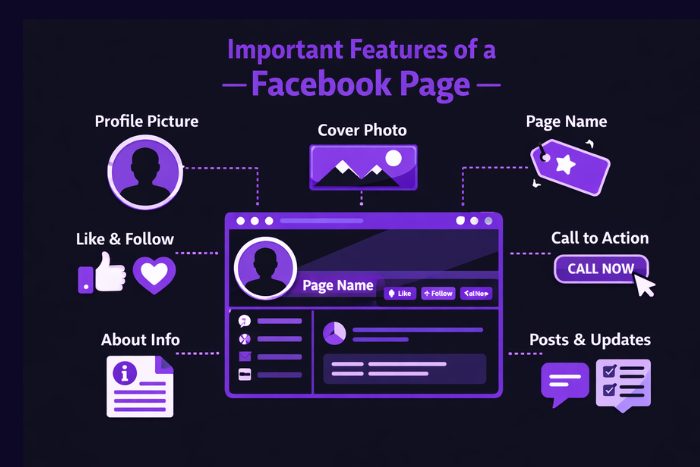
Important Features of a Facebook Page
Important Features of a Facebook Page Learn the important features of a Facebook page including profile setup, content strategy, messaging tools, analytics, and advertising for business growth. Important Features of a Facebook Page Facebook remains one of the most influential social media platforms for businesses, brands, creators, and organizations. With billions of active users worldwide, Facebook provides a powerful opportunity to connect with audiences, promote products or services, and build strong online communities. To maximize these opportunities, it is important to understand the important features of a Facebook page that help businesses attract followers and engage with customers effectively. A well-optimized Facebook page acts as a digital storefront where potential customers can discover your brand, learn about your services, and interact with your content. From profile images and cover photos to messaging tools and analytics dashboards, each feature contributes to the overall success of your page. Modern Facebook pages also include advanced capabilities such as advertising tools, content scheduling, customer communication features, and performance insights. These tools help businesses reach targeted audiences, monitor engagement, and refine their social media strategies. Whether you are creating a Facebook page for a small business, a personal brand, or a large organization, implementing the right features ensures stronger audience engagement, improved visibility, and long-term growth. Why Important Features of a Facebook Page Are Important A Facebook page serves as a central hub for communication, marketing, and brand visibility. Without proper optimization and engagement strategies, businesses may struggle to attract followers or generate meaningful interactions. Here’s why the important features of a Facebook page are essential: Improved Brand Visibility A well-optimized Facebook page helps businesses reach wider audiences. Customer Engagement Interactive features enable direct communication with followers. Lead Generation Opportunities Facebook pages can drive traffic to websites or online stores. Business Credibility Professional pages build trust among potential customers. Content Promotion Businesses can share updates, promotions, and announcements. Performance Insights Analytics tools help track engagement and audience behavior. By implementing these features effectively, businesses can build stronger relationships with their audiences and increase brand awareness. Types of Facebook Page Solutions Facebook pages can be created for different purposes depending on business goals and audience needs. Business Pages Companies use Facebook pages to promote products, services, and brand updates. Creator or Influencer Pages Content creators use Facebook pages to build communities and share media content. Community Pages Pages created to connect people around shared interests or causes. E-commerce Pages Businesses showcase products and integrate shopping features. Educational and Nonprofit Pages Organizations use pages to spread awareness and share valuable information. Each type of page requires specific strategies and features to maximize engagement and reach. Get Free Quotation Now..!! Key Features of a Facebook Page A successful Facebook page includes several features that help attract followers and encourage audience interaction. Professional Profile and Cover Images High-quality profile and cover images strengthen brand identity. Complete Business Information Details such as address, contact information, and website links help customers find your business. Content Publishing Tools Posting updates, images, and videos keeps audiences informed and engaged. Messaging and Customer Support Facebook Messenger allows businesses to communicate directly with customers. Call-to-Action Buttons Buttons such as “Contact Us,” “Shop Now,” or “Book Now” encourage users to take action. Facebook Insights and Analytics Analytics tools provide data on reach, engagement, and audience demographics. Event and Promotion Tools Businesses can create events and promotions to attract more participants. Facebook Advertising Integration Ads help businesses target specific audiences and expand reach. Community Interaction Features Likes, comments, and shares encourage audience participation. Content Scheduling Tools Scheduled posts help maintain consistent content updates. Page Reviews and Recommendations Customer reviews build credibility and trust. Integration with Other Platforms Facebook pages can connect with websites, Instagram, and other social channels. These features help businesses build effective Facebook pages that attract followers and generate engagement. Development Process Creating a professional Facebook page with key features requires strategic planning and consistent management. Page Setup and Branding Create the page with accurate business details and branding elements. Profile Optimization Add profile pictures, cover images, and optimized descriptions. Content Strategy Development Plan posts including images, videos, and promotions. Audience Engagement Strategy Respond to comments, messages, and feedback. Advertising and Promotion Use Facebook ads to expand audience reach. Analytics Monitoring Track performance metrics using Facebook Insights. Community Building Encourage interaction through polls, events, and discussions. Continuous Content Improvement Refine strategies based on engagement data. This process ensures that the Facebook page remains active and relevant to its audience. Technology Stack for Facebook Page Management Businesses often use additional tools to manage and optimize their Facebook pages effectively. Graphic Design Tools: Canva, Photoshop Video Editing Tools: Adobe Premiere Pro, CapCut Social Media Management Tools: Hootsuite, Buffer, Sprout Social Analytics Tools: Facebook Insights, Google Analytics Content Planning Tools: Notion, Trello Advertising Platforms: Facebook Ads Manager Cloud Storage: Google Drive, Dropbox Automation Tools: Zapier, Meta Business Suite These tools help businesses streamline content creation and social media management. Cost Factors in Facebook Page Growth The cost of managing and growing a Facebook page with essential features depends on several factors. Key cost considerations include: Graphic design and branding materials Content production such as photos and videos Social media management software Paid advertising campaigns Influencer collaborations Marketing and promotional strategies Analytics and reporting tools Ongoing content management Businesses can start with organic growth strategies and later invest in advertising to accelerate reach. Latest Trends Facebook continues to introduce new features and trends that enhance engagement and marketing opportunities. Key trends include: Short-form video content through Facebook Reels AI-powered content recommendations Live streaming for real-time engagement Facebook Shops for e-commerce integration Community groups connected to pages Automated chatbots for customer support Personalized advertising campaigns Data-driven marketing strategies using analytics These innovations help businesses remain competitive and maintain strong social media engagement. Why Choose Us for Facebook Page Strategy and Growth? Creating a successful Facebook page with advanced features requires expertise in branding, content strategy, and social media marketing. Our team specializes in helping businesses build high-performing Facebook pages
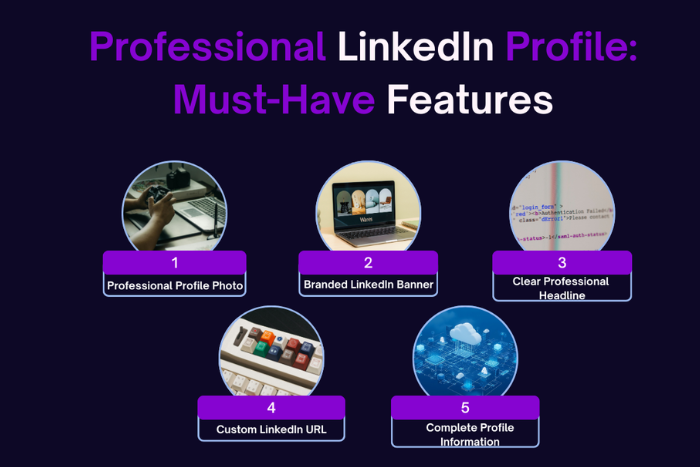
Must-Have Features of a LinkedIn Profile
Must-Have Features of a LinkedIn Profile Discover the must-have features of a LinkedIn profile including headline optimization, professional branding, skills, recommendations, and networking tools Must-Have Features of a LinkedIn Profile LinkedIn has become the leading professional networking platform for individuals, businesses, recruiters, and entrepreneurs. With millions of professionals using LinkedIn daily to connect, collaborate, and discover career opportunities, having a well-optimized profile is essential for building a strong digital presence. Understanding the must-have features of a LinkedIn profile can help professionals stand out, attract opportunities, and establish credibility in their industry. A well-crafted LinkedIn profile acts as a digital resume and personal brand hub. It highlights your professional experience, achievements, skills, and expertise while allowing recruiters and potential clients to understand your value quickly. From a professional profile photo and compelling headline to recommendations and skill endorsements, each feature contributes to your overall professional reputation. LinkedIn also offers powerful networking and content-sharing tools that enable users to expand their connections and build authority in their field. Whether you are a job seeker, business owner, freelancer, or corporate professional, optimizing your LinkedIn profile with the right features can significantly increase your visibility and career opportunities. In this guide, we will explore the most important LinkedIn profile features, strategies for optimization, and best practices to help you create a powerful professional profile. Why Must-Have Features of a LinkedIn Profile Are Important A LinkedIn profile is more than just an online resume. It serves as a professional identity that allows individuals to showcase expertise, connect with industry professionals, and build credibility. Here’s why these features are important: Professional Branding A well-optimized profile helps establish a strong personal brand. Career Opportunities Recruiters often search LinkedIn to find potential candidates. Networking and Connections LinkedIn enables professionals to connect with industry leaders and peers. Lead Generation Businesses and freelancers can attract clients through their profiles. Authority Building Sharing valuable content positions users as industry experts. Global Visibility LinkedIn profiles are visible worldwide, expanding career opportunities. By leveraging the right profile features, professionals can enhance their online presence and achieve long-term career growth. Types of LinkedIn Profile Solutions Different professionals use LinkedIn profiles for various purposes depending on their goals and industries. Professional Career Profiles Used by job seekers and employees to showcase experience and skills. Personal Branding Profiles Entrepreneurs and influencers build authority and thought leadership. Business Owner Profiles Entrepreneurs use LinkedIn to promote their services and connect with clients. Recruiter Profiles HR professionals use LinkedIn to find and evaluate talent. Freelancer and Consultant Profiles Independent professionals showcase services and attract new projects. Each type of LinkedIn profile requires a unique strategy and optimization approach. Get Free Quotation Now..!! Key Features of a LinkedIn Profile A successful LinkedIn profile includes several important features that help professionals stand out. Professional Profile Photo A clear and professional image increases profile credibility. Compelling Headline A strong headline highlights your expertise and professional value. Optimized About Section The summary section should explain your skills, experience, and career goals. Experience and Work History Detailed descriptions of roles and achievements showcase professional growth. Skills and Endorsements Listing relevant skills helps recruiters find your profile through LinkedIn search. Recommendations Testimonials from colleagues and clients strengthen professional credibility. Featured Content Section Users can showcase projects, portfolios, articles, and media. Education and Certifications Highlighting academic qualifications and certifications builds trust. Custom Profile URL A personalized LinkedIn URL makes profiles easier to share and remember. Activity and Content Sharing Posting articles, updates, and insights demonstrates industry knowledge. Networking and Connections Building connections expands professional reach. LinkedIn Analytics and Insights Profile analytics show who viewed your profile and engagement metrics. These features collectively create a powerful LinkedIn profile that attracts recruiters and business opportunities. Development Process for an Optimized LinkedIn Account Creating a strong LinkedIn profile with essential features involves several steps to ensure visibility and professionalism. Profile Setup and Branding Upload a professional profile photo and banner image. Headline and Bio Optimization Write an engaging headline and detailed summary. Experience and Skill Listing Add professional experience, achievements, and relevant skills. Portfolio and Featured Content Showcase work samples, projects, and publications. Networking Strategy Connect with industry professionals and colleagues. Content Engagement Share insights, posts, and articles regularly. Recommendations and Endorsements Request recommendations from trusted connections. Profile Monitoring and Updates Continuously update the profile with new achievements and skills. This process ensures a professional and impactful LinkedIn presence. Technology Stack for LinkedIn Profile Optimization Several tools can help professionals enhance their LinkedIn presence. Design Tools: Canva, Photoshop Content Creation Tools: Grammarly, Notion Video Tools: Loom, CapCut Analytics Tools: LinkedIn Analytics, Google Analytics Scheduling Tools: Hootsuite, Buffer Automation Tools: Zapier Portfolio Platforms: Behance, GitHub, Dribbble These tools help professionals create engaging content and manage their online presence effectively. Cost Factors in LinkedIn Profile Development While creating a LinkedIn profile is free, optimizing and promoting it may involve additional costs. Key cost considerations include: Personal branding services Professional photography Graphic design for banners and posts Content creation and copywriting LinkedIn premium subscription LinkedIn advertising campaigns Marketing automation tools Profile optimization consulting These investments can significantly improve profile visibility and career opportunities. Latest Trends in LinkedIn Account Optimization LinkedIn continues to evolve with new features that enhance professional networking. Key trends include: Video introductions on profiles Creator mode for content creators AI-powered job recommendations LinkedIn newsletters and long-form content LinkedIn Live and webinars Personal branding through storytelling Industry-specific networking groups Advanced analytics and audience insights These trends help professionals build stronger networks and increase their professional impact. Why Choose Us for LinkedIn Profile Optimization? Creating a powerful LinkedIn profile with key features requires expertise in personal branding, content strategy, and professional positioning. Our team helps professionals and businesses optimize their LinkedIn profiles to attract opportunities and build credibility. Here’s why clients choose us: Professional Profile Optimization We create impactful profiles that highlight expertise. Personal Branding Strategy Build a strong professional identity on LinkedIn. SEO-Friendly Profile Writing Optimized keywords improve profile discoverability. Content Strategy Development Engaging posts and articles to increase
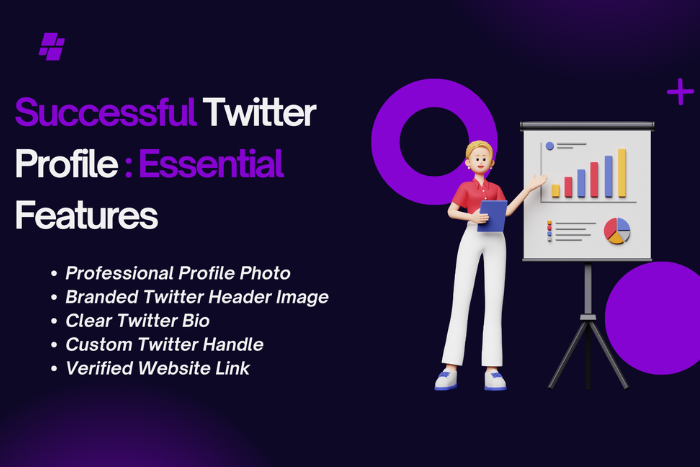
Features of a Successful Twitter Profile
Features of a Successful Twitter Profile Discover the features of a successful Twitter profile including branding, bio optimization, engagement strategies, analytics, and growth tools. Features of a Successful Twitter Profile Twitter (now widely known as X) has become one of the most powerful social media platforms for real-time communication, brand visibility, and audience engagement. Businesses, creators, influencers, and organizations use Twitter to share updates, promote content, connect with followers, and build strong online communities. To stand out on this fast-moving platform, it is essential to understand the features of a successful Twitter profile and how they contribute to online growth. A well-optimized Twitter profile acts as the foundation of a brand’s social media presence. It represents your identity, communicates your expertise, and encourages users to follow and engage with your content. From a professional profile photo and compelling bio to consistent content posting and strategic hashtag use, each element plays an important role in building credibility. Successful Twitter profiles also utilize analytics, trending topics, multimedia content, and interactive tools to increase reach and engagement. When these features are used effectively, they help businesses attract followers, build trust, and drive traffic to websites or other digital platforms. In this guide, we will explore the key features that make a Twitter profile successful, along with strategies, tools, and best practices for building a powerful presence on the platform. Why This Service Is Important Creating a professional and optimized Twitter profile is crucial for businesses and individuals who want to build a strong digital presence. Without the right features and strategy, profiles may struggle to attract followers or generate meaningful engagement. Here’s why the features of a successful Twitter profile matter: Improves Brand Visibility A well-optimized profile increases discoverability on Twitter searches. Builds Credibility Professional profiles appear more trustworthy and authoritative. Enhances Audience Engagement Interactive features encourage users to respond, like, and share content. Drives Website Traffic Twitter profiles can direct users to websites, blogs, and landing pages. Supports Marketing Campaigns Businesses can promote products, services, and campaigns effectively. Provides Data Insights Twitter analytics help track engagement and audience behavior. By implementing the right profile features and strategies, businesses can grow their online presence and connect with larger audiences. Types of Successful Twitter Profile Solutions Twitter profiles can serve different purposes depending on the goals of the individual or organization. Business Profiles Companies use Twitter to share updates, promotions, and customer support. Personal Branding Profiles Entrepreneurs and influencers build authority in specific industries. Media and News Profiles Journalists and media companies use Twitter for real-time news updates. Community or Niche Profiles Communities share discussions around specific topics or interests. Customer Support Profiles Brands use dedicated accounts to assist customers and resolve issues. Each type of Twitter profile requires tailored content strategies and features to achieve the best results. Get Free Quotation Now..!! Key Features of a Successful Twitter Profile A successful Twitter profile combines strong branding, consistent content, and audience engagement strategies. Professional Profile Photo A clear and recognizable profile image strengthens brand identity. Optimized Username and Handle A short, memorable handle makes it easier for users to find and tag your profile. Compelling Bio The bio should clearly explain who you are and what value you provide. Profile Banner Image A visually appealing banner highlights brand personality or promotions. Pinned Tweet Pinning important content ensures visitors see your most valuable post first. Consistent Content Strategy Regular tweets keep followers engaged and informed. Hashtag Optimization Strategic hashtags increase visibility and reach new audiences. Multimedia Content Images, GIFs, videos, and polls improve engagement rates. Engagement with Followers Responding to comments and mentions builds stronger relationships. Twitter Spaces and Live Conversations Audio discussions help create deeper connections with audiences. Twitter Analytics Insights help track impressions, engagement, and audience growth. Link Integration Profiles should include links to websites, landing pages, or portfolios. These features help create a professional Twitter profile that attracts followers and builds a loyal audience. Development Process for Building a Successful Twitter Profile Creating a high-performing Twitter profile requires strategic planning and continuous optimization. Profile Setup and Branding Create a professional profile with logo, banner image, and optimized bio. Audience Research Identify the target audience and their interests. Content Strategy Planning Develop a consistent posting schedule. Content Creation Produce tweets, images, videos, and interactive posts. Engagement Strategy Respond to comments, mentions, and direct messages. Hashtag and Keyword Optimization Use trending hashtags to increase reach. Performance Tracking Monitor analytics to evaluate engagement and growth. Continuous Improvement Refine strategies based on data and audience feedback. This structured approach ensures consistent growth and improved engagement. Technology Stack for Twitter Profile Management Various tools help businesses manage their Twitter profiles effectively. Design Tools: Canva, Photoshop Video Editing Tools: Adobe Premiere Pro, CapCut Social Media Management Tools: Hootsuite, Buffer, Sprout Social Analytics Tools: Twitter Analytics, Google Analytics Content Planning Tools: Notion, Trello Automation Tools: Zapier Marketing Tools: Mailchimp, HubSpot These technologies help streamline content management and social media marketing. Cost Factors in Twitter Profile Growth The cost of managing and growing a Twitter profile varies depending on several factors. Important cost considerations include: Content creation and design costs Social media management tools Advertising campaigns and promoted tweets Influencer collaborations Analytics and reporting tools Marketing strategy development Brand identity design Ongoing content management Businesses can start with organic strategies and gradually invest in paid promotions. Latest Trends in Twitter Marketing Twitter continues to evolve with new features that improve engagement and audience reach. Key trends include: Twitter Spaces for live audio discussions Short-form video content and multimedia tweets AI-powered content recommendations Community-focused conversations Interactive polls and audience feedback tools Brand storytelling through threads Real-time event marketing Advanced analytics for performance tracking These trends help brands connect with audiences in more meaningful ways. Why Choose Us for Twitter Profile Strategy and Growth? Building a successful Twitter presence requires expertise in branding, content marketing, and audience engagement. Our team helps businesses create optimized Twitter profiles that generate visibility and engagement. Here’s why clients choose us: Twitter Profile Optimization Professional setup
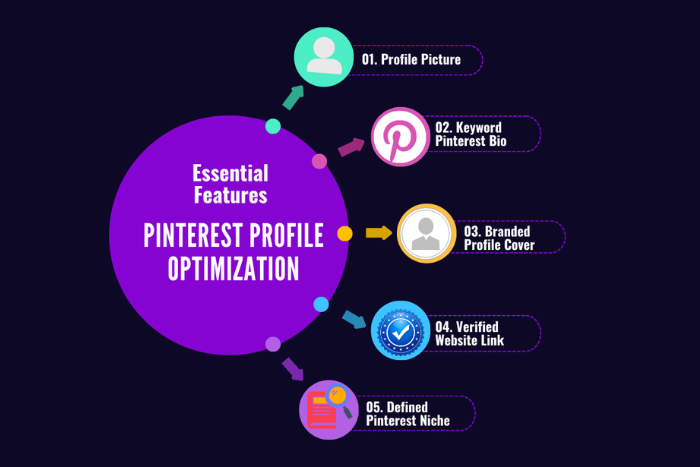
Essential Features of a Pinterest Profile
Essential Features of a Pinterest Profile Discover the essential features of a Pinterest profile including profile optimization, boards, pin design, SEO strategies, and analytics for growth. Essential Features of a Pinterest Profile Pinterest has evolved into one of the most powerful visual discovery platforms for businesses, creators, bloggers, and marketers. With millions of users searching for inspiration, ideas, and products every day, Pinterest offers a unique opportunity to drive traffic, increase brand visibility, and reach new audiences. Understanding the essential features of a Pinterest profile can help individuals and businesses build a strong presence and maximize engagement on the platform. A well-optimized Pinterest profile acts as a visual portfolio and marketing channel that showcases valuable content through images, infographics, and videos. From a professional profile image and optimized bio to well-structured boards and high-quality pins, each feature contributes to the success of a Pinterest account. Pinterest also functions like a visual search engine, meaning proper keyword usage, optimized board descriptions, and compelling pin designs play a crucial role in discoverability. Businesses that leverage these features effectively can drive significant traffic to websites, blogs, and e-commerce stores. In this guide, we will explore the most important Pinterest profile features, best practices for optimization, and strategies that help profiles grow consistently. Why This Service Is Important A well-optimized Pinterest profile helps businesses and creators reach a large audience and drive consistent traffic to their websites. Here’s why the essential features of a Pinterest profile are important: Increased Online Visibility Pinterest content can appear in both Pinterest and Google search results. Website Traffic Generation Pins can drive users directly to websites or landing pages. Brand Awareness A professional profile helps strengthen brand identity. Long-Term Content Reach Pins have a longer lifespan compared to many other social media posts. Audience Engagement High-quality visuals attract more saves and shares. Lead Generation Opportunities Businesses can convert Pinterest traffic into potential customers. By optimizing the right profile features, users can maximize their reach and build a strong Pinterest marketing strategy. Types of Pinterest Profile Solutions with Essential Features Pinterest profiles can serve different purposes depending on the goals of the user. Business Profiles Businesses use Pinterest to promote products, services, and brand content. Creator Profiles Influencers and creators share lifestyle, design, fashion, or creative ideas. Blog Promotion Profiles Bloggers use Pinterest to drive traffic to blog posts and articles. E-commerce Profiles Online stores showcase products and shopping collections. Educational Profiles Educators share tutorials, guides, and learning resources. Each type of Pinterest profile requires different content strategies and optimization techniques. Get Free Quotation Now..!! Key Features of a Pinterest Profile A successful Pinterest profile includes several important elements that improve visibility and engagement. Professional Profile Photo A clear and recognizable image helps users identify the brand or creator. Optimized Profile Name and Username Using relevant keywords improves search visibility. Compelling Bio The bio should clearly explain what the profile offers and include keywords. Website Verification Claiming a website increases credibility and provides analytics insights. Organized Pinterest Boards Boards categorize content into topics for easy navigation. Board Titles and Descriptions Keyword-rich board descriptions improve search rankings. High-Quality Pins Visually appealing images and videos attract more engagement. Pin Descriptions and SEO Optimization Including keywords and clear descriptions helps pins appear in search results. Consistent Pinning Strategy Regular pinning keeps the profile active and visible. Rich Pins Rich pins automatically include extra information from linked websites. Pinterest Analytics Insights help track performance and audience engagement. Link Integration Pins should direct users to websites, blogs, or online stores. These features help Pinterest profiles grow organically and attract more followers. Development Process Creating a successful Pinterest profile involves several steps. Profile Setup Create a business or personal Pinterest account. Profile Optimization Add a professional photo, optimized name, and keyword-rich bio. Board Creation Organize boards based on specific topics or niches. Pin Design Create visually attractive pins with clear messaging. SEO Optimization Use keywords in board titles, descriptions, and pin captions. Content Scheduling Maintain consistent posting using a pinning schedule. Audience Engagement Interact with followers and respond to comments. Performance Monitoring Use Pinterest analytics to track engagement and growth. This process helps ensure a well-structured and optimized Pinterest presence. Technology Stack for Pinterest Marketing Several tools help manage and optimize Pinterest profiles effectively. Design Tools: Canva, Photoshop Video Editing Tools: CapCut, Adobe Premiere Pro Pinterest Scheduling Tools: Tailwind, Buffer Analytics Tools: Pinterest Analytics, Google Analytics Content Planning Tools: Notion, Trello Automation Tools: Zapier Image Optimization Tools: TinyPNG, ImageOptim These tools help streamline Pinterest marketing workflows and improve content performance. Essential Cost Factors in Pinterest Profile Growth Growing a Pinterest profile may involve several costs depending on the strategy used. Important cost considerations include: Graphic design and pin creation Content marketing strategy Social media management tools Pinterest advertising campaigns Website optimization for traffic Influencer collaborations Analytics and reporting tools Ongoing content management Many users start with organic strategies before investing in advertising or automation tools. Latest Trends in Pinterest Marketing Pinterest marketing continues to evolve with new features and strategies. Key trends include: Short-form video pins and idea pins AI-powered content recommendations Pinterest shopping and product pins Interactive pins with step-by-step guides Visual search technology SEO-driven pin optimization Content repurposing across platforms Data-driven marketing strategies These trends help brands reach larger audiences and improve engagement. Why Choose Us for Pinterest Profile Optimization? Building a successful Pinterest profile requires expertise in visual design, SEO, and content strategy. Our team helps businesses and creators optimize their Pinterest presence to drive traffic and increase brand visibility. Here’s why clients choose us: Pinterest Profile Optimization Professional profile setup with SEO-focused optimization. Pin Design and Branding Visually engaging pins designed for higher engagement. Board Strategy Development Organized boards that improve content discovery. Pinterest SEO Optimization Keyword strategies that increase visibility. Content Scheduling and Automation Consistent posting to maintain profile growth. Traffic Generation Strategies Techniques to drive users to websites and landing pages. Analytics and Performance Tracking Data-driven insights to improve marketing strategies. Long-Term Pinterest Growth Support Continuous optimization for
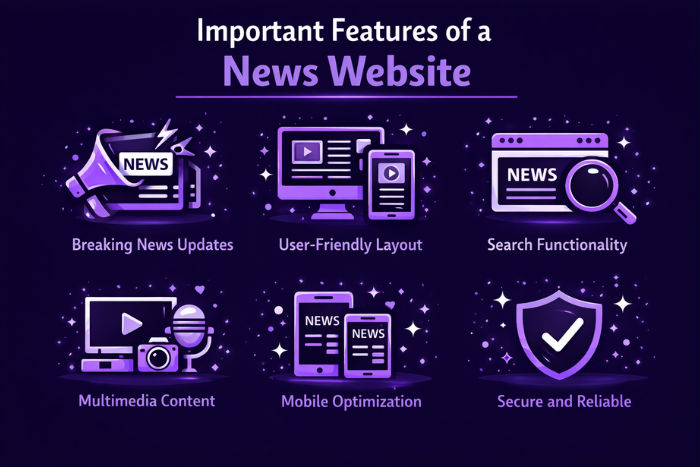
Important Features of a News Website
Important Features of a News Website Discover important features of a news website including fast loading, mobile-first design, SEO optimization, real-time updates, and multimedia storytelling. Important Features of a News Website News websites play a crucial role in delivering real-time information to audiences across the world. In the digital age, readers expect instant updates, engaging multimedia content, and seamless browsing experiences when accessing news online. To meet these expectations, publishers must understand the important features of a news website that enable efficient content delivery, audience engagement, and scalable growth. Unlike traditional websites, news portals require advanced functionality to manage breaking news, multimedia stories, high traffic volumes, and constant content updates. A modern news website must provide structured navigation, fast loading speeds, responsive layouts, and strong search engine optimization to ensure readers can quickly access relevant news. Additionally, successful news platforms integrate advanced features such as push notifications, social media sharing, personalized content recommendations, and real-time analytics. These capabilities allow publishers to reach wider audiences, increase engagement, and adapt to changing reader preferences. Whether you are building an independent news portal, digital magazine, or media organization platform, implementing the right features ensures that your website delivers reliable information while maintaining excellent performance and user experience. Why Important Features of a News Website Are Important News websites must operate efficiently in a fast-paced digital environment where readers expect instant updates and smooth browsing experiences. Without the right features, a news platform may struggle with slow performance, poor navigation, and low engagement. Here’s why implementing the important features of a news website is essential: Real-Time Content Delivery News websites must publish and update stories quickly to keep audiences informed. Improved Reader Experience Clean layouts and intuitive navigation help readers easily access trending stories and categories. Higher Search Engine Visibility SEO optimization ensures news articles appear in search results and news aggregators. Audience Engagement Multimedia storytelling, comments, and sharing tools encourage readers to interact with content. Scalable Content Management News platforms need robust systems to handle large volumes of articles and media assets. Better Monetization Opportunities Ad management systems allow publishers to generate revenue from digital advertising. By implementing these features, news websites can deliver timely information while maintaining strong audience engagement. Types of News Website Solutions News websites can serve different audiences depending on the type of content they publish. Online News Portals Platforms that provide daily news updates across multiple categories such as politics, technology, and entertainment. Digital Magazine Websites Editorial websites focused on in-depth stories, interviews, and feature articles. Local News Websites Platforms covering regional news, community updates, and local events. Industry-Specific News Websites Websites dedicated to niche topics such as finance, technology, healthcare, or sports. Multimedia News Platforms Platforms that deliver news through videos, podcasts, infographics, and interactive storytelling. Each type of news website requires specialized tools to manage content, engage readers, and maintain high performance. Get Free Quotation Now..!! Key Features of a News Website A modern news website must include features that support fast content publishing, multimedia storytelling, and user engagement. Fast Loading Speed News readers expect instant access to articles, making performance optimization critical. Mobile-First Responsive Design Most users consume news on smartphones, so mobile optimization is essential. Content Management System (CMS) A powerful CMS allows journalists and editors to publish and manage articles efficiently. Real-Time News Updates Live feeds and instant publishing tools enable quick updates for breaking news. Search Engine Optimization (SEO) SEO features help news articles rank higher in search engines and news aggregators. Smart Content Categorization Organized sections such as politics, business, technology, and lifestyle help readers navigate easily. Push Notifications and Alerts Notifications inform readers about breaking news and trending stories. Social Media Integration Sharing tools allow readers to distribute news articles across social platforms. Multimedia Storytelling Integration of images, videos, infographics, and podcasts enhances reader engagement. Advertisement and Monetization Tools Ad management systems help publishers generate revenue through digital advertising. Comment and Discussion Features Comment sections allow readers to share opinions and interact with news content. Analytics and Reader Insights Data analytics tools help publishers understand reader behavior and optimize content strategies. These features ensure that news websites deliver engaging content while maintaining performance and scalability. Development Process for a News Website Developing a news website with essential features requires strategic planning and technical expertise to handle high traffic and real-time content updates. Content Strategy Planning Define editorial categories, target audience, and publishing workflows. Information Architecture Design Plan the structure of news sections, categories, and navigation systems. UI/UX Design Create layouts optimized for readability and content discovery. CMS and Backend Development Implement systems for article publishing, media management, and editorial workflows. SEO and Performance Optimization Optimize the website for search engines and fast loading speeds. Integration with Notification and Social Platforms Enable push notifications and social media sharing. Testing and Quality Assurance Conduct performance, security, and usability testing. Deployment and Continuous Content Publishing Launch the news platform and continuously update it with fresh content. This development process ensures that the news website remains efficient and capable of handling large traffic volumes. Technology Stack Modern news platforms rely on scalable technologies to deliver fast and reliable content. Frontend Technologies: HTML5, CSS3, JavaScript, React.js, Vue.js Backend Technologies: Node.js, PHP, Python Content Management Systems: WordPress, Drupal, Ghost Databases: MySQL, PostgreSQL, MongoDB Analytics Tools: Google Analytics, Search Console Cloud Platforms: AWS, Google Cloud Platform, Microsoft Azure SEO Tools: Schema markup, XML sitemaps, SEO plugins Security Technologies: SSL encryption, authentication systems DevOps Tools: Docker, CI/CD pipelines These technologies ensure news platforms remain secure, scalable, and optimized for performance. Cost Factors The cost of building a news website with key features depends on several factors. Key cost considerations include: Custom UI/UX design and branding Content management system development Real-time content publishing features SEO optimization and performance improvements Integration with notification and social media tools Advertising and monetization systems Hosting infrastructure for high traffic Security and data protection measures Maintenance and ongoing updates Publishers should consider both development costs and long-term operational expenses when building news platforms.
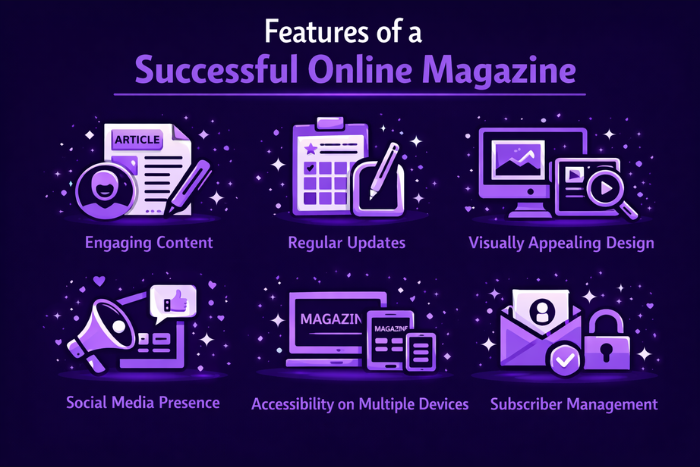
Features of a Successful Online Magazine
Features of a Successful Online Magazine Discover the key features of a successful online magazine including responsive design, interactive content, SEO optimization, and audience engagement tools. Features of a Successful Online Magazine Online magazines have transformed the way readers consume editorial content. Unlike traditional print magazines, digital magazines provide interactive experiences, multimedia storytelling, and instant access to articles from anywhere in the world. To attract and retain readers, publishers must understand the features of a successful online magazine that enable high-quality content delivery, seamless navigation, and strong audience engagement. A well-designed online magazine website goes beyond simply publishing articles. It must offer visually appealing layouts, responsive design, fast loading speeds, and organized content structures that make it easy for readers to explore topics of interest. At the same time, it should include advanced features such as multimedia integration, social sharing tools, and subscription management systems to support sustainable growth. Modern online magazines also rely on data analytics, personalization technologies, and content recommendation engines to improve user experience and increase readership. These tools help publishers understand audience preferences and continuously refine their editorial strategies. Whether you are launching a lifestyle magazine, industry publication, entertainment platform, or digital editorial site, implementing the right features ensures a successful online magazine that attracts readers, increases engagement, and builds long-term loyalty. Why Features of a Successful Online Magazine Are Important Online magazines operate in a competitive digital publishing landscape where readers have countless content options. Without the right features, even high-quality editorial content may struggle to reach and retain audiences. Here’s why the features of a successful online magazine are important: Enhanced Reader Experience Clean layouts and visually appealing designs improve readability and engagement. Better Content Discoverability Structured navigation and categories help readers easily find relevant articles. Stronger Audience Engagement Interactive elements encourage readers to explore more content and share articles. Improved Search Engine Visibility SEO optimization ensures magazine content ranks well in search results. Scalable Publishing Workflow Efficient content management systems allow editorial teams to publish and manage content quickly. Revenue Generation Opportunities Monetization features enable subscription models, advertising, and sponsored content. These benefits help online magazines grow readership, improve engagement, and build sustainable publishing platforms. Types of Successful Online Magazine Solutions Online magazines can serve different audiences depending on their editorial focus and content strategy. Lifestyle and Entertainment Magazines Publications covering topics such as fashion, travel, culture, and celebrity news. Business and Industry Magazines Digital magazines focused on business insights, market trends, and professional expertise. Technology and Innovation Magazines Platforms publishing articles on emerging technologies, startups, and digital transformation. Educational and Knowledge Magazines Publications offering research-based content, tutorials, and expert insights. Special Interest Magazines Niche magazines dedicated to specific topics such as sports, health, food, or design. Each type of online magazine requires specialized features to support editorial workflows, multimedia storytelling, and audience engagement. Get Free Quotation Now..!! Key Features of a Successful Online Magazine A successful online magazine includes multiple features designed to improve readability, engagement, and content accessibility. Responsive Website Design Mobile-friendly layouts ensure readers can access magazine content on any device. Visually Engaging Layouts Magazine-style layouts with images, typography, and design elements improve storytelling. Content Management System (CMS) A robust CMS allows editors to manage articles, images, and multimedia content efficiently. SEO Optimization Built-in SEO features help articles rank higher in search engines. Structured Content Categories Organized sections allow readers to explore topics easily. Interactive Multimedia Content Videos, infographics, image galleries, and podcasts enhance reader engagement. Fast Page Loading Speed Performance optimization ensures smooth browsing experiences. Search Functionality On-site search tools help readers find specific articles quickly. Social Media Integration Sharing options enable readers to distribute magazine content across social platforms. Newsletter and Email Subscription Email marketing tools help magazines build loyal readership. Analytics and Performance Tracking Data insights help publishers track reader behavior and optimize content strategies. Monetization Features Subscription plans, advertisements, and sponsored content support revenue generation. These features ensure online magazines deliver engaging content while maintaining strong performance and scalability. Development Process for an Online Magazine Website Creating a successful online magazine platform requires strategic planning and technical expertise. Editorial Strategy Planning Define the magazine’s niche, audience, and content categories. Information Architecture Design Structure the website’s navigation and content hierarchy. UI/UX Design Design visually engaging layouts optimized for readability. CMS and Backend Development Implement content management tools for editorial workflows. SEO and Performance Optimization Optimize the platform for search engines and fast loading speeds. Multimedia Integration Add support for videos, podcasts, and interactive content. Testing and Quality Assurance Conduct usability, performance, and security testing. Deployment and Content Publishing Launch the platform and begin publishing high-quality editorial content. This process ensures the online magazine platform remains scalable, user-friendly, and performance optimized. Technology Stack for Online Magazine Development Modern online magazine platforms rely on advanced technologies for performance and scalability. Frontend Technologies: HTML5, CSS3, JavaScript, React.js, Vue.js Backend Technologies: Node.js, PHP, Python Content Management Systems: WordPress, Drupal, Ghost Databases: MySQL, PostgreSQL, MongoDB Analytics Tools: Google Analytics, Search Console Cloud Platforms: AWS, Google Cloud Platform, Microsoft Azure SEO Tools: XML sitemaps, schema markup, SEO plugins Security Technologies: SSL encryption, authentication systems DevOps Tools: Docker, CI/CD pipelines These technologies help create scalable digital publishing platforms capable of handling high traffic volumes. Cost Factors in Online Magazine Development The cost of developing an online magazine website depends on several factors. Key cost considerations include: Custom UI/UX design and branding Content management system implementation Multimedia content integration SEO optimization and performance improvements Email marketing and newsletter integrations Monetization features such as subscriptions or advertisements Hosting infrastructure for high traffic Security and data protection measures Ongoing maintenance and updates Publishers should evaluate both development costs and long-term operational expenses. Latest Trends in Online Magazine Development Online magazine platforms continue to evolve with new technologies improving reader engagement and content delivery. Key trends include: AI-powered content recommendations for personalized reading experiences Interactive storytelling using multimedia and immersive design Mobile-first magazine platforms optimized for smartphone readers Subscription-based content models for premium articles Data-driven editorial strategies
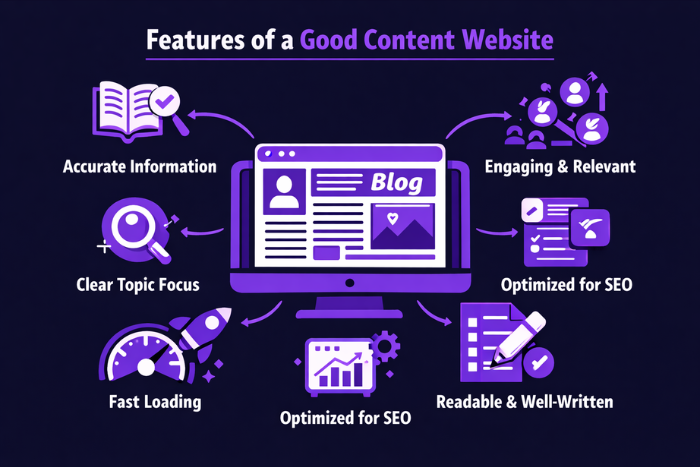
Features of a Good Content Website
Features of a Good Content Website Discover the key features of a good content website including SEO optimization, fast performance, user-friendly design, and engagement tools. Features of a Good Content Website Content websites have become the backbone of digital communication, education, marketing, and online publishing. From blogs and news portals to educational resources and media platforms, content websites deliver valuable information to audiences worldwide. However, building a successful platform requires more than publishing articles. Understanding the features of a good content website is essential for creating a platform that attracts visitors, engages readers, and performs well in search engines. A well-designed content website focuses on user experience, content organization, and search engine optimization. It should provide clear navigation, responsive design, fast loading speeds, and structured content layouts that help users easily access information. At the same time, it should include powerful content management tools that allow administrators to publish and manage large volumes of content efficiently. Modern content platforms also integrate analytics tools, social media sharing features, and personalization systems to enhance engagement and reach wider audiences. These technologies help businesses, publishers, and creators track performance and continuously improve content strategies. Whether you are developing a blog, media website, educational platform, or digital publishing portal, implementing the right features ensures better visibility, improved reader engagement, and long-term growth. Why Features of a Good Content Website Are Important Content websites play a critical role in attracting visitors, delivering information, and building authority in a specific niche. Without the right features, even high-quality content may struggle to reach its intended audience. Here are some key reasons why the features of a good content website are important: Improved User Experience Clear layouts and navigation make it easier for users to access relevant content. Higher Search Engine Rankings SEO-friendly structures help content websites rank better in search results. Better Content Organization Categories, tags, and archives allow readers to explore related topics easily. Audience Engagement Interactive elements encourage readers to spend more time on the website. Brand Credibility Professional design and reliable performance increase trust among visitors. Scalable Content Management Efficient systems allow websites to manage hundreds or thousands of articles. By implementing these features, content websites can effectively deliver information while maintaining high usability and performance. Types of Content Website Solutions Content websites can serve different purposes depending on their audience and content strategy. Blog Websites Platforms designed to publish articles, guides, and thought leadership content. News and Media Websites Online publications that deliver real-time news, interviews, and editorial content. Educational Content Platforms Websites that provide tutorials, courses, and informational resources. Corporate Content Websites Businesses use these websites to publish marketing content, case studies, and industry insights. Community and Knowledge Platforms Platforms where users contribute content, discussions, and shared knowledge. Each type of content website requires specialized features for managing content, improving engagement, and supporting growth. Get Free Quotation Now..!! Key Features of a Good Content Website A successful content website includes multiple features designed to improve usability, discoverability, and reader engagement. User-Friendly Website Design Clean layouts and intuitive navigation help users easily explore the website. Content Management System (CMS) A powerful CMS allows administrators to create, edit, and publish content efficiently. SEO Optimization Built-in SEO tools help optimize content for search engines and increase organic traffic. Responsive and Mobile-Friendly Design Mobile optimization ensures content is accessible across smartphones, tablets, and desktops. Fast Website Performance Optimized loading speeds improve user experience and search engine rankings. Structured Content Organization Categories, tags, and archives help users discover related content. Search Functionality On-site search allows visitors to quickly find specific articles or topics. Social Media Integration Sharing features enable users to distribute content across social networks. Content Personalization Recommendation systems suggest relevant content based on user interests. Analytics and Performance Tracking Data analytics tools help track traffic, engagement, and content performance. Security and Data Protection Secure infrastructure protects both website content and user data. Clear Calls-to-Action (CTAs) CTAs guide users to subscribe, download resources, or explore additional content. These features ensure that content websites provide a smooth user experience while maximizing reach and engagement. Development Process Developing a successful content website with key features requires strategic planning and technical implementation. Content Strategy Planning Define the website’s purpose, target audience, and content categories. Information Architecture Design Plan the website structure including navigation menus and content organization. UI/UX Design Create visually appealing and user-friendly interfaces. CMS Development Implement content management systems for publishing and editing articles. SEO and Performance Optimization Optimize the website for search engines and fast loading speeds. Integration with Marketing Tools Connect the platform with analytics, social media, and email marketing systems. Testing and Quality Assurance Conduct usability, performance, and security testing. Deployment and Content Publishing Launch the website and begin publishing high-quality content. This structured development process ensures the content platform remains efficient, scalable, and user-friendly. Technology Stack for Content Website Development Modern content platforms rely on advanced technologies to ensure performance and scalability. Frontend Technologies: HTML5, CSS3, JavaScript, React.js, Vue.js Backend Technologies: Node.js, PHP, Python Content Management Systems: WordPress, Drupal, Ghost Databases: MySQL, PostgreSQL, MongoDB Analytics Tools: Google Analytics, Search Console Cloud Platforms: AWS, Google Cloud Platform, Microsoft Azure SEO Tools: XML sitemaps, schema markup, SEO plugins Security Technologies: SSL encryption, authentication systems DevOps Tools: Docker, CI/CD pipelines These technologies help build scalable content platforms that support large audiences and high traffic volumes. Cost Factors in Content Website Development The cost of developing a content website with advanced features depends on several factors. Key cost considerations include: Custom design and branding Content management system implementation SEO optimization and performance features Integration with analytics and marketing tools Hosting infrastructure and scalability Security and data protection measures Custom development for personalization features Maintenance and ongoing support Businesses and publishers should consider both development costs and long-term operational expenses. Latest Trends in Content Platform Development Content platforms continue to evolve with new technologies improving content delivery and audience engagement. Key trends include: AI-powered content recommendations for personalized reading experiences Voice search optimization for modern search engines
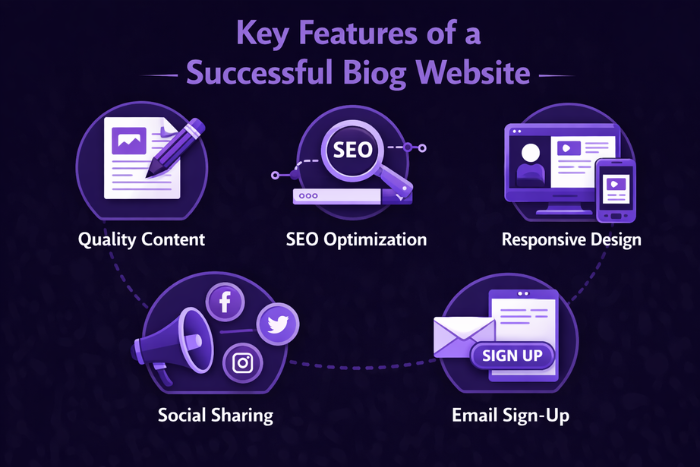
Key Features of a Successful Blog Website
Key Features of a Successful Blog Website Discover the key features of a successful blog website including SEO optimization, content management, responsive design, and audience engagement tools. Key Features of a Successful Blog Website Blog websites have become one of the most powerful tools for sharing information, building personal brands, generating traffic, and growing online businesses. From professional bloggers and content creators to businesses and educational platforms, blogs are widely used to publish valuable content, connect with audiences, and improve online visibility. To achieve long-term success, it is important to understand the key features of a successful blog website. A well-designed blog website should offer more than just a place to publish articles. It must provide a structured content management system, intuitive navigation, SEO-friendly architecture, and engagement tools that keep readers returning. These features help improve user experience, increase search engine rankings, and encourage content sharing across digital platforms. Modern blog websites also integrate advanced features such as analytics dashboards, social media integrations, email subscription tools, and mobile-friendly design. These capabilities allow bloggers and businesses to track performance, optimize content strategies, and build loyal audiences. Whether you are launching a personal blog, a niche content website, or a corporate blogging platform, implementing the right features ensures better content visibility, stronger engagement, and sustainable growth. Why Key Features of a Successful Blog Website Are Important A blog website is not just a collection of articles—it is a platform designed to attract readers, deliver valuable content, and build authority in a particular niche. Without the right features, blogs may struggle with poor usability, low engagement, and limited search engine visibility. Here’s why the key features of a successful blog website are important: Improved User Experience Clear navigation and structured content help readers find relevant articles easily. Better Search Engine Visibility SEO-friendly design and content structure improve rankings in search engine results. Audience Engagement Comment systems, sharing options, and newsletters encourage readers to interact with the content. Content Organization Categories, tags, and archives help manage large volumes of blog posts effectively. Performance Tracking Analytics tools provide insights into traffic, reader behavior, and content performance. Scalable Content Platform Modern blogging platforms allow creators to expand their content libraries and audience reach. These benefits make feature-rich blog websites essential for successful digital publishing and marketing strategies. Types of Successful Blog Website Solutions Blog websites can serve different purposes depending on the content strategy and business objectives. Personal Blogs Platforms where individuals share experiences, opinions, and expertise on specific topics. Business Blogs Corporate blogs used by companies to publish industry insights, product updates, and marketing content. Niche Blogs Blogs focused on specific subjects such as technology, health, finance, travel, or lifestyle. News and Magazine Blogs Content-driven platforms publishing news articles, interviews, and editorial content. Affiliate and Monetization Blogs Blogs designed to generate revenue through affiliate marketing, advertisements, or sponsored content. Each type of blog website requires specialized features for content management, audience engagement, and monetization. Get Free Quotation Now..!! Key Features of a Successful Blog Website A successful blog platform should include multiple features that enhance content visibility, user engagement, and performance. User-Friendly Website Design Clean layouts and intuitive navigation make it easy for readers to browse blog posts. Content Management System (CMS) A robust CMS allows bloggers to create, edit, organize, and publish content efficiently. SEO Optimization Tools Built-in SEO features help improve search engine rankings and increase organic traffic. Blog Categories and Tags Categories and tags organize blog posts and help users discover related content. Responsive and Mobile-Friendly Design Mobile optimization ensures readers can access content seamlessly across devices. Fast Page Loading Speed Optimized website performance improves user experience and SEO rankings. Search Functionality On-site search tools help users quickly find relevant articles. Social Media Integration Sharing buttons allow readers to distribute content across social networks. Email Newsletter Subscription Email subscription forms help bloggers build mailing lists and maintain audience engagement. Comment and Interaction System Comment sections encourage discussions and reader engagement. Analytics and Traffic Monitoring Data analytics tools help bloggers track traffic, reader behavior, and popular content. Monetization Features Integration with advertising platforms, affiliate programs, and sponsorship tools allows bloggers to generate revenue. These features ensure that blog websites attract readers, deliver valuable content, and maintain long-term growth. Development Process for a Blog Website Building a successful blog platform with advanced features requires careful planning and strategic implementation. Content Strategy Planning Identify the blog niche, target audience, and content goals. Platform Architecture Design Design the website structure including categories, navigation, and content layout. UI/UX Design Create visually appealing and user-friendly interfaces. CMS and Backend Development Implement content management systems and publishing tools. SEO and Performance Optimization Optimize the blog for search engines and fast loading speeds. Integration with Marketing Tools Connect the platform with analytics, email marketing, and social media tools. Testing and Quality Assurance Conduct usability testing and performance optimization. Deployment and Content Publishing Launch the blog and begin publishing optimized content regularly. This structured process ensures the blog website operates efficiently and supports long-term content growth. Technology Stack for Blog Website Development Modern blogging platforms rely on scalable technologies for performance and reliability. Frontend Technologies: HTML5, CSS3, JavaScript, React.js, Vue.js Backend Technologies: Node.js, PHP, Python Content Management Systems: WordPress, Ghost, Drupal Databases: MySQL, PostgreSQL, MongoDB Analytics Tools: Google Analytics, Search Console Cloud Platforms: AWS, Google Cloud Platform, Microsoft Azure SEO Tools: Schema markup, XML sitemaps, SEO plugins Security Technologies: SSL encryption, authentication systems DevOps Tools: Docker, CI/CD pipelines These technologies ensure blog websites remain secure, scalable, and optimized for performance. Cost Factors in Blog Website Development The cost of developing a blog website varies depending on features and design complexity. Key cost factors include: Custom UI/UX design and branding Content management system implementation SEO optimization and performance features Third-party integrations such as analytics or email marketing Hosting infrastructure and scalability Security and data protection measures Custom development for monetization features Maintenance and support services Businesses and bloggers should evaluate both development costs and long-term content management needs. Latest Trends in

