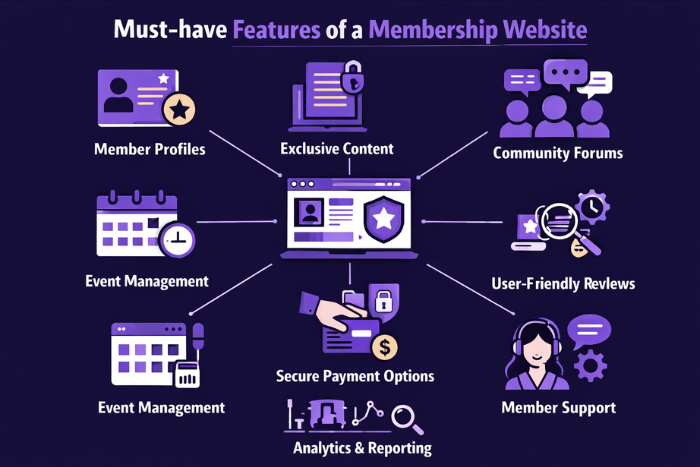
Must-Have Features of a Membership Website Discover must-have features of a membership website including user management, subscription billing, content restriction, and community tools. Must-Have Features of a Membership Website Membership websites have become powerful platforms for businesses, educators, creators, and organizations that want to deliver exclusive content and build engaged communities. From online learning platforms and professional networks to subscription-based content hubs, membership websites allow organizations to provide value to members while generating recurring revenue. To create a successful platform, understanding the must-have features of a membership website is essential. A well-designed membership website should provide seamless user registration, secure login systems, subscription management, and restricted access to premium content. It should also support community engagement tools, personalized dashboards, and automated billing systems that make it easy for administrators to manage members and payments. Modern membership platforms integrate advanced technologies such as customer relationship management (CRM), analytics dashboards, email marketing integrations, and automated onboarding systems. These tools help organizations manage memberships efficiently, track engagement, and improve member retention. Whether you are building a membership site for education, professional communities, digital content, or subscription services, implementing the right features ensures a smooth user experience and sustainable business growth. Why Must-Have Features of a Membership Website Are Important Membership websites rely on structured access control, content management, and community engagement tools. Without the right features, managing members, subscriptions, and exclusive content can become challenging. Here’s why implementing the must-have features of a membership website is important: Recurring Revenue Generation Membership models allow businesses to earn consistent income through subscription plans. Exclusive Content Delivery Members gain access to premium resources such as courses, articles, videos, and digital downloads. Improved Member Engagement Interactive features encourage users to stay active and participate in community discussions. Efficient Membership Management Automated systems help administrators manage registrations, renewals, and payments. Stronger Community Building Membership platforms enable networking and collaboration among members. Better Data Insights Analytics tools provide insights into member behavior, engagement, and retention. By integrating these features, membership websites can deliver value to users while maintaining efficient platform management. Types of Membership Platform Solutions Membership platforms can support different business models depending on the target audience and content type. Content-Based Membership Websites Platforms offering exclusive articles, videos, podcasts, or digital resources to subscribers. Online Learning Membership Platforms Educational websites that provide courses, tutorials, and training materials for members. Community-Based Membership Platforms Websites focused on networking, discussions, and collaboration among members. Professional Association Membership Websites Platforms for professional organizations that provide resources, events, and industry insights. Subscription-Based Service Platforms Websites offering recurring services such as digital tools, software access, or premium features. Each type of membership website requires specialized features to manage access, payments, and member engagement effectively. Get Free Quotation Now..!! Key Features of a Membership Website A successful membership website includes features that support user management, content delivery, and community engagement. User Registration and Login System Secure registration and login processes allow members to create accounts and access exclusive content. Role-Based Access Control Administrators can restrict content access based on membership tiers or user roles. Subscription and Payment Management Automated billing systems manage recurring payments and membership renewals. Member Dashboard Personalized dashboards allow users to access their content, manage subscriptions, and track activity. Content Restriction and Protection Premium resources are protected so only authorized members can view or download them. Member Profile Management Users can update profiles, preferences, and account settings. Community Interaction Tools Forums, discussion boards, and messaging systems encourage member engagement. Email Marketing Integration Integration with email marketing platforms helps communicate updates, newsletters, and promotions. Event and Webinar Management Membership platforms often include tools for hosting online events or training sessions. Analytics and Member Insights Administrators can track engagement, subscription growth, and member behavior. Mobile-Friendly Design Responsive interfaces ensure members can access content across devices. Customer Support Integration Help centers and live chat features improve user support. These features help membership websites provide seamless experiences for members while simplifying administrative tasks. Development Process for a Membership Platform Building a membership platform requires structured development and strategic planning. Requirement Analysis Identify the membership model, target audience, and content structure. Platform Architecture Planning Design scalable systems for user authentication, access control, and subscription management. UI/UX Design Create intuitive interfaces for members and administrators. Frontend and Backend Development Implement features such as registration forms, dashboards, and content management systems. Payment Gateway Integration Connect the platform with payment systems for subscription billing. CRM and Marketing Integration Integrate email marketing and CRM tools to manage member relationships. Testing and Quality Assurance Conduct security testing, performance testing, and usability checks. Deployment and Continuous Optimization Launch the membership website and improve functionality based on user feedback. This development process ensures the membership platform operates efficiently and supports long-term scalability. Technology Stack for Membership Website Development Building a scalable membership platform requires reliable technologies. Frontend Technologies: React.js, Angular, Vue.js, Next.js Backend Technologies: Node.js, Python, PHP, Java Content Management Systems: WordPress, Drupal, custom CMS platforms Databases: PostgreSQL, MySQL, MongoDB Payment Gateways: Stripe, PayPal, Razorpay CRM Tools: HubSpot, Salesforce, Zoho CRM Cloud Platforms: AWS, Google Cloud Platform, Microsoft Azure Security Technologies: SSL encryption, OAuth authentication, role-based access control (RBAC) DevOps Tools: Docker, Kubernetes, CI/CD pipelines These technologies enable membership platforms to handle large user bases and secure content delivery. Cost Factors in Membership Website Development The cost of building a membership website with essential features depends on various factors. Key cost considerations include: Platform complexity and feature requirements Membership tier and subscription management systems Payment gateway integration Custom UI/UX design and branding CRM and marketing automation integrations Security and compliance requirements Hosting infrastructure and scalability Maintenance and support services Businesses should consider both development costs and long-term operational expenses when planning membership platforms. Latest Trends in Membership Website Development Membership platforms continue to evolve with new technologies improving engagement and monetization. Key trends include: AI-driven personalization for customized member experiences Gamification features to increase member engagement Mobile-first membership platforms optimized for smartphone users Integrated learning management systems (LMS) for training platforms Community-driven membership

Key Features of a Successful Social Media Strategy
Key Features of a Successful Social Media Strategy Learn the key features of a successful social media strategy including audience targeting, content planning, analytics, and engagement tactics. Key Features of a Successful Social Media Strategy Social media has transformed how businesses communicate with their audiences, promote products, and build brand identity. Platforms like Facebook, Instagram, LinkedIn, Twitter, and Pinterest have become powerful marketing channels that allow companies to connect directly with customers worldwide. However, simply creating social media accounts is not enough. Businesses need a well-defined approach that focuses on the key features of a successful social media strategy to achieve consistent growth and engagement. A successful social media strategy involves more than posting content regularly. It requires understanding the target audience, setting measurable goals, creating high-quality content, and tracking performance through analytics. These elements work together to increase brand awareness, build trust, and generate leads. With the right strategy in place, businesses can turn social media into a powerful tool for marketing, customer service, and community building. Whether you are a startup, small business, or established brand, implementing the right strategy can help you reach new audiences and achieve measurable results. In this guide, we will explore the key features that make a social media strategy effective, along with processes, tools, and best practices used by successful brands. Why This Service Is Important A strong social media strategy is essential for businesses looking to stay competitive in the digital landscape. Without a structured plan, businesses may struggle to maintain engagement or measure their results effectively. Here’s why the key features of a successful social media strategy are important: Improves Brand Awareness Consistent social media activity increases brand visibility. Builds Customer Relationships Social media enables direct interaction with audiences. Generates Leads and Conversions Strategic campaigns can drive traffic and sales. Enhances Customer Support Social media platforms provide quick communication channels. Provides Valuable Insights Analytics tools help businesses understand audience behavior. Supports Marketing Campaigns Social media amplifies the reach of digital marketing efforts. A well-structured strategy ensures that social media efforts align with business goals and produce measurable outcomes. Types of Successful Social Media Strategy Solutions Businesses can adopt different social media strategies depending on their goals and target audiences. Brand Awareness Strategy Focuses on increasing visibility and recognition. Content Marketing Strategy Uses educational and informative content to engage audiences. Lead Generation Strategy Drives traffic to landing pages and collects potential customer data. Customer Engagement Strategy Encourages interaction through comments, messages, and discussions. Influencer Marketing Strategy Collaborates with influencers to expand reach. Community Building Strategy Builds loyal audiences through consistent engagement. Each strategy requires tailored content, platforms, and engagement techniques. Get Free Quotation Now..!! Key Features of a Successful Social Media Strategy An effective social media strategy includes several essential elements that contribute to long-term success. Clear Goals and Objectives Businesses should define measurable objectives such as brand awareness, engagement, or lead generation. Audience Research Understanding the target audience helps create relevant content. Platform Selection Choosing the right social media platforms ensures better reach. Consistent Branding Maintaining consistent visuals, tone, and messaging strengthens brand identity. High-Quality Content Engaging visuals, videos, and informative posts attract more attention. Content Calendar Planning posts in advance ensures consistency. Hashtag and Keyword Strategy Strategic use of hashtags improves discoverability. Audience Engagement Responding to comments and messages builds relationships. Analytics and Performance Tracking Monitoring metrics helps optimize campaigns. Advertising and Promotions Paid social media campaigns increase reach and conversions. Cross-Platform Integration Integrating social media with websites and other platforms improves visibility. These features help businesses create a strong and effective social media presence. Development Process for a Social Media Strategy Developing a successful social media strategy involves several key steps. Goal Definition Identify business objectives and marketing goals. Audience Analysis Research demographics, interests, and online behavior. Platform Selection Choose platforms where the target audience is most active. Content Planning Create a mix of educational, promotional, and engaging posts. Content Creation Produce high-quality visuals, videos, and captions. Content Scheduling Use scheduling tools to maintain consistency. Engagement and Interaction Respond to audience comments and messages. Performance Monitoring Track analytics and adjust strategies accordingly. This process ensures that social media marketing efforts remain organized and effective. Technology Stack Used for a Successful Social Media Strategy Businesses often rely on various tools to manage and optimize their social media strategies. Design Tools: Canva, Adobe Photoshop Video Editing Tools: CapCut, Adobe Premiere Pro Social Media Management Tools: Hootsuite, Buffer, Sprout Social Analytics Tools: Google Analytics, Meta Insights Content Planning Tools: Notion, Trello Automation Tools: Zapier Advertising Platforms: Facebook Ads Manager, LinkedIn Ads These tools help streamline social media management and improve campaign performance. Cost Factors in Social Media Strategy Development The cost of implementing a social media strategy can vary depending on several factors. Important cost considerations include: Content creation and graphic design Social media management tools Paid advertising campaigns Influencer collaborations Video production and editing Marketing automation tools Analytics and reporting software Ongoing content management Businesses can start with organic strategies and gradually invest in paid campaigns for faster growth. Latest Trends in Social Media Strategy Social media marketing continues to evolve as platforms introduce new features and technologies. Key trends include: Short-form video content such as reels and shorts AI-powered content recommendations Social commerce and in-app shopping Influencer and creator collaborations Live streaming for real-time engagement Personalized marketing campaigns Community-driven content strategies Advanced analytics and performance tracking Adapting to these trends helps businesses remain competitive in the social media landscape. Why Choose Us for Social Media Strategy Development? Building a successful social media strategy requires expertise in content marketing, audience targeting, and performance analytics. Our team helps businesses create powerful strategies that drive engagement and growth. Here’s why clients choose us: Strategic Social Media Planning Custom strategies aligned with business goals. Content Creation and Branding High-quality visuals and engaging content. Platform Optimization Tailored strategies for different social media platforms. Audience Growth Strategies Proven techniques to increase followers and engagement. Advertising Campaign Management Targeted social media ads for maximum reach.

Features of a Good Content Marketing Strategy
Features of a Good Content Marketing Strategy Discover the features of a good content marketing strategy including audience research, SEO, content planning, distribution, and analytics. Features of a Good Content Marketing Strategy Content marketing has become one of the most effective digital marketing approaches for businesses looking to build brand authority, attract audiences, and generate long-term customer relationships. Instead of relying solely on traditional advertising, modern brands use valuable and informative content to educate, inspire, and engage their target audience. Understanding the features of a good content marketing strategy is essential for businesses that want to create meaningful connections with customers and drive consistent online growth. A well-designed content marketing strategy focuses on delivering the right message to the right audience at the right time. This includes creating blog articles, videos, infographics, guides, and social media content that provide genuine value to users. When executed properly, content marketing improves search engine visibility, builds trust, and supports lead generation. Successful strategies also involve audience research, search engine optimization (SEO), content planning, and performance tracking. Businesses that invest in these components can create a powerful content ecosystem that consistently attracts traffic and converts visitors into loyal customers. In this guide, we will explore the key elements and features that define a successful content marketing strategy, along with best practices, tools, and trends shaping modern digital marketing. Why This Service Is Important A strong content marketing strategy helps businesses communicate effectively with their audiences while establishing authority in their industry. Without a clear strategy, content efforts may lack direction and fail to produce measurable results. Here’s why the features of a good content marketing strategy are important: Improves Brand Authority Valuable content positions businesses as industry experts. Increases Website Traffic SEO-focused content attracts users through search engines. Builds Customer Trust Informative content helps customers make better decisions. Supports Lead Generation Strategic content guides users through the buying journey. Enhances Customer Engagement Engaging content encourages sharing and interaction. Provides Long-Term Value High-quality content continues to generate traffic over time. Implementing these features ensures that content marketing contributes directly to business growth. Types of Content Marketing Strategy Solutions Businesses can adopt different types of content marketing strategies depending on their goals and audience needs. Educational Content Strategy Focuses on providing informative guides, tutorials, and industry insights. SEO Content Strategy Targets keywords and search intent to improve search engine rankings. Social Media Content Strategy Uses engaging posts, visuals, and videos to reach audiences on social platforms. Lead Generation Content Strategy Includes downloadable resources such as ebooks and whitepapers. Brand Storytelling Strategy Uses storytelling to build emotional connections with audiences. Video Content Strategy Leverages videos to increase engagement and share information quickly. Each strategy type can be combined to create a comprehensive marketing approach. Get Free Quotation Now..!! Key Features of a Good Content Marketing Strategy A successful content marketing strategy includes several essential elements that work together to produce results. Clear Marketing Goals Define objectives such as traffic growth, lead generation, or brand awareness. Audience Research and Buyer Personas Understanding your audience ensures content relevance and effectiveness. SEO Optimization Keyword research and on-page SEO improve content discoverability. Content Planning and Editorial Calendar Planning content in advance ensures consistency and organization. High-Quality and Valuable Content Content should solve problems and provide meaningful insights. Multi-Channel Content Distribution Sharing content across blogs, social media, email, and other channels expands reach. Content Repurposing Transforming blogs into videos, infographics, or social posts maximizes content value. Consistent Branding and Messaging Maintaining a consistent voice strengthens brand recognition. Audience Engagement and Interaction Encouraging comments, discussions, and feedback builds stronger relationships. Performance Analytics and Optimization Tracking metrics helps refine strategies and improve results. These features help businesses create content that attracts audiences and drives meaningful engagement. Development Process for a Content Marketing Strategy Developing a strong content marketing strategy requires a structured process. Goal Identification Define marketing objectives and expected outcomes. Audience Research Analyze target demographics, interests, and pain points. Keyword and Topic Research Identify relevant keywords and trending topics. Content Planning Develop a content calendar with planned topics and formats. Content Creation Produce high-quality articles, videos, and visual content. Content Distribution Publish and promote content across multiple channels. Audience Engagement Interact with readers through comments and social media. Performance Monitoring Track metrics such as traffic, engagement, and conversions. This process ensures consistent and effective content marketing efforts. Technology Stack for Content Marketing Businesses often use various tools to manage and optimize their content marketing strategies. SEO Tools: SEMrush, Ahrefs, Google Search Console Content Management Systems: WordPress, Webflow Design Tools: Canva, Adobe Photoshop Video Editing Tools: Adobe Premiere Pro, CapCut Content Planning Tools: Notion, Trello Analytics Tools: Google Analytics, HubSpot Automation Tools: Zapier, Buffer Email Marketing Platforms: Mailchimp, ConvertKit These tools streamline the content creation, distribution, and tracking processes. Cost Factors in Content Marketing Strategy The cost of implementing a content marketing strategy can vary depending on several factors. Important cost considerations include: Content creation and copywriting Graphic design and multimedia production SEO tools and keyword research software Content management systems Marketing automation tools Paid promotion and advertising Influencer collaborations Analytics and reporting tools Businesses can start with organic strategies and gradually expand investments as results grow. Latest Trends in Content Marketing Content marketing continues to evolve as new technologies and consumer behaviors emerge. Key trends include: AI-assisted content creation Interactive content such as quizzes and polls Short-form video content Voice search optimization Personalized content experiences Influencer and creator collaborations Content repurposing across platforms Data-driven marketing strategies Staying updated with these trends helps businesses maintain a competitive advantage. Why Choose Us for Content Marketing Strategy Development? Creating a successful content marketing strategy requires expertise in SEO, storytelling, and audience engagement. Our team helps businesses design strategies that generate traffic, build authority, and convert audiences into customers. Here’s why businesses choose us: Strategic Content Planning Customized strategies aligned with business goals. SEO-Optimized Content Creation Keyword-driven content that improves search rankings. High-Quality Visual and Multimedia Content Engaging visuals that increase audience interaction. Content Distribution and

Features of a Successful SEO Strategy
Features of a Successful SEO Strategy Learn the key features of a successful SEO strategy including keyword research, content optimization, technical SEO, and analytics to improve rankings. Features of a Successful SEO Strategy Search engine optimization (SEO) is one of the most powerful digital marketing strategies for increasing online visibility, attracting qualified traffic, and generating long-term business growth. Understanding the features of a successful SEO strategy is essential for businesses that want to rank higher in search engines and outperform their competitors in an increasingly competitive digital landscape. A successful SEO strategy involves more than simply adding keywords to web pages. It requires a comprehensive approach that combines technical optimization, high-quality content creation, user experience improvements, and data-driven decision-making. When implemented effectively, SEO helps search engines understand your website while delivering valuable content that meets the needs of users. Modern SEO strategies also focus on search intent, mobile optimization, site performance, and structured data to improve visibility in search results. Businesses that invest in well-planned SEO campaigns can build authority, attract organic traffic, and convert visitors into customers over time. In this guide, we explore the essential features of a successful SEO strategy, including core elements, development processes, technologies, and best practices that help businesses achieve sustainable search engine growth. Why Features of a Successful SEO Strategy Are Important An effective SEO strategy plays a critical role in helping businesses grow their online presence and reach potential customers who are actively searching for products or services. Without a structured SEO strategy, websites often struggle to compete in search results and miss valuable opportunities for organic traffic. Here are some key reasons why understanding the features of a successful SEO strategy is important: Improved Search Engine RankingsA well-structured SEO strategy helps websites rank higher in search engine results pages (SERPs). Increased Organic TrafficHigher rankings lead to more visitors from search engines without relying on paid advertising. Better User ExperienceSEO focuses on improving site usability, navigation, and page speed, which enhances user satisfaction. Higher Conversion RatesTargeting the right keywords and search intent attracts visitors who are more likely to convert. Long-Term Marketing ResultsUnlike paid ads, SEO provides sustainable results that continue generating traffic over time. Stronger Brand AuthorityWebsites that consistently appear in top search results build trust and credibility among users. By implementing the right SEO features, businesses can create a strong digital presence that drives measurable growth. Types of Successful SEO Strategy Solutions Different SEO strategies focus on various aspects of website optimization and digital marketing. Combining these solutions creates a comprehensive SEO approach. On-Page SEO OptimizationImproving website content, keyword placement, headings, meta tags, and internal linking. Technical SEO OptimizationEnhancing website structure, crawlability, indexing, page speed, and mobile responsiveness. Content SEO StrategyCreating valuable and informative content that targets relevant search queries. Local SEO OptimizationOptimizing business listings and location-based keywords to attract nearby customers. Off-Page SEO and Link BuildingBuilding high-quality backlinks and brand authority through external websites. E-commerce SEO StrategyOptimizing product pages, category pages, and structured data for online stores. Enterprise SEO StrategyLarge-scale SEO campaigns for organizations with extensive websites and multiple pages. Each solution contributes to building a comprehensive SEO strategy that improves visibility and traffic. Get Free Quotation Now..!! Key Features of a Successful SEO Strategy A successful SEO strategy is built on several essential features that help search engines understand your content while delivering valuable experiences for users. Comprehensive Keyword ResearchIdentifying relevant keywords, long-tail search queries, and user search intent. High-Quality Content CreationPublishing valuable, informative, and engaging content that answers users’ questions. Technical SEO OptimizationEnsuring websites are easily crawlable and indexable by search engines. Mobile-Friendly Website DesignOptimizing websites for mobile devices to improve accessibility and performance. Page Speed and Performance OptimizationFast-loading websites improve user experience and search rankings. Structured Data and Schema MarkupHelping search engines understand content through structured data implementation. Internal Linking StrategyConnecting relevant pages to improve navigation and distribute link authority. Backlink Building and Authority DevelopmentAcquiring high-quality links from reputable websites to increase domain authority. User Experience OptimizationEnhancing website design, readability, and navigation for better engagement. Analytics and Performance TrackingMonitoring SEO performance through metrics such as rankings, traffic, and conversions. These features work together to create a strong SEO strategy that improves search visibility and user engagement. SEO Strategy Development Process Building an effective SEO strategy requires a structured process that combines research, planning, implementation, and continuous optimization. SEO Audit and Website AnalysisEvaluate the current website performance, technical issues, and keyword rankings. Keyword Research and Competitor AnalysisIdentify target keywords and analyze competitor SEO strategies. Content Strategy DevelopmentPlan blog posts, landing pages, and website content targeting relevant keywords. Technical SEO ImplementationImprove website speed, mobile responsiveness, crawlability, and site architecture. On-Page OptimizationOptimize titles, meta descriptions, headings, images, and internal links. Link Building and Authority DevelopmentAcquire backlinks from reputable websites to increase credibility. Performance Monitoring and ReportingTrack rankings, traffic, and conversions using analytics tools. Continuous OptimizationRegularly update content and improve SEO elements based on performance data. This systematic approach ensures that SEO strategies remain effective and aligned with search engine algorithms. Technology Stack for SEO Strategy Implementation Successful SEO strategies rely on a variety of tools and technologies that help analyze data, optimize websites, and monitor performance. SEO Research Tools: Ahrefs, SEMrush, Moz, Ubersuggest Keyword Research Tools: Google Keyword Planner, AnswerThePublic, KeywordTool.io Analytics Platforms: Google Analytics, Google Search Console Technical SEO Tools: Screaming Frog SEO Spider, Sitebulb Content Optimization Tools: Surfer SEO, Clearscope, Grammarly Website Platforms: WordPress, Shopify, Webflow Performance Tools: Google PageSpeed Insights, GTmetrix Structured Data Tools: Schema Markup Generator, Google Rich Results Test Using advanced tools enables businesses to build data-driven SEO strategies and optimize websites efficiently. Cost Factors in Developing an SEO Strategy The cost of implementing a successful SEO strategy depends on several factors related to project scope, competition level, and required resources. Website size and number of pages Industry competition and keyword difficulty Content creation requirements Technical SEO improvements Link building and outreach campaigns SEO tools and analytics platforms Ongoing monitoring and optimization Local or international SEO targeting Small businesses may require basic SEO

Important Features of an Email Marketing Campaign
Important Features of an Email Marketing Campaign Discover important features of an email marketing campaign like automation, personalization, segmentation, and analytics to boost engagement and results. Important Features of an Email Marketing Campaign Email marketing remains one of the most powerful digital marketing strategies for businesses looking to build strong relationships with their audience and drive consistent revenue. Understanding the important features of an email marketing campaign helps businesses design campaigns that attract attention, engage subscribers, and convert leads into loyal customers. An effective email marketing campaign goes beyond simply sending promotional emails. It involves strategic planning, audience segmentation, compelling content creation, automation, and performance analysis. When these elements work together, email marketing can deliver highly personalized experiences that resonate with subscribers and encourage meaningful interactions. Modern email marketing campaigns rely on advanced tools and technologies that enable businesses to automate workflows, track engagement metrics, and optimize campaign performance in real time. From welcome emails and newsletters to promotional offers and behavioral triggers, email campaigns help brands maintain consistent communication with their audience. Whether you’re running a startup, an eCommerce store, or a large enterprise, understanding the key features that make an email marketing campaign successful can significantly improve your marketing results. This guide explores the most important features, technologies, processes, and strategies used to create high-performing email marketing campaigns. Why Important Features of an Email Marketing Campaign Matter Email marketing campaigns can deliver exceptional return on investment when they are built with the right features and strategies. Businesses that implement advanced campaign capabilities can achieve higher engagement rates, stronger customer relationships, and improved conversion performance. Key reasons why these features are important include: Improved Audience TargetingAdvanced segmentation ensures that emails reach the right audience with relevant content. Higher Engagement RatesPersonalization and dynamic content increase open rates and click-through rates. Automation for EfficiencyAutomated workflows save time while maintaining consistent communication with subscribers. Better Data InsightsAnalytics and reporting provide valuable insights into subscriber behavior and campaign performance. Stronger Customer RelationshipsConsistent and personalized communication builds trust and long-term loyalty. Scalable Marketing StrategyModern email marketing platforms allow businesses to scale campaigns as their subscriber base grows. By leveraging the right features, businesses can transform email marketing into a powerful customer engagement and revenue generation channel. Types of Email Marketing Campaign Solutions Different types of email campaigns serve unique purposes in the customer journey. Understanding these solutions helps businesses choose the right strategy for their marketing objectives. Welcome Email CampaignsIntroduce new subscribers to your brand and set expectations for future communications. Newsletter CampaignsShare valuable updates, industry insights, company news, and educational content with subscribers. Promotional Email CampaignsPromote products, discounts, special offers, or seasonal sales to drive conversions. Lead Nurturing CampaignsGuide potential customers through the sales funnel with targeted educational and informational emails. Transactional Email CampaignsAutomated emails such as order confirmations, shipping updates, and account notifications. Re-engagement CampaignsTarget inactive subscribers to bring them back into the customer journey. Event Invitation CampaignsPromote webinars, workshops, product launches, and special events. Each campaign type serves a different purpose but contributes to building long-term relationships with subscribers. Get Free Quotation Now..!! Key Features of an Effective Email Marketing Campaign A successful email marketing campaign relies on several essential features that help businesses reach the right audience and maximize engagement. Audience SegmentationDividing subscribers into groups based on demographics, behavior, or interests to deliver highly targeted messages. Personalization and Dynamic ContentCustomizing email content using subscriber data to improve relevance and engagement. Automation and Triggered EmailsAutomated workflows that send emails based on user actions such as sign-ups, purchases, or abandoned carts. Responsive Email DesignEnsuring emails display correctly across different devices including smartphones, tablets, and desktops. Compelling Subject LinesWell-crafted subject lines that increase open rates and capture subscriber attention. Clear Call-to-Action (CTA)Strong CTAs that encourage readers to take specific actions such as visiting a website or making a purchase. Email Deliverability OptimizationTechniques to ensure emails reach inboxes rather than spam folders. Analytics and Performance TrackingMonitoring metrics such as open rates, click-through rates, conversion rates, and unsubscribe rates. These features help businesses create campaigns that are both engaging and measurable. Email Marketing Campaign Development Process Creating a successful email marketing campaign requires a structured process that aligns with marketing objectives and audience needs. Campaign Strategy and Goal DefinitionIdentify campaign goals such as lead generation, sales, or customer engagement. Audience Segmentation and List ManagementOrganize subscriber lists based on demographics, preferences, and behavior. Content Planning and CopywritingDevelop engaging email content that delivers value and encourages interaction. Email Design and Template CreationDesign responsive email templates that maintain brand consistency. Automation Workflow SetupConfigure automated triggers for welcome emails, follow-ups, and customer journeys. Testing and Quality AssurancePerform A/B testing for subject lines, content, and call-to-action elements. Campaign Launch and DistributionSend emails at optimized times to maximize engagement. Performance Analysis and OptimizationTrack campaign performance and continuously improve future campaigns. This systematic process ensures that email marketing campaigns remain efficient, targeted, and results-driven. Technology Stack for Email Marketing Campaigns Modern email marketing campaigns rely on advanced marketing technology to manage subscribers, automate campaigns, and track performance. Email Marketing Platforms: Mailchimp, HubSpot, Salesforce Marketing Cloud, ActiveCampaign Automation Tools: Zapier, Make (Integromat), HubSpot Workflows Customer Relationship Management (CRM): Salesforce, HubSpot CRM, Zoho CRM Analytics Tools: Google Analytics, built-in campaign analytics dashboards Design Tools: Canva, Adobe Creative Cloud, Figma Integration Tools: API integrations with websites, eCommerce platforms, and CRM systems Security and Compliance: GDPR compliance tools, encryption, secure authentication Using a modern technology stack allows businesses to create automated, scalable, and highly targeted email marketing campaigns. Cost Factors in Email Marketing Campaign Implementation The cost of implementing email marketing campaigns depends on several factors related to technology, campaign complexity, and audience size. Size of the email subscriber list Choice of email marketing platform Level of automation and workflow complexity Custom email design and template development Integration with CRM and other marketing tools Analytics and reporting capabilities Ongoing campaign management and optimization Small businesses may start with cost-effective platforms, while enterprise organizations often invest in advanced marketing automation solutions. Latest Trends in Email Marketing

Must-Have Features of a PPC Campaign
Must-Have Features of a PPC Campaign Learn the must-have features of a PPC campaign including keyword targeting, ad optimization, audience segmentation, and analytics to maximize ROI. Must-Have Features of a PPC Campaign Pay-per-click (PPC) advertising is one of the most effective digital marketing strategies for driving targeted traffic, generating leads, and increasing sales. However, running a successful paid advertising campaign requires more than simply creating ads and setting a budget. Understanding the must-have features of a PPC campaign is essential for maximizing performance, controlling advertising costs, and achieving measurable marketing results. A well-structured PPC campaign allows businesses to reach their target audience at the exact moment they are searching for relevant products or services. Platforms like Google Ads, Microsoft Ads, and social media advertising networks enable businesses to create highly targeted campaigns using keywords, audience demographics, location targeting, and behavioral data. Modern PPC campaigns also rely on automation, advanced analytics, conversion tracking, and continuous optimization to improve performance over time. These features ensure that marketing budgets are spent efficiently while delivering the best possible return on investment. In this guide, we explore the essential features that make PPC campaigns successful, including campaign strategy, optimization techniques, technologies used, and best practices that help businesses achieve better results from paid advertising. Why Must-Have Features of a PPC Campaign Are Important A well-designed PPC campaign can deliver immediate visibility in search engines and digital platforms. However, without the right campaign features and optimization strategies, businesses may struggle with high advertising costs and low conversion rates. Here are several reasons why understanding the must-have features of a PPC campaign is important: Precise Audience TargetingPPC allows businesses to target users based on search intent, demographics, interests, and behavior. Immediate Traffic and VisibilityUnlike SEO, PPC campaigns can generate instant traffic once ads are activated. Cost Control and Budget FlexibilityAdvertisers can control spending by setting daily budgets and adjusting bids. Measurable Marketing PerformancePPC platforms provide detailed data on clicks, conversions, and campaign performance. Improved Lead GenerationHighly targeted ads help attract users who are more likely to convert into customers. Competitive AdvantageBusinesses using optimized PPC strategies can outperform competitors in search results and advertising placements. When campaigns are built with the right features, PPC advertising becomes a powerful tool for business growth. Types of PPC Campaign Solutions Different types of PPC campaigns serve unique marketing goals depending on the business objectives and advertising platforms. Search Advertising CampaignsAds that appear on search engine results pages when users search for specific keywords. Display Advertising CampaignsVisual banner ads displayed across websites, blogs, and online platforms within advertising networks. Social Media PPC CampaignsPaid advertisements on platforms like Facebook, Instagram, LinkedIn, and TikTok targeting specific audiences. Shopping Advertising CampaignsProduct-based ads used by eCommerce businesses to promote products directly in search results. Remarketing CampaignsAds that target users who previously visited a website but did not complete a purchase or conversion. Video Advertising CampaignsPPC ads shown on video platforms such as YouTube and streaming networks. Each campaign type helps businesses reach potential customers across multiple digital touchpoints. Get Free Quotation Now..!! Key Features of a Successful PPC Campaign The success of any PPC campaign depends on implementing several essential features that improve targeting, ad performance, and conversion rates. Comprehensive Keyword ResearchIdentifying relevant keywords and search queries that potential customers use. Strategic Bid ManagementOptimizing bids to balance advertising costs with desired campaign outcomes. Audience Targeting and SegmentationTargeting users based on demographics, location, device, interests, and behavior. Compelling Ad Copy and Creative DesignCreating engaging headlines, descriptions, and visuals that encourage clicks. Landing Page OptimizationDesigning landing pages that align with ad messaging and improve conversion rates. Conversion Tracking and AnalyticsTracking user actions such as purchases, form submissions, and sign-ups. Ad Extensions and Additional InformationEnhancing ads with extensions such as site links, call buttons, and location information. A/B Testing and Campaign OptimizationTesting different ad variations to determine the most effective strategies. Quality Score OptimizationImproving ad relevance and landing page experience to reduce advertising costs. Budget and ROI MonitoringEnsuring that advertising spend generates profitable results. These features allow marketers to optimize campaign performance while maximizing return on investment. PPC Campaign Development Process Building a successful PPC campaign requires a systematic process that ensures ads reach the right audience and generate meaningful results. Campaign Strategy and Goal DefinitionIdentify marketing objectives such as lead generation, website traffic, or product sales. Keyword Research and Market AnalysisAnalyze search trends, competitor campaigns, and keyword opportunities. Audience Targeting SetupDefine target demographics, geographic locations, and user interests. Ad Creation and Creative DevelopmentWrite compelling ad copy and design engaging visuals. Landing Page Design and OptimizationCreate optimized landing pages that encourage users to complete desired actions. Campaign Launch and Budget AllocationActivate campaigns with controlled bidding strategies and budgets. Performance Monitoring and Data AnalysisTrack campaign metrics such as impressions, clicks, and conversions. Continuous Optimization and ScalingAdjust bids, refine targeting, and optimize ads to improve results. Following this process helps businesses create efficient and profitable PPC campaigns. Technology Stack Successful PPC campaigns rely on a variety of digital marketing tools and advertising platforms. Advertising Platforms: Google Ads, Microsoft Advertising, Facebook Ads, LinkedIn Ads Keyword Research Tools: Google Keyword Planner, SEMrush, Ahrefs Analytics Tools: Google Analytics, Google Tag Manager Conversion Tracking Tools: Google Ads Conversion Tracking, Meta Pixel Landing Page Builders: Unbounce, Instapage, Leadpages Automation and Optimization Tools: Optmyzr, AdEspresso, WordStream CRM Integrations: HubSpot, Salesforce, Zoho CRM These technologies help marketers automate campaign management, analyze data, and optimize advertising performance. Cost Factors in PPC Campaign Management The cost of running a PPC campaign depends on several factors, including campaign features, competition, targeting options, and advertising strategy. Keyword competition and cost-per-click (CPC) Industry and market demand Campaign targeting settings Ad quality and relevance Geographic location targeting Advertising platform selection Campaign management and optimization services Budget allocation and bid strategies Highly competitive industries often require higher budgets, while well-optimized campaigns can reduce advertising costs and improve ROI. Latest Trends PPC advertising continues to evolve as new technologies and marketing strategies emerge. Some of the most important trends shaping modern PPC campaigns include: AI-Powered
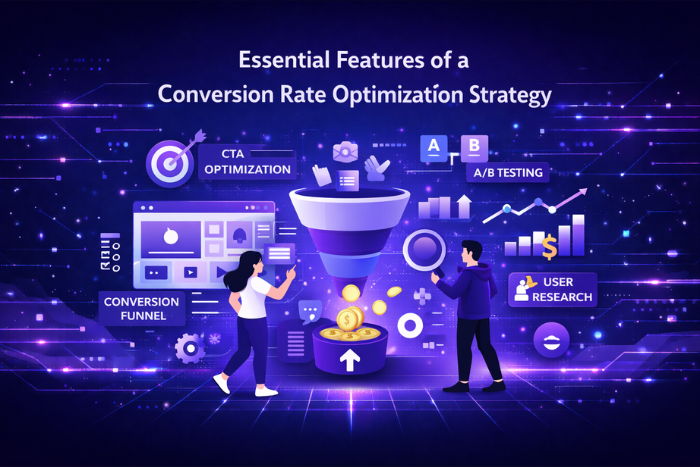
Essential Features of a Conversion Rate Optimization Strategy
Essential Features of a Conversion Rate Optimization Strategy Discover essential features of a conversion rate optimization strategy including A/B testing, user behavior analysis, UX improvements, and data-driven optimization. Essential Features of a Conversion Rate Optimization Strategy Driving traffic to a website is only part of a successful digital marketing strategy. The real challenge is turning visitors into customers, leads, or subscribers. This is where understanding the essential features of a conversion rate optimization strategy becomes crucial. Conversion rate optimization (CRO) focuses on improving website performance by encouraging users to complete desired actions such as making a purchase, filling out a form, or subscribing to a newsletter. A well-implemented CRO strategy helps businesses maximize the value of existing traffic rather than relying solely on increasing visitor numbers. By analyzing user behavior, optimizing landing pages, improving website usability, and testing different design elements, businesses can significantly increase conversion rates. Modern CRO strategies rely heavily on data-driven insights, advanced analytics tools, user experience optimization, and continuous experimentation. These strategies help identify barriers that prevent users from converting and implement improvements that enhance the overall user journey. Whether you run an eCommerce store, SaaS platform, or corporate website, implementing the right CRO features can dramatically improve marketing performance, increase revenue, and provide a better experience for your users. Why Essential Features of a Conversion Rate Optimization Strategy Are Important Conversion rate optimization plays a vital role in improving the effectiveness of digital marketing efforts. Businesses that invest in CRO strategies can generate more leads and sales from the same amount of website traffic. Here are some reasons why CRO is essential for modern businesses: Maximize Existing TrafficCRO focuses on improving conversions from current visitors rather than increasing advertising spend. Increase Revenue Without Extra TrafficHigher conversion rates lead to more sales from the same number of website visitors. Improve User ExperienceCRO identifies usability issues that affect user engagement and satisfaction. Reduce Customer Acquisition CostsOptimizing conversions lowers the cost of acquiring each customer. Better Understanding of Customer BehaviorCRO strategies rely on analytics and user behavior data to improve decision-making. Improved Marketing ROIBusinesses can achieve better returns from SEO, PPC, and social media campaigns. By focusing on these features, businesses can create a seamless and persuasive digital experience that encourages users to convert. Types of Conversion Rate Optimization Strategy Solutions CRO strategies involve several optimization approaches that focus on different aspects of the customer journey. Landing Page OptimizationImproving landing page design, messaging, and call-to-action elements to increase conversions. User Experience (UX) OptimizationEnhancing navigation, layout, and usability to make websites easier to use. Checkout and Funnel OptimizationSimplifying the conversion funnel and reducing friction during checkout processes. A/B Testing and ExperimentationTesting different page elements to identify which variations perform best. Mobile Conversion OptimizationEnsuring websites provide seamless experiences for mobile users. Form OptimizationReducing form fields and improving form design to increase submission rates. Personalization and Dynamic ContentDelivering customized experiences based on user behavior and preferences. Each of these solutions contributes to improving the likelihood that visitors will complete desired actions. Get Free Quotation Now..!! Key Features of a Successful Conversion Rate Optimization Strategy A successful CRO strategy incorporates several essential features that work together to improve website performance. User Behavior AnalysisUnderstanding how visitors interact with website pages using heatmaps and session recordings. Clear and Compelling Call-to-Action (CTA)Strategically placed CTAs that encourage users to take the next step. Landing Page OptimizationDesigning pages that align with user expectations and marketing campaigns. A/B Testing and Multivariate TestingExperimenting with different layouts, headlines, and CTAs to determine the most effective combinations. Mobile OptimizationEnsuring responsive design and fast loading times on mobile devices. Page Speed OptimizationFaster websites reduce bounce rates and improve user engagement. Trust Signals and Social ProofCustomer testimonials, reviews, and security badges increase credibility. Personalized User ExperiencesCustomizing website content based on visitor behavior and demographics. Data-Driven Decision MakingUsing analytics and performance metrics to guide optimization efforts. These features help businesses identify and eliminate obstacles that prevent visitors from converting. Conversion Rate Optimization Development Process Creating an effective CRO strategy involves a structured approach that combines research, testing, and continuous improvement. Website Performance AuditAnalyze current website performance and identify conversion barriers. Data Collection and User Behavior AnalysisUse analytics tools to track visitor behavior and interaction patterns. Conversion Funnel AnalysisIdentify drop-off points in the customer journey. Hypothesis DevelopmentDevelop optimization ideas based on user data and insights. A/B Testing ImplementationTest different versions of web pages to identify better-performing elements. UX and Design ImprovementsImplement design changes that improve usability and engagement. Performance Monitoring and ReportingTrack metrics such as conversion rates, bounce rates, and engagement levels. Continuous Optimization and ScalingApply successful changes and continue testing new improvements. This iterative process ensures that CRO strategies evolve with user behavior and market trends. Technology Stack for CRO Strategy Implementation Effective CRO strategies rely on advanced tools and technologies that help analyze data and test improvements. Analytics Platforms: Google Analytics, Adobe Analytics Heatmap and Behavior Tools: Hotjar, Crazy Egg, Microsoft Clarity A/B Testing Tools: Google Optimize alternatives, Optimizely, VWO User Feedback Tools: SurveyMonkey, Qualaroo Landing Page Builders: Unbounce, Instapage, Leadpages Website Platforms: WordPress, Shopify, Webflow Performance Monitoring Tools: Google PageSpeed Insights, GTmetrix These technologies provide insights into how users interact with websites and help optimize the conversion process. Cost Factors in Conversion Rate Optimization The cost of implementing a CRO strategy varies depending on several factors related to the complexity of the website and optimization requirements. Website size and complexity Number of landing pages to optimize Required CRO tools and software subscriptions User behavior research and testing requirements Design and development improvements Ongoing experimentation and analytics Integration with marketing platforms Expertise and CRO consulting services While CRO requires investment, the improved conversion rates often lead to significantly higher revenue and marketing efficiency. Latest Trends in Conversion Rate Optimization Conversion rate optimization continues to evolve as technology and user expectations change. Key trends shaping CRO strategies include: AI-Powered PersonalizationArtificial intelligence helps deliver customized user experiences. Predictive Analytics for Conversion OptimizationMachine learning models predict user behavior and conversion likelihood. Voice and Conversational InterfacesChatbots

Key Features of a Successful Website Design
Key Features of a Successful Website Design Learn the key features of a successful website design including UX, responsive design, SEO structure, fast loading speed, and conversion-focused layouts. Key Features of a Successful Website Design A website is often the first interaction potential customers have with a brand. Because of this, the quality of your website design plays a crucial role in shaping user perception, building trust, and driving conversions. Understanding the key features of a successful website design helps businesses create websites that are visually appealing, easy to navigate, and optimized for performance. A well-designed website does more than look good. It delivers a seamless user experience, communicates brand value clearly, and guides visitors toward meaningful actions such as making a purchase, submitting a form, or contacting a business. Successful website design combines aesthetics, usability, functionality, and performance optimization to create an engaging digital experience. Modern websites must also be responsive, secure, search-engine-friendly, and optimized for speed. These factors ensure that websites perform well across different devices and meet the expectations of both users and search engines. Whether you are launching a new website or redesigning an existing one, incorporating the essential features of effective website design can significantly improve user engagement, search visibility, and overall business growth. Why Key Features of a Successful Website Design Are Important A well-designed website is essential for attracting visitors, building credibility, and converting users into customers. Without proper design and usability, even the best products or services may struggle to gain traction online. Here are several reasons why the key features of a successful website design are important: First Impressions MatterVisitors form opinions about a website within seconds, making professional design crucial. Improved User ExperienceIntuitive navigation and responsive layouts help users easily find the information they need. Higher Conversion RatesWell-structured pages and clear calls-to-action guide visitors toward desired actions. Better Search Engine VisibilitySEO-friendly design improves rankings in search engine results. Enhanced Brand CredibilityA modern and professional website builds trust with potential customers. Mobile AccessibilityWith most users browsing on mobile devices, responsive design ensures a seamless experience. By focusing on these design principles, businesses can create websites that engage visitors and support long-term growth. Types of Successful Website Design Solutions Different types of website design solutions are tailored to meet specific business needs and objectives. Business Website DesignProfessional websites that showcase services, company information, and contact details. E-commerce Website DesignOnline stores designed to showcase products and facilitate secure online transactions. Landing Page DesignConversion-focused pages designed for marketing campaigns and lead generation. Portfolio Website DesignWebsites designed for individuals or creative professionals to showcase their work. Corporate Website DesignLarge-scale websites designed for enterprises with multiple service pages and resources. Responsive Website DesignWebsites optimized to function seamlessly across desktops, tablets, and smartphones. Custom Website DesignFully customized websites tailored to unique business requirements and branding. These solutions help businesses establish a strong online presence while meeting their specific goals. Get Free Quotation Now..!! Key Features of a Successful Website Design A successful website design incorporates several important elements that improve usability, performance, and engagement. Clear Purpose and MessagingVisitors should quickly understand what the website offers and how it benefits them. Simple and Intuitive NavigationWell-structured menus and navigation help users find information easily. Responsive DesignWebsites must adapt seamlessly to different screen sizes and devices. Fast Loading SpeedOptimized images, efficient coding, and reliable hosting improve website performance. Visual Hierarchy and LayoutProper layout and spacing guide users’ attention to important elements. Engaging Visual DesignProfessional graphics, colors, and typography enhance the overall aesthetic appeal. Clear Calls-to-Action (CTAs)Strategic CTAs encourage visitors to take actions such as contacting the business or making a purchase. SEO-Friendly StructureProper use of headings, metadata, and structured content helps improve search engine rankings. Secure Website InfrastructureSSL certificates and secure hosting protect user data and build trust. Accessibility and InclusivityDesigning websites that are accessible to users with disabilities improves usability and compliance. These features ensure that a website not only attracts visitors but also delivers a meaningful and engaging experience. Website Design Development Process Building a successful website requires a structured design and development process that aligns with business goals and user needs. Requirement Analysis and PlanningUnderstand the client’s business objectives, target audience, and website functionality requirements. Information Architecture and Sitemap CreationOrganize website structure and navigation to improve usability. Wireframing and UI/UX DesignCreate wireframes and design mockups that define the visual layout and user interface. Website Development and CodingDevelop the website using modern programming languages and frameworks. Content Integration and OptimizationAdd website content, images, and multimedia elements optimized for SEO. Testing and Quality AssuranceTest functionality, responsiveness, speed, and compatibility across devices. Deployment and LaunchPublish the website and configure hosting, security, and analytics tools. Maintenance and Continuous ImprovementRegular updates, performance monitoring, and feature improvements. This development process ensures that websites are functional, secure, and optimized for performance. Technology Stack for Website Design Modern website design relies on various technologies and tools to deliver visually appealing and high-performing websites. Frontend Technologies: HTML5, CSS3, JavaScript, React, Vue.js Backend Technologies: Node.js, PHP, Python, Ruby CMS Platforms: WordPress, Shopify, Webflow, Drupal UI/UX Design Tools: Figma, Adobe XD, Sketch Database Systems: MySQL, PostgreSQL, MongoDB Performance Tools: Google PageSpeed Insights, GTmetrix Security Tools: SSL encryption, firewall protection, secure authentication Using modern technology ensures websites remain scalable, secure, and easy to maintain. Cost Factors in Website Design The cost of website design depends on several factors related to project complexity and required features. Website size and number of pages Custom design requirements E-commerce functionality Content creation and copywriting Integration with third-party tools SEO optimization and analytics setup Website hosting and security configuration Maintenance and ongoing support Simple websites may require smaller budgets, while large custom platforms often involve higher development costs. Latest Trends in Website Design Website design continues to evolve as new technologies and user expectations shape digital experiences. Key trends influencing modern website design include: Minimalist Design and Clean LayoutsSimple and uncluttered interfaces improve readability and user engagement. Mobile-First Design ApproachDesigning websites primarily for mobile users. Interactive and Dynamic ContentAnimations and interactive elements enhance

Features of a Good User Experience (UX) Design
Features of a Good User Experience (UX) Design Discover the features of a good user experience (UX) design including usability, accessibility, intuitive navigation, and user-centered design principles. Features of a Good User Experience (UX) Design In today’s digital world, users expect websites and applications to be intuitive, fast, and easy to use. Businesses that prioritize user satisfaction gain a competitive advantage by delivering seamless digital experiences. Understanding the features of a good user experience (UX) design is essential for building digital products that engage users, reduce friction, and improve customer satisfaction. User experience design focuses on how users interact with a product, website, or application. It ensures that the product meets user needs efficiently while providing a smooth and enjoyable experience. A well-designed UX not only improves usability but also strengthens brand perception and increases conversion rates. Successful UX design combines user research, interface design, usability testing, and continuous improvements based on user feedback. It involves understanding user behavior, designing intuitive navigation, and ensuring that digital products are accessible to a wide audience. Whether developing a website, mobile application, or SaaS platform, incorporating the key features of effective UX design helps businesses deliver products that are functional, engaging, and aligned with user expectations. Why Features of a Good User Experience (UX) Design Are Important User experience design plays a crucial role in determining how users perceive and interact with digital products. Poor user experience often leads to frustration, high bounce rates, and lost business opportunities. Here are several reasons why the features of a good UX design are important: Improved User SatisfactionA well-designed interface helps users accomplish tasks easily and efficiently. Higher Conversion RatesIntuitive design encourages users to complete actions such as purchases or form submissions. Reduced User FrustrationSimplified workflows and clear navigation minimize confusion. Stronger Brand LoyaltyPositive user experiences build trust and encourage repeat interactions. Better AccessibilityInclusive design ensures products are usable by a broader audience. Improved Product AdoptionEasy-to-use interfaces increase engagement and long-term usage. By implementing strong UX design principles, businesses can deliver digital products that are both functional and enjoyable for users. Types of User Experience (UX) Design Solutions UX design encompasses several specialized areas that work together to create effective digital experiences. Website UX DesignDesigning websites that provide intuitive navigation and engaging user journeys. Mobile App UX DesignOptimizing interfaces and interactions for smartphones and tablets. Product UX DesignDesigning digital products such as SaaS platforms and enterprise software. Interaction DesignCreating interactive elements that guide users through digital interfaces. Information Architecture DesignOrganizing content and features to improve usability and navigation. Usability Testing and OptimizationEvaluating user interactions to identify improvement opportunities. UX Research and User Journey MappingStudying user behavior to design better digital experiences. These UX solutions help ensure that digital products are easy to use and aligned with user expectations. Get Free Quotation Now..!! Key Features of a Good User Experience (UX) Design A successful UX design incorporates several essential features that enhance usability, accessibility, and engagement. User-Centered DesignDesigning products based on user needs, behaviors, and preferences. Intuitive NavigationClear menus and logical structure that help users find information easily. Usability and SimplicityInterfaces designed to minimize complexity and maximize ease of use. Consistent Design PatternsConsistency in layout, colors, typography, and interface elements. Accessibility and InclusivityEnsuring products are usable by individuals with different abilities. Responsive DesignSeamless user experiences across desktops, tablets, and mobile devices. Visual HierarchyStructuring content to guide users toward important information. Fast Performance and Loading SpeedOptimized performance to reduce waiting times. Clear Feedback and InteractionProviding users with responses and confirmations for their actions. Continuous Testing and ImprovementIterative design processes that refine the user experience over time. These features create digital products that are easy to navigate, engaging, and efficient. UX Design Development Process Designing a successful user experience requires a structured process that combines research, design, testing, and iteration. User Research and AnalysisGather insights about target users, behaviors, and expectations. Problem Definition and Strategy PlanningIdentify key usability challenges and design goals. Information Architecture and User Flow DesignOrganize content and define navigation pathways. Wireframing and PrototypingCreate low- and high-fidelity prototypes of the user interface. User Interface DesignDesign visual elements such as layouts, icons, and interactive components. Usability TestingTest designs with real users to identify usability issues. Implementation and Development CollaborationWork closely with developers to ensure accurate design implementation. Continuous Improvement and IterationCollect user feedback and refine the product continuously. This design process ensures that digital products are optimized for usability and user satisfaction. Technology Stack for UX Design UX designers rely on various tools and technologies to create and test digital experiences. Design Tools: Figma, Adobe XD, Sketch Prototyping Tools: InVision, Marvel, Axure User Research Tools: UserTesting, Maze, Optimal Workshop Analytics Tools: Google Analytics, Hotjar, Microsoft Clarity Collaboration Tools: Notion, Miro, Slack Front-End Technologies: HTML5, CSS3, JavaScript These tools enable designers to visualize concepts, test usability, and collaborate effectively with development teams. Cost Factors in UX Design The cost of UX design services varies depending on several project-related factors. Project complexity and scope Number of screens or pages to design User research and testing requirements Prototyping and interactive design complexity Integration with development teams Required UX tools and technologies Continuous optimization and updates Investing in UX design often results in improved product performance and higher return on investment. Latest Trends in UX Design UX design continues to evolve with emerging technologies and user behavior trends. Some of the most influential trends include: AI-Powered PersonalizationInterfaces that adapt content based on user preferences. Voice User Interfaces (VUI)Designing interactions for voice-enabled devices. Micro-Interactions and AnimationSmall interactive elements that improve engagement. Dark Mode and Adaptive InterfacesFlexible display options for different user preferences. Inclusive and Accessible DesignPrioritizing accessibility for users with diverse needs. Immersive Experiences with AR/VRIntegrating augmented and virtual reality interactions. Minimalist Interface DesignSimplified layouts that focus on usability and clarity. These trends demonstrate how UX design is becoming increasingly user-focused and technologically advanced. Why Choose Us for UX Design Services? Choosing the right UX design partner is essential for creating digital products that users love. Our team focuses on building intuitive,

Features of a Successful DevOps Strategy
Features of a Successful DevOps Strategy Explore features of a successful DevOps strategy including CI/CD, automation, collaboration, monitoring, and scalable infrastructure. Features of a Successful DevOps Strategy In modern software development, organizations must deliver applications faster while maintaining high quality and reliability. Traditional development and operations models often create delays, communication gaps, and deployment challenges. This is where DevOps plays a critical role. Understanding the features of a successful DevOps strategy helps organizations streamline development processes, improve collaboration, and deliver software efficiently. DevOps is a cultural and technical approach that integrates software development (Dev) and IT operations (Ops) into a unified workflow. It focuses on automation, continuous integration, continuous delivery, and monitoring to ensure rapid and reliable software releases. Instead of operating in isolated departments, development and operations teams collaborate throughout the entire software lifecycle. A successful DevOps strategy emphasizes automation, scalable infrastructure, continuous feedback, and strong collaboration between teams. By adopting these principles, businesses can accelerate product delivery, improve software stability, and respond quickly to market demands. Whether building web applications, mobile apps, or enterprise platforms, implementing DevOps practices enables organizations to innovate faster while maintaining operational efficiency and security. Why Features of a Successful DevOps Strategy Are Important DevOps has become a crucial framework for organizations seeking to improve software delivery speed and reliability. Its practices help teams automate repetitive tasks, reduce manual errors, and ensure smooth collaboration between development and operations teams. Here are several reasons why the features of a successful DevOps strategy are important: Faster Software DeliveryContinuous integration and deployment pipelines accelerate release cycles. Improved CollaborationDevelopers, operations teams, and stakeholders work together more efficiently. Higher Software ReliabilityAutomated testing and monitoring reduce production errors. Scalable Infrastructure ManagementCloud-native technologies allow systems to scale easily. Improved Security and ComplianceDevSecOps practices integrate security throughout the development lifecycle. Better Customer ExperienceFrequent updates and faster bug fixes improve product quality. These benefits help organizations stay competitive in fast-changing digital environments. Types of Successful DevOps Strategy Solutions DevOps strategies can be implemented in different ways depending on business goals and infrastructure requirements. CI/CD Pipeline ImplementationAutomated pipelines that manage code integration, testing, and deployment. Cloud-Based DevOps SolutionsDevOps processes integrated with cloud infrastructure. DevSecOps ImplementationIntegrating security practices directly into the DevOps workflow. Infrastructure as Code (IaC)Managing infrastructure through automated scripts and configuration files. Microservices DevOps ArchitectureDeploying applications as independent services for scalability. Monitoring and Observability SolutionsTracking system performance and identifying issues proactively. These solutions help organizations create efficient and scalable DevOps environments. Get Free Quotation Now..!! Key Features of a Successful DevOps Strategy A strong DevOps strategy includes several essential features that improve collaboration, efficiency, and system reliability. Continuous Integration (CI)Developers frequently integrate code into a shared repository. Continuous Delivery and Deployment (CD)Automated pipelines deploy updates quickly and safely. Infrastructure as Code (IaC)Infrastructure configurations managed through code for consistency. Automation of Development ProcessesReducing manual tasks through automated workflows. Monitoring and Logging SystemsReal-time monitoring of system performance and application health. Collaboration Between Development and Operations TeamsBreaking down traditional silos to improve communication. Scalable Cloud InfrastructureCloud environments that adapt to changing workloads. Security Integration (DevSecOps)Embedding security practices into every stage of development. Continuous Feedback and ImprovementUsing analytics and user feedback to refine applications. These features ensure that DevOps environments support rapid and reliable software delivery. DevOps Development Process Implementing a successful DevOps strategy involves a structured workflow that integrates development and operations processes. Planning and Requirement AnalysisDefine project goals, infrastructure needs, and development workflows. Code Development and Version ControlDevelopers write code and store it in version control systems. Continuous IntegrationAutomated tools test and integrate new code changes. Automated Testing and Quality AssuranceEnsure application stability through automated testing. Continuous DeploymentDeliver software updates through automated deployment pipelines. Monitoring and LoggingTrack application performance and system health. Feedback and OptimizationAnalyze performance data and improve development processes. Maintenance and Continuous ImprovementRelease updates and enhancements based on feedback. This process allows teams to deliver software quickly while maintaining reliability and security. Technology Stack for DevOps DevOps strategies rely on various tools and technologies that support automation, collaboration, and deployment. Version Control Systems: Git, GitHub, GitLab CI/CD Tools: Jenkins, GitHub Actions, CircleCI Containerization Platforms: Docker, Kubernetes Infrastructure as Code Tools: Terraform, AWS CloudFormation Monitoring Tools: Prometheus, Grafana, Datadog Cloud Platforms: AWS, Google Cloud Platform, Microsoft Azure Collaboration Tools: Slack, Microsoft Teams These technologies enable teams to automate workflows and maintain efficient development environments. Cost Factors in DevOps Implementation Several factors influence the cost of implementing a DevOps strategy. Infrastructure and cloud service costs DevOps tool licensing and implementation Team training and skill development Automation and CI/CD pipeline setup Security and compliance integration Monitoring and analytics solutions Ongoing maintenance and updates Although DevOps implementation requires investment, it often reduces long-term operational costs by improving efficiency. Latest Trends in DevOps DevOps continues to evolve as new technologies transform software development practices. Key trends shaping modern DevOps strategies include: AI-Powered DevOps AutomationArtificial intelligence tools that optimize deployment pipelines. DevSecOps IntegrationSecurity integrated into development workflows. GitOps Workflow ManagementUsing Git repositories as the central control system for infrastructure. Serverless DevOps ArchitectureRunning applications without managing servers. Observability PlatformsAdvanced monitoring systems that analyze system performance. Platform EngineeringBuilding internal platforms that simplify developer workflows. These trends demonstrate how DevOps is evolving to support modern software development environments. Why Choose Us for DevOps Implementation? Selecting the right DevOps partner is crucial for building scalable and efficient development environments. Our team helps organizations implement modern DevOps strategies that accelerate software delivery and improve operational efficiency. Here’s why businesses choose our DevOps services: Experienced DevOps Engineers – Skilled professionals with expertise in modern DevOps tools. Automation-Focused Development Pipelines – Reducing manual work through CI/CD automation. Secure and Scalable Infrastructure – Cloud-native systems built for reliability. Seamless Integration with Existing Systems – DevOps workflows adapted to your technology stack. Continuous Monitoring and Optimization – Ensuring performance and stability. End-to-End DevOps Implementation – From planning to deployment and maintenance. We help organizations transform their development processes and deliver software faster. Ready to implement a powerful DevOps strategy for your organization?Let our experts design automated pipelines