
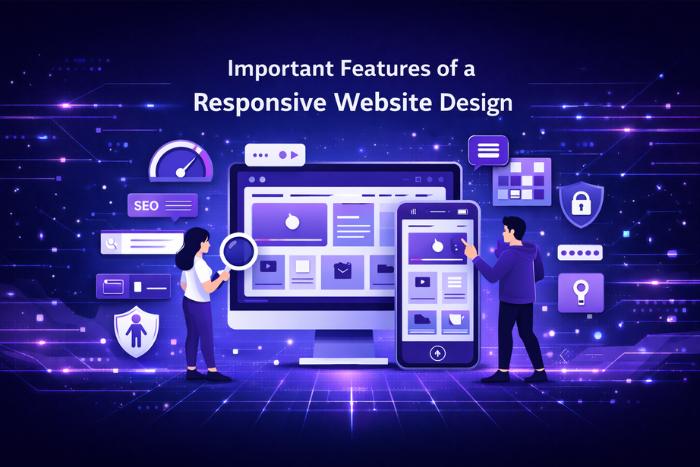
Important Features of a Responsive Website Design Discover important features of a responsive website design including flexible layouts, media queries, mobile optimization, and fast performance. Important Features of a Responsive Website Design In today’s digital landscape, users access websites through a wide variety of devices including smartphones, tablets, laptops, and desktop computers. Because of this diversity, businesses must ensure that their websites deliver a seamless experience across all screen sizes. Understanding the important features of a responsive website design is essential for building websites that adapt dynamically to different devices while maintaining usability, performance, and visual appeal. Responsive web design allows a single website to automatically adjust its layout, images, typography, and navigation depending on the screen size and resolution of the user’s device. This approach eliminates the need for separate mobile and desktop websites while ensuring that users enjoy a consistent browsing experience. Modern responsive websites are built using flexible grids, scalable images, media queries, and mobile-first design principles. These features ensure that content remains accessible, readable, and functional across all devices. Whether you are launching a new website or redesigning an existing one, incorporating responsive design principles can significantly improve user engagement, search engine rankings, and conversion rates. Why Important Features of a Responsive Website Design Are Important Responsive website design plays a crucial role in modern digital experiences. With mobile traffic accounting for a significant portion of internet usage, businesses must ensure their websites function seamlessly across devices. Key reasons why responsive design is important include: Improved User ExperienceResponsive websites provide consistent navigation and readability on all devices. Mobile AccessibilityUsers can easily browse websites on smartphones and tablets without zooming or scrolling excessively. Better SEO PerformanceSearch engines prioritize mobile-friendly websites in search rankings. Higher Conversion RatesResponsive websites make it easier for users to complete actions such as purchases or form submissions. Reduced Website MaintenanceA single responsive website eliminates the need for separate mobile versions. Future-Proof DesignResponsive websites adapt easily to new screen sizes and emerging devices. By implementing responsive design features, businesses can ensure their websites remain accessible and effective across all platforms. Types of Responsive Website Design Solutions Responsive design can be implemented through various approaches depending on business requirements and development strategies. Mobile-First Responsive DesignDesigning websites primarily for mobile devices and scaling up for larger screens. Adaptive Web DesignCreating different layouts for specific screen sizes and devices. Fluid Grid DesignUsing flexible layouts that adjust automatically based on screen dimensions. Responsive E-Commerce DesignOptimizing online stores for seamless shopping experiences across devices. Progressive Web Application (PWA) DesignWeb applications that behave like mobile apps while remaining responsive. Responsive Landing Page DesignMarketing-focused pages optimized for conversions on all devices. These responsive design solutions ensure that websites remain functional and visually appealing regardless of screen size. Get Free Quotation Now..!! Key Features of a Responsive Website Design Successful responsive website design includes several important features that ensure websites adapt smoothly across devices. Flexible Grid LayoutsLayout structures that automatically adjust to different screen widths. Media QueriesCSS rules that allow websites to adapt styling based on device characteristics. Responsive Navigation MenusNavigation systems that adjust for smaller screens using dropdowns or hamburger menus. Scalable Images and MediaImages and videos that resize automatically without losing quality. Responsive TypographyText that adjusts size and spacing for better readability across devices. Mobile-Friendly InteractionsButtons and interactive elements optimized for touch screens. Fast Loading PerformanceOptimized assets and efficient coding improve website speed. Consistent User ExperienceEnsuring similar functionality and usability across all devices. Cross-Browser CompatibilityWebsites function consistently across different browsers and operating systems. These features help create websites that are visually appealing, user-friendly, and technically robust. Responsive Website Development Process Creating a responsive website requires a structured development process that focuses on usability and performance. Requirement Analysis and PlanningIdentify target audiences, device preferences, and business goals. Wireframing and Responsive Layout PlanningDesign flexible layouts that adapt to multiple screen sizes. Mobile-First Design ImplementationBuild the design starting with mobile interfaces and scale up. Front-End DevelopmentImplement responsive grids, media queries, and flexible components. Content and Media OptimizationOptimize images, videos, and text for multiple resolutions. Cross-Device TestingTest the website across smartphones, tablets, laptops, and desktops. Performance OptimizationImprove loading speed and website responsiveness. Deployment and Continuous MonitoringLaunch the website and monitor performance across devices. This development workflow ensures responsive websites deliver optimal performance and usability. Technology Stack Modern responsive websites rely on various technologies and frameworks that support flexible layouts and dynamic content. Frontend Technologies: HTML5, CSS3, JavaScript Responsive Frameworks: Bootstrap, Tailwind CSS, Foundation Frontend Libraries: React.js, Vue.js, Angular Design Tools: Figma, Adobe XD, Sketch Testing Tools: BrowserStack, LambdaTest Performance Tools: Google PageSpeed Insights, GTmetrix CMS Platforms: WordPress, Shopify, Webflow Using modern frameworks and development tools ensures responsive websites are scalable, efficient, and easy to maintain. Cost Factors in Responsive Website Design The cost of responsive website development varies depending on several project-related factors. Website size and number of pages Custom design and development complexity Integration with third-party tools or platforms E-commerce functionality requirements Content creation and multimedia assets Responsive testing across devices Performance optimization and security setup Maintenance and ongoing updates Investing in responsive design ensures long-term usability and improved digital performance. Latest Trends Responsive design continues to evolve as new technologies and user behaviors shape digital experiences. Key trends influencing responsive website design include: Mobile-First DevelopmentDesigning websites primarily for mobile devices. Advanced CSS Layout SystemsUsing CSS Grid and Flexbox for flexible layouts. Progressive Web Applications (PWAs)Web experiences that behave like mobile applications. Adaptive Images and MediaOptimized visual assets that load efficiently on different devices. Voice Search CompatibilityDesigning interfaces that support voice-based interactions. AI-Driven PersonalizationWebsites adapting content based on user preferences. Minimalist and Clean DesignSimplified layouts that enhance readability and usability. These trends highlight how responsive design continues to evolve to meet modern user expectations. Why Choose Us for Responsive Website Design Services? Selecting the right development partner is crucial for building responsive websites that deliver exceptional user experiences. Our team specializes in designing modern, high-performing websites optimized for all devices. Here’s why businesses choose our responsive website design services: Mobile-First Design Expertise

Features of a Successful eCommerce Website Design
Features of a Successful eCommerce Website Design Learn the key features of a successful eCommerce website design including user-friendly navigation, secure payments, mobile optimization, and fast performance. Features of a Successful eCommerce Website Design A well-designed eCommerce website is the foundation of a successful online business. With millions of online stores competing for customer attention, businesses must ensure their websites provide a seamless shopping experience that encourages visitors to explore products and complete purchases. Understanding the features of a successful eCommerce website design helps businesses build digital storefronts that are visually appealing, user-friendly, and optimized for conversions. An effective eCommerce website goes beyond attractive design. It integrates usability, secure payment systems, efficient product management, and optimized performance to create a smooth customer journey. From product discovery to checkout, every step of the user experience should be designed to reduce friction and build customer trust. Modern eCommerce websites must also be responsive, fast-loading, and SEO-friendly to attract and retain customers. Features such as advanced search functionality, product filtering, secure payment gateways, and personalized recommendations contribute significantly to a positive shopping experience. Whether you are launching a new online store or improving an existing one, implementing the right design features can help increase engagement, boost conversions, and drive long-term business growth. Why Features of a Successful eCommerce Website Design Are Important An eCommerce website serves as the digital storefront of your business. Its design and functionality directly impact how customers perceive your brand and whether they choose to complete a purchase. Here are several reasons why the right eCommerce design features are essential: Improved User ExperienceA well-structured website makes it easy for customers to browse products and complete purchases. Higher Conversion RatesClear navigation and streamlined checkout processes encourage customers to buy. Enhanced Brand CredibilityProfessional design builds trust and confidence in your online store. Mobile Shopping AccessibilityMobile-friendly websites ensure customers can shop from any device. Faster Product DiscoveryEfficient search and filtering features help users quickly find what they need. Better SEO PerformanceSEO-optimized eCommerce websites rank higher in search engine results. By incorporating essential design features, businesses can create online stores that attract customers and drive consistent sales. Types of eCommerce Website Design Solutions Different eCommerce website design solutions are tailored to meet various business models and industry needs. B2C eCommerce Website DesignOnline stores designed for direct sales to individual consumers. B2B eCommerce Website DesignPlatforms designed for business-to-business transactions and bulk orders. Marketplace Website DesignPlatforms that allow multiple vendors to sell products within a single website. Subscription-Based eCommerce DesignWebsites designed for recurring product deliveries and subscription services. Mobile Commerce (mCommerce) DesigneCommerce websites optimized specifically for mobile devices. Custom eCommerce Website DesignFully customized platforms tailored to specific business requirements. These solutions ensure businesses can create online stores that align with their sales strategies and target audiences. Get Free Quotation Now..!! Key Features of a Successful eCommerce Website Design Successful eCommerce websites incorporate several essential features that improve usability, security, and performance. User-Friendly NavigationOrganized product categories and intuitive menus help customers browse easily. Advanced Product Search and FilteringSearch functionality and filters allow users to find products quickly. High-Quality Product Images and DescriptionsDetailed visuals and product information improve purchase confidence. Responsive Mobile DesignMobile-friendly layouts ensure seamless shopping experiences across devices. Secure Payment Gateway IntegrationMultiple payment options with strong encryption build customer trust. Streamlined Checkout ProcessSimplified checkout reduces cart abandonment and increases conversions. Customer Reviews and RatingsSocial proof helps customers make informed purchasing decisions. Personalized RecommendationsAI-driven suggestions increase cross-selling and upselling opportunities. Inventory and Order ManagementEfficient systems help manage product availability and order processing. SEO-Friendly Product PagesOptimized product listings improve visibility in search engine results. These features work together to create a smooth shopping experience that encourages repeat customers. Development Process Developing a successful eCommerce website requires a structured development process. Business Requirements AnalysisIdentify product catalog structure, target audience, and platform requirements. Platform Selection and Architecture PlanningChoose the right eCommerce platform and design system architecture. UI/UX Design and WireframingCreate intuitive layouts and product browsing experiences. Website Development and Feature IntegrationImplement front-end and back-end functionalities. Payment and Shipping IntegrationConfigure secure payment gateways and shipping systems. Product Catalog SetupAdd products, images, descriptions, and pricing information. Testing and Quality AssuranceTest usability, payment systems, and performance across devices. Launch and Ongoing OptimizationDeploy the website and continuously optimize for conversions. This process ensures that eCommerce websites function smoothly and deliver optimal performance. Technology Stack for eCommerce Website Design Modern eCommerce websites rely on advanced technologies to provide secure and scalable online shopping experiences. eCommerce Platforms: Shopify, WooCommerce, Magento, BigCommerce Frontend Technologies: HTML5, CSS3, JavaScript, React Backend Technologies: Node.js, PHP, Python Database Systems: MySQL, PostgreSQL, MongoDB Payment Gateways: Stripe, PayPal, Razorpay Analytics Tools: Google Analytics, Hotjar Security Tools: SSL encryption, two-factor authentication, secure hosting These technologies help create reliable, high-performing eCommerce websites. Cost Factors The cost of building an eCommerce website varies depending on several factors. Platform selection and licensing fees Website size and product catalog complexity Custom design and development requirements Payment gateway integration Shipping and logistics setup SEO optimization and marketing integrations Security and compliance features Maintenance and technical support Businesses can choose between budget-friendly template solutions or fully customized platforms depending on their needs. Latest Trends in eCommerce Website Design The eCommerce industry continues to evolve as technology and customer expectations change. Key trends influencing eCommerce website design include: AI-Powered Product RecommendationsPersonalized shopping experiences based on user behavior. Voice Commerce IntegrationVoice-enabled search and purchasing features. Augmented Reality ShoppingAllowing customers to visualize products before purchasing. Mobile-First Shopping ExperiencesOptimizing online stores primarily for mobile users. Progressive Web Apps (PWAs)Faster and app-like web experiences. One-Click Checkout SystemsSimplifying purchasing processes to reduce friction. Social Commerce IntegrationDirect shopping through social media platforms. These trends help businesses create modern online stores that improve engagement and sales. Why Choose Us for eCommerce Website Design? Choosing the right development partner is essential for building an eCommerce website that delivers both performance and profitability. Our team specializes in designing online stores that combine modern aesthetics with powerful functionality. Here’s why businesses choose our eCommerce website design services: Conversion-Focused Design

Must-Have Features of a Mobile App Design
Must-Have Features of a Mobile App Design Explore must-have features of a mobile app design including intuitive UI, security, fast performance, push notifications, and cross-platform compatibility. Must-Have Features of a Mobile App Design Mobile applications have become a central part of modern digital experiences. From eCommerce platforms and banking apps to productivity tools and social media platforms, users rely on mobile apps to perform daily tasks quickly and efficiently. To meet user expectations and stand out in competitive app marketplaces, businesses must focus on the must-have features of a mobile app design. A well-designed mobile app combines usability, performance, security, and engaging user interfaces to deliver a seamless experience. The design of an app is not just about visual aesthetics—it also determines how users interact with features, navigate through screens, and complete tasks. If the design is intuitive and responsive, users are more likely to stay engaged and continue using the application. Successful mobile apps integrate essential elements such as simple navigation, responsive layouts, secure authentication, push notifications, and fast loading performance. These features help improve user satisfaction while also increasing retention rates and conversions. Whether you are developing a startup application or upgrading an enterprise mobile platform, understanding the essential features of mobile app design helps ensure your app meets user expectations and performs effectively across devices. Why Must-Have Features of a Mobile App Design Are Important The success of a mobile application depends heavily on how well it meets the needs and expectations of its users. Apps that provide intuitive experiences and strong functionality tend to achieve higher user engagement and retention. Here are several reasons why focusing on the must-have features of mobile app design is important: Improved User ExperienceA well-designed app allows users to navigate easily and complete tasks efficiently. Higher User RetentionApps that perform smoothly and provide valuable features encourage users to return regularly. Better Performance and ReliabilityOptimized design ensures apps run smoothly on different devices and operating systems. Enhanced Security and Data ProtectionSecurity features help protect sensitive user information and build trust. Competitive AdvantageApps with modern design and functionality stand out in crowded app marketplaces. Increased Conversion RatesUser-friendly design encourages actions such as purchases, subscriptions, or registrations. By incorporating essential design features, businesses can create mobile apps that deliver both functionality and satisfaction. Types of Mobile App Design Solutions Different mobile app design approaches are used depending on the purpose and platform of the application. Native App DesignApplications designed specifically for platforms like iOS or Android to maximize performance. Cross-Platform App DesignApps built to function across multiple operating systems using a single codebase. Enterprise App DesignApplications designed for internal business processes and productivity. eCommerce Mobile App DesignApps optimized for product browsing, purchasing, and payment processing. On-Demand Service App DesignApps that connect users with services such as transportation, delivery, or booking systems. Progressive Web App (PWA) DesignWeb-based apps that function like native mobile applications. Each solution focuses on delivering efficient functionality while maintaining a seamless user experience. Get Free Quotation Now..!! Key Features of a Successful Mobile App Design A high-performing mobile app incorporates several essential design features that improve usability, security, and engagement. Intuitive User Interface (UI)Simple and visually appealing design that makes navigation easy. Consistent Visual DesignUniform colors, typography, and layouts that strengthen brand identity. Smooth Navigation and User FlowLogical app structure that helps users move between screens effortlessly. Fast Loading Speed and PerformanceOptimized code and assets ensure quick response times. Responsive and Adaptive LayoutsInterfaces that adjust to different screen sizes and orientations. Secure Authentication and Data ProtectionFeatures such as biometric authentication, encryption, and secure login systems. Push NotificationsTimely alerts that keep users informed and engaged. Offline FunctionalityAllowing certain features to work without an internet connection. Integration with Device FeaturesAccess to camera, GPS, microphone, and sensors enhances app capabilities. User Feedback and AnalyticsTools that collect user insights and track app performance. These features ensure that mobile apps remain functional, engaging, and reliable. Development Process Creating a successful mobile app design requires a structured development workflow. Requirement Analysis and ResearchIdentify user needs, target audience, and business objectives. User Experience Strategy and PlanningDefine user journeys, app features, and navigation structure. Wireframing and PrototypingDesign interactive prototypes that visualize app functionality. UI Design and Visual DevelopmentCreate visually appealing interfaces aligned with brand identity. App Development and Feature IntegrationImplement the design using programming frameworks and APIs. Testing and Quality AssuranceEvaluate usability, performance, and compatibility across devices. Deployment and App Store LaunchPublish the application on app marketplaces. Monitoring and Continuous ImprovementAnalyze user feedback and update the app regularly. This structured approach ensures mobile apps deliver optimal performance and usability. Technology Stack for Mobile App Design Mobile app development uses various technologies and tools to build powerful and scalable applications. Programming Languages: Swift, Kotlin, Java, Dart Cross-Platform Frameworks: Flutter, React Native, Xamarin UI Design Tools: Figma, Adobe XD, Sketch Backend Technologies: Node.js, Firebase, Python Database Systems: MongoDB, PostgreSQL, MySQL Analytics Tools: Google Firebase Analytics, Mixpanel Security Tools: OAuth authentication, biometric authentication, SSL encryption Using modern technology stacks helps developers create efficient and scalable mobile applications. Cost Factors in Mobile App Design The cost of designing and developing a mobile application depends on several factors. App complexity and number of features Platform choice (iOS, Android, or cross-platform) UI/UX design requirements Third-party integrations and APIs Security and compliance requirements Development timeline Testing and quality assurance processes Maintenance and updates Businesses can choose between basic MVP apps or fully customized applications depending on their budgets and goals. Latest Trends Mobile app design continues to evolve as technology and user expectations change. Some of the most influential trends include: AI-Powered PersonalizationApps that adapt content based on user behavior. Voice and Gesture-Based InterfacesNew interaction methods improving accessibility and convenience. Dark Mode and Adaptive ThemesDisplay options that enhance visual comfort. Augmented Reality (AR) IntegrationImmersive user experiences in gaming, retail, and education apps. Minimalist UI DesignSimplified interfaces that improve usability. Super Apps and Multi-Feature PlatformsApps combining multiple services in a single platform. Advanced Security FeaturesBiometric authentication and secure data encryption. These trends demonstrate how mobile app

Essential Features of a Website Development Project
Essential Features of a Website Development Project Discover essential features of a website development project including responsive design, SEO structure, secure hosting, fast performance, and user-friendly navigation. Essential Features of a Website Development Project A website development project is more than simply creating web pages—it involves designing, building, and optimizing a digital platform that supports business goals and delivers an excellent user experience. Understanding the essential features of a website development project helps businesses create websites that are functional, scalable, and optimized for performance. Modern websites serve as powerful tools for marketing, communication, customer engagement, and online transactions. To be effective, a website must combine visual design, technical infrastructure, security, content management, and search engine optimization. Each of these elements plays a crucial role in ensuring the website performs efficiently and meets user expectations. A well-planned website development project ensures that the final product is responsive, fast, secure, and easy to manage. It also ensures that the website supports business growth by providing features such as lead generation forms, SEO optimization, content management systems, and analytics tracking. Whether building a corporate website, eCommerce platform, or SaaS application, incorporating the right development features helps businesses create digital platforms that attract visitors, deliver value, and achieve long-term success. Why Essential Features of a Website Development Project Are Important A successful website development project requires careful planning and integration of multiple technical and design elements. Without these essential features, websites may struggle with usability, performance, or security issues. Here are some reasons why these features are important: Improved User ExperienceWell-structured websites help visitors navigate easily and find relevant information. Higher Search Engine VisibilitySEO-friendly architecture improves rankings in search engine results. Better Performance and SpeedOptimized websites load quickly and reduce bounce rates. Enhanced SecuritySecure development practices protect user data and prevent cyber threats. Scalability and FlexibilityModern development frameworks allow websites to grow with business needs. Increased Conversion OpportunitiesClear calls-to-action and optimized layouts encourage user engagement. By implementing these essential features, businesses can create websites that are reliable, secure, and optimized for growth. Types of Website Development Project Solutions Website development projects vary depending on business objectives and technical requirements. Corporate Website DevelopmentProfessional websites designed to showcase company information and services. eCommerce Website DevelopmentOnline stores with product catalogs, shopping carts, and payment gateways. Custom Web Application DevelopmentWeb platforms designed for specialized business processes or services. Content Management System (CMS) DevelopmentWebsites built with systems like WordPress that allow easy content updates. Landing Page DevelopmentConversion-focused pages designed for marketing campaigns. Progressive Web Application (PWA) DevelopmentWeb applications that function similarly to mobile apps. These development solutions ensure businesses can create digital platforms tailored to their needs. Get Free Quotation Now..!! Key Features of a Website Development Project A successful website development project includes several essential features that enhance usability, performance, and scalability. Responsive Website DesignWebsites must adapt seamlessly to desktops, tablets, and mobile devices. User-Friendly NavigationClear menus and structured navigation improve user experience. High-Quality Content IntegrationInformative and engaging content helps communicate brand value. SEO-Friendly ArchitectureProper use of headings, metadata, and structured content improves search visibility. Secure Hosting and SSL EncryptionProtecting sensitive data and ensuring secure connections. Fast Page Loading SpeedOptimized images, efficient coding, and reliable hosting improve performance. Content Management System (CMS)Allows easy website updates without technical knowledge. Lead Generation FeaturesForms, contact pages, and chatbots capture potential customers. Analytics and Performance TrackingTools that monitor traffic, user behavior, and conversions. Scalable InfrastructureFlexible development frameworks support future growth. These features ensure websites function effectively and provide long-term value. Website Development Process Developing a successful website requires a structured process that ensures quality and performance. Project Planning and Requirement AnalysisIdentify business objectives, target audience, and functional requirements. Website Architecture and Sitemap CreationOrganize page structure and navigation pathways. UI/UX Design and WireframingCreate visual layouts and user interface designs. Front-End and Back-End DevelopmentImplement design and functionality using programming frameworks. Content Integration and SEO OptimizationAdd website content while optimizing for search engines. Testing and Quality AssuranceEvaluate performance, security, and compatibility across devices. Deployment and LaunchPublish the website and configure hosting infrastructure. Maintenance and Continuous ImprovementMonitor performance and implement updates. This development process ensures websites are functional, secure, and optimized for performance. Technology Stack for Website Development Modern website development relies on a range of technologies and tools. Frontend Technologies: HTML5, CSS3, JavaScript, React Backend Technologies: Node.js, PHP, Python CMS Platforms: WordPress, Drupal, Webflow Database Systems: MySQL, PostgreSQL, MongoDB Cloud Platforms: AWS, Google Cloud Platform, Microsoft Azure DevOps Tools: Docker, GitHub Actions, CI/CD pipelines Security Tools: SSL encryption, firewall protection, authentication systems These technologies help developers build scalable and reliable websites. Cost Factors in Website Development The cost of a website development project varies depending on several factors. Website size and number of pages Custom design requirements eCommerce functionality Third-party integrations SEO optimization requirements Security and compliance features Hosting and infrastructure setup Maintenance and ongoing support Businesses can choose between template-based websites or fully customized solutions depending on their needs and budgets. Latest Trends in Website Development Website development continues to evolve as technology and user expectations change. Key trends shaping modern websites include: AI-Powered Chatbots and AssistantsAutomated systems that improve customer support. Progressive Web Applications (PWAs)Websites that function like mobile apps. Voice Search OptimizationDesigning websites for voice-based queries. Headless CMS ArchitectureFlexible content management systems. Serverless and Cloud-Native DevelopmentScalable infrastructure with reduced maintenance. Interactive and Dynamic ContentEngaging user experiences through animations and interactive elements. Advanced Website Security MeasuresEnhanced encryption and authentication technologies. These trends highlight how website development continues to adapt to modern digital demands. Why Choose Us for Website Development Services? Selecting the right development partner is critical for building a website that performs effectively and supports business growth. Our team specializes in creating high-performance websites that combine modern design with advanced technology. Here’s why businesses choose our website development services: Custom Development Solutions – Websites tailored to your business requirements. SEO-Optimized Development – Built to perform well in search engine rankings. Responsive and Mobile-Friendly Design – Seamless experiences across devices. Secure and Scalable Architecture – Reliable infrastructure for long-term growth. Performance Optimization

Key Features of a Successful App Development Project
Key Features of a Successful App Development Project Discover key features of a successful app development project including user-focused design, secure architecture, scalability, and performance optimization. Key Features of a Successful App Development Project Mobile and web applications have become essential tools for businesses looking to connect with customers, streamline operations, and create new revenue opportunities. However, building a successful application requires more than just coding—it requires strategic planning, user-focused design, scalable technology, and continuous optimization. Understanding the key features of a successful app development project helps businesses create applications that deliver value, performance, and long-term growth. A successful app development project focuses on solving real user problems while offering a seamless digital experience. From concept validation and user experience design to testing, deployment, and maintenance, every stage of development contributes to the overall success of the application. Modern apps must also be secure, scalable, and optimized for performance across multiple devices and operating systems. Features such as intuitive navigation, push notifications, real-time data synchronization, and analytics tracking play a critical role in ensuring high user engagement and retention. Whether developing a startup MVP, enterprise application, or cross-platform mobile app, focusing on the essential features of app development ensures that the final product is reliable, user-friendly, and ready to compete in today’s digital marketplace. Why Key Features of a Successful App Development Project Are Important Developing an application without a well-defined strategy often leads to usability issues, poor performance, and low user retention. Implementing the right features during development ensures that the application meets user expectations and business objectives. Here are several reasons why focusing on these key features is important: Improved User ExperienceApplications with intuitive interfaces and smooth navigation increase user satisfaction. Higher User EngagementInteractive features encourage users to spend more time within the app. Better App PerformanceOptimized code and architecture ensure fast loading and smooth functionality. Enhanced SecurityStrong security protocols protect sensitive user data. Scalability for Future GrowthModern architecture allows apps to support growing user bases. Higher Return on InvestmentApps that meet user needs effectively generate better revenue and engagement. By incorporating these features, businesses can create applications that deliver long-term value and strong market performance. Types of App Development Project Solutions Different app development approaches are used depending on the platform, functionality, and business requirements. Native App DevelopmentApplications designed specifically for iOS or Android platforms for maximum performance. Cross-Platform App DevelopmentApps built using frameworks that allow deployment across multiple operating systems. Enterprise App DevelopmentApplications designed to support internal business operations and productivity. eCommerce App DevelopmentMobile apps that enable product browsing, purchasing, and secure payment processing. On-Demand Service AppsPlatforms connecting users with services such as transportation, delivery, or bookings. Progressive Web Applications (PWAs)Web-based applications that offer app-like experiences. These solutions allow businesses to choose the most suitable development approach for their goals. Get Free Quotation Now..!! Key Features of a Successful App Development Project A successful application integrates several critical features that ensure usability, reliability, and scalability. User-Centric DesignDesigning the application based on user behavior and preferences. Intuitive Navigation and InterfaceClear user flows that allow users to complete tasks easily. High Performance and Speed OptimizationApps must respond quickly and handle user interactions smoothly. Strong Security ArchitectureData encryption, secure authentication, and compliance with privacy standards. Cross-Platform CompatibilityEnsuring the app works across different operating systems and devices. Offline FunctionalityAllowing certain features to function even without an internet connection. Push Notifications and MessagingReal-time communication to engage users and provide updates. Integration with Third-Party ServicesPayment gateways, APIs, analytics tools, and social media integrations. Scalable Backend InfrastructureSystems capable of handling increased traffic and usage. Analytics and User Behavior TrackingData insights that help improve app performance and user experience. These features help ensure applications remain efficient, secure, and user-friendly. App Development Process Building a successful app involves a structured development lifecycle. Concept Validation and Market ResearchAnalyze user needs, competitors, and business opportunities. Project Planning and Strategy DevelopmentDefine app features, architecture, and development roadmap. UI/UX Design and PrototypingDesign user interfaces and interactive prototypes. App Development and CodingImplement front-end and back-end functionality. Testing and Quality AssuranceEvaluate performance, security, and compatibility across devices. Deployment and App Store LaunchPublish the application on relevant platforms. Monitoring and Performance TrackingAnalyze usage data and identify improvement opportunities. Maintenance and Continuous UpdatesRelease updates and new features based on user feedback. This structured process ensures apps are reliable and optimized for long-term success. Technology Stack for Successful App Development Project Modern app development relies on a range of technologies that support scalability and performance. Programming Languages: Swift, Kotlin, Java, Dart Cross-Platform Frameworks: Flutter, React Native, Xamarin Backend Technologies: Node.js, Python, Firebase Database Systems: MongoDB, PostgreSQL, MySQL Cloud Platforms: AWS, Google Cloud Platform, Microsoft Azure Analytics Tools: Firebase Analytics, Mixpanel Security Tools: OAuth authentication, SSL encryption, biometric authentication These technologies help developers build scalable and secure applications. Cost Factors in App Development Project The cost of an app development project varies depending on several factors. App complexity and number of features Platform choice (iOS, Android, or cross-platform) UI/UX design requirements Third-party integrations and APIs Security and compliance features Development timeline Testing and quality assurance processes Maintenance and support services Businesses can start with a minimum viable product (MVP) and scale the application over time. Latest Trends in App Development App development continues to evolve as new technologies transform digital experiences. Key trends shaping modern app development include: Artificial Intelligence and Machine Learning IntegrationIntelligent features that personalize user experiences. Augmented Reality (AR) ApplicationsImmersive user experiences in retail, education, and gaming. Super Apps and Multi-Service PlatformsApplications offering multiple services within one ecosystem. Voice and Gesture-Based InterfacesNew interaction methods improving accessibility. Edge Computing for Real-Time PerformanceFaster processing with reduced latency. Low-Code and No-Code Development PlatformsFaster development cycles with simplified coding. These trends show how app development is becoming more innovative and user-focused. Why Choose Us for App Development Services? Selecting the right development partner is crucial for building a successful application. Our team combines technical expertise, innovative design, and strategic planning to deliver high-performance apps. Here’s why businesses trust our app development services: User-Focused Development Approach
Features of a Good Agile Development Methodology
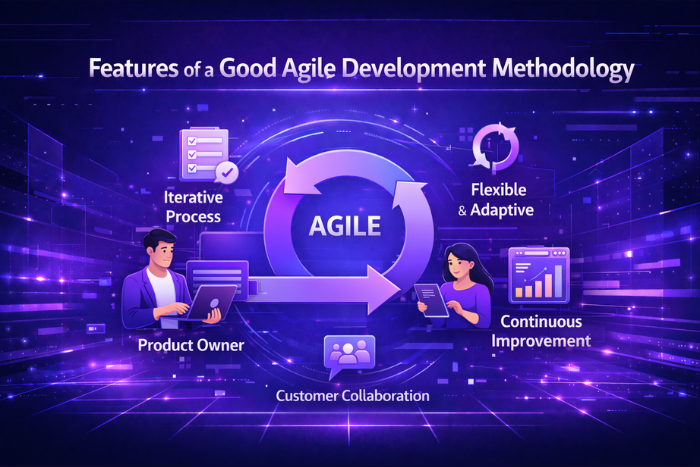
Features of a Good Agile Development Methodology Explore the features of a good agile development methodology including iterative development, collaboration, flexibility, and continuous improvement. Features of a Good Agile Development Methodology Software development has evolved significantly over the past few decades, with organizations increasingly adopting flexible and adaptive frameworks to deliver high-quality products. One of the most effective approaches in modern project management is Agile. Understanding the features of a good agile development methodology helps organizations build better software, respond quickly to changing requirements, and deliver value to customers faster. Agile development focuses on iterative progress, collaboration, customer feedback, and continuous improvement. Instead of following rigid, long-term plans, Agile encourages teams to break projects into smaller increments called iterations or sprints. This allows developers to test, refine, and improve products continuously throughout the development lifecycle. Agile methodologies are widely used in software development, mobile app development, web applications, and enterprise systems. Popular frameworks such as Scrum, Kanban, and Lean Agile are based on Agile principles that prioritize teamwork, flexibility, and customer satisfaction. By implementing Agile development practices, organizations can improve productivity, enhance communication among teams, and ensure that the final product aligns closely with business objectives and user needs. Why Features of a Good Agile Development Methodology Are Important Agile methodology has become a preferred development framework because it allows teams to adapt quickly to changes while maintaining high product quality. Projects often face evolving requirements, market shifts, and customer feedback, making flexibility essential. Here are several reasons why the features of a good Agile methodology are important: Faster Delivery of Working SoftwareIterative development allows teams to release functional features quickly. Improved CollaborationAgile encourages close collaboration between developers, stakeholders, and customers. Adaptability to Changing RequirementsTeams can easily modify project scope during development. Higher Product QualityContinuous testing and feedback improve software reliability. Better Risk ManagementShort development cycles help identify potential issues early. Greater Customer SatisfactionRegular feedback ensures the product meets user expectations. By focusing on these principles, Agile helps organizations deliver high-quality software while remaining responsive to market demands. Types of Agile Development Methodology Solutions Agile methodology includes several frameworks that support different development environments and team structures. Scrum Development FrameworkA popular Agile approach using time-based sprints and structured team roles. Kanban MethodologyA visual workflow management system that focuses on continuous delivery. Lean Agile DevelopmentA methodology focused on eliminating waste and maximizing efficiency. Extreme Programming (XP)Agile framework emphasizing frequent releases and strong technical practices. Scaled Agile Framework (SAFe)Agile practices adapted for large enterprise teams and complex projects. DevOps Integration with AgileCombining Agile development with automated deployment and operations. Each solution helps teams implement Agile principles effectively depending on project requirements. Get Free Quotation Now..!! Key Features of a Good Agile Development Methodology A successful Agile development process includes several defining features that improve productivity, collaboration, and software quality. Iterative Development CyclesProjects are divided into short development cycles known as sprints. Continuous Feedback and ImprovementTeams gather feedback regularly and refine the product. Customer-Centric DevelopmentCustomer needs and feedback guide development priorities. Cross-Functional Team CollaborationTeams include developers, designers, testers, and product managers. Adaptive Planning and FlexibilityAgile teams adjust plans as project requirements evolve. Frequent Testing and Quality AssuranceContinuous testing ensures software reliability. Incremental Product ReleasesNew features are delivered in stages rather than all at once. Transparency and CommunicationDaily stand-ups and sprint reviews maintain team alignment. Focus on Business ValueDevelopment efforts prioritize features that deliver the most value. These features allow Agile teams to produce high-quality products efficiently. Agile Development Process A structured Agile development process helps teams manage complex projects while maintaining flexibility. Project Vision and Requirement DefinitionDefine product goals, target users, and initial requirements. Product Backlog CreationList all features, tasks, and improvements required for the project. Sprint PlanningSelect tasks from the backlog to complete during the sprint. Development and ImplementationBuild and integrate features during each sprint cycle. Testing and Quality AssuranceContinuously test functionality to identify and fix issues. Sprint Review and DemonstrationPresent completed features to stakeholders for feedback. Sprint RetrospectiveEvaluate the development process and identify improvements. Continuous Delivery and UpdatesRelease updates regularly and improve features over time. This iterative process ensures that development remains efficient and adaptable. Technology Stack for Agile Development Agile development relies on various tools and technologies to manage workflows, collaboration, and software delivery. Project Management Tools: Jira, Trello, Asana Version Control Systems: Git, GitHub, GitLab CI/CD Tools: Jenkins, GitHub Actions, CircleCI Collaboration Tools: Slack, Microsoft Teams Testing Tools: Selenium, Cypress, JUnit Cloud Platforms: AWS, Google Cloud, Microsoft Azure These tools help Agile teams manage projects efficiently and automate development workflows. Cost Factors in Agile Development The cost of implementing Agile development depends on several factors related to project complexity and team structure. Project size and scope Team size and expertise Development tools and infrastructure Integration with existing systems Testing and quality assurance requirements Project timeline and sprint cycles Maintenance and continuous updates While Agile projects require ongoing development cycles, they often reduce long-term costs by minimizing rework and improving efficiency. Latest Trends in Agile Development Agile methodologies continue to evolve as new technologies and project management practices emerge. Some key trends shaping Agile development include: AI-Assisted Agile Project ManagementAI tools help analyze workflows and improve team productivity. DevOps and Agile IntegrationCombining development and operations for faster delivery. Remote Agile CollaborationDistributed teams working together using digital collaboration tools. Scaled Agile for Large EnterprisesAgile frameworks adapted for complex organizational structures. Automation in Testing and DeploymentAutomated pipelines improve development speed. Data-Driven Agile Decision MakingAnalytics and metrics guide project improvements. These trends show how Agile continues to adapt to modern development challenges. Why Choose Us for Agile Development Services? Choosing the right development partner is essential for successfully implementing Agile methodologies. Our team specializes in delivering flexible, high-performance solutions using modern Agile practices. Here’s why businesses choose our Agile development services: Experienced Agile Development Teams – Skilled professionals trained in Scrum and Agile frameworks. Customer-Focused Development Approach – Continuous collaboration with stakeholders. Rapid Feature Delivery – Faster development cycles with regular updates. High-Quality Software Solutions – Continuous testing ensures reliability. Transparent Development
Important Features of a Scrum Development Framework
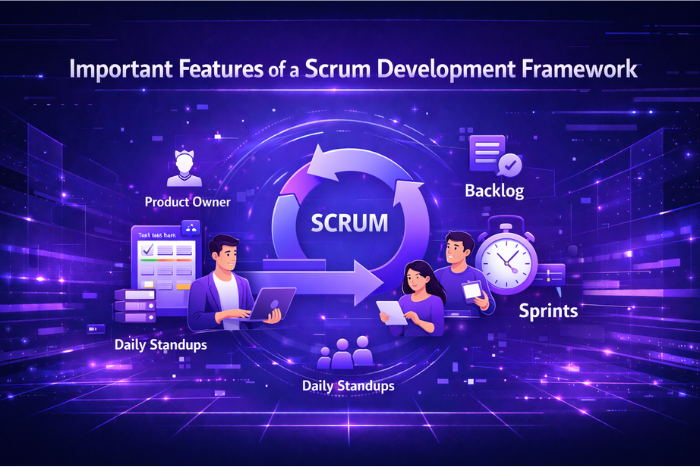
Important Features of a Scrum Development Framework Learn the important features of a scrum development framework including sprint planning, team collaboration, backlog management, and iterative delivery. Important Features of a Scrum Development Framework Modern software development requires flexibility, speed, and continuous collaboration between development teams and stakeholders. Traditional development models often struggle to adapt to changing requirements, which is why many organizations adopt Agile frameworks like Scrum. Understanding the important features of a scrum development framework helps businesses manage complex projects efficiently while delivering high-quality software. Scrum is an Agile project management framework that focuses on iterative development, collaboration, and incremental delivery. Instead of building an entire product at once, Scrum divides development into smaller time-boxed cycles known as sprints. Each sprint delivers functional increments of the product, allowing teams to gather feedback and continuously improve. A typical Scrum framework includes defined roles such as the Product Owner, Scrum Master, and Development Team. It also uses structured events like sprint planning, daily stand-ups, sprint reviews, and retrospectives to ensure transparency and progress tracking. By implementing Scrum effectively, organizations can accelerate product delivery, improve team communication, reduce project risks, and create products that better meet customer needs. Why Important Features of a Scrum Development Framework Are Important Scrum is widely adopted because it improves collaboration, productivity, and adaptability in software development projects. Its structured yet flexible approach helps teams manage complex workflows and respond quickly to changes. Here are some key reasons why the features of Scrum are important: Faster Product DeliveryShort sprint cycles allow teams to release working software regularly. Improved Team CollaborationScrum encourages daily communication and teamwork. Better Adaptability to ChangesTeams can adjust project priorities based on feedback. Higher Product QualityContinuous testing and reviews improve reliability. Enhanced TransparencyScrum ceremonies and artifacts keep stakeholders informed. Improved Customer SatisfactionFrequent product updates ensure alignment with user needs. These benefits make Scrum an effective framework for managing dynamic development environments. Types of Scrum Development Framework Solutions Scrum can be adapted to different project sizes and development environments depending on organizational needs. Product Development ScrumUsed for developing new digital products such as software applications. Enterprise Scrum ImplementationScrum frameworks scaled for large organizations and multiple teams. Scrum for Web and Mobile DevelopmentAgile development cycles tailored for digital product creation. Hybrid Scrum-Kanban ApproachCombines Scrum structure with Kanban workflow visualization. Scrum for DevOps TeamsIntegrates development and operations workflows for faster deployment. Scaled Scrum FrameworksMethods like SAFe or LeSS that allow Scrum to operate across large teams. These approaches help organizations apply Scrum principles across different development scenarios. Get Free Quotation Now..!! Key Features of a Scrum Development Framework A successful Scrum implementation includes several defining features that ensure smooth project management and efficient development. Sprint-Based Development CyclesWork is divided into short, fixed-length sprints typically lasting two to four weeks. Product Backlog ManagementA prioritized list of features, improvements, and tasks maintained by the Product Owner. Sprint Backlog PlanningTasks selected from the product backlog to be completed during a sprint. Defined Scrum RolesProduct Owner, Scrum Master, and Development Team collaborate to deliver results. Daily Scrum MeetingsShort stand-up meetings that help teams review progress and resolve obstacles. Sprint Review SessionsDemonstrating completed features to stakeholders for feedback. Sprint RetrospectivesEvaluating team performance and identifying improvements. Incremental Product DeliveryEach sprint produces a functional product increment. Transparency and AccountabilityScrum processes ensure visibility into project progress. These features allow teams to deliver high-quality products while maintaining flexibility. Scrum Development Process Implementing Scrum requires a structured workflow that promotes collaboration and continuous improvement. Product Vision and Requirement GatheringDefine project goals, user needs, and key product features. Product Backlog CreationOrganize tasks and features in a prioritized backlog. Sprint Planning MeetingSelect backlog items to be completed in the upcoming sprint. Sprint Execution and DevelopmentDevelopers build and integrate features during the sprint. Daily Scrum MeetingsShort stand-ups to review progress and address challenges. Sprint ReviewDemonstrate completed work to stakeholders for feedback. Sprint RetrospectiveAnalyze the development process and identify improvements. Continuous Iteration and ImprovementUpdate the backlog and start the next sprint cycle. This process ensures efficient project management and continuous product enhancement. Technology Stack for Scrum Development Scrum teams rely on various tools and technologies to manage development workflows effectively. Project Management Tools: Jira, Trello, ClickUp Version Control Systems: Git, GitHub, GitLab Continuous Integration Tools: Jenkins, CircleCI Collaboration Tools: Slack, Microsoft Teams Testing Tools: Selenium, Cypress, JUnit Cloud Platforms: AWS, Google Cloud Platform, Microsoft Azure These technologies help teams automate workflows and maintain productivity. Cost Factors in Scrum Development Several factors influence the cost of implementing a Scrum development framework. Team size and expertise level Project complexity and feature requirements Development tools and infrastructure Integration with existing systems Testing and quality assurance processes Number of sprint cycles required Maintenance and post-launch support While Scrum requires continuous collaboration, it often reduces overall project costs by minimizing development risks. Latest Trends in Scrum Development Scrum continues to evolve with new technologies and project management practices. Key trends shaping Scrum development include: AI-Powered Project Management ToolsIntelligent tools that analyze sprint performance. Integration of Scrum with DevOpsFaster software delivery through automated pipelines. Remote Scrum CollaborationDistributed teams working through digital collaboration platforms. Scaled Agile FrameworksApplying Scrum across large enterprise teams. Automated Testing and Continuous DeliveryEnhancing development efficiency and reliability. Data-Driven Sprint OptimizationUsing analytics to improve sprint planning and performance. These trends demonstrate how Scrum continues to adapt to modern development environments. Why Choose Us for Scrum Development Services? Choosing the right development partner is critical for implementing Scrum successfully. Our team combines Agile expertise with modern development practices to deliver scalable and efficient software solutions. Here’s why businesses choose our Scrum development services: Certified Agile and Scrum Professionals – Experienced developers trained in Agile frameworks. Efficient Sprint Management – Structured workflows that accelerate delivery. Transparent Project Communication – Regular updates and stakeholder collaboration. Scalable Development Architecture – Systems designed to support future growth. Continuous Testing and Quality Assurance – Ensuring reliable software performance. Long-Term Support and Optimization – Ongoing improvements and maintenance. We help organizations adopt Scrum practices to deliver innovative software faster and more

Features of a Successful Affiliate Marketing Website
Features of a Successful Affiliate Marketing Website Discover the key features of a successful affiliate marketing website including tracking systems, SEO tools, analytics, and conversion-focused design. Features of a Successful Affiliate Marketing Website Affiliate marketing has become one of the most effective digital marketing strategies for businesses and entrepreneurs. It allows companies to promote products or services through partners—known as affiliates—who earn commissions for driving sales or leads. To manage this system efficiently, businesses need platforms that support tracking, partner management, and performance optimization. Understanding the features of a successful affiliate marketing website is essential for building a scalable and profitable affiliate program. A well-developed affiliate marketing website acts as the central hub for affiliates, advertisers, and administrators. It provides tools for affiliate onboarding, link tracking, commission management, analytics, and promotional resources. These features help businesses expand their marketing reach while ensuring affiliates can promote products effectively. Modern affiliate marketing platforms also integrate advanced technologies such as automated tracking systems, SEO tools, marketing automation, and real-time analytics dashboards. These tools allow businesses to monitor affiliate performance, optimize campaigns, and maximize return on investment (ROI). Whether you are launching a new affiliate marketing program or building a full-scale affiliate network platform, implementing the right website features ensures better partner collaboration, accurate performance tracking, and long-term revenue growth. Why Features of a Successful Affiliate Marketing Website Are Important Affiliate marketing websites play a critical role in managing partnerships between businesses and affiliates. Without the right platform features, tracking sales, managing commissions, and supporting affiliates can become complicated. Here’s why implementing the right features is important: Accurate Affiliate Tracking Advanced tracking systems ensure commissions are correctly attributed to affiliates. Efficient Partner Management Affiliate dashboards allow partners to access links, track earnings, and monitor campaign performance. Increased Marketing Reach Affiliate programs allow businesses to expand their marketing efforts through multiple partners. Improved Campaign Performance Analytics tools provide insights into traffic sources, conversions, and affiliate productivity. Automated Commission Management Automated payout systems ensure timely and accurate payments for affiliates. Better ROI from Marketing Campaigns Businesses only pay affiliates when actual sales or leads are generated. These benefits make affiliate marketing websites powerful tools for performance-based digital marketing strategies. Types of Affiliate Marketing Platform Solutions Different affiliate marketing platforms serve various business models and marketing strategies. Affiliate Network Platforms Large platforms that connect advertisers with thousands of affiliates. Brand-Owned Affiliate Program Websites Businesses create their own affiliate programs to promote products and services. Content-Based Affiliate Websites Websites that promote affiliate products through blogs, reviews, and product comparisons. Coupon and Deal Affiliate Platforms Websites that attract users with discounts and promotional offers from affiliate partners. Influencer Affiliate Platforms Platforms designed for influencers and content creators who promote products through affiliate links. Each type of affiliate marketing website requires specialized tools to track performance and manage partnerships. Get Free Quotation Now..!! Key Features of a Successful Affiliate Marketing Website A powerful affiliate marketing platform must include multiple features to support affiliates, advertisers, and administrators. Affiliate Registration and Onboarding A simple registration process allows affiliates to join the program and start promoting products quickly. Affiliate Dashboard A dedicated dashboard where affiliates can access referral links, monitor earnings, and track conversions. Advanced Tracking System Accurate tracking technologies ensure that clicks, leads, and sales are attributed correctly. Custom Affiliate Links Affiliates receive unique referral links for promoting products across websites, blogs, and social media. Commission Management System Automated commission tracking and payout management streamline affiliate compensation. Performance Analytics and Reporting Detailed analytics provide insights into traffic sources, conversion rates, and campaign performance. Marketing Resources for Affiliates Promotional materials such as banners, creatives, and product links help affiliates promote products effectively. SEO and Content Management Tools Integrated SEO tools help affiliate websites rank higher in search engines and attract organic traffic. Multi-Level Affiliate Programs Some platforms support multi-tier affiliate systems where affiliates can recruit other partners. Fraud Detection and Security Security mechanisms detect fraudulent clicks or invalid traffic to maintain program integrity. Payment and Payout Integration Integration with payment systems ensures affiliates receive timely commissions. Customer Relationship Management (CRM) Integration CRM systems help businesses manage affiliate relationships and campaign performance. These features ensure that affiliate marketing websites operate efficiently and provide value to both businesses and affiliates. Development Process for an Affiliate Marketing Platform Building an affiliate marketing platform requires a structured development approach. Market and Business Model Analysis Identify target audiences, affiliate program goals, and commission structures. Platform Architecture Planning Design scalable infrastructure for affiliate tracking, reporting, and commission management. UI/UX Design Create user-friendly interfaces for affiliates, advertisers, and administrators. Backend and Frontend Development Implement affiliate registration systems, tracking technologies, and reporting dashboards. Integration with Marketing Tools Connect the platform with analytics, CRM, and email marketing tools. Security and Fraud Prevention Implementation Implement monitoring systems to detect fraudulent activities. Testing and Quality Assurance Conduct performance testing and security checks. Deployment and Continuous Optimization Launch the platform and continuously improve performance based on analytics. Following this process ensures the affiliate platform remains secure, scalable, and efficient. Technology Stack for Affiliate Marketing Website Development Building a scalable affiliate marketing platform requires modern technologies. Frontend Technologies: React.js, Angular, Vue.js, Next.js Backend Technologies: Node.js, Python, PHP, Java Databases: PostgreSQL, MySQL, MongoDB Affiliate Tracking Tools: Custom tracking scripts, cookies, referral tracking systems Analytics Tools: Google Analytics, Mixpanel, marketing analytics platforms Payment Systems: PayPal, Stripe, Payoneer Cloud Infrastructure: AWS, Google Cloud Platform, Microsoft Azure Security Technologies: SSL encryption, OAuth authentication, fraud detection systems DevOps Tools: Docker, Kubernetes, CI/CD pipelines These technologies help create reliable affiliate platforms that handle large traffic volumes and affiliate networks. Cost Factors in Affiliate Marketing Website Development The cost of building an affiliate marketing website varies depending on platform complexity and feature requirements. Key cost factors include: Affiliate tracking and analytics system development Commission management and payout integration User dashboard and reporting tools CRM and marketing automation integration Security and fraud prevention mechanisms Custom design and branding requirements Cloud infrastructure and hosting setup Maintenance and support services Businesses should plan both initial
Important Features of a Dropshipping Website
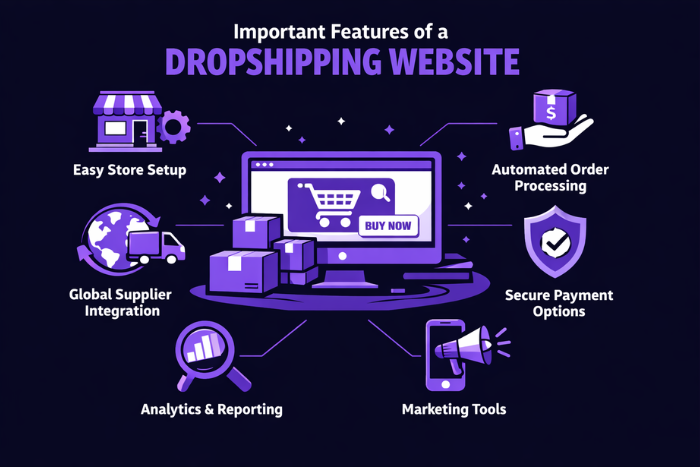
Important Features of a Dropshipping Website Discover important features of a dropshipping website including automated inventory, supplier integration, secure checkout, and scalable eCommerce tools. Important Features of a Dropshipping Website Dropshipping has become one of the most popular eCommerce business models because it allows entrepreneurs to sell products online without maintaining physical inventory. Instead of storing products, online store owners partner with suppliers who handle product storage, packaging, and shipping directly to customers. To operate efficiently and scale successfully, businesses must understand the important features of a dropshipping website. A well-designed dropshipping website should support seamless product management, supplier integration, automated inventory updates, secure payment processing, and smooth order fulfillment. These features ensure that store owners can manage large product catalogs and process orders without operational bottlenecks. Modern dropshipping platforms also integrate automation tools, analytics dashboards, marketing features, and supplier management systems. These capabilities allow entrepreneurs to focus on marketing and customer engagement while the backend handles product sourcing and fulfillment. Whether you are launching your first dropshipping store or scaling an existing online business, implementing the right website features is essential for improving efficiency, customer satisfaction, and long-term profitability. In this guide, we explore the important features of a dropshipping website, development considerations, and the technologies used to build successful dropshipping platforms. Why Important Features of a Dropshipping Website Are Important Dropshipping businesses rely heavily on automation and system integration. Without the right website features, managing products, suppliers, and orders can become inefficient and error-prone. Here are key reasons why implementing the important features of a dropshipping website is essential: Automated Inventory Management Real-time inventory synchronization prevents overselling and keeps product availability accurate. Efficient Order Fulfillment Automated order routing sends customer orders directly to suppliers for faster processing. Scalable Product Catalog Management Dropshipping websites often handle thousands of products, requiring robust catalog management tools. Improved Customer Experience Smooth browsing, secure checkout, and fast shipping updates increase customer satisfaction. Operational Efficiency Automation reduces manual work and allows business owners to focus on marketing and sales. Better Profit Optimization Analytics tools help identify high-performing products and optimize pricing strategies. By implementing these features, dropshipping businesses can streamline operations and provide reliable online shopping experiences. Types of Dropshipping Platform Solutions Different dropshipping website solutions cater to various business models and product categories. Single-Store Dropshipping Websites Individual online stores selling products sourced from third-party suppliers. Multi-Vendor Dropshipping Marketplaces Platforms where multiple sellers list products while suppliers manage fulfillment. Niche Dropshipping Stores Stores focusing on specific product categories such as electronics, fashion, beauty, or pet products. Print-on-Demand Dropshipping Platforms Websites that sell customized products such as apparel, mugs, and accessories created after an order is placed. Subscription-Based Dropshipping Stores Online stores offering recurring product deliveries such as monthly subscription boxes. Each type of dropshipping website requires different tools and integrations depending on business objectives and product types. Get Free Quotation Now..!! Key Features of a Dropshipping Website A successful dropshipping platform requires a combination of automation, product management, and customer experience features. User-Friendly Website Design Clean layouts and intuitive navigation help customers easily browse products and categories. Supplier Integration Integration with suppliers allows automatic product imports, inventory synchronization, and order processing. Automated Inventory Management Real-time inventory updates ensure accurate stock availability and prevent order cancellations. Product Catalog Management Store owners can manage large product catalogs with descriptions, images, pricing, and categories. High-Converting Product Pages Detailed product descriptions, images, reviews, and clear calls-to-action increase conversions. Advanced Search and Filters Customers can easily find products based on categories, price ranges, ratings, or brands. Secure Payment Processing Integration with secure payment gateways ensures safe transactions. Seamless Checkout Process A simplified checkout system reduces cart abandonment and improves conversion rates. Order Tracking and Notifications Customers receive updates about order status, shipping progress, and delivery times. Customer Reviews and Social Proof Product ratings and reviews build trust and influence purchasing decisions. Marketing and SEO Tools Built-in SEO features and marketing tools help increase store visibility and attract organic traffic. Analytics and Reporting Data insights help store owners monitor sales, customer behavior, and product performance. These features ensure that dropshipping stores operate efficiently while providing excellent customer experiences. Development Process Building a dropshipping website with key features requires careful planning and integration with supplier and eCommerce systems. Business Model and Market Research Identify niche markets, product categories, and target audiences. Platform Architecture Planning Design scalable systems for product catalog management, supplier integrations, and order processing. UI/UX Design Create visually appealing interfaces that improve product discovery and shopping experiences. Frontend and Backend Development Implement product pages, search features, checkout systems, and automation tools. Supplier and API Integration Connect the website with supplier platforms for automated product import and order fulfillment. Payment and Logistics Integration Integrate payment gateways and shipping providers for secure transactions and delivery tracking. Testing and Quality Assurance Conduct performance testing, usability testing, and security audits. Deployment and Optimization Launch the dropshipping website and optimize performance for scalability. This structured process ensures that the dropshipping website operates smoothly and supports business growth. Technology Stack for Dropshipping Website Development A reliable technology stack ensures scalability, automation, and performance. Frontend Technologies: React.js, Vue.js, Angular, Next.js Backend Technologies: Node.js, Python, PHP, Java E-commerce Platforms: Shopify, WooCommerce, Magento, BigCommerce Databases: PostgreSQL, MySQL, MongoDB Supplier Integration APIs: AliExpress, Spocket, Oberlo, Modalyst Cloud Infrastructure: AWS, Google Cloud Platform, Microsoft Azure Security Technologies: SSL encryption, OAuth authentication, PCI DSS compliance DevOps Tools: Docker, Kubernetes, GitHub Actions, CI/CD pipelines These technologies help build reliable dropshipping platforms that support large product catalogs and high traffic. Cost Factors in Dropshipping Website Development The cost of building a dropshipping website with essential features depends on various technical and business factors. Key cost factors include: Platform complexity and customization Supplier integration and automation features Product catalog size and management tools Payment gateway and logistics integrations UI/UX design requirements Marketing and SEO features Security and compliance requirements Hosting infrastructure and scalability Ongoing maintenance and updates Businesses should evaluate both initial development costs and long-term operational expenses before launching a dropshipping website.

Features of a Good Online Shopping App
Features of a Good Online Shopping App Discover the essential features of a good online shopping app including secure payments, smart search, order tracking, and mobile-friendly design. Features of a Good Online Shopping App Mobile commerce has transformed how customers shop, allowing them to browse products, compare prices, and make purchases directly from their smartphones. As smartphone usage continues to grow worldwide, businesses are increasingly investing in mobile apps to deliver seamless and personalized shopping experiences. To succeed in today’s competitive digital marketplace, it is essential to understand the features of a good online shopping app. A well-designed shopping app must provide more than just product listings. It should offer intuitive navigation, personalized product recommendations, secure payment options, real-time order tracking, and a smooth checkout experience. These features help improve user engagement, increase customer satisfaction, and boost conversion rates. Modern online shopping apps also incorporate advanced technologies such as artificial intelligence, push notifications, analytics, and social commerce integrations. These capabilities allow businesses to understand customer behavior, deliver targeted promotions, and build long-term customer loyalty. Whether you are launching a startup e-commerce app or expanding an existing online store into mobile platforms, integrating the right features is essential for delivering a fast, secure, and engaging shopping experience. Why Features of a Good Online Shopping App Are Important Mobile shopping apps have become a crucial part of the e-commerce ecosystem. Customers prefer shopping apps because they offer convenience, faster browsing, and personalized experiences. Here’s why implementing the right features in an online shopping app is important: Improved User Experience A well-structured app with intuitive navigation helps users find products quickly and complete purchases effortlessly. Higher Customer Engagement Personalized recommendations, push notifications, and loyalty programs keep users engaged with the app. Increased Conversion Rates Smooth checkout processes and secure payment systems reduce cart abandonment. Enhanced Customer Trust Secure authentication and payment gateways ensure safe transactions and build credibility. Better Business Insights Analytics tools allow businesses to understand customer behavior and optimize marketing strategies. Competitive Advantage Feature-rich shopping apps attract more users and improve brand recognition in the digital marketplace. Implementing the right features ensures that the shopping app provides both convenience for customers and growth opportunities for businesses. Types of Online Shopping Platform Solutions Different types of online shopping apps serve various business models and market needs. Retail E-commerce Apps These apps allow businesses to sell products directly to customers through mobile platforms. Marketplace Shopping Apps Multi-vendor platforms where multiple sellers list products and customers purchase from various vendors. Subscription-Based Shopping Apps Apps that deliver products periodically through subscription models such as monthly deliveries. On-Demand Delivery Apps Shopping apps designed for instant product delivery such as groceries, food, or medicine. Brand-Specific Shopping Apps Dedicated apps built by brands to sell their own products directly to customers. Each type of shopping app requires specific features tailored to customer expectations and business goals. Get Free Quotation Now..!! Key Features of a Good Online Shopping App A successful online shopping app must include several essential features to enhance the shopping experience and streamline operations. Intuitive User Interface A simple and visually appealing interface makes it easy for users to browse products and navigate the app. Advanced Search and Filters Search functionality with filters for price, category, ratings, and brand helps customers find products quickly. Product Catalog Management Businesses should be able to organize product listings, images, descriptions, and inventory efficiently. Personalized Product Recommendations AI-powered recommendations suggest products based on browsing history and purchase behavior. Secure Payment Gateway Integration with payment systems ensures safe and convenient transactions for customers. Wishlist and Save for Later Users can save favorite products and purchase them later. Seamless Checkout Process A simplified checkout process reduces friction and improves conversion rates. Real-Time Order Tracking Customers can track orders, delivery status, and estimated arrival times. Push Notifications and Alerts Notifications inform users about promotions, discounts, order updates, and new arrivals. Customer Reviews and Ratings Feedback systems help customers make informed purchasing decisions. Multi-Language and Multi-Currency Support Global shopping apps require support for different languages and currencies. Customer Support Integration Live chat, help centers, or support tickets improve customer service. These features ensure the online shopping app provides a smooth, engaging, and secure shopping experience. Development Process for an Online Shopping App Developing a successful online shopping app requires a structured approach and careful planning. Requirement Analysis Identify business objectives, target audience, product categories, and platform requirements. App Architecture Planning Design the technical architecture including product catalog systems, payment modules, and user accounts. UI/UX Design Create intuitive mobile interfaces that improve usability and customer engagement. Frontend and Backend Development Develop app features such as product browsing, search functionality, shopping carts, and payment integration. Third-Party Integrations Integrate payment gateways, analytics tools, push notification services, and logistics APIs. Testing and Quality Assurance Conduct performance testing, security testing, and usability checks. Deployment and App Store Launch Publish the shopping app on platforms such as Google Play and Apple App Store. Maintenance and Continuous Updates Improve the app regularly with updates, security patches, and new features. This development process ensures that the app remains stable, scalable, and optimized for performance. Technology Stack for Online Shopping Platform Development A modern shopping app requires reliable technologies to ensure high performance and scalability. Mobile App Development: Flutter, React Native, Swift, Kotlin Backend Technologies: Node.js, Python, PHP, Java Databases: MongoDB, PostgreSQL, MySQL Payment Gateways: Stripe, PayPal, Razorpay, Square Cloud Platforms: AWS, Google Cloud Platform, Microsoft Azure Security Technologies: SSL encryption, OAuth authentication, PCI DSS compliance Analytics Tools: Google Analytics, Firebase Analytics DevOps Tools: Docker, Kubernetes, CI/CD pipelines These technologies help create secure, scalable, and high-performance online shopping apps. Cost Factors in Online Shopping App Development The cost of developing an online shopping app depends on several factors. Key cost considerations include: App complexity and number of features UI/UX design requirements Payment gateway integration Product catalog and inventory management systems Real-time order tracking and logistics integration Third-party API integrations Security and compliance requirements Mobile platform support (iOS and Android) Maintenance and support

