

What Are the App Development Services for Small Business? Discover app development services for small business including mobile apps, web apps, MVP development, and scalable solutions. What Are the App Development Services for Small Business? In today’s digital landscape, mobile and web applications are no longer limited to large enterprises. Small businesses are increasingly investing in digital solutions to improve customer engagement, streamline operations, and expand their market reach. A common question among entrepreneurs is: “What are the app development services for small business?” App development services help small businesses create customized applications tailored to their specific needs. These applications can include mobile apps, web apps, eCommerce platforms, booking systems, customer portals, and business management tools. By leveraging modern technologies, small businesses can provide seamless digital experiences to their customers while improving operational efficiency. With the rise of smartphones and digital services, customers expect businesses to provide convenient online experiences. Apps allow small businesses to interact directly with their audience, offer personalized services, and build long-term relationships. Moreover, digital platforms help businesses collect valuable insights about customer behavior and preferences. Whether you’re launching a startup, managing a local service business, or expanding an online store, app development services can transform your operations. In this guide, we will explore the different app development services available for small businesses, the technologies used, the development process, and how these solutions can help businesses grow. Why App Development Services Are Important for Small Businesses Mobile and web applications provide powerful tools that allow small businesses to compete with larger companies and reach customers more effectively. Here are several reasons why app development services are important for small businesses: Improved Customer EngagementMobile apps allow businesses to communicate directly with customers through notifications, promotions, and updates. Increased Brand VisibilityHaving an app helps businesses maintain a constant presence on customers’ devices. Enhanced Customer ExperienceApps provide faster access to products, services, and support. Business Process AutomationApplications can automate booking systems, order management, and customer interactions. Data Collection and AnalyticsApps provide insights into user behavior, helping businesses improve marketing strategies. Revenue Growth OpportunitiesBusinesses can generate additional revenue through subscriptions, in-app purchases, or digital services. Investing in app development helps small businesses improve efficiency, build stronger customer relationships, and expand their digital presence. Types of App Development Solutions for Small Businesses Small businesses can choose from several types of app development solutions depending on their goals and target audience. Native Mobile App Development Native apps are built specifically for a single platform such as Android or iOS. High performance and speed Optimized user experience Access to device features Cross-Platform App Development Cross-platform frameworks allow businesses to build apps for multiple platforms using a single codebase. Faster development process Lower development costs Consistent user experience Progressive Web Apps (PWAs) PWAs provide app-like experiences through web browsers. Lower development cost Easy updates Accessible across devices eCommerce App Development eCommerce applications help businesses sell products online. Secure payment integrations Inventory management Order tracking Custom Business Applications Custom apps are designed to support specific business operations. Booking systems Customer relationship management (CRM) Inventory and workflow management These solutions enable small businesses to choose development options that match their budget and business objectives. Get Free Quotation Now..!! Key Features of Small Business Applications Successful business applications include features that improve usability and support business operations. Key features include: User-friendly interface and intuitive navigation Secure login and authentication systems Online payment gateway integration Push notifications and customer alerts Order and booking management systems Customer support and chat features Analytics dashboards for business insights Integration with third-party tools and services These features help businesses deliver better digital experiences to their customers. Development Process for Small Business App Development Building an application for a small business involves several important stages. Business Requirement AnalysisUnderstand business goals, target audience, and application features. Planning and Strategy DevelopmentDefine development roadmap, technology stack, and project scope. UI/UX DesignDesign user-friendly interfaces that improve engagement and usability. Application DevelopmentImplement the app’s frontend and backend functionalities. Testing and Quality AssurancePerform functional testing, performance testing, and security validation. Deployment and LaunchPublish the application on app stores or web platforms. Maintenance and Continuous ImprovementsProvide updates, bug fixes, and feature enhancements. This structured development process ensures successful application deployment. Technology Stack Modern technologies enable small businesses to build scalable and efficient applications. Mobile Technologies: Flutter, React Native, Swift, Kotlin Frontend Technologies: HTML5, CSS3, JavaScript, TypeScript Backend Technologies: Node.js, Python, Java, PHP Databases: PostgreSQL, MongoDB, MySQL, Firebase Cloud Platforms: AWS, Microsoft Azure, Google Cloud Platform DevOps Tools: Docker, Kubernetes, GitHub Actions Security Technologies: OAuth authentication, SSL encryption Choosing the right technology stack ensures better performance and scalability. Cost Factors in Small Business App Development The cost of developing an application for a small business depends on several factors. Key cost factors include: App complexity and number of features Platform selection (Android, iOS, or web) UI/UX design requirements Integration with third-party services Backend infrastructure setup Development team expertise Testing and quality assurance Maintenance and updates Small businesses often start with Minimum Viable Products (MVPs) to reduce initial development costs and validate their ideas. Latest Trends in App Development for Small Businesses The mobile app industry is evolving rapidly, and small businesses are adopting new technologies to stay competitive. Key trends include: AI-powered customer support chatbots Cloud-based mobile applications Cross-platform development frameworks Voice search integration Mobile commerce and digital payments Personalized customer experiences IoT-enabled business applications Low-code and no-code development tools These trends allow small businesses to deliver innovative digital solutions. Why Choose Us for Small Business App Development? Choosing the right development partner is essential for building a successful business application. Our team specializes in delivering cost-effective and scalable app development solutions tailored to small businesses. Here’s why businesses trust us: Startup-Friendly Development Approach – Solutions designed specifically for small businesses and startups. Affordable Development Models – Flexible pricing options to suit limited budgets. Experienced Development Team – Skilled developers with expertise in modern technologies. End-to-End Development Services – From concept validation to deployment and maintenance. User-Centered Design – Focus
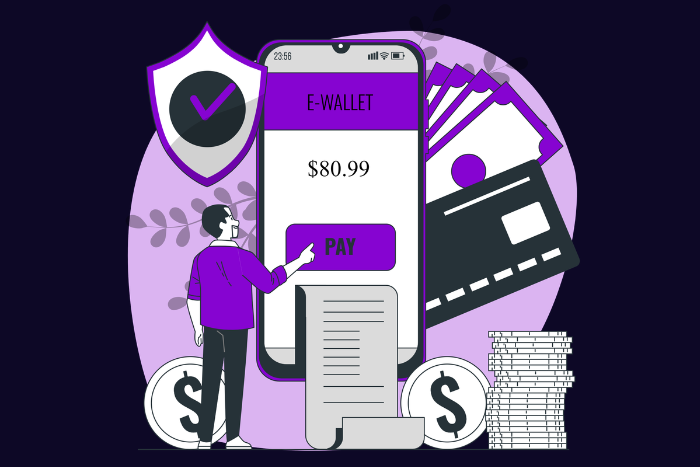
How Do I Integrate Payment Gateway in My App?
How Do I Integrate Payment Gateway in My App? Learn how to integrate a payment gateway in your app securely. Step-by-step guide with features, tech stack, costs, and best practices. How Do I Integrate Payment Gateway in My App? Online payments have become a fundamental part of modern digital applications. Whether you are building an eCommerce platform, subscription service, marketplace, or mobile app, integrating a payment gateway is essential for enabling secure and seamless financial transactions. Many businesses and developers ask the question: “How do I integrate payment gateway in my app?” A payment gateway acts as the bridge between your application, customers, and financial institutions. It securely processes online payments, verifies transaction details, and transfers funds from the customer’s account to the merchant’s account. With the rapid growth of digital commerce, integrating payment gateways such as Stripe, PayPal, Razorpay, or other providers has become a standard requirement for mobile and web applications. A well-integrated payment system ensures fast transactions, secure data handling, fraud protection, and a smooth user experience. Without a reliable payment gateway integration, businesses risk transaction failures, security vulnerabilities, and customer dissatisfaction. From selecting the right payment provider to implementing secure APIs and testing transactions, payment gateway integration requires careful planning and technical expertise. In this guide, we’ll explore how to integrate a payment gateway in your app, the development process involved, the technologies used, and best practices for secure and efficient payment processing. Why Payment Gateway Integration Is Important Payment gateway integration is critical for businesses that want to accept online payments and provide customers with convenient and secure transaction options. Here are several reasons why payment gateway integration is important: Secure Online TransactionsPayment gateways encrypt sensitive financial information to prevent unauthorized access. Multiple Payment OptionsCustomers can pay using credit cards, debit cards, digital wallets, UPI, or bank transfers. Improved Customer ExperienceSeamless payment processes increase customer satisfaction and reduce cart abandonment. Global Payment SupportPayment gateways enable businesses to accept payments from international customers. Automated Payment ProcessingTransactions are processed automatically without manual intervention. Fraud Detection and PreventionAdvanced security systems help identify suspicious transactions and protect user data. Integrating a payment gateway allows businesses to provide secure and convenient payment options while ensuring smooth financial operations. Types of Solutions to Integrate Payment Gateway in App Different types of payment gateway integration methods are available depending on the application’s requirements and business model. Hosted Payment Gateway In hosted integrations, users are redirected to the payment provider’s secure page to complete the transaction. Easy to implement High security provided by the gateway provider Reduced compliance requirements API-Based Payment Gateway API integration allows developers to embed payment functionality directly into the application. Fully customizable payment experience Seamless in-app payment flow Greater control over UI/UX SDK-Based Integration Many payment providers offer Software Development Kits (SDKs) for mobile apps. Faster integration process Pre-built payment components Secure transaction handling Direct Bank Integration Direct integration connects the application with banks or financial institutions. Suitable for enterprise-level applications Supports large-scale financial systems Multi-Payment Gateway Integration Some businesses integrate multiple gateways to provide more payment options and reduce transaction failures. Each method offers different advantages depending on the complexity and requirements of the application. Get Free Quotation Now..!! Key Features to Integrate Payment Gateway in App A properly integrated payment gateway should include several features to ensure secure and efficient payment processing. Secure Encryption and Data Protection – Strong encryption ensures safe financial transactions when you integrate payment gateway in app. Support for Multiple Payment Methods – Enable credit cards, debit cards, UPI, digital wallets, and bank transfers. Real-Time Transaction Processing – Fast payment processing improves user experience and reduces payment delays. Fraud Detection and Risk Management – Advanced systems help prevent suspicious transactions when you integrate payment gateway in app. Tokenization for Secure Payment Storage – Protect sensitive payment information with secure tokenization methods. Recurring Payment and Subscription Support – Essential for SaaS platforms and subscription-based services. Seamless Mobile and Web Integration – Smooth checkout experiences across devices when you integrate payment gateway in app. Automated Payment Notifications – Instant alerts and confirmations after successful transactions. These features help businesses deliver reliable payment experiences while maintaining high security standards. Development Process for Payment Gateway Integration Integrating a payment gateway into an application involves several technical and operational steps. Business Requirement AnalysisDetermine the types of payments your application will support, such as one-time payments, subscriptions, or marketplace transactions. Selecting a Payment Gateway ProviderChoose a reliable payment gateway based on supported payment methods, security features, and geographic coverage. Merchant Account SetupRegister your business with the payment provider and obtain API credentials. API Integration and DevelopmentImplement the payment gateway API within the application backend and connect it to the frontend checkout interface. Implement Security ProtocolsUse encryption, tokenization, and authentication mechanisms to protect financial data. Testing Payment TransactionsConduct sandbox testing to simulate transactions and verify system performance. Deployment and Live IntegrationDeploy the payment gateway in the production environment. Monitoring and OptimizationMonitor transactions, detect errors, and optimize payment performance. This structured process ensures smooth and secure payment integration within the application. Technology Stack for Payment Gateway Integration Developers rely on various technologies and tools to integrate payment gateways efficiently. Mobile Technologies: Swift, Kotlin, Flutter, React Native Frontend Technologies: HTML5, CSS3, JavaScript, TypeScript Backend Technologies: Node.js, Python, Java, PHP, .NET Payment APIs: Stripe API, PayPal API, Razorpay API, Square API Security Technologies: SSL/TLS encryption, OAuth authentication, tokenization Databases: PostgreSQL, MongoDB, MySQL Cloud Platforms: AWS, Microsoft Azure, Google Cloud Platform DevOps Tools: Docker, Kubernetes, GitHub Actions Using modern technology stacks ensures secure, scalable, and reliable payment processing systems. Cost Factors to Integrate Payment Gateway in App The cost of integrating a payment gateway into an app depends on several factors. Key cost considerations include: Payment gateway provider transaction fees API integration complexity Security and compliance requirements Number of supported payment methods Development team expertise Testing and quality assurance efforts Infrastructure and hosting costs Maintenance and future upgrades Some payment gateways charge setup fees, monthly subscriptions, or per-transaction charges. Businesses should evaluate these

What Is the Process of App Submission to App Store and Play Store?
What Is the Process of App Submission to App Store and Play Store? Learn the process of app submission to App Store and Play Store, including preparation, testing, listing, approval, and publishing steps. What Is the Process of App Submission to App Store and Play Store? Publishing an application on major platforms like the Apple App Store and Google Play Store is a crucial step in bringing your digital product to users worldwide. Many developers and businesses ask, “What is the process of app submission to App Store and Play Store?” Understanding this process ensures that your application meets platform requirements and successfully reaches your target audience. App stores follow strict guidelines to maintain security, quality, and user experience. Before an application becomes available for download, it must go through several stages such as preparation, testing, compliance checks, listing creation, and review. These steps ensure that the application performs well, follows platform policies, and protects user data. Submitting an app also involves creating developer accounts, preparing store assets, configuring pricing and distribution, and completing compliance requirements. If any step is skipped or improperly implemented, the application may be rejected during the review process. For businesses launching mobile applications, a structured app submission strategy helps avoid delays and ensures smooth deployment. In this guide, we will explore the complete process of submitting an app to the App Store and Play Store, the technologies involved, cost considerations, and best practices for successful publication. Why App Submission Is Important Submitting an application to official app stores is essential for reaching a global audience and ensuring a secure distribution channel. Here are several reasons why proper app submission is important: Global App DistributionApp stores allow developers to distribute their applications to millions of users worldwide. User Trust and SecurityOfficial app stores verify applications to ensure security and quality. App DiscoverabilityApps published on app stores can be discovered through search results and recommendations. Automatic UpdatesApp stores allow developers to release updates and improvements easily. Monetization OpportunitiesApps can generate revenue through subscriptions, in-app purchases, and advertisements. Analytics and Performance TrackingApp stores provide insights into downloads, user engagement, and performance. Publishing your app through official platforms ensures reliability, visibility, and long-term growth. Types of App Submission Solutions There are different ways to distribute applications through app stores depending on the business needs and target audience. Public App Store Submission This is the most common method where the application is published publicly on app stores. Available to all users Discoverable through search and categories Supports global distribution Private App Distribution Some businesses publish apps privately for internal use. Enterprise applications Limited user access Controlled distribution Beta Testing Distribution Developers can release beta versions before full launch. Collect user feedback Identify bugs and performance issues Improve app quality before public release Progressive Web App Distribution Some applications are distributed through browsers instead of traditional app stores. Faster deployment Lower development costs Simplified updates These distribution methods allow businesses to choose the most suitable approach for their application strategy. Get Free Quotation Now..!! Key Features of App Store Submission A successful app submission process includes several essential features that ensure smooth publishing. Compliance with App Store and Play Store guidelines High-quality app design and user experience Secure data handling and privacy policies Optimized app store listing with keywords and visuals Support for in-app purchases and monetization Crash-free performance and stability Regular updates and version management App analytics and performance monitoring These features improve the chances of app approval and enhance user experience after launch. Development Process for App Submission Submitting an application to app stores involves several steps that must be carefully followed. Prepare the Application for ReleaseEnsure the application is fully developed, tested, and optimized for performance. Create Developer AccountsRegister developer accounts with Apple App Store and Google Play Store. Generate App BuildsCreate release builds such as APK or AAB for Android and IPA for iOS. App Store Listing PreparationPrepare app name, description, screenshots, icons, promotional videos, and keywords. Configure App SettingsSet pricing, target regions, age ratings, and privacy policies. Upload App FilesUpload application packages through the developer consoles. App Review and Compliance CheckApp stores review the application to ensure compliance with guidelines. App Approval and PublishingOnce approved, the application becomes available for download. Following these steps helps ensure a smooth and successful app submission process. Technology Stack The technologies used for app submission and deployment depend on the platform and development environment. Mobile Development: Swift, Kotlin, Flutter, React Native Development Tools: Android Studio, Xcode App Packaging: APK, AAB, IPA Backend Technologies: Node.js, Python, Java Cloud Platforms: AWS, Google Cloud Platform, Microsoft Azure Testing Tools: Firebase Test Lab, TestFlight Analytics Platforms: Firebase Analytics, Google Analytics CI/CD Tools: Jenkins, GitHub Actions, Bitrise These technologies support efficient development, testing, and publishing workflows. Cost Factors in App Submission Submitting an application to app stores involves several cost considerations. Key cost factors include: Developer account registration fees Application development costs UI/UX design and store listing assets App testing and quality assurance Maintenance and update expenses Marketing and promotion costs Third-party service integrations For example, Apple charges an annual developer account fee, while Google Play requires a one-time developer registration fee. Planning for these costs ensures a smooth app launch and long-term maintenance. Latest Trends in App Store Publishing The mobile app industry continues to evolve, and app store publishing strategies are adapting to new technologies. Key trends include: App Store Optimization (ASO) strategies AI-powered app performance monitoring Continuous integration and deployment pipelines Cross-platform mobile development Improved app security compliance Subscription-based monetization models Enhanced app store analytics tools User experience-focused app design These trends help developers improve app visibility, performance, and long-term success. Why Choose Us for App Store Submission Services? Launching an application successfully requires expertise in development, testing, compliance, and app store optimization. Our team provides complete support to ensure smooth and efficient app submission. Here’s why businesses choose our services: Experienced Mobile App Specialists – Experts in publishing apps across Android and iOS platforms. Complete App Store Submission Support –
How Do I Find the Best App Development Company in India?
How Do I Find the Best App Development Company in India? Learn how to find the best app development company in India. Discover key factors, costs, technologies, and tips for choosing the right partner. How Do I Find the Best App Development Company in India? India has become one of the leading global hubs for software and mobile app development. With thousands of development firms offering services across industries, many businesses ask the same question: “How do I find the best app development company in India?” Choosing the right development partner is essential because it directly impacts your app’s performance, scalability, user experience, and long-term success. Indian app development companies are known for their technical expertise, competitive pricing, and ability to deliver high-quality applications for startups, enterprises, and global brands. However, the large number of available options can make the selection process challenging. Businesses must evaluate several factors such as company experience, technology expertise, project management practices, client reviews, and post-launch support. A reliable development company does more than just build an app. It acts as a strategic technology partner that helps transform your idea into a scalable digital product. From concept validation and UI/UX design to development, testing, and maintenance, the right company will guide your project through every stage. In this guide, we will explore how to find the best app development company in India, what factors to consider, and how businesses can choose the right development partner for their project. Why Finding the Right App Development Company Is Important Selecting the right app development company is one of the most important decisions in the digital product journey. A skilled and experienced development team ensures that your application is built using modern technologies, secure architecture, and scalable infrastructure. Here are several reasons why choosing the right company matters: High-Quality Application DevelopmentProfessional companies follow structured development practices that ensure reliable and stable applications. Technical Expertise and InnovationExperienced developers can implement modern technologies such as AI, cloud computing, and cross-platform frameworks. Scalable ArchitectureA strong development team builds applications that can grow with increasing users and business demands. Efficient Project ManagementDedicated project managers ensure smooth communication and on-time delivery. Security and ComplianceReliable companies follow security best practices and data protection standards. Long-Term Maintenance and SupportOngoing updates, bug fixes, and improvements keep the application competitive. Choosing the right partner ensures that your app performs efficiently and supports long-term business growth. Types of Solutions Offered by the Best App Development Company in India When searching for the best app development company in India, it’s important to understand the types of services these companies offer. Android App Development Android development focuses on building applications for Android devices using modern frameworks and languages. Custom Android applications Enterprise mobility solutions Android app modernization iOS App Development iOS development includes applications built specifically for Apple devices. iPhone and iPad applications Secure and high-performance iOS apps Integration with Apple ecosystem services Cross-Platform App Development Cross-platform development allows applications to run on both Android and iOS using a shared codebase. Faster development cycles Reduced development cost Consistent user experience Web and Progressive Web Apps Web applications and PWAs provide mobile-like functionality through web browsers. Lightweight applications Faster deployment Easy updates Enterprise App Development Enterprise solutions help organizations improve internal workflows and digital transformation. Business automation tools CRM and ERP integrations Data analytics applications These solutions enable businesses to develop applications tailored to their industry and target audience. Get Free Quotation Now..!! Key Features of the Best App Development Company in India The best app development companies in India offer several features that ensure successful project delivery. Strong Portfolio and Proven Experience – The best app development company in India showcases successful projects across multiple industries. Expert Development Team – Skilled developers, designers, and testers ensure high-quality application development. Transparent Communication and Workflow – A best app development company in India maintains clear communication and regular project updates. Agile Development Methodology – Efficient development processes help deliver apps faster and with better flexibility. Scalable and Secure Architecture – The best app development company in India builds applications designed for long-term growth and security. Dedicated UI/UX Design Expertise – Focus on intuitive design and seamless user experience. Comprehensive Testing and Quality Assurance – Ensures stable and bug-free applications. Post-Launch Support and Maintenance – The best app development company in India provides continuous updates and technical support. These features indicate the reliability and professionalism of a development partner. Development Process Professional app development companies follow a structured development process that ensures successful application delivery. Project Discovery and Requirement AnalysisUnderstand the business objectives, target users, and technical requirements. Strategy and Technology PlanningSelect the appropriate technologies, frameworks, and development strategy. UI/UX DesignDesign intuitive user interfaces and engaging user experiences. Application DevelopmentImplement frontend and backend functionalities using modern development frameworks. Testing and Quality AssurancePerform functional, security, and performance testing. Deployment and LaunchPublish the application on app stores or web platforms. Maintenance and Continuous ImprovementProvide updates, bug fixes, and performance enhancements. This systematic workflow ensures smooth project execution and reliable application performance. Technology Stack Top app development companies in India use modern technologies to build scalable applications. Mobile Technologies: Swift, Kotlin, Flutter, React Native Frontend Technologies: HTML5, CSS3, JavaScript, TypeScript Backend Technologies: Node.js, Python, Java, PHP, .NET Databases: PostgreSQL, MySQL, MongoDB, Firebase Cloud Platforms: AWS, Microsoft Azure, Google Cloud Platform DevOps Tools: Docker, Kubernetes, Jenkins, GitHub Actions Security Technologies: OAuth 2.0, JWT authentication, SSL encryption Using advanced technologies ensures better performance, scalability, and security. Cost Factors The cost of hiring an app development company in India depends on several factors. Key cost factors include: App complexity and feature requirements Development platform (Android, iOS, or cross-platform) UI/UX design complexity Integration with third-party APIs or services Backend infrastructure requirements Development timeline and team size Maintenance and support services India is considered one of the most cost-effective locations for app development because companies provide high-quality services at competitive prices. Latest Trends in App Development in India The app development industry in India continues to evolve with new technologies
Can I Develop an App with a Limited Budget?
Can I Develop an App with a Limited Budget? Learn how to develop an app with a limited budget using MVP strategy, cross-platform tools, and cost-efficient development practices. Can I Develop an App with a Limited Budget? Many entrepreneurs and businesses believe that building a mobile or web application requires a large investment. However, a common question among startups and small businesses is: “Can I develop an app with a limited budget?” The answer is yes. With the right strategy, planning, and development approach, it is entirely possible to build a functional and scalable application without overspending. Modern development technologies, cross-platform frameworks, and agile methodologies have significantly reduced the cost of app development. Businesses no longer need to build complex systems from the start. Instead, they can focus on building a Minimum Viable Product (MVP), which includes only the essential features needed to validate the idea and attract early users. By prioritizing core functionality, choosing the right technology stack, and working with experienced developers, companies can launch high-quality applications while staying within budget. This approach allows businesses to test the market, gather user feedback, and gradually improve the product over time. Whether you are a startup founder, entrepreneur, or small business owner, developing an app with a limited budget is achievable. With proper planning and smart development strategies, you can turn your app idea into a successful digital product without exceeding financial constraints. Why Developing an App with a Limited Budget Is Important Budget constraints are common for startups and small businesses. Building an application efficiently without excessive spending allows companies to allocate resources wisely and focus on long-term growth. Here are several reasons why cost-efficient app development is important: Lower Financial RiskDeveloping an application with controlled costs reduces financial pressure during the early stages of a business. Faster Product LaunchBudget-focused development strategies such as MVP allow businesses to launch products quickly. Market ValidationTesting a basic version of the app helps validate the concept before investing heavily. Flexibility for Future ImprovementsBusinesses can refine features based on user feedback instead of committing to expensive initial development. Better Resource ManagementStartups can allocate budgets to marketing, growth, and customer acquisition. Scalable Product DevelopmentStarting with essential features makes it easier to scale the application later. Developing an app strategically helps businesses build successful products while maintaining financial stability. Types of Solutions to Develop an App with a Limited Budget There are several development approaches that help businesses build applications within limited budgets. Minimum Viable Product (MVP) Development MVP development focuses on building only the core features required to launch the application. Faster development time Lower initial investment Opportunity to validate the business idea Cross-Platform App Development Cross-platform frameworks allow developers to create apps for multiple platforms using a single codebase. Reduced development cost Faster development cycles Simplified maintenance Progressive Web Apps (PWAs) PWAs provide mobile-like experiences through web browsers without requiring full native development. Lower development and maintenance costs Faster deployment Easy updates Using Pre-Built Components Developers can use existing libraries and frameworks to reduce development time. Faster feature implementation Reduced coding effort Cost-efficient development Outsourced Development Teams Hiring experienced development teams or agencies can help optimize development costs while maintaining quality. These solutions allow businesses to build applications efficiently while maintaining performance and user experience. Get Free Quotation Now..!! Key Features to Develop an App with a Limited Budget Even when developing an application with a limited budget, it is essential to maintain high-quality standards. Key features of budget-friendly app development include: Simplified application architecture Focus on essential core features Scalable and flexible development frameworks Optimized UI/UX design for better usability Efficient code structure for faster development Integration with third-party APIs to reduce development effort Cloud-based infrastructure for cost optimization Modular architecture that allows future upgrades These features ensure that the application remains functional and scalable despite budget constraints. Development Process for Building an App with a Limited Budget Developing an application within a limited budget requires careful planning and efficient execution. Idea Validation and Requirement AnalysisDefine the purpose of the application, target audience, and core features. MVP Feature PrioritizationIdentify essential features needed to launch the first version of the application. Technology Stack SelectionChoose cost-effective technologies that support scalability and efficient development. UI/UX DesignCreate a simple and intuitive interface focused on user experience. Application DevelopmentImplement core functionalities using agile development practices. Testing and Quality AssuranceEnsure the application works correctly through functional and performance testing. Deployment and LaunchRelease the application to the market and gather user feedback. Post-Launch ImprovementsGradually add features and improvements based on user behavior and business growth. This step-by-step approach helps businesses develop applications efficiently without unnecessary expenses. Technology Stack for Budget-Friendly App Development Choosing the right technology stack is essential for reducing development costs while maintaining performance. Mobile Development: Flutter, React Native, Kotlin, Swift Frontend Technologies: HTML5, CSS3, JavaScript, TypeScript Backend Technologies: Node.js, Python, PHP, Java Databases: PostgreSQL, MongoDB, MySQL, Firebase Cloud Platforms: AWS, Google Cloud Platform, Microsoft Azure DevOps Tools: Docker, Kubernetes, GitHub Actions Third-Party Services: Payment APIs, messaging services, analytics platforms Using modern frameworks and cloud services helps reduce infrastructure costs and development time. Cost Factors in App Development Even when building an application with a limited budget, several factors influence development costs. Key cost factors include: Application complexity and feature set Number of supported platforms (iOS, Android, web) UI/UX design complexity Third-party API integrations Backend infrastructure requirements Development team size and experience Security and compliance requirements Ongoing maintenance and updates Proper planning helps businesses control costs while delivering high-quality applications. Latest Trends in Budget-Friendly App Development Technology advancements are making app development more accessible and affordable. Some emerging trends include: Cross-platform frameworks reducing development costs Low-code and no-code development platforms Cloud-based development environments AI-assisted coding tools Serverless architectures Reusable software components Agile and lean development methodologies Open-source frameworks and libraries These innovations allow businesses to build high-quality applications faster and more cost-effectively. Why Choose Us for Cost-Effective App Development? Choosing the right development partner is crucial when working with a limited budget. Our team specializes in
How Do I Ensure My App Is Secure?
How Do I Ensure My App Is Secure? Learn how to ensure your app is secure with best practices like encryption, authentication, secure APIs, and regular security updates. How Do I Ensure My App Is Secure? Security is one of the most critical aspects of modern application development. With increasing cyber threats, data breaches, and privacy concerns, businesses must prioritize protecting their applications and user data. If you’re asking “How do I ensure my app is secure?”, the answer lies in implementing robust security strategies throughout the entire development lifecycle. Applications handle sensitive information such as personal details, payment data, authentication credentials, and business transactions. Without proper security measures, these systems become vulnerable to threats such as malware, data theft, unauthorized access, and cyberattacks. A single vulnerability can compromise user trust, damage brand reputation, and lead to legal or financial consequences. Secure application development involves a combination of technologies, coding practices, infrastructure protection, and ongoing monitoring. From implementing strong authentication systems to encrypting sensitive data and securing APIs, every layer of an application must be protected. Businesses must also ensure compliance with industry standards and privacy regulations such as GDPR and data protection laws. A proactive security approach not only protects applications from threats but also builds trust with users. In this guide, we’ll explore how to ensure your app is secure, including best practices, development strategies, technologies, and security trends used to protect modern applications. Why App Security Is Important Application security is essential for protecting user data, maintaining system integrity, and ensuring the reliability of digital platforms. As applications become more complex and interconnected, the potential attack surface for cyber threats increases. Here are several reasons why app security is crucial: Protection of Sensitive DataApplications often store personal information, financial details, and authentication credentials that must be protected. Preventing CyberattacksSecure applications reduce the risk of malware, hacking attempts, and data breaches. Maintaining User TrustUsers expect their data to be safe when using digital platforms. Regulatory ComplianceMany industries must comply with data protection laws and security regulations. Business ContinuityStrong security prevents downtime, financial losses, and operational disruptions. Protection of Intellectual PropertySecurity safeguards proprietary algorithms, business logic, and company data. Without proper security strategies, applications become vulnerable to threats that can impact both businesses and users. Types of Solutions to Ensure App Is Secure Securing an application requires multiple layers of protection to safeguard different aspects of the system. Authentication Security Authentication ensures that only authorized users can access the application. Multi-factor authentication (MFA) OAuth authentication Biometric login systems Data Encryption Encryption protects sensitive information during storage and transmission. End-to-end encryption Secure data storage TLS/SSL encryption protocols API Security APIs are often targeted by attackers and must be protected using secure authentication and monitoring systems. API tokens and authentication keys Rate limiting API gateways Network Security Network security protects communication channels between servers, applications, and users. Secure communication protocols Firewall protection Network monitoring tools Application Code Security Secure coding practices help prevent vulnerabilities such as injection attacks or cross-site scripting. Code reviews Static and dynamic code analysis Secure development frameworks Device and Platform Security Mobile and web apps must remain secure across different operating systems and devices. OS compatibility updates Secure storage mechanisms Runtime protection These layered security solutions create a strong defense against various cyber threats. Get Free Quotation Now..!! Key Features of Secure Applications A secure application includes several essential features that help ensure your app is secure, protect users, and maintain overall system stability. Strong user authentication and identity management Secure communication protocols and encrypted data transmission Secure API integrations and access controls Role-based access management (RBAC) Secure data storage and database protection Real-time monitoring and threat detection Secure coding practices and vulnerability testing Regular updates and security patch management Implementing these features helps maintain a secure and reliable application environment. Development Process for Building Secure Applications Ensuring application security requires a structured development process that integrates security at every stage of the software lifecycle. Security Requirement AnalysisIdentify potential threats, sensitive data, and compliance requirements. Secure Architecture DesignDesign application architecture with security layers, authentication mechanisms, and encrypted communication channels. Secure Coding PracticesDevelopers follow secure coding guidelines to prevent vulnerabilities. Security Testing and Code ReviewPerform penetration testing, vulnerability scanning, and code audits. Authentication and Access Control ImplementationIntegrate strong authentication systems such as OAuth, MFA, or biometric login. Deployment with Security MonitoringDeploy the application with monitoring systems that detect unusual activities. Continuous Security Updates and MaintenanceRegularly update dependencies, frameworks, and security patches. This process ensures that security is embedded throughout the application lifecycle rather than added later. Technology Stack to Ensure App Is Secure Modern security solutions rely on advanced technologies and tools to protect applications. Authentication Technologies: OAuth 2.0, JWT authentication, Multi-factor authentication Encryption Technologies: SSL/TLS encryption, AES encryption, secure key management Backend Technologies: Node.js, Python, Java, .NET Frontend Technologies: React.js, Angular, Vue.js Mobile Security Tools: Firebase App Check, Android SafetyNet, iOS Secure Enclave Cloud Security Platforms: AWS Security Hub, Google Cloud Security Command Center, Azure Security Center Monitoring Tools: Datadog, New Relic, Sentry DevSecOps Tools: SonarQube, OWASP ZAP, Snyk Using the right security technologies helps prevent vulnerabilities and improve application protection. Cost Factors in App Security Implementation The cost of implementing app security depends on several technical and operational factors. Complexity of the application architecture Type of authentication and encryption methods used Security testing and vulnerability assessment tools Cloud infrastructure and monitoring systems Compliance requirements and legal standards Security team expertise and development resources Frequency of security audits and updates Investing in security early in the development process is often more cost-effective than fixing vulnerabilities after a breach occurs. Latest Trends to Ensure App Is Secure App security continues to evolve as cyber threats become more sophisticated. Businesses are adopting new technologies and strategies to protect their applications. Key trends include: Zero Trust security architecture AI-powered threat detection Biometric authentication systems Blockchain-based data security Secure DevOps (DevSecOps) practices Real-time security monitoring API-first security frameworks Privacy-focused application development These trends help organizations stay ahead of emerging security

Freelancer vs App Development Company: Key Differences
Freelancer vs App Development Company: Key Differences Learn the difference between a freelancer and an app development company. Compare cost, reliability, scalability, and which option suits your project. What Is the Difference Between a Freelancer and an App Development Company? When planning to build a mobile or web application, one of the most common questions businesses ask is: “What is the difference between a freelancer and an app development company?” Choosing the right development partner can significantly impact the quality, scalability, and long-term success of your application. Both freelancers and app development companies offer software development services, but they differ in terms of expertise, resources, reliability, and project management capabilities. Freelancers typically work independently and may specialize in a particular technology or development task. On the other hand, an app development company provides a complete team of professionals including developers, designers, project managers, testers, and support specialists. Startups or small businesses sometimes choose freelancers due to lower upfront costs, while larger businesses often prefer development companies for their structured processes, scalability, and long-term support. Each option has its advantages and limitations depending on the project size, timeline, and complexity. Understanding the key differences between freelancers and app development companies helps businesses make informed decisions. In this guide, we’ll explore the advantages, challenges, development approaches, and factors to consider when choosing the right development partner for your application project. Why Understanding the Difference Is Important Selecting the right development partner is one of the most critical decisions in the app development journey. The choice between a freelancer and an app development company can influence project quality, delivery speed, communication efficiency, and ongoing support. Here are several reasons why understanding this difference is important: Project Complexity ManagementLarger and more complex projects typically require multiple specialists and structured workflows. Quality and ReliabilityDevelopment companies usually have quality assurance processes that ensure stable and high-performing applications. Resource AvailabilityCompanies provide teams with diverse skills such as UI/UX design, backend development, testing, and DevOps. Project Timeline and ScalabilityDevelopment teams can scale resources to meet deadlines more efficiently. Long-Term Support and MaintenanceCompanies usually provide ongoing maintenance and technical support after project completion. Risk ManagementWorking with a professional development company reduces risks related to project delays or incomplete work. Understanding these factors helps businesses choose the development model that best fits their technical requirements and budget. Types of App Development Solutions Between a Freelancer and an App Development Company Depending on your project requirements, both freelancers and development companies can offer different types of development solutions. Freelance App Development Freelancers are independent developers who typically handle smaller or specialized development tasks. Ideal for small projects or MVPs Lower initial development costs Flexible hiring options Often focused on specific technologies App Development Company Services App development companies provide complete end-to-end development services. Dedicated teams of developers, designers, and testers Structured development processes Enterprise-level solutions Long-term maintenance and support Hybrid Development Model Some businesses use a hybrid approach that combines freelancers with internal teams or development agencies. Flexible workforce scaling Access to specialized expertise Cost optimization strategies Each solution offers different advantages depending on business goals, project complexity, and available resources. Get Free Quotation Now..!! Key Differences Between a Freelancer and an App Development Company Understanding the key differences helps businesses select the most suitable development partner. Team Size and Expertise Freelancers work individually, while development companies provide teams with multiple specialists including designers, developers, testers, and project managers. Project Management Freelancers usually manage projects independently, whereas companies follow structured workflows with dedicated project managers. Scalability Companies can easily scale development teams to handle larger projects or tight deadlines. Quality Assurance Development agencies typically include testing teams that ensure higher software quality. Communication and Collaboration Companies provide structured communication channels, documentation, and project tracking tools. Security and Compliance Development companies usually follow security standards, NDAs, and data protection policies. Long-Term Maintenance Companies offer ongoing support and maintenance services, while freelancers may not always provide long-term availability. These differences help businesses evaluate which option aligns best with their project requirements. Development Process: Between a Freelancer and an App Development Company Whether working with a freelancer or an app development company, a structured development process is essential for successful application development. Project Requirement AnalysisIdentify business objectives, features, target audience, and technical requirements. Technology SelectionChoose appropriate programming languages, frameworks, and development tools. UI/UX DesignCreate user-friendly interfaces and application workflows. Application DevelopmentImplement frontend and backend functionality using modern development frameworks. Testing and Quality AssurancePerform functional testing, security testing, and performance optimization. Deployment and LaunchRelease the application on app stores or web platforms. Maintenance and UpdatesProvide ongoing improvements, bug fixes, and performance enhancements. Development companies usually follow structured Agile or DevOps methodologies to manage this process efficiently. Technology Stack Both freelancers and development companies rely on modern technologies to build scalable applications. Mobile Development: Swift, Kotlin, Flutter, React Native Frontend Technologies: HTML5, CSS3, JavaScript, TypeScript Backend Technologies: Node.js, Python, Java, PHP, .NET Databases: PostgreSQL, MongoDB, MySQL, Firebase Cloud Platforms: AWS, Microsoft Azure, Google Cloud Platform DevOps Tools: Docker, Kubernetes, Jenkins, GitHub Actions Security Technologies: OAuth 2.0, JWT authentication, SSL encryption Using the right technology stack ensures application performance, security, and scalability. Cost Factors Cost is often a major factor when deciding between a freelancer and an app development company. Several factors influence development costs: Project complexity and required features Development timeline and deadlines Number of developers required UI/UX design requirements Security and compliance requirements Maintenance and support services Integration with third-party APIs and platforms Freelancers usually offer lower upfront costs, while development companies may require higher budgets but provide more comprehensive services and reliability. Businesses should evaluate long-term value rather than focusing only on short-term cost savings. Latest Trends in App Development Hiring The software development industry is evolving, and businesses are adopting new strategies for hiring development talent. Some major trends include: Remote development teams and global hiring Agile and DevOps-driven development processes Hybrid development teams combining freelancers and agencies Increased focus on security-first development AI-assisted coding and development tools Cloud-native and microservices architecture

Can I Integrate Third-Party APIs in My App?
Can I Integrate Third-Party APIs in My App? Learn how to integrate third-party APIs in your app to add payments, maps, messaging, analytics, and more. Complete guide with benefits and process. Can I Integrate Third-Party APIs in My App? Modern applications rarely operate in isolation. Businesses today rely on multiple digital services such as payment gateways, messaging platforms, analytics tools, cloud storage, maps, and social media integrations. This is where third-party API integration becomes essential. If you’re asking “Can I integrate third-party APIs in my app?”, the answer is yes — and doing so can significantly enhance your application’s capabilities, scalability, and user experience. Third-party APIs (Application Programming Interfaces) allow your application to communicate with external services and platforms without building those features from scratch. For example, integrating a payment API enables secure online transactions, while a messaging API can power notifications, SMS alerts, or chat systems within your app. For startups, enterprises, and SaaS platforms, API integrations accelerate development by connecting powerful external services to your application. Instead of investing time and resources into developing complex infrastructure internally, developers can leverage reliable APIs that are already tested, secure, and scalable. Whether you’re building a mobile app, web platform, SaaS product, or enterprise system, third-party API integration helps expand functionality while reducing development time and cost. With the right integration strategy, businesses can create highly connected digital ecosystems that deliver better user experiences and improved operational efficiency. Why Third-Party API Integration is Important Integrating third-party APIs plays a crucial role in modern application development. It allows developers to extend application functionality quickly while maintaining flexibility and scalability. Here are several reasons why third-party API integration is important: Faster DevelopmentAPIs allow developers to integrate ready-made services instead of building complex systems from scratch. Enhanced Application FeaturesApplications can include advanced capabilities such as payment processing, maps, authentication, messaging, and analytics. Scalability and FlexibilityThird-party APIs allow applications to scale without significant infrastructure changes. Improved User ExperienceFeatures like real-time notifications, social login, and location services enhance usability. Cost EfficiencyBusinesses save time and development resources by leveraging existing APIs. Access to Specialized ServicesAPIs provide access to industry-leading services such as payment gateways, AI tools, and cloud storage. With strategic API integrations, businesses can deliver feature-rich applications while focusing development efforts on core product innovation. Types of Solutions to Integrate Third-Party APIs in App Different types of APIs can be integrated into applications depending on the business requirements and product functionality. Payment Gateway APIsPayment APIs allow applications to process online transactions securely. Examples include integrations for credit cards, digital wallets, and subscription billing systems. Social Media APIsSocial APIs enable login authentication, content sharing, and social engagement within applications. Messaging and Communication APIsMessaging APIs power SMS notifications, email alerts, push notifications, and in-app messaging features. Maps and Location APIsLocation-based services such as route tracking, delivery management, and geolocation are enabled using map APIs. Analytics and Tracking APIsAnalytics APIs provide insights into user behavior, app performance, and marketing campaign effectiveness. Cloud Storage APIsThese APIs enable secure file storage, data synchronization, and document management across applications. AI and Machine Learning APIsAI APIs allow apps to integrate features such as chatbots, voice recognition, image analysis, and predictive analytics. Authentication and Security APIsAuthentication APIs enable secure login systems including OAuth authentication, single sign-on (SSO), and multi-factor authentication. These integrations help developers rapidly expand application functionality while maintaining reliability and performance. Get Free Quotation Now..!! Key Features of Third-Party API Integration A well-implemented API integration system provides several key features that improve application performance and flexibility. Secure authentication using OAuth, API keys, and token-based access Seamless communication between applications and external services Real-time data synchronization across platforms Scalable architecture supporting multiple integrations Error handling and automated retry mechanisms Performance optimization for faster API response times Comprehensive logging and monitoring systems Version management for API updates and changes These features ensure that applications remain secure, scalable, and capable of handling high volumes of data and user interactions. Development Process to Integrate Third-Party APIs in App Integrating APIs into an application requires a structured development workflow to ensure security, performance, and reliability. Requirement AnalysisIdentify the services or functionalities that need third-party API integration such as payments, maps, messaging, or analytics. API Selection and EvaluationChoose reliable API providers based on documentation quality, security standards, performance, and pricing. API Authentication SetupConfigure authentication methods such as API keys, OAuth tokens, or JWT for secure access. Integration and DevelopmentImplement API endpoints within the application backend and connect them with frontend features. Request and Response HandlingManage API calls, parse responses, and ensure proper data flow between systems. Error Handling and Rate Limit ManagementImplement retry logic, fallback mechanisms, and monitoring for API usage limits. Testing and Quality AssurancePerform functional testing, load testing, and security validation to ensure smooth API interactions. Deployment and MonitoringDeploy the integrated application and continuously monitor API performance, uptime, and security. This systematic approach ensures stable and secure API integrations within your application ecosystem. Technology Stack for API Integration Successful third-party API integration depends on a reliable technology stack that supports secure communication and scalable infrastructure. Backend Technologies: Node.js, Python, Java, PHP, .NET Frontend Technologies: React.js, Angular, Vue.js Mobile Development: Swift, Kotlin, Flutter, React Native API Protocols: REST APIs, GraphQL, SOAP Authentication Systems: OAuth 2.0, JWT, API Keys Databases: PostgreSQL, MongoDB, MySQL, Redis Cloud Platforms: AWS, Google Cloud Platform, Microsoft Azure API Management Tools: API gateways, rate limiting tools, monitoring systems DevOps Tools: Docker, Kubernetes, CI/CD pipelines, GitHub Actions This modern technology stack ensures secure, scalable, and high-performance API integrations. Cost Factors to Integrate Third-Party APIs in App The cost of integrating third-party APIs into your application depends on several technical and business factors. Number of APIs being integrated Complexity of integration logic Authentication and security requirements API usage pricing or subscription models Custom middleware development Performance optimization requirements Testing and monitoring infrastructure Ongoing maintenance and updates Some APIs offer free tiers with usage limits, while others require subscription fees or pay-per-request pricing. Proper planning ensures efficient cost management for long-term integrations. Latest Trends in Third-Party

How Do I Handle App Updates and Maintenance?
How Do I Handle App Updates and Maintenance? Learn how to handle app updates and maintenance for mobile and web apps. Discover best practices, costs, tools, and strategies for long-term app success. How Do I Handle App Updates and Maintenance? Launching an application is only the beginning of its lifecycle. To ensure long-term success, businesses must continuously manage performance, security, user experience, and compatibility. If you’re wondering “How do I handle app updates and maintenance?”, the answer lies in implementing a structured maintenance strategy that keeps your application stable, secure, and relevant in an evolving digital environment. Application maintenance involves regular updates, bug fixes, security patches, performance optimization, feature improvements, and compatibility updates with new operating systems and devices. Without proper maintenance, even the most innovative applications can quickly become outdated, vulnerable to security threats, or incompatible with modern technologies. For businesses operating in competitive digital markets, consistent app updates are essential for maintaining user engagement and satisfaction. App stores like Google Play and Apple App Store also require compliance with evolving policies and platform requirements, making maintenance a critical part of product management. A well-managed update and maintenance strategy helps businesses protect their application investments while continuously improving the product. Whether you operate a startup MVP, enterprise platform, SaaS product, or mobile application, ongoing maintenance ensures that your app remains secure, reliable, and aligned with user expectations. Why App Updates and Maintenance Are Important Regular app maintenance is essential to ensure optimal performance, security, and user satisfaction. Applications operate in dynamic environments where operating systems, devices, security standards, and user expectations constantly evolve. Here are the main reasons why app updates and maintenance are important: Improved PerformanceContinuous updates help optimize speed, responsiveness, and overall application stability. Bug Fixes and Issue ResolutionMaintenance ensures that errors, crashes, and technical issues are identified and fixed quickly. Security ProtectionRegular security updates protect user data and prevent vulnerabilities or cyber threats. Compatibility with New Devices and OS UpdatesApps must remain compatible with updated operating systems, browsers, and hardware. Better User ExperienceUpdating features and improving design keeps users engaged and satisfied. Compliance with App Store GuidelinesApp stores frequently update their policies and requirements, making regular updates necessary. Without ongoing maintenance, applications risk losing users, damaging brand reputation, and becoming vulnerable to security issues. Types of App Updates and Maintenance Solutions Different types of maintenance are required throughout an application’s lifecycle to keep it running smoothly. Corrective MaintenanceFixing bugs, crashes, and system errors that affect application performance. Adaptive MaintenanceUpdating the application to remain compatible with new operating systems, devices, and technologies. Perfective MaintenanceImproving application features, design, and functionality based on user feedback and analytics. Preventive MaintenanceIdentifying potential technical issues before they impact the application. Security UpdatesImplementing patches and updates to protect against vulnerabilities and cyber threats. Performance OptimizationEnhancing application speed, server performance, and database efficiency. Feature EnhancementsIntroducing new functionalities that improve user engagement and business value. These maintenance solutions ensure that applications remain competitive and functional over time. Get Free Quotation Now..!! Key Features of Professional App Maintenance Services Professional app maintenance services provide structured solutions that keep applications stable, secure, and scalable. Key features include: Continuous monitoring of application performance Regular bug fixes and stability improvements Security patch management and vulnerability protection OS and device compatibility updates Performance optimization and database tuning Feature updates and UI/UX improvements API integration updates and third-party service maintenance Automated testing and quality assurance These features ensure that applications remain reliable while supporting growing user demands. App Updates and Maintenance Development Process Handling app updates and maintenance requires a systematic development process that ensures stability and efficiency. Application Performance MonitoringContinuous monitoring helps identify performance issues, crashes, and user behavior patterns. Issue Identification and AnalysisDevelopers analyze bug reports, system logs, and user feedback to determine problems. Update Planning and PrioritizationCritical updates such as security patches are prioritized over minor improvements. Development and ImplementationDevelopers fix bugs, improve performance, and add new features. Testing and Quality AssuranceUpdates undergo functional testing, regression testing, and security checks. App Store Compliance and SubmissionUpdates are prepared according to app store guidelines before deployment. Deployment and MonitoringThe updated version is released and monitored for stability and performance. This structured workflow ensures smooth updates without disrupting user experience. Technology Stack for App Maintenance Efficient app maintenance requires modern tools and technologies to monitor performance, automate testing, and manage updates. Mobile Technologies: Swift, Kotlin, Flutter, React Native Backend Technologies: Node.js, Python, Java, .NET Frontend Technologies: React.js, Angular, Vue.js Databases: PostgreSQL, MySQL, MongoDB, Firebase Cloud Platforms: AWS, Microsoft Azure, Google Cloud Platform Monitoring Tools: New Relic, Datadog, Firebase Crashlytics DevOps Tools: Docker, Kubernetes, Jenkins, GitHub Actions Security Tools: OAuth, JWT authentication, SSL encryption Using a modern technology stack ensures faster updates, improved reliability, and better performance monitoring. Cost Factors in App Updates and Maintenance The cost of maintaining and updating an application varies depending on several factors. Application complexity and architecture Frequency of updates and releases Bug fixing and performance optimization requirements Security monitoring and vulnerability patches Third-party API updates and integrations Cloud hosting and infrastructure costs Development team size and support level Typically, annual maintenance costs range between 15% and 25% of the original development cost, depending on the scope of updates and technical requirements. Proper planning helps businesses allocate the right resources for long-term application maintenance. Latest Trends in App Maintenance and Updates The landscape of app maintenance continues to evolve as new technologies and development practices emerge. Key trends include: DevOps and CI/CD automation for faster updates AI-powered monitoring and predictive maintenance Cloud-native application management Automated testing frameworks for faster bug detection Microservices architecture enabling modular updates Real-time performance monitoring tools Security-first development practices User feedback-driven feature improvements These trends allow development teams to manage updates more efficiently while improving application reliability. Why Choose Us for App Updates and Maintenance? Choosing the right development partner ensures that your application remains secure, scalable, and competitive. Our app maintenance services focus on long-term stability, performance optimization, and continuous improvement. Here’s why businesses trust us for app maintenance solutions: Dedicated
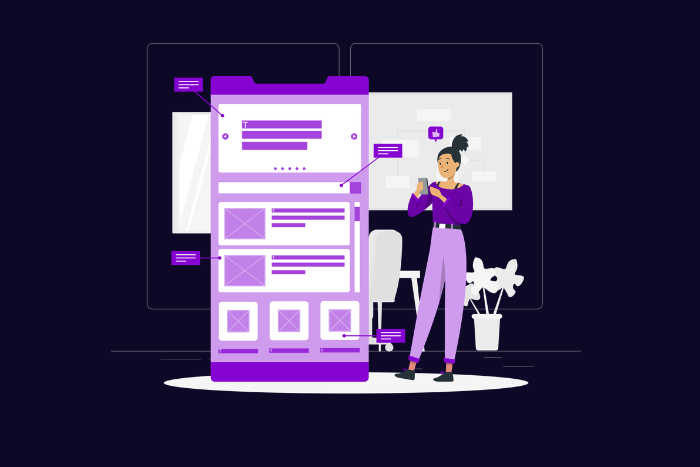
How Do I Ensure My App Is User-Friendly?
How Do I Ensure My App Is User-Friendly? Learn how to ensure your app is user-friendly with effective UI/UX design, usability testing, intuitive navigation, and performance optimization. How Do I Ensure My App Is User-Friendly? Creating a mobile application is not just about adding features or writing code—it’s about delivering an intuitive, smooth, and enjoyable experience for users. Many businesses and developers ask: How do I ensure my app is user-friendly? The answer lies in thoughtful design, usability testing, and understanding how real users interact with your application. A user-friendly app focuses on simplicity, clear navigation, fast performance, and seamless interaction. When users can easily understand how to use your app without confusion, they are more likely to stay engaged, leave positive reviews, and recommend the app to others. Today’s users expect apps to be intuitive, visually appealing, and responsive across devices. Poor user experience can lead to high uninstall rates and negative feedback, even if the app provides valuable functionality. This makes User Experience (UX) and User Interface (UI) design critical components of modern app development. Ensuring an app is user-friendly involves multiple factors such as understanding user behavior, designing intuitive interfaces, optimizing app speed, implementing accessibility features, and continuously improving the product through user feedback and analytics. In this guide, we’ll explore the key strategies for building user-friendly mobile applications, including design principles, development processes, technology tools, and best practices that help create apps users love to use. Why User-Friendly Apps Are Important A user-friendly mobile application directly impacts user satisfaction, engagement, and long-term success. Here’s why usability should be a top priority: Improved User Experience Simple and intuitive interfaces make it easier for users to navigate and interact with the app. Higher User Retention Apps that are easy to use encourage users to return frequently. Positive App Store Reviews User-friendly apps often receive better ratings and reviews. Reduced Learning Curve Users can understand the app quickly without extensive instructions. Increased Engagement Smooth navigation and responsive features keep users active in the app. Higher Conversion Rates Clear workflows and easy interactions improve sales, signups, and other conversions. By prioritizing usability, businesses can build apps that users enjoy and trust. Types of App Design Solutions Different design and usability strategies can help ensure an app remains intuitive and accessible. User-Centered Design Focuses on designing apps around user needs and behaviors. Minimalist Interface Design Reduces visual clutter and prioritizes essential features. Accessible App Design Ensures the app can be used by people with disabilities. Responsive Design Allows apps to adapt seamlessly across different screen sizes and devices. Personalized User Experience Uses data and analytics to tailor content and recommendations to individual users. Performance Optimization Ensures fast loading times and smooth app interactions. These solutions help create user-friendly app that are efficient and enjoyable to use. Get Free Quotation Now..!! Key Features of User-Friendly Mobile Apps Successful mobile apps include several features that enhance usability and engagement. Key features include: Intuitive navigation and clear menu structures Consistent design elements and visual hierarchy Fast loading speeds and responsive interactions Clear call-to-action buttons and user flows Personalized user experiences based on behavior Accessibility features such as voice support and adjustable text sizes Secure authentication and easy login methods Regular updates and improvements based on user feedback These features ensure the application remains easy to use and efficient. Development Process for Creating User-Friendly Apps Designing a user-friendly app requires a structured development process focused on usability and continuous improvement. User Research and Market Analysis Identify target users, their needs, and common usability challenges. User Persona and Journey Mapping Create user profiles and map how users will interact with the app. Wireframing and UX Design Develop wireframes and prototypes to visualize the app structure. UI Design and Visual Branding Design intuitive interfaces with consistent colors, typography, and layouts. Usability Testing Test the app with real users to identify usability issues. Performance Optimization Ensure the app loads quickly and operates smoothly. Accessibility Implementation Add features that support users with different abilities. Continuous Feedback and Updates Use analytics and user feedback to improve the app after launch. This iterative process ensures the app continuously evolves to meet user expectations. Technology Stack for Building User-Friendly Apps Modern development tools and technologies help improve usability and user experience. UI/UX Design Tools: Figma, Adobe XD, Sketch Frontend Technologies: React Native, Flutter, Swift, Kotlin Backend Technologies: Node.js, Python, Ruby on Rails Analytics Tools: Google Analytics, Firebase Analytics, Mixpanel Usability Testing Tools: Hotjar, UserTesting, Maze Performance Monitoring Tools: New Relic, Datadog Accessibility Tools: Lighthouse, Axe Accessibility Checker These technologies help developers analyze user behavior and improve the app experience. Cost Factors in Creating User-Friendly Apps The cost of designing a user-friendly mobile app depends on several factors. Important cost considerations include: Complexity of UI/UX design Number of app features and screens User research and usability testing requirements Performance optimization efforts Accessibility and compliance features Integration with analytics and monitoring tools Development team expertise Ongoing updates and maintenance Investing in usability during development helps reduce costly redesigns later. Latest Trends Mobile app design continues to evolve with new technologies and user behavior trends. Key trends include: AI-powered personalized user experiences Voice-enabled interfaces and conversational apps Gesture-based navigation systems Dark mode and adaptive UI themes Micro-interactions and motion design AI-powered chatbots for user support Inclusive and accessibility-focused design Data-driven UX improvements using analytics These trends are shaping the future of user-friendly app development. Why Choose Us for User-Friendly Application Development? Creating an intuitive and engaging app requires expertise in both design and development. Our team specializes in building mobile applications that prioritize user experience and performance. Here’s why businesses choose us: User-Centered Design Approach – Apps designed around real user needs and behaviors. Expert UI/UX Designers – Creating visually appealing and intuitive interfaces. Comprehensive Usability Testing – Ensuring the app works smoothly for all users. Performance Optimization – Fast and responsive applications across devices. Accessibility-Focused Development – Inclusive apps designed for diverse users. Data-Driven Improvements – Continuous optimization using analytics and feedback. Scalable

