
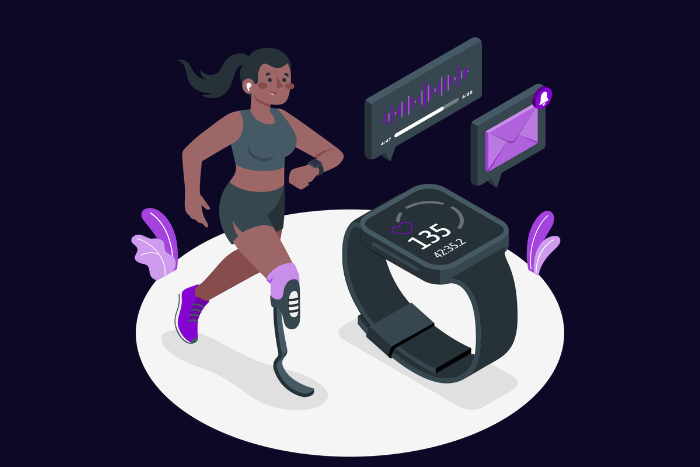
Can I Develop an App for Wearable Devices? Learn how to develop an app for wearable devices, including smartwatches and fitness trackers, with features, development process, tech stack, and costs. Can I Develop an App for Wearable Devices? Wearable technology has become an important part of the digital ecosystem. Devices such as smartwatches, fitness bands, smart glasses, and health monitoring wearables are widely used across industries including healthcare, fitness, sports, and enterprise productivity. Many businesses and startups now ask the question: can I develop an app for wearable devices? The answer is yes, and wearable app development is becoming one of the fastest-growing areas in the mobile technology industry. Wearable apps are designed specifically for small devices that users wear on their bodies. These apps provide quick access to important information, real-time notifications, health tracking, and seamless connectivity with smartphones and cloud systems. Because wearable devices have smaller screens and limited battery capacity, wearable applications must be optimized for efficiency, performance, and usability. Modern wearable apps can monitor heart rate, track fitness activity, provide navigation, enable voice commands, and even support enterprise workflows. Businesses are increasingly investing in wearable solutions to improve customer engagement and enhance productivity. In this guide, we will explore how wearable apps are developed, their key features, the development process, technology stack, costs, and the latest trends shaping the future of wearable app development. Why Wearable App Development Is Important Wearable applications provide a new way for users to interact with technology. Instead of relying only on smartphones, users can access important information instantly from wearable devices. Key benefits of wearable app development include: Real-Time Data MonitoringWearable devices provide instant health, activity, and location tracking. Improved User ConvenienceUsers can access information without opening their phones. Better Health and Fitness TrackingWearables help monitor steps, heart rate, sleep patterns, and workouts. Enhanced ProductivityEnterprise wearable apps improve employee efficiency in various industries. Seamless Device IntegrationWearable apps connect with smartphones, IoT devices, and cloud platforms. Improved Customer EngagementPersonalized notifications and alerts increase user interaction. These benefits make wearable applications valuable for businesses and consumers alike. Types of Wearable App Development Solutions Wearable applications can be developed for different types of devices and use cases. Smartwatch Applications Smartwatch apps are the most common wearable solutions. Fitness tracking apps Notification apps Messaging and communication apps Fitness and Health Monitoring Apps These apps track physical activity and health data. Heart rate monitoring Step counting and activity tracking Sleep analysis Enterprise Wearable Applications Businesses use wearable apps to improve workflow and efficiency. Field service monitoring Workforce productivity tracking Inventory and logistics management IoT-Enabled Wearable Applications Wearables can connect with smart home devices and other IoT systems. Smart home controls Industrial monitoring systems Smart healthcare solutions Augmented Reality (AR) Wearable Applications Smart glasses and AR devices support immersive experiences. AR navigation tools Training and simulation applications Interactive learning platforms Each type of wearable app serves different industries and business goals. Get Free Quotation Now..!! Key Features of Wearable Applications Wearable apps require unique features to function efficiently on small devices. Important features include: Real-time data synchronization with smartphones Health and fitness tracking capabilities Push notifications and alerts Voice command integration Gesture-based navigation Low power consumption optimization Secure data storage and encryption Integration with IoT devices and sensors These features ensure that wearable apps remain efficient, user-friendly, and highly functional. Wearable App Development Process Developing a wearable application involves several key stages. Concept and Idea ValidationIdentify the purpose of the wearable app and its target users. Market Research and Competitor AnalysisStudy existing wearable apps and identify opportunities for innovation. Feature Planning and Architecture DesignDefine the core functionalities and system architecture. UI/UX Design for Wearable DevicesCreate intuitive designs optimized for small screens. Application DevelopmentDevelopers build the app using wearable-specific frameworks and APIs. Testing and Quality AssuranceEnsure compatibility with wearable devices and optimize performance. Deployment and LaunchRelease the app on wearable platforms such as Google Wear OS or Apple Watch. Maintenance and Continuous ImprovementProvide updates, bug fixes, and new features based on user feedback. This structured process ensures a high-quality wearable application. Technology Stack for Wearable App Development Building wearable applications requires specialized technologies and tools. Wearable Platforms: Wear OS, watchOS, Fitbit OS Mobile Development Frameworks: Flutter, React Native, Swift, Kotlin Programming Languages: Java, Kotlin, Swift, JavaScript Backend Technologies: Node.js, Python, Java Databases: MongoDB, PostgreSQL, Firebase Connectivity Technologies: Bluetooth, NFC, Wi-Fi Cloud Platforms: AWS, Google Cloud Platform, Microsoft Azure Analytics Tools: Firebase Analytics, Google Analytics Using the right technology stack ensures smooth performance and scalability. Cost Factors in Wearable App Development The cost of developing a wearable app depends on several factors. Important cost considerations include: App complexity and number of features Type of wearable device supported UI/UX design requirements Integration with sensors and hardware Cloud infrastructure and backend development Security and data protection requirements Development team expertise Maintenance and updates Simple wearable apps may require lower investment, while complex healthcare or enterprise wearable solutions can be more expensive. Latest Trends in Wearable App Development Wearable technology continues to evolve with new innovations and capabilities. Major trends include: AI-powered health monitoring applications Integration with IoT and smart home systems Voice-controlled wearable interfaces Advanced biometric sensors for health tracking AR and VR wearable experiences Enterprise productivity wearables Contactless payments via wearable devices Edge computing for faster data processing These trends are shaping the future of wearable technology and application development. Why Choose Us for Wearable App Development? Choosing the right development partner ensures a successful wearable application. Here’s why businesses trust us: Expertise in Wearable TechnologyOur developers specialize in smartwatch and wearable device applications. Custom Wearable App SolutionsWe build applications tailored to your business needs. Seamless Device IntegrationOur apps connect smoothly with smartphones, sensors, and IoT systems. Optimized Performance and Battery EfficiencyWe design lightweight apps optimized for wearable devices. Secure and Scalable ArchitectureApplications are built with strong security and scalability. Cross-Platform Development CapabilitiesOur apps work across multiple wearable platforms. End-to-End Development SupportFrom concept to deployment and maintenance, we provide full-cycle services. Interested in building a wearable app for

How Do I Ensure My App Is Compatible with Different Devices?
How Do I Ensure My App Is Compatible with Different Devices? Learn how to ensure your app is compatible with different devices using responsive design, cross-platform development, testing strategies, and optimization. How Do I Ensure My App Is Compatible with Different Devices? One of the biggest challenges in modern mobile and web application development is ensuring that apps function seamlessly across different devices. Users today access applications from smartphones, tablets, desktops, foldable devices, and even wearable technology. Because each device has different screen sizes, operating systems, hardware capabilities, and performance levels, developers must carefully design and test their apps to maintain consistent performance. This raises an important question for businesses and developers: how do I ensure my app is compatible with different devices? Device compatibility ensures that your application runs smoothly across a wide range of platforms, including Android, iOS, tablets, and other smart devices. Without proper compatibility strategies, apps may experience issues such as broken layouts, slow performance, crashes, or limited functionality. By implementing responsive design, cross-platform development frameworks, scalable architecture, and comprehensive testing, developers can build applications that work efficiently across multiple devices. Compatibility also plays a major role in improving user experience, increasing app downloads, and maintaining strong app store ratings. In this guide, we will explore the best strategies to ensure your app is compatible with different devices, including development techniques, testing approaches, technology stack choices, cost considerations, and the latest trends in cross-device compatibility. Why Device Compatibility Is Important Ensuring device compatibility is essential for delivering a consistent user experience across multiple platforms and hardware environments. Here are the key reasons device compatibility matters: Improved User ExperienceApplications that adapt to different screen sizes and device capabilities provide better usability. Higher App Store RatingsApps that run smoothly across devices receive better reviews and ratings. Expanded User ReachCompatibility allows your app to reach users across a wide range of devices. Reduced App Crashes and BugsProper compatibility testing helps identify device-specific issues before launch. Better Performance OptimizationApps optimized for different devices deliver faster performance. Enhanced Brand ReputationA reliable and consistent app builds trust with users. Ensuring device compatibility helps businesses create high-quality applications that perform reliably in diverse environments. Types of Solutions to Ensure an App Is Compatible with Different Devices Several development strategies help ensure that applications function properly across different devices. Responsive Design Solutions Responsive design ensures that app layouts automatically adjust to different screen sizes. Flexible UI layouts Adaptive image scaling Dynamic screen orientation support Cross-Platform Development Solutions Cross-platform frameworks allow developers to build apps that work across multiple platforms. Single codebase for Android and iOS Faster development cycles Reduced maintenance costs Device-Specific Optimization Some apps require optimization for specific device features. Hardware acceleration Camera compatibility Sensor integration Cloud-Based Testing Solutions Cloud platforms allow developers to test apps on hundreds of real devices. Real device testing environments Automated testing tools Cross-device performance analysis API and Backend Compatibility Ensuring backend systems support different devices and operating systems. RESTful API architecture Scalable server infrastructure Cross-platform data synchronization These solutions help ensure that applications remain stable and functional across different devices. Get Free Quotation Now..!! Key Features for Cross-Device Compatible Applications Applications designed for multiple devices include several essential features. Key features include: Adaptive UI for different screen sizes Support for multiple operating systems Dynamic resolution scaling Hardware compatibility optimization Multi-device synchronization Efficient memory and resource management Cloud-based data integration Automated testing and monitoring tools These features help developers create apps that perform consistently across various devices. Development Process to Ensure an App Is Compatible with Different Devices Ensuring compatibility across multiple devices requires a structured development approach. Requirement Analysis and Device ResearchIdentify target devices, operating systems, and hardware configurations. Responsive UI/UX DesignDesign interfaces that adapt to various screen sizes and orientations. Cross-Platform Framework SelectionChoose frameworks that support multiple platforms efficiently. Application DevelopmentImplement scalable code architecture and optimized components. Testing Across Multiple DevicesConduct tests on smartphones, tablets, and different OS versions. Performance OptimizationOptimize memory usage, load times, and network requests. Deployment and MonitoringLaunch the app and monitor compatibility issues. Continuous Updates and ImprovementsUpdate the app regularly to support new devices and OS versions. This structured development process ensures long-term compatibility and performance. Technology Stack for Cross-Device Compatibility Developers use advanced tools and technologies to ensure an app is compatible with different devices. Mobile Frameworks: Flutter, React Native, Xamarin Native Development: Swift (iOS), Kotlin and Java (Android) Frontend Technologies: HTML5, CSS3, JavaScript Backend Technologies: Node.js, Python, Java, PHP Databases: MongoDB, MySQL, PostgreSQL, Firebase Testing Tools: BrowserStack, Sauce Labs, Appium Cloud Platforms: AWS, Google Cloud Platform, Microsoft Azure CI/CD Tools: Jenkins, GitHub Actions, Docker Using the right technology stack helps developers build scalable and compatible applications. Cost Factors for Ensuring Device Compatibility Across Different Devices The cost of ensuring app compatibility depends on several development and testing factors. Important cost factors include: Number of devices and platforms supported Complexity of responsive UI design Cross-platform development frameworks used Testing tools and cloud device platforms Integration with device hardware features Development team expertise Maintenance and compatibility updates While compatibility testing may increase development costs, it significantly reduces post-launch issues and improves user satisfaction. Latest Trends in Cross-Device App Compatibility Modern app development continues to evolve with new technologies that improve device compatibility. Major trends include: Progressive Web Apps (PWAs) for multi-device compatibility AI-powered automated testing systems Cloud-based device testing platforms Foldable device optimization strategies Responsive UI frameworks for multi-screen support Low-code and no-code cross-platform development tools Advanced performance monitoring solutions These innovations help developers build applications that adapt easily to new devices and technologies. Why Choose Us for Cross-Device Compatible App Development? Selecting the right development partner ensures that your application runs smoothly across multiple devices and platforms. Here’s why businesses trust us: Expertise in Cross-Platform DevelopmentOur developers build apps that work seamlessly across Android, iOS, and web platforms. Advanced Testing InfrastructureWe test applications across multiple devices and operating systems. Responsive and Adaptive DesignOur designs adapt perfectly to different screen sizes and resolutions. Performance OptimizationWe ensure apps deliver smooth performance across

How Do I Integrate Social Media in My App?
How Do I Integrate Social Media in My App? Learn how to integrate social media in your app using APIs, social login, sharing features, and engagement tools to improve user experience and app growth. How Do I Integrate Social Media in My App? Social media integration has become an essential feature for modern mobile and web applications. Businesses today rely on social platforms to increase engagement, attract users, and enhance the overall user experience. If you’re wondering how do I integrate social media in my app, the process involves connecting your application with social platforms such as Facebook, Instagram, Twitter, LinkedIn, or Google using APIs and authentication services. Social media integration allows users to sign up quickly, share content, interact with friends, and engage with communities directly from within the app. These features significantly improve user retention and simplify the onboarding process. Additionally, integrating social media helps businesses leverage existing networks to expand reach and promote their products or services. Features like social login, content sharing, user profile syncing, and real-time engagement tools can make your app more interactive and user-friendly. In this guide, we will explore the best ways to integrate social media into your application, the development process involved, key technologies used, cost factors, and emerging trends in social media integration. Why Social Media Integration Is Important Integrating social media into your application provides several benefits for both users and businesses. Key advantages include: Improved User EngagementSocial features encourage users to interact more frequently with the app. Simplified User RegistrationSocial login allows users to sign up using existing accounts. Increased App VisibilitySharing features help promote the app organically across social platforms. Enhanced User ExperienceUsers can easily connect with friends and communities. Better Marketing OpportunitiesBusinesses can promote products and content through social sharing. Higher User RetentionInteractive features encourage users to return to the app regularly. By integrating social media capabilities, applications become more interactive and appealing to users. Types of Solutions to Integrate Social Media in an App There are several ways developers can integrate social media into mobile and web applications. Social Login Integration Allows users to sign in using social media accounts. Facebook login Google sign-in Apple sign-in LinkedIn authentication Content Sharing Integration Users can share app content directly on social platforms. Share articles or products Share achievements or updates Share media or images Social Feed Integration Display social media feeds within the application. Instagram feeds Twitter timelines Facebook posts Messaging and Communication Integration Enable social messaging and interactions. Chat features Community interactions Comment systems Social Analytics and Insights Businesses can track user engagement and marketing performance. User activity tracking Engagement metrics Campaign performance analysis These solutions help create a more connected and interactive digital experience. Get Free Quotation Now..!! Key Features to Integrate Social Media in an App A well-integrated social media system includes several powerful features. Key features include: Social media login and authentication Easy content sharing across platforms User profile synchronization Real-time notifications and updates Social engagement tools such as likes and comments Integration with social media APIs Secure authentication and privacy controls Analytics and user activity tracking These features help apps provide a seamless and engaging user experience. Development Process for Social Media Integration Integrating social media into an application requires a structured development process. Define Integration RequirementsIdentify which social platforms and features should be integrated. Select Social Media APIsChoose APIs provided by platforms like Facebook, Instagram, or Twitter. Implement Social AuthenticationEnable social login using OAuth authentication systems. Develop Sharing and Engagement FeaturesAdd social sharing buttons and user interaction tools. Integrate Data and Profile SynchronizationSync user profiles with social media accounts when needed. Testing and Security ValidationEnsure data privacy, authentication security, and smooth performance. Deployment and MonitoringLaunch the app and monitor engagement and performance metrics. Ongoing Updates and OptimizationUpdate integration as APIs and platform policies evolve. This process ensures smooth and secure social media integration. Technology Stack for Social Media Integration Developers use a variety of technologies to implement social media features in applications. Mobile Development: Flutter, React Native, Swift, Kotlin Frontend Technologies: HTML5, CSS3, JavaScript, React Backend Technologies: Node.js, Python, Java, PHP Authentication Protocols: OAuth 2.0, OpenID Connect Social Media APIs: Facebook Graph API, Instagram API, Twitter API, LinkedIn API Databases: MongoDB, PostgreSQL, Firebase Cloud Platforms: AWS, Google Cloud Platform, Microsoft Azure Analytics Tools: Google Analytics, Firebase Analytics, Mixpanel Using modern technologies ensures secure and scalable integration. Cost Factors in Social Media Integration The cost of integrating social media into an application depends on several factors. Important cost factors include: Number of social platforms integrated Complexity of social features User authentication implementation Data privacy and compliance requirements Backend infrastructure and hosting Custom UI/UX development API usage and maintenance Ongoing updates and monitoring Simple integrations like social login may require minimal development effort, while advanced integrations with feeds and analytics may increase costs. Latest Trends in Social Media App Integration Social media integration continues to evolve with new technologies and user expectations. Major trends include: AI-powered content recommendations Social commerce integration In-app live streaming features Advanced user analytics and insights Short-form video and story integrations Augmented reality filters and effects Voice-based social interactions Enhanced privacy and data protection features These trends help apps deliver richer and more engaging social experiences. Why Choose Us for Social Media App Integration? Choosing the right development partner ensures smooth and secure integration. Here’s why businesses choose us: Expertise in Social Media API IntegrationOur developers specialize in integrating major social platforms. Secure Authentication SystemsWe implement secure login and data protection mechanisms. Scalable Application ArchitectureOur apps are designed to support large user communities. User-Focused Design ApproachWe create engaging features that improve user interaction. Seamless Cross-Platform IntegrationSocial media features work smoothly across Android, iOS, and web apps. Advanced Analytics and TrackingOur integrations help businesses measure engagement and growth. End-to-End Development SupportFrom planning to launch and maintenance, we handle the entire process. Want to enhance your app with powerful social media features?Our experts can help you integrate social media seamlessly into your application.Contact us today for a free consultation and

What Are the App Development Services for Enterprise?
What Are the App Development Services for Enterprise? Learn what app development services for enterprise include, key features, development process, technology stack, and how enterprise apps improve business operations. What Are the App Development Services for Enterprise? Enterprise organizations rely heavily on technology to manage operations, improve efficiency, and deliver better services to customers. One of the most important digital solutions for modern enterprises is mobile and web applications tailored specifically for business needs. If you are wondering what are the app development services for enterprise, these services include designing, developing, deploying, and maintaining scalable applications that support large-scale operations. Enterprise app development services are designed to help businesses streamline workflows, manage large volumes of data, and integrate various internal and external systems. These applications can support departments such as finance, human resources, supply chain management, customer relationship management (CRM), and data analytics. Unlike regular consumer applications, enterprise apps require high levels of security, scalability, performance, and system integration. They must also support thousands of users simultaneously while maintaining reliable performance. In this guide, we will explore enterprise app development services, their importance, types of enterprise solutions, development processes, technology stack, costs, and emerging trends shaping the future of enterprise applications. Why Enterprise App Development Services Are Important Enterprise app development services play a critical role in modern business operations. Companies use these applications to automate processes, improve communication, and enhance productivity across departments. Here are the key reasons why enterprise app development services are important: Improved Business EfficiencyEnterprise applications automate repetitive tasks and streamline workflows. Centralized Data ManagementBusinesses can store and manage large volumes of data in a structured way. Better CollaborationEnterprise apps enable teams across departments to collaborate more effectively. Enhanced Customer ExperienceCustomer-facing enterprise apps help businesses provide better service and support. Scalability for Growing BusinessesEnterprise systems are designed to handle large user bases and complex operations. Improved Decision-MakingData analytics and reporting features help managers make informed decisions. Investing in enterprise application development helps organizations remain competitive and digitally transformed. Types of Enterprise Application Development Solutions Enterprise app development services include several types of applications designed to meet specific business needs. Customer Relationship Management (CRM) Applications CRM systems help businesses manage customer interactions and improve relationships. Sales tracking Customer data management Marketing automation Enterprise Resource Planning (ERP) Applications ERP systems integrate multiple business processes into one centralized platform. Finance and accounting management Inventory management Supply chain operations Human Resource Management (HRM) Applications HRM solutions help companies manage employee data and HR operations. Payroll management Employee performance tracking Recruitment management Business Intelligence (BI) Applications BI applications analyze business data and generate actionable insights. Data visualization Predictive analytics Reporting dashboards Enterprise Collaboration Applications These tools improve communication and teamwork within organizations. Internal messaging platforms Document sharing systems Project management tools Each of these solutions helps enterprises optimize operations and improve efficiency. Get Free Quotation Now..!! Key Features of Enterprise App Development Services Enterprise applications require advanced features to support large-scale business operations. Some key features include: High-level security and data encryption Role-based access control for users Integration with enterprise systems and APIs Real-time data synchronization Scalable architecture for high user loads Advanced analytics and reporting tools Cloud integration for flexibility and performance Automation tools to streamline workflows These features ensure that enterprise applications remain secure, scalable, and efficient. Enterprise Application Development Process Building enterprise applications requires a structured and strategic development process. Business Requirement AnalysisIdentify enterprise goals, business processes, and application requirements. Architecture and Technology PlanningDesign scalable system architecture and select appropriate technologies. UI/UX DesignDevelop user-friendly interfaces that improve employee productivity. Application DevelopmentDevelopers build the application using secure and scalable frameworks. Integration with Enterprise SystemsConnect the application with CRM, ERP, payment systems, and databases. Testing and Quality AssurancePerform performance testing, security testing, and usability testing. Deployment and ImplementationDeploy the application on cloud platforms or enterprise servers. Maintenance and Continuous ImprovementProvide updates, security patches, and performance optimization. This process ensures reliable and scalable enterprise applications. Technology Stack for Enterprise App Development Enterprise applications require powerful technologies that support scalability, integration, and performance. Frontend Technologies: HTML5, CSS3, JavaScript, Angular, React Mobile Development: Flutter, React Native, Swift, Kotlin Backend Technologies: Node.js, Java, Python, .NET Databases: PostgreSQL, MySQL, MongoDB, Oracle Database Cloud Platforms: AWS, Microsoft Azure, Google Cloud Platform DevOps Tools: Docker, Kubernetes, Jenkins, GitHub Actions Security Technologies: OAuth 2.0, JWT authentication, SSL encryption Analytics Tools: Power BI, Tableau, Google Analytics A modern technology stack ensures high performance, reliability, and enterprise-level security. Cost Factors in Enterprise App Development The cost of enterprise app development services depends on multiple factors. Important cost factors include: Complexity of the application Number of features and integrations Custom UI/UX design requirements Security and compliance standards Cloud infrastructure and hosting Development team expertise Maintenance and updates Enterprise applications typically require higher investment because they must support complex business operations and large user bases. Latest Trends in Enterprise App Development Enterprise application development continues to evolve with emerging technologies. Some major trends include: Artificial Intelligence and Machine Learning Integration Cloud-Native Enterprise Applications Low-Code and No-Code Development Platforms Internet of Things (IoT) Integration Blockchain for Enterprise Security Automation and Intelligent Workflows Advanced Data Analytics and Predictive Insights Microservices Architecture for Scalable Systems These trends are transforming how businesses build and manage enterprise software. Why Choose Us for Enterprise App Development Services? Choosing the right development partner is essential for successful enterprise application development. Here’s why businesses trust us: Enterprise Technology ExpertiseOur team builds secure and scalable applications tailored for enterprise operations. Custom Enterprise SolutionsWe develop applications designed specifically for your business processes. Advanced Integration CapabilitiesOur developers integrate enterprise apps with existing systems and platforms. Scalable and Secure ArchitectureApplications are built with robust security standards and scalable infrastructure. Agile Development ApproachTransparent workflows ensure faster development and better collaboration. End-to-End Development ServicesFrom concept to deployment and maintenance, we provide complete support. Industry ExperienceWe build enterprise applications across multiple industries including healthcare, finance, retail, and logistics. Looking to build a powerful enterprise application for your business?Our experts can help you design scalable and secure

How Do I Ensure My App Is Optimized for SEO?
How Do I Ensure My App Is Optimized for SEO? Learn how to ensure your app is optimized for SEO with ASO, keyword strategy, performance optimization, and technical best practices for higher visibility. How Do I Ensure My App Is Optimized for SEO? Search engine optimization (SEO) is not only important for websites—it is also essential for mobile applications. If you are wondering how do I ensure my app is optimized for SEO, the answer lies in combining traditional SEO strategies with App Store Optimization (ASO) techniques. Optimizing your app properly helps it rank higher in app store search results, increases visibility, and drives more downloads. Millions of applications compete for user attention across platforms like Google Play and Apple App Store. Without proper optimization, even a well-built application may struggle to reach its target audience. SEO for mobile apps involves optimizing keywords, improving app descriptions, enhancing user experience, and ensuring fast loading speeds. In addition, modern app SEO strategies include performance optimization, content marketing, analytics tracking, and technical improvements that help search engines and app stores understand your app better. When implemented correctly, these strategies improve discoverability, engagement, and long-term growth. In this guide, we will explore how to ensure your app is optimized for SEO, the key techniques involved, the development process, the technology stack required, and the best practices to maximize app visibility and downloads. Why Ensuring Your App Is Optimized for SEO Is Important Optimizing your app for search engines and app stores is crucial for increasing visibility and attracting users organically. Here are the main reasons app SEO is important: Improves App DiscoverabilitySEO helps your app appear in relevant searches within app stores and search engines. Increases Organic DownloadsHigher rankings result in more users discovering and downloading your application. Enhances User ExperienceOptimized apps usually load faster and provide better usability. Boosts Brand VisibilityA well-optimized app strengthens brand awareness across digital platforms. Improves Conversion RatesBetter descriptions, visuals, and keywords increase the chances of downloads. Supports Long-Term GrowthContinuous optimization helps maintain high rankings and sustained user acquisition. Without proper SEO strategies, your app may remain invisible in a competitive marketplace. Types of SEO Optimization Solutions Different SEO strategies can be used to improve the visibility and performance of mobile applications. App Store Optimization (ASO) Keyword optimization for app titles and descriptions App icon and visual asset optimization User review and rating management Technical App SEO Optimization Faster loading speeds Optimized code structure Mobile-friendly architecture Content and Keyword Optimization Targeted keyword research Optimized metadata and descriptions SEO-friendly content strategies Performance Optimization Solutions Improved app startup time Efficient caching and resource management Optimized database queries Off-Page SEO and Promotion Backlink building Content marketing Social media promotion Each solution plays a key role in ensuring your app ranks well in search results and app stores. Get Free Quotation Now..!! Key Features of an SEO-Optimized Mobile App To ensure your application performs well in search results, several essential features must be incorporated. Optimized app titles and keyword-rich descriptions High-quality app icons and screenshots Fast loading and smooth performance SEO-friendly metadata and tags Mobile-friendly user interface design Structured content and navigation Secure architecture and stable performance Integration with analytics and tracking tools These features help search engines and app stores understand your app while improving the user experience. App SEO Optimization Development Process Implementing SEO for mobile applications requires a structured strategy. Market Research and Keyword AnalysisIdentify high-value keywords that users frequently search for in app stores. Competitor AnalysisStudy competing applications to identify ranking strategies and improvement opportunities. App Store Optimization (ASO)Optimize the app title, description, keywords, and visual assets. Technical SEO ImplementationImprove app performance, speed, and structure for better indexing. User Experience OptimizationEnhance navigation, UI design, and app responsiveness. Testing and Performance MonitoringTrack rankings, downloads, and user engagement metrics. Launch and PromotionPromote the app using SEO strategies, social media marketing, and content campaigns. Continuous Updates and OptimizationRegular updates help maintain rankings and improve search visibility. This systematic approach ensures that your app remains competitive and visible in search results. Technology Stack for SEO-Optimized Mobile Apps Building an SEO-optimized app requires the right combination of technologies. Mobile Development Frameworks: Flutter, React Native, Swift, Kotlin Frontend Technologies: HTML5, CSS3, JavaScript Backend Technologies: Node.js, Python, Java, PHP Databases: PostgreSQL, MySQL, MongoDB, Firebase Analytics Tools: Google Analytics, Firebase Analytics, Mixpanel SEO Tools: SEMrush, Ahrefs, Google Search Console Cloud Platforms: AWS, Google Cloud Platform, Microsoft Azure Performance Tools: Lighthouse, AppDynamics, New Relic Using a modern technology stack helps improve performance, scalability, and SEO effectiveness. Cost Factors in App SEO Optimization Several factors influence the cost of optimizing a mobile application for SEO. App complexity and number of features Keyword research and SEO strategy development App store optimization and visual asset creation Technical SEO improvements and performance optimization Analytics and monitoring tools Marketing and promotional activities Maintenance and ongoing SEO updates While costs vary depending on project scope, investing in SEO optimization significantly improves long-term app growth and visibility. Latest Trends in Application SEO Optimization The app SEO landscape continues to evolve with new technologies and strategies. Key trends include: AI-driven keyword research and optimization tools Voice search optimization for mobile apps Improved app indexing in search engines AI-powered user behavior analytics Progressive Web Apps (PWA) and hybrid app SEO strategies Enhanced app store algorithms focusing on user engagement Visual search and interactive content optimization Integration of AI chatbots and personalized experiences These trends help developers create smarter, faster, and more discoverable applications. Why Choose Us for SEO-Optimized App Development? Selecting the right development partner ensures your app is optimized for both performance and search visibility. Here’s why businesses choose us: Expertise in App Store Optimization and SEOOur team implements proven strategies to improve app rankings and visibility. Advanced Performance OptimizationWe build fast and responsive applications optimized for user engagement. Data-Driven SEO StrategiesOur approach combines analytics, keyword research, and competitor insights. Scalable and Secure ArchitectureApplications are built with long-term scalability and security in mind. User-Focused DesignIntuitive UI/UX ensures better engagement and improved search rankings. Continuous Optimization

What Are the Costs of App Maintenance and Updates?
What Are the Costs of App Maintenance and Updates? Learn what the costs of app maintenance and updates are, including hosting, bug fixes, security updates, feature upgrades, and long-term support. What Are the Costs of App Maintenance and Updates? Launching a mobile or web application is only the first step in a long-term digital journey. After deployment, businesses must regularly maintain and update their applications to ensure performance, security, and compatibility with evolving technologies. This leads many business owners and startups to ask: “What are the costs of app maintenance and updates?” App maintenance involves a variety of activities such as bug fixing, performance optimization, feature improvements, security patches, server monitoring, and compatibility updates. These updates ensure that the application continues to function smoothly across devices, operating systems, and user environments. Without proper maintenance, applications may experience performance issues, security vulnerabilities, and compatibility problems with new software versions. Regular updates also help businesses improve user experience, introduce new features, and stay competitive in the digital marketplace. The cost of maintaining an app varies depending on factors such as application complexity, number of users, infrastructure requirements, and frequency of updates. Businesses typically allocate a percentage of their original development cost each year for maintenance and improvements. In this guide, we will explore the costs of app maintenance and updates, the factors influencing these costs, and strategies to manage them effectively while keeping applications reliable and scalable. Why App Maintenance and Updates Are Important Ongoing maintenance ensures that an application continues to perform efficiently and meet user expectations. Here are several reasons why app maintenance is essential: Ensures Smooth App PerformanceRegular updates fix bugs and improve application speed and reliability. Improves Application SecuritySecurity patches protect applications from vulnerabilities and cyber threats. Maintains Compatibility with New DevicesUpdates ensure the app works properly with new operating systems and devices. Enhances User ExperienceContinuous improvements help deliver better interfaces and smoother interactions. Adds New Features and FunctionalitiesBusinesses can introduce innovative features to remain competitive. Supports Business GrowthMaintenance ensures the app can handle increased traffic and data. By investing in regular updates and improvements, businesses can maintain user satisfaction and long-term app performance. Types of App Maintenance Solutions Different types of maintenance services help ensure applications remain functional and up to date. Corrective Maintenance This type of maintenance focuses on fixing bugs and resolving errors in the application. Bug fixes Performance issues System crashes Adaptive Maintenance Adaptive maintenance ensures the application works with new operating systems, devices, and technologies. OS compatibility updates Hardware support improvements API updates Perfective Maintenance Perfective maintenance improves application features and usability. UI/UX enhancements Feature improvements Performance optimization Preventive Maintenance Preventive maintenance focuses on identifying potential issues before they affect performance. Security updates Code refactoring Infrastructure improvements Emergency Maintenance Emergency maintenance addresses critical issues that require immediate attention. Security breaches Server failures System downtime These maintenance strategies ensure applications remain reliable and secure over time. Get Free Quotation Now..!! Key Features of App Maintenance Services Effective app maintenance services include several essential components. Key features include: Continuous performance monitoring Bug detection and fixing Security patch implementation Server and cloud infrastructure management Regular application updates UI/UX improvements based on user feedback Third-party API integration updates Data backup and recovery systems These services ensure the application remains stable and secure throughout its lifecycle. Development Process for App Maintenance and Updates Maintaining an application involves a structured process to ensure consistent improvements. Performance Monitoring and AnalysisTrack application performance and identify issues using analytics tools. Bug Detection and TroubleshootingIdentify and fix bugs reported by users or monitoring systems. Security Assessment and UpdatesImplement security patches to protect user data and prevent vulnerabilities. Feature Improvements and EnhancementsAdd new features based on user feedback and business needs. Compatibility UpdatesEnsure the app works with the latest operating systems and devices. Testing and Quality AssuranceTest updates thoroughly before releasing them to users. Deployment of UpdatesRelease updates through app stores or web platforms. Continuous Monitoring and SupportMonitor app performance after updates and provide ongoing support. This structured process ensures the application remains reliable and up to date. Technology Stack The technologies used for app maintenance help developers monitor performance and implement updates efficiently. Mobile Development: Flutter, React Native, Swift, Kotlin Backend Technologies: Node.js, Python, Java, PHP Databases: PostgreSQL, MySQL, MongoDB, Firebase Cloud Platforms: AWS, Microsoft Azure, Google Cloud Platform Monitoring Tools: New Relic, Datadog, Firebase Performance Monitoring DevOps Tools: Docker, Kubernetes, Jenkins, GitHub Actions Security Tools: SSL encryption, OAuth authentication Using modern technologies helps maintain application performance and security. Cost Factors in App Maintenance and Updates The costs of app maintenance and updates depend on several factors. Key cost factors include: Application complexity and feature set Number of active users Frequency of updates and improvements Server hosting and cloud infrastructure Security and compliance requirements Third-party API integrations Development team expertise and location Performance monitoring and analytics tools On average, businesses allocate 15–25% of the initial app development cost annually for maintenance and updates. Proper budgeting ensures that the application remains stable and competitive in the market. Latest Trends in App Maintenance and Updates Modern technologies are transforming how applications are maintained and updated. Key trends include: AI-powered monitoring and predictive maintenance Automated CI/CD pipelines for faster updates Cloud-native infrastructure management Microservices architecture for flexible updates Advanced analytics for user behavior insights Automated security vulnerability detection Serverless maintenance environments Continuous delivery strategies These innovations allow businesses to maintain applications more efficiently and reduce operational risks. Why Choose Us for App Maintenance Services? Maintaining a high-performance application requires technical expertise, proactive monitoring, and a structured update strategy. Our team provides comprehensive maintenance services to keep your application secure, efficient, and scalable. Here’s why businesses trust us: Dedicated Maintenance Experts – Experienced developers specializing in ongoing application support. Performance Optimization – Continuous monitoring to ensure optimal application speed and stability. Advanced Security Updates – Implementation of modern security standards and compliance measures. Scalable Infrastructure Management – Systems designed to handle increasing traffic and data. Rapid Bug Fixing and Issue Resolution – Quick response to technical
Can I Develop an App with a Team of Developers?
Can I Develop an App with a Team of Developers? Learn how you can develop an app with a team of developers, including team structure, roles, development process, and costs. Can I Develop an App with a Team of Developers? Developing a mobile or web application is a complex process that often requires collaboration between multiple professionals. Many entrepreneurs and business owners ask the question: “Can I develop an app with a team of developers?” The answer is yes. In fact, most successful applications are built by teams of specialists working together across various stages of development. An app development team typically includes roles such as project managers, UI/UX designers, mobile developers, backend engineers, quality assurance testers, and DevOps specialists. Each team member contributes their expertise to ensure the application is designed, developed, tested, and deployed successfully. Working with a dedicated development team offers several advantages, including faster project completion, better technical expertise, improved product quality, and more efficient collaboration. Instead of relying on a single developer, a team-based approach allows businesses to handle complex features, scalability challenges, and evolving user requirements. Whether you’re building a startup app, enterprise platform, or eCommerce application, assembling the right development team is critical to achieving long-term success. In this guide, we will explore how to develop an app with a team of developers, the roles involved, development processes, technology stacks, and key factors to consider when building an effective development team. Why Develop an App with a team of Developers Is Important Developing an application with a team of developers helps ensure efficiency, quality, and scalability throughout the project lifecycle. Here are several reasons why working with a development team is beneficial: Access to Specialized ExpertiseEach team member brings expertise in specific areas such as design, development, testing, and deployment. Faster Development ProcessMultiple developers working together can accelerate project timelines. Higher Quality ApplicationsTeam collaboration improves code quality and reduces errors. Better Project ManagementProject managers coordinate tasks and ensure deadlines are met. Scalability and FlexibilityTeams can adapt to project changes and evolving business requirements. Continuous Support and MaintenanceDedicated teams provide ongoing updates and improvements. By working with a structured development team, businesses can build reliable and scalable applications. Types of App Development Team Solutions There are different ways businesses can assemble a development team depending on their needs and resources. In-House Development Team An internal team of developers working within the organization. Full control over development Direct collaboration with business teams Long-term development capabilities Freelance Development Teams Businesses can hire independent developers for specific tasks. Lower short-term costs Flexible hiring Suitable for smaller projects Outsourced Development Teams Companies partner with specialized development agencies. Access to experienced developers Faster project execution Reduced recruitment efforts Dedicated Development Teams Businesses hire a dedicated team that works exclusively on their project. Long-term collaboration High project focus Scalable team structure Each approach offers different benefits depending on project complexity, budget, and timeline. Get Free Quotation Now..!! Key Features of a Successful App Development Team An effective app development team includes several important roles and features. Key team features include: Project managers coordinating development workflows UI/UX designers creating user-friendly interfaces Frontend developers building responsive user experiences Backend developers managing server-side logic and databases Quality assurance engineers ensuring bug-free performance DevOps engineers managing deployment and infrastructure Security specialists protecting user data Collaboration tools for efficient team communication These roles help ensure the application is built efficiently and meets quality standards. Development Process with a Team of Developers Developing an application with a team involves a structured workflow that ensures smooth collaboration. Project Discovery and PlanningIdentify business goals, user requirements, and project scope. Team Formation and Role AssignmentAssign responsibilities to designers, developers, testers, and project managers. UI/UX Design and PrototypingCreate wireframes and design user interfaces. Application DevelopmentFrontend and backend developers implement application features. Testing and Quality AssuranceQA engineers perform functional, performance, and security testing. Deployment and LaunchRelease the application to production environments or app stores. Monitoring and Performance OptimizationTrack application performance and resolve technical issues. Maintenance and Continuous ImprovementsProvide updates, bug fixes, and feature enhancements. This collaborative development process ensures high-quality results. Technology Stack to Develop an App with a Team of Developers The technology stack used by development teams depends on the project requirements and platforms. Mobile Development: Flutter, React Native, Swift, Kotlin Frontend Technologies: HTML5, CSS3, JavaScript, TypeScript Backend Technologies: Node.js, Python, Java, .NET Databases: PostgreSQL, MongoDB, MySQL, Firebase Cloud Platforms: AWS, Google Cloud Platform, Microsoft Azure DevOps Tools: Docker, Kubernetes, GitHub Actions Testing Tools: Selenium, Appium, JUnit Security Tools: OAuth authentication, SSL encryption Using modern technologies helps development teams build secure and scalable applications. Cost Factors in Team-Based App Development The cost of developing an application with a team depends on several factors. Key cost factors include: Team size and developer expertise Project complexity and feature requirements Platform selection (Android, iOS, or cross-platform) Development timeline and milestones Infrastructure and hosting requirements Third-party integrations and APIs Security implementation and compliance requirements Ongoing maintenance and updates Larger teams can complete projects faster, but they may also increase development costs. Latest Trends to Develop an App with a Team of Developers Modern app development teams are adopting new technologies and collaboration strategies to improve efficiency. Key trends include: Agile development methodologies Remote and distributed development teams Cloud-native development environments AI-assisted coding tools Continuous integration and deployment (CI/CD) pipelines DevOps-driven development workflows Low-code development platforms Microservices-based architectures These trends help teams collaborate effectively and deliver high-quality applications. Why Choose Us for App Development Services? Building a successful application requires a skilled and coordinated development team. Our company provides dedicated teams of experts who collaborate to deliver high-quality digital products. Here’s why businesses choose our development team: Experienced Development Professionals – Skilled developers, designers, and engineers. Agile Development Methodology – Faster delivery through iterative development cycles. Comprehensive Development Services – From concept to deployment and maintenance. Transparent Communication – Regular updates and collaboration throughout the project. Scalable Team Structures – Flexible teams that grow with project requirements. Advanced Technology Expertise – Use of

How Do I Ensure My App Is Fast and Responsive?
How Do I Ensure My App Is Fast and Responsive? Learn how to ensure your app is fast and responsive using performance optimization, efficient coding, caching, and modern technologies. How Do I Ensure My App Is Fast and Responsive? In today’s fast-paced digital world, users expect mobile and web applications to perform instantly. If an application takes too long to load or respond, users are likely to abandon it quickly. This is why developers and businesses often ask, “How do I ensure my app is fast and responsive?” Application speed and responsiveness are critical factors that directly impact user experience, customer satisfaction, and business success. A fast application allows users to complete tasks quickly, browse content smoothly, and interact with features without delays. On the other hand, slow applications often lead to poor engagement, negative reviews, and reduced retention rates. Ensuring an application performs well involves optimizing code, using efficient architecture, managing network requests, and implementing caching strategies. Developers also focus on reducing load times, improving resource management, and monitoring performance metrics to ensure smooth operation across devices and platforms. Modern tools, frameworks, and cloud technologies have made it easier to build high-performance applications. By following proven performance optimization strategies, developers can create applications that remain fast and responsive even as user traffic increases. In this guide, we will explore how to ensure your app is fast and responsive, including performance optimization techniques, development best practices, technology stacks, and strategies for maintaining high application performance. Why App Performance Is Important Fast and responsive applications provide better user experiences and help businesses maintain a competitive advantage. Here are several reasons why application performance is important: Improved User ExperienceFast apps provide smoother navigation and reduce frustration for users. Higher User RetentionUsers are more likely to continue using apps that load quickly and respond instantly. Better App Store RatingsHigh-performing apps receive positive reviews and higher ratings. Increased Conversion RatesFaster checkout processes and interactions improve sales and engagement. Reduced Server LoadOptimized applications use resources more efficiently. Competitive AdvantageBusinesses offering faster digital experiences stand out in crowded markets. Improving performance helps ensure applications remain reliable and engaging for users. Types of Solutions to Ensure an App Is Fast and Responsive Several development strategies help ensure that applications remain fast and responsive. Frontend Performance Optimization Improving frontend performance ensures faster loading and smoother interactions. Efficient UI rendering Lazy loading of content Image and asset optimization Backend Performance Optimization Backend improvements help handle server requests efficiently. Optimized APIs Efficient database queries Reduced server response time Network Optimization Managing network requests reduces latency and improves response times. Compression techniques Content delivery networks (CDNs) Optimized API calls Caching Strategies Caching helps reduce repeated data requests and speeds up application performance. Memory caching Server-side caching Client-side caching Performance Monitoring Solutions Monitoring tools help identify performance bottlenecks and optimize system resources. Application performance monitoring (APM) Real-time analytics Performance benchmarking These optimization techniques ensure applications perform efficiently across different devices and network conditions. Get Free Quotation Now..!! Key Features of a Fast and Responsive App High-performing applications include several features that improve speed and responsiveness. Important features include: Optimized application architecture Fast app startup and loading time Efficient resource and memory management Smooth animations and UI rendering Optimized database performance Efficient network request handling Scalable infrastructure for high traffic Real-time performance monitoring These features help maintain consistent performance across multiple devices and environments. Development Process for Building Fast and Responsive Apps Creating high-performance applications requires a structured development process focused on optimization and testing. Requirement Analysis and Performance GoalsIdentify performance targets such as load times and response speed. Architecture PlanningDesign scalable and efficient system architecture. UI/UX Performance OptimizationOptimize layouts, assets, and animations for smoother user interactions. Efficient Coding PracticesWrite optimized code that minimizes resource usage. Backend and Database OptimizationImplement efficient queries and scalable server architecture. Performance TestingConduct load testing and benchmarking to measure application speed. Deployment and MonitoringDeploy the application and continuously monitor performance metrics. Continuous OptimizationImprove performance through updates, bug fixes, and feature enhancements. Following these steps ensures applications maintain high performance throughout their lifecycle. Technology Stack to Ensure an App Is Fast and Responsive The right technology stack helps developers build fast and responsive applications. Mobile Development: Flutter, React Native, Swift, Kotlin Frontend Technologies: HTML5, CSS3, JavaScript, TypeScript Backend Technologies: Node.js, Python, Java, .NET Databases: PostgreSQL, MongoDB, MySQL, Redis Cloud Platforms: AWS, Google Cloud Platform, Microsoft Azure Caching Systems: Redis, Memcached DevOps Tools: Docker, Kubernetes, GitHub Actions Monitoring Tools: New Relic, Datadog, Prometheus These technologies support high-performance application development and efficient resource management. Cost Factors in Performance Optimization To ensure your app is fast and responsive, several cost considerations may be involved in optimizing performance, infrastructure, and monitoring tools. Key cost factors include: Application complexity and feature set Performance testing tools and monitoring platforms Cloud infrastructure and hosting services Optimization of backend systems and APIs Database scaling and caching solutions Development team expertise and time Security and compliance requirements Continuous maintenance and updates Investing in performance optimization helps avoid long-term technical issues and improves user satisfaction. Latest Trends in App Performance Optimization Application performance continues to improve with emerging technologies and development strategies. Key trends include: AI-powered performance monitoring Edge computing for faster content delivery Serverless computing platforms Microservices-based architecture Advanced caching and data processing techniques Cloud-native development practices Low-code performance optimization tools Real-time analytics and observability platforms These trends help developers build applications that deliver faster and more responsive experiences. Why Choose Us for High-Performance App Development? Building fast and responsive applications requires expertise in performance optimization, architecture design, and modern development tools. Our team specializes in delivering high-performance applications that provide exceptional user experiences. Here’s why businesses trust us: Performance-Focused Development Approach – Applications optimized for speed and efficiency. Scalable Architecture Design – Systems capable of handling increasing traffic and workloads. Advanced Performance Monitoring – Continuous monitoring to detect and resolve performance issues. Expert Development Team – Skilled professionals experienced in modern frameworks and technologies. Efficient Database and Backend Optimization – Faster data processing and API performance.

Can I Develop an App for My E-commerce Website?
Can I Develop an App for My E-commerce Website? Learn how to develop an app for your e-commerce website, including features, development process, technology stack, and cost factors. Can I Develop an App for My E-commerce Website? As online shopping continues to grow rapidly, businesses are increasingly looking for ways to enhance customer experience and improve digital sales channels. One of the most common questions entrepreneurs ask is: “Can I develop an app for my e-commerce website?” The answer is yes, and developing a mobile application for your e-commerce store can significantly improve customer engagement, sales conversions, and brand loyalty. An e-commerce mobile app provides customers with a faster, more personalized shopping experience compared to traditional websites. Mobile apps allow businesses to offer features such as push notifications, personalized product recommendations, secure payment gateways, and seamless checkout experiences. These capabilities help businesses build stronger relationships with their customers and increase repeat purchases. With the growing adoption of smartphones, mobile commerce (mCommerce) has become an essential part of digital business strategies. Customers prefer shopping through mobile apps because they offer convenience, speed, and personalized experiences. For businesses, mobile apps provide valuable insights into customer behavior, helping optimize marketing and product strategies. Whether you run a small online store or a large e-commerce platform, developing a mobile app can help expand your digital presence and increase revenue. In this guide, we will explore how you can develop an app for your e-commerce website, the development process, key features, technology stack, and the latest trends shaping the future of mobile commerce. Why E-commerce App Development Is Important Developing a mobile application for your online store offers several advantages that help businesses improve customer engagement and drive sales. Here are some reasons why e-commerce app development is important: Enhanced Shopping ExperienceMobile apps provide faster navigation, better product browsing, and smooth checkout processes. Higher Customer EngagementPush notifications allow businesses to send personalized offers, updates, and promotions. Increased Conversion RatesApps often convert better than websites due to simplified purchasing flows. Improved Brand VisibilityHaving a dedicated app keeps your brand visible on customers’ mobile devices. Customer Loyalty and RetentionApps allow businesses to implement loyalty programs, personalized recommendations, and exclusive offers. Better Data InsightsBusinesses can analyze user behavior and preferences to optimize marketing strategies. For businesses looking to grow in the competitive digital market, mobile commerce apps provide a powerful advantage. Types of E-commerce App Development Solutions There are several approaches businesses can choose when developing a mobile app for their e-commerce website. Native E-commerce Apps Native applications are built specifically for platforms such as Android or iOS. High performance and speed Better user experience Access to device features Cross-Platform E-commerce Apps Cross-platform frameworks allow businesses to develop apps for multiple platforms using a single codebase. Faster development Lower development costs Consistent experience across devices Progressive Web Apps (PWAs) PWAs combine the functionality of mobile apps with the accessibility of websites. Lower development costs Easy updates Accessible through browsers Marketplace Applications These apps allow multiple sellers to list and sell products on a single platform. Vendor management systems Commission-based revenue models Large product catalogs Custom E-commerce Applications Custom solutions are designed to match specific business requirements. Personalized user experiences Advanced integrations Scalable architecture Choosing the right development approach depends on your business goals, budget, and target audience. Get Free Quotation Now..!! Key Features of E-commerce Mobile Applications Successful e-commerce apps include features that enhance the shopping experience and streamline operations. Essential features include: User-friendly product browsing and search Advanced product filtering and categories Secure payment gateway integration Shopping cart and quick checkout options Push notifications for promotions and offers Customer account management Order tracking and delivery updates Customer reviews and ratings Wishlist and favorites functionality Integration with inventory and order management systems These features help create seamless and engaging shopping experiences for customers. Development Process for E-commerce App Development Developing an e-commerce mobile app involves several stages that ensure the application meets business and customer requirements. Market Research and PlanningIdentify target customers, analyze competitors, and define app goals. Feature Planning and Requirement AnalysisDetermine the core features and functionalities required for the application. UI/UX DesignDesign intuitive interfaces that improve user engagement and simplify navigation. App DevelopmentDevelop the frontend and backend components of the application. Integration with E-commerce PlatformConnect the mobile app with the existing website, payment systems, and inventory tools. Testing and Quality AssurancePerform functional testing, security testing, and performance testing. App Deployment and LaunchPublish the app on the Apple App Store and Google Play Store. Post-Launch Maintenance and UpdatesMonitor app performance and release updates for improvements. A structured development process ensures a reliable and high-performance e-commerce application. Technology Stack The technology stack used for e-commerce app development ensures scalability, security, and high performance. Mobile Development: Flutter, React Native, Swift, Kotlin Frontend Technologies: HTML5, CSS3, JavaScript, TypeScript Backend Technologies: Node.js, Python, PHP, Java Databases: MySQL, PostgreSQL, MongoDB, Firebase Cloud Platforms: AWS, Microsoft Azure, Google Cloud Platform Payment Gateways: Stripe, PayPal, Razorpay, Square DevOps Tools: Docker, Kubernetes, GitHub Actions Security Tools: SSL encryption, OAuth authentication Choosing the right technology stack ensures smooth performance and scalability. Cost Factors in E-commerce App Development The cost of developing an e-commerce mobile app depends on several variables. Key cost factors include: App complexity and number of features Platform selection (Android, iOS, or both) UI/UX design requirements Integration with payment gateways and APIs Backend infrastructure and hosting Development team expertise Testing and quality assurance Maintenance and future updates Many businesses start with an MVP version of their e-commerce app to reduce initial costs and validate their product ideas. Latest Trends in E-commerce App Development The e-commerce industry is evolving rapidly with new technologies that enhance user experience and improve business operations. Key trends include: AI-powered product recommendations Voice-based shopping experiences Augmented reality (AR) product previews One-click checkout and digital wallets Chatbots for automated customer support Social commerce integrations Headless commerce architecture Personalized shopping experiences using analytics These innovations help businesses deliver advanced shopping experiences that attract and retain customers. Why Choose Us for E-commerce
How Do I Ensure My App Is Scalable?
How Do I Ensure My App Is Scalable? Learn how to ensure your app is scalable using cloud architecture, microservices, caching, and performance optimization strategies. How Do I Ensure My App Is Scalable? As digital products grow in popularity, the ability of an application to handle increasing users, data, and transactions becomes critical. Many developers and businesses ask the question: “How do I ensure my app is scalable?” Scalability determines whether your application can support rapid growth without performance issues, downtime, or system failures. A scalable application is designed to adapt to increasing workloads by efficiently managing resources such as servers, databases, and network infrastructure. Whether you are launching a startup app, SaaS platform, or enterprise solution, planning for scalability ensures that your application can handle future growth without requiring major architectural changes. Poor scalability can lead to slow performance, system crashes, and negative user experiences, especially during traffic spikes. To avoid these issues, developers must implement scalable architectures, optimized databases, efficient caching systems, and cloud-based infrastructure from the early stages of development. Modern development frameworks and cloud technologies make it easier than ever to build scalable applications. With the right strategies, businesses can design apps that support millions of users while maintaining high performance and reliability. In this guide, we will explore how to ensure your app is scalable, including development strategies, technology stacks, infrastructure planning, and best practices for building applications that grow with your business. Why App Scalability Is Important Scalability is one of the most important factors in modern application development. As user demand increases, your app must be able to maintain performance and reliability. Here are several reasons why scalability is essential: Handling Increased User TrafficA scalable application can handle sudden spikes in user activity without slowing down. Improved User ExperienceFast response times and smooth performance improve user satisfaction and retention. Business Growth SupportAs businesses expand into new markets, applications must support more users and data. Cost EfficiencyScalable infrastructure allows businesses to allocate resources efficiently. Better System ReliabilityApplications built with scalability in mind are less likely to crash under heavy loads. Future-Proof DevelopmentScalable architecture ensures the app remains adaptable to new technologies and features. Building scalability into your application from the beginning helps prevent performance issues as your business grows. Types of Development Solutions to Ensure App Is Scalable There are several architectural approaches developers use to build scalable applications. Vertical Scaling Vertical scaling involves increasing the capacity of existing servers by adding more resources such as CPU, memory, or storage. Easy implementation Suitable for small to medium applications Limited long-term scalability Horizontal Scaling Horizontal scaling adds more servers or nodes to distribute workloads across multiple machines. Supports high traffic volumes Improves system reliability Ideal for large applications Microservices Architecture Microservices divide applications into smaller independent services. Independent service scaling Improved maintainability Faster deployment cycles Serverless Architecture Serverless platforms automatically manage infrastructure and scale resources based on demand. No server management required Automatic scaling Cost-efficient for variable workloads Cloud-Based Infrastructure Cloud services provide flexible infrastructure that scales automatically with traffic. On-demand resource allocation High reliability Global deployment capabilities These solutions help developers design applications capable of handling increasing demand efficiently. Get Free Quotation Now..!! Key Features of Scalable Applications To ensure your app is scalable, several essential features must be incorporated into its architecture to support growing users, data, and traffic without affecting performance. Modular and flexible system architecture Load balancing for traffic distribution Efficient database management and replication Caching mechanisms to reduce server load Content delivery networks (CDNs) for faster content delivery API-first development approach Auto-scaling infrastructure Real-time monitoring and performance analytics These features help maintain application performance even during high traffic periods. Development Process for Building Scalable Applications Creating a scalable application requires careful planning and structured development processes. Requirement Analysis and Growth ForecastingIdentify expected user growth and future scalability needs. Architecture DesignChoose scalable architectures such as microservices or cloud-native systems. Technology Stack SelectionSelect frameworks and databases that support high scalability. Database OptimizationImplement database indexing, replication, and efficient data management. Caching and Performance OptimizationUse caching systems to reduce server load and improve speed. Load Balancing ImplementationDistribute traffic across multiple servers to avoid system overload. Scalability TestingPerform load testing and stress testing to simulate high traffic scenarios. Deployment and Continuous MonitoringDeploy the application and monitor performance to optimize scaling strategies. Following these steps ensures that scalability is built into the application from the start. Technology Stack for Scalable App Development The technology stack plays a critical role in ensuring application scalability. Frontend Technologies: React.js, Angular, Vue.js Mobile Development: Flutter, React Native, Swift, Kotlin Backend Technologies: Node.js, Python, Java, .NET Databases: PostgreSQL, MongoDB, Cassandra, Redis Cloud Platforms: AWS, Google Cloud Platform, Microsoft Azure Containerization: Docker, Kubernetes Caching Systems: Redis, Memcached Content Delivery Networks: Cloudflare, AWS CloudFront Monitoring Tools: Datadog, New Relic, Prometheus Using modern technologies ensures applications can scale efficiently as demand increases. Cost Factors to Ensure App Scalability Building scalable applications involves several cost considerations to ensure your app is scalable and capable of handling future growth and increasing user demand. Key cost factors include: Cloud infrastructure and hosting services Load balancing and server management Database scaling and replication Performance testing and monitoring tools Development team expertise and time Security and compliance measures Maintenance and ongoing optimization Although scalable systems may require higher initial investment, they significantly reduce long-term operational risks. Latest Trends in App Scalability The future of scalable application development is driven by emerging technologies and modern infrastructure models. Key trends include: Cloud-native application development Serverless computing platforms Microservices architecture adoption Edge computing for faster data processing AI-powered performance monitoring Container orchestration using Kubernetes Event-driven architecture Scalable real-time data processing systems These trends allow businesses to create highly flexible and scalable digital platforms. Why Choose Us for Scalable App Development? Building a scalable application requires deep technical expertise, strategic planning, and modern infrastructure. Our team specializes in designing high-performance applications that grow seamlessly with your business. Here’s why businesses choose us: Scalable Architecture Experts – Specialists in designing systems that support

