
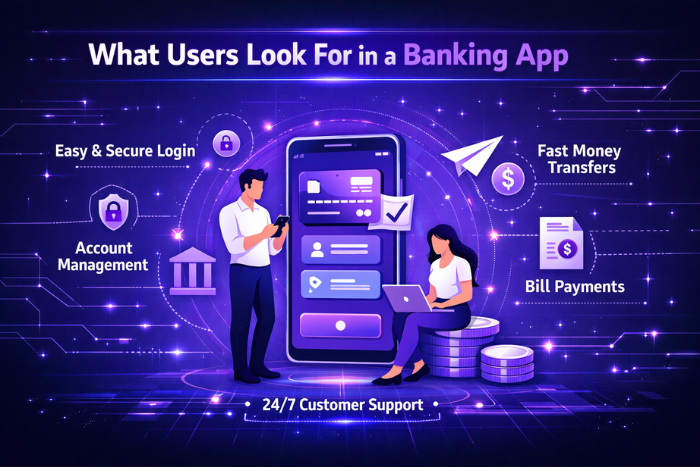
What Users Look for in a Banking App Discover what users look for in a banking app including security, payments, budgeting tools, fast performance, and seamless digital banking experiences. What Users Look for in a Banking App Digital banking has rapidly transformed how people manage their finances. Today, customers expect banking services to be available anytime and anywhere through mobile applications. From transferring money and paying bills to monitoring expenses and accessing financial insights, mobile banking apps have become an essential part of everyday financial management. Understanding what users look for in a banking app is critical for financial institutions, fintech startups, and digital banks aiming to deliver exceptional customer experiences. Modern banking users prioritize convenience, security, and speed when interacting with digital banking platforms. A well-designed banking app allows customers to access account information instantly, perform transactions securely, and receive real-time notifications about their finances. Additionally, users expect intelligent features such as budgeting tools, spending insights, and AI-powered financial recommendations that help them manage their money more effectively. To remain competitive in the fintech landscape, banking applications must combine intuitive user interfaces, robust security measures, and advanced financial management tools. By integrating the right features, banks can improve customer satisfaction, enhance trust, and encourage long-term user engagement. Why Understanding What Users Look for in a Banking App Is Important The success of a banking application depends on how well it meets user expectations. Customers rely on banking apps to perform sensitive financial operations, which means reliability, security, and ease of use are essential. Here’s why understanding user expectations is important: Improved Customer ExperienceApps that prioritize usability allow customers to manage finances quickly and easily. Enhanced User TrustAdvanced security features ensure safe transactions and protect financial data. Increased Customer RetentionConvenient digital banking experiences encourage users to stay loyal to their financial institution. Better Financial Management for UsersBudgeting tools and financial insights help customers track spending and savings. Higher Adoption of Digital BankingUser-friendly mobile apps encourage more customers to switch to digital banking. Competitive Advantage in FintechBanks offering innovative digital features attract tech-savvy customers. By focusing on these factors, financial institutions can create apps that deliver real value to users. Types of Banking App Solutions for Users Banking apps can serve different financial needs depending on the type of institution and services offered. Retail Banking AppsApps designed for everyday banking services such as account management, transfers, and bill payments. Digital Wallet AppsPlatforms that allow users to store funds digitally and make contactless payments. Investment and Wealth Management AppsApps providing tools for trading stocks, managing portfolios, and tracking investments. Corporate Banking AppsSolutions designed for businesses to manage transactions, payroll, and financial reports. Neobank and Fintech AppsDigital-only banking platforms offering innovative financial services without physical branches. Each solution requires specific features depending on the financial services provided. Get Free Quotation Now..!! Key Features Users Look for in a Banking App A successful banking application must offer a combination of security, convenience, and financial management tools. Secure User AuthenticationBiometric login, two-factor authentication, and encrypted security systems protect user accounts. Account Management DashboardUsers can view account balances, transaction history, and financial summaries in one place. Instant Money TransfersQuick transfers between accounts or peer-to-peer payments improve convenience. Bill Payments and Scheduled TransactionsUsers can automate payments for utilities, subscriptions, and loans. Budgeting and Expense Tracking ToolsFinancial insights help users understand spending habits and manage budgets. QR Code and Contactless PaymentsModern payment methods allow faster and more convenient transactions. Fraud Alerts and Security NotificationsReal-time alerts notify users about suspicious activities. Mobile Check DepositUsers can deposit checks by uploading images through their mobile devices. ATM and Branch LocatorLocation services help users find nearby ATMs and banking branches. Customer Support and AI ChatbotsIntegrated chatbots and support tools assist users with banking queries. These features create a reliable and efficient digital banking experience. Development Process for a Banking App Developing a secure and scalable banking application requires a structured development process. Market Research and Requirement AnalysisIdentify user needs, regulatory requirements, and business goals. Feature Planning and Architecture DesignDesign secure system architecture and define essential banking features. UI/UX Design and PrototypingCreate intuitive interfaces that simplify financial management. Frontend and Backend DevelopmentDevelop secure user interfaces and backend systems for transaction processing. API Integration with Banking SystemsConnect the app with payment gateways, financial services, and third-party APIs. Security Implementation and ComplianceEnsure compliance with financial regulations and data protection standards. Testing and Quality AssuranceConduct security testing, performance testing, and usability testing. Deployment and Continuous MonitoringLaunch the app and continuously monitor performance and security. This process ensures that the banking application remains reliable and secure. Technology Stack for Banking App Development Modern banking applications rely on advanced technologies to ensure high security and performance. Frontend Technologies: React Native, Flutter, Swift, KotlinBackend Technologies: Node.js, Java, Python, .NETDatabases: PostgreSQL, MongoDB, MySQLCloud Platforms: AWS, Google Cloud Platform, Microsoft AzurePayment APIs: Stripe, Plaid, RazorpaySecurity Technologies: SSL encryption, OAuth 2.0, multi-factor authenticationDevOps Tools: Docker, Kubernetes, CI/CD pipelines These technologies ensure secure financial transactions and scalable digital banking platforms. Cost Factors in Banking App Development The cost of building a banking application depends on several technical and operational factors. Complexity of features and financial services Security and compliance requirements Platform choice (iOS, Android, or cross-platform) Integration with banking systems and payment gateways Custom UI/UX design requirements Third-party APIs and financial services integrations Cloud hosting and infrastructure Maintenance and security updates Advanced banking apps with AI-powered insights and strong security systems require higher development investment. Latest Trends in Banking App Development Digital banking continues to evolve with new technologies improving user experience and financial services. AI-Powered Financial InsightsArtificial intelligence analyzes spending patterns and offers personalized financial advice. Biometric AuthenticationFingerprint and facial recognition enhance security and convenience. Open Banking IntegrationAPIs allow seamless connections between banks and third-party financial services. Voice BankingUsers can perform banking tasks through voice assistants. Blockchain-Based Security SystemsBlockchain technology enhances transaction transparency and security. Personalized Banking ExperiencesApps offer customized dashboards and financial recommendations. These trends are shaping the future of digital banking applications. Why Choose Us for Banking App Development?
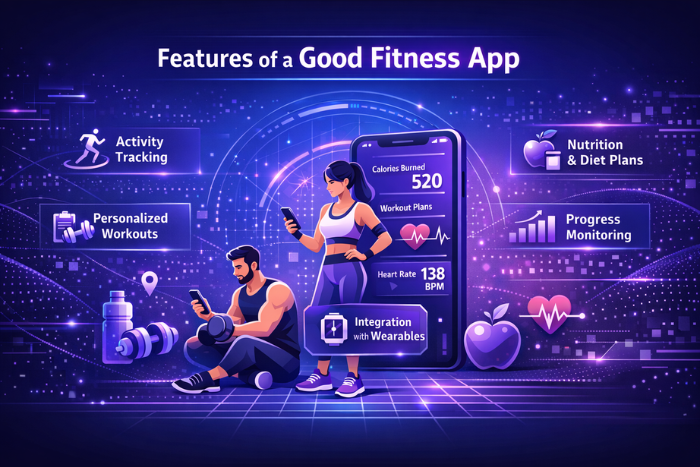
Features of a Good Fitness App
Features of a Good Fitness App Discover the features of a good fitness app including workout tracking, personalized plans, wearable integration, and real-time progress monitoring. Features of a Good Fitness App Fitness applications have become essential tools for people looking to maintain a healthy lifestyle, track workouts, and achieve their fitness goals. With the rapid growth of digital health technologies, mobile fitness apps now offer personalized training plans, activity tracking, nutrition guidance, and real-time performance insights. Understanding the features of a good fitness app is crucial for businesses and startups planning to build successful fitness platforms that attract and retain users. A well-designed fitness app helps users monitor their daily activities, follow customized workout routines, track nutrition intake, and stay motivated through progress tracking and reminders. Many modern apps also integrate with wearable devices such as smartwatches and fitness trackers to collect real-time health data. These capabilities allow users to monitor metrics like steps taken, calories burned, heart rate, and workout intensity. Fitness apps are not only beneficial for individuals but also for fitness trainers, gyms, and wellness organizations. By offering advanced features such as virtual coaching, social challenges, and AI-powered recommendations, fitness apps can improve engagement and encourage users to stay consistent with their health goals. Why the Features of a Good Fitness App Are Important The success of a fitness application depends on its ability to deliver an engaging and motivating user experience. The right features help users stay committed to their fitness routines and achieve measurable health improvements. Here’s why these features are important: Improved User MotivationGamification, reminders, and progress tracking encourage users to stay consistent with workouts. Personalized Fitness ExperienceCustomized workout and nutrition plans help users achieve specific health goals. Real-Time Health MonitoringActivity tracking allows users to monitor physical performance and health metrics. Enhanced User EngagementSocial sharing and community challenges make fitness journeys more interactive. Better Data InsightsFitness analytics help users track improvements and adjust workout routines. Convenient Health ManagementFitness apps allow users to manage workouts, diet plans, and activity tracking in one place. Implementing these features ensures that fitness apps provide value to users and remain competitive in the digital health market. Types of Fitness Application Solutions Fitness applications can serve different purposes depending on the needs of users and fitness businesses. Activity Tracking AppsApps designed to track daily activities such as steps, calories burned, and distance traveled. Workout Training AppsPlatforms offering guided workouts, exercise tutorials, and structured fitness programs. Nutrition and Diet AppsApplications that help users monitor food intake, calories, and diet plans. Personal Trainer AppsApps that provide virtual coaching, training sessions, and customized workout plans. Community Fitness AppsPlatforms that connect users through fitness challenges, leaderboards, and social engagement. Each type of solution requires different features depending on the fitness goals of the users. Get Free Quotation Now..!! Key Features of a Good Fitness App A successful fitness app should provide comprehensive tools and features that support user health and fitness progress. User Registration and Personalized ProfilesUsers can create profiles and set fitness goals such as weight loss, muscle gain, or endurance training. Workout Plans and Exercise GuidanceStructured workout routines with video tutorials and step-by-step instructions. Activity Tracking and MonitoringTrack steps, calories burned, distance, and other fitness metrics. Nutrition and Diet TrackingUsers can log meals and monitor daily calorie intake. Wearable Device IntegrationIntegration with smartwatches and fitness trackers for real-time data collection. Progress Monitoring and AnalyticsUsers can track improvements through charts, reports, and performance insights. Push Notifications and RemindersAlerts help users stay consistent with workouts and meal plans. Social Sharing and Community EngagementUsers can share achievements and participate in fitness challenges. Audio and Video Workout SupportHigh-quality media content enhances the workout experience. Goal Setting and Achievement TrackingUsers can set fitness goals and receive motivational updates. These features help fitness apps deliver engaging and personalized health experiences. Development Process for a Fitness App Developing a high-quality fitness application requires a structured development approach. Market Research and Requirement AnalysisIdentify the target audience, fitness goals, and core features required. Feature Planning and Architecture DesignDesign the system architecture and define app functionalities. UI/UX Design and PrototypingCreate user-friendly interfaces that enhance the workout experience. Frontend and Backend DevelopmentDevelop the app interface and backend infrastructure. API and Wearable IntegrationConnect the app with fitness devices and health APIs. Testing and Quality AssuranceConduct performance testing, usability testing, and security audits. Deployment and LaunchRelease the app on mobile platforms and ensure stable performance. Maintenance and Continuous ImprovementAdd new features, fix bugs, and optimize performance. A structured development process ensures that the app performs efficiently and meets user expectations. Technology Stack for Fitness Application Development Modern fitness apps rely on advanced technologies to provide real-time tracking and data analysis. Frontend Technologies: React Native, Flutter, Swift, KotlinBackend Technologies: Node.js, Python, Java, PHPDatabases: MongoDB, PostgreSQL, MySQLCloud Platforms: AWS, Google Cloud Platform, Microsoft AzureWearable Integrations: Apple HealthKit, Google Fit APIsDevOps Tools: Docker, Kubernetes, CI/CD pipelinesSecurity Technologies: SSL encryption, OAuth authentication These technologies enable scalable and secure fitness applications capable of handling large user bases. Cost Factors in Fitness App Development The cost of developing a fitness app with good features depends on several factors : Complexity of features and functionalities Integration with wearable devices and health APIs Platform choice (iOS, Android, or cross-platform) Custom UI/UX design requirements Third-party integrations and analytics tools Cloud infrastructure and hosting Maintenance and updates after launch Compliance with health and data security standards Fitness apps with advanced AI recommendations and real-time tracking require higher development investment. Latest Trends in Fitness App Development The fitness technology landscape continues to evolve with new innovations improving digital health experiences. AI-Based Personalized Training PlansArtificial intelligence analyzes user data to create custom workout programs. Wearable Device EcosystemsFitness apps integrate seamlessly with smartwatches and health trackers. Virtual Fitness CoachingUsers can receive guidance from professional trainers through live sessions. Gamification and Fitness ChallengesLeaderboards and rewards motivate users to stay active. Augmented Reality WorkoutsAR technology provides interactive fitness experiences. Mental Wellness IntegrationApps combine physical fitness with meditation and mindfulness features. These trends are shaping the future of digital fitness
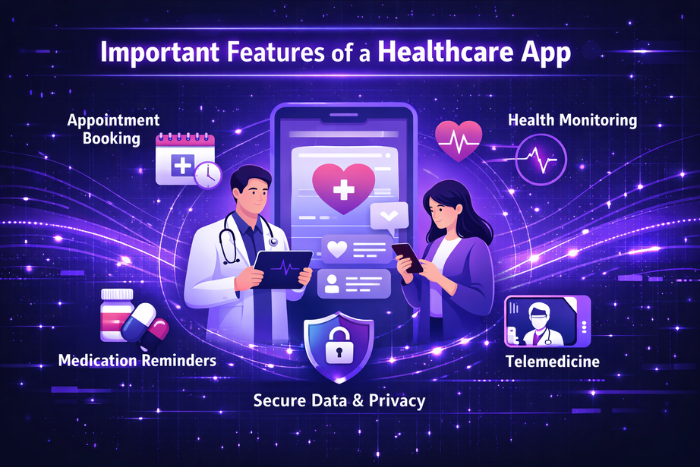
Important Features of a Healthcare App
Important Features of a Healthcare App Discover important features of a healthcare app including telemedicine, appointment scheduling, EHR integration, and secure patient data management. Important Features of a Healthcare App Healthcare mobile applications are transforming the way patients and medical professionals interact, manage health records, and access medical services. With the increasing demand for digital healthcare solutions, hospitals, clinics, and healthcare startups are investing in advanced mobile applications to improve patient care and streamline medical operations. Understanding the important features of a healthcare app is essential for building a reliable and user-friendly digital healthcare platform. Modern healthcare apps allow patients to book appointments, consult doctors through telemedicine, access electronic health records, monitor health conditions, and receive personalized medical recommendations. These apps help reduce waiting times, improve communication between patients and healthcare providers, and make healthcare services more accessible. At the same time, healthcare professionals benefit from better data management, remote patient monitoring, and improved clinical decision-making tools. A well-designed healthcare application combines secure data management, seamless communication tools, and advanced analytics to deliver efficient healthcare services. By implementing the right features, healthcare providers can enhance patient engagement, improve treatment outcomes, and optimize healthcare delivery systems. Why Important Features of a Healthcare App Are Important The healthcare industry relies on technology to improve accessibility, efficiency, and patient care. The important features of a healthcare app ensure that patients receive timely medical services while healthcare providers can manage clinical data effectively. Here’s why these features are essential: Improved Patient AccessibilityPatients can connect with healthcare professionals from anywhere through digital platforms. Better Healthcare ManagementHealthcare providers can efficiently manage appointments, patient records, and treatment plans. Enhanced Patient EngagementInteractive features encourage patients to actively monitor their health. Remote Healthcare ServicesTelemedicine and remote monitoring enable doctors to provide care without physical visits. Efficient Data ManagementElectronic health records help organize patient information securely. Improved Healthcare OutcomesData-driven insights help medical professionals make better treatment decisions. Implementing these features ensures that healthcare applications provide reliable and efficient medical services. Types of Healthcare Application Solutions Healthcare applications can serve different purposes depending on the needs of patients and medical providers. Telemedicine AppsPlatforms that allow patients to consult doctors through video calls, chat, or voice communication. Appointment Booking AppsApplications designed for scheduling doctor visits and managing medical appointments. Health Monitoring AppsApps that track patient health metrics such as heart rate, blood pressure, and activity levels. Electronic Health Record (EHR) AppsApplications that allow healthcare providers to store and manage patient medical records. Fitness and Wellness AppsPlatforms designed to promote healthy lifestyles through exercise tracking and wellness programs. Each solution requires specific features to meet the needs of healthcare providers and patients. Get Free Quotation Now..!! Key Features of a Healthcare App To build a successful healthcare application, several essential features must be integrated to ensure usability, security, and efficiency. User Registration and Profile ManagementPatients and doctors can create accounts and manage personal health information. Appointment Scheduling SystemUsers can book, reschedule, or cancel medical appointments easily. Telemedicine and Video ConsultationPatients can consult doctors remotely through secure video calls. Electronic Health Records IntegrationHealthcare providers can access patient history and medical records digitally. Prescription Management and RefillsDoctors can send prescriptions digitally, and patients can request refills. Secure Payments and BillingPatients can pay medical bills through integrated payment gateways. Health Tracking and MonitoringApps can track vital health metrics and generate reports. Push Notifications and Medication RemindersPatients receive alerts for medication schedules and appointments. Wearable Device IntegrationApps can sync with smart devices to collect health data. Privacy and Data SecurityCompliance with healthcare regulations ensures patient data protection. These features help healthcare apps provide efficient, secure, and convenient healthcare services. Development Process for a Healthcare Application Building a healthcare application requires a structured development process to ensure reliability and compliance with medical standards. Market Research and Requirement AnalysisIdentify the healthcare needs, target users, and regulatory requirements. Feature Planning and System ArchitectureDefine essential features and design the application infrastructure. UI/UX Design and PrototypingCreate intuitive interfaces that simplify patient and doctor interactions. Frontend and Backend DevelopmentDevelop the mobile interface and backend systems for data management. API Integration and Healthcare ComplianceIntegrate EHR systems, wearable devices, and ensure regulatory compliance. Testing and Quality AssuranceConduct security testing, performance testing, and usability checks. Deployment and LaunchRelease the app on mobile platforms and ensure smooth functionality. Maintenance and Continuous UpdatesImprove performance and add new features based on user feedback. This development approach ensures that healthcare applications remain secure, reliable, and scalable. Technology Stack for Healthcare App Development Developing a healthcare app requires advanced technologies and features to ensure secure and scalable healthcare services. Frontend Technologies: React Native, Flutter, Swift, KotlinBackend Technologies: Node.js, Python, Java, PHPDatabases: MongoDB, PostgreSQL, MySQLCloud Platforms: AWS, Google Cloud Platform, Microsoft AzureHealthcare APIs: HL7, FHIR, EHR integrationsDevOps Tools: Docker, Kubernetes, CI/CD pipelinesSecurity Technologies: SSL encryption, OAuth authentication, HIPAA compliance These technologies enable healthcare apps to handle sensitive patient data securely and deliver real-time medical services. Cost Factors in Healthcare App Development The cost of developing a healthcare application depends on several technical and operational factors. Complexity of features and functionality Compliance with healthcare regulations Platform choice (iOS, Android, or cross-platform) Integration with EHR systems and wearable devices Custom UI/UX design requirements Third-party API integrations Cloud hosting and database infrastructure Ongoing maintenance and security updates Healthcare apps with advanced telemedicine capabilities and AI-powered features require higher development investment. Latest Trends in Healthcare App Development Healthcare technology continues to evolve with innovative solutions improving patient care and medical efficiency. AI-Powered Health DiagnosticsArtificial intelligence assists doctors in diagnosing diseases more accurately. Remote Patient MonitoringIoT devices track patient health data in real time. Wearable Device IntegrationSmartwatches and health trackers provide continuous health insights. Voice-Based Medical AssistantsVoice technology helps patients access healthcare information quickly. Blockchain for Medical Data SecurityBlockchain technology ensures secure and transparent health data management. Predictive Analytics in HealthcareData analytics helps predict health risks and improve treatment outcomes. These trends are shaping the future of digital healthcare platforms. Why Choose Us for Healthcare App Development? Choosing the right development partner is critical when building

Must-Have Features of a Travel Booking Website
Must-Have Features of a Travel Booking Website Discover the must-have features of a travel booking website including search tools, secure payments, real-time availability, and seamless booking systems. Must-Have Features of a Travel Booking Website The travel industry has rapidly shifted toward digital platforms, with travelers now relying heavily on online booking websites to plan trips, reserve accommodations, and manage travel itineraries. For travel agencies, tour operators, and online travel startups, building a reliable and feature-rich platform is essential for attracting customers and increasing bookings. Understanding the must-have features of a travel booking website is the key to delivering seamless travel experiences and staying competitive in the digital travel marketplace. A modern travel booking website allows users to search for flights, hotels, tours, and transportation options through an intuitive interface. Customers expect real-time availability, transparent pricing, secure payment options, and easy booking processes. At the same time, travel businesses need powerful management tools to manage reservations, track bookings, analyze performance, and handle customer interactions efficiently. Successful travel platforms combine user-friendly design, powerful search capabilities, integrated payment systems, and advanced travel APIs to provide a smooth booking experience. By implementing the right features, businesses can improve customer satisfaction, streamline operations, and drive long-term growth in the online travel sector. Why Must-Have Features of a Travel Booking Website Are Important The success of a travel booking platform largely depends on the features it offers. Travelers expect convenience, speed, and reliable information when planning trips online. Implementing the must-have features of a travel booking website ensures that users can easily search, compare, and book travel services without complications. Here’s why these features are essential: Improved User ExperienceEasy navigation, responsive design, and intuitive booking processes help users find travel options quickly. Increased Booking ConversionsClear pricing, real-time availability, and fast checkout processes encourage customers to complete bookings. Efficient Travel ManagementAutomation tools help businesses manage reservations, payments, and customer data efficiently. Better Customer TrustSecure payment systems and verified reviews increase credibility and transparency. Global Market ReachMulti-language and multi-currency support enable travel businesses to attract international customers. Scalable Travel PlatformAdvanced infrastructure allows the website to handle increasing traffic and booking volumes. By focusing on these features, travel businesses can provide seamless booking experiences and improve customer retention. Types of Travel Booking Platform Solutions Travel booking websites can be designed for different business models depending on the services offered. Online Travel Agency (OTA) PlatformsWebsites that allow users to search and book flights, hotels, car rentals, and tour packages. Hotel Booking WebsitesPlatforms focused on accommodation reservations with detailed hotel listings and room availability. Tour and Activity Booking PlatformsWebsites that allow travelers to book tours, excursions, and travel experiences. Transportation Booking PlatformsSystems designed for booking flights, buses, trains, or car rentals. Travel Package Booking WebsitesPlatforms offering bundled travel packages including flights, hotels, and tours. Each solution requires a customized feature set tailored to the travel services provided. Get Free Quotation Now..!! Key Features of a Travel Booking Website A successful travel booking website must include essential features that simplify the travel planning and booking process. Advanced Search and Filtering ToolsUsers can search travel options by destination, date, price, and preferences. Real-Time Availability and PricingIntegration with travel APIs ensures accurate information about flights, hotels, and tours. Secure Online Booking SystemCustomers can easily complete reservations with a smooth booking process. Multiple Payment OptionsSupport for credit cards, digital wallets, and international payment gateways. User Account and Profile ManagementTravelers can manage bookings, save preferences, and track travel history. Reviews and Ratings SystemCustomer feedback helps users make informed decisions. Multi-Language and Multi-Currency SupportEssential for global travel businesses targeting international travelers. Automated Booking Confirmation and NotificationsEmail or app notifications keep users updated on reservation details. Interactive Maps and Destination GuidesHelp travelers explore destinations and nearby attractions. Mobile-Friendly and Responsive DesignEnsures seamless booking experiences across all devices. These features improve user convenience and increase the likelihood of successful bookings. Development Process for a Travel Booking Platform Building a successful travel booking platform requires a well-structured development approach. Market Research and Requirement AnalysisIdentify target users, business goals, and travel services to be offered. Feature Planning and System ArchitectureDefine the core features and design the website infrastructure. UI/UX Design and PrototypingCreate visually appealing interfaces that simplify the booking journey. Frontend and Backend DevelopmentDevelop the user interface, booking engine, and administrative dashboard. Travel API IntegrationIntegrate APIs for flights, hotels, payment gateways, and maps. Testing and Quality AssuranceConduct usability testing, security testing, and performance optimization. Deployment and LaunchRelease the website and ensure stable performance under real traffic. Maintenance and Continuous ImprovementUpdate features, add integrations, and optimize performance. This structured process ensures the website is reliable, scalable, and user-friendly. Technology Stack for Travel Booking Website Development Modern travel booking platforms rely on advanced technologies for fast performance and real-time data processing. Frontend Technologies: React.js, Angular, Vue.jsBackend Technologies: Node.js, Python, PHP, JavaDatabases: MongoDB, PostgreSQL, MySQLTravel APIs: Amadeus API, Skyscanner API, Sabre APIPayment Gateways: Stripe, PayPal, RazorpayCloud Platforms: AWS, Google Cloud Platform, Microsoft AzureMapping Services: Google Maps API, MapboxSecurity Technologies: SSL encryption, OAuth authentication, JWT tokens These technologies ensure secure, scalable, and high-performance travel platforms. Cost Factors in Travel Booking Website Development The cost of developing a travel booking website depends on multiple factors. Website complexity and number of features Travel API integrations (flights, hotels, transportation) Platform compatibility and responsive design UI/UX design customization Payment gateway integration Third-party services and analytics tools Cloud hosting and server infrastructure Maintenance and support requirements A basic booking platform may require moderate investment, while advanced platforms with multiple integrations require higher development costs. Latest Trends in Travel Booking Website Development The travel industry is evolving rapidly with new technologies enhancing the online booking experience. AI-Based Travel RecommendationsPersonalized suggestions based on user preferences and travel history. Voice Search for Travel PlanningTravelers can search destinations using voice commands. Mobile-First Booking PlatformsOptimized mobile experiences for travelers booking on smartphones. Dynamic Pricing AlgorithmsReal-time price adjustments based on demand and availability. Virtual Reality Destination PreviewsUsers can explore destinations virtually before booking. Chatbots for Customer SupportAI-powered chatbots assist users with booking and travel inquiries.
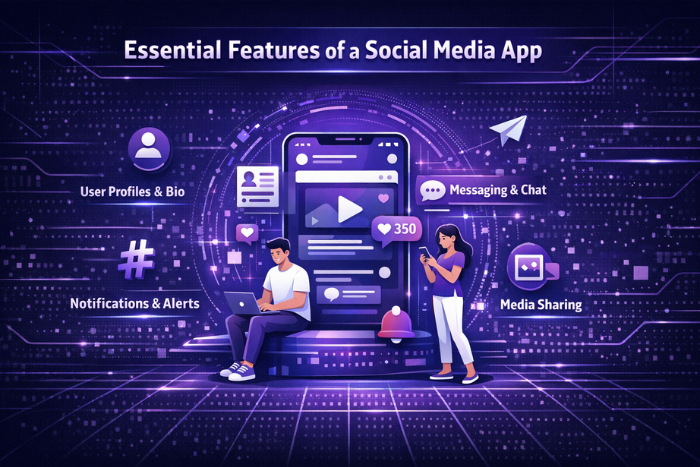
Essential Features of a Social Media App
Essential Features of a Social Media App Discover the essential features of a social media app including profiles, messaging, feeds, security, and AI tools to build a scalable platform. Essential Features of a Social Media App Social media platforms have transformed the way people communicate, share content, and build online communities. From connecting with friends to promoting businesses and creating digital content, social networking apps have become an essential part of everyday life. For businesses and startups planning to build a new platform, understanding the essential features of a social media app is crucial for creating a successful and engaging user experience. A modern social media application is more than just a messaging or content-sharing platform. It combines powerful features such as personalized news feeds, real-time messaging, multimedia sharing, notifications, and privacy controls. These elements help users interact seamlessly while encouraging engagement and community growth. At the same time, administrators need robust management tools to moderate content, analyze user behavior, and maintain platform security. Successful platforms like Instagram, Facebook, and TikTok demonstrate that the right combination of features can drive user retention and long-term growth. In this guide, we explore the essential features required to build a high-performing social media application, along with development processes, technology stacks, cost factors, and emerging trends shaping the future of social networking platforms. Why Essential Features of a Social Media App Are Important The success of any social media platform depends on how effectively it enables communication, content sharing, and community interaction. Essential features play a critical role in ensuring user engagement, platform security, and long-term scalability. Here’s why these features are important: Improved User EngagementInteractive features such as comments, likes, and sharing encourage users to spend more time on the platform. Stronger Community BuildingFollow systems, groups, and messaging tools allow users to build meaningful connections. Seamless Content SharingUsers can easily upload images, videos, and posts to express ideas and share experiences. Enhanced User RetentionPersonalized feeds and recommendations keep users returning to the app. Platform Security and PrivacyStrong security systems protect user data and prevent misuse of the platform. Scalable InfrastructureAdvanced features support the growth of users, creators, and businesses on the platform. Implementing the right features ensures a balanced ecosystem that benefits both users and platform owners. Types of Social Media Platform Solutions Social media platforms can serve different purposes depending on their target audience and business goals. Social Networking PlatformsApps designed for connecting friends, family, and communities through posts, messaging, and interactions. Content Sharing PlatformsApplications focused on sharing photos, videos, or creative content. Professional Networking AppsPlatforms designed for career networking, professional communication, and recruitment. Community-Based PlatformsApps built around shared interests such as hobbies, education, or local communities. Live Streaming Social AppsPlatforms that allow users to broadcast live video and interact with audiences in real time. Each type of solution requires specific features and functionality tailored to the platform’s purpose. Get Free Quotation Now..!! Key Features of a Social Media App A successful social media application requires several essential features that enhance user engagement and platform functionality. User Registration and Profile CreationUsers should be able to create accounts, customize profiles, and manage personal information. Personalized News FeedAn intelligent feed that displays relevant posts based on user interests and interactions. Content Creation and SharingUsers can upload photos, videos, stories, and posts to share with their audience. Follow and Friend SystemAllows users to connect with others, follow creators, or build communities. Real-Time Messaging and ChatPrivate messaging features enable direct communication between users. Likes, Comments, and ReactionsInteractive engagement tools encourage conversations and user participation. Push NotificationsUsers receive alerts for new messages, interactions, or updates. Search and Discovery FeaturesAdvanced search tools help users find profiles, posts, and trending content. Privacy and Security ControlsSettings allow users to control who can view their content and interact with them. Content Moderation ToolsAutomated and manual moderation helps maintain a safe and respectful community. These features form the core foundation of a successful social networking platform. Development Process for a Social Media Application Developing a scalable and user-friendly social media app requires a structured development process. Market Research and Requirement AnalysisIdentify the target audience, platform goals, and unique value proposition. Feature Planning and Architecture DesignDefine the essential features and create the system architecture. UI/UX Design and PrototypingDesign intuitive interfaces that encourage user engagement. Frontend and Backend DevelopmentDevelop the application’s user interface and server-side infrastructure. API Integration and Real-Time FeaturesImplement messaging systems, notifications, and third-party integrations. Testing and Quality AssuranceConduct functional, performance, and security testing. Deployment and LaunchRelease the application on mobile and web platforms. Maintenance and Continuous UpdatesImprove features and performance based on user feedback. A well-planned development process ensures stability, scalability, and long-term platform success. Technology Stack for Social Media App Development Modern social media apps rely on advanced technologies to support high traffic and real-time interactions. Frontend Technologies: React Native, Flutter, Swift, KotlinBackend Technologies: Node.js, Python, Java, Ruby on RailsDatabases: MongoDB, PostgreSQL, MySQL, FirebaseCloud Platforms: AWS, Google Cloud Platform, Microsoft AzureReal-Time Communication: WebSockets, Firebase, Socket.ioAnalytics Tools: Google Analytics, MixpanelDevOps Tools: Docker, Kubernetes, CI/CD pipelinesSecurity Technologies: SSL encryption, OAuth 2.0, JWT authentication These technologies ensure fast performance, secure communication, and scalable infrastructure. Cost Factors in Social Media App Development The cost of building a social media application depends on multiple technical and business considerations. App complexity and feature requirements Platform choice (iOS, Android, or cross-platform) UI/UX design customization Real-time communication infrastructure Third-party integrations and APIs Cloud hosting and database management Security and privacy implementation Maintenance and long-term updates A basic MVP version can be developed with essential features, while advanced platforms with AI recommendations require higher investment. Latest Trends in Social Media App Development Social media technology continues to evolve as new features improve user engagement and platform capabilities. AI-Based Content RecommendationsMachine learning algorithms personalize user feeds. Short-Form Video PlatformsVideo-based content continues to dominate social media engagement. Live Streaming and Real-Time InteractionUsers can broadcast events and interact with audiences instantly. Augmented Reality FiltersAR tools enhance photos and videos with interactive effects. Creator Monetization ToolsPlatforms allow influencers to earn through subscriptions
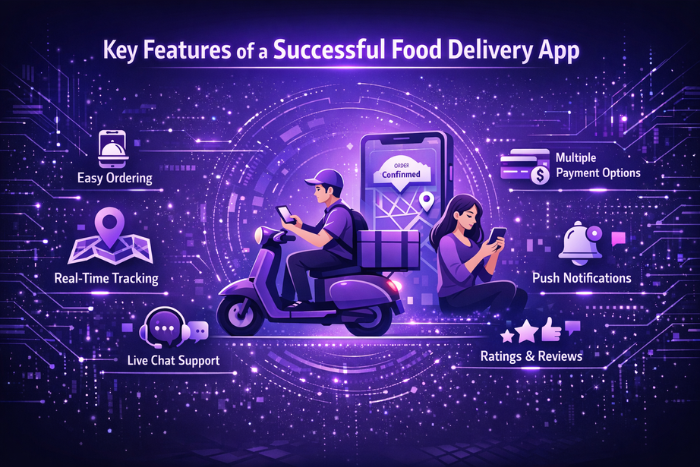
Key Features of a Successful Food Delivery App
Key Features of a Successful Food Delivery App Discover the key features of a successful food delivery app, including GPS tracking, secure payments, smart search, and scalable technology. Key Features of a Successful Food Delivery App The food delivery industry has experienced rapid growth as customers increasingly rely on mobile applications to order meals conveniently from restaurants and cloud kitchens. Businesses looking to enter this competitive market must focus on building a feature-rich and user-friendly platform that ensures a seamless ordering experience. Understanding the key features of a successful food delivery app is essential for creating a reliable, scalable, and customer-focused digital product. A well-designed food delivery app allows customers to browse restaurant menus, place orders, make secure payments, and track deliveries in real time. At the same time, restaurants and delivery partners need efficient tools to manage orders, optimize delivery routes, and monitor performance. These integrated functionalities create a complete ecosystem that benefits customers, restaurants, and delivery personnel alike. Successful apps combine intuitive user interfaces, secure payment gateways, real-time GPS tracking, and advanced analytics to enhance efficiency and user satisfaction. By implementing these essential features, businesses can improve customer engagement, streamline operations, and increase revenue. In this guide, we explore the most important features, development process, technology stack, and trends that help businesses build a successful food delivery application. Why Key Features of a Successful Food Delivery App Are Important The right set of features directly influences the performance, scalability, and user adoption of a food delivery application. Businesses that prioritize essential functionalities can create a seamless customer experience and improve operational efficiency. Here’s why the key features of a successful food delivery app matter: Improved Customer ConvenienceCustomers can easily browse menus, place orders, and receive meals without leaving their homes. Efficient Order ManagementRestaurants can handle large volumes of orders through automated order processing systems. Real-Time Delivery TrackingGPS tracking ensures transparency and improves customer trust in delivery timelines. Higher Customer EngagementPush notifications, personalized offers, and loyalty programs encourage repeat orders. Streamlined Business OperationsIntegrated dashboards help businesses manage users, restaurants, and delivery partners efficiently. Scalability for GrowthA robust app infrastructure allows businesses to handle increasing orders and user traffic. By implementing the right features, food delivery platforms can deliver better user experiences and maintain a competitive edge. Types of Food Delivery App Solutions Different business models influence the features and architecture of a food delivery application. Aggregator Food Delivery AppsPlatforms that connect customers with multiple restaurants, allowing them to browse menus and place orders from various vendors. Restaurant-Owned Delivery AppsApplications developed for a single restaurant or brand to manage direct customer orders. Cloud Kitchen Delivery AppsApps designed for virtual restaurants operating without physical dining spaces. On-Demand Delivery AppsPlatforms that focus on fast or instant delivery services in specific geographic areas. Subscription-Based Food Delivery AppsApps offering recurring meal plans or membership-based delivery services. Each type of solution requires tailored features, payment integrations, and delivery logistics management. Get Free Quotation Now..!! Key Features of a Successful Food Delivery App A successful food delivery app must deliver convenience, speed, and reliability to both customers and restaurants. The following features play a critical role in building a competitive platform. User Registration and Profile ManagementCustomers should be able to sign up using email, phone numbers, or social media accounts. Advanced Search and Smart FiltersUsers can quickly find restaurants or dishes based on cuisine, price, ratings, or location. Menu Browsing and Item CustomizationCustomers can view detailed menus, select meal options, and customize orders. Secure Payment Gateway IntegrationSupport for multiple payment methods such as credit cards, digital wallets, and online banking. Real-Time GPS Order TrackingCustomers can monitor delivery progress and estimated arrival time. Push Notifications and PromotionsBusinesses can send order updates, discounts, and promotional offers. Ratings and Reviews SystemCustomers can rate restaurants and delivery services to maintain quality standards. Reorder and Favorite OptionsUsers can easily reorder previously purchased meals. Multi-Address SupportCustomers can save multiple delivery addresses for convenience. Delivery Partner Management SystemDrivers can manage delivery tasks, track earnings, and navigate optimized routes. These features ensure a smooth ordering process and improve overall customer satisfaction. Development Process for a Successful Food Delivery App Creating a scalable and efficient food delivery application requires a structured development process. Requirement Analysis and Market ResearchIdentify target users, business model, and feature requirements for the platform. UI/UX Design and PrototypingDesign intuitive interfaces that simplify menu browsing, ordering, and payment. Backend and Frontend DevelopmentDevelop core functionalities such as restaurant listings, order processing, and delivery management. Payment Gateway and API IntegrationIntegrate secure payment systems, location services, and third-party APIs. Testing and Quality AssuranceConduct performance testing, usability testing, and security audits. Deployment and App Store LaunchRelease the application on mobile platforms and ensure stable performance. Maintenance and Continuous ImprovementUpdate features, fix bugs, and optimize performance based on user feedback. This development approach helps businesses launch a reliable and scalable food delivery app. Technology Stack for Food Delivery App Development Choosing the right technology stack is essential for building a high-performance food delivery application. Frontend Technologies: React Native, Flutter, Swift, KotlinBackend Technologies: Node.js, Python, Java, PHPDatabases: MongoDB, PostgreSQL, MySQL, FirebaseCloud Platforms: AWS, Google Cloud Platform, Microsoft AzurePayment Gateways: Stripe, PayPal, Razorpay, Apple PayMapping and Navigation: Google Maps API, MapboxDevOps Tools: Docker, Kubernetes, CI/CD pipelinesSecurity Technologies: SSL encryption, OAuth 2.0, JWT authentication These technologies help developers create scalable, secure, and efficient food delivery platforms. Cost Factors in Successful Food Delivery App Development The cost of building a food delivery app depends on several technical and business factors. Complexity of features and functionalities Platform choice (iOS, Android, or cross-platform) Integration with payment gateways and mapping services Number of user roles (customer, restaurant, delivery partner, admin) UI/UX design customization Third-party API integrations Cloud infrastructure and hosting Maintenance and post-launch updates Basic applications with core features require lower investment, while advanced platforms with AI recommendations and large restaurant networks require higher budgets. Latest Trends in Food Delivery App Development The food delivery market continues to evolve as new technologies improve efficiency and customer experience. AI-Powered Personalized RecommendationsSuggest meals based on
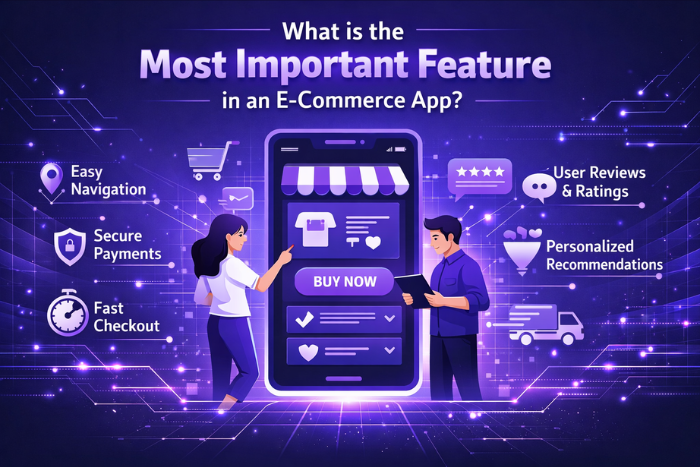
What Is the Most Important Feature in an E-Commerce App?
What Is the Most Important Feature in an E-Commerce App? Discover the most important feature in an e-commerce app and learn key features, development process, cost factors, and trends for building a successful shopping app. What Is the Most Important Feature in an E-Commerce App? E-commerce apps have transformed how customers shop, interact with brands, and complete purchases. With mobile commerce growing rapidly, businesses must create digital shopping experiences that are fast, intuitive, and highly personalized. One of the most common questions businesses ask is what is the most important feature in an e-commerce app that drives conversions and customer loyalty. While modern e-commerce apps include many capabilities—such as secure payments, product catalogs, search filters, and order tracking—the most important feature is a seamless user experience combined with an easy checkout process. If customers can quickly find products, trust the platform, and complete purchases without friction, the chances of conversion increase significantly. A successful e-commerce application combines intuitive design, powerful search capabilities, secure payment gateways, and personalized recommendations to create a smooth shopping journey. Businesses that prioritize these features can increase customer engagement, improve retention, and generate higher revenue. In this guide, we will explore the most important features of an e-commerce app, how they impact business success, and the technologies required to build a high-performing online shopping platform. Why This Feature Is Important in an E-Commerce App The success of an e-commerce app depends on how easily customers can browse products, make purchasing decisions, and complete transactions. A smooth user experience combined with fast checkout functionality directly influences sales performance and customer satisfaction. Here’s why the most important feature in an e-commerce app matters: Improves Conversion RatesA seamless shopping experience reduces friction and encourages customers to complete purchases. Enhances Customer SatisfactionEasy navigation, fast loading speeds, and simple checkout create a positive user experience. Builds Customer TrustSecure payment systems and transparent order tracking increase customer confidence. Reduces Cart AbandonmentSimplified checkout processes prevent customers from leaving before completing purchases. Supports Business ScalabilityWell-designed features allow e-commerce apps to handle growing product catalogs and user traffic. Encourages Customer LoyaltyPersonalized recommendations and user-friendly design keep customers coming back. Businesses that invest in optimized e-commerce features gain a competitive advantage in the rapidly growing digital marketplace. Types of E-Commerce Application Solutions E-commerce applications can be built for different business models and customer needs. Retail Shopping AppsMobile applications that allow customers to browse product catalogs, compare products, and purchase items directly. Marketplace AppsPlatforms where multiple vendors sell products, similar to large online marketplaces. Subscription Commerce AppsApps that allow customers to subscribe to products or services with recurring billing models. B2B E-Commerce PlatformsApplications designed for businesses purchasing goods in bulk or managing supplier relationships. On-Demand Delivery AppsE-commerce apps that support same-day or instant delivery services. Social Commerce AppsPlatforms integrating shopping features with social media experiences. Each solution requires a tailored feature set depending on the business model, target audience, and product offerings. Get Free Quotation Now..!! Key Features of a Successful E-Commerce Application To create a competitive online shopping platform, businesses must integrate several essential features that enhance usability and drive sales. Intuitive User Interface (UI) and User Experience (UX)A clean and simple interface helps users navigate the app easily and find products quickly. Advanced Product Search and FiltersCustomers should be able to search products by category, price, brand, and ratings. Secure Payment Gateway IntegrationSupport for multiple payment options including credit cards, digital wallets, and online banking. Seamless Checkout ProcessA simplified checkout process with minimal steps reduces cart abandonment. Product Reviews and RatingsCustomer feedback builds trust and helps buyers make informed decisions. Wishlist and Save for Later OptionsAllows customers to bookmark products they intend to purchase in the future. Push Notifications and AlertsPromotions, discounts, and order updates keep customers engaged. Real-Time Order TrackingCustomers can monitor shipping status and delivery progress. Personalized RecommendationsAI-powered suggestions based on user behavior increase sales opportunities. Multi-Language and Multi-Currency SupportEssential for businesses targeting global audiences. These features collectively improve usability, customer engagement, and conversion rates. Development Process for an E-Commerce App Building a high-quality e-commerce app requires a structured development process that focuses on performance, security, and scalability. Requirement Analysis and Market ResearchIdentify target users, product categories, business model, and feature requirements. Technology and Architecture PlanningChoose suitable frameworks, programming languages, and cloud infrastructure. UI/UX Design and PrototypingCreate visually appealing designs and intuitive navigation flows. Backend and Frontend DevelopmentDevelop product management systems, payment integrations, and user interfaces. Payment Gateway and Security IntegrationImplement secure payment methods, authentication systems, and data encryption. Testing and Quality AssuranceConduct performance testing, usability testing, and security audits. Deployment and LaunchRelease the app on platforms such as iOS, Android, or web environments. Maintenance and Continuous ImprovementUpdate features, fix bugs, and improve performance based on user feedback. A well-planned development lifecycle ensures the e-commerce app performs efficiently and supports business growth. Technology Stack for E-Commerce App Development Modern e-commerce apps rely on advanced technologies to ensure speed, scalability, and security. Frontend Technologies: React Native, Flutter, Swift, KotlinBackend Technologies: Node.js, Python, Java, PHPDatabases: MongoDB, PostgreSQL, MySQL, FirebasePayment Integrations: Stripe, PayPal, Razorpay, Apple PayCloud Platforms: AWS, Google Cloud Platform, Microsoft AzureAnalytics Tools: Google Analytics, MixpanelDevOps Tools: Docker, Kubernetes, CI/CD pipelinesSecurity Tools: SSL encryption, OAuth 2.0, JWT authentication, RBAC Using the right technology stack ensures that the e-commerce application is scalable, secure, and capable of handling high traffic volumes. Cost Factors in E-Commerce App Development The cost of building an e-commerce app depends on multiple technical and business factors. Complexity of features and functionality Number of products and categories Platform choice (iOS, Android, or cross-platform) Payment gateway integrations Custom UI/UX design requirements Third-party API integrations Cloud hosting and infrastructure Maintenance and support services A basic e-commerce app with core features may require a moderate investment, while advanced apps with AI recommendations and large product catalogs require higher budgets. Latest Trends in E-Commerce App Development The e-commerce industry continues to evolve as new technologies reshape the online shopping experience. AI-Powered Product RecommendationsPersonalized shopping experiences based on customer behavior. Augmented Reality ShoppingCustomers can visualize products before
What Are the App Development Best Practices- Duplicate
What Are the App Development Best Practices? Guide Learn the best app development practices for building secure, scalable, and high-performance mobile and web applications. What Are the App Development Best Practices? Building a successful application requires more than just writing code. Developers must follow structured strategies, modern technologies, and industry standards to create applications that are reliable, scalable, and user-friendly. This is why many businesses ask: “What are the app development best practices?” App development best practices refer to the set of guidelines and techniques that ensure applications are built efficiently, securely, and with a strong focus on user experience. These practices cover everything from project planning and architecture design to testing, deployment, and maintenance. In today’s competitive digital environment, users expect fast, responsive, and secure applications. Poorly designed apps often suffer from performance issues, security vulnerabilities, and poor user engagement. Following proven development practices helps developers avoid these challenges and deliver high-quality applications that meet user expectations. Best practices also help teams collaborate effectively, maintain clean code, and build applications that can evolve with new technologies. Whether you are building a startup app, enterprise platform, or mobile solution, following industry-standard development practices is essential for long-term success. In this guide, we will explore the key app development best practices, including architecture design, development processes, technology stacks, and strategies for creating secure and scalable applications. Why App Development Best Practices Are Important Following established development practices ensures that applications perform reliably, remain secure, and provide excellent user experiences. Here are several reasons why app development best practices are important: Improved Application PerformanceBest practices help developers optimize code and system architecture for faster performance. Enhanced SecurityImplementing secure coding standards protects applications from vulnerabilities and cyber threats. Better User ExperienceWell-designed apps provide intuitive navigation and smooth interactions. Scalability and Future GrowthApplications built with best practices can easily handle increased users and new features. Efficient Development ProcessStructured development workflows improve collaboration and productivity. Reduced Maintenance IssuesClean and maintainable code makes it easier to update and improve applications. By following these practices, businesses can build reliable digital products that remain competitive in the market. Types of App Development Best Practice Solutions Different development strategies help ensure applications are efficient and maintainable. Architecture-Based Development Structured application architecture helps maintain clean and scalable code. Separation of concerns Modular design Layered architecture User Experience–Focused Development Prioritizing user experience ensures the app remains intuitive and engaging. Simple navigation Fast loading times Consistent design elements Security-First Development Security practices protect sensitive user data and prevent vulnerabilities. Secure authentication systems Data encryption Secure APIs Performance Optimization Practices Optimizing performance ensures the app runs smoothly even with heavy usage. Efficient resource management Caching mechanisms Load balancing Continuous Integration and Deployment Automated development workflows ensure faster updates and reliable deployments. Automated testing CI/CD pipelines Continuous monitoring These solutions help create high-quality applications that perform well and scale efficiently. Get Free Quotation Now..!! Key Features of App Development Best Practices Successful application development involves several essential principles and features. Key features include: Clean and maintainable code structure Modular and scalable architecture design Secure authentication and data protection Optimized database performance Responsive user interface and accessibility Comprehensive testing strategies Continuous integration and automated deployment Monitoring and analytics for performance tracking These features ensure that applications remain efficient, secure, and adaptable to changing requirements. Development Process Following Best Practices A structured development process ensures that applications are built efficiently and meet quality standards. Project Planning and Requirement AnalysisDefine project goals, user needs, and functional requirements. Architecture DesignCreate scalable system architecture with clear separation of components. UI/UX DesignDevelop user-friendly interfaces that enhance usability and engagement. Application DevelopmentImplement frontend and backend functionalities using best coding practices. Testing and Quality AssurancePerform functional, performance, and security testing. Deployment and ReleaseDeploy the application to production environments or app stores. Performance MonitoringTrack application performance using analytics and monitoring tools. Maintenance and Continuous ImprovementRelease updates, fix bugs, and improve features based on user feedback. Following this development workflow ensures reliable and scalable application development. Technology Stack Modern technologies support efficient app development and enable developers to implement best practices effectively. Mobile Development: Flutter, React Native, Swift, Kotlin Frontend Technologies: HTML5, CSS3, JavaScript, TypeScript Backend Technologies: Node.js, Python, Java, .NET Databases: PostgreSQL, MongoDB, MySQL, Firebase Cloud Platforms: AWS, Google Cloud Platform, Microsoft Azure DevOps Tools: Docker, Kubernetes, Jenkins, GitHub Actions Testing Tools: Selenium, Appium, JUnit Security Tools: OAuth authentication, SSL encryption Using the right technology stack improves development efficiency and application reliability. Cost Factors in Implementing Best Practices Adopting best practices in app development may involve several cost considerations. Important cost factors include: Application complexity and feature requirements Choice of development platform and technologies Development team expertise Security implementation and compliance requirements Performance testing and monitoring tools Infrastructure and hosting services Maintenance and future updates Although implementing best practices may require additional investment, it significantly reduces long-term technical risks. Latest Trends in App Development Best Practices The mobile and web development landscape continues to evolve with new technologies and methodologies. Some emerging trends include: AI-assisted coding and automation Cloud-native application development Microservices architecture adoption Serverless computing models Low-code and no-code development platforms Advanced analytics for user behavior insights Enhanced cybersecurity practices Continuous integration and deployment pipelines These trends are shaping the future of application development and improving development efficiency. Why Choose Us for App Development Services? Choosing the right development partner is critical for building applications that follow industry best practices. Our team focuses on delivering high-quality digital products using modern development methodologies. Here’s why businesses choose our services: Expert Development Team – Skilled developers with experience in modern frameworks and architectures. Best Practice–Driven Development – Applications built using industry-standard coding and security guidelines. Scalable Architecture Design – Systems designed to support long-term growth. User-Centered Design Approach – Focus on delivering intuitive and engaging user experiences. Comprehensive Testing and Quality Assurance – Ensuring stable and reliable applications. Agile Development Methodology – Faster delivery with transparent collaboration. Secure and Compliant Applications – Implementation of advanced security measures. Long-Term Support and Maintenance – Continuous
How Do I Integrate AI in My App?
How Do I Integrate AI in My App? Learn how to integrate AI in your app with machine learning, chatbots, predictive analytics, and automation to build smarter and more intelligent applications. How Do I Integrate AI in My App? Artificial Intelligence (AI) is transforming the way modern applications operate. From personalized recommendations and smart chatbots to predictive analytics and automated workflows, AI-powered features are helping businesses deliver smarter digital experiences. Many businesses and developers now ask an important question: how do I integrate AI in my app? Integrating AI into an application allows it to analyze data, learn from user behavior, and make intelligent decisions. AI-powered apps can automate tasks, improve user engagement, and provide real-time insights. For example, e-commerce platforms use AI to recommend products, healthcare apps use AI for diagnosis support, and finance apps use AI for fraud detection. The process of integrating AI in an app involves selecting the right AI model, collecting and preparing data, building intelligent algorithms, and integrating them into mobile or web applications. Developers can also use AI platforms and APIs to add advanced capabilities without building models from scratch. Businesses that adopt AI-powered applications gain a competitive advantage by improving efficiency, enhancing user experience, and unlocking new data-driven opportunities. In this guide, we will explain how AI can be integrated into your app, including development solutions, features, technologies, cost factors, and the latest trends in AI-powered application development. Why AI Integration Is Important for Apps AI integration enables applications to perform tasks that normally require human intelligence. It allows apps to learn from data, recognize patterns, and make predictions. Key benefits of integrating AI in apps include: Personalized User ExperiencesAI analyzes user behavior to deliver personalized recommendations and content. Automation of Repetitive TasksAI-powered automation reduces manual work and increases productivity. Improved Decision MakingAI models analyze large datasets and generate actionable insights. Enhanced Customer SupportAI chatbots provide instant responses to user queries. Fraud Detection and SecurityAI systems detect unusual patterns and potential threats. Better Data AnalysisAI helps businesses understand trends and user behavior. By integrating AI, businesses can build intelligent applications that adapt and evolve with user needs. Types of Solutions to Integrate AI in Your App There are several ways developers can integrate AI into an app depending on the app’s goals and functionality. AI Chatbot Solutions AI chatbots provide automated customer support and interaction. Customer service automation Virtual assistants 24/7 user support Machine Learning Solutions Machine learning models help apps analyze data and make predictions. Predictive analytics Recommendation engines Behavior analysis Natural Language Processing (NLP) Solutions NLP enables apps to understand and process human language. Voice assistants Text analysis Sentiment analysis Computer Vision Solutions Computer vision allows apps to recognize images and objects. Facial recognition Image classification Object detection AI-Powered Automation Solutions AI can automate workflows and business processes. Smart notifications Automated decision systems Process automation These solutions allow developers to integrate intelligent features into modern applications. Get Free Quotation Now..!! Key Features of AI-Powered Applications Applications that integrate AI include several advanced capabilities that enhance functionality and user experience. Key features include: Personalized recommendations AI-powered chatbots and assistants Real-time data analysis Voice recognition capabilities Image and object recognition Predictive analytics and forecasting Automated decision-making systems Smart notifications and alerts These features help applications become more intelligent and responsive to user behavior. AI Integration Development Process Integrate AI into an app requires a structured development approach that ensures accurate results and reliable performance. Define AI Objectives Identify what AI functionality your application needs, such as recommendations, chatbots, or analytics. Collect and Prepare Data Gather datasets required to train AI models and ensure data quality. Select AI Tools and Platforms Choose AI frameworks or cloud platforms suitable for the application. Choose the Right AI Model Select machine learning models or deep learning algorithms. Train and Validate the Model Train the AI system using data and evaluate accuracy. Integrate the AI Model into the App Connect the AI model with the application’s backend and frontend systems. Test AI Features Ensure the AI functionality works correctly across different scenarios. Deploy and Monitor Performance Launch the app and monitor AI performance continuously. Update and Improve AI Models AI systems improve over time through data updates and model retraining. This process ensures that AI features are accurate, scalable, and reliable. Technology Stack for AI App Integration AI app development involves a combination of machine learning frameworks, cloud platforms, and development tools. Programming Languages: Python, Java, JavaScript, R AI Frameworks: TensorFlow, PyTorch, Keras Natural Language Processing: spaCy, NLTK, OpenAI APIs Computer Vision Libraries: OpenCV, TensorFlow Vision Mobile Frameworks: Flutter, React Native, Swift, Kotlin Cloud Platforms: AWS AI, Google Cloud AI, Microsoft Azure AI Databases: MongoDB, PostgreSQL, Firebase AI APIs: OpenAI API, Google ML Kit, Amazon Rekognition Using the right technology stack ensures seamless AI integration into mobile or web applications. Cost Factors in AI App Integration The cost of integrating AI into an application depends on several factors related to development complexity and infrastructure. Important cost factors include to integrate AI into an app: Complexity of AI features Data collection and training datasets Development of custom AI models Cloud computing and processing costs Integration with existing systems Security and compliance requirements AI maintenance and model updates Applications with advanced AI features such as computer vision or deep learning require more resources and higher development costs. Latest Trends in AI-Powered App Development AI technology is evolving rapidly, introducing new opportunities for app development. Key trends include: Generative AI for content creation AI-powered virtual assistants Edge AI for faster processing on devices AI-driven personalization engines Voice-based interfaces and assistants AI-powered cybersecurity systems Automated machine learning (AutoML) These innovations are making AI integration easier and more powerful for modern applications. Why Choose Us for AI App Development? Integrating AI into an application requires expertise in machine learning, data science, and software development. Here’s why businesses choose our development team: Experienced AI DevelopersOur team specializes in AI-powered application development. Custom AI SolutionsWe build AI models tailored to your business needs.

Can I Develop an App for IoT Devices?
Can I Develop an App for IoT Devices? Learn how to develop an app for IoT devices, including development process, technologies, costs, and best practices for building secure and scalable IoT apps. Can I Develop an App for IoT Devices? The rapid growth of connected technologies has transformed the way businesses and consumers interact with devices. From smart homes and wearable fitness trackers to industrial automation and connected vehicles, the Internet of Things (IoT) is becoming an essential part of modern digital ecosystems. This leads many businesses and entrepreneurs to ask an important question: Can I develop an app for IoT devices? The answer is yes. Developing applications for IoT devices allows businesses to monitor, control, and manage connected devices through mobile or web interfaces. These applications communicate with sensors, machines, and hardware systems to collect data, automate processes, and provide real-time insights. IoT app development involves integrating hardware devices, connectivity protocols, cloud platforms, and mobile applications into a single ecosystem. A well-designed IoT app enables users to remotely control devices, analyze real-time data, and automate workflows. Industries such as healthcare, manufacturing, logistics, agriculture, smart homes, and automotive are rapidly adopting IoT technologies to improve efficiency and enhance user experiences. In this guide, we will explore how IoT app development works, including development solutions, features, technology stack, cost considerations, and the latest trends in connected applications. Why IoT App Development Is Important IoT applications play a major role in enabling real-time communication between devices and users. They help organizations improve operational efficiency, collect valuable data, and automate complex processes. Here are the key reasons why IoT app development is important: Real-Time Device MonitoringIoT apps allow users to monitor connected devices and systems instantly. Automation of ProcessesBusinesses can automate operations such as manufacturing workflows or smart home controls. Data Collection and AnalyticsIoT devices generate large volumes of data that can be analyzed for business insights. Remote Device ControlUsers can control devices remotely through mobile or web applications. Improved Operational EfficiencyConnected systems reduce manual intervention and improve productivity. Better Customer ExperienceIoT-enabled applications provide personalized and automated user experiences. IoT app development enables businesses to build intelligent systems that connect physical devices with digital platforms. Types of App Development Solutions for IoT Devices IoT applications can be developed for different industries and device ecosystems. These solutions vary depending on the purpose of the connected system. Smart Home IoT Applications Smart home apps allow users to control connected household devices. Smart lighting systems Home security monitoring Smart thermostats Voice-controlled appliances Industrial IoT Applications Industrial IoT apps help companies monitor and control machines and production systems. Equipment monitoring Predictive maintenance Asset tracking Manufacturing automation Healthcare IoT Applications IoT apps are widely used in healthcare to track patient data and monitor medical devices. Remote patient monitoring Wearable health trackers Smart medical equipment Logistics and Supply Chain IoT Solutions Logistics companies use IoT applications to track shipments and manage supply chains. GPS tracking systems Fleet management apps Warehouse monitoring Agriculture IoT Applications IoT solutions help farmers optimize agricultural processes. Soil moisture sensors Smart irrigation systems Crop monitoring tools These solutions demonstrate how IoT applications can transform various industries. Get Free Quotation Now..!! Key Features of IoT Applications IoT applications include several advanced features that enable seamless communication between devices and users. Key features include: Real-time device monitoring and alerts Secure device connectivity Data synchronization with cloud platforms Remote device control and automation Device status tracking Data analytics dashboards Push notifications and alerts Integration with sensors and hardware modules These features help IoT applications deliver efficient and intelligent device management. App Development Process for IoT Devices Developing an IoT application involves several stages that ensure smooth communication between devices, software, and cloud infrastructure. Requirement Analysis and PlanningIdentify the purpose of the IoT system, target devices, and business goals. IoT Architecture DesignDesign the architecture connecting devices, gateways, and cloud platforms. Hardware and Sensor IntegrationIntegrate sensors, controllers, and embedded hardware systems. Mobile or Web App DevelopmentBuild the user interface for controlling and monitoring IoT devices. Backend and Cloud DevelopmentDevelop servers and cloud infrastructure for storing and processing IoT data. Connectivity and Protocol ImplementationImplement communication protocols such as MQTT, HTTP, or CoAP. Testing and Device ValidationTest the system with multiple devices and real-world scenarios. Deployment and MonitoringLaunch the IoT system and monitor performance. Maintenance and UpdatesUpdate applications regularly to support new devices and features. This structured development process ensures reliable and scalable IoT applications. Technology Stack for IoT App Development IoT development requires a combination of hardware, software, and cloud technologies. Programming Languages: Python, Java, C++, JavaScript Mobile Development: Flutter, React Native, Swift, Kotlin IoT Platforms: AWS IoT, Google Cloud IoT, Azure IoT Hub Databases: MongoDB, MySQL, PostgreSQL, Firebase Connectivity Protocols: MQTT, CoAP, HTTP, WebSockets Hardware Platforms: Arduino, Raspberry Pi, ESP32 Cloud Platforms: AWS, Microsoft Azure, Google Cloud Analytics Tools: Apache Kafka, Hadoop, Spark Using the right technology stack ensures efficient communication between IoT devices and applications. Cost Factors in App Development for IoT Devices The cost of developing an IoT application depends on several technical and operational factors. Major cost factors include: Number and type of IoT devices Hardware and sensor integration complexity Mobile or web application development Cloud infrastructure and storage costs Data analytics and processing tools Security implementation and encryption Maintenance and updates Complex IoT ecosystems involving multiple devices and large data streams usually require higher development budgets. Latest Trends in IoT App Development IoT technology continues to evolve with new innovations that improve connectivity and device intelligence. Some key trends include: Edge Computing for faster data processing AI-powered IoT analytics 5G connectivity for IoT devices Smart cities and infrastructure solutions Industrial IoT automation systems Blockchain-based IoT security Voice-enabled IoT device control These trends are shaping the future of connected applications and smart systems. Why Choose Us for IoT App Development? Developing reliable IoT applications requires expertise in software, hardware integration, and cloud infrastructure. Here’s why businesses choose our development team: Expert IoT Development TeamOur specialists design scalable and secure IoT ecosystems. End-to-End IoT SolutionsWe handle everything

