
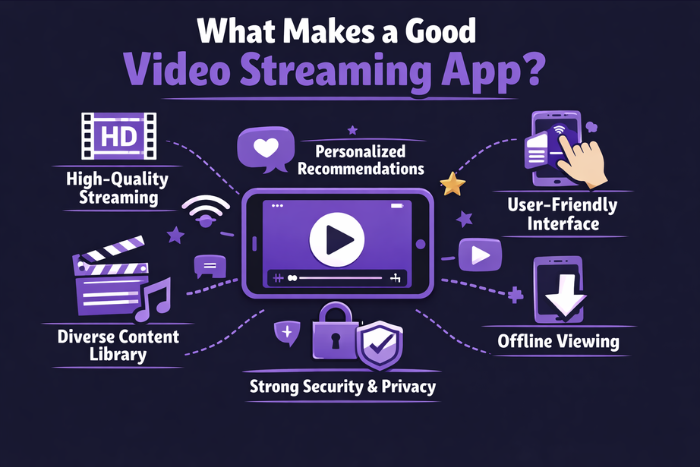
What Makes a Good Video Streaming App Learn what makes a good video streaming app, including key features, scalable technology, user experience, and monetization strategies. What Makes a Good Video Streaming App Video streaming applications have transformed how people consume digital content. From entertainment platforms and live sports broadcasts to e-learning sessions and business webinars, video streaming apps have become an essential part of modern digital experiences. With the rapid growth of platforms like Netflix, YouTube, Twitch, and Disney+, businesses are increasingly exploring opportunities to build their own video streaming platforms. However, creating a successful streaming platform requires more than just hosting video content. Understanding what makes a good video streaming app involves combining high-quality video delivery, seamless user experience, scalable infrastructure, and engaging interactive features. Users expect fast playback, minimal buffering, personalized recommendations, and easy navigation across devices. Modern streaming apps must also support features such as adaptive bitrate streaming, real-time chat, offline viewing, and AI-powered content discovery. Additionally, a reliable backend architecture and content delivery network (CDN) are critical for delivering high-performance streaming to a global audience. In this guide, we explore the key elements that define a good video streaming app, including essential features, development strategies, technology stack, and the latest industry trends that help businesses build competitive streaming platforms. Why a Good Video Streaming App Is Important The demand for video streaming platforms has increased dramatically as users shift toward digital entertainment, remote learning, and online events. Businesses that invest in streaming technology can reach a global audience and create powerful engagement opportunities. Understanding what makes a good video streaming app helps businesses deliver a platform that meets modern user expectations. Key benefits include: Enhanced user engagement: Interactive features such as live chat and recommendations keep viewers engaged. Global content distribution: Streaming platforms allow content creators to reach audiences worldwide. Multiple monetization opportunities: Subscriptions, ads, and pay-per-view models generate revenue. Improved user experience: Fast streaming speeds and high-quality playback improve viewer satisfaction. Scalable digital platforms: Cloud-based streaming infrastructure supports millions of users. A well-designed streaming application not only improves viewer engagement but also helps businesses establish a strong digital presence in the rapidly growing streaming industry. Types of Solutions Video streaming applications can be developed for different industries and use cases depending on business goals and target audiences. Entertainment Streaming PlatformsPlatforms that provide movies, TV shows, and original content to subscribers. Live Streaming AppsApplications used for live broadcasts such as gaming streams, sports events, and social media live sessions. Educational Streaming PlatformsVideo platforms designed for online learning, webinars, and virtual classrooms. Corporate and Webinar Streaming AppsUsed by businesses to host meetings, product launches, and corporate events. Social Video Streaming PlatformsApps that allow users to share and stream user-generated video content. Each type of streaming platform may require different features, but the core components of performance, usability, and scalability remain essential. Get Free Quotation Now..!! Key Features of a Good Video Streaming App A successful streaming platform must deliver high performance, seamless user experience, and engaging content delivery. The following features define what makes a good video streaming app. High-Quality Video StreamingAdaptive bitrate streaming ensures videos play smoothly across different internet speeds and devices. User Registration and ProfilesSecure login systems allow users to create profiles, manage subscriptions, and personalize viewing preferences. Content Discovery and SearchPowerful search and recommendation engines help users easily discover new videos and content categories. Adaptive Bitrate and Buffer ManagementSmart streaming technology automatically adjusts video quality to minimize buffering. Multi-Device CompatibilityUsers should be able to watch content on smartphones, tablets, smart TVs, and desktops. Offline Viewing CapabilityOffline downloads allow users to watch content without internet access. Real-Time Chat and InteractionInteractive chat and comments enable viewer engagement during live streams. Push Notifications and AlertsNotifications keep users informed about new content releases and live events. Content Recommendation AlgorithmsAI-powered recommendation engines suggest personalized content based on user behavior. Secure Payment and Subscription ManagementIntegrated payment gateways support subscriptions, pay-per-view models, and premium content. Development Process Building a successful streaming application requires a structured development strategy that focuses on user experience and performance. Market Research and Requirement AnalysisIdentify your target audience, analyze competitors, and define the platform’s core value proposition. Feature Planning and Platform ArchitecturePlan essential features such as streaming protocols, content management systems, and user interfaces. UI/UX Design and PrototypingDesign an intuitive interface that enables easy navigation and seamless content discovery. Backend Development and Streaming IntegrationImplement streaming servers, APIs, and database infrastructure. Content Delivery Network (CDN) IntegrationCDN integration ensures faster video delivery and reduced buffering across regions. Testing and Performance OptimizationConduct security, functionality, and load testing to ensure stable streaming performance. Deployment and Platform LaunchLaunch the app on mobile platforms and web browsers. Post-Launch Maintenance and UpdatesContinuous updates improve platform performance and introduce new features. Technology Stack for Video Streaming Apps Choosing the right technology stack is essential for building scalable and reliable streaming platforms. Front-End: React.js, Flutter, Swift, KotlinBack-End: Node.js, Python, Java, Ruby on RailsStreaming Protocols: HLS, RTMP, WebRTCMedia Servers: Wowza, Red5, Nginx RTMPDatabase: PostgreSQL, MongoDB, MySQLCloud Infrastructure: AWS, Google Cloud, Microsoft AzureContent Delivery Networks: Cloudflare, Akamai, Amazon CloudFrontAnalytics Tools: Firebase Analytics, Mixpanel, Google AnalyticsSecurity: DRM protection, encryption, secure authentication This technology stack ensures scalable video delivery and smooth playback experiences for large audiences. Cost Factors in Video Streaming App Development The cost of building a streaming platform varies depending on several important factors. Number of features and platform complexity Live streaming vs on-demand streaming functionality UI/UX design requirements Video storage and streaming infrastructure Content licensing and security requirements Integration with payment gateways Cloud hosting and CDN costs Maintenance and feature updates A simple streaming platform with basic functionality may require moderate investment, while a full-scale platform with advanced features and global infrastructure requires higher development costs. Latest Trends in Video Streaming Application Development The streaming industry continues to evolve with emerging technologies and innovative user experiences. AI-powered content recommendations Interactive live streaming experiences Multi-camera streaming and 360° video AR and VR streaming environments Cloud-based streaming infrastructure Low-latency streaming technologies Short-form video content integration Live commerce

Important Features of a Music Streaming App
Important Features of a Music Streaming App Discover the important features of a music streaming app including playlists, offline listening, AI recommendations, and scalable backend systems. Important Features of a Music Streaming App Music streaming apps have transformed the way people discover, listen to, and share music. Platforms like Spotify, Apple Music, and Amazon Music have made it possible for users to access millions of songs instantly from their smartphones, tablets, and desktops. As digital consumption grows, businesses and startups are increasingly investing in music streaming platforms to capture this expanding market. However, building a successful streaming platform requires more than simply hosting music files. The most successful apps combine powerful technology, intuitive user experience, personalized recommendations, and seamless playback capabilities. These elements together form the important features of a music streaming app that drive user engagement and long-term retention. From intelligent search systems and playlist management to offline listening and real-time recommendations, modern streaming apps must deliver a smooth, high-performance listening experience. Additionally, a strong backend infrastructure, secure licensing systems, and scalable cloud architecture are essential for handling large libraries and millions of users simultaneously. In this guide, we explore the most important features of a music streaming app and how businesses can design a platform that attracts listeners, retains subscribers, and generates sustainable revenue in the competitive digital music industry. Why Important Features of a Music Streaming App Matter The success of a music streaming platform depends heavily on the features it offers to users. With hundreds of streaming services competing for attention, users expect an experience that is fast, personalized, and easy to use. Implementing the right features provides several key advantages: Improved user engagement: Interactive features like playlists and music discovery keep users listening longer. Higher retention rates: Personalized recommendations and curated content encourage users to return regularly. Better monetization opportunities: Premium subscriptions, ads, and exclusive content increase revenue potential. Seamless listening experience: High-quality streaming and offline playback improve overall user satisfaction. Competitive advantage: Unique features and innovative functionality help differentiate your platform. Without these essential capabilities, even a well-designed music streaming app may struggle to attract and retain users. Businesses must focus on delivering an experience that combines convenience, personalization, and performance. Types of Music Streaming Application Solutions Music streaming platforms can be developed in several different formats depending on the target audience and business model. On-Demand Music Streaming AppsThese platforms allow users to search and play songs instantly from a large music library. Examples include apps that offer millions of tracks accessible anytime. Internet Radio Streaming AppsThese apps stream music channels based on genres, artists, or themes, similar to traditional radio but with digital capabilities. Cloud-Based Music AppsUsers can upload and store their personal music collections in the cloud and stream them across devices. Social Music Streaming PlatformsThese apps emphasize community interaction, allowing users to share playlists, follow artists, and collaborate on music collections. High-Resolution Audio Streaming AppsDesigned for audiophiles, these apps provide high-quality audio formats and premium listening experiences. Each of these solutions may incorporate different features depending on the target audience and streaming strategy. Get Free Quotation Now..!! Key Features of a Music Streaming App A successful streaming platform must combine performance, personalization, and ease of use. The following are the most important features of a music streaming app. User Registration and Profile ManagementSecure sign-up and login systems allow users to create profiles, manage preferences, and store listening history. Powerful Music Search and DiscoveryAdvanced search tools enable users to quickly find songs, albums, artists, or playlists. Personalized Music RecommendationsAI-driven algorithms analyze listening habits to recommend songs, playlists, and artists. Playlist Creation and ManagementUsers can create, edit, and share playlists to organize their favorite music. Offline Music PlaybackOffline listening allows users to download songs and listen without an internet connection. High-Quality Audio StreamingSupport for multiple audio quality levels ensures smooth streaming based on network speed. Push Notifications and UpdatesNotifications inform users about new releases, artist updates, and personalized recommendations. Social Sharing FeaturesUsers can share playlists, tracks, and listening activities with friends on social media. Cross-Platform SynchronizationMusic libraries and playlists remain synchronized across smartphones, tablets, and desktops. In-App Messaging and Community FeaturesInteraction features encourage engagement between users and artists. Music Streaming Application Development Process Developing a music streaming platform requires a structured approach that balances technology, design, and licensing requirements. Market Research and Strategy PlanningIdentify target users, analyze competitors, and define your platform’s unique value proposition. Feature Planning and Platform ArchitectureDefine the core features, database structure, and streaming infrastructure. UI/UX Design and User Journey MappingDesign a clean interface that enables easy navigation and music discovery. Backend Development and Music IntegrationImplement streaming servers, APIs, and content management systems. Testing and Performance OptimizationConduct quality testing to ensure smooth playback and fast loading times. Licensing and Compliance SetupSecure music licenses and ensure legal compliance for music distribution. Deployment and App Store LaunchPublish the app on platforms like the Apple App Store and Google Play Store. Post-Launch Updates and Feature EnhancementsContinuous updates improve performance and introduce new features. Technology Stack for Music Streaming App Development Choosing the right technology stack ensures scalability, performance, and reliability. Front-End: React Native, Flutter, Swift, KotlinBack-End: Node.js, Python, Ruby on RailsStreaming Technologies: WebRTC, HLS streaming, RTMPDatabase: PostgreSQL, MongoDB, MySQLCloud Services: AWS, Google Cloud Platform, Microsoft AzureStorage: Cloud storage systems for large music librariesAnalytics Tools: Firebase Analytics, Mixpanel, Google AnalyticsSecurity: OAuth authentication, encryption protocols, DRM protection This technology stack helps create scalable and high-performance streaming platforms capable of supporting millions of users. Cost Factors in Music Streaming App Development The cost of developing a music streaming platform depends on several important factors. App complexity and number of features Size of the music library and streaming infrastructure UI/UX design complexity Platform support (Android, iOS, or both) Licensing fees and legal compliance Backend infrastructure and cloud hosting Security and DRM implementation Ongoing maintenance and updates A simple MVP streaming app may require a moderate investment, while a full-featured platform with millions of tracks and AI recommendations requires significantly higher development costs. Latest Trends in Music
Features of a Successful Gaming App
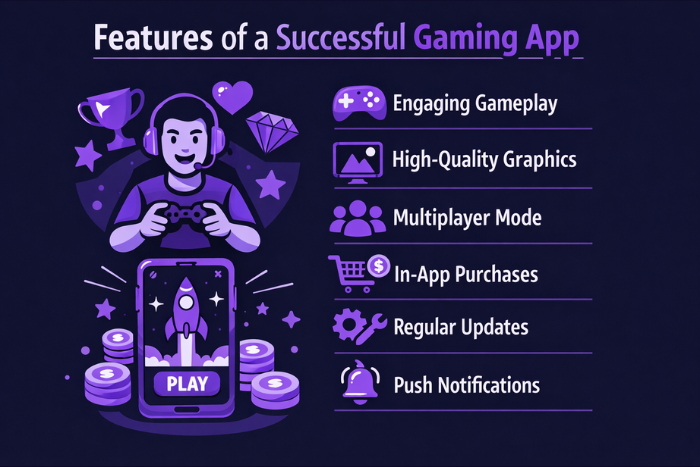
Features of a Successful Gaming App Discover the essential features of a successful gaming app including gameplay, UI/UX, monetization, and scalability for building engaging mobile games. Features of a Successful Gaming App The mobile gaming industry has grown into one of the most competitive and profitable segments of the digital economy. With millions of apps available across platforms, creating a game that attracts and retains users requires more than just an interesting idea. The real difference between a short-lived game and a long-term success lies in the features of a successful gaming app. A successful gaming app combines engaging gameplay mechanics, intuitive user experience, strong performance, and smart monetization strategies. Modern gamers expect immersive visuals, seamless interactions, social features, and frequent updates that keep the experience fresh. At the same time, developers must ensure scalability, security, and compatibility across multiple devices and platforms. Understanding these essential features is critical for startups, gaming studios, and businesses entering the gaming market. From user engagement and multiplayer capabilities to analytics and backend infrastructure, every component contributes to the overall success of a gaming application. In this guide, we explore the most important features that define a successful gaming app and how the right development strategy can help transform a creative idea into a highly engaging and profitable gaming experience. Why the Features of a Successful Gaming App Are Important Building a gaming app is not just about graphics or gameplay; it requires a balanced combination of technology, design, and user engagement strategies. The features of a successful gaming app directly impact user retention, monetization potential, and long-term popularity. Here are several reasons why these features are crucial: Higher User Engagement: Well-designed features keep players engaged and encourage longer play sessions. Improved User Retention: Engaging mechanics and frequent updates motivate players to return regularly. Competitive Advantage: Unique features help a game stand out in crowded app marketplaces. Better Monetization Opportunities: Smart monetization models increase revenue without damaging the gaming experience. Scalability and Stability: Strong backend systems ensure smooth performance even with large numbers of players. Games that successfully combine innovation with user-friendly design often achieve higher download rates and stronger community engagement. Therefore, focusing on the right features during development can significantly increase the chances of building a successful gaming application. Types of Successful Gaming App Businesses Can Build Before exploring the features of a successful gaming app, it is important to understand the different types of gaming applications that businesses can develop. Casual GamesSimple and highly addictive games designed for quick play sessions, such as puzzle or endless runner games. Arcade GamesFast-paced games focused on reflexes, scoring, and progressive difficulty levels. Strategy GamesGames that require tactical thinking, resource management, and long-term planning. Adventure and Story-Based GamesGames that revolve around narratives, quests, and character development. Multiplayer Online GamesReal-time multiplayer games where players compete or collaborate with others. Role-Playing Games (RPG)Games where players develop characters, explore worlds, and progress through storylines. Educational and Skill-Based GamesGames designed to improve knowledge, memory, or cognitive skills. Each type of gaming application may require slightly different features, but the core principles of engagement, usability, and scalability remain the same. Get Free Quotation Now..!! Key Features of a Successful Gaming App A successful gaming app must combine engaging gameplay, intuitive design, strong technical performance, and monetization strategies. The following features play a crucial role in creating a game that attracts and retains players: Intuitive User Interface and User ExperienceThe game interface should be simple, responsive, and easy to navigate. Smooth controls and clear menus help players understand gameplay quickly and enjoy a seamless experience. Engaging Gameplay MechanicsAddictive gameplay mechanics keep players engaged for longer periods. Balanced difficulty levels, rewards, and challenges motivate users to continue playing. High-Quality Graphics and Visual DesignVisually appealing environments, detailed characters, and smooth animations create an immersive gaming experience that attracts modern players. Multiplayer and Social IntegrationMultiplayer modes allow players to compete or collaborate with others worldwide. Features like leaderboards, social sharing, and in-game chat increase engagement. Player Customization and PersonalizationCustom avatars, skins, characters, and settings allow players to personalize their gaming experience and build stronger emotional connections with the game. Smart Monetization OptionsSuccessful gaming apps use monetization strategies such as in-app purchases, rewarded ads, and premium upgrades without disrupting gameplay. Real-Time Notifications and Reward SystemsDaily rewards, achievements, push notifications, and limited-time events encourage players to return regularly. Performance OptimizationFast loading times, smooth frame rates, and optimized graphics ensure the game runs smoothly on different devices and operating systems. Security and Anti-Cheat MechanismsSecure authentication, encrypted transactions, and anti-cheat systems protect player accounts and maintain fair gameplay. Advanced Analytics and Player InsightsAnalytics tools help developers track player behavior, optimize game features, and improve user retention strategies. Gaming App Development Process Developing a gaming application requires a structured and strategic approach to ensure quality and performance. Concept Ideation and Game PlanningThe process begins with defining the game concept, storyline, gameplay mechanics, and target audience. Market Research and Competitor AnalysisStudying market trends and existing games helps identify opportunities and potential challenges. Game Design and UI/UX DevelopmentDesigners create game characters, environments, and interactive elements to build an engaging user interface. Game Development and ProgrammingDevelopers implement game logic, physics engines, graphics rendering, and backend infrastructure. Testing and Quality AssuranceRigorous testing ensures the game runs smoothly across devices and platforms. Deployment and LaunchThe game is published on platforms such as Google Play Store and Apple App Store. Post-Launch Updates and OptimizationRegular updates, bug fixes, and new content keep players engaged and improve performance. Technology Stack for Gaming App Development Choosing the right technology stack is essential for building high-performance gaming applications. Game Engines: Unity, Unreal Engine, Godot, GameMaker StudioProgramming Languages: C#, C++, JavaScript, PythonGraphics Tools: Blender, Maya, PhotoshopMobile Platforms: Android, iOS, Cross-platform frameworksBackend Technologies: Node.js, Firebase, AWS Game TechDatabase: MongoDB, MySQL, PostgreSQLAnalytics Tools: Google Analytics, GameAnalytics, Firebase AnalyticsCloud Services: AWS, Google Cloud, Microsoft Azure These technologies enable developers to build scalable, visually appealing, and high-performing gaming apps. Cost Factors in Gaming App Development The cost of developing a gaming application varies
Essential Features of a News App
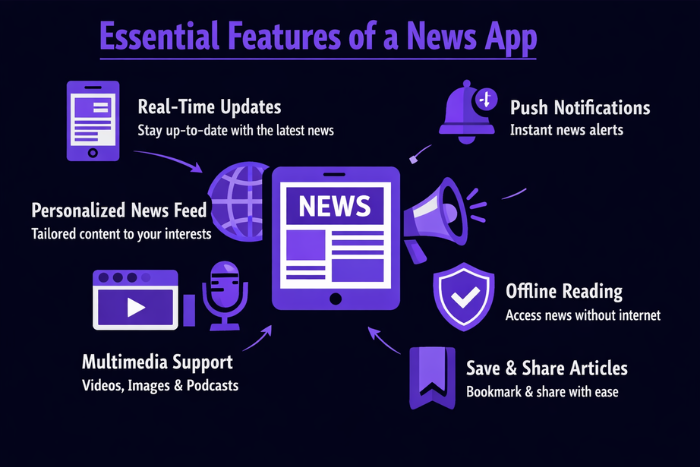
Essential Features of a News App Explore the essential features of a news app including personalized feeds, push notifications, multimedia content, offline reading, and real-time updates. Essential Features of a News App The way people consume news has dramatically changed with the rise of smartphones and mobile applications. Instead of relying solely on traditional media such as newspapers and television, users now prefer instant access to news through mobile apps. News applications provide real-time updates, personalized content, and multimedia storytelling that keeps audiences informed and engaged anytime and anywhere. Understanding the essential features of a news app is crucial for building a digital platform that delivers accurate information quickly and efficiently. A successful news app allows users to browse breaking stories, explore topics of interest, and receive notifications for important updates. These platforms often include customizable feeds, offline reading modes, and integrated multimedia content such as videos, podcasts, and live coverage. With advanced technologies like artificial intelligence and data analytics, modern news apps can also personalize content based on user preferences and reading behavior. By implementing the right features, media companies and publishers can increase reader engagement, improve content accessibility, and build strong digital audiences. A well-designed news app not only delivers information but also enhances how users interact with and share news in the digital world. Why the Essential Features of a News App Are Important News apps must deliver timely and reliable information while providing a seamless reading experience. The right set of features helps users stay informed, explore different topics, and engage with content efficiently. Here’s why these features matter: Real-Time News DeliveryUsers receive breaking news updates instantly. Personalized Content ExperienceCustomized feeds ensure readers see stories that match their interests. Improved User EngagementInteractive elements such as comments and multimedia keep readers engaged. Enhanced AccessibilityMobile apps allow users to access news from anywhere. Faster Content DistributionPublishers can share updates instantly with a global audience. Better Audience InsightsAnalytics tools help media companies understand reader behavior. These benefits make news apps essential for modern media distribution. Types of News App Platforms with Important Features News applications can be designed for different types of content distribution and audiences. General News AppsPlatforms that cover multiple categories such as politics, technology, sports, and entertainment. Short News AppsApps that deliver concise news summaries for quick reading. News Aggregator AppsPlatforms that collect news articles from multiple sources and present them in one place. Regional or Local News AppsApps focused on delivering news relevant to specific geographic areas. Specialized News AppsPlatforms dedicated to specific industries such as finance, technology, or health. Each type of solution requires unique features tailored to different audiences. Get Free Quotation Now..!! Key Features of a News App A successful news application must include several features that enhance content delivery and user engagement. Personalized News FeedAI-powered feeds show articles based on user interests and reading behavior. Push Notifications for Breaking NewsUsers receive alerts for important updates and trending stories. Multimedia Content IntegrationVideos, images, podcasts, and live streams enhance storytelling. Offline Reading ModeUsers can download articles and read them without internet access. Category-Based News NavigationContent is organized into categories such as politics, sports, and technology. Search FunctionalityUsers can easily find news topics, authors, or keywords. Bookmarking and Save-for-Later OptionsReaders can save articles to read at a later time. Social Media SharingUsers can share articles across social media platforms. User Comments and Community EngagementReaders can interact with news content and discussions. Multi-Language SupportHelps reach diverse audiences across different regions. These features help create an engaging and informative news platform. Development Process for a News App Developing a successful news application requires a structured development approach. Market Research and Requirement AnalysisIdentify the target audience, content strategy, and core features. Feature Planning and System ArchitectureDefine the platform structure and content management system. UI/UX Design and PrototypingCreate clean layouts optimized for mobile reading experiences. Frontend and Backend DevelopmentDevelop the user interface and backend systems for content delivery. Integration with Content Management Systems (CMS)Allow editors to publish and manage articles easily. Testing and Quality AssuranceConduct performance testing, security testing, and usability checks. Deployment and App LaunchPublish the app on app stores and onboard users. Maintenance and Continuous UpdatesAdd new features and optimize performance over time. This process ensures the news app remains scalable and reliable. Technology Stack for News App Development Modern news apps rely on advanced technologies for fast content delivery and performance. Frontend Technologies: React Native, Flutter, Swift, KotlinBackend Technologies: Node.js, Python, Java, PHPDatabases: MongoDB, PostgreSQL, MySQLContent Management Systems: WordPress, Strapi, ContentfulCloud Platforms: AWS, Google Cloud Platform, Microsoft AzureStreaming Technologies: WebRTC, Vimeo APIDevOps Tools: Docker, Kubernetes, CI/CD pipelinesSecurity Technologies: SSL encryption, OAuth authentication These technologies enable efficient content distribution and secure data management. Cost Factors in News App Development The cost of developing a news app depends on several technical and operational factors. Number of features and functionalities Content management system integration Multimedia and video streaming capabilities Custom UI/UX design requirements Platform support (iOS, Android, or both) Third-party API integrations Cloud hosting and infrastructure Ongoing maintenance and updates Advanced news apps with AI-based personalization and analytics dashboards typically require higher investment. Latest Trends in News App Development The digital media industry continues to adopt new technologies to enhance content consumption. AI-Powered News PersonalizationAlgorithms recommend articles based on reading habits. Short-Form News ContentBite-sized news summaries improve readability. Voice-Based News ConsumptionUsers can listen to news through audio formats and podcasts. Interactive Multimedia JournalismCombining text, video, and graphics for richer storytelling. Live News StreamingReal-time coverage of events through integrated streaming. Data-Driven JournalismAnalytics help publishers understand audience preferences. These innovations are transforming how news is delivered and consumed. Why Choose Us for News App Development? Choosing the right development partner is essential for building a reliable and scalable news platform. Our team specializes in developing high-performance news applications designed for media companies, publishers, and digital content platforms. Here’s why businesses trust our services: Experienced Mobile App Developers – Skilled in building scalable news platforms. User-Centered Design Approach – Intuitive layouts optimized for content consumption. Advanced Content Management Integration –
Must-Have Features of a Dating App
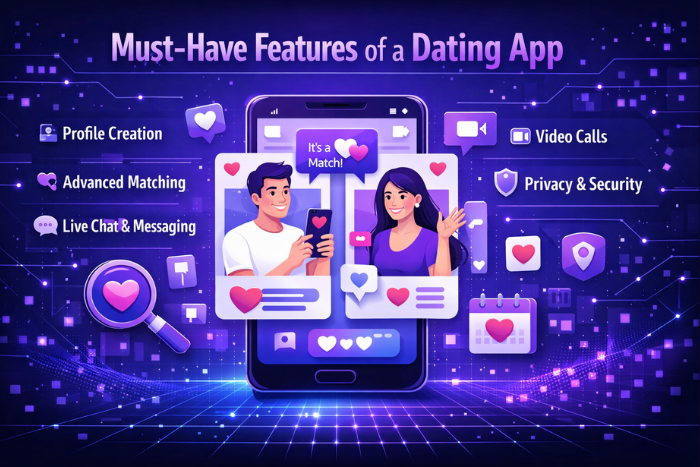
Must-Have Features of a Dating App Discover the must-have features of a dating app including matching algorithms, messaging, profile customization, and security tools. Must-Have Features of a Dating App Online dating has become one of the most popular ways for people to connect and build relationships in the digital age. Millions of users rely on mobile apps and digital platforms to meet new people, form friendships, and explore potential relationships. As the demand for dating apps continues to grow, developers and businesses must focus on delivering innovative platforms that prioritize user experience, safety, and meaningful interactions. Understanding the must-have features of a dating app is essential for building a successful platform that attracts and retains users. A well-designed dating app combines intuitive interfaces, intelligent matching algorithms, and secure communication tools to create engaging user experiences. From profile creation and swipe-based matching to real-time messaging and location-based discovery, these features help users connect with compatible matches effortlessly. At the same time, strong privacy controls and verification systems help maintain trust within the platform. Modern dating apps also incorporate advanced technologies such as artificial intelligence, video interactions, and gamification elements to enhance engagement. By implementing the right features, businesses can create dating platforms that provide safe, enjoyable, and meaningful connections for users worldwide. Why the Must-Have Features of a Dating App Are Important The success of a dating app depends on how well it connects people while ensuring a safe and enjoyable user experience. The right features help users discover potential matches, communicate easily, and build trust within the platform. Here’s why these features matter: Improved User ExperienceEasy navigation and intuitive interfaces make the app enjoyable to use. Better Match AccuracySmart algorithms help users connect with compatible partners. Increased User EngagementInteractive features encourage users to spend more time on the platform. Enhanced Security and PrivacyVerification systems protect users from fake profiles and scams. Stronger Community TrustModeration tools ensure respectful interactions between users. Scalable Social PlatformsModern dating apps can support millions of users globally. These benefits help dating apps build strong communities and long-term user engagement. Types of Dating Application Solutions Dating apps can be designed for different user groups and relationship preferences. Traditional Dating AppsPlatforms where users browse profiles and connect with potential matches. Swipe-Based Dating AppsApps that allow users to swipe through profiles to express interest. Serious Relationship AppsPlatforms focused on long-term relationships and compatibility matching. Niche Dating AppsApps designed for specific communities, interests, or lifestyles. Social Discovery AppsPlatforms that combine social networking and dating features. Each type of solution requires unique features tailored to different audiences. Get Free Quotation Now..!! Key Features of a Dating App A successful dating app must include several essential features that enhance user interaction and safety. User Registration and Profile CreationUsers can create detailed profiles with photos, interests, and personal information. AI-Powered Matching AlgorithmSmart algorithms analyze preferences, interests, and location to suggest compatible matches. Swipe and Match SystemUsers can swipe profiles to express interest and match with others who share mutual interest. Real-Time Chat and MessagingSecure messaging features allow matched users to communicate instantly. Location-Based MatchingGeolocation features help users find potential matches nearby. Profile Verification and Security ToolsVerification systems reduce fake profiles and improve trust. Push Notifications and AlertsUsers receive updates about matches, messages, and new profiles. Video and Voice InteractionVoice messages and video calls help users connect more authentically. Privacy and Blocking FeaturesUsers can block or report suspicious accounts. Premium Features and SubscriptionsOptional paid features such as profile boosts and advanced filters enhance user experience. These features ensure the dating app remains engaging, safe, and easy to use. Development Process for a Dating Application Developing a successful dating app requires a structured development approach. Market Research and Requirement AnalysisIdentify target users, competition, and key features. Feature Planning and System ArchitectureDefine user workflows, data management, and platform structure. UI/UX Design and PrototypingDesign visually appealing and easy-to-use interfaces. Frontend and Backend DevelopmentDevelop the app’s user interface and backend infrastructure. Integration with Matching Algorithms and APIsImplement AI-based matching systems and geolocation services. Testing and Quality AssurancePerform performance, security, and usability testing. Deployment and LaunchPublish the app on mobile platforms and onboard users. Maintenance and Continuous UpdatesImprove features and fix issues based on user feedback. This process ensures the app remains reliable and scalable. Technology Stack for Dating App Development Modern dating apps rely on advanced technologies for performance, scalability, and security. Frontend Technologies: React Native, Flutter, Swift, KotlinBackend Technologies: Node.js, Python, Java, PHPDatabases: MongoDB, PostgreSQL, MySQLCloud Platforms: AWS, Google Cloud Platform, Microsoft AzureMessaging Technologies: WebSocket, FirebaseAI Tools: Machine learning algorithms for matchmakingDevOps Tools: Docker, Kubernetes, CI/CD pipelinesSecurity Technologies: SSL encryption, OAuth authentication These technologies support real-time communication and secure data management. Cost Factors in Dating App Development The cost of developing a dating app with advanced features depends on multiple factors. Complexity of matching algorithms and features Number of supported platforms (iOS, Android, or both) Integration with messaging and video calling systems Custom UI/UX design requirements Security and user verification systems Third-party API integrations Cloud hosting and infrastructure Ongoing maintenance and updates Advanced dating apps with AI-powered features and video interactions require higher development investment. Latest Trends in Dating App Development The online dating industry continues to evolve with innovative technologies. AI-Based MatchmakingArtificial intelligence improves compatibility recommendations. Video Dating and Virtual MeetingsUsers can interact through live video calls. Augmented Reality Dating ExperiencesAR features enhance profile interactions. Gamification in Dating AppsGames and challenges increase engagement. Voice-Based InteractionVoice messages and audio profiles improve communication. Safety-Focused AI ModerationAI tools detect inappropriate behavior and improve platform safety. These trends are shaping the future of digital dating platforms. Why Choose Us for Dating App Development? Choosing the right development partner is crucial when building a successful dating platform. Our team specializes in developing advanced social and dating apps designed to deliver engaging user experiences. Here’s why businesses trust our services: Experienced Social App Developers – Skilled in building scalable dating platforms. User-Centered Design Approach – Intuitive interfaces that improve user engagement. Advanced Matching Algorithms – Intelligent systems that improve compatibility matching.
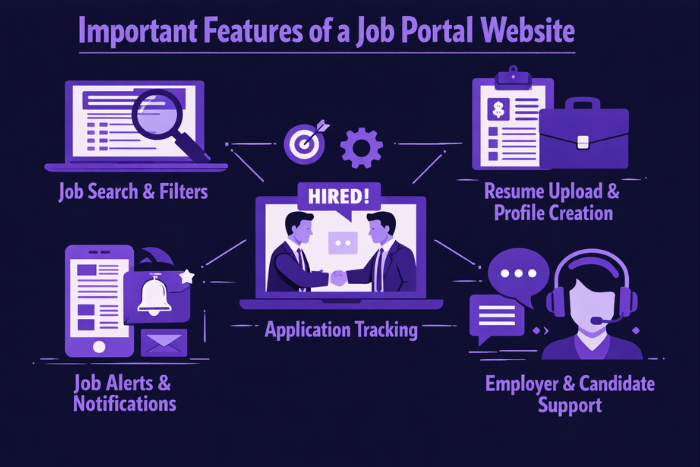
Important Features of a Job Portal Website
Important Features of a Job Portal Website Explore the important features of a job portal website including resume management, job search filters, employer dashboards, and applicant tracking tools. Important Features of a Job Portal Website The digital transformation of recruitment has made job portals an essential platform for connecting employers with potential candidates. Modern job seekers rely heavily on online platforms to search for employment opportunities, upload resumes, and apply for positions efficiently. At the same time, employers use these platforms to manage job listings, review applications, and streamline the hiring process. Understanding the important features of a job portal website is crucial for building a recruitment platform that delivers a seamless experience for both job seekers and employers. A well-designed job portal website combines advanced search capabilities, resume management tools, employer dashboards, and applicant tracking systems to simplify the hiring process. These platforms also integrate communication tools, analytics dashboards, and automated candidate matching features to improve recruitment efficiency. As the job market becomes increasingly competitive, companies must invest in feature-rich job portal solutions that provide scalability, security, and personalized experiences. By implementing the right features, businesses can create powerful recruitment platforms that attract job seekers, help employers find qualified candidates faster, and streamline the overall hiring workflow. Why the Important Features of a Job Portal Website Are Important The success of a job portal website depends on how effectively it connects employers with the right candidates. The right set of features improves usability, simplifies recruitment processes, and enhances overall platform efficiency. Here’s why these features are essential: Improved Job Search ExperienceAdvanced search filters help job seekers quickly find relevant opportunities. Efficient Recruitment ManagementEmployers can manage job postings, applications, and candidate communication in one place. Better Candidate MatchingSmart algorithms match job seekers with suitable roles based on skills and experience. Faster Hiring ProcessAutomated workflows help recruiters shortlist candidates quickly. Enhanced User EngagementPersonalized job alerts keep job seekers informed about new opportunities. Scalable Recruitment PlatformsModern job portals can support thousands of users and job listings simultaneously. These features ensure the platform remains efficient and competitive in the digital recruitment market. Types of Job Portal Platform Solutions Different job portal platforms serve various recruitment needs depending on the target audience and hiring processes. General Job PortalsPlatforms that list job opportunities across multiple industries and locations. Niche Job PortalsWebsites focused on specific industries such as IT, healthcare, or finance. Freelance Job PlatformsPlatforms designed for freelancers and contract-based professionals. Company Career PortalsDedicated job portals created by organizations to manage internal recruitment. Recruitment Agency PlatformsWebsites used by recruitment agencies to connect employers with candidates. Each solution requires specific features tailored to different hiring requirements. Get Free Quotation Now..!! Key Features of a Job Portal Website A successful job portal must include several essential features that support job searching, candidate management, and employer recruitment processes. User Registration and Profile ManagementJob seekers and employers can create accounts and manage their profiles. Advanced Job Search and FilteringUsers can filter jobs based on location, industry, experience level, salary range, and job type. Resume Upload and ManagementCandidates can upload resumes and update their professional profiles. Job Posting and Management ToolsEmployers can post job listings and manage job applications efficiently. Application Tracking System (ATS)Employers can track candidate applications throughout the recruitment process. AI-Based Candidate MatchingAlgorithms recommend relevant job opportunities to candidates. Employer DashboardsRecruiters can manage job postings, candidate shortlisting, and communication. In-App Messaging and NotificationsCommunication tools allow employers and candidates to interact directly. Job Alerts and Email NotificationsJob seekers receive updates when new opportunities match their skills. Admin Panel and Analytics DashboardAdministrators can manage users, listings, and platform performance. These features help create an efficient and user-friendly recruitment ecosystem. Development Process for a Job Portal Platform Developing a job portal website requires a structured development strategy to ensure scalability and usability. Market Research and Requirement AnalysisIdentify target users, recruitment workflows, and core platform features. Feature Planning and System ArchitectureDefine system components and design the platform structure. UI/UX Design and PrototypingCreate intuitive interfaces that simplify job search and recruitment. Frontend and Backend DevelopmentDevelop user interfaces and backend systems for managing data and applications. Integration with Resume Parsing and APIsIntegrate tools that automatically extract information from resumes. Testing and Quality AssurancePerform usability testing, performance testing, and security checks. Deployment and Platform LaunchRelease the platform and ensure smooth user onboarding. Maintenance and Continuous ImprovementsUpdate features and optimize performance based on user feedback. This development approach ensures the job portal remains reliable and scalable. Technology Stack for Job Portal Website Development Modern job portal platforms rely on advanced technologies for performance and scalability. Frontend Technologies: React.js, Angular, Vue.jsBackend Technologies: Node.js, Python, Java, PHPDatabases: MongoDB, PostgreSQL, MySQLCloud Platforms: AWS, Google Cloud Platform, Microsoft AzureSearch Technologies: Elasticsearch, AlgoliaAI Tools: Machine learning algorithms for candidate-job matchingDevOps Tools: Docker, Kubernetes, CI/CD pipelinesSecurity Technologies: SSL encryption, OAuth authentication These technologies enable secure and high-performance recruitment platforms. Cost Factors in Job Portal Website Development The cost of building a job portal website depends on several technical and business factors. Platform complexity and feature set Integration with resume parsing and applicant tracking systems Number of user roles (job seekers, employers, administrators) Custom UI/UX design requirements Third-party API integrations Hosting and cloud infrastructure Security and compliance requirements Ongoing maintenance and platform updates Advanced recruitment platforms with AI-powered features typically require higher development investment. Latest Trends in Job Portal Website Development The recruitment technology industry continues to evolve with innovative features that improve hiring efficiency. AI-Based Candidate MatchingMachine learning algorithms match candidates with suitable job roles. Automated Resume ScreeningResume parsing tools automatically extract and analyze candidate information. Video Interview IntegrationEmployers can conduct interviews directly through the platform. Mobile-First Job Portal DesignMany job seekers search for opportunities using mobile devices. Skill-Based Hiring PlatformsCompanies increasingly focus on skills and competencies rather than traditional resumes. Data Analytics for Recruitment InsightsRecruiters can analyze hiring patterns and candidate engagement. These trends are shaping the future of digital recruitment platforms. Why Choose Us for Job Portal Website Development? Selecting the right development partner is crucial for building a reliable
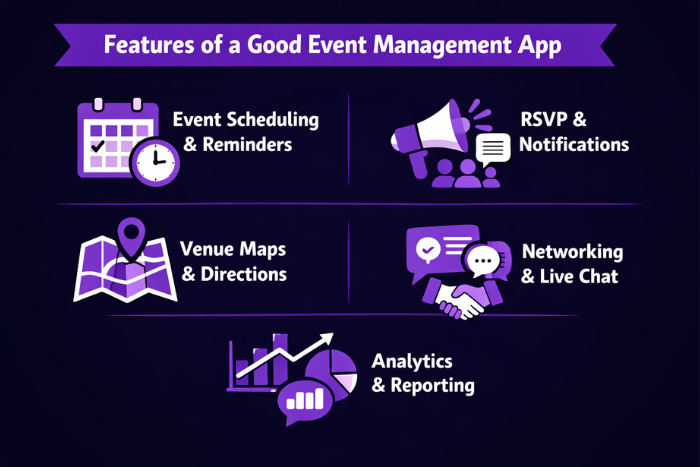
Features of a Good Event Management App
Features of a Good Event Management App Explore the features of a good event management app including registration tools, ticketing systems, attendee engagement, analytics, and real-time updates. Features of a Good Event Management App The events industry has rapidly evolved with the adoption of digital technology. Event organizers today rely on powerful mobile applications to streamline planning, manage attendees, and ensure smooth event execution. From conferences and corporate meetings to concerts and trade shows, event management apps have become essential tools for organizers and participants alike. Understanding the features of a good event management app is crucial for building platforms that simplify event coordination and enhance attendee experiences. A well-designed event management app helps organizers manage registrations, track ticket sales, communicate with participants, and analyze event performance. For attendees, these apps provide easy access to event schedules, venue maps, networking opportunities, and real-time updates. By integrating features such as push notifications, digital ticketing, and analytics dashboards, event organizers can manage complex events more efficiently. Modern event apps also support hybrid and virtual events, enabling participants to join sessions remotely. By implementing the right features, businesses can create engaging event experiences, increase attendee participation, and ensure seamless event operations from start to finish. Why the Features of a Good Event Management App Are Important Event management apps must support multiple aspects of event planning, communication, and attendee engagement. The right features help organizers manage logistics effectively and provide a better experience for participants. Here’s why these features are essential: Simplified Event PlanningOrganizers can manage event schedules, tasks, and resources efficiently. Improved Attendee EngagementInteractive features such as polls, Q&A sessions, and networking tools enhance participation. Efficient Registration and TicketingAutomated systems simplify attendee registration and ticket management. Real-Time CommunicationPush notifications keep attendees informed about schedule changes and announcements. Better Event AnalyticsOrganizers can measure attendance, engagement, and overall event performance. Enhanced Networking OpportunitiesParticipants can connect with speakers, sponsors, and other attendees. These benefits make event management apps an essential tool for modern event organizers. Types of Event Management Application Solutions Different event apps are designed to serve various event formats and organizational needs. Conference and Seminar AppsPlatforms designed for professional conferences, workshops, and corporate events. Virtual Event AppsApplications that support fully online events with live streaming and digital networking. Hybrid Event AppsPlatforms that combine in-person and virtual event experiences. Ticketing and Event Booking AppsApps focused on event registration, ticket purchases, and attendee management. Networking Event AppsPlatforms designed to facilitate networking between attendees, speakers, and sponsors. Each type of event solution requires a unique combination of features depending on event size and format. Get Free Quotation Now..!! Key Features of a Good Event Management App A high-performing event management app must include several essential features to support both organizers and attendees. Event Registration and Ticketing SystemAllows users to register for events and purchase digital tickets easily. Interactive Event ScheduleParticipants can view event agendas, speaker sessions, and session timings. Push Notifications and Real-Time UpdatesOrganizers can instantly notify attendees about changes, reminders, or announcements. Attendee Networking ToolsParticipants can connect with other attendees through messaging and profile sharing. Venue Maps and NavigationInteractive maps help attendees navigate event locations efficiently. Live Polling and Q&A FeaturesEngagement tools allow attendees to interact during presentations. Exhibitor and Sponsor ProfilesDedicated sections showcase sponsors, exhibitors, and event partners. In-App Messaging and CommunicationFacilitates communication between attendees, organizers, and speakers. Event Analytics and Reporting DashboardOrganizers can track attendee engagement, session participation, and ticket sales. Multi-Language and Global SupportHelps international participants access event information easily. These features help create engaging and well-organized events. Development Process for an Event Management Application Building a successful event management app requires a structured development process. Market Research and Requirement AnalysisIdentify target users, event types, and essential features. Feature Planning and System ArchitectureDesign the app architecture and define user roles and workflows. UI/UX Design and PrototypingCreate intuitive interfaces that improve user engagement. Frontend and Backend DevelopmentDevelop user interfaces and backend systems for event management. Integration with Ticketing and Streaming APIsIntegrate payment gateways, live streaming tools, and CRM systems. Testing and Quality AssurancePerform usability testing, security testing, and performance optimization. Deployment and App LaunchRelease the application on app stores and ensure system stability. Maintenance and Continuous UpdatesImprove features and performance based on user feedback. This process ensures the app delivers reliable event management capabilities. Technology Stack for Event Management App Development Modern event apps rely on advanced technologies to support scalability and performance. Frontend Technologies: React Native, Flutter, Swift, KotlinBackend Technologies: Node.js, Python, Java, PHPDatabases: MongoDB, PostgreSQL, MySQLCloud Platforms: AWS, Google Cloud Platform, Microsoft AzureStreaming Technologies: WebRTC, Zoom API, Vimeo APIPayment Gateways: Stripe, PayPal, RazorpayDevOps Tools: Docker, Kubernetes, CI/CD pipelinesSecurity Technologies: SSL encryption, OAuth authentication These technologies enable secure and scalable event management platforms. Cost Factors in Event Management App Development The cost of developing an event management app depends on several technical and operational factors. Number of features and event management functionalities Integration with ticketing and payment systems Virtual event and live streaming capabilities Custom UI/UX design requirements Number of supported users and event types Third-party API integrations Cloud hosting and infrastructure Ongoing maintenance and updates Complex event platforms with hybrid event support and analytics dashboards require higher development investment. Latest Trends in Event Management App Development Event technology continues to evolve with innovative tools that improve attendee engagement and event management. AI-Powered Networking RecommendationsArtificial intelligence connects attendees with relevant professionals. Hybrid Event PlatformsApps support both in-person and virtual participation. Gamification FeaturesLeaderboards, rewards, and challenges increase attendee engagement. Augmented Reality Event ExperiencesAR features enhance exhibitions and product demonstrations. Advanced Data AnalyticsOrganizers can measure attendee behavior and session popularity. Contactless Event Check-In SystemsQR code and NFC technologies simplify event entry. These trends are transforming how events are organized and experienced. Why Choose Us for Event Management App Development? Choosing the right development partner is crucial for building a reliable and scalable event management platform. Our team specializes in developing advanced event management applications designed to simplify event planning and enhance attendee engagement. Here’s why clients trust our services: Experienced Event App Developers

Features of a Successful Online Shopping Website
Features of a Successful Online Shopping Website Discover the features of a successful online shopping website including secure payments, advanced search, seamless checkout, and personalized shopping experiences. Features of a Successful Online Shopping Website Online shopping has transformed how customers browse, compare, and purchase products. With millions of eCommerce websites competing for attention, businesses must create platforms that deliver seamless user experiences, secure transactions, and efficient product discovery. Understanding the features of a successful online shopping website is essential for building an eCommerce platform that attracts customers, improves engagement, and increases conversions. Modern online shopping websites go far beyond displaying products. They provide personalized recommendations, intuitive search functionality, smooth checkout processes, and integrated payment gateways. Customers expect fast-loading pages, mobile-friendly interfaces, and transparent product information before making purchase decisions. At the same time, businesses need robust backend systems to manage inventory, process orders, and analyze customer behavior. A successful eCommerce platform combines user-focused design with advanced technologies such as AI-powered personalization, real-time analytics, and secure payment infrastructure. By implementing the right features, online retailers can improve customer satisfaction, increase sales, and build long-term brand loyalty. Why the Features of a Successful Online Shopping Website Are Important The success of an eCommerce business depends heavily on how well its website meets customer expectations. The right set of features ensures a smooth shopping experience, which directly impacts user engagement and conversion rates. Here’s why these features matter: Improved User ExperienceCustomers can easily browse products, compare options, and complete purchases without frustration. Higher Conversion RatesStreamlined checkout processes and secure payment systems encourage customers to complete transactions. Enhanced Customer TrustTransparent product information, reviews, and secure payment gateways build credibility. Better Product DiscoveryAdvanced search and filtering options help customers quickly find the products they want. Increased Customer RetentionPersonalized recommendations and loyalty programs encourage repeat purchases. Efficient Business OperationsIntegrated systems help businesses manage inventory, orders, and customer interactions. These advantages help online retailers remain competitive in the rapidly growing eCommerce industry. Types of Online Shopping Platforms Solutions Different eCommerce platforms are designed to serve specific business models and customer needs. Retail eCommerce WebsitesPlatforms designed for businesses selling products directly to consumers. Marketplace PlatformsWebsites where multiple sellers list and sell products to customers. Subscription-Based eCommerce WebsitesPlatforms offering recurring product deliveries through subscription models. B2B eCommerce WebsitesWebsites designed for businesses selling products or services to other companies. Dropshipping WebsitesPlatforms where products are sold without maintaining inventory, with suppliers fulfilling orders. Each solution requires a unique combination of features to support its business model. Get Free Quotation Now..!! Key Features of a Successful Online Shopping Website To attract customers and generate consistent sales, an online shopping website must include several essential features. User-Friendly Interface and NavigationClear menus, intuitive design, and easy navigation help users browse products effortlessly. Advanced Search and Filtering OptionsCustomers can search for products based on categories, price, brand, ratings, and other attributes. Secure Payment Gateway IntegrationSupport for multiple payment methods such as credit cards, digital wallets, and online banking. Mobile-Friendly and Responsive DesignEnsures seamless shopping experiences across smartphones, tablets, and desktops. Product Reviews and RatingsCustomer feedback helps new buyers make informed purchasing decisions. Wishlist and Save-for-Later OptionsAllows users to bookmark products they may purchase later. Personalized Product RecommendationsAI-powered suggestions based on user browsing behavior and purchase history. Seamless Checkout ProcessA simplified checkout with minimal steps reduces cart abandonment. Real-Time Order TrackingCustomers can track their orders from purchase to delivery. Multi-Language and Multi-Currency SupportHelps businesses serve international customers effectively. These features collectively enhance user satisfaction and drive online sales. Development Process for an Online Shopping Website Building a successful eCommerce website requires a structured development process. Market Research and Requirement AnalysisUnderstand target customers, product categories, and business goals. Feature Planning and System ArchitectureDefine essential features and design the website architecture. UI/UX Design and PrototypingCreate user-friendly layouts that simplify product browsing and purchasing. Frontend and Backend DevelopmentDevelop the user interface and backend systems for product management and transactions. Payment Gateway and API IntegrationIntegrate payment systems, shipping APIs, and third-party services. Testing and Quality AssurancePerform usability testing, security testing, and performance optimization. Deployment and LaunchRelease the website and ensure stable performance under real traffic conditions. Maintenance and Continuous ImprovementUpdate features, fix bugs, and optimize performance based on user feedback. A structured development process ensures the platform remains reliable and scalable. Technology Stack for Online Shopping Website Development Modern eCommerce platforms rely on advanced technologies for high performance and scalability. Frontend Technologies: React.js, Angular, Vue.jsBackend Technologies: Node.js, Python, PHP, JavaDatabases: MongoDB, PostgreSQL, MySQLPayment Gateways: Stripe, PayPal, RazorpayCloud Platforms: AWS, Google Cloud Platform, Microsoft AzureSearch Technologies: Elasticsearch, AlgoliaDevOps Tools: Docker, Kubernetes, CI/CD pipelinesSecurity Technologies: SSL encryption, OAuth authentication, fraud detection systems These technologies ensure secure transactions, efficient data management, and smooth shopping experiences. Cost Factors in Online Shopping Website Development The cost of building an online shopping website depends on multiple technical and business factors. Complexity of features and functionalities Number of products and categories Platform choice (custom build or CMS-based) Integration with payment gateways and shipping providers Custom UI/UX design requirements Third-party integrations and analytics tools Hosting and server infrastructure Maintenance and security updates Advanced eCommerce platforms with AI personalization and global payment support require higher investment. Latest Trends in Online Shopping Website Development The eCommerce industry continues to evolve as new technologies improve online shopping experiences. AI-Powered PersonalizationArtificial intelligence suggests products based on browsing behavior and purchase history. Voice Search and Visual SearchCustomers can search for products using voice commands or images. Augmented Reality ShoppingAR technology allows customers to visualize products before purchasing. One-Click CheckoutFast checkout processes improve convenience and reduce cart abandonment. Social Commerce IntegrationCustomers can purchase products directly through social media platforms. Subscription Commerce ModelsRecurring purchases for frequently used products improve customer retention. These trends are shaping the future of digital retail. Why Choose Us for eCommerce Website Development? Choosing the right development partner is crucial when building a high-performance online shopping website. Our team specializes in creating scalable and feature-rich eCommerce platforms designed to maximize conversions and customer engagement. Here’s why businesses choose our services:
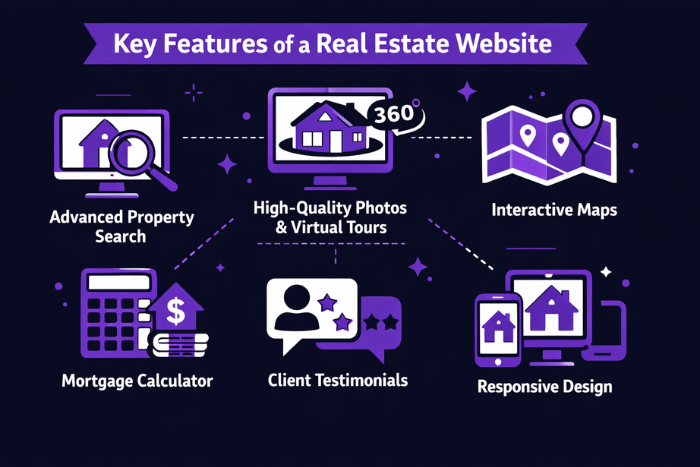
Key Features of a Real Estate Website
Key Features of a Real Estate Website Discover the key features of a real estate website including advanced property search, virtual tours, mobile design, and lead generation tools. Key Features of a Real Estate Website The real estate industry has rapidly embraced digital transformation, making online platforms essential for property buyers, sellers, and real estate agents. Today, most property searches begin online, which means a professional and feature-rich website plays a crucial role in attracting potential clients. Understanding the key features of a real estate website is vital for building a platform that showcases property listings effectively and generates qualified leads. A successful real estate website allows users to browse property listings, filter results based on location and price, view high-quality images, and schedule property visits directly from the platform. Buyers expect intuitive navigation, interactive property maps, and detailed listing information that helps them make informed decisions. At the same time, real estate agents and agencies need tools to manage listings, communicate with potential buyers, and track inquiries. Modern real estate websites integrate advanced technologies such as virtual tours, AI-powered search filters, and mobile-friendly interfaces to deliver seamless user experiences. By incorporating the right features, businesses can improve customer engagement, streamline property management, and increase conversions in a competitive property market. Why the Key Features of a Real Estate Website Are Important A real estate website must deliver an efficient and engaging experience for potential buyers, sellers, and agents. The right features help users easily discover properties and connect with real estate professionals. Here’s why these features matter: Improved Property DiscoveryAdvanced search and filtering tools allow users to find properties based on specific preferences. Enhanced User ExperienceUser-friendly navigation ensures visitors can explore listings effortlessly. Better Lead GenerationContact forms, chat tools, and inquiry systems help convert visitors into potential clients. Stronger Buyer ConfidenceHigh-quality images, detailed descriptions, and virtual tours build trust. Increased Market ReachMobile-friendly websites allow users to search for properties anytime and anywhere. Efficient Property ManagementReal estate professionals can manage listings and track inquiries efficiently. These benefits help real estate businesses stay competitive and attract more potential buyers. Types of Real Estate Website Solutions with Important Features Real estate websites can serve various purposes depending on the type of property services offered. Property Listing WebsitesPlatforms that display residential and commercial properties available for sale or rent. Real Estate Marketplace PlatformsWebsites where multiple agents and property owners list properties for potential buyers. Real Estate Agency WebsitesPlatforms designed for individual agencies to showcase property listings and services. Rental Property WebsitesPlatforms focused on rental property listings and tenant management. Property Investment WebsitesWebsites designed for real estate investment opportunities and property analytics. Each type of solution requires specific features tailored to the needs of buyers, sellers, and agents. Get Free Quotation Now..!! Key Features of a Real Estate Website A high-performing real estate website must include essential features that help users search, explore, and inquire about properties. User-Friendly Navigation and Responsive DesignA clear layout and mobile-friendly interface ensure smooth browsing across devices. Advanced Property Search and FiltersUsers can filter properties based on location, price, size, property type, and amenities. High-Quality Property ListingsDetailed property descriptions, photos, and videos provide a comprehensive view of listings. Interactive Maps and Location InsightsMaps help users explore nearby amenities, schools, and transportation options. Virtual Tours and 3D Property ViewsVirtual tours allow potential buyers to explore properties remotely. Lead Capture and Contact FormsInquiry forms allow users to contact agents directly for more information. Appointment Scheduling SystemUsers can book property viewings and consultations online. Customer Reviews and TestimonialsFeedback from past clients builds credibility and trust. Secure Document ManagementTools for uploading contracts, agreements, and property documents securely. Real-Time Notifications and UpdatesAlerts inform users about new property listings and price changes. These features create an engaging and informative property browsing experience. Development Process for a Real Estate Website Developing a real estate website requires a structured approach to ensure scalability and functionality. Market Research and Requirement AnalysisIdentify target users, property categories, and business goals. Feature Planning and System ArchitectureDefine essential features and design the website architecture. UI/UX Design and PrototypingCreate visually appealing layouts that simplify property browsing. Frontend and Backend DevelopmentDevelop user interfaces and backend systems for listing management. Integration with Property APIs and ToolsIntegrate mapping tools, CRM systems, and analytics platforms. Testing and Quality AssuranceConduct performance testing, security testing, and usability checks. Deployment and LaunchRelease the website and ensure stable performance. Maintenance and Continuous UpdatesUpdate property listings and improve functionality based on feedback. This process ensures the website remains reliable and user-friendly. Technology Stack for Real Estate Website Development Modern real estate websites rely on advanced technologies for high performance and scalability. Frontend Technologies: React.js, Angular, Vue.jsBackend Technologies: Node.js, Python, PHP, JavaDatabases: MongoDB, PostgreSQL, MySQLMapping Tools: Google Maps API, MapboxCloud Platforms: AWS, Google Cloud Platform, Microsoft AzureSearch Technologies: Elasticsearch, AlgoliaDevOps Tools: Docker, Kubernetes, CI/CD pipelinesSecurity Technologies: SSL encryption, OAuth authentication These technologies enable seamless property browsing and secure data management. Cost Factors in Real Estate Website Development The cost of developing a real estate website depends on several factors. Complexity of features and functionalities Number of property listings and categories Integration with mapping tools and CRM systems Custom UI/UX design requirements Platform compatibility and mobile responsiveness Third-party API integrations Cloud hosting and server infrastructure Ongoing maintenance and updates Websites with advanced features like virtual tours and AI-powered recommendations require higher investment. Latest Trends in Real Estate Website Development The real estate industry continues to adopt new technologies to improve property browsing experiences. AI-Powered Property RecommendationsArtificial intelligence suggests properties based on user preferences. Virtual Reality Property ToursVR technology allows users to explore properties remotely. Voice-Based Property SearchUsers can search for listings using voice commands. Augmented Reality Property VisualizationAR tools help buyers visualize properties and interiors. Smart CRM IntegrationReal estate businesses can manage leads and customer interactions efficiently. Data Analytics for Property InsightsAnalytics tools provide valuable insights into property demand and market trends. These innovations are shaping the future of digital real estate platforms. Why Choose Us for Real Estate Website Development? Choosing the
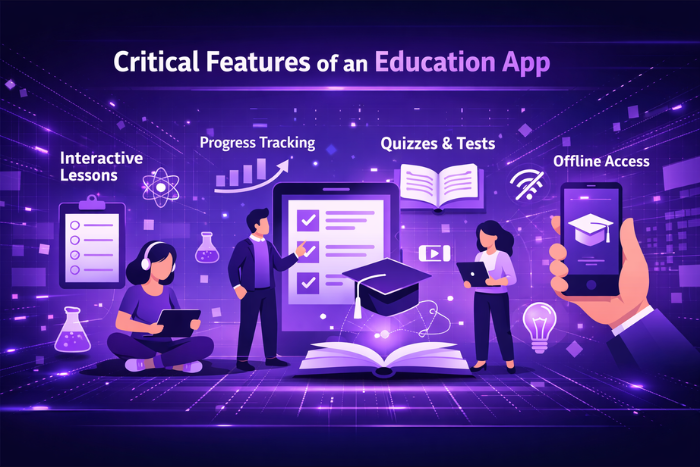
Critical Features of an Education App
Critical Features of an Education App Discover the critical features of an education app including live classes, progress tracking, interactive learning tools, and secure digital classrooms. Critical Features of an Education App Education technology has transformed how students access learning resources and how educators deliver knowledge. With the rise of online learning platforms, mobile education apps have become essential tools for schools, universities, training institutes, and edtech startups. These applications provide interactive learning experiences, personalized study plans, and easy access to educational materials anytime and anywhere. Understanding the critical features of an education app is essential for developing effective digital learning platforms that engage students and improve learning outcomes. A well-designed education app combines interactive content, live learning capabilities, progress tracking tools, and seamless communication between teachers and students. Features such as video lectures, quizzes, personalized dashboards, and push notifications help learners stay motivated and organized. At the same time, educators benefit from content management systems, student analytics, and virtual classroom tools that simplify teaching processes. Modern education apps also integrate advanced technologies such as artificial intelligence, gamification, and cloud-based systems to create personalized and engaging learning experiences. By implementing the right features, educational platforms can enhance accessibility, improve student performance, and provide scalable digital learning solutions. Why Critical Features of an Education App Are Important Educational applications must deliver engaging and effective learning experiences. The critical features of an education app determine how well students interact with course materials and how efficiently educators manage the learning process. Here’s why these features are important: Improved Learning AccessibilityStudents can access educational content anytime and from any location. Enhanced Student EngagementInteractive tools such as quizzes, videos, and gamified lessons make learning more engaging. Better Progress MonitoringAnalytics dashboards help track student performance and learning progress. Efficient CommunicationBuilt-in messaging systems allow seamless interaction between teachers and students. Flexible Learning EnvironmentsStudents can learn at their own pace through personalized content. Scalable Educational PlatformsEducation apps can support thousands of students simultaneously. Implementing these features helps education platforms deliver effective digital learning experiences. Types of Education App Platforms and Features Education apps can serve various learning needs depending on the target audience and educational objectives. E-Learning PlatformsApps that provide online courses, video lectures, and digital study materials. Language Learning AppsPlatforms designed to teach new languages through interactive lessons and exercises. Exam Preparation AppsApplications that help students prepare for competitive exams with practice tests and study guides. Learning Management System (LMS) AppsPlatforms used by schools and organizations to manage courses, assignments, and assessments. Skill Development AppsApps designed to teach professional skills such as coding, design, or business management. Each solution requires specialized features to support different learning goals. Get Free Quotation Now..!! Key Features of an Education App A successful education app must include powerful features that enhance both learning and teaching experiences. User Registration and Student ProfilesStudents and teachers can create accounts and manage learning activities. Interactive Learning ContentVideo lectures, quizzes, and multimedia materials enhance learning engagement. Live Classes and Virtual ClassroomsStudents can attend real-time online classes and interact with instructors. Course Management SystemEducators can create, organize, and manage course materials. Progress Tracking and AnalyticsStudents can monitor learning progress and performance through dashboards. Push Notifications and RemindersAlerts keep students informed about upcoming classes, assignments, and deadlines. Offline Learning ModeStudents can download materials and access lessons without internet connectivity. Secure File SharingTeachers can share documents, assignments, and learning resources securely. Gamification ElementsLeaderboards, rewards, and achievements motivate students to complete lessons. In-App Messaging and Discussion ForumsCommunication tools enable collaboration between students and teachers. These features help education apps provide engaging and effective digital learning experiences. Development Process for an Education App Developing a high-quality education app requires a structured development approach. Market Research and Requirement AnalysisIdentify the target audience, educational goals, and core features. Feature Planning and System ArchitectureDefine app functionalities and design the technical infrastructure. UI/UX Design and PrototypingCreate intuitive interfaces that improve learning engagement. Frontend and Backend DevelopmentDevelop the user interface and backend systems for data management. Content Management IntegrationImplement tools for uploading and managing educational materials. Testing and Quality AssuranceConduct usability testing, performance testing, and security checks. Deployment and App LaunchRelease the application on app stores or web platforms. Maintenance and Continuous UpdatesImprove functionality and add new features based on user feedback. This process ensures that education apps remain reliable and scalable. Technology Stack for Education App Development Developing an education app requires advanced technologies to support interactive learning and scalable performance. Frontend Technologies: React Native, Flutter, Swift, KotlinBackend Technologies: Node.js, Python, Java, PHPDatabases: MongoDB, PostgreSQL, MySQLCloud Platforms: AWS, Google Cloud Platform, Microsoft AzureVideo Streaming Tools: WebRTC, Zoom API, TwilioDevOps Tools: Docker, Kubernetes, CI/CD pipelinesSecurity Technologies: SSL encryption, OAuth authentication These technologies enable education apps to deliver real-time learning experiences and secure data management. Cost Factors in Education App Development The cost of developing an education app depends on multiple technical and business factors. Complexity of features and functionalities Platform choice (iOS, Android, or cross-platform) Integration with video streaming tools and LMS systems Custom UI/UX design requirements Cloud hosting and database infrastructure Third-party API integrations Security and data protection measures Maintenance and feature updates Education apps with advanced AI learning tools and virtual classrooms require higher development investment. Latest Trends in Education App Development The education technology sector continues to evolve with innovative learning technologies. AI-Powered Personalized LearningArtificial intelligence customizes learning paths based on student performance. Augmented Reality Learning ExperiencesAR technology creates immersive learning environments. Virtual Reality ClassroomsVR enables students to experience interactive educational simulations. Gamified Learning PlatformsGame elements improve student engagement and motivation. Microlearning ModulesShort lessons help students learn quickly and efficiently. Cloud-Based Learning SystemsCloud technology ensures scalability and easy access to learning resources. These trends are shaping the future of digital education. Why Choose Us for Education App Development? Choosing the right development partner is essential when building an education platform that delivers engaging learning experiences. Our team specializes in developing advanced education apps designed to support students, educators, and institutions. Here’s why organizations trust our services: Experienced EdTech Developers – Skilled in

