

Features of a Good Payment Gateway Discover the features of a good payment gateway including secure transactions, multi-payment support, fraud protection, and seamless checkout. Features of a Good Payment Gateway Digital payments have become a critical part of modern online businesses. Whether customers are shopping on eCommerce platforms, booking travel tickets, paying for services, or subscribing to digital products, a secure and reliable payment gateway ensures smooth transactions. Businesses rely on payment gateways to process payments safely while providing customers with convenient and fast checkout experiences. Understanding the features of a good payment gateway is essential for businesses aiming to deliver secure and seamless payment solutions. A robust payment gateway acts as a bridge between customers, merchants, and financial institutions, ensuring that transactions are processed securely and efficiently. Modern payment gateways support multiple payment methods such as credit cards, debit cards, digital wallets, and bank transfers. They also incorporate advanced technologies like encryption, tokenization, fraud detection systems, and real-time analytics to protect transactions and optimize payment processing. By implementing a secure and scalable payment gateway, businesses can increase customer trust, reduce cart abandonment rates, and streamline financial operations. A well-designed payment system ultimately plays a crucial role in improving conversion rates and enabling global commerce. Why the Features of a Good Payment Gateway Are Important Payment gateways serve as the backbone of online payment infrastructure. A reliable payment system ensures that transactions are processed quickly while maintaining high levels of security and compliance. Implementing the right payment gateway features provides several benefits: Secure financial transactions through encryption and fraud detection. Improved customer trust by protecting sensitive payment data. Faster checkout experiences that reduce cart abandonment. Global payment acceptance with multiple currencies and payment methods. Efficient transaction management for businesses. These features ensure that both businesses and customers can complete online transactions confidently and securely. Types of Online Payment System Solutions Payment gateways are available in several formats depending on the level of integration and business requirements. Hosted Payment GatewaysCustomers are redirected to a third-party payment page to complete transactions securely. Self-Hosted Payment GatewaysPayment details are collected on the merchant’s website and processed through the gateway. API-Based Integrated GatewaysPayment processing is fully integrated into the website or application through APIs. Mobile Payment GatewaysSolutions designed for mobile apps and digital wallet transactions. Multi-Currency Payment GatewaysPlatforms that allow businesses to accept payments from customers across different countries. Each solution offers different levels of customization, security, and control. Get Free Quotation Now..!! Key Features of a Good Payment Gateway A reliable payment gateway must combine security, efficiency, and flexibility to ensure smooth transaction processing. The following are the essential features of a good payment gateway. Secure Encryption and Data ProtectionPayment gateways must use advanced encryption technologies to protect sensitive financial data. Multiple Payment Methods SupportCustomers should be able to pay using credit cards, debit cards, digital wallets, UPI, and bank transfers. Fraud Detection and Risk ManagementBuilt-in fraud detection systems help prevent unauthorized transactions. PCI DSS ComplianceCompliance with payment security standards ensures safe handling of cardholder data. Fast Transaction ProcessingQuick payment processing improves user experience and reduces checkout delays. Tokenization TechnologyTokenization replaces sensitive card data with secure tokens to enhance security. Multi-Currency SupportBusinesses can accept payments from international customers. Real-Time Transaction Monitoring and ReportingBusinesses can track payments, refunds, and transaction histories through dashboards. Seamless Checkout IntegrationSmooth payment experiences reduce cart abandonment rates. Mobile Payment CompatibilityPayment gateways should support mobile transactions and digital wallets. Online Payment System Development Process Building a secure payment gateway requires careful planning and compliance with financial regulations. Requirement Analysis and Payment StrategyIdentify business needs, supported payment methods, and compliance requirements. Architecture Design and Security PlanningDesign secure payment workflows and encryption systems. API and Payment Network IntegrationIntegrate payment processors, banks, and financial networks. User Interface and Checkout DesignCreate seamless payment interfaces for websites and mobile apps. Fraud Detection and Security ImplementationImplement tokenization, encryption, and monitoring systems. Testing and Compliance VerificationConduct security audits, payment testing, and regulatory compliance checks. Deployment and Payment Network CertificationDeploy the gateway and obtain certifications from financial networks. Monitoring and Continuous UpdatesMaintain system security and optimize performance. Technology Stack for Payment Gateway Development Developing a secure payment gateway requires advanced technologies and strong security infrastructure. Front-End: React.js, Angular, Vue.jsBack-End: Node.js, Java, Python, GoDatabase: PostgreSQL, MySQL, MongoDBCloud Infrastructure: AWS, Google Cloud Platform, Microsoft AzureSecurity Technologies: SSL/TLS encryption, tokenization, multi-factor authenticationPayment APIs: Stripe, PayPal, Razorpay, AdyenAnalytics Tools: Tableau, Google Analytics, MixpanelCompliance Standards: PCI DSS, GDPR, ISO 27001 This technology stack ensures reliability, scalability, and secure payment processing. Cost Factors in Payment Gateway Development The cost of building a payment gateway with advanced features depends on several technical and operational factors. Security infrastructure implementation Payment processor and bank integrations Compliance with financial regulations Multi-currency and international payment support User interface design and checkout experience Fraud detection and monitoring systems Cloud infrastructure and hosting Ongoing maintenance and updates Simple payment integrations may have lower costs, while enterprise-level gateways require higher investments. Latest Trends in Payment Gateway Technology Digital payment systems continue to evolve with new technologies that enhance security and convenience. AI-powered fraud detection systems Biometric authentication for payments Contactless and NFC payment technologies Blockchain-based payment processing Embedded payments in apps and platforms Buy Now, Pay Later (BNPL) solutions Voice-enabled payments Cross-border payment optimization These innovations are shaping the future of digital payment infrastructure. Why Choose Us for Payment Gateway Development Developing a secure payment gateway with key features requires expertise in financial technology, compliance standards, and high-performance infrastructure. Our development team specializes in creating reliable payment solutions that support secure digital transactions. Here’s why businesses choose our payment gateway services: Secure and Compliant Payment Systems built with industry-standard security protocols Seamless Integration with eCommerce Platforms and Apps Multi-Payment and Multi-Currency Support Scalable Infrastructure for High Transaction Volumes Advanced Fraud Detection and Risk Management Tools User-Friendly Checkout Experiences optimized for conversions Continuous Monitoring and Technical Support We help businesses implement powerful payment solutions that enhance customer trust and streamline financial operations. Ready to integrate a secure payment gateway into your platform?Let’s build

Important Features of an Online Marketplace
Important Features of an Online Marketplace Discover the important features of an online marketplace including vendor management, product listings, payment systems, and customer reviews. Important Features of an Online Marketplace Online marketplaces have transformed the digital commerce landscape by connecting buyers and sellers on a single platform. From global giants like Amazon and eBay to niche industry marketplaces, these platforms allow businesses and individuals to sell products or services efficiently while providing customers with a wide variety of choices. Understanding the important features of an online marketplace is essential for entrepreneurs and businesses planning to build scalable marketplace platforms. A successful marketplace must support multiple vendors, enable seamless product listings, provide secure payment processing, and deliver an intuitive shopping experience for users. Modern marketplace platforms also incorporate advanced technologies such as intelligent search engines, recommendation systems, analytics dashboards, and vendor management tools. These features help marketplace owners manage operations efficiently while ensuring that both sellers and buyers benefit from the platform. By implementing the right features and technology infrastructure, businesses can create online marketplaces that support thousands of vendors, attract customers, and generate sustainable revenue in the competitive eCommerce ecosystem. Why the Important Features of an Online Marketplace Are Important Online marketplaces act as digital ecosystems where multiple vendors and customers interact. The success of a marketplace depends heavily on the functionality and user experience provided by the platform. Implementing the right features ensures that marketplace participants can interact smoothly while maintaining operational efficiency. Key benefits include: Seamless buyer-seller interactions through structured product listings and communication tools. Efficient vendor management for marketplace administrators. Secure transactions through integrated payment systems. Enhanced customer experience with smart search and personalized recommendations. Scalable platform growth capable of supporting thousands of vendors and customers. When these features are properly implemented, an online marketplace becomes a powerful revenue-generating platform. Types of Marketplace Solutions Online marketplaces can be developed for different industries and business models depending on the target audience. Business-to-Consumer (B2C) MarketplacesPlatforms where businesses sell products directly to consumers. Business-to-Business (B2B) MarketplacesPlatforms where businesses trade products or services with other businesses. Peer-to-Peer (P2P) MarketplacesPlatforms where individuals can buy and sell products or services directly. Service MarketplacesPlatforms that connect customers with service providers such as freelancers or consultants. Niche Industry MarketplacesMarketplaces focused on specific industries such as travel, education, or healthcare. Each marketplace model requires specific features tailored to its business needs. Get Free Quotation Now..!! Key Features of an Online Marketplace A successful marketplace must provide functionality for buyers, sellers, and administrators. The following are the important features of an online marketplace. User Registration and Account ManagementBuyers and sellers should be able to create accounts and manage their profiles easily. Vendor Onboarding and Seller DashboardVendors should have access to dashboards where they can manage products, inventory, and orders. Product Listing and Catalog ManagementSellers should be able to upload product details, images, descriptions, and pricing. Advanced Search and Filtering SystemCustomers should be able to find products quickly using filters such as price, category, and ratings. Secure Payment ProcessingMultiple payment options should be available for smooth and secure transactions. Order Management SystemBoth buyers and sellers should be able to track orders, shipments, and delivery status. Ratings and Reviews SystemCustomer feedback helps improve trust and product credibility. Personalized Product RecommendationsAI-based recommendations enhance customer engagement and increase sales. Messaging and Customer Support ToolsCommunication channels help buyers and sellers resolve queries efficiently. Promotions and Marketing ToolsFeatures such as discounts, coupons, and promotional banners attract customers. Development Process Developing an online marketplace with key features requires a structured development approach to ensure scalability and performance. Market Research and Business Model PlanningIdentify target users and define the marketplace structure. Platform Architecture and Feature PlanningDesign workflows for buyers, sellers, and administrators. UI/UX Design and PrototypingCreate intuitive interfaces that simplify browsing and purchasing. Backend Development and API IntegrationImplement product catalogs, vendor management systems, and payment integrations. Testing and Quality AssuranceConduct usability, security, and performance testing. Marketplace Deployment and LaunchDeploy the platform on scalable cloud infrastructure. Vendor Onboarding and Platform PromotionAttract sellers and promote the marketplace to customers. Maintenance and Continuous UpdatesImprove features and performance based on user feedback. Technology Stack for Online Marketplace Development Choosing the right technology stack ensures scalability, performance, and security. Front-End: React.js, Angular, Vue.jsBack-End: Node.js, Python, Java, Ruby on RailsDatabase: PostgreSQL, MongoDB, MySQLCloud Infrastructure: AWS, Google Cloud Platform, Microsoft AzurePayment Integration: Stripe, PayPal, RazorpaySearch Engine: Elasticsearch, AlgoliaAnalytics Tools: Google Analytics, MixpanelSecurity: SSL encryption, secure authentication, fraud detection systems This technology stack enables marketplace platforms to handle large volumes of products and transactions. Cost Factors in Online Marketplace Development The cost of developing an online marketplace with advanced features depends on multiple factors. Platform complexity and number of features Vendor management system implementation Payment gateway integrations UI/UX design customization Cloud infrastructure and hosting Mobile app development requirements Security and compliance measures Ongoing maintenance and updates Basic marketplaces may require moderate budgets, while advanced multi-vendor platforms require higher investments. Latest Trends in Online Marketplace Development Online marketplaces continue to evolve with emerging technologies and digital commerce trends. AI-powered product recommendations Voice search and conversational commerce Mobile-first marketplace platforms Blockchain-based payment systems Subscription-based marketplaces Social commerce integration Augmented reality product visualization Sustainable and ethical marketplaces These innovative features help online marketplace platforms improve customer engagement and increase transaction volumes. Why Choose Us for Online Marketplace Development Building a successful online marketplace requires expertise in eCommerce technology, scalable infrastructure, and user-focused design. Our development team specializes in creating powerful marketplace platforms tailored to your business model. Here’s why businesses choose our marketplace development services: Custom Marketplace Platform Development designed for your industry Scalable Infrastructure capable of supporting thousands of vendors Secure Payment and Transaction Systems Advanced Search and Product Discovery Tools Modern UI/UX Design optimized for customer engagement Vendor Management and Analytics Tools Continuous Support and Maintenance We help businesses build online marketplaces that attract sellers, engage buyers, and generate sustainable revenue. Ready to launch your own online marketplace platform?Let’s build a scalable marketplace tailored to your business goals.Contact us today for a

Features of a Successful E-Learning Platform
Features of a Successful E-Learning Platform Discover the features of a successful e-learning platform including course management, analytics, multimedia learning, and mobile access. Features of a Successful E-Learning Platform E-learning platforms have transformed the way people access education and professional training. With the rise of digital learning environments, students, professionals, and organizations now rely on online platforms to gain knowledge, develop new skills, and advance their careers. From academic institutions to corporate training programs, e-learning platforms provide flexible and scalable learning solutions that can reach global audiences. Understanding the features of a successful e-learning platform is essential for businesses, educational institutions, and startups planning to build effective digital learning solutions. A high-performing platform must provide engaging learning experiences, interactive course content, and easy-to-use tools for both learners and instructors. Modern e-learning platforms incorporate multimedia learning materials, progress tracking, discussion forums, gamification, and analytics dashboards to enhance engagement and improve learning outcomes. In addition, mobile accessibility and cloud-based infrastructure allow learners to access courses anytime and anywhere. By implementing the right features and technology, organizations can create e-learning platforms that support personalized education, increase learner engagement, and deliver measurable learning results in a rapidly growing digital education market. Why the Features of a Successful E-Learning Platform Are Important The digital education industry continues to expand as more organizations adopt online learning solutions. A well-designed e-learning platform enables educators and businesses to deliver structured training programs while providing learners with interactive and engaging educational experiences. Implementing the right features provides several benefits: Flexible learning environments that allow users to access content anytime. Improved learner engagement through interactive tools and multimedia content. Efficient course management for instructors and administrators. Scalable education delivery to reach global audiences. Data-driven learning insights through analytics and progress tracking. These features ensure that learners, instructors, and administrators can effectively interact within the digital learning ecosystem. Types of E-Learning System Solutions E-learning platforms can be developed for various use cases depending on the learning objectives and audience. Learning Management Systems (LMS)Platforms used by organizations to manage training programs and track learner progress. Online Course Marketplace PlatformsWebsites where instructors can create and sell courses to learners worldwide. Corporate Training PlatformsSystems designed for employee training, onboarding, and professional development. Academic Learning PlatformsPlatforms used by schools and universities for online education. Skill Development and Certification PlatformsPlatforms that offer specialized courses and certification programs. Each solution focuses on delivering effective digital learning experiences while supporting various educational goals. Get Free Quotation Now..!! Key Features of a Successful E-Learning Platform A successful e-learning platform must combine powerful learning tools, user-friendly design, and scalable technology infrastructure. The following are the key features of a successful e-learning platform. User Registration and Profile ManagementLearners and instructors should be able to create accounts and manage their profiles easily. Course Creation and Management ToolsInstructors should be able to create courses, upload learning materials, and manage course content. Multimedia Content SupportPlatforms should support videos, presentations, documents, quizzes, and interactive content. Progress Tracking and Performance MonitoringLearners should be able to track their course progress and achievements. Assessments and QuizzesEvaluation tools help measure learner understanding and knowledge retention. Discussion Forums and Collaboration ToolsCommunity features encourage interaction between learners and instructors. Mobile Accessibility and Cross-Device CompatibilityLearners should be able to access courses from smartphones, tablets, and desktops. Personalized Learning PathsAI-driven recommendations can suggest courses based on user interests and progress. Analytics and Reporting DashboardsAdministrators can track learner engagement and course performance. Gamification and RewardsFeatures such as badges, points, and certificates increase learner motivation. E-Learning System Development Process Developing an effective e-learning platform requires a structured development strategy. Market Research and Learning Strategy PlanningIdentify target learners and define course delivery goals. Platform Architecture and Feature PlanningDesign course management systems and user workflows. UI/UX Design and Learning Experience DesignCreate intuitive interfaces that support easy navigation and content access. Backend Development and Content IntegrationImplement course management systems, databases, and APIs. Learning Tools and Feature IntegrationIntegrate quizzes, discussion forums, and progress tracking tools. Testing and Quality AssuranceConduct functionality, usability, and security testing. Platform Deployment and LaunchDeploy the platform on secure cloud infrastructure. Post-Launch Maintenance and UpdatesContinuous updates improve functionality and add new learning features. Technology Stack for E-Learning Platform Development Selecting the right technology stack ensures scalability, performance, and smooth learning experiences. Front-End: React.js, Angular, Vue.jsBack-End: Node.js, Python, Ruby on Rails, JavaDatabase: PostgreSQL, MongoDB, MySQLCloud Infrastructure: AWS, Google Cloud Platform, Microsoft AzureVideo Hosting: Vimeo, AWS Media ServicesPayment Integration: Stripe, PayPal, RazorpayAnalytics Tools: Google Analytics, MixpanelSecurity: SSL encryption, secure authentication protocols This technology stack allows organizations to build scalable and secure e-learning platforms. Cost Factors in E-Learning Platform Development The cost of developing an e-learning platform depends on several factors. Number of features and platform complexity UI/UX design requirements Content hosting and video streaming integration Third-party integrations such as LMS tools Mobile compatibility and cross-platform development Cloud infrastructure and hosting costs Security implementation and compliance Maintenance and platform updates Basic e-learning platforms require moderate investment, while advanced platforms with AI recommendations and analytics systems may require larger budgets. Latest Trends in E-Learning Platform Development The digital education sector continues to evolve with innovative technologies and learning methodologies. AI-powered personalized learning Gamification and interactive learning Virtual classrooms and live sessions Microlearning modules Augmented reality (AR) and virtual reality (VR) learning Mobile-first learning platforms Blockchain-based certification systems AI-powered tutoring assistants These trends are shaping the future of digital education and enhancing learning experiences worldwide. Why Choose Us for E-Learning Platform Development Building a successful e-learning platform requires expertise in educational technology, scalable infrastructure, and user-focused design. Our development team specializes in building powerful digital learning platforms that deliver engaging educational experiences. Here’s why organizations choose our development services: Custom E-Learning Platform Development tailored to your educational goals Scalable Cloud Infrastructure capable of supporting large numbers of learners Modern UI/UX Design optimized for effective learning experiences Secure Data Protection and Compliance Systems Advanced Analytics and Learning Insights Tools Cross-Platform Accessibility for mobile and desktop devices Continuous Maintenance and Technical Support We help businesses and educational institutions build powerful e-learning platforms
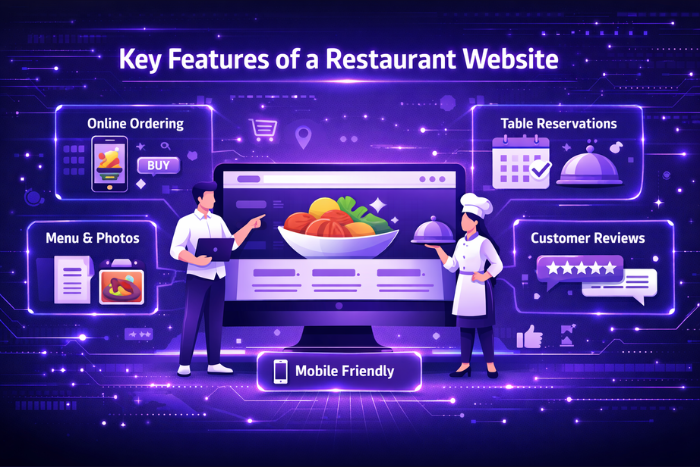
Key Features of a Restaurant Website
Key Features of a Restaurant Website Discover the key features of a restaurant website including online menus, reservations, food ordering, and mobile-friendly design. Key Features of a Restaurant Website In today’s digital-first world, a restaurant website is more than just an online presence—it’s a powerful tool for attracting customers, showcasing your menu, and increasing reservations or orders. Whether customers are searching for a place to dine, checking menu prices, or ordering food online, they often begin their journey with a restaurant’s website. Understanding the key features of a restaurant website is essential for restaurant owners, hospitality businesses, and food entrepreneurs looking to grow their brand online. A well-designed restaurant website should provide easy access to menus, reservations, contact information, and ordering options while delivering an engaging visual experience that reflects the restaurant’s brand and atmosphere. Modern restaurant websites also integrate features such as online table reservations, food ordering systems, customer reviews, and mobile-friendly layouts to enhance user experience. These features help restaurants attract new customers, improve operational efficiency, and increase revenue. By implementing the right design, technology, and functionality, businesses can create restaurant websites that not only inform visitors but also convert them into loyal customers. Why the Key Features of a Restaurant Website Are Important A restaurant website plays a vital role in marketing, customer engagement, and operational efficiency. Many customers check a restaurant’s website before deciding where to eat, making it a critical part of the dining decision process. Implementing the key features of a restaurant website offers several advantages: Improved online visibility through search engines and local listings. Better customer experience by providing menus, contact details, and booking options. Increased reservations and online orders through integrated booking and ordering systems. Stronger brand identity through visuals, design, and storytelling. Convenient access to information for customers using mobile devices. A feature-rich restaurant website helps restaurants stay competitive in a highly digital hospitality market. Types of Restaurant Website Solutions and Their Features Restaurant websites can be developed in different formats depending on the business model and services offered. Restaurant Showcase WebsitesWebsites designed to present menus, ambiance, and restaurant information. Restaurant Reservation WebsitesPlatforms that allow customers to book tables online. Online Food Ordering WebsitesWebsites that enable customers to order food directly for delivery or pickup. Multi-Location Restaurant WebsitesPlatforms designed for restaurant chains with multiple branches. Restaurant Marketplace PlatformsWebsites that list multiple restaurants and allow users to explore different dining options. Each solution focuses on improving customer engagement while providing convenient access to restaurant services. Get Free Quotation Now..!! Key Features of a Restaurant Website A successful restaurant website must combine appealing design, clear information, and interactive features that help visitors easily explore and interact with the restaurant. User-Friendly NavigationVisitors should be able to quickly find menus, contact details, and reservation options. Online Menu DisplayA digital menu with descriptions, pricing, and images helps customers explore available dishes. High-Quality Food PhotographyAttractive images of food, interiors, and ambiance enhance the visual appeal of the website. Online Table Reservation SystemCustomers should be able to book tables directly through the website. Online Food Ordering IntegrationRestaurants offering delivery or pickup services should allow customers to order online. Mobile-Friendly and Responsive DesignA responsive layout ensures the website works smoothly across smartphones and tablets. Customer Reviews and TestimonialsPositive feedback from customers builds credibility and encourages new visitors. Contact Information and Location MapEasy access to address, phone number, and map integration helps customers locate the restaurant. Social Media IntegrationLinking social media profiles helps restaurants engage with customers and promote content. Special Offers and PromotionsDisplaying deals and discounts encourages customers to visit or order more often. Restaurant Website Development Process Developing a successful restaurant website requires a structured process that focuses on design, functionality, and user experience. Business Research and Strategy PlanningUnderstand the restaurant’s brand, target audience, and service offerings. Content Planning and Information ArchitecturePlan essential website pages such as menu, reservations, and contact information. UI/UX Design and Visual BrandingCreate a visually appealing design that reflects the restaurant’s atmosphere. Website Development and IntegrationImplement booking systems, ordering features, and interactive elements. SEO Optimization and Performance SetupOptimize the website for search engines and fast loading speeds. Testing and Quality AssuranceConduct usability, compatibility, and performance testing. Website Launch and DeploymentPublish the website on secure hosting infrastructure. Maintenance and UpdatesUpdate menus, offers, and content regularly to keep the website relevant. Technology Stack for Restaurant Website Development Choosing the right technology stack ensures performance, scalability, and smooth user experiences. Front-End: React.js, Angular, Vue.jsBack-End: Node.js, Python, PHP, Ruby on RailsDatabase: MySQL, PostgreSQL, MongoDBCloud Infrastructure: AWS, Google Cloud Platform, Microsoft AzureReservation Systems: OpenTable API, custom booking modulesPayment Integration: Stripe, PayPal, RazorpayAnalytics Tools: Google Analytics, HotjarSecurity: SSL encryption, secure authentication protocols This technology stack allows restaurants to build scalable and feature-rich websites. Cost Factors in Restaurant Website Development The cost of developing a restaurant website depends on several factors. Number of website pages and features Online ordering or reservation system integration UI/UX design customization Third-party integrations Mobile responsiveness and cross-device compatibility Hosting and domain costs Maintenance and updates Simple restaurant websites may require smaller budgets, while advanced platforms with online ordering systems may require larger investments. Latest Trends in Restaurant Website Development Restaurant websites are evolving with new technologies that enhance customer engagement. AI-powered chatbots for reservations Voice-enabled restaurant search Online ordering and delivery integration Virtual restaurant tours Mobile-first website design Interactive menus with images and videos Personalized dining recommendations Integration with food delivery platforms These trends help restaurants provide modern digital experiences to customers. Why Choose Us for Restaurant Website Development Creating a successful restaurant website requires expertise in hospitality design, user experience, and online ordering systems. Our development team specializes in building engaging restaurant websites that attract customers and increase reservations. Here’s why restaurants choose our services: Custom Website Design tailored to your restaurant’s brand and atmosphere Integrated Reservation and Ordering Systems Mobile-Optimized and SEO-Friendly Websites Secure Payment and Data Protection Systems Fast and Scalable Website Infrastructure User-Friendly Navigation and Menu Presentation Ongoing Maintenance and Technical Support We help restaurants build powerful websites that enhance their
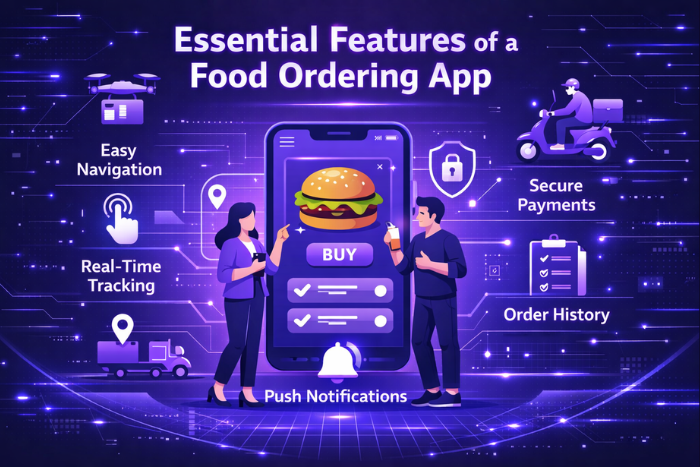
Essential Features of a Food Ordering App
Essential Features of a Food Ordering App Explore the essential features of a food ordering app including real-time tracking, secure payments, smart search, and delivery management. Essential Features of a Food Ordering App Food ordering apps have rapidly transformed the restaurant and delivery industry by making it easier for customers to order meals from their favorite restaurants without leaving their homes. With just a few taps on a smartphone, users can browse menus, place orders, track deliveries, and make secure payments online. Platforms such as Uber Eats, DoorDash, and Zomato have demonstrated how digital solutions can simplify food delivery while improving customer convenience. For businesses entering this competitive market, understanding the essential features of a food ordering app is critical to building a successful platform. A well-designed food ordering app must provide seamless menu browsing, real-time order tracking, secure payment integration, and efficient delivery management. Modern food delivery applications also integrate advanced technologies such as AI-powered recommendations, location-based services, and analytics dashboards to optimize operations and enhance customer experiences. By implementing the right features and development strategy, businesses can build scalable food ordering platforms that improve customer satisfaction, streamline restaurant operations, and increase revenue in the rapidly growing online food delivery industry. Why the Essential Features of a Food Ordering App Are Important Online food ordering has become a standard expectation for customers who want convenience, speed, and flexibility. Restaurants and food businesses that adopt digital ordering systems can reach a wider audience and manage orders more efficiently. Understanding the essential features of a food ordering app helps businesses create platforms that meet customer expectations and optimize operational efficiency. Key benefits include: Convenient ordering experience for customers. Improved order management for restaurants. Faster and more reliable deliveries through optimized tracking systems. Increased revenue opportunities through digital sales channels. Enhanced customer engagement through promotions and loyalty programs. These features ensure that customers, restaurants, and delivery partners can interact seamlessly within the food ordering ecosystem. Types of Food Ordering Platform Solutions Food ordering applications can be developed for different business models in the food delivery industry. Aggregator Food Delivery AppsPlatforms that connect multiple restaurants with customers through a centralized app. Restaurant-Specific Ordering AppsApps developed for individual restaurants to manage their own orders and deliveries. Cloud Kitchen Delivery AppsPlatforms designed for virtual kitchens that operate without physical dining spaces. On-Demand Food Delivery PlatformsApps that provide instant food delivery services from nearby restaurants. Corporate Food Ordering AppsPlatforms used by companies to manage employee meal orders and catering services. Each solution focuses on improving convenience and delivering a seamless ordering experience. Get Free Quotation Now..!! Key Features of a Food Ordering App A successful food ordering platform must combine user-friendly design, reliable delivery tracking, and efficient order management systems. Below are the essential features of a food ordering app. User Registration and Profile ManagementCustomers should be able to create accounts and manage personal details easily. Restaurant Search and Smart FiltersUsers should be able to find restaurants based on cuisine, ratings, price range, and location. Menu Browsing and Item CustomizationCustomers should be able to view menus, customize dishes, and add special instructions. Real-Time Order TrackingGPS tracking allows users to monitor the delivery status of their orders. Secure Payment Gateway IntegrationMultiple payment options such as cards, digital wallets, and cash should be supported. Push Notifications and Order UpdatesNotifications inform customers about order confirmation, preparation, and delivery status. Ratings and Reviews SystemCustomer feedback helps improve service quality and build trust. Discounts, Coupons, and Loyalty ProgramsPromotional features encourage repeat purchases. Order History and ReorderingUsers should be able to reorder previous meals quickly. Customer Support and In-App ChatIntegrated support systems help resolve customer issues efficiently. Food Ordering Platform Development Process Developing a food ordering app requires a structured approach that ensures performance, scalability, and usability. Market Research and Business StrategyIdentify target customers and analyze competitor platforms. Feature Planning and Architecture DesignDefine features for customers, restaurants, delivery agents, and administrators. UI/UX Design and PrototypingDesign intuitive interfaces that simplify browsing and ordering. Backend Development and API IntegrationImplement order management systems, restaurant databases, and delivery tracking. Payment Gateway IntegrationEnable secure payment processing for online transactions. Testing and Quality AssuranceConduct functionality, performance, and security testing. App Deployment and LaunchPublish the application on mobile platforms and configure cloud infrastructure. Post-Launch Maintenance and UpdatesContinuous improvements ensure long-term platform stability. Technology Stack for Food Ordering App Development Selecting the right technology stack ensures scalability and reliable app performance. Front-End: Flutter, React Native, Swift, KotlinBack-End: Node.js, Python, JavaDatabase: PostgreSQL, MongoDB, MySQLCloud Infrastructure: AWS, Google Cloud Platform, Microsoft AzureMaps and Navigation: Google Maps API, MapboxPayment Integration: Stripe, PayPal, RazorpayAnalytics Tools: Firebase Analytics, Google AnalyticsSecurity: SSL encryption, secure authentication, data protection protocols This technology stack enables high-performance food delivery applications capable of handling large volumes of orders. Cost Factors in Food Ordering App Development The cost of developing a food ordering application depends on several important factors. Number of features and platform complexity UI/UX design requirements Integration with restaurant systems and APIs GPS tracking and delivery management Payment gateway implementation Mobile platform support (Android, iOS, or both) Backend infrastructure and hosting Maintenance and updates A basic food ordering app requires moderate investment, while advanced platforms with AI-based recommendations and analytics require larger budgets. Latest Trends in Food Ordering App Development The food delivery industry continues to evolve with innovative technologies and customer expectations. AI-powered food recommendations Voice-based food ordering Drone and autonomous delivery Contactless delivery systems Smart route optimization for delivery drivers Sustainable packaging and eco-friendly delivery Subscription-based meal services Gamification and loyalty rewards These trends are shaping the future of food delivery platforms and enhancing user experiences. Why Choose Us for Food Ordering App Development Building a successful food delivery platform requires expertise in real-time systems, delivery logistics, and scalable cloud infrastructure. Our development team specializes in building high-performance food ordering apps tailored to restaurant and delivery businesses. Here’s why businesses choose our development services: Expert Delivery Tracking Integration for accurate order monitoring Scalable Cloud Infrastructure capable of handling high order volumes Modern UI/UX Design optimized for easy

Must-Have Features of a Cab Booking App
Must-Have Features of a Cab Booking App Discover the must-have features of a cab booking app including GPS tracking, ride management, secure payments, and real-time driver matching. Must-Have Features of a Cab Booking App Cab booking apps have transformed the transportation industry by making it easier for users to book rides anytime and anywhere using their smartphones. Instead of calling a taxi or waiting on the street, passengers can now request rides instantly, track drivers in real time, and pay digitally through mobile applications. Platforms like Uber, Lyft, and Ola have set new standards for convenience, efficiency, and customer experience. To compete in the growing ride-hailing market, businesses must understand the must-have features of a cab booking app that ensure seamless ride management and user satisfaction. A successful cab booking platform must include real-time GPS tracking, instant ride booking, driver-passenger communication, secure payment processing, and efficient ride management systems. Additionally, modern taxi apps incorporate advanced technologies such as AI-based route optimization, dynamic pricing algorithms, driver verification systems, and analytics dashboards for administrators. These features improve operational efficiency while delivering a smooth user experience for passengers and drivers. By implementing the right functionality and technology stack, businesses can develop powerful cab booking apps that streamline transportation services, enhance customer convenience, and increase revenue in the competitive mobility market. Why the Must-Have Features of a Cab Booking App Are Important The popularity of ride-hailing services has increased significantly as users seek faster and more convenient transportation options. Cab booking apps help businesses connect passengers with drivers efficiently while optimizing ride operations. Understanding the must-have features of a cab booking app helps companies build platforms that deliver value to both riders and drivers. Key benefits include: Convenient ride booking for passengers through mobile devices. Improved driver-passenger communication using real-time updates. Efficient fleet management for transportation businesses. Increased revenue opportunities through automated ride matching. Better customer experience with safe and reliable transportation services. These features ensure that both passengers and drivers can interact smoothly within the ride-hailing ecosystem. Types of Ride Booking Platform Solutions Cab booking applications can be developed for different business models depending on transportation needs. Aggregator Ride-Hailing AppsPlatforms that connect independent drivers with passengers through a centralized booking system. Dedicated Taxi Service AppsApps developed for specific taxi companies to manage their own fleet of vehicles. Corporate Transportation AppsPlatforms designed for businesses to manage employee transportation services. Carpooling and Ride-Sharing AppsApps that allow multiple passengers to share rides and reduce travel costs. On-Demand Logistics and Delivery AppsPlatforms that use similar ride-hailing infrastructure for delivery services. Each solution focuses on improving transportation efficiency while providing convenient ride-booking experiences. Get Free Quotation Now..!! Key Features of a Cab Booking App A successful taxi booking platform must provide seamless ride booking, real-time tracking, and secure payment systems. Below are the must-have features of a cab booking app. User Registration and Profile ManagementPassengers and drivers should be able to create accounts and manage profiles easily. Real-Time GPS TrackingGPS integration allows passengers to track drivers and monitor ride progress. Instant Ride BookingUsers should be able to request rides quickly with minimal steps. Driver Matching AlgorithmThe app should automatically assign the nearest available driver to a passenger. Fare Estimation and Pricing TransparencyUsers should be able to see estimated fares before confirming a ride. Secure Payment Gateway IntegrationMultiple payment options such as credit cards, digital wallets, and cash should be supported. Push Notifications and Ride AlertsNotifications inform users about driver arrival, trip status, and ride completion. Ride History and Trip ManagementUsers should be able to view past rides and receipts. Driver Ratings and ReviewsFeedback systems improve service quality and customer trust. In-App Chat and Call FeaturesCommunication tools allow drivers and passengers to coordinate pickups easily. Ride Booking Platform Development Process Developing a ride-hailing platform requires a structured development approach. Market Research and Business Model PlanningIdentify target users and define the ride-hailing business model. Feature Planning and Platform ArchitectureDefine passenger, driver, and admin functionalities. UI/UX Design and PrototypingDesign intuitive interfaces for seamless ride booking and navigation. Backend Development and API IntegrationImplement ride matching algorithms, maps, and payment systems. Driver and Passenger App DevelopmentBuild separate interfaces for drivers and riders. Testing and Quality AssuranceConduct performance, security, and usability testing. App Deployment and LaunchPublish the app on app stores and deploy backend infrastructure. Post-Launch Maintenance and UpdatesContinuous updates improve performance and introduce new features. Technology Stack for Cab Booking App Development The technology stack plays a critical role in ensuring performance and scalability. Front-End: Flutter, React Native, Swift, KotlinBack-End: Node.js, Python, JavaDatabase: PostgreSQL, MongoDB, MySQLCloud Infrastructure: AWS, Google Cloud Platform, Microsoft AzureMaps and Navigation: Google Maps API, MapboxPayment Integration: Stripe, PayPal, RazorpayAnalytics Tools: Firebase Analytics, Google AnalyticsSecurity: SSL encryption, secure authentication, data protection protocols These technologies enable the development of scalable ride-hailing applications capable of supporting large user bases. Cost Factors in Cab Booking App Development The cost of developing a cab booking app depends on several important factors. Number of features and platform complexity UI/UX design requirements GPS tracking and map integration Payment gateway implementation Platform support (Android, iOS, or both) Backend infrastructure and hosting Security implementation Ongoing maintenance and updates A basic ride-hailing app may require moderate investment, while advanced platforms with AI-based route optimization and analytics require higher budgets. Latest Trends in Cab Booking App Development The ride-hailing industry continues to evolve with emerging technologies and user expectations. AI-powered ride matching algorithms Electric vehicle integration Autonomous vehicle ride-hailing systems Voice-based ride booking Subscription-based ride services In-app digital wallets Advanced route optimization Smart fleet management systems These trends are shaping the future of urban mobility and transportation technology. Why Choose Us for Cab Booking App Development Developing a reliable ride-hailing platform requires expertise in real-time systems, GPS integration, and scalable infrastructure. Our development team specializes in building high-performance cab booking apps tailored to transportation businesses. Here’s why businesses choose our development services: Expert GPS and Navigation Integration for accurate ride tracking Scalable Cloud Infrastructure capable of handling thousands of ride requests Modern UI/UX Design optimized for fast ride booking Secure

Features of a Good Flight Booking App
Features of a Good Flight Booking App Discover the features of a good flight booking app including real-time search, secure payments, price comparison, and travel alerts. Features of a Good Flight Booking App Flight booking apps have revolutionized the travel industry by making it easier for travelers to search, compare, and reserve airline tickets directly from their smartphones. Instead of visiting travel agencies or airline offices, users can now plan trips, check flight availability, compare fares, and confirm bookings within minutes. However, not every travel application delivers the seamless experience that users expect. Understanding the features of a good flight booking app is essential for travel businesses, startups, and online travel agencies looking to build competitive digital platforms. A successful flight booking app must provide fast search functionality, real-time price comparisons, secure payment systems, and instant booking confirmations. Additionally, travelers expect personalized recommendations, travel alerts, and flexible booking management options. Modern flight booking platforms also integrate with airline APIs, travel data providers, and payment gateways to ensure accurate flight information and smooth transactions. These technologies help users plan trips efficiently while enabling travel businesses to manage bookings and inventory in real time. By implementing the right features and technology, companies can create powerful flight booking apps that simplify travel planning, improve customer satisfaction, and increase online ticket sales. Why the Features of a Good Flight Booking App Are Important The demand for mobile travel applications continues to grow as travelers increasingly rely on smartphones to manage their trips. A well-designed flight booking app improves convenience, speed, and accessibility for users. Implementing the right features provides several benefits: Simplified flight search and booking for travelers. Better price transparency through real-time fare comparisons. Higher booking conversion rates due to streamlined reservation processes. Improved user engagement through personalized travel recommendations. Enhanced customer satisfaction with real-time travel updates and alerts. Travel apps that combine powerful functionality with an intuitive user interface are more likely to attract repeat users and build long-term customer loyalty. Types of Flight Reservation App Solutions Flight booking applications can be developed for different business models within the travel industry. Online Travel Agency (OTA) AppsPlatforms that allow users to compare flights from multiple airlines and book tickets in one place. Airline Direct Booking AppsApps developed by airlines that allow customers to book tickets directly. Flight Price Comparison AppsPlatforms that compare airline fares across multiple booking websites. Corporate Travel Booking AppsApplications designed for businesses to manage employee travel bookings. All-in-One Travel AppsApps that combine flight booking with hotel reservations, car rentals, and travel packages. Each solution focuses on improving convenience and providing travelers with tools to plan their journeys effectively. Get Free Quotation Now..!! Key Features of a Good Flight Booking App A successful flight booking platform must combine powerful search functionality, secure transactions, and real-time updates. The following are the key features of a good flight booking app. Advanced Flight Search and FilteringUsers should be able to search flights based on destination, departure dates, airline preference, price range, and travel class. Real-Time Price ComparisonIntegration with airline APIs allows users to compare fares across multiple airlines. Instant Booking and ConfirmationTravelers should receive immediate confirmation after completing a booking. Secure Payment Gateway IntegrationPayment systems enable safe and convenient online transactions. Personalized Travel RecommendationsAI-powered suggestions help users discover better travel options based on their preferences. Push Notifications and Travel AlertsNotifications inform users about flight status, delays, gate changes, and special deals. Booking Management and Ticket StorageUsers should be able to view, modify, or cancel bookings easily. Multi-Currency and Multi-Language SupportInternational travelers can book tickets in their preferred currency and language. User Profiles and Travel HistoryProfiles allow users to store personal information and view previous bookings. Customer Support and AssistanceIntegrated support features help travelers resolve booking issues quickly. Flight Reservation App Development Process Developing a flight booking app requires careful planning and integration with airline data systems. Market Research and Requirement AnalysisIdentify target users and analyze competitor travel platforms. Feature Planning and Architecture DesignDefine booking workflows, search systems, and API integrations. UI/UX Design and User Journey MappingCreate an intuitive interface for quick flight searches and bookings. Backend Development and API IntegrationIntegrate airline APIs for real-time flight data and availability. Payment Gateway ImplementationEnable secure payment processing for ticket purchases. Testing and Quality AssuranceConduct functional testing, performance testing, and security checks. App Deployment and LaunchPublish the app on app stores and ensure server scalability. Post-Launch Maintenance and UpdatesContinuous improvements ensure better performance and user experience. Technology Stack for Flight Booking App Development Choosing the right technology stack ensures scalability, security, and smooth app performance. Front-End: Flutter, React Native, Swift, KotlinBack-End: Node.js, Python, JavaDatabase: PostgreSQL, MongoDB, MySQLCloud Infrastructure: AWS, Google Cloud Platform, Microsoft AzureTravel APIs: Amadeus, Skyscanner, Sabre, TravelportPayment Integration: Stripe, PayPal, RazorpayAnalytics Tools: Google Analytics, Firebase AnalyticsSecurity: SSL encryption, secure authentication, PCI-compliant payments This technology stack enables high-performance travel applications capable of handling large volumes of flight searches and bookings. Cost Factors in Flight Booking App Development The cost of developing a flight booking application depends on several factors. Number of features and platform complexity UI/UX design requirements Airline API integration costs Payment gateway implementation Mobile platform support (Android, iOS, or both) Backend infrastructure and hosting Security and compliance requirements Maintenance and future updates Basic flight booking apps require moderate investment, while advanced platforms with AI recommendations and travel management features require larger budgets. Latest Trends in Flight Booking App Development The travel technology industry is evolving with new innovations that improve the booking experience. AI-powered travel recommendations Voice-enabled flight search Dynamic pricing and fare prediction Contactless travel and digital boarding passes Integration with travel wallets and loyalty programs Augmented reality travel assistance Blockchain-based ticketing systems Smart itinerary management These trends help travel platforms provide smarter and more personalized booking experiences. Why Choose Us for Flight Booking App Development Building a successful travel application requires expertise in travel APIs, booking systems, and scalable cloud infrastructure. Our development team specializes in creating high-performance flight booking apps tailored to travel businesses. Here’s why businesses choose our development services:

Important Features of a Hotel Booking Website
Important Features of a Hotel Booking Website Discover important features of a hotel booking website including reservation systems, payment integration, guest reviews, and mobile-friendly design. Important Features of a Hotel Booking Website Hotel booking websites have become essential platforms in the modern travel and hospitality industry. Travelers today prefer to search, compare, and book hotel accommodations online instead of contacting hotels directly. Whether planning a vacation, business trip, or weekend getaway, users rely on hotel booking platforms that provide convenience, transparency, and instant reservations. Understanding the important features of a hotel booking website is crucial for hotels, travel agencies, and online travel businesses looking to attract more customers and increase bookings. A successful hotel booking platform must provide a seamless search experience, detailed hotel information, secure payment systems, and real-time availability. Modern hotel booking websites also incorporate advanced features such as dynamic pricing, guest reviews, mobile optimization, and multi-language support to serve a global audience. These features not only improve the user experience but also help hotels streamline reservations and manage inventory efficiently. By implementing the right technology and functionality, businesses can build hotel booking platforms that simplify reservations, increase customer trust, and drive higher conversion rates in the competitive online travel market. Why the Important Features of a Hotel Booking Website Matter The hospitality industry has increasingly shifted toward online booking platforms. Travelers expect a quick and convenient way to search for hotels, check room availability, and make reservations instantly. Implementing the right features on a hotel booking website provides several benefits: Improved booking experience: A user-friendly platform encourages visitors to complete reservations quickly. Higher conversion rates: Simplified booking workflows increase successful reservations. Better customer trust: Reviews, ratings, and secure payments build credibility. Global reach: Multi-language and multi-currency support allow hotels to serve international travelers. Operational efficiency: Automated booking systems reduce manual work for hotel staff. A well-designed hotel booking website helps businesses attract more travelers while providing a seamless booking experience. Types of Hotel Reservation Website Solutions Hotel booking websites can be developed in different formats depending on business models and target audiences. Hotel Direct Booking WebsitesWebsites developed for individual hotels that allow guests to book rooms directly without third-party platforms. Online Travel Agency (OTA) PlatformsMulti-hotel booking platforms where users can compare and reserve accommodations across different hotels. Vacation Rental Booking WebsitesPlatforms that allow users to book apartments, villas, and vacation homes. Corporate Travel Booking PlatformsSystems designed for businesses to manage employee travel accommodations. Hotel Marketplace PlatformsPlatforms connecting travelers with hotels, resorts, and hospitality services worldwide. Each solution focuses on simplifying reservations while providing tools for both travelers and hotel managers. Get Free Quotation Now..!! Key Features of a Hotel Booking Website A successful booking platform must provide convenience, reliability, and transparency. The following are the most important features of a hotel booking website. Advanced Hotel Search and FilteringUsers should be able to search hotels based on location, dates, price range, amenities, and ratings. Real-Time Room AvailabilityIntegration with hotel management systems allows users to see available rooms instantly. Online Reservation and Booking SystemA streamlined booking process enables users to reserve rooms quickly. High-Quality Images and Hotel DescriptionsDetailed descriptions and images help travelers evaluate hotel facilities and rooms. Guest Reviews and RatingsReviews from previous guests provide social proof and influence booking decisions. Secure Payment Gateway IntegrationPayment systems enable safe transactions for room reservations. Multi-Language and Multi-Currency SupportInternational travelers can browse and book rooms in their preferred language and currency. Booking Calendar and Availability ManagementA calendar system allows users to view room availability and pricing across dates. Automated Email NotificationsConfirmation emails, reminders, and booking updates keep users informed. Mobile-Friendly and Responsive DesignA responsive interface ensures seamless booking across smartphones, tablets, and desktops. Hotel Reservation Website Development Process Developing a hotel booking platform requires a structured approach that ensures usability, scalability, and security. Market Research and Competitor AnalysisIdentify the target audience and analyze successful booking platforms. Platform Architecture and Feature PlanningDefine booking workflows, room inventory systems, and integration requirements. UI/UX Design and PrototypingCreate intuitive interfaces that simplify the booking process. Backend Development and Database SetupImplement booking systems, user management, and inventory tracking. Payment Gateway and API IntegrationIntegrate payment processors and travel APIs for real-time booking data. Testing and Quality AssuranceConduct security, performance, and usability testing. Website Deployment and LaunchLaunch the platform with optimized hosting infrastructure. Maintenance and Feature UpdatesContinuous updates ensure improved functionality and performance. Technology Stack for Hotel Booking Website Development Choosing the right technology stack ensures scalability, performance, and secure transactions. Front-End: React.js, Angular, Vue.jsBack-End: Node.js, Python, Java, Ruby on RailsDatabase: PostgreSQL, MongoDB, MySQLCloud Infrastructure: AWS, Google Cloud Platform, Microsoft AzurePayment Integration: Stripe, PayPal, RazorpayTravel APIs: Amadeus, Expedia, Booking APIsAnalytics Tools: Google Analytics, MixpanelSecurity: SSL encryption, secure authentication, PCI-compliant payment systems This technology stack enables scalable booking platforms capable of handling large volumes of reservations. Cost Factors in Hotel Booking Website Development The cost of developing a hotel booking website depends on several factors. Website complexity and number of features Booking system and inventory management integration UI/UX design customization Payment gateway implementation Third-party API integrations Mobile responsiveness and cross-platform compatibility Hosting and cloud infrastructure Maintenance and security updates Basic hotel booking websites may require moderate investment, while advanced multi-hotel platforms require larger budgets. Latest Trends in Hotel Booking Website Development The travel and hospitality industry continues to adopt new technologies to improve online booking experiences. AI-powered hotel recommendations Dynamic pricing and personalized offers Voice-based hotel search Virtual tours of hotel rooms Chatbots for customer support Mobile-first booking experiences Contactless check-in systems Integration with smart travel assistants These trends help hotels provide more convenient and personalized booking experiences. Why Choose Us for Hotel Booking Website Development Developing a high-performing hotel booking platform requires expertise in booking systems, travel APIs, and scalable infrastructure. Our development team specializes in building advanced hotel booking platforms tailored to hospitality businesses. Here’s why businesses choose our development services: Expert Booking System Development for seamless hotel reservations Scalable Cloud Infrastructure capable of handling high traffic and bookings Modern UI/UX Design optimized for quick and easy

Key Features of a Travel Planning Website
Key Features of a Travel Planning Website Discover the key features of a travel planning website including booking systems, itinerary tools, real-time search, and secure payment integration. Key Features of a Travel Planning Website Travel planning websites have transformed the way people research, organize, and book their trips. Instead of relying on traditional travel agencies, modern travelers prefer online platforms where they can compare destinations, book accommodations, create itineraries, and manage their entire journey from one place. As the travel industry becomes increasingly digital, businesses must focus on building feature-rich platforms that deliver seamless travel planning experiences. Understanding the key features of a travel planning website is essential for travel agencies, tour operators, and startups looking to develop competitive digital platforms. A successful travel website must combine powerful search functionality, easy booking systems, itinerary management tools, and real-time information about flights, hotels, and travel services. Users also expect responsive design, secure payment systems, personalized travel recommendations, and integration with travel APIs. These features help travelers plan trips efficiently while ensuring a smooth and enjoyable user experience. By implementing the right technology and design strategy, businesses can build travel planning websites that attract users, simplify trip organization, and generate consistent bookings in the highly competitive online travel market. Why the Key Features of a Travel Planning Website Are Important The travel industry has shifted dramatically toward online platforms where users expect convenience, speed, and transparency. A well-designed travel planning website allows users to explore destinations, compare travel options, and book services quickly. Implementing the right features provides several benefits: Simplified trip planning: Users can manage flights, hotels, and activities in one place. Improved booking experience: Fast search and booking systems increase conversion rates. Enhanced customer satisfaction: Personalized recommendations improve travel experiences. Global accessibility: Travelers can access travel information anytime from any device. Competitive advantage: Feature-rich platforms stand out in the crowded travel industry. Travel websites that focus on user experience and advanced functionality are more likely to attract repeat customers and generate higher engagement. Types of Travel Arrangement Website Solutions Travel planning platforms can serve different purposes depending on business models and user needs. Online Travel Agency (OTA) PlatformsWebsites that allow users to search and book flights, hotels, and vacation packages. Trip Planning and Itinerary Management WebsitesPlatforms that help travelers organize trips, create schedules, and manage bookings. Hotel and Accommodation Booking WebsitesWebsites focused on searching and reserving hotels, resorts, and vacation rentals. Travel Marketplace PlatformsPlatforms connecting travelers with tour operators, travel guides, and local experiences. Corporate Travel Management PlatformsWebsites designed for businesses to manage employee travel and expenses. Each solution focuses on simplifying travel planning while providing tools that help users organize their trips efficiently. Get Free Quotation Now..!! Key Features of a Travel Planning Website A successful travel planning platform must combine functionality, performance, and user experience. The following are the key features of a travel planning website. Advanced Travel Search SystemA powerful search engine allows users to find flights, hotels, and travel packages quickly using filters such as price, location, and dates. Responsive and Mobile-Friendly DesignA responsive design ensures the website works smoothly across smartphones, tablets, and desktops. Easy Booking and Reservation SystemA streamlined booking system allows users to reserve flights, hotels, tours, and activities in a few steps. Trip Itinerary BuilderItinerary planning tools allow travelers to organize destinations, activities, and schedules in one place. Real-Time Travel InformationLive updates on flights, weather, pricing, and availability improve travel planning accuracy. User Accounts and Profile ManagementRegistered users can manage bookings, save travel preferences, and track travel history. Secure Payment IntegrationPayment gateways allow users to safely complete transactions online. Customer Reviews and RatingsReviews help travelers make informed decisions when choosing hotels or services. Travel Deals and PromotionsSpecial offers, discounts, and travel packages encourage bookings. Social Media and Sharing FeaturesIntegration with social platforms allows users to share travel plans and experiences. Development Process Building a travel planning platform requires a strategic development process that focuses on user experience and scalability. Market Research and Competitor AnalysisIdentify target users and analyze existing travel platforms to understand market opportunities. Platform Architecture and Feature PlanningDefine core features, booking workflows, and API integrations. UI/UX Design and User Journey MappingDesign a visually appealing interface that simplifies travel search and booking. Backend Development and API IntegrationIntegrate travel APIs for flights, hotels, and travel services. Booking System and Payment IntegrationImplement secure booking functionality and payment processing. Testing and Performance OptimizationConduct functional testing and ensure the website handles high traffic efficiently. Deployment and Website LaunchLaunch the travel platform with optimized hosting infrastructure. Post-Launch Support and Feature EnhancementsContinuously improve the platform with updates and new features. Technology Stack for Travel Planning Website Development Choosing the right technology stack ensures performance, security, and scalability. Front-End: React.js, Angular, Vue.jsBack-End: Node.js, Python, Java, Ruby on RailsDatabase: PostgreSQL, MongoDB, MySQLCloud Infrastructure: AWS, Google Cloud Platform, Microsoft AzureTravel APIs: Amadeus, Skyscanner, Sabre, Expedia APIsPayment Integration: Stripe, PayPal, RazorpayAnalytics Tools: Google Analytics, MixpanelSecurity: SSL encryption, secure authentication, data protection protocols This technology stack supports high-performance travel platforms capable of handling large volumes of bookings. Cost Factors in Travel Planning Website Development The cost of developing a travel planning website depends on several factors. Website complexity and feature set Number of third-party API integrations UI/UX design requirements Booking and payment system implementation Mobile responsiveness and cross-platform support Hosting and cloud infrastructure Security implementation and compliance Maintenance and updates A simple travel website may require a moderate budget, while a full-featured travel marketplace platform with advanced integrations may require larger investment. Latest Trends in Travel Planning Website Development The travel technology industry continues to evolve with new digital innovations. AI-powered travel recommendations Voice-enabled travel search Personalized itinerary planning Augmented reality travel previews Dynamic pricing and real-time travel deals Integration with smart devices and wearables Blockchain-based travel payments Sustainable travel planning tools These trends are reshaping how travelers discover and plan their journeys online. Why Choose Us for Travel Planning Website Development Developing a successful travel platform requires expertise in travel APIs, booking systems, and scalable digital architecture. Our development team

Features of a Successful Productivity App
Features of a Successful Productivity App Discover the features of a successful productivity app including task management, collaboration, analytics, and smart integrations. Features of a Successful Productivity App Productivity apps have become essential tools for individuals, teams, and organizations aiming to manage tasks, track goals, and improve efficiency. In today’s fast-paced digital environment, people rely on productivity tools to organize schedules, collaborate with colleagues, and stay focused on important work. From task management platforms like Trello and Asana to note-taking apps and time tracking tools, productivity applications play a crucial role in modern workflows. However, not every productivity app succeeds in attracting and retaining users. The difference between an average tool and a highly effective platform lies in the features of a successful productivity app. Users expect seamless task organization, intuitive interfaces, real-time collaboration, and integrations with other tools they already use. A well-designed productivity application should simplify workflows rather than complicate them. Features like smart reminders, project tracking, automation, analytics, and cross-platform synchronization help users manage their time more effectively. For businesses and startups planning to develop productivity software, understanding these key features is essential. By combining powerful functionality with a user-friendly design, companies can build productivity apps that enhance efficiency, improve collaboration, and deliver real value to users. Why the Features of a Successful Productivity App Are Important Productivity applications are designed to help users manage tasks, organize projects, and maximize efficiency. Without the right set of features, a productivity tool may fail to deliver meaningful results. Understanding the features of a successful productivity app helps businesses create tools that truly support users in their daily workflows. Here’s why these features matter: Improved task organization: Users can plan and prioritize work more effectively. Enhanced team collaboration: Teams can communicate and coordinate tasks in real time. Better time management: Features like reminders and analytics help users track productivity. Workflow automation: Automated processes reduce repetitive manual work. Higher user retention: Intuitive and useful features encourage long-term usage. Modern productivity apps must balance simplicity with functionality. A well-designed tool enables users to focus on their work without being overwhelmed by complicated systems. Types of Successful Productivity App Solutions Different productivity applications serve different purposes depending on user needs and business goals. Task Management AppsApplications designed to organize tasks, assign responsibilities, and track progress. Project Management PlatformsTools that help teams manage complex projects, workflows, and deadlines. Note-Taking and Knowledge Management AppsApps that allow users to capture ideas, notes, and documents in a structured format. Time Tracking and Productivity Monitoring ToolsSoftware used to track working hours and analyze productivity patterns. Team Collaboration AppsPlatforms that support communication, file sharing, and teamwork. Personal Productivity and Habit Tracking AppsApps designed to help individuals manage routines, goals, and personal productivity. Each of these solutions focuses on improving efficiency while providing unique features tailored to specific productivity needs. Get Free Quotation Now..!! Key Features of a Successful Productivity App A successful productivity application combines simplicity, powerful functionality, and seamless integrations. The following are essential features that define an effective productivity app. Intuitive User Interface and ExperienceA clean and simple interface helps users quickly understand how to organize tasks and workflows. Task Management and OrganizationUsers should be able to create tasks, assign deadlines, prioritize work, and track progress easily. Real-Time Collaboration ToolsCollaboration features allow teams to share tasks, comment on projects, and communicate within the app. Smart Reminders and NotificationsAutomatic reminders help users stay on schedule and meet deadlines. Calendar and Scheduling IntegrationIntegrating with calendars enables users to manage meetings, events, and tasks in one place. Time Tracking and Productivity AnalyticsAnalytics tools help users measure productivity and optimize workflows. Cross-Platform SynchronizationData should remain synchronized across mobile devices, desktops, and web applications. Third-Party IntegrationsIntegrations with tools like Google Drive, Slack, or email platforms improve workflow efficiency. Offline Access and Data SynchronizationUsers should be able to access tasks even without an internet connection. Data Security and Privacy ProtectionSecure authentication and data encryption protect sensitive information. Productivity App Development Process Developing a productivity application requires careful planning and execution to ensure usability and performance. Market Research and Requirement AnalysisUnderstand user needs, identify market gaps, and define the app’s unique value. Feature Planning and Architecture DesignDefine core features and design the system architecture for scalability. UI/UX Design and PrototypingCreate an intuitive interface that makes task management simple and efficient. Backend Development and Database SetupImplement secure APIs, cloud infrastructure, and data storage systems. Integration with Third-Party ToolsConnect the app with email platforms, cloud storage, and productivity services. Testing and Quality AssuranceConduct functional, performance, and security testing. Deployment and App LaunchLaunch the application across mobile and web platforms. Post-Launch Maintenance and UpdatesContinuous improvements ensure better performance and feature expansion. Technology Stack for Productivity App Development Selecting the right technology stack ensures reliability, scalability, and high performance. Front-End: React.js, Flutter, Angular, Swift, KotlinBack-End: Node.js, Python, Ruby on Rails, JavaDatabase: PostgreSQL, MongoDB, MySQLCloud Platforms: AWS, Google Cloud Platform, Microsoft AzureAPIs and Integrations: REST APIs, GraphQLDevOps: Docker, Kubernetes, CI/CD pipelinesSecurity: OAuth authentication, encryption protocols, secure APIs This stack enables the development of scalable productivity platforms capable of supporting individual users and enterprise teams. Cost Factors in Productivity App Development The cost of developing a productivity application depends on several factors. App complexity and number of features UI/UX design requirements Platform selection (Android, iOS, or web) Third-party integrations and APIs Backend infrastructure and cloud hosting Security implementation Maintenance and feature updates A simple task management app may require a smaller investment, while enterprise-level productivity platforms with advanced collaboration features may require larger development budgets. Latest Trends in Productivity App Development Productivity applications are constantly evolving with new technologies that enhance efficiency and automation. AI-powered task automation Smart scheduling and calendar assistants Voice-enabled productivity tools Advanced analytics and productivity insights Integration with remote work tools Cross-platform cloud-based productivity ecosystems Gamification to improve motivation AI-driven project management assistants These trends are shaping the future of productivity tools and creating new opportunities for innovation. Why Choose Us for Productivity App Development Developing a productivity platform requires a deep understanding of user

