

Key Features of a Job Listing Website Discover the key features of a job listing website including job search, employer dashboards, resume uploads, and applicant tracking systems. Key Features of a Job Listing Website Job listing websites have become essential platforms for connecting employers with job seekers in today’s digital hiring landscape. Companies rely on these platforms to publish job openings, manage applications, and identify qualified candidates efficiently. At the same time, job seekers depend on job portals to discover opportunities, upload resumes, and track their application progress. Understanding the key features of a job listing website is crucial when developing a platform that is efficient, scalable, and user-friendly. A well-designed job portal simplifies recruitment processes while improving the candidate experience. It enables employers to manage hiring workflows and allows applicants to easily find suitable jobs based on skills, location, or industry. Modern job listing platforms include advanced functionalities such as intelligent job search filters, resume uploads, employer dashboards, automated job alerts, and applicant tracking systems. These features streamline recruitment processes while enhancing user engagement. Whether you are building a niche job board, corporate recruitment portal, or large-scale job marketplace, implementing the right features ensures that your platform attracts both employers and job seekers. This article explores the most important elements every successful job listing website should include. Why Key Features of a Job Listing Website Are Important A job listing website must provide a seamless experience for both employers and job seekers. Without the right features, recruitment platforms can become inefficient and difficult to use. Implementing the key features of a job listing website provides several benefits: Faster hiring processes through automated job posting and application management Better job discovery with advanced search and filtering tools Improved candidate experience with simple application workflows Efficient employer management through dashboards and applicant tracking systems Higher engagement and retention through personalized job alerts and notifications Businesses benefit by reaching a larger pool of qualified candidates, while job seekers gain access to a centralized platform for exploring opportunities. A well-structured job listing website also improves visibility in search engines, allowing job postings to attract organic traffic. Types of Job Listing Website Solutions Job listing platforms can be designed for different industries and recruitment needs. Some common types include: General Job PortalsPlatforms that publish job listings across multiple industries and professions. Niche Job BoardsIndustry-specific job platforms focused on sectors like technology, healthcare, or education. Company Career PortalsDedicated recruitment platforms where companies list internal job openings. Freelance Job MarketplacesPlatforms connecting businesses with freelancers for project-based work. Remote Job PlatformsWebsites that specialize in remote and work-from-home opportunities. Local Job Listing PlatformsJob boards targeting employment opportunities in specific geographic regions. Recruitment Agency PlatformsJob listing systems used by recruitment agencies to manage multiple employer listings. Each platform requires specific features to manage job listings, applications, and candidate communication. Get Free Quotation Now..!! Key Features of a Job Listing Website A successful job portal requires features that make job discovery simple and recruitment efficient. Important key features of a job listing website include: User Registration and ProfilesJob seekers and employers should be able to create accounts and manage their profiles. Job Posting and ManagementEmployers can publish job listings, edit postings, and manage recruitment campaigns. Advanced Job Search and FiltersUsers should be able to search jobs by location, industry, salary range, experience level, and keywords. Resume Upload and Profile CreationJob seekers can upload resumes or build profiles showcasing their skills and experience. Applicant Tracking System (ATS)Employers can review applications, shortlist candidates, and manage hiring workflows. Employer and Candidate DashboardsDashboards allow both parties to track applications, job postings, and activity. Job Alerts and NotificationsAutomated notifications inform users about new opportunities matching their preferences. Saved Jobs and Application TrackingJob seekers can bookmark jobs and track the status of their applications. Messaging and Communication ToolsEmployers and candidates can communicate directly through the platform. Mobile-Friendly DesignResponsive interfaces ensure users can browse and apply for jobs from mobile devices. SEO-Optimized Job ListingsStructured job data improves search engine visibility and helps attract candidates. These features ensure the platform delivers a seamless experience for employers and job seekers. Development Process Developing a job listing website requires careful planning and structured implementation. Requirement Analysis and Platform StrategyIdentifying target users, industries, and recruitment workflows. Information Architecture PlanningDesigning categories, job listings structure, and navigation systems. UI/UX DesignCreating intuitive interfaces for job search, posting, and applications. Backend DevelopmentImplementing databases, applicant tracking systems, and user authentication. Feature IntegrationAdding job alerts, messaging tools, resume uploads, and search filters. Testing and Quality AssurancePerforming usability testing, performance testing, and security checks. Deployment and OptimizationLaunching the platform with scalable hosting infrastructure and monitoring tools. A structured development process ensures reliability, scalability, and security. Technology Stack Modern job listing platforms rely on advanced technologies to handle large volumes of users and job postings. Front-End: React.js, Vue.js, Angular, Next.js Back-End: Node.js, Laravel, Django, Ruby on Rails Databases: PostgreSQL, MongoDB, MySQL, Redis Search Engines: Elasticsearch, Algolia Cloud Services: AWS, Google Cloud, Microsoft Azure DevOps: Docker, Kubernetes, CI/CD pipelines Security: OAuth authentication, SSL encryption, role-based access control (RBAC) This technology stack ensures fast search performance and secure data handling. Cost Factors The cost of building a job listing website varies depending on several factors. Key cost considerations include: Complexity of job search and filtering features Resume parsing and applicant tracking systems Employer and candidate dashboards Messaging and notification systems Custom UI/UX design Integration with HR software and third-party tools Hosting and infrastructure setup Maintenance and platform updates A basic job portal MVP may require a moderate investment, while enterprise-level recruitment platforms require advanced infrastructure and development resources. Flexible pricing models such as fixed-price development or dedicated teams allow businesses to scale gradually. Latest Trends in Job Listing Website Development Recruitment platforms continue evolving with new technologies and hiring trends. Some emerging trends include: AI-powered candidate matching Automated resume screening Video interview integrations Skill-based job recommendations Remote job filtering Chatbot-based candidate assistance Data-driven recruitment analytics Mobile-first job application experiences These innovations help recruiters hire faster and improve the job search
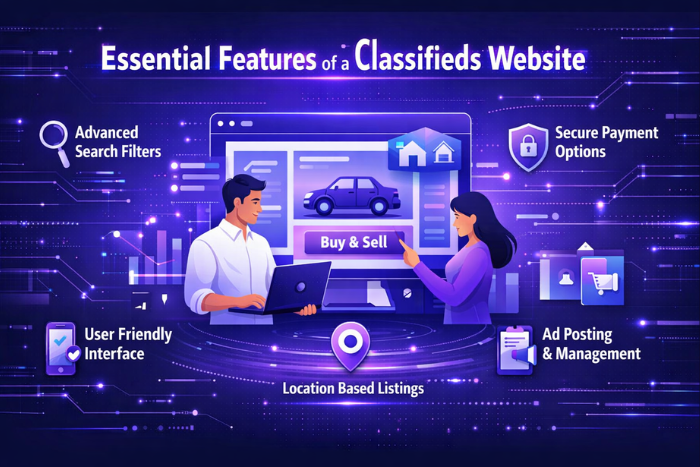
Essential Features of a Classifieds Website
Essential Features of a Classifieds Website Discover the essential features of a classifieds website including ad posting, search filters, messaging, and secure payments to build a scalable platform. Essential Features of a Classifieds Website Classifieds websites have become powerful digital marketplaces where individuals and businesses can buy, sell, and promote products or services. From selling second-hand goods to advertising real estate, vehicles, jobs, and local services, classified platforms connect buyers and sellers quickly and efficiently. However, building a successful marketplace requires more than just listing ads. Understanding the essential features of a classifieds website is critical for creating a platform that is easy to use, secure, and scalable. A well-designed classifieds platform must provide seamless ad posting, advanced search capabilities, secure communication, and reliable user management. Modern classifieds websites incorporate features such as user profiles, location-based search, real-time notifications, secure payment gateways, and mobile-friendly interfaces. These functionalities ensure that users can easily find listings, communicate with sellers, and complete transactions safely. Whether you’re launching a local marketplace, niche classifieds portal, or global listing platform, implementing the right features ensures long-term success. This guide explores the most important elements every high-performing classifieds website should include. Why Essential Features of a Classifieds Website Are Important Classified platforms rely heavily on user-generated content and community trust. Without the right structure and features, it becomes difficult for users to post listings, find products, or communicate effectively. Implementing the essential features of a classifieds website provides several advantages: Improved user experience by allowing buyers and sellers to interact easily Higher engagement through messaging, notifications, and saved searches Better product discovery with advanced search filters and categories Increased platform credibility through verification and moderation tools Scalable marketplace growth as more users and listings are added For entrepreneurs and businesses, a well-built classifieds website can become a powerful revenue-generating platform through premium listings, advertising, and subscription plans. Without these key features, classifieds websites may struggle with spam listings, poor usability, and low user engagement. Types of Classifieds Website Solutions Classifieds platforms can serve various industries depending on their purpose and target audience. Some common types include: General Classifieds WebsitesPlatforms where users can post listings for multiple categories such as electronics, furniture, vehicles, and services. Real Estate Classifieds PlatformsWebsites dedicated to property listings including apartments, houses, and commercial spaces. Job Classifieds PlatformsWebsites where employers post job openings and candidates search for opportunities. Vehicle Classifieds PlatformsMarketplaces focused on buying and selling cars, bikes, and other vehicles. Local Marketplace PlatformsClassified platforms targeting buyers and sellers within specific geographic areas. Service-Based Classified PlatformsWebsites where professionals advertise services such as repair work, tutoring, or freelance services. Niche Classified PlatformsIndustry-specific platforms focused on particular markets like pets, antiques, or collectibles. Each type requires robust features for listing management, user communication, and search functionality. Get Free Quotation Now..!! Key Features of a Classifieds Website A successful classifieds platform requires features that simplify ad posting, improve discoverability, and ensure secure communication. Important essential features of a classifieds website include: User Registration and ProfilesUsers should be able to create accounts, manage listings, and track activity. Ad Posting and ManagementSellers must be able to post, edit, update, and remove listings easily. Advanced Search and FiltersUsers should be able to search listings by category, location, price, and keywords. Category-Based NavigationOrganized categories make browsing listings easier. Location-Based ListingsIntegration with maps or geolocation helps users find listings nearby. Image and Media UploadSellers can upload images or videos to showcase products or services. Real-Time Messaging SystemBuyers and sellers can communicate directly through secure messaging. Saved Listings and FavoritesUsers can bookmark listings for later viewing. Notifications and AlertsEmail or push notifications inform users about new listings or messages. Secure Payment IntegrationPayment gateways allow safe transactions for premium listings or purchases. Moderation and Spam ProtectionAdmin tools help detect and remove fraudulent listings. SEO-Optimized ListingsOptimized URLs, metadata, and structured data improve search visibility. These features ensure the classifieds platform remains organized, trustworthy, and easy to use. Development Process to Build Essential Features of a Classifieds Website Building a reliable classifieds website requires a structured development approach. Requirement Analysis and Market ResearchUnderstanding the platform’s goals, target audience, and monetization strategy. Information Architecture DesignCreating category structures, navigation systems, and listing organization. UI/UX DesignDesigning user-friendly interfaces for posting listings and browsing ads. Backend DevelopmentDeveloping listing databases, messaging systems, and user authentication. Feature IntegrationImplementing search filters, notifications, location services, and payment gateways. Testing and Quality AssurancePerforming security tests, performance testing, and usability checks. Deployment and OptimizationLaunching the platform with scalable hosting infrastructure and monitoring tools. This process ensures the platform is stable, secure, and ready for growth. Technology Stack Modern classifieds websites use powerful technologies to manage large volumes of listings and user interactions. Front-End: React.js, Vue.js, Angular, Next.js Back-End: Node.js, Laravel, Django, Ruby on Rails Databases: PostgreSQL, MongoDB, MySQL, Redis Search Engines: Elasticsearch, Algolia Cloud Services: AWS, Google Cloud, Microsoft Azure DevOps: Docker, Kubernetes, CI/CD pipelines Security: OAuth authentication, SSL encryption, role-based access control (RBAC) Using scalable technologies ensures fast performance and seamless user experience. Cost Factors The cost of developing a classifieds website depends on multiple factors. Key considerations include: Platform complexity and feature set Advanced search and filtering capabilities Messaging and notification systems Payment gateway integration Custom UI/UX design Mobile optimization Hosting and infrastructure setup Maintenance and security updates A basic classifieds MVP may require a modest investment, while large-scale marketplaces with millions of listings require advanced infrastructure. Flexible pricing models such as fixed-cost development or dedicated teams allow businesses to scale gradually. Latest Trends in Classifieds Website Development Classified marketplaces continue evolving with new technologies and user expectations. Key trends include: AI-powered recommendation engines Automated spam detection and moderation Location-based search and map integration Voice search for listings Mobile-first marketplace design Chat-based communication between buyers and sellers Personalized listing recommendations Blockchain-based verification for transactions These innovations improve user trust, platform efficiency, and engagement. Why Choose Us to Build Your Classifieds Website? Building a successful classifieds marketplace requires technical expertise, strong UX design, and scalable infrastructure. Our team specializes in developing high-performance classifieds platforms

Must-Have Features of a Review Website
Must-Have Features of a Review Website Discover the must-have features of a review website including ratings, moderation, search, and SEO tools to build a trusted review platform. Must-Have Features of a Review Website Online review platforms have become a crucial part of the modern digital ecosystem. Before purchasing a product, choosing a service provider, or booking a hotel, most consumers rely on reviews to make informed decisions. Because of this shift in consumer behavior, businesses and entrepreneurs are increasingly building review websites that allow users to share experiences, rate services, and discover trusted recommendations. Understanding the must-have features of a review website is essential when creating a platform that attracts users and maintains credibility. A successful review website is not just a collection of opinions—it is a structured system that ensures authenticity, usability, and meaningful user engagement. Modern review platforms include features such as rating systems, verified user reviews, advanced filtering, moderation tools, search functionality, and SEO optimization. These features help users quickly find trustworthy reviews while ensuring that the content remains useful and reliable. Whether you are planning to build a product review site, business directory, travel review platform, or niche review community, implementing the right features will determine the success and scalability of your platform. This guide explores the most important components every high-performing review website should include. Why Must-Have Features of a Review Website Are Important Review websites influence purchasing decisions and brand reputation more than ever before. Platforms that provide transparent, reliable, and easy-to-navigate reviews quickly gain user trust and grow their communities. Having the right features on a review website provides several advantages: Builds user trust and credibility by displaying authentic feedback and ratings Improves user engagement through comments, ratings, and community interactions Helps businesses understand customer feedback and improve their services Increases search engine visibility because review-based content often ranks well in search results Supports better decision-making for users comparing products, services, or locations Without proper structure and moderation, review platforms can easily become cluttered with spam or low-quality content. By implementing the correct features, you ensure the platform remains trustworthy and scalable. Types of Review Website Solutions Review platforms can serve many industries and purposes depending on the target audience. Some common types of review websites include: Product Review WebsitesPlatforms where users review gadgets, electronics, beauty products, and other consumer goods. Business Review PlatformsWebsites that allow customers to rate businesses such as restaurants, agencies, or local services. Travel Review PlatformsWebsites where travelers share experiences about hotels, destinations, airlines, and tours. Software and SaaS Review WebsitesPlatforms where users review digital tools, software products, and SaaS solutions. Local Service Review PlatformsWebsites focused on plumbers, electricians, contractors, and other local service providers. Niche Community Review PlatformsSpecialized review websites focused on a specific industry such as education, healthcare, or finance. Marketplace Review SystemsReview platforms integrated with eCommerce marketplaces to evaluate sellers and products. Each of these platforms requires strong review management and user experience features. Get Free Quotation Now..!! Key Features of a Review Website A successful review platform requires features that make reviews reliable, accessible, and engaging for users. Some of the must-have features of a review website include: Rating and Scoring SystemStar ratings or numerical scoring systems allow users to quickly evaluate products or services. User Review SubmissionA simple interface for users to write reviews, upload images, and share experiences. Verified ReviewsVerification systems ensure that reviews come from real users or actual customers. Advanced Search and FiltersUsers should be able to filter reviews by rating, category, date, or popularity. Sorting OptionsReviews can be sorted by newest, highest rating, most helpful, or most relevant. Review Moderation ToolsAdministrators can remove spam, inappropriate content, or fake reviews. User Profiles and Activity TrackingProfiles display a user’s review history and credibility. Helpful Vote SystemUsers can vote whether a review was helpful, promoting the most useful feedback. Mobile-Friendly DesignResponsive layouts allow users to browse and submit reviews easily on smartphones. SEO-Friendly Review PagesStructured data, optimized URLs, and rich snippets help review pages rank in search results. These features ensure that users can trust the platform and easily navigate its content. Development Process Developing a reliable review website requires a structured development strategy. Requirement Analysis and Market ResearchIdentifying the target audience, platform purpose, and core features required. Information Architecture PlanningDesigning categories, filters, and content organization for easy navigation. UI/UX DesignCreating intuitive user interfaces that make browsing and posting reviews simple. Backend DevelopmentImplementing databases, authentication systems, and review management systems. Feature IntegrationAdding rating systems, review verification, search filters, and moderation tools. Testing and Quality AssurancePerforming performance testing, security checks, and usability testing. Deployment and OptimizationLaunching the platform on scalable infrastructure and optimizing performance. A well-structured development process ensures the review website includes essential features and remains secure, scalable, and easy to maintain. Technology Stack Modern review websites rely on robust technology stacks to handle user-generated content and high traffic. Front-End: React.js, Vue.js, Angular, Next.js Back-End: Node.js, Django, Laravel, Ruby on Rails Databases: PostgreSQL, MongoDB, MySQL, Redis Search Engines: Elasticsearch, Algolia Cloud Services: AWS, Google Cloud, Microsoft Azure DevOps: Docker, Kubernetes, CI/CD pipelines Security: OAuth authentication, SSL encryption, role-based access control (RBAC) Using reliable technologies ensures smooth performance and long-term scalability. Cost Factors The cost of developing a review website depends on various factors. Important cost considerations include: Complexity of rating and review systems User authentication and verification systems Search and filtering functionality Moderation and spam detection tools Custom UI/UX design Third-party integrations such as maps or payment systems Hosting and infrastructure setup Ongoing maintenance and feature updates A basic review website can be built as an MVP with essential features, while a large-scale platform with millions of users may require advanced infrastructure and development resources. Flexible pricing models such as fixed-cost development or dedicated teams can help businesses scale their platform gradually. Latest Trends in Review Website Development Review platforms continue evolving as technology advances and user expectations grow. Some emerging trends include: AI-powered sentiment analysis for reviews Automated spam detection and moderation Voice and video reviews Personalized review recommendations Integration with

Important Features of a Forum Website
Important Features of a Forum Website Discover important features of a forum website including discussion boards, moderation tools, user profiles, and community engagement systems. Important Features of a Forum Website Forum websites have long been powerful platforms for building communities, sharing knowledge, and encouraging meaningful discussions among users. From technical support forums to hobby-based communities and professional networks, forums provide structured environments where people can ask questions, exchange ideas, and collaborate with others who share similar interests. Understanding the important features of a forum website is essential for organizations, businesses, and community leaders who want to create engaging digital spaces. A well-designed forum encourages active participation, organizes conversations into clear topics, and makes it easy for members to interact and share information. Modern forum platforms go beyond simple discussion threads. They include advanced features such as user profiles, moderation systems, notification tools, reputation systems, and analytics dashboards. These capabilities help administrators manage communities effectively while providing members with seamless communication experiences. With the right features and technology stack, forum websites can become valuable platforms for customer support, knowledge sharing, brand engagement, and community collaboration. Why the Important Features of a Forum Website Are Important Forum websites play a vital role in creating structured online discussions and building digital communities. Without the right features, discussions may become disorganized or difficult to manage. Implementing the important features of a forum website offers several benefits: Encourages meaningful discussions and collaboration Builds active online communities Provides peer-to-peer support and knowledge sharing Improves customer engagement for businesses Organizes conversations for easy navigation and search These benefits make forum platforms valuable tools for organizations seeking to connect users and facilitate productive conversations. Types of Forum Website Solutions Different types of forum websites are designed for different purposes depending on their audience and goals. Community Discussion ForumsPlatforms where users discuss hobbies, interests, and general topics. Customer Support ForumsForums where customers ask questions and receive help from community members or support teams. Educational ForumsOnline learning platforms where students and instructors exchange knowledge and discuss topics. Professional Networking ForumsCommunities where professionals share insights, industry trends, and career advice. Brand and Product ForumsForums built by companies to engage users and collect feedback about products or services. Each forum type requires specific features to encourage participation and maintain organized discussions. Get Free Quotation Now..!! Key Features of a Forum Website A successful forum website includes essential features and tools that support structured discussions, member engagement, and efficient community management. Discussion Boards and Topic CategoriesOrganized boards allow users to create discussions within specific categories. Threaded ConversationsThreaded replies help users follow discussions easily. User Profiles and Member AccountsProfiles allow members to showcase their interests, activity, and reputation. Search and Content OrganizationAdvanced search tools help users find topics and posts quickly. Moderation and Admin ControlsModeration tools help administrators manage content and enforce community guidelines. Notification and Alert SystemsNotifications inform users about replies, mentions, and new discussions. Reputation and Gamification SystemsPoints, badges, and rankings encourage member participation. Private Messaging Between MembersDirect messaging enables private communication. Mobile-Friendly DesignResponsive layouts ensure accessibility across devices. Security and Spam ProtectionAnti-spam systems and authentication protect community integrity. Online Community Platform Development Process Developing a forum website requires strategic planning, feature implementation, and community management tools. Community Strategy and PlanningDefine the forum’s purpose, target audience, and discussion categories. Information Architecture DesignStructure categories, boards, and discussion threads. User Interface and Experience DesignDesign layouts that encourage easy navigation and interaction. Forum Software Development and IntegrationImplement discussion features, messaging tools, and moderation systems. Community Guidelines and Moderation SetupEstablish rules to maintain healthy discussions. Testing and Performance OptimizationEnsure the platform performs well across devices and browsers. Forum Launch and Member OnboardingIntroduce the forum to users and encourage early engagement. Continuous Monitoring and ImprovementAnalyze engagement metrics and improve features over time. Technology Stack for Online Community Platform Development Selecting the right technology stack ensures performance, scalability, and security. Front-End: HTML5, CSS3, JavaScript, React.jsBack-End: Node.js, Python, PHPForum Platforms: Discourse, phpBB, BuddyPressDatabase: MySQL, PostgreSQL, MongoDBHosting: AWS, Google Cloud Platform, DigitalOceanAnalytics: Google Analytics, MixpanelSecurity: SSL encryption, anti-spam tools, authentication systems These technologies support scalable and interactive forum platforms. Cost Factors in Forum Website Development The cost of building a forum website with essential features depends on several factors: Platform complexity and customization Number of categories and discussion boards User management and moderation features Design and branding requirements Hosting and infrastructure Third-party integrations Maintenance and support services Businesses can choose between open-source forum platforms or custom-built solutions depending on their requirements. Latest Trends in Forum Website Development Forum platforms continue to evolve with modern technologies and community engagement strategies. AI-powered content moderation Gamification for member engagement Mobile-first forum platforms Integration with social media networks Real-time chat within forums Community-driven knowledge bases Advanced analytics for community growth Blockchain-based reputation systems These innovations help forums remain engaging and relevant in the digital era. Why Choose Us for Forum Website Development Creating a successful forum website with key features requires strong technical development and effective community-building strategies. Our team specializes in developing scalable and engaging forum platforms that encourage participation and collaboration. Our advantages include: Custom forum website development tailored to your audience User-friendly discussion platforms Advanced moderation and management tools Mobile-responsive and scalable forum architecture Secure and high-performance community platforms Integration with analytics and engagement tools Ongoing technical support and platform optimization We help businesses and organizations build forum platforms that foster meaningful discussions and strong online communities. Ready to launch your forum website?Let’s create a community platform where users can connect and share knowledge.Contact us today for a free consultation and customized quote. Get Free Quotation Now..!! Key Points : Discussion boards and topic categories help organize conversations and make discussions easy to follow. User profiles allow members to create accounts, share information, and track their activity. Threaded conversations enable structured replies within discussions for better interaction. Moderation and admin controls help manage content and maintain community guidelines. Notification and messaging systems keep users updated about replies, mentions, and new topics. Search functionality helps users quickly find discussions, posts, and

Features of a Good Q&A Website
Features of a Good Q&A Website Discover the essential features of a good Q&A website including search, moderation, voting, and SEO optimization to build a scalable knowledge-sharing platform. Features of a Good Q&A Website Question-and-answer (Q&A) websites have become powerful platforms for knowledge sharing, community engagement, and problem solving. From developer forums and technical communities to customer support portals and educational platforms, Q&A websites allow users to ask questions, receive answers, and collaborate with others to build a shared knowledge base. Understanding the features of a good Q&A website is crucial if you plan to build a successful knowledge-sharing platform. A well-designed Q&A website does more than simply display questions and answers—it provides an organized, searchable, and user-friendly environment that encourages participation and delivers accurate information quickly. Modern Q&A platforms include advanced functionalities such as voting systems, reputation points, intelligent search, tagging systems, moderation tools, and SEO-friendly architecture. These features ensure that the most useful answers rise to the top while maintaining content quality and community trust. Whether you’re building a developer forum, support portal, educational community, or niche knowledge platform, implementing the right features ensures scalability, engagement, and long-term success. This guide explores the essential features every high-performing Q&A website should include. Why Understanding the Features of a Good Q&A Website is Important Building a successful Q&A platform requires more than a simple discussion forum. The right features improve usability, encourage participation, and ensure valuable information remains easy to find. A well-structured Q&A website provides several benefits: Improved knowledge sharing – Users can quickly ask questions and receive helpful answers from the community. Better search visibility – Well-structured Q&A pages often rank highly in search engines. Community engagement – Voting, comments, and reputation systems motivate users to contribute. Reduced customer support workload – Businesses can answer common questions publicly instead of repeatedly responding to the same inquiries. Content scalability – User-generated questions and answers continuously expand the platform’s knowledge base. Platforms like developer communities, product support forums, educational portals, and niche communities rely heavily on these systems to manage large volumes of information. Without the proper features, a Q&A website may become disorganized, difficult to navigate, and vulnerable to spam or low-quality content. Implementing the right structure ensures long-term usability and credibility. Types of Q&A Website Solutions Different organizations use Q&A platforms for different purposes. Depending on your goals, a Q&A website can take several forms: Community Knowledge PlatformsPublic discussion communities where users ask questions and receive answers from other members. Technical Support PortalsQ&A systems designed to reduce support tickets by allowing customers to find solutions from previous discussions. Educational Q&A PlatformsWebsites where students, instructors, and experts exchange academic knowledge. Developer CommunitiesPlatforms where programmers and engineers discuss coding problems and share technical solutions. Internal Company Knowledge BasesPrivate Q&A systems used by organizations to document internal knowledge and processes. Industry-Specific Expert CommunitiesNiche platforms focused on a particular field such as healthcare, finance, engineering, or marketing. Product Support CommunitiesPlatforms where customers can ask questions about products and receive help from experts or other users. Each type of Q&A website may require different features, but the core functionality remains similar. Get Free Quotation Now..!! Key Features of a Good Q&A Website A successful Q&A website with key features must include that improve usability, maintain content quality, and encourage user participation. Some of the most important features include: Advanced Search FunctionalityUsers should be able to quickly find existing answers through keyword search and filtering options. Question and Answer Voting SystemVoting allows the community to highlight the most helpful answers. User Reputation and Reward SystemReputation points and badges motivate users to contribute quality content. Tagging and CategorizationTags help organize questions into topics, making it easier for users to navigate the platform. Real-Time NotificationsUsers receive alerts when their questions are answered or when new comments appear. Content Moderation ToolsModerators can manage spam, inappropriate content, and duplicate questions. Accepted Answer FeatureQuestion authors can mark the best answer, helping other users quickly find solutions. User Profiles and Activity HistoryProfiles showcase a user’s contributions, expertise, and reputation. Mobile-Friendly DesignResponsive design ensures users can ask and answer questions from any device. SEO-Friendly StructureOptimized URLs, structured data, and clean architecture help Q&A pages rank in search results. These features ensure a Q&A platform remains organized, reliable, and engaging. Development Process Creating a high-quality Q&A website requires careful planning and structured development. Requirement Analysis and Platform StrategyUnderstanding the purpose of the platform, user roles, content structure, and engagement strategy. Information Architecture DesignStructuring categories, tags, navigation systems, and search functionality. UI/UX DesignDesigning intuitive interfaces that make it easy to ask questions, browse topics, and post answers. Backend DevelopmentImplementing databases, authentication systems, voting mechanisms, and reputation algorithms. Feature IntegrationAdding tagging systems, moderation tools, notifications, and advanced search capabilities. Testing and Quality AssuranceConducting usability testing, performance testing, and security audits. Deployment and OptimizationLaunching the platform with scalable infrastructure and monitoring tools. This structured approach ensures the platform remains stable and scalable as the user base grows. Technology Stack Modern Q&A websites use a combination of reliable technologies to ensure performance, scalability, and security. Front-End: React.js, Vue.js, Angular, Next.js Back-End: Node.js, Django, Laravel, Ruby on Rails Databases: PostgreSQL, MongoDB, MySQL, Redis Search Engines: Elasticsearch, Algolia Cloud Services: AWS, Google Cloud, Microsoft Azure DevOps: Docker, Kubernetes, CI/CD pipelines Security: OAuth authentication, JWT, SSL encryption, role-based access control (RBAC) Choosing the right technology stack ensures fast response times and seamless scaling. Cost Factors The cost of developing a Q&A website with essential features depends on several factors. Key cost considerations include: Platform complexity and feature set User authentication and reputation systems Advanced search and filtering capabilities Real-time notifications and messaging Moderation and admin tools Custom UI/UX design Integration with third-party services Hosting and infrastructure requirements A basic MVP Q&A platform may require a moderate investment, while a large-scale community platform with millions of users will require more advanced infrastructure. Flexible development models such as fixed-price, hourly development, or dedicated teams can help businesses control costs while scaling the platform gradually. Latest Trends in Q&A Website Development

Features of a Successful Online Community
Features of a Successful Online Community Explore the features of a successful online community including member engagement tools, discussion forums, moderation systems, and community analytics. Features of a Successful Online Community Online communities have become powerful platforms for connecting people, sharing knowledge, and building strong digital ecosystems around brands, interests, and professional networks. Whether created for customers, learners, creators, or enthusiasts, a well-designed community platform can foster meaningful conversations and long-term engagement. Understanding the features of a successful online community is essential for organizations and creators who want to build thriving digital spaces. A strong online community encourages collaboration, allows members to share experiences, and helps businesses gain valuable insights into user needs and preferences. Modern community platforms include tools such as discussion forums, user profiles, moderation systems, event management features, and analytics dashboards. These features make it easier to manage members, encourage participation, and maintain a healthy and productive environment. By implementing the right technology and engagement strategies, online communities can become powerful assets for businesses, brands, and organizations, helping them build loyalty, encourage collaboration, and create lasting relationships with their audience. Why the Features of a Successful Online Community Are Important Online communities are more than discussion spaces. They act as hubs for engagement, collaboration, and support among members. Implementing the right features offers several benefits: Increased member engagement and participation Stronger relationships between members and organizations Knowledge sharing and collaborative learning Improved customer support through peer discussions Enhanced brand loyalty and trust Successful online communities help organizations build deeper relationships with their audiences while providing valuable insights and feedback. Types of Online Community Solutions and Their Key Features Different types of communities serve different audiences and purposes. Understanding these solutions helps organizations design effective platforms. Customer CommunitiesPlatforms where customers discuss products, share feedback, and seek support. Learning CommunitiesEducational communities where students and instructors collaborate and share knowledge. Interest-Based CommunitiesCommunities built around hobbies, passions, or niche topics. Professional CommunitiesNetworking platforms for professionals to share expertise and career opportunities. Brand CommunitiesCommunities built around brands where users engage with products and services. Each type requires specific features to ensure active participation and long-term engagement. Get Free Quotation Now..!! Key Features of a Successful Online Community A successful online community platform should provide tools that encourage interaction, collaboration, and knowledge sharing. User Profiles and Member AccountsPersonalized profiles allow members to showcase interests, expertise, and achievements. Discussion Forums and Topic ChannelsStructured discussion areas help members participate in meaningful conversations. Content Sharing and Media SupportMembers should be able to share images, videos, and documents. Moderation and Community GuidelinesModeration tools ensure respectful interactions and maintain community standards. Notification and Messaging SystemsReal-time notifications keep members informed about discussions and updates. Search and Content OrganizationAdvanced search functionality helps users find discussions and resources easily. Gamification and RewardsPoints, badges, and leaderboards motivate members to stay active. Events and Community ActivitiesEvent management tools allow communities to host webinars, meetups, and discussions. Mobile-Friendly and Responsive DesignCommunity platforms must work seamlessly across devices. Analytics and Community InsightsData tools help administrators track engagement and growth. Online Community Development Process Creating a successful online community requires strategic planning and effective implementation. Community Strategy and Goal DefinitionIdentify the purpose of the community and the target audience. Platform Selection and Architecture PlanningChoose technologies and define the platform structure. User Experience and Interface DesignDesign intuitive layouts that encourage participation. Feature Development and IntegrationImplement discussion tools, user profiles, and moderation features. Content and Community Guidelines SetupEstablish clear rules and engagement policies. Testing and Quality AssuranceEnsure smooth performance across devices and browsers. Community Launch and Member OnboardingIntroduce the platform and encourage early participation. Continuous Engagement and OptimizationMonitor community activity and improve features over time. Technology Stack for Online Community Platforms Selecting the right technology stack is essential for building scalable and reliable community platforms. Front-End: HTML5, CSS3, JavaScript, React.jsBack-End: Node.js, Python, PHPCommunity Platforms: Discourse, BuddyPress, Circle, TribeDatabase: MySQL, PostgreSQL, MongoDBCloud Hosting: AWS, Google Cloud Platform, Microsoft AzureAnalytics Tools: Google Analytics, MixpanelSecurity: SSL encryption, authentication systems These technologies ensure performance, scalability, and secure user interactions. Cost Factors in Online Community Development The cost of building an online community platform depends on several factors. Platform complexity and customization Number of features and integrations UI/UX design requirements Community moderation tools Hosting and infrastructure Maintenance and support services Third-party integrations Organizations may choose between ready-made platforms or fully custom community solutions depending on their budget and requirements. Latest Trends in Online Community Platforms Online communities continue to evolve with new technologies and engagement strategies. AI-powered content recommendations Gamified community experiences Live events and virtual meetups Mobile-first community platforms Integrated learning and knowledge hubs Community-driven product development Advanced community analytics Blockchain-based community governance These trends help communities become more interactive, personalized, and engaging. Why Choose Us for Online Community Platform Development Building a thriving online community requires more than just technology—it requires thoughtful design, engagement strategies, and scalable infrastructure. Our team specializes in developing community platforms that foster collaboration and meaningful interactions. Our strengths include: Custom online community platform development User-friendly and engaging interface design Scalable and secure architecture Advanced moderation and engagement tools Mobile-responsive community platforms Community analytics and reporting dashboards Ongoing maintenance and optimization services We help organizations build vibrant online communities that encourage participation, strengthen relationships, and drive long-term growth. Ready to build a thriving online community platform?Let’s create a digital space where your audience can connect and collaborate.Contact us today for a free consultation and project quote. Get Free Quotation Now..!! Key Points : User profiles and member accounts help personalize the experience and allow members to build identities within the community. Discussion forums and topic channels enable structured conversations and knowledge sharing among members. Content sharing tools allow users to post images, videos, links, and documents to enrich discussions. Moderation and community guidelines maintain a safe, respectful, and organized environment. Gamification features such as badges, points, and leaderboards encourage active participation. Community analytics and engagement tracking help administrators monitor growth and improve interaction. FAQ’s What are the features of a successful online community? Successful online communities

Key Features of a Weather App for Accurate Forecasting
Key Features of a Weather App for Accurate Forecasting Discover the key features of a weather app, including real-time forecasts, alerts, radar maps, and location tracking for accurate and reliable weather updates. Key Features of a Weather App Weather applications have become an essential part of everyday life, helping users plan activities, travel safely, and stay prepared for changing weather conditions. From checking daily forecasts to receiving alerts for severe weather events, modern weather apps provide real-time data and insights that help users make informed decisions. Businesses, travel services, agriculture companies, and outdoor enthusiasts rely on accurate weather information to manage their operations effectively. With the rise of mobile technology and location-based services, weather apps have evolved far beyond simple temperature displays. Today’s weather applications combine advanced forecasting models, satellite data, AI-powered predictions, and interactive weather maps to deliver highly accurate and personalized weather updates. If you are planning to build a weather application, understanding the key features of a weather app is crucial for creating a reliable and user-friendly platform. From real-time forecasts and radar maps to push notifications and location tracking, the right features can significantly enhance the user experience. In this guide, we explore the essential features, development process, technology stack, and trends involved in building a successful weather app. Why the Key Features of a Weather App Are Important for Users Weather apps are widely used across different industries and everyday activities. Accurate weather information helps individuals and organizations make smarter decisions. Here are some reasons why weather app development is important: Improved daily planning: Users can plan travel, outdoor activities, and events based on accurate forecasts. Safety and disaster preparedness: Weather alerts notify users about storms, floods, or extreme conditions. Support for industries: Agriculture, logistics, aviation, and tourism rely heavily on weather forecasts. Real-time information access: Weather apps provide instant updates from anywhere in the world. Data-driven decision making: Businesses can use weather analytics to optimize operations. A well-designed weather application not only provides forecasts but also enhances user engagement through accurate predictions and interactive features. Types of Solutions Different weather app solutions can be built depending on the target audience and business model. Each solution focuses on specific features and use cases. Real-Time Weather Forecast AppsThese apps provide hourly and daily forecasts, temperature updates, humidity levels, and wind speed information using live weather data APIs. Weather Alert and Safety AppsDesigned to send severe weather alerts, storm warnings, flood notifications, and emergency updates to users in affected locations. Travel and Outdoor Weather AppsThese apps include travel-specific weather features such as destination forecasts, UV index monitoring, and outdoor activity recommendations. Agriculture Weather AppsBuilt specifically for farmers, these apps provide rainfall predictions, soil moisture data, crop weather analysis, and seasonal forecasts. Weather Radar and Satellite AppsThese advanced apps provide interactive radar maps, storm tracking, satellite imagery, and detailed meteorological insights. Get Free Quotation Now..!! Key Features of a Weather App for Accurate Forecasting To create a reliable and engaging platform, developers must integrate the most important weather application features. 1. Real-Time Weather Forecasts Real-time weather updates provide users with accurate information about current conditions, including temperature, humidity, wind speed, and atmospheric pressure. 2. Hourly and Weekly Forecast A detailed hourly and 7–10 day forecast helps users plan their activities with greater accuracy. 3. Location-Based Weather Updates Using GPS technology, weather apps automatically provide forecasts for the user’s current location. 4. Interactive Weather Maps Radar maps allow users to visualize precipitation, storms, temperature changes, and cloud movements in real time. 5. Severe Weather Alerts Push notifications inform users about storms, heavy rainfall, heat waves, or extreme weather conditions. 6. Sunrise and Sunset Information Many users rely on weather apps to track sunrise, sunset, and daylight duration. 7. UV Index and Air Quality Monitoring Air quality data and UV index indicators help users take precautions during high pollution or extreme sunlight conditions. 8. Multi-Location Tracking Users can save and monitor weather forecasts for multiple cities or locations. 9. Offline Access Offline mode allows users to view previously loaded weather data even without internet connectivity. 10. Weather Widgets Home screen widgets provide quick weather updates without opening the application. Development Process Building a weather app requires a structured development approach to ensure accuracy and reliability. 1. Requirement AnalysisIdentify the target audience, app goals, and required features. 2. UI/UX DesignDesign an intuitive interface that allows users to easily access weather information. 3. API IntegrationIntegrate reliable weather APIs to fetch real-time meteorological data. 4. Backend DevelopmentBuild a robust backend system to process data and manage user requests. 5. Mobile App DevelopmentDevelop the frontend application for Android and iOS platforms. 6. Testing and Quality AssuranceConduct performance testing to ensure accurate weather predictions and smooth functionality. 7. Deployment and LaunchPublish the application on app stores and monitor its performance. Technology Stack Used to Build Weather Apps with Advanced Features A modern weather app uses a combination of frontend, backend, and cloud technologies. Frontend: React Native, Flutter, Swift, Kotlin Backend: Node.js, Python, Django, Ruby on Rails Database: PostgreSQL, MongoDB, Firebase Weather APIs: OpenWeatherMap, WeatherStack, AccuWeather API Cloud Services: AWS, Google Cloud, Microsoft Azure Mapping Tools: Google Maps API, Mapbox Cost Factors for Developing a Weather App with Essential Features The cost of weather app development depends on multiple factors. Feature complexityApps with advanced features like radar maps and AI forecasting require higher development costs. Platform selectionDeveloping apps for both Android and iOS increases the overall budget. UI/UX design qualityCustom and visually appealing interfaces require additional design effort. Third-party API integrationsWeather APIs, maps, and analytics tools may require paid subscriptions. Maintenance and updatesContinuous updates, bug fixes, and server maintenance also add to the long-term cost. Latest Trends Weather app development continues to evolve with emerging technologies. AI-powered weather predictionsArtificial intelligence improves forecast accuracy by analyzing large datasets. Hyperlocal weather forecastingApps now provide weather predictions for specific neighborhoods or locations. Voice assistant integrationWeather apps are increasingly integrated with voice assistants like Alexa and Google Assistant. Wearable device integrationWeather updates can now be delivered through smartwatches and

Key Features of a Portfolio Website
Key Features of a Portfolio Website Discover the key features of a portfolio website including project showcases, contact forms, responsive design, and SEO tools. Key Features of a Portfolio Website A portfolio website is one of the most effective ways for professionals, freelancers, and businesses to showcase their work online. Whether you are a designer, developer, photographer, artist, or digital marketer, a well-structured portfolio website allows you to demonstrate your expertise, present your best projects, and attract potential clients or employers. Understanding the key features of a portfolio website is essential for building a strong online presence. A successful portfolio website does more than display projects—it tells your professional story, highlights your achievements, and communicates the value you bring to clients. Modern portfolio websites incorporate visually engaging layouts, project galleries, case studies, testimonials, and easy contact options. These features help create a memorable experience for visitors while making it easy for them to explore your work and connect with you. With the right design, functionality, and technology stack, portfolio websites can serve as powerful personal branding tools, helping professionals stand out in competitive industries and generate new business opportunities. Why the Key Features of a Portfolio Website Are Important Portfolio websites serve as digital showcases that help individuals and businesses demonstrate their skills and achievements. Without the right features, a portfolio may fail to communicate value effectively. Implementing the key features of a portfolio website provides several benefits: Showcase professional work visually and effectively Build credibility and trust with potential clients Create a strong personal or brand identity Improve online visibility through SEO optimization Generate leads through contact forms and inquiries A well-designed portfolio website helps professionals present their work in an organized and compelling way while making it easier for visitors to take action. Types of Portfolio Website Solutions and Their Key Features Different professionals require different types of portfolio websites depending on their industry and goals. Creative Portfolio WebsitesUsed by designers, photographers, illustrators, and artists to display visual projects and creative work. Developer Portfolio WebsitesShowcases coding projects, applications, technical skills, and GitHub repositories. Business and Agency PortfoliosDemonstrates company services, case studies, client projects, and testimonials. Freelancer Portfolio WebsitesDesigned for independent professionals to attract clients and showcase completed work. Personal Branding PortfoliosFocuses on professional identity, achievements, and career highlights. Each type of portfolio website requires unique features to effectively present work and attract opportunities. Get Free Quotation Now..!! Key Features of a Portfolio Website A successful portfolio website must balance visual presentation with usability and performance. The following features are essential for creating an engaging portfolio platform. Project Showcase GalleryA well-organized gallery allows visitors to explore your best projects and creative work. Detailed Case StudiesCase studies explain the problem, process, and results behind each project, helping visitors understand your skills. Professional About SectionThe about page introduces your background, expertise, and professional journey. Client Testimonials and ReviewsPositive feedback from clients builds credibility and trust. Contact Information and Inquiry FormsEasy contact options encourage potential clients to reach out. Responsive and Mobile-Friendly DesignPortfolio websites should perform seamlessly across all devices. High-Quality Visual ContentImages, videos, and graphics enhance the presentation of creative work. SEO OptimizationSEO-friendly structures help portfolio websites appear in search engine results. Fast Loading PerformanceQuick loading times ensure visitors stay engaged. Social Media IntegrationLinks to professional networks and social profiles increase visibility. Portfolio Website Development Process Creating a professional portfolio website involves several strategic steps to ensure functionality, design quality, and performance. Requirement Analysis and PlanningIdentify target audience, industry requirements, and portfolio objectives. Content Structure and Information ArchitecturePlan project categories, pages, and navigation structures. UI/UX Design and Visual BrandingDesign layouts that highlight creative work and provide seamless user experience. Front-End and Back-End DevelopmentBuild responsive interfaces and integrate necessary functionalities. Content Integration and Project UploadsAdd project details, case studies, visuals, and personal information. SEO Optimization and Performance TestingEnsure search engine visibility and fast website performance. Testing and Quality AssuranceTest website compatibility across browsers and devices. Website Launch and MaintenanceDeploy the website and regularly update projects and content. Technology Stack for Portfolio Website Development Choosing the right technology stack ensures flexibility, scalability, and smooth performance. Front-End: HTML5, CSS3, JavaScript, React.jsBack-End: Node.js, PHP, PythonContent Management Systems: WordPress, Webflow, GhostDatabase: MySQL, PostgreSQL, MongoDBHosting Platforms: AWS, Google Cloud, VercelDesign Tools: Figma, Adobe XDSecurity: SSL encryption, firewall protection These technologies allow developers to create high-performing portfolio websites with visually appealing designs. Cost Factors in Portfolio Website Development The cost of developing a portfolio website depends on several factors. Website design complexity Number of pages and projects showcased Custom design and branding requirements CMS integration and customization Third-party integrations SEO optimization services Hosting and domain costs Basic portfolio websites may require smaller budgets, while custom-built platforms with advanced features may involve higher investments. Latest Trends in Portfolio Website Development Portfolio websites continue to evolve with new design trends and technologies that enhance user experience and engagement. Interactive project presentations Minimalist and clean design layouts Dark mode interfaces Video-based project showcases AI-powered personalization Micro-animations and transitions Mobile-first portfolio design Integration with professional networks These trends help professionals create visually impressive portfolio websites that stand out in competitive industries. Why Choose Us for Portfolio Website Development Building an effective portfolio website requires a combination of strong design, performance optimization, and strategic storytelling. Our team specializes in creating portfolio websites that highlight your work and strengthen your professional brand. Our advantages include: Custom portfolio website design tailored to your industry SEO-optimized website structures Visually stunning project presentation layouts Mobile-responsive designs for all devices Fast and secure website performance User-friendly content management systems Ongoing maintenance and support services We help professionals and businesses build portfolio websites that attract opportunities and showcase their expertise effectively. Ready to create a professional portfolio website?Let us design a platform that highlights your best work and builds your online presence.Contact us today for a free consultation and project quote. Get Free Quotation Now..!! Key Points : Project showcase gallery highlights your best work and demonstrates professional skills. Detailed case studies explain project goals, processes, and results
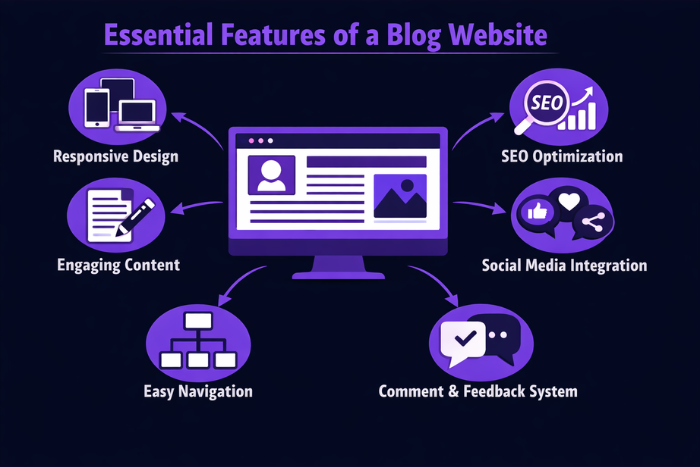
Essential Features of a Blog Website
Essential Features of a Blog Website Discover essential features of a blog website including navigation, SEO tools, content management, comments, and social sharing. Essential Features of a Blog Website Blog websites have become one of the most powerful tools for sharing information, building personal brands, and growing businesses online. Whether you are running a personal blog, a professional content platform, or a corporate blog, the structure and functionality of your website play a crucial role in attracting readers and maintaining engagement. Understanding the essential features of a blog website helps ensure that your blog is user-friendly, visually appealing, and optimized for search engines. A successful blog should provide easy navigation, organized content categories, social sharing capabilities, and responsive design so readers can access content from any device. Modern blog platforms also include advanced features such as comment systems, email subscription forms, content search functionality, and analytics tools. These features help bloggers connect with audiences, build communities, and measure content performance. By implementing the right features and technology, blog websites can deliver engaging content experiences, improve reader retention, and support long-term growth in the digital publishing landscape. Why the Essential Features of a Blog Website Are Important Blog websites are more than just collections of articles. They serve as platforms for communication, education, marketing, and community building. Implementing the essential features of a blog website offers several benefits: Improved user experience through organized content and intuitive navigation. Higher search engine rankings with SEO-friendly structures. Increased reader engagement through comments, social sharing, and subscriptions. Better content management for bloggers and publishers. Scalable platforms that support growing audiences. These features help ensure that blog websites remain accessible, engaging, and easy to maintain. Types of Blog Website Solutions and Their Key Features Blog websites can be developed for various purposes depending on the audience and content strategy. Personal BlogsPlatforms where individuals share personal experiences, stories, or opinions. Professional BlogsBlogs focused on industry insights, career advice, and professional expertise. Business and Corporate BlogsBlogs used by companies for marketing, product updates, and thought leadership. News and Magazine BlogsContent platforms publishing articles, news updates, and editorial content. Niche BlogsBlogs focused on specific topics such as travel, technology, health, or finance. Each type of blog requires different features to support its content strategy and audience engagement. Get Free Quotation Now..!! Key Features of a Blog Website A successful blog website must combine strong content management capabilities with features that enhance reader engagement and accessibility. User-Friendly NavigationClear navigation menus help readers easily explore categories and find articles. Content Management System (CMS)A CMS allows bloggers to create, edit, and publish content efficiently. Search FunctionalitySearch tools help readers quickly find relevant articles on the website. Category and Tag OrganizationStructured content organization improves readability and SEO performance. Responsive and Mobile-Friendly DesignBlog websites should be optimized for smartphones, tablets, and desktops. Commenting SystemAllowing readers to comment encourages discussion and community interaction. Email Subscription and Newsletter IntegrationSubscription features help bloggers build loyal audiences. Social Media Sharing IntegrationReaders should be able to share blog posts across social platforms. SEO Optimization ToolsBuilt-in SEO features help improve visibility on search engines. Security and Spam ProtectionProtection mechanisms prevent spam comments and malicious attacks. Blog Website Development Process Developing a blog website involves careful planning, design, and content management integration. Content Strategy and Audience ResearchIdentify the target audience and blog niche. Information Architecture PlanningDefine categories, navigation structures, and page layouts. UI/UX Design and Visual BrandingDesign visually appealing layouts that reflect the blog’s brand. CMS Development and IntegrationImplement a content management system for publishing and editing posts. SEO and Performance OptimizationOptimize website structure for search engine visibility. Testing and Quality AssuranceEnsure smooth navigation, responsive design, and fast page loading. Website Deployment and LaunchPublish the blog on secure hosting infrastructure. Content Updates and MaintenanceRegularly update content and monitor performance. Technology Stack for Blog Website Development Choosing the right technology stack ensures performance, flexibility, and scalability. Front-End: HTML5, CSS3, JavaScript, React.jsBack-End: Node.js, PHP, PythonContent Management Systems: WordPress, Ghost, DrupalDatabase: MySQL, PostgreSQL, MongoDBCloud Hosting: AWS, Google Cloud Platform, Microsoft AzureAnalytics Tools: Google Analytics, Search ConsoleSecurity: SSL encryption, spam filtering tools These technologies allow developers to build flexible and high-performing blog platforms. Cost Factors in Blog Website Development The cost of developing a blog website depends on several factors. Website design complexity CMS customization requirements Number of pages and features SEO optimization implementation Third-party integrations Hosting and domain costs Maintenance and content updates Basic blog websites can be developed with smaller budgets, while custom blogging platforms may require higher investments. Latest Trends in Blog Website Development Blog websites continue to evolve with modern digital publishing technologies. AI-powered content recommendations Voice search optimization for blog content Mobile-first blog design Interactive multimedia blog posts Personalized content experiences Integration with social media communities Advanced analytics for content performance Subscription-based blog models These trends help bloggers create engaging and future-ready content platforms. Why Choose Us for Blog Website Development Building a successful blog website requires expertise in content strategy, design, and technical development. Our team specializes in creating scalable blog platforms designed for performance and reader engagement. Here’s why clients choose our blog development services: Custom blog website design tailored to your brand SEO-optimized blog structures for higher search rankings Mobile-friendly responsive layouts Secure and scalable content management systems Advanced analytics and performance tracking tools User-friendly interfaces for content publishing Ongoing maintenance and technical support We help individuals and businesses build powerful blog platforms that attract readers and grow online communities. Ready to launch a professional blog website?Let’s build a content platform that engages readers and grows your audience.Contact us today for a free consultation and project estimate. Get Free Quotation Now..!! Key Points : User-friendly navigation helps readers easily browse blog posts, categories, and archives. Content management system (CMS) allows bloggers to create, edit, and publish posts efficiently. Category and tag organization improves content structure and helps users find related articles. SEO optimization tools help blog posts rank higher in search engines and attract more traffic. Comment and engagement features allow readers to interact and build

Must-Have Features of a Cryptocurrency Website
Must-Have Features of a Cryptocurrency Website Discover must-have features of a cryptocurrency website including secure wallets, trading tools, real-time price data, and user authentication. Must-Have Features of a Cryptocurrency Website Cryptocurrency platforms have rapidly become an essential part of the global digital finance ecosystem. From crypto exchanges and trading platforms to blockchain wallets and decentralized finance (DeFi) applications, cryptocurrency websites enable users to buy, sell, trade, and manage digital assets securely online. Understanding the must-have features of a cryptocurrency website is crucial for businesses planning to build secure and reliable crypto platforms. Users expect high levels of security, real-time trading capabilities, intuitive dashboards, and fast transaction processing when interacting with crypto websites. A modern cryptocurrency platform must support multiple digital currencies, provide secure wallet integration, and deliver a seamless user experience. In addition, features such as advanced trading tools, price tracking, liquidity management, and compliance with regulatory standards are critical for ensuring trust and reliability. By integrating robust security measures, user-friendly interfaces, and scalable infrastructure, businesses can create cryptocurrency websites that attract investors, facilitate smooth trading, and maintain secure blockchain transactions in a highly competitive digital finance market. Why the Must-Have Features of a Cryptocurrency Website Are Important The cryptocurrency industry operates in a fast-paced and highly competitive environment. Users rely on crypto platforms to execute transactions quickly while ensuring the safety of their digital assets. Implementing the right features provides several advantages: Secure digital asset management for users and investors. Reliable trading infrastructure for executing transactions efficiently. Real-time market insights for better trading decisions. Improved user trust and platform credibility. Scalable systems capable of handling high transaction volumes. Without these essential features, cryptocurrency platforms may struggle to gain user trust and maintain stable operations. Types of Cryptocurrency Platform Solutions Cryptocurrency websites can be designed for various use cases depending on the services offered. Cryptocurrency Exchange PlatformsPlatforms where users can buy, sell, and trade digital currencies. Crypto Wallet WebsitesPlatforms that allow users to store and manage digital assets securely. Decentralized Finance (DeFi) PlatformsWebsites offering blockchain-based financial services such as lending, staking, and yield farming. Crypto Payment Gateway WebsitesPlatforms that allow merchants to accept cryptocurrency payments. Blockchain Explorer PlatformsWebsites that allow users to track blockchain transactions and network data. Each type of platform requires specific functionality tailored to its purpose. Get Free Quotation Now..!! Key Features of a Cryptocurrency Website A successful cryptocurrency website must combine security, performance, and usability. Below are the most important features of a modern crypto platform. Secure User AuthenticationStrong authentication systems such as two-factor authentication (2FA) protect user accounts. Multi-Currency SupportPlatforms should support various cryptocurrencies including Bitcoin, Ethereum, and stablecoins. Integrated Crypto WalletsUsers should be able to store, send, and receive digital assets securely. Real-Time Market Data and Price TrackingLive price charts and trading statistics allow users to monitor market trends. Advanced Trading ToolsFeatures such as limit orders, stop-loss orders, and trading charts enhance trading experiences. Liquidity Management and Fast Trading EngineEfficient systems ensure smooth transactions even during high trading volumes. KYC and Regulatory ComplianceIdentity verification helps platforms comply with financial regulations. Transaction History and ReportingUsers should be able to track their trading activity and transaction records. Mobile-Friendly DesignResponsive layouts ensure seamless access across smartphones and tablets. Customer Support and Help Center24/7 support systems help users resolve issues quickly. Cryptocurrency Platform Development Process Developing a cryptocurrency website with essential features requires advanced technical planning and strong security implementation. Market Research and Business Model PlanningDefine the platform’s purpose and target users. Blockchain Architecture and Feature PlanningDesign wallet systems, trading engines, and smart contract integrations. UI/UX Design and User Experience PlanningCreate intuitive dashboards and easy navigation. Backend Development and Blockchain IntegrationImplement blockchain nodes, wallet systems, and APIs. Security Implementation and Compliance SetupIntegrate encryption, identity verification, and fraud prevention tools. Testing and Quality AssuranceConduct performance, security, and transaction testing. Platform Deployment and LaunchDeploy the platform on secure cloud infrastructure. Maintenance and Continuous UpdatesUpdate security protocols and add new features regularly. Technology Stack for Cryptocurrency Website Development A strong technology stack is essential for building secure and scalable cryptocurrency platforms. Front-End: React.js, Angular, Vue.jsBack-End: Node.js, Python, Go, RustBlockchain Platforms: Ethereum, Binance Smart Chain, SolanaDatabase: PostgreSQL, MongoDB, RedisCloud Infrastructure: AWS, Google Cloud Platform, Microsoft AzureSecurity Technologies: SSL encryption, multi-factor authentication, tokenizationTrading Tools: TradingView charts, WebSocket APIsAnalytics Tools: Google Analytics, Mixpanel These technologies support high-performance crypto platforms capable of handling global users. Cost Factors in Cryptocurrency Website Development The cost of developing a cryptocurrency website with important features depends on several technical and operational factors. Platform complexity and number of features Blockchain integration and smart contract development Security infrastructure implementation Liquidity management systems UI/UX design and trading interface development Regulatory compliance and KYC integration Cloud infrastructure and hosting Maintenance and security updates Basic crypto platforms require moderate budgets, while full-featured exchange platforms require larger investments. Latest Trends in Cryptocurrency Website Development The cryptocurrency industry continues to evolve with new technologies and financial innovations. Decentralized finance (DeFi) platforms NFT marketplace integration AI-powered trading analytics Blockchain interoperability solutions Layer-2 scaling technologies Cross-chain cryptocurrency transactions Mobile-first crypto platforms Enhanced security with biometric authentication These trends are shaping the future of blockchain-based digital finance platforms. Why Choose Us for Cryptocurrency Website Development Creating a secure cryptocurrency website with advanced features requires deep expertise in blockchain technology, cybersecurity, and financial systems. Our development team specializes in building powerful crypto platforms designed for performance and security. Here’s why businesses choose our services: Secure blockchain-based platform development Advanced trading and wallet integration systems Scalable infrastructure for high transaction volumes Regulatory compliance and KYC integration User-friendly trading dashboards and interfaces Advanced analytics and trading tools Continuous monitoring and platform maintenance We help businesses build cryptocurrency platforms that deliver secure digital transactions and attract global users. Ready to launch your cryptocurrency website or trading platform?Let’s build a secure blockchain-powered platform tailored to your business goals.Contact us today for a free consultation and project estimate. Get Free Quotation Now..!! Key Points : Strong security measures such as encryption, two-factor authentication (2FA), and secure wallets protect users’ digital assets. Multi-cryptocurrency support allows

