

Must-Have Features of a Concert Ticket Booking App Discover the must-have features of a concert ticket booking app including seat selection, secure payments, QR tickets, event discovery, and analytics. Must-Have Features of a Concert Ticket Booking App The live entertainment industry has experienced significant digital transformation in recent years, with mobile applications becoming the primary way audiences discover and purchase concert tickets. From music festivals and live band performances to large stadium tours, fans now expect a seamless and fast ticket booking experience through mobile apps. Understanding the must-have features of a concert ticket booking app is essential for event organizers, entertainment companies, and startups looking to build a successful ticketing platform. A well-designed concert ticket booking app allows users to explore upcoming concerts, check event details, select seats, and purchase tickets securely from their smartphones. It also provides organizers with tools to manage ticket inventory, track sales, promote events, and analyze audience behavior. Modern ticket booking applications include features such as event discovery, seat selection, secure payment gateways, digital tickets with QR codes, push notifications, and real-time analytics. These features improve the overall experience for both fans and event organizers while helping maximize ticket sales. Whether you are building a ticket booking app for concerts, music festivals, or multi-event entertainment platforms, integrating the right features ensures a reliable, scalable, and engaging digital ticketing experience. This guide explores the essential features, development process, technology stack, cost factors, and trends in concert ticket booking app development. Why Must-Have Features of a Concert Ticket Booking App Are Important The success of a ticket booking app depends heavily on its features and usability. Fans expect a smooth and secure ticket purchasing experience, while event organizers need powerful tools to manage events and maximize ticket sales. Here’s why including the must-have features of a concert ticket booking app is essential: Easy Ticket Purchasing ExperienceUsers can quickly discover concerts and purchase tickets within minutes. Efficient Event ManagementOrganizers can manage events, ticket categories, and seat availability through a centralized system. Secure Digital TransactionsIntegrated payment gateways ensure safe and reliable ticket purchases. Improved Fan EngagementNotifications, recommendations, and promotions keep fans informed about upcoming concerts. Real-Time Ticket TrackingEvent organizers can monitor ticket sales and attendance statistics. Scalable Entertainment PlatformsTicket booking apps can support thousands of users during popular event launches. With the right features, concert ticket booking apps can deliver seamless experiences and drive higher ticket sales. Types of Concert Ticketing App Solutions Concert ticketing apps can be designed for various entertainment business models depending on the platform’s goals. Single Event Organizer Apps Designed for companies or artists hosting their own concerts. Event listing and ticket sales Seat selection and booking Event promotion tools Multi-Event Ticketing Platforms Apps that allow users to browse and purchase tickets for multiple concerts and events. Event discovery features Category filters Personalized recommendations Music Festival Ticketing Apps Platforms designed specifically for multi-day music festivals. Multi-day pass tickets Stage schedules Artist lineup information Venue-Based Ticket Booking Apps Apps designed for specific venues such as stadiums or concert halls. Seat mapping Venue information Real-time seat availability Entertainment Marketplace Apps Platforms that combine concerts, shows, festivals, and other entertainment events. Event marketplace listings User ratings and reviews Personalized event suggestions Each type of solution requires different features depending on event scale and audience size. Get Free Quotation Now..!! Key Features of a Concert Ticket Booking App A successful ticket booking application must include both user-facing and administrative features to ensure efficient operations. User Registration and Profile ManagementUsers should be able to sign up quickly using email, phone numbers, or social login. Event Discovery and Search FiltersUsers can browse concerts by artist, location, date, genre, or popularity. Detailed Event PagesEach concert listing should include artist details, venue information, ticket pricing, and event schedules. Interactive Seat SelectionSeat mapping allows users to choose their preferred seats during ticket booking. Secure Payment Gateway IntegrationMultiple payment methods such as credit cards, digital wallets, and online banking should be supported. Digital Tickets with QR CodesTickets generated with QR or barcode codes allow fast check-in at the event venue. Booking History and Ticket ManagementUsers can view past bookings and download their tickets. Push Notifications and Event UpdatesNotifications inform users about ticket availability, event reminders, and promotional offers. Ratings and ReviewsUsers can rate events and share feedback after attending concerts. Admin Dashboard for Event ManagementOrganizers can manage events, track ticket sales, and analyze audience engagement. Promotional Tools and DiscountsFeatures such as early bird tickets, coupon codes, and referral programs help increase ticket sales. Real-Time Analytics and ReportsOrganizers can track sales performance, ticket demand, and audience demographics. These features ensure that the app provides a smooth experience for users while enabling efficient event management. Development Process for a Concert Ticket Booking App Building a concert ticket booking application requires a structured development approach. Requirement Analysis and Market ResearchIdentify target users, event types, and ticketing features. UI/UX Design and WireframingCreate intuitive app interfaces for easy ticket booking. Technology Stack SelectionChoose suitable frameworks, databases, and infrastructure. Frontend and Backend DevelopmentDevelop mobile interfaces, booking systems, and administrative dashboards. Integration of Payment and Ticketing SystemsImplement secure payment gateways and digital ticket generation. Testing and Quality AssuranceConduct usability testing, security testing, and performance optimization. Deployment and App Store LaunchLaunch the application on Android and iOS platforms. Maintenance and Feature UpdatesRegular updates improve security and introduce new features. This structured workflow ensures a reliable and scalable ticket booking platform. Technology Stack for Concert Ticketing App Development Modern concert ticket booking apps rely on powerful technologies to manage high traffic and secure transactions. Mobile App Development: Flutter, React Native, Kotlin, Swift Frontend Technologies: HTML5, CSS3, JavaScript, React Backend Technologies: Node.js, Python, Java, PHP Database Systems: MySQL, PostgreSQL, MongoDB Payment Gateways: Stripe, PayPal, Razorpay Cloud Platforms: AWS, Google Cloud Platform, Microsoft Azure DevOps Tools: Docker, Kubernetes, GitHub Actions Security Technologies: SSL encryption, OAuth authentication, secure API gateways These technologies ensure performance, scalability, and data security. Cost Factors in Concert Ticket Booking App Development The cost of building a concert ticket booking app

Features of a Good Event Ticketing Website
Features of a Good Event Ticketing Website Discover the features of a good event ticketing website including ticket sales, payment integration, attendee management, analytics, and event promotion tools. Features of a Good Event Ticketing Website Event ticketing websites have transformed how organizers manage events and sell tickets online. From concerts and conferences to workshops and festivals, digital ticketing platforms allow organizers to create events, sell tickets, manage attendees, and analyze event performance from a single platform. Understanding the features of a good event ticketing website is essential for businesses, event organizers, and startups looking to build efficient event management platforms. A well-designed event ticketing website simplifies the entire ticket sales process while providing attendees with a smooth and convenient booking experience. Users can browse events, select tickets, make secure payments, and receive digital confirmations instantly. For organizers, these platforms offer powerful tools to manage event listings, track ticket sales, promote events, and analyze audience engagement. Modern ticketing platforms include advanced capabilities such as customizable event pages, multiple ticket types, integrated payment gateways, automated communication, real-time analytics, and mobile-friendly check-in systems. These features help organizers maximize ticket sales while improving attendee satisfaction. Whether you are launching a ticketing platform for concerts, corporate events, exhibitions, or virtual conferences, implementing the right features ensures scalability, efficiency, and a seamless user experience. In this guide, we explore the essential features, development process, technology stack, cost factors, and latest trends in event ticketing website development. Why Features of a Good Event Ticketing Website Are Important A feature-rich event ticketing platform helps organizers manage complex event operations efficiently while providing a convenient experience for attendees. Here’s why implementing the features of a good event ticketing website is essential: Streamlined Ticket SalesOnline ticketing systems allow users to purchase tickets quickly and securely. Efficient Event ManagementOrganizers can create events, manage attendees, and track ticket sales in real time. Better Audience EngagementFeatures such as automated notifications, reminders, and promotions keep attendees informed. Secure Payment ProcessingIntegrated payment gateways ensure smooth and reliable transactions. Scalable Event PlatformsTicketing websites can support small events as well as large-scale festivals. Data-Driven Decision MakingAnalytics and reporting tools help organizers understand audience behavior and improve future events. With the right features, event ticketing websites become powerful platforms for both event organizers and attendees. Types of Online ticketing website Solutions Event ticketing platforms can be developed for different types of events depending on business requirements. Concert and Entertainment Ticketing Platforms Designed for music concerts, festivals, and live entertainment events. Multi-ticket categories VIP ticket options Seat selection features Conference and Seminar Ticketing Systems Used for corporate events, workshops, and professional conferences. Session-based ticketing Speaker and schedule management Registration forms Sports Event Ticketing Platforms Designed for stadium events and sports competitions. Seat mapping Ticket scanning and validation Event capacity management Virtual and Hybrid Event Platforms Suitable for online events and webinars. Online registration Video streaming integration Digital access tickets Multi-Event Ticketing Marketplaces Platforms where users can browse and purchase tickets for various events. Event discovery tools Category filters Personalized recommendations Each type of ticketing platform requires specific features depending on event type and audience size. Get Free Quotation Now..!! Key Features of a Good Event Ticketing Website To build a successful ticketing platform, several essential features must be included. Event Creation and ManagementOrganizers should be able to create events, set schedules, and manage event details easily. Customizable Event PagesEvent pages should allow customization with branding, images, descriptions, and ticket options. Multiple Ticket TypesPlatforms should support different ticket categories such as general admission, VIP passes, early bird tickets, and group tickets. Secure Payment Gateway IntegrationMultiple payment methods such as credit cards, digital wallets, and online banking should be supported. Attendee Registration and ManagementThe platform should capture attendee information and allow organizers to manage participant lists. QR Code or Barcode TicketingDigital tickets with QR codes simplify check-in processes at event venues. Promotional Tools and DiscountsCoupon codes, early bird discounts, and referral programs help increase ticket sales. Email Notifications and CommunicationAutomated emails can confirm bookings, send reminders, and share event updates. Analytics and Reporting DashboardReal-time reports provide insights into ticket sales, revenue, and attendee demographics. Mobile-Friendly InterfaceA responsive design ensures that attendees can book tickets easily from mobile devices. Refund and Cancellation ManagementFlexible policies allow organizers to process refunds and cancellations smoothly. These features ensure that the event ticketing website provides both convenience and powerful management capabilities. Development Process for an Event Ticketing Website Developing a ticketing platform requires a structured approach to ensure performance, security, and scalability. Requirement Analysis and PlanningIdentify the type of events, ticketing features, and business model. UI/UX Design and WireframingDesign intuitive user interfaces for attendees and organizers. Technology Stack SelectionChoose suitable frameworks, databases, and cloud infrastructure. Frontend and Backend DevelopmentDevelop event pages, ticket management systems, and administrative dashboards. Payment Gateway IntegrationIntegrate secure payment systems for ticket purchases. Testing and Quality AssurancePerform usability testing, security testing, and performance optimization. Deployment and LaunchLaunch the ticketing platform on reliable hosting infrastructure. Maintenance and UpdatesRegular updates ensure system security and improved features. This structured development process ensures a reliable and scalable event ticketing platform. Technology Stack for Online ticketing website Development Modern event ticketing platforms rely on advanced web technologies to handle high traffic and secure transactions. Frontend Technologies: HTML5, CSS3, JavaScript, React, Angular Backend Technologies: Node.js, Python, PHP, Laravel Database Systems: MySQL, PostgreSQL, MongoDB Payment Gateways: Stripe, PayPal, Razorpay Cloud Platforms: AWS, Google Cloud Platform, Microsoft Azure DevOps Tools: Docker, Kubernetes, GitHub Actions Security Technologies: SSL encryption, OAuth authentication, data protection systems A modern technology stack ensures reliability, performance, and scalability. Cost Factors in Event Ticketing Website Development The cost of building an event ticketing platform depends on several factors. Key cost considerations include: Number of features and ticketing modules Custom UI/UX design requirements Payment gateway integration Event promotion and marketing tools Cloud hosting and infrastructure Development team expertise and location Maintenance and support services Basic ticketing platforms require a moderate investment, while large event marketplaces with advanced analytics require larger budgets. Latest Trends in Event Ticketing Website Development
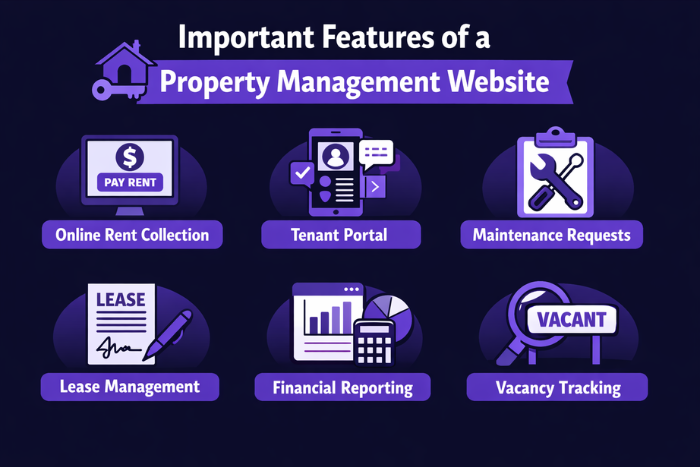
Important Features of a Property Management Website
Important Features of a Property Management Website Explore the important features of a property management website including tenant portals, rent payments, listings, maintenance tracking, and analytics. Important Features of a Property Management Website The real estate industry is increasingly moving toward digital platforms to manage properties, communicate with tenants, and streamline administrative tasks. A modern property management website acts as a centralized platform where property owners, tenants, and managers can interact efficiently. Understanding the important features of a property management website is essential for real estate companies, property managers, and housing associations looking to simplify operations and improve tenant experiences. Property management websites allow landlords and property managers to manage listings, collect rent payments, track maintenance requests, and monitor financial performance from a single dashboard. For tenants, these platforms provide convenient access to property information, online rent payment options, maintenance request forms, and communication tools. A well-designed property management platform also helps businesses showcase available properties, attract potential tenants, and maintain transparency in property operations. By integrating advanced features such as automated billing, tenant portals, reporting tools, and cloud-based accessibility, property managers can significantly improve operational efficiency. Whether you manage residential apartments, commercial buildings, vacation rentals, or multi-property portfolios, implementing the right features ensures a smooth management process and a better user experience. In this guide, we explore the key features, development process, technology stack, cost considerations, and latest trends in property management website development. Why Important Features of a Property Management Website Are Necessary A feature-rich property management website helps automate complex real estate operations while improving communication between tenants and property managers. Here’s why implementing the important features of a property management website is essential: Simplified Property ManagementManagers can track tenants, leases, payments, and maintenance requests through a centralized system. Improved Tenant ExperienceOnline portals provide tenants with easy access to rent payments, maintenance requests, and communication tools. Efficient Financial ManagementAutomated billing and reporting tools help track rental income, expenses, and financial performance. Better Property MarketingProperty listings and availability updates help attract potential tenants and investors. Enhanced CommunicationBuilt-in messaging systems keep tenants, owners, and managers connected. Scalable Real Estate OperationsDigital property management systems allow businesses to manage multiple properties efficiently. With the right features, property management websites can improve productivity while providing transparency for all stakeholders. Types of Property Management Platform Solutions Property management platforms can be designed for different real estate business models depending on operational requirements. Residential Property Management Platforms Designed for managing apartments, rental homes, and housing communities. Tenant management Lease tracking Rent collection Commercial Property Management Systems Used for managing office buildings, retail spaces, and commercial real estate. Lease agreements Tenant contracts Financial reporting Vacation Rental Management Platforms These platforms manage short-term rental properties. Online booking systems Availability calendars Guest management Real Estate Listing and Management Websites Platforms designed to display available properties and manage tenants. Property listings Inquiry management Lead generation tools Multi-Property Management Platforms Suitable for property management companies handling multiple buildings or complexes. Centralized dashboards Portfolio management Reporting tools Each solution requires specific features depending on property type and management scale. Get Free Quotation Now..!! Key Features of a Property Management Website To effectively manage real estate operations, property management websites must include several essential functionalities. Tenant and Lease ManagementThe platform should allow property managers to track tenant details, lease agreements, rental terms, and contract renewals. Online Rent Collection and BillingTenants should be able to pay rent online through secure payment gateways, reducing delays and manual work. Property Listings and Vacancy ManagementProperty managers can display available units, update vacancy status, and manage rental applications. Maintenance Request ManagementTenants should be able to submit maintenance requests, which managers can track and assign to service providers. Financial Reporting and AccountingReal-time financial reports help track income, expenses, and property performance. Document Management SystemImportant documents such as lease agreements, contracts, and legal forms can be securely stored and accessed. Communication and NotificationsBuilt-in messaging systems allow property managers to communicate with tenants and send reminders for rent payments or maintenance updates. Role-Based Access ControlDifferent users such as managers, tenants, and property owners can access specific sections of the platform. Mobile-Friendly and Cloud-Based AccessCloud-based platforms allow property managers to access the system from anywhere. Analytics and Performance DashboardDashboards provide insights into property occupancy, financial performance, and tenant activity. These features create a comprehensive property management platform that improves efficiency and tenant satisfaction. Development Process for a Property Administration Website Building a property management website requires a structured development process to ensure functionality and scalability. Requirement Analysis and PlanningIdentify business needs, property types, and essential features. UI/UX Design and WireframingCreate intuitive interfaces for property managers, tenants, and administrators. Technology Stack SelectionChoose frameworks, databases, and cloud infrastructure. Frontend and Backend DevelopmentDevelop the user interface, dashboards, and backend management systems. Feature IntegrationImplement tenant portals, payment systems, reporting tools, and communication modules. Testing and Quality AssuranceConduct security testing, usability testing, and performance optimization. Deployment and LaunchLaunch the website on secure hosting platforms. Maintenance and UpdatesContinuous updates ensure the platform remains secure and functional. Following a structured development process ensures a reliable and scalable property management platform. Technology Stack for Property Management Website Development Modern property management platforms rely on robust technologies for performance and security. Frontend Technologies: HTML5, CSS3, JavaScript, React, Angular Backend Technologies: Node.js, Python, PHP, Laravel Database Systems: MySQL, PostgreSQL, MongoDB Cloud Platforms: AWS, Google Cloud Platform, Microsoft Azure Payment Gateways: Stripe, PayPal, Razorpay DevOps Tools: Docker, Kubernetes, GitHub Actions Security Technologies: SSL encryption, OAuth authentication, firewall protection Using a modern technology stack ensures scalability, reliability, and secure data handling. Cost Factors in Property Management Website Development The cost of building a property management website depends on multiple technical and operational factors. Key cost considerations include: Number of properties and management modules Custom design and UI/UX requirements Payment gateway and third-party integrations Cloud infrastructure and hosting Security and compliance requirements Development team size and location Maintenance and support services Basic property management platforms require smaller investments, while advanced systems with automation and analytics require larger budgets. Latest Trends in Property

Features of a Successful Hotel Management Software
Features of a Successful Hotel Management Software Discover the features of a successful hotel management software including reservations, billing, housekeeping, analytics, and guest management. Features of a Successful Hotel Management Software The hospitality industry is increasingly adopting digital solutions to streamline operations, improve guest experiences, and manage hotel resources efficiently. One of the most powerful tools for modern hotels is a hotel management software system, which centralizes multiple operational processes into a single platform. Understanding the features of a successful hotel management software is essential for hotel owners, hospitality startups, and property managers who want to optimize their daily operations and deliver exceptional guest services. Hotel management software helps automate essential tasks such as reservations, guest check-in and check-out, billing, housekeeping management, and reporting. By replacing manual processes with automated systems, hotels can reduce operational errors, save time, and improve overall efficiency. Additionally, such systems allow hotels to manage bookings across multiple channels while providing real-time insights into occupancy rates, revenue, and guest behavior. Modern hotel management platforms integrate advanced features such as cloud-based management, mobile accessibility, payment gateways, and customer relationship management tools. These features enable hotels to provide seamless experiences for guests while maintaining full control over operations. Whether you operate a small boutique hotel, a resort, or a large hotel chain, implementing the right software features can significantly enhance efficiency and profitability. In this guide, we’ll explore the key features, development process, technology stack, cost factors, and latest trends in hotel management software development. Why Features of a Successful Hotel Management Software Are Important A well-designed hotel management software system acts as the central control hub for hotel operations. The right features ensure smooth coordination between different departments and improve service quality. Here’s why implementing the features of a successful hotel management software is important: Streamlined Hotel OperationsAutomation of tasks such as reservations, billing, and room assignments reduces manual work. Improved Guest ExperienceFaster check-ins, personalized services, and efficient communication enhance customer satisfaction. Better Revenue ManagementHotels can monitor bookings, occupancy rates, and pricing strategies in real time. Efficient Staff CoordinationDepartments such as housekeeping, front desk, and maintenance can collaborate effectively. Centralized Data ManagementAll hotel operations are managed through a single platform for better visibility and control. Business ScalabilityHotel software systems allow properties to expand operations across multiple locations. By implementing robust software features, hotels can improve operational efficiency and maintain a competitive advantage in the hospitality market. Types of Hotel operations software Solutions Hotel management systems can be designed for different operational models depending on the size and requirements of the property. Property Management Systems (PMS) These systems handle core hotel operations. Reservation management Front desk operations Guest check-in and check-out Hotel Booking Management Systems Designed to manage online reservations and bookings. Booking calendar management Channel manager integration Online travel agency (OTA) connectivity Hotel CRM Systems Focused on managing guest relationships and personalized services. Guest profiles and preferences Loyalty programs Customer communication tools Hotel Revenue Management Systems Used to optimize pricing and maximize profitability. Dynamic room pricing Demand forecasting Occupancy analytics Cloud-Based Hotel Management Platforms Modern systems accessible through web and mobile devices. Remote access Real-time updates Multi-property management Each type of solution serves different operational needs while sharing many core functionalities. Get Free Quotation Now..!! Key Features of a Successful Hotel Management Software To operate efficiently, a hotel management system must include several core and advanced features. Reservation and Booking ManagementThe software should allow hotels to manage room reservations, availability, and booking schedules across multiple platforms. Front Desk and Check-In/Check-Out SystemReception staff should be able to process guest arrivals and departures quickly while managing room assignments. Billing and Payment ProcessingIntegrated payment systems enable hotels to generate invoices and process payments securely. Housekeeping ManagementHousekeeping teams can track room cleaning schedules and maintenance requirements. Guest Management and CRMGuest profiles store preferences, stay history, and contact information to deliver personalized services. Channel Management IntegrationHotels can manage bookings from multiple travel platforms such as OTAs through a single interface. Revenue and Rate ManagementDynamic pricing tools help hotels adjust room rates based on demand, season, and occupancy levels. Reports and AnalyticsDetailed reports provide insights into revenue, occupancy rates, booking trends, and operational performance. Inventory and Resource ManagementHotels can manage room inventory, amenities, and service resources efficiently. Mobile AccessibilityMobile apps or responsive dashboards allow managers to monitor operations remotely. Security and Access ControlRole-based permissions ensure that only authorized staff can access sensitive information. These features create a comprehensive system that helps hotels manage operations smoothly while improving guest satisfaction. Development Process for Hotel operations software Developing hotel management software requires a structured development process to ensure reliability and scalability. Requirement Analysis and PlanningIdentify operational needs, software modules, and integration requirements. UI/UX Design and System ArchitectureDesign intuitive dashboards for administrators, staff, and management teams. Technology Stack SelectionChoose appropriate programming languages, frameworks, and cloud infrastructure. Frontend and Backend DevelopmentDevelop the software interface, database systems, and backend functionalities. Integration with Third-Party SystemsIntegrate payment gateways, booking channels, and communication tools. Testing and Quality AssuranceConduct performance, security, and usability testing. Deployment and ImplementationLaunch the software within the hotel infrastructure or cloud environment. Maintenance and UpdatesRegular updates ensure system stability and add new features over time. Following a structured development process ensures reliable and scalable hotel management solutions. Technology Stack for Hotel Management Software Development Modern hotel management software relies on advanced technologies to deliver efficiency, scalability, and security. Frontend Technologies: HTML5, CSS3, JavaScript, React, Angular Backend Technologies: Node.js, Python, PHP, Java Database Systems: MySQL, PostgreSQL, MongoDB Cloud Platforms: AWS, Google Cloud Platform, Microsoft Azure Payment Integrations: Stripe, PayPal, Razorpay API Integrations: OTA integrations, booking APIs, communication APIs DevOps Tools: Docker, Kubernetes, GitHub Actions Security Technologies: SSL encryption, OAuth authentication, access control systems Using modern technologies ensures the software performs reliably and scales as the business grows. Cost Factors in Hotel Management Software Development The cost of developing hotel management software varies depending on several factors. Key cost considerations include: Number of features and software modules Custom UI/UX design complexity Third-party integrations such as OTA and payment systems

Key Features of a Travel Guide Website
Key Features of a Travel Guide Website Discover the key features of a travel guide website including destination search, maps, booking tools, reviews, and mobile-friendly design. Key Features of a Travel Guide Website The travel industry has experienced a major digital transformation over the past decade. Travelers now rely heavily on online platforms to research destinations, plan itineraries, compare travel options, and book their trips. A well-designed travel guide website acts as a central hub where users can explore destinations, find travel tips, view attractions, and access useful resources for planning their journeys. Understanding the key features of a travel guide website is essential for businesses, tourism agencies, bloggers, and travel startups that want to build an engaging and informative travel platform. A modern travel guide website does much more than display destination information. It provides interactive maps, personalized recommendations, travel itineraries, booking integrations, and real-time travel insights. These features help users make informed decisions while enhancing the overall travel planning experience. For travel businesses, such platforms also serve as powerful marketing tools that attract visitors, build brand authority, and generate revenue through bookings, partnerships, and advertising. Whether you are building a tourism portal, travel blog, destination guide platform, or a complete travel planning website, integrating the right features ensures better user engagement and higher conversions. In this guide, we’ll explore the essential features, development process, technology stack, costs, and latest trends in travel guide website development. Why Key Features of a Travel Guide Website Are Important A travel guide website must offer more than basic information to stand out in the competitive tourism industry. The right features help create an immersive experience for users while improving engagement and conversions. Here’s why implementing the key features of a travel guide website is important: Enhanced Travel Planning ExperienceVisitors can easily explore destinations, attractions, accommodations, and travel routes. Improved User EngagementInteractive elements such as maps, itineraries, and travel recommendations encourage users to spend more time on the site. Better Decision-Making for TravelersAccess to detailed destination guides, reviews, and travel tips helps travelers plan trips efficiently. Revenue OpportunitiesTravel guide websites can generate income through bookings, affiliate programs, sponsored listings, and advertisements. Stronger Brand AuthorityHigh-quality travel content builds credibility and positions your platform as a trusted travel resource. Scalable Tourism PlatformsWell-structured travel websites can expand to include new destinations, services, and booking options. By incorporating essential features, travel guide websites can provide both informational value and business growth opportunities. Types of Tourism guide website Solutions Travel guide platforms can be built for different purposes depending on the target audience and business goals. Destination Guide Websites These platforms focus on providing detailed information about travel destinations. Destination highlights and attractions Local culture and travel tips Best time to visit information Travel Blog and Content Platforms Designed for sharing travel experiences, guides, and storytelling. Travel articles and guides Photography and video content Community engagement features Tourism and City Guide Portals Developed for tourism boards and local organizations. Local attractions and events Restaurant and hotel recommendations Interactive travel maps Travel Planning and Itinerary Websites These platforms help travelers plan trips efficiently. Custom itinerary builder Travel recommendations Activity scheduling tools Travel Booking and Guide Platforms These websites combine travel guides with booking services. Flight and hotel bookings Tour and activity reservations Travel package comparisons Each type of solution may emphasize different features, but the core objective remains providing valuable travel information and planning tools. Get Free Quotation Now..!! Key Features of a Travel Guide Website To create a successful travel guide platform, several essential features should be integrated to enhance user experience and functionality. Destination Search and FilteringUsers should be able to search destinations based on location, interests, activities, or travel preferences. Detailed Destination PagesEach destination should include attractions, travel tips, local culture, transportation information, and best travel seasons. Interactive Maps and Location ServicesMap integrations allow travelers to visualize destinations, nearby attractions, and travel routes. High-Quality Images and VideosVisual content plays a major role in inspiring travelers and showcasing destinations effectively. Travel Itinerary PlannerUsers can create custom travel plans by selecting attractions, activities, and schedules. User Reviews and RatingsReviews from travelers provide credibility and help users make informed decisions. Booking IntegrationTravel websites can integrate booking systems for hotels, flights, tours, or local activities. Mobile-Friendly DesignA responsive design ensures that the website works smoothly across mobile devices and tablets. Multilingual and Multi-Currency SupportInternational travelers benefit from language and currency options. Travel Tips and GuidesProviding helpful travel advice such as visa requirements, safety tips, and transportation details adds value. Social Media IntegrationUsers can share travel experiences, reviews, and destinations across social platforms. Admin Dashboard and Content ManagementAdministrators should have tools to update destinations, manage content, and analyze visitor behavior. These features create a user-friendly travel guide platform that attracts visitors and encourages exploration. Development Process for a Travel information website Developing a travel guide website involves a structured process that ensures usability, scalability, and performance. Requirement Analysis and PlanningIdentify the target audience, type of travel platform, and required features. UI/UX Design and WireframingCreate visually appealing layouts that make navigation easy for users. Technology Selection and Architecture DesignChoose the appropriate frameworks, CMS, and backend infrastructure. Frontend and Backend DevelopmentBuild the user interface, content management system, and database architecture. Integration of Key FeaturesImplement search tools, map integrations, booking systems, and content modules. Testing and Quality AssuranceConduct usability, security, and performance testing. Website Deployment and LaunchLaunch the platform on a reliable hosting infrastructure. Maintenance and UpdatesContinuously update content, improve features, and optimize performance. Following a structured development process ensures that the travel guide website meets modern user expectations. Technology Stack for Travel Guide Website Development Travel guide platforms rely on modern web technologies and cloud infrastructure to deliver high performance and scalability. Frontend Technologies: HTML5, CSS3, JavaScript, React, Vue.js Backend Technologies: Node.js, Python, PHP, Laravel Content Management Systems: WordPress, Strapi, Contentful Databases: MySQL, PostgreSQL, MongoDB Maps and Location Services: Google Maps API, Mapbox Cloud Platforms: AWS, Google Cloud Platform, Microsoft Azure Payment Gateways: Stripe, PayPal, Razorpay DevOps Tools: Docker, Kubernetes, GitHub Actions

Essential Features of a Taxi Booking App
Essential Features of a Taxi Booking App Explore the essential features of a taxi booking app including GPS tracking, ride booking, payments, driver management, and admin dashboards. Essential Features of a Taxi Booking App Taxi booking applications have transformed the transportation industry by offering convenient, fast, and reliable ride-hailing services through mobile platforms. Businesses worldwide are adopting digital taxi solutions to improve customer experience, optimize fleet operations, and expand their reach. Understanding the essential features of a taxi booking app is crucial for companies looking to build a competitive ride-hailing platform similar to modern services like ride-sharing and on-demand transportation apps. A well-developed taxi booking application connects passengers with drivers through an intuitive interface that enables users to request rides, track drivers in real time, estimate fares, and make secure payments. For businesses, these apps provide tools for managing drivers, monitoring rides, analyzing performance metrics, and ensuring efficient service delivery. Modern taxi booking apps typically include three major components: the passenger application, driver application, and admin dashboard. Each component plays a vital role in maintaining a smooth ecosystem that ensures convenience for riders and efficiency for operators. Whether you are launching a startup ride-hailing platform, expanding an existing taxi service, or building a large-scale transportation network, implementing the right features is critical for success. In this guide, we’ll explore the essential taxi booking app features, development process, technology stack, cost considerations, and emerging industry trends. Why Essential Features of a Taxi Booking App Are Important Including the right features in a taxi booking application directly influences the efficiency of the service and the satisfaction of both passengers and drivers. A feature-rich platform ensures smooth operations while improving customer retention. Here’s why integrating the essential features of a taxi booking app is important: Convenient Ride BookingUsers can quickly book rides anytime using a mobile device. Real-Time Tracking and NavigationGPS integration allows passengers and drivers to track routes and locations accurately. Efficient Fleet ManagementOperators can monitor driver activity, ride requests, and service availability in real time. Secure Payment ProcessingDigital payment systems simplify transactions and provide transparency. Improved Customer ExperienceFeatures such as fare estimates, ride history, and notifications enhance usability. Scalable Transportation ServicesTaxi apps allow businesses to expand across cities while managing operations from a centralized dashboard. A taxi booking platform equipped with these capabilities helps businesses operate more efficiently while delivering reliable transportation services. Types of On-demand taxi app Solutions Taxi booking platforms can be designed for different transportation business models depending on operational goals. On-Demand Ride-Hailing Apps These apps connect passengers with nearby drivers for immediate ride requests. Real-time ride requests Automatic driver matching GPS navigation and tracking Taxi Dispatch Applications Designed for traditional taxi companies to manage driver assignments and bookings digitally. Dispatch management system Driver allocation tools Fleet monitoring Corporate Taxi Booking Platforms These apps help companies manage transportation for employees or clients. Scheduled ride management Corporate billing systems Travel reporting tools Carpooling and Ride-Sharing Platforms These apps allow multiple passengers traveling in the same direction to share rides. Shared ride matching Route optimization Reduced travel costs Airport Transfer and Scheduled Ride Apps Designed for scheduled bookings and pre-arranged rides. Advance ride scheduling Fixed pricing systems Driver assignment automation Each model requires specific features but shares the core functionality of ride booking, driver management, and payment integration. Get Free Quotation Now..!! Key Features of a Taxi Booking App To build a successful taxi booking platform, both passenger-facing and administrative features must be implemented. User Registration and Profile ManagementPassengers and drivers should be able to create accounts quickly using email, phone numbers, or social login. Ride Booking SystemUsers can request rides by selecting pickup and drop-off locations through a map-based interface. Real-Time GPS TrackingPassengers can track the driver’s location and estimated arrival time in real time. Fare EstimationThe application provides fare estimates based on distance, time, and demand. Multiple Payment OptionsSecure payment methods such as credit cards, digital wallets, and in-app payments allow seamless transactions. Ride SchedulingPassengers can schedule rides in advance for planned trips. Push NotificationsNotifications inform users about ride confirmations, driver arrivals, and trip updates. Driver Management SystemAdministrators can manage driver profiles, documents, ratings, and availability. Trip History and InvoicesUsers can view past rides, receipts, and payment history. Ratings and ReviewsPassengers and drivers can rate each other to maintain service quality. Admin Dashboard and AnalyticsThe admin panel provides insights into rides, revenue, driver performance, and customer activity. These essential features ensure that the taxi booking app functions smoothly while providing value to both customers and service providers. Development Process for a Taxi Reservation App Building a reliable taxi booking application requires a structured development process that ensures performance and scalability. Market Research and Requirement AnalysisIdentify the target audience, service area, and business model. UI/UX Design and WireframingDesign intuitive user interfaces for passengers, drivers, and administrators. Technology Stack SelectionChoose the most suitable frameworks, programming languages, and cloud infrastructure. Frontend and Backend DevelopmentDevelop the mobile application interfaces and backend systems. Integration of Core FeaturesImplement GPS tracking, ride booking systems, payment gateways, and driver management tools. Testing and Quality AssuranceConduct usability testing, performance testing, and security checks. Deployment and App Store LaunchPublish the application on mobile platforms such as Android and iOS. Maintenance and Continuous ImprovementsRegular updates ensure the platform remains secure, scalable, and competitive. This development workflow ensures a high-performing taxi booking application that meets modern mobility demands. Technology Stack for Taxi Booking App Development Modern taxi booking applications rely on a combination of mobile development frameworks, cloud infrastructure, and location services. Mobile Development Technologies: Kotlin, Swift, Flutter, React Native Frontend Technologies: HTML5, CSS3, JavaScript, TypeScript Backend Technologies: Node.js, Python, Java, PHP Databases: PostgreSQL, MySQL, MongoDB, Firebase Location and Mapping Services: Google Maps API, Mapbox Payment Gateways: Stripe, PayPal, Razorpay Cloud Infrastructure: AWS, Google Cloud Platform, Microsoft Azure DevOps Tools: Docker, Kubernetes, GitHub Actions, Jenkins Security Technologies: OAuth 2.0, JWT authentication, SSL encryption Using modern technologies ensures reliable performance, scalability, and security. Cost Factors in Taxi Booking App Development The cost of building a taxi booking app varies depending
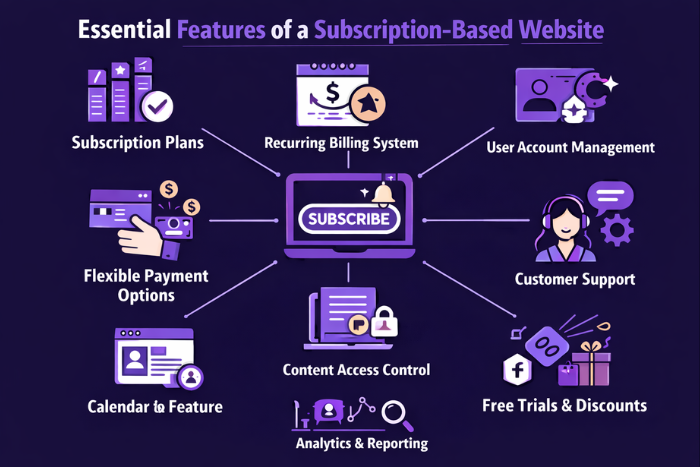
Essential Features of a Subscription-Based Website
Essential Features of a Subscription-Based Website Explore the essential features of a subscription-based website including billing automation, user management, content access control, and analytics. Essential Features of a Subscription-Based Website Subscription-based websites have become one of the most successful online business models in recent years. From streaming platforms and online learning portals to SaaS products and digital content hubs, subscription websites allow businesses to generate predictable recurring revenue while delivering continuous value to their users. To build a successful platform, it is crucial to understand the essential features of a subscription-based website. A subscription website allows users to access products, services, or exclusive content in exchange for recurring payments—usually monthly or annually. However, running a subscription-based platform requires more than just payment processing. It involves subscription management, user access control, automated billing, customer engagement tools, and data analytics. Modern subscription platforms integrate advanced technologies such as CRM systems, payment automation, AI-driven recommendations, and retention analytics. These tools help businesses manage subscribers effectively, reduce churn, and improve customer lifetime value. Whether you are launching a subscription content platform, SaaS application, online course website, or subscription eCommerce store, implementing the right features ensures scalability, smooth user experience, and sustainable growth. Why Essential Features of a Subscription-Based Website Are Important Subscription-based platforms rely on recurring relationships with customers. Without proper infrastructure and features, managing subscriptions, payments, and user engagement becomes difficult. Here are key reasons why essential features of a subscription-based website are important: Predictable Recurring Revenue Subscription models provide stable and predictable income streams. Automated Subscription Management Automated billing and renewal systems reduce manual administrative work. Improved Customer Retention Engagement tools help businesses maintain long-term relationships with subscribers. Access Control and Content Protection Only paying subscribers can access premium content or services. Scalable Business Model Subscription platforms can grow rapidly with automated processes and cloud infrastructure. Data-Driven Decision Making Analytics tools provide insights into subscriber behavior and engagement patterns. These benefits make subscription-based websites an ideal solution for businesses looking to build sustainable digital revenue streams. Types of Subscription-Based Website Solutions Subscription platforms can support a wide variety of business models and digital services. Content Subscription Platforms Websites offering premium articles, videos, podcasts, or digital content for paying subscribers. Software as a Service (SaaS) Platforms Cloud-based software applications that users access through monthly or yearly subscriptions. Online Learning Subscription Websites Educational platforms offering courses, training materials, and learning resources to members. Subscription eCommerce Websites Online stores delivering products on a recurring schedule such as monthly subscription boxes. Community-Based Subscription Platforms Websites providing exclusive access to communities, events, or professional networks. Each subscription model requires specialized features for billing, content delivery, and subscriber management. Get Free Quotation Now..!! Key Features of a Subscription-Based Website A successful subscription website must include several features that ensure smooth operations and excellent user experiences. User Registration and Account Management Secure registration and login systems allow users to create accounts and manage subscriptions. Subscription Plan Management Businesses can create multiple subscription tiers with different pricing levels and features. Automated Billing and Payment Processing Recurring payment systems ensure subscribers are billed automatically at defined intervals. Content Access Control Role-based access control restricts premium content to active subscribers. Subscriber Dashboard Personalized dashboards allow users to manage billing details, subscriptions, and account settings. Trial Period and Freemium Options Free trials and freemium models help attract new subscribers. Customer Notifications and Email Automation Automated emails notify users about renewals, billing updates, and subscription status. Analytics and Subscriber Insights Data analytics tools track subscriber behavior, engagement, and churn rates. Content Management System Administrators can easily upload and manage digital content or services. Payment Gateway Integration Secure payment integrations support credit cards, digital wallets, and other payment methods. Security and Data Protection Encryption and authentication systems protect user data and transactions. Mobile-Friendly Design Responsive design ensures users can access subscription content from any device. These features create a reliable subscription platform that supports both user satisfaction and business growth. Development Process for a Subscription-Based Website Building a subscription-based website requires careful planning and integration of multiple systems. Business Model and Requirement Analysis Define subscription plans, pricing models, and target audience. Platform Architecture Design Design scalable systems for subscription management, billing automation, and user access control. UI/UX Design Create intuitive interfaces for subscribers and administrators. Backend and Frontend Development Implement features such as payment processing, content management, and subscriber dashboards. Payment Gateway Integration Integrate recurring billing systems for subscription payments. CRM and Marketing Automation Integration Connect the platform with email marketing and customer management tools. Testing and Quality Assurance Perform security testing, payment testing, and performance optimization. Deployment and Continuous Optimization Launch the website and continuously improve based on user analytics and feedback. This process ensures the platform remains secure, scalable, and user-friendly. Technology Stack Developing a subscription platform requires reliable and scalable technologies. Frontend Technologies: React.js, Angular, Vue.js, Next.js Backend Technologies: Node.js, Python, PHP, Java Content Management Systems: WordPress, Drupal, custom CMS Databases: PostgreSQL, MySQL, MongoDB Payment Gateways: Stripe, PayPal, Razorpay CRM Tools: HubSpot, Salesforce, Zoho CRM Cloud Platforms: AWS, Google Cloud Platform, Microsoft Azure Security Technologies: SSL encryption, OAuth authentication, role-based access control DevOps Tools: Docker, Kubernetes, CI/CD pipelines These technologies support secure payment systems, scalable infrastructure, and efficient subscription management. Cost Factors in Subscription-Based Website Development The cost of building a subscription website varies depending on complexity and features. Key cost factors include: Subscription billing system development Payment gateway integration Membership and access control features Content management systems CRM and marketing automation integration Security and compliance requirements Custom UI/UX design Hosting infrastructure and scalability Maintenance and support services Businesses should consider both development and long-term operational costs when planning subscription platforms. Latest Trends in Subscription-Based Website Development Subscription platforms are evolving rapidly with new technologies improving user engagement and retention. Key trends include: AI-powered personalization for customized subscriber experiences Flexible subscription pricing models such as usage-based billing Mobile-first subscription platforms optimized for smartphone users Integrated learning management systems for subscription education platforms Automated churn prediction systems using analytics and AI Bundled

Features of a Good Car Rental Website
Features of a Good Car Rental Website Discover the features of a good car rental website including booking systems, fleet listings, payments, and real-time availability. Features of a Good Car Rental Website The transportation and mobility industry has rapidly moved toward digital platforms, making car rental websites essential for modern vehicle rental businesses. Today’s customers expect to browse available vehicles, compare prices, and book rentals online quickly and securely. A well-designed website allows car rental companies to manage their fleet, handle reservations efficiently, and deliver a seamless experience to customers. Understanding the features of a good car rental website is crucial for building a platform that attracts customers and simplifies vehicle booking processes. Modern car rental websites go beyond simple vehicle listings—they include advanced booking systems, real-time vehicle availability, secure payment gateways, and automated fleet management tools. A high-performing car rental website also integrates features such as location-based search, customer reviews, dynamic pricing, and analytics dashboards. These tools help businesses improve operational efficiency while enhancing the user experience. Whether you operate a local car hire company, an airport rental service, or a large vehicle leasing platform, implementing the right features ensures your website remains competitive and scalable. This guide explores the essential components every successful car rental website should include. Why Features of a Good Car Rental Website Are Important A car rental website must provide a fast and convenient booking experience for customers. Without the right features, users may struggle to find available vehicles or complete reservations easily. Implementing the features of a good car rental website offers several advantages: Simplified vehicle booking processes for customers Better fleet management through automated scheduling and availability tracking Improved customer experience with real-time updates and online payments Higher booking conversions through user-friendly interfaces Stronger online presence through SEO-optimized vehicle listings A well-structured car rental platform allows customers to browse vehicles, check availability, compare rental options, and complete bookings within minutes. For rental companies, these platforms reduce manual operations, streamline fleet management, and improve overall efficiency. Types of Car Rental Website Solutions Car rental platforms can serve different transportation businesses depending on their services and target customers. Common types include: Local Car Rental WebsitesPlatforms designed for local vehicle rental companies offering short-term rentals. Airport Car Rental PlatformsWebsites specializing in airport pick-up and drop-off services. Luxury Car Rental WebsitesPlatforms offering high-end vehicles for premium customers and special occasions. Long-Term Car Leasing PlatformsWebsites focused on monthly or yearly vehicle leasing options. Peer-to-Peer Car Rental PlatformsMarketplaces where car owners can rent their vehicles to others. Corporate Fleet Rental PlatformsPlatforms designed for businesses that require fleet rental services. Travel and Tourism Car Rental PlatformsWebsites integrated with travel booking systems to offer rental vehicles for tourists. Each platform requires customized features to manage bookings, fleet inventory, and customer communication. Get Free Quotation Now..!! Key Features of a Good Car Rental Website A successful car rental website must provide features that simplify vehicle booking and fleet management. Important features of a good car rental website include: Vehicle Inventory and ListingsThe platform should display available vehicles with images, specifications, and pricing. Online Booking SystemCustomers must be able to select rental dates, choose vehicles, and confirm reservations online. Real-Time Vehicle AvailabilityThe system should update availability instantly to avoid double bookings. Advanced Search and FiltersUsers should be able to search vehicles by category, price, fuel type, seating capacity, and location. Secure Online Payment GatewayIntegration with payment systems ensures safe transactions. Customer Reviews and RatingsUser feedback builds trust and helps new customers choose rental services. User Registration and ProfilesCustomers can create accounts to manage bookings and rental history. Fleet Management DashboardAdmin tools help rental companies track vehicle availability, maintenance schedules, and reservations. Location-Based BookingIntegration with maps allows customers to select pickup and drop-off locations. Automated Booking NotificationsEmail or SMS alerts confirm reservations and provide reminders. Dynamic Pricing ManagementRental rates can automatically adjust based on demand and seasonality. SEO-Optimized Vehicle PagesIndividual vehicle pages help attract organic search traffic. These features ensure both customers and administrators can manage rentals efficiently. Development Process Developing a reliable car rental website requires a structured development process. Requirement Analysis and Market ResearchUnderstanding the rental business model, fleet size, and customer requirements. Information Architecture PlanningDesigning vehicle categories, booking workflows, and navigation structures. UI/UX DesignCreating intuitive layouts for browsing vehicles and completing bookings. Backend DevelopmentBuilding booking systems, payment integrations, and fleet management modules. Feature IntegrationImplementing search filters, notifications, maps, and customer dashboards. Testing and Quality AssuranceConducting performance tests, security checks, and usability testing. Deployment and MaintenanceLaunching the platform with scalable infrastructure and ongoing updates. This process ensures the platform remains secure, efficient, and user-friendly. Technology Stack Modern car rental websites use reliable technologies to manage bookings and fleet operations. Front-End: React.js, Vue.js, Angular, Next.js Back-End: Node.js, Laravel, Django, Ruby on Rails Databases: PostgreSQL, MongoDB, MySQL, Redis Maps & Location Services: Google Maps API, Mapbox Cloud Services: AWS, Google Cloud, Microsoft Azure DevOps: Docker, Kubernetes, CI/CD pipelines Security: OAuth authentication, SSL encryption, role-based access control (RBAC) These technologies ensure high performance and scalability. Cost Factors The cost of building a car rental website depends on several factors. Key considerations include: Complexity of booking and reservation systems Fleet management and scheduling features Payment gateway integrations Location-based services and map integrations Custom UI/UX design Customer dashboards and profile systems Hosting infrastructure and cloud services Maintenance and feature updates A basic car rental platform may require moderate investment, while enterprise-level rental management systems may require larger development budgets. Flexible development models allow businesses to scale their platforms over time. Latest Trends in Car Rental Website Development The vehicle rental industry continues evolving with new digital innovations. Key trends include: AI-powered pricing and demand forecasting Mobile-first rental platforms Contactless vehicle rentals and digital keys Telematics integration for fleet tracking Automated identity verification systems Subscription-based car rental models Smart fleet analytics dashboards Voice-enabled vehicle booking systems These technologies help rental companies improve efficiency and customer satisfaction. Why Choose Us to Build Your Car Rental Website? Building a successful car rental platform requires technical expertise and deep

Important Features of a Property Listing Website
Important Features of a Property Listing Website Discover the important features of a property listing website including search filters, maps, listings, and lead generation tools. Important Features of a Property Listing Website Property listing websites have transformed the way buyers, sellers, and real estate agents interact in the digital age. Instead of relying solely on traditional property brokers or physical visits, people now search, compare, and explore real estate opportunities online. A well-designed property listing website allows users to browse properties, analyze details, connect with agents, and make informed decisions quickly. Understanding the important features of a property listing website is essential for businesses that want to build a successful real estate platform. A powerful property website does more than display listings—it provides a seamless experience for users to search, filter, compare, and communicate about properties. Modern property listing platforms incorporate advanced technologies such as location-based search, high-quality media galleries, virtual tours, interactive maps, and secure communication tools. These features help users visualize properties and make faster decisions while enabling real estate businesses to generate leads efficiently. Whether you are launching a real estate marketplace, agency website, or property directory, implementing the right features ensures better user engagement, improved property visibility, and stronger business growth. This guide explains the essential features required for building a successful property listing website. Why Important Features of a Property Listing Website Are Important The real estate industry relies heavily on information, trust, and accessibility. A property listing website must provide accurate property details and easy navigation so users can quickly find relevant listings. Implementing the important features of a property listing website offers several benefits: Improved property discovery through advanced search and filtering systems Better engagement with potential buyers and tenants Higher lead generation for real estate agents and agencies Enhanced property visualization through images, videos, and virtual tours Convenient property browsing from any device For businesses, property listing platforms provide a centralized digital hub for showcasing available properties while building credibility and brand authority. Without proper features, users may struggle to find relevant listings or connect with property owners, leading to missed opportunities. Types of Property Listing Website Solutions Property listing platforms can serve different audiences and real estate markets depending on their business model. Common types include: Real Estate Marketplace WebsitesPlatforms where buyers, sellers, and agents interact to buy, sell, or rent properties. Agency Property Listing WebsitesWebsites designed for real estate agencies to showcase their available properties. Rental Property PlatformsPlatforms dedicated to listing apartments, houses, and commercial rental spaces. Commercial Property Listing WebsitesWebsites focusing on office spaces, retail properties, and business real estate. Property Aggregator WebsitesPlatforms that collect property listings from multiple agents or sources. Luxury Real Estate PlatformsHigh-end property listing platforms targeting premium buyers and investors. Local Property Marketplace WebsitesPlatforms focusing on properties available in specific regions or cities. Each solution requires specific features that help users browse, compare, and evaluate properties easily. Get Free Quotation Now..!! Key Features of a Property Listing Website A high-performing property listing website must include essential features that simplify browsing and communication. Important features of a property listing website include: User Registration and ProfilesBuyers, sellers, and agents should be able to create profiles and manage listings. Advanced Property Search and FiltersUsers can search properties based on price, location, property type, and amenities. Detailed Property ListingsListings should include high-resolution images, descriptions, and property specifications. Interactive Maps and Location ViewMap integration allows users to explore properties within specific neighborhoods. Virtual Tours and Multimedia ContentVideo tours and 3D property walkthroughs enhance user engagement. Lead Capture and Inquiry FormsContact forms help convert website visitors into potential buyers. Appointment Booking SystemUsers can schedule property visits directly through the platform. Mortgage CalculatorFinancial tools help buyers estimate loan payments and affordability. Favorites and Saved ListingsUsers can bookmark properties for future reference. SEO-Optimized Property PagesStructured listing pages help property websites rank higher in search results. Secure Document SharingBuyers and agents can exchange contracts and documents securely. These features ensure the property platform remains functional, engaging, and trustworthy. Development Process Building a property listing website requires a systematic development strategy. Requirement Analysis and Market ResearchUnderstanding the real estate market, user needs, and platform goals. Information Architecture DesignStructuring categories, listings, search filters, and navigation. UI/UX DesignDesigning visually appealing interfaces for browsing properties. Backend DevelopmentBuilding listing databases, search engines, and user authentication systems. Feature IntegrationImplementing maps, virtual tours, messaging tools, and financial calculators. Testing and Quality AssurancePerforming usability testing, performance checks, and security testing. Deployment and MaintenanceLaunching the website with scalable infrastructure and ongoing updates. This development process ensures reliability, security, and scalability. Technology Stack Property listing websites require modern technologies to manage large datasets and user interactions. Front-End: React.js, Vue.js, Angular, Next.js Back-End: Node.js, Laravel, Django, Ruby on Rails Databases: PostgreSQL, MongoDB, MySQL, Redis Maps & Location Services: Google Maps API, Mapbox Cloud Services: AWS, Google Cloud, Microsoft Azure DevOps: Docker, Kubernetes, CI/CD pipelines Security: OAuth authentication, SSL encryption, role-based access control (RBAC) These technologies ensure high performance and scalability. Cost Factors The cost of developing a property listing website varies depending on multiple factors. Key cost considerations include: Complexity of property search and filtering systems Integration with maps and geolocation services Multimedia features such as videos and virtual tours User authentication and profile management Messaging and lead capture systems Custom UI/UX design Hosting and cloud infrastructure Ongoing maintenance and feature updates A basic MVP property listing platform may require a moderate investment, while enterprise-level real estate marketplaces require more advanced development. Flexible development models allow businesses to scale their platforms over time. Latest Trends in Property Listing Website Development Real estate technology continues evolving with innovative digital solutions. Key trends include: AI-powered property recommendations Virtual and augmented reality property tours Blockchain-based property transactions Smart property search using voice commands Automated lead management systems Chatbots for real estate inquiries Personalized property suggestions Data-driven real estate market analytics These technologies enhance the property discovery experience while improving business efficiency. Why Choose Us to Build Your Property Listing Website? Building a successful property listing platform requires

Features of a Successful Real Estate App
Features of a Successful Real Estate App Discover the essential features of a successful real estate app including property search, virtual tours, maps, and secure communication tools. Features of a Successful Real Estate App The real estate industry has rapidly adopted digital technologies to improve property discovery, streamline transactions, and enhance customer engagement. Today, mobile applications play a critical role in helping buyers, sellers, and real estate agents connect efficiently. A well-designed mobile platform allows users to explore property listings, schedule visits, communicate with agents, and make informed decisions from anywhere. Understanding the features of a successful real estate app is essential when building a digital property marketplace. Modern real estate applications must provide seamless property search, accurate location mapping, high-quality listings, and secure communication tools to meet the expectations of today’s tech-savvy users. Successful real estate apps also integrate advanced functionalities such as virtual property tours, mortgage calculators, AI-powered recommendations, and real-time notifications. These features improve the user experience while helping real estate businesses generate leads and close deals faster. Whether you are developing a property listing app, a real estate marketplace, or a brokerage management platform, implementing the right features ensures your app remains competitive and scalable. This guide explores the essential elements that define a high-performing real estate application. Why Features of a Successful Real Estate App Are Important Real estate decisions involve significant financial investments, which means users expect reliable information and seamless digital experiences. The right features can transform a simple property listing app into a powerful property discovery and transaction platform. Key benefits of implementing the features of a successful real estate app include: Improved property discovery through advanced search and filtering tools Better engagement with buyers and sellers through messaging and notifications Enhanced property visualization using images, videos, and virtual tours Efficient lead management for agents and agencies Greater convenience for users searching for properties anytime, anywhere For real estate businesses, mobile apps help generate qualified leads, strengthen brand presence, and improve customer relationships. By providing a seamless and feature-rich user experience, real estate apps can significantly improve the buying, selling, and renting process. Types of Successful Real Estate App Solutions Real estate apps can serve different purposes depending on the target audience and business model. Common types include: Property Listing AppsPlatforms where users browse properties available for sale or rent. Real Estate Marketplace AppsApplications that connect buyers, sellers, and agents on a single platform. Property Management AppsTools used by landlords and property managers to manage tenants and rental properties. Real Estate Agent AppsPlatforms designed for agents to manage listings, leads, and client communications. Investment and Property Analytics AppsApps that help investors analyze real estate markets and investment opportunities. Rental Property AppsPlatforms focused on rental listings, tenant screening, and lease management. Commercial Real Estate AppsApps dedicated to office spaces, retail properties, and commercial investments. Each solution requires specific features tailored to the needs of property buyers, sellers, and professionals. Get Free Quotation Now..!! Key Features of a Successful Real Estate App To succeed in a competitive property market, a real estate application must offer a wide range of user-friendly and advanced features. Important features of a successful real estate app include: User Registration and ProfilesBuyers, sellers, and agents should be able to create profiles and manage their activity. Advanced Property Search and FiltersUsers should be able to search by location, price range, property type, and amenities. Interactive Maps and Location-Based SearchMap integration allows users to explore properties in specific neighborhoods. Detailed Property ListingsListings should include images, videos, property descriptions, and amenities. Virtual Property Tours (AR/VR)Virtual tours allow users to explore properties remotely before scheduling visits. Mortgage Calculator and Financial ToolsBuilt-in calculators help users estimate loan payments and affordability. In-App Messaging and CommunicationBuyers and agents can communicate directly within the app. Property Alerts and NotificationsUsers receive notifications when new properties match their preferences. Saved Properties and FavoritesUsers can bookmark properties for later comparison. Appointment SchedulingBuyers can schedule property visits directly through the app. Secure Document SharingContracts and documents can be safely exchanged within the platform. SEO-Optimized Property ListingsProperty pages should be optimized to attract organic search traffic. These features ensure a seamless and engaging user experience for property seekers. Development Process Developing a high-performing real estate application requires a structured and strategic approach. Market Research and Requirement AnalysisIdentifying the target audience, property categories, and required features. Platform Architecture and PlanningDesigning the app’s structure, listing system, and navigation. UI/UX DesignCreating intuitive interfaces that make property browsing simple and engaging. Backend DevelopmentBuilding databases, listing management systems, and authentication features. Feature IntegrationAdding search filters, maps, messaging tools, and virtual tour capabilities. Testing and Quality AssuranceConducting performance testing, security checks, and usability testing. Deployment and MaintenanceLaunching the app and providing ongoing updates and improvements. This process ensures the application is stable, secure, and scalable. Technology Stack Real estate applications require robust technologies to support large property databases and real-time interactions. Front-End: React Native, Flutter, Swift, Kotlin Back-End: Node.js, Django, Laravel, Ruby on Rails Databases: PostgreSQL, MongoDB, MySQL, Redis Maps & Location Services: Google Maps API, Mapbox Cloud Services: AWS, Google Cloud, Microsoft Azure DevOps: Docker, Kubernetes, CI/CD pipelines Security: OAuth authentication, SSL encryption, role-based access control (RBAC) This technology stack ensures fast performance, reliable data handling, and strong security. Cost Factors The cost of developing a real estate app depends on several variables. Important cost factors include: Complexity of property listing and search features Map and geolocation integrations Virtual tour and multimedia features Messaging and notification systems UI/UX design complexity Integration with CRM and property databases Cloud infrastructure and hosting Ongoing maintenance and updates A basic MVP real estate app may require moderate investment, while enterprise-level property marketplaces may require larger budgets. Flexible pricing models allow businesses to scale their applications gradually. Latest Trends in Real Estate App Development The real estate industry continues evolving with new technologies that enhance property discovery and decision-making. Key trends include: AI-powered property recommendations AR/VR virtual property tours Blockchain-based property transactions Smart property search using voice commands Real-time market analytics and

