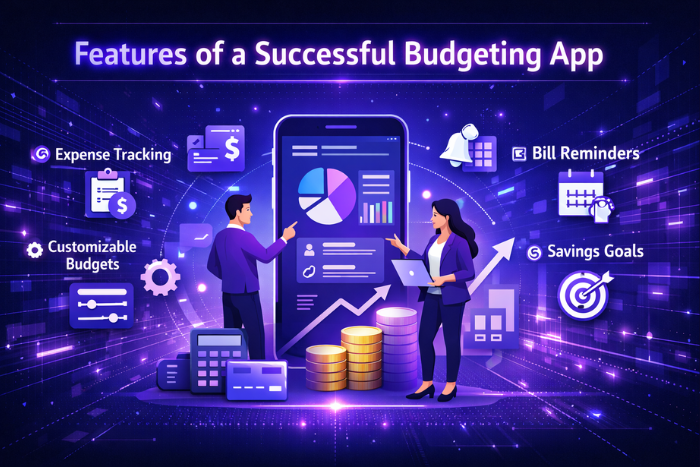
Features of a Successful Budgeting App Explore the features of a successful budgeting app including expense tracking, smart budgeting tools, financial insights, and secure account integration. Features of a Successful Budgeting App Budgeting apps have become essential tools for individuals who want to take control of their finances, monitor spending habits, and achieve long-term financial goals. With rising living costs and increasing digital transactions, people need smarter financial tools to track income, manage expenses, and plan savings effectively. Understanding the features of a successful budgeting app is important for fintech startups, financial institutions, and businesses developing modern financial management platforms. A budgeting app helps users organize their financial activities in one place. It allows them to monitor daily expenses, categorize transactions, create financial goals, and generate detailed financial reports. These platforms provide real-time insights into spending patterns, helping users identify areas where they can reduce unnecessary expenses. Modern budgeting apps go beyond basic expense tracking. They incorporate technologies such as automated bank integrations, AI-powered financial recommendations, predictive analytics, and data visualization dashboards. These features enable users to make informed financial decisions and maintain better control over their personal finances. Whether you are building a budgeting tool for individuals or a comprehensive financial planning platform, integrating the right features ensures higher user engagement, improved financial awareness, and long-term platform success. Why Features of a Successful Budgeting App Are Important A well-designed budgeting app empowers users to understand their financial behavior and manage money more efficiently. Here’s why implementing the features of a successful budgeting app is essential: Improves Financial AwarenessUsers gain insights into their spending habits and financial patterns. Encourages Better Money ManagementBudget planning tools help users allocate funds for various expenses. Supports Financial Goal AchievementSavings goals help users plan for large purchases or long-term investments. Automates Financial TrackingBank integrations automatically update financial transactions. Reduces Financial StressClear budgeting insights help users stay in control of their finances. Provides Real-Time Financial InsightsData dashboards allow users to monitor financial performance instantly. By incorporating these features, budgeting apps can help users achieve financial stability and smarter money management. Types of Successful Budgeting App Solutions Budgeting platforms can be designed to meet different financial planning needs. Expense Tracking Apps Apps designed to monitor daily spending. Automatic expense categorization Transaction history tracking Spending summaries Budget Planning Apps Platforms focused on creating monthly or yearly budgets. Budget creation tools Spending limits Financial planning dashboards Savings and Goal-Based Apps Apps that help users plan and achieve savings targets. Savings trackers Financial goal setting Automated saving suggestions Family Budgeting Apps Platforms designed for shared financial management. Shared budgets Household expense tracking Collaborative financial planning Comprehensive Financial Management Apps All-in-one platforms combining budgeting, savings, and investment tracking. Financial dashboards Automated financial insights Investment tracking tools Each solution requires specific features tailored to the financial needs of users. Get Free Quotation Now..!! Key Features of a Successful Budgeting App To build an effective budgeting platform, several essential features should be implemented. Bank Account IntegrationSecure integration with bank accounts allows automatic syncing of financial transactions. Expense Tracking and CategorizationUsers can categorize spending such as groceries, utilities, entertainment, and transportation. Smart Budget Planning ToolsUsers can create custom budgets and monitor spending against financial goals. Real-Time Spending InsightsInteractive dashboards provide real-time insights into financial behavior. Recurring Payment TrackingThe app automatically tracks subscriptions and recurring expenses. Savings Goals and Financial TargetsUsers can set savings goals for travel, education, or emergency funds. Financial Reports and Data VisualizationCharts and graphs help users analyze income and spending trends. Push Notifications and AlertsNotifications remind users about bill payments, budget limits, and unusual transactions. Secure Authentication and Data ProtectionBiometric login and encryption protect sensitive financial information. AI-Powered Financial RecommendationsAI algorithms suggest ways to optimize spending and increase savings. Multi-Device AccessUsers can access the app from mobile devices, tablets, and web platforms. Admin Dashboard and AnalyticsAdministrators can monitor user engagement and financial platform performance. These features help budgeting apps provide comprehensive financial management experiences. Development Process for a Budgeting App Building a budgeting platform requires a structured development approach. Market Research and Requirement AnalysisIdentify user needs, target market, and financial tools required. UI/UX Design and WireframingCreate intuitive dashboards and easy-to-understand financial visuals. Technology Stack SelectionChoose suitable frameworks, APIs, and secure cloud infrastructure. Frontend and Backend DevelopmentDevelop user interfaces, financial databases, and API integrations. Bank API and Payment IntegrationConnect the app with banking systems for secure data synchronization. Testing and Security ComplianceConduct security audits, performance testing, and compliance verification. Deployment and LaunchLaunch the app on mobile platforms and cloud servers. Maintenance and Feature UpdatesRegular updates improve security and introduce new financial tools. This development process ensures a reliable and secure budgeting application. Technology Stack for Budgeting App Development Modern budgeting apps rely on secure and scalable technologies. Mobile Development: Flutter, React Native, Swift, Kotlin Frontend Technologies: HTML5, CSS3, JavaScript Backend Technologies: Node.js, Python, Java Database Systems: PostgreSQL, MySQL, MongoDB Banking APIs: Open Banking APIs and financial data providers Cloud Platforms: AWS, Google Cloud Platform, Microsoft Azure Security Technologies: Encryption, biometric authentication, secure APIs Analytics Tools: AI and machine learning frameworks These technologies ensure secure financial data management and seamless performance. Cost Factors in Budgeting App Development The cost of developing a budgeting app depends on multiple factors. Key cost considerations include: Bank API integrations Budgeting and financial analytics features Data security and regulatory compliance UI/UX design complexity Cloud hosting infrastructure Development team expertise Maintenance and software updates Basic budgeting apps require moderate investment, while advanced fintech platforms with AI insights require larger budgets. Latest Trends in Budgeting App Development Fintech innovation continues to transform personal budgeting platforms. Key trends include: AI-powered budgeting recommendations Predictive financial analytics Open banking integrations Voice-enabled financial assistants Automated savings features Gamified financial planning tools Integration with digital payment systems Advanced financial data visualization These technologies are shaping the future of digital budgeting platforms. Why Choose Us for Budgeting App Development Building a secure and reliable budgeting app requires expertise in fintech technologies, mobile development, and financial data management. Here’s why businesses choose us: Expertise in Fintech
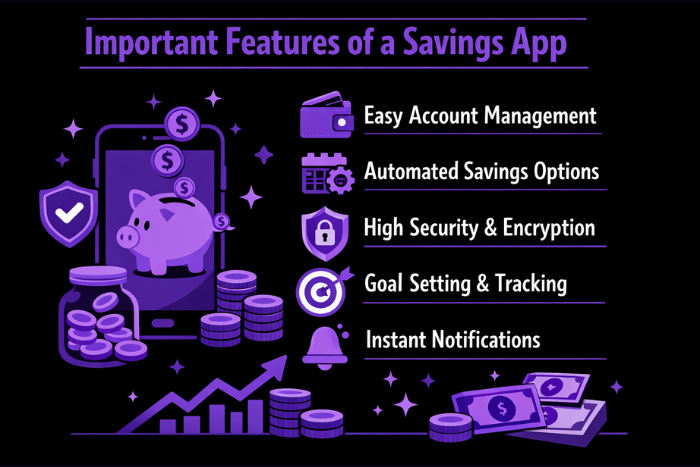
Important Features of a Savings App
Important Features of a Savings App Discover the important features of a savings app including automated savings, goal tracking, bank integration, and secure financial management tools. Important Features of a Savings App Savings apps have become powerful digital tools that help individuals manage money more effectively and build better financial habits. With the growing popularity of mobile banking and digital payments, users increasingly rely on apps to track their finances, automate savings, and achieve long-term financial goals. Understanding the important features of a savings app is essential for fintech startups, financial institutions, and developers looking to build innovative financial solutions. A savings app helps users allocate funds for future needs such as emergency funds, travel, education, or investments. Unlike traditional banking methods, these applications use automation, smart analytics, and AI-driven recommendations to simplify the process of saving money. By analyzing spending patterns and financial behavior, savings apps can automatically suggest how much users should save. Modern savings apps include features like automated savings rules, financial goal tracking, bank account integration, spending analysis, and personalized financial insights. These tools help users stay consistent with their savings plans while maintaining full control over their finances. Whether you’re building a personal finance app, a micro-savings platform, or a fintech product, implementing the right features ensures strong user engagement, financial transparency, and long-term app success. Why Important Features of a Savings App Are Important Savings apps are designed to help users develop healthier financial habits and achieve their long-term financial objectives. Here’s why implementing the important features of a savings app is essential: Encourages Consistent Saving HabitsAutomated savings features help users save money regularly. Improves Financial DisciplineGoal tracking and reminders motivate users to follow their savings plans. Provides Financial InsightsAnalytics tools help users understand spending and saving behavior. Automates Financial PlanningAI-powered suggestions recommend how much users should save. Enhances Financial SecurityUsers can build emergency funds and long-term savings. Simplifies Money ManagementA centralized platform allows users to track finances in one place. By implementing these features, savings apps can help users take control of their financial future. Types of Savings Application Solutions Savings applications can be designed to support different financial goals and saving strategies. Automatic Savings Apps Apps that automatically transfer small amounts into savings. Round-up savings features Scheduled automatic transfers Smart savings algorithms Goal-Based Savings Apps Platforms designed to help users save for specific goals. Travel savings Emergency funds Education savings Micro-Savings Apps Apps that allow users to save small amounts regularly. Spare change savings Daily or weekly saving plans Small investment options Family Savings Apps Platforms designed for shared financial planning. Household savings goals Shared financial tracking Collaborative savings plans Comprehensive Financial Management Apps Platforms combining budgeting, saving, and investment tools. Financial dashboards AI-driven recommendations Integrated financial analytics Each solution requires a combination of automation, financial insights, and secure data management. Get Free Quotation Now..!! Key Features of a Savings App To create an effective savings platform, several essential features should be implemented. Bank Account IntegrationSecure connections with bank accounts allow automatic syncing of transactions. Automated Savings ToolsUsers can set rules to automatically transfer money into savings accounts. Savings Goal TrackingUsers can create specific financial goals and track progress toward them. Round-Up Savings FeatureSmall change from purchases is automatically saved into the user’s account. Financial Insights and Spending AnalysisVisual reports help users understand spending patterns and savings opportunities. Recurring Deposit and Auto-Save OptionsUsers can schedule automatic deposits into savings accounts. Push Notifications and AlertsReminders encourage users to save regularly and notify them about progress. Secure User AuthenticationBiometric login and two-factor authentication protect financial data. Data Visualization DashboardsCharts and graphs help users analyze financial progress. AI-Powered Financial RecommendationsAI tools provide suggestions to improve saving strategies. Multi-Device AccessUsers can access their savings app on mobile, tablet, or web platforms. Admin Dashboard and AnalyticsAdministrators can monitor user activity and financial platform performance. These features ensure that savings apps provide secure, efficient, and engaging financial experiences. Development Process for a Savings Platform Building a savings platform requires a structured development approach and strong security measures. Market Research and Requirement AnalysisIdentify target users and define the app’s financial tools. UI/UX Design and WireframingDesign intuitive financial dashboards and user interfaces. Technology Stack SelectionChoose suitable frameworks, APIs, and secure cloud infrastructure. Frontend and Backend DevelopmentDevelop the app interface, financial databases, and automation tools. Banking API IntegrationImplement secure connections with financial institutions. Testing and Security ComplianceConduct performance testing and financial security audits. Deployment and App LaunchLaunch the app on app stores and cloud platforms. Maintenance and Feature UpdatesRegular updates improve performance and introduce new features. This development workflow ensures reliable and secure financial applications. Technology Stack for Savings App Development Modern fintech applications rely on advanced technologies to deliver secure financial services. Mobile Development: Flutter, React Native, Swift, Kotlin Frontend Technologies: HTML5, CSS3, JavaScript Backend Technologies: Node.js, Python, Java Database Systems: PostgreSQL, MySQL, MongoDB Banking APIs: Open Banking APIs and financial data providers Cloud Platforms: AWS, Google Cloud Platform, Microsoft Azure Security Technologies: Encryption, biometric authentication, secure APIs Analytics Tools: AI and machine learning frameworks These technologies ensure secure financial data management and scalable performance. Cost Factors in Savings App Development The cost of developing a savings app with key features depends on several factors. Key cost considerations include: Banking API integrations Automation and AI-based savings tools UI/UX design complexity Data security and compliance requirements Cloud infrastructure and hosting Development team expertise Maintenance and security updates Basic savings apps require moderate investment, while advanced fintech platforms with AI features require higher budgets. Latest Trends in Savings App Development Fintech innovation continues to reshape how people save money. Key trends include: AI-powered savings recommendations Automated micro-saving features Open banking integrations Gamified savings challenges Predictive financial analytics Voice-enabled financial assistants Integration with digital wallets Blockchain-based financial security These innovations are shaping the future of digital savings platforms. Why Choose Us for Savings App Development Building a reliable savings platform requires expertise in fintech development, financial security, and mobile technology. Here’s why businesses choose us: Expertise in Fintech App DevelopmentWe build scalable
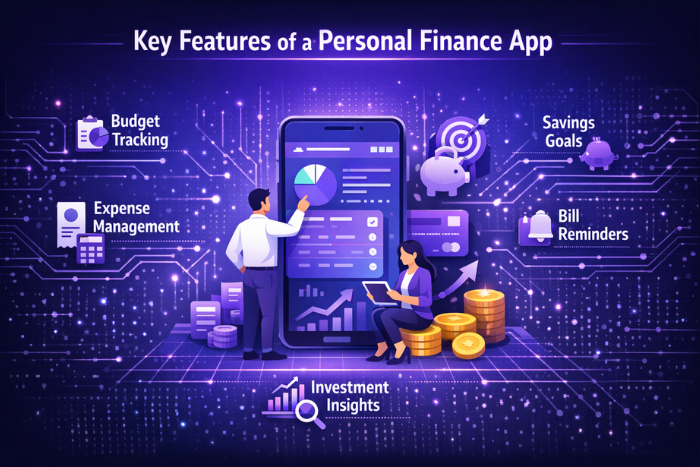
Key Features of a Personal Finance App
Key Features of a Personal Finance App Discover the key features of a personal finance app including budgeting tools, bank integrations, expense tracking, financial insights, and security features. Key Features of a Personal Finance App Personal finance apps have transformed the way individuals manage their money, track expenses, and plan financial goals. In today’s digital economy, users expect smart financial tools that help them monitor spending, manage budgets, and make better financial decisions directly from their smartphones. Understanding the key features of a personal finance app is essential for fintech startups, financial institutions, and businesses looking to build effective financial management platforms. A personal finance app serves as a digital assistant for managing income, expenses, savings, investments, and financial goals. These applications provide users with real-time insights into their financial behavior and help them create structured budgets. With features such as bank account integration, automated expense tracking, and personalized financial recommendations, these apps simplify complex financial management tasks. Modern finance apps also integrate advanced technologies such as AI-powered analytics, data visualization dashboards, and secure payment integrations. These tools allow users to make smarter financial decisions and maintain better control over their finances. Whether you are building a budgeting app, expense tracker, or comprehensive financial management platform, incorporating the right features ensures better user engagement, security, and long-term success. Why Key Features of a Personal Finance App Are Important A well-designed personal finance app helps users gain better control over their financial activities while improving financial awareness and decision-making. Here’s why implementing the key features of a personal finance app is important: Better Financial AwarenessUsers can track income, expenses, and spending habits in real time. Simplified Budget ManagementBudgeting tools help users plan their monthly expenses effectively. Automated Financial TrackingIntegration with bank accounts automatically updates transactions. Improved Financial PlanningGoal-setting features help users plan savings and investments. Enhanced Security for Financial DataStrong encryption and authentication systems protect sensitive financial information. Convenient Financial MonitoringMobile access allows users to manage finances anytime and anywhere. With these features, personal finance apps empower users to manage money more efficiently. Types of Personal Finance Application Solutions Personal finance platforms can be designed for different financial management needs. Expense Tracking Apps Apps that help users monitor their daily spending habits. Expense categorization Transaction tracking Spending reports Budgeting Apps Platforms designed for planning monthly and yearly budgets. Budget creation tools Spending limits Financial reports Savings and Goal-Based Apps Apps that help users save money for specific goals. Savings trackers Financial goal setting Automated savings plans Investment Management Apps Platforms that help users track investments and portfolios. Portfolio tracking Investment insights Market analysis Comprehensive Financial Management Apps All-in-one platforms combining budgeting, savings, and investment tracking. Financial dashboards Smart recommendations Integrated financial tools Each solution requires specific features tailored to the user’s financial needs. Get Free Quotation Now..!! Key Features of a Personal Finance App To build a powerful personal finance platform, several essential features should be included. Bank Account IntegrationSecure integration with bank accounts allows automatic transaction synchronization. Expense Tracking and CategorizationUsers can track daily expenses and categorize transactions such as groceries, bills, or entertainment. Budget Planning ToolsUsers can create monthly budgets and track spending against set limits. Real-Time Spending InsightsVisual dashboards help users understand spending habits and financial trends. Recurring Payment TrackingThe app automatically tracks subscriptions and recurring expenses. Savings Goals and Financial PlanningUsers can create financial goals and track progress toward savings targets. Push Notifications and AlertsNotifications inform users about upcoming bills, unusual transactions, or budget limits. Secure User AuthenticationTwo-factor authentication and biometric login protect financial data. Financial Reports and AnalyticsDetailed charts and reports provide insights into income and spending patterns. Reward Systems and IncentivesGamification features encourage users to save money and follow budgets. Data Visualization DashboardsInteractive charts make financial data easier to understand. Admin Dashboard and AnalyticsAdministrators can monitor user activity and platform performance. These features help personal finance apps deliver secure, efficient, and engaging financial management experiences. Development Process for a Personal Finance App Building a personal finance app requires careful planning and compliance with financial regulations. Market Research and Requirement AnalysisIdentify target users, financial goals, and platform features. UI/UX Design and WireframingDesign intuitive dashboards and financial data visualization tools. Technology Stack SelectionChoose frameworks, APIs, and cloud infrastructure. Frontend and Backend DevelopmentBuild the mobile interface, database systems, and financial data integrations. Bank API IntegrationImplement secure connections with financial institutions. Testing and Security ValidationConduct security audits, performance testing, and compliance checks. Deployment and App LaunchLaunch the app on app stores and cloud servers. Maintenance and Feature UpdatesContinuous updates improve security and add new financial tools. This development process ensures reliable and secure financial applications. Technology Stack Modern finance apps rely on secure and scalable technologies. Mobile Development: Flutter, React Native, Swift, Kotlin Frontend Technologies: HTML5, CSS3, JavaScript Backend Technologies: Node.js, Python, Java Database Systems: PostgreSQL, MySQL, MongoDB Banking APIs: Open Banking APIs and financial data providers Cloud Platforms: AWS, Google Cloud Platform, Microsoft Azure Security Technologies: Encryption, biometric authentication, secure APIs Analytics Tools: AI and machine learning frameworks These technologies ensure secure data handling and smooth app performance. Cost Factors in Personal Finance App Development The cost of building a finance app depends on multiple factors. Key cost considerations include: Bank and payment API integrations Budgeting and financial analytics features Data security and regulatory compliance UI/UX design complexity Cloud infrastructure and hosting Development team expertise Maintenance and security updates Basic budgeting apps require moderate investment, while advanced fintech platforms require higher budgets. Latest Trends in Personal Finance App Development Fintech innovation continues to transform personal finance management. Key trends include: AI-powered financial recommendations Open banking integrations Automated savings and budgeting tools Voice-enabled financial assistants Blockchain-based financial security Gamified financial education tools Predictive financial analytics Integration with digital payment systems These technologies are shaping the future of digital financial management. Why Choose Us for Personal Finance App Development Developing a secure fintech platform requires expertise in financial technology, mobile development, and regulatory compliance. Here’s why businesses choose us: Expertise in Fintech App DevelopmentWe build scalable personal finance platforms
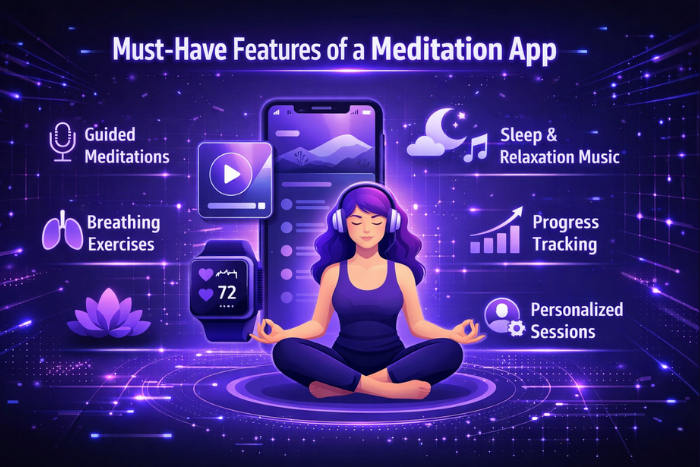
Must-Have Features of a Meditation App
Must-Have Features of a Meditation App Discover must-have features of a meditation app including guided sessions, sleep stories, timers, personalization, and wellness tracking tools. Must-Have Features of a Meditation App Meditation apps have become powerful tools for improving mental health, reducing stress, and promoting mindfulness in everyday life. With increasing awareness about mental wellbeing, millions of people now rely on digital meditation platforms to practice mindfulness, improve sleep, and manage anxiety. Understanding the must-have features of a meditation app is essential for businesses and developers planning to create a successful mindfulness platform. A meditation app typically provides guided meditation sessions, relaxation exercises, breathing techniques, and sleep support programs. These apps help users build daily meditation habits and maintain emotional balance through structured wellness routines. Popular platforms such as Calm and Headspace have demonstrated how well-designed features can transform simple meditation practices into engaging digital experiences. Modern meditation apps combine soothing audio content, personalized recommendations, progress tracking, and AI-driven insights to improve user engagement. They also integrate features like reminders, sleep stories, breathing exercises, and community support. Whether you are building a mindfulness app for stress relief, sleep improvement, or holistic wellness, implementing the right features ensures better user retention, engagement, and long-term success. Why Must-Have Features of a Meditation App Are Important Meditation applications focus on improving mental health and emotional wellbeing. The right set of features can help users develop consistent meditation habits and enhance their mindfulness journey. Here’s why implementing the must-have features of a meditation app is important: Improves Mental WellbeingGuided meditation sessions help reduce anxiety and stress. Encourages Daily Mindfulness PracticeReminders and habit tracking motivate users to meditate regularly. Enhances User EngagementPersonalized meditation programs keep users interested. Supports Better Sleep and RelaxationSleep stories and calming soundscapes improve sleep quality. Provides Personalized Wellness InsightsData tracking helps users understand their mental health patterns. Scalable Digital Wellness PlatformsMeditation apps can support thousands of users simultaneously. With these features, meditation apps can deliver impactful digital wellness experiences. Types of Meditation Application Solutions Meditation platforms can be designed to focus on specific mindfulness goals. Guided Meditation Apps Apps offering structured meditation sessions led by experts. Beginner meditation programs Guided breathing exercises Stress relief sessions Sleep Meditation Apps Platforms focused on improving sleep quality. Sleep stories and soundscapes Bedtime meditation routines Relaxation music Stress and Anxiety Management Apps Apps designed to help users manage daily stress. Mood tracking Relaxation exercises Mental wellness tools Focus and Productivity Apps Platforms that help users improve concentration. Focus meditation sessions Pomodoro timers Productivity exercises Holistic Wellness Apps Comprehensive platforms combining meditation, mindfulness, and lifestyle improvement. Habit tracking Wellness analytics Personalized meditation plans Each solution requires specific features depending on the user’s wellness goals. Get Free Quotation Now..!! Key Features of a Meditation App A successful meditation app must provide calming experiences while supporting long-term user engagement. User Registration and Personalized ProfilesUsers can create profiles to track meditation sessions and preferences. Guided Meditation LibraryA collection of audio and video meditation sessions covering stress relief, mindfulness, and focus. Meditation TimerCustomizable timers allow users to meditate independently without guided sessions. Sleep Stories and Relaxation SoundsSleep-focused content such as bedtime stories, calming music, and ambient sounds. Breathing Exercises and Mindfulness PracticesInteractive breathing exercises help users relax and manage anxiety. Personalized Meditation RecommendationsAI-based recommendations suggest sessions based on user preferences and behavior. Progress Tracking and AnalyticsUsers can monitor their meditation streaks, total session time, and progress. Push Notifications and RemindersDaily reminders encourage users to maintain consistent meditation habits. Offline AccessUsers can download meditation sessions and practice without internet connectivity. Wearable Device IntegrationIntegration with smartwatches and fitness trackers helps track stress and heart rate. Community and Social FeaturesUsers can join meditation challenges and connect with wellness communities. Admin Dashboard and Content ManagementAdministrators can manage meditation content, users, and analytics. These features help meditation apps deliver meaningful mindfulness experiences while maintaining user engagement. Development Process for a Meditation Application Developing a meditation platform requires thoughtful planning and a focus on user experience. Market Research and Requirement AnalysisIdentify the target audience and define the meditation app’s purpose. UI/UX Design and PrototypingDesign calming and minimalist interfaces that support mindfulness. Technology Stack SelectionChoose frameworks, APIs, and hosting infrastructure. Frontend and Backend DevelopmentBuild the mobile app interface, user database, and content management system. Integration of Audio and Wellness FeaturesImplement meditation libraries, timers, and relaxation tools. Testing and Quality AssuranceEnsure smooth performance and accurate user data tracking. Deployment and App LaunchLaunch the app on mobile platforms and cloud infrastructure. Maintenance and Content UpdatesAdd new meditation sessions and improve app performance regularly. This development workflow ensures a smooth and reliable meditation platform. Technology Stack for Meditation App Development Meditation apps rely on modern mobile technologies and cloud platforms. Mobile Development: Flutter, React Native, Swift, Kotlin Frontend Technologies: HTML5, CSS3, JavaScript Backend Technologies: Node.js, Python, Java Database Systems: MySQL, PostgreSQL, MongoDB Audio Streaming Services: Media servers and cloud storage Cloud Platforms: AWS, Google Cloud Platform, Microsoft Azure AI and Analytics Tools: Machine learning frameworks Security Technologies: Encryption, authentication systems, secure cloud storage These technologies ensure reliable audio streaming and secure data management. Cost Factors in Meditation App Development The cost of building a meditation app with essential features depends on multiple factors. Key cost considerations include: Size of meditation content library Audio streaming infrastructure AI-based recommendation systems UI/UX design complexity Wearable device integration Cloud hosting and storage Development team expertise Ongoing maintenance and updates Simple meditation apps require moderate investment, while advanced wellness platforms require larger budgets. Latest Trends in Meditation App Development Digital wellness platforms continue to evolve with new technologies. Key trends include: AI-powered meditation recommendations Integration with wearable devices Gamified meditation challenges Virtual reality meditation experiences Personalized wellness programs Voice-guided meditation assistants Mental health analytics dashboards Integration with digital therapy platforms These innovations are shaping the future of meditation and mindfulness apps. Why Choose Us for Meditation App Development Developing a successful meditation platform requires expertise in mobile development, wellness technology, and user experience design. Here’s why businesses choose us: Expertise in Wellness App DevelopmentWe build

Essential Features of a Yoga App
Essential Features of a Yoga App Discover essential features of a yoga app including guided sessions, personalized routines, progress tracking, wearable integration, and wellness insights. Essential Features of a Yoga App Yoga apps have become increasingly popular as people seek convenient ways to practice yoga, improve flexibility, and maintain physical and mental wellness from home. With the rise of digital fitness platforms, many individuals now rely on mobile apps to access guided yoga sessions, meditation routines, and wellness programs. Understanding the essential features of a yoga app is crucial for businesses, wellness brands, and developers planning to build a successful digital yoga platform. A yoga app acts as a virtual fitness coach that provides structured classes, posture tutorials, breathing exercises, and personalized routines. These apps make yoga accessible to users of all experience levels—from beginners learning basic poses to advanced practitioners exploring complex sequences. Many modern yoga apps also integrate wearable devices, progress tracking tools, and AI-powered recommendations to create personalized wellness journeys. For businesses, yoga apps provide opportunities to reach a global audience, offer subscription-based services, and build strong wellness communities. By incorporating the right features, developers can create engaging platforms that support physical health, reduce stress, and encourage consistent practice. This guide explores the essential features of a yoga app, along with the development process, technology stack, cost considerations, and emerging trends shaping the future of digital wellness platforms. Why Essential Features of a Yoga App Are Important A well-designed yoga application helps users build consistent fitness routines and maintain a healthy lifestyle. The right features improve accessibility, engagement, and user satisfaction. Here’s why implementing the essential features of a yoga app is important: Encourages Consistent Yoga PracticeGuided sessions and reminders motivate users to practice regularly. Provides Personalized Fitness ExperiencesCustomized routines adapt to the user’s skill level and goals. Enhances User EngagementInteractive content and progress tracking keep users involved. Improves Physical and Mental WellbeingYoga sessions help improve flexibility, posture, and stress management. Supports Remote Fitness LearningUsers can practice yoga anywhere without attending physical classes. Creates Scalable Digital Wellness PlatformsYoga apps can support thousands of users globally. By integrating these features, yoga apps can deliver impactful fitness and wellness experiences. Types of Yoga App Solutions Yoga platforms can be designed for different user needs and wellness goals. On-Demand Yoga Apps Apps that offer recorded yoga sessions users can access anytime. Video-based yoga classes Guided posture tutorials Beginner to advanced programs Live Yoga Class Apps Platforms that connect users with instructors through live sessions. Real-time classes Instructor interaction Scheduled training sessions Personalized Yoga Training Apps Apps that create customized yoga routines based on user preferences. AI-powered yoga recommendations Personalized fitness plans Goal-based programs Yoga Studio Apps Platforms designed for yoga studios and instructors. Class booking systems Membership management Instructor profiles Holistic Wellness Yoga Platforms Apps that combine yoga, meditation, and lifestyle management. Meditation sessions Breathing exercises Wellness tracking Each solution requires specific features depending on the user’s fitness goals. Get Free Quotation Now..!! Key Features of a Yoga App A successful yoga app must combine instructional content, personalization, and progress tracking. User Registration and ProfilesUsers can create accounts to track yoga sessions and preferences. On-Demand Video LibraryA collection of yoga sessions covering different levels, styles, and durations. Live Yoga ClassesLive-streamed sessions allow users to practice with instructors in real time. Customizable Yoga RoutinesUsers can build personalized yoga routines based on fitness goals. Progress Tracking and Activity SummaryTracking tools help users monitor their progress and consistency. Push Notifications and RemindersReminders encourage users to practice regularly and maintain healthy routines. Wearable Device IntegrationIntegration with fitness trackers allows monitoring of heart rate and activity. Breathing and Meditation ExercisesAdditional wellness features improve relaxation and mindfulness. Community and Social SharingUsers can participate in challenges, share achievements, and connect with others. Offline AccessDownloaded sessions allow users to practice yoga without internet connectivity. Search and Filter OptionsUsers can easily find classes based on difficulty level, duration, or instructor. Admin Dashboard and Content ManagementAdministrators can manage yoga sessions, instructors, and analytics. These features help yoga apps deliver engaging and effective fitness experiences. Development Process for a Yoga App with Essential Features Building a yoga platform requires careful planning and a focus on user experience. Market Research and Requirement AnalysisIdentify the target audience and define app functionality. UI/UX Design and WireframingDesign intuitive interfaces that support easy navigation. Technology Stack SelectionChoose frameworks, APIs, and hosting infrastructure. Frontend and Backend DevelopmentBuild the user interface, databases, and video streaming systems. Integration of Fitness and Wellness FeaturesImplement tracking tools, wearable integrations, and recommendation systems. Testing and Quality AssuranceEnsure app performance, video playback quality, and data accuracy. Deployment and App LaunchLaunch the platform on mobile app stores. Maintenance and Feature UpdatesRegular updates add new yoga sessions and improve performance. This development process ensures reliable and scalable yoga applications. Technology Stack for Yoga App Development Modern yoga apps rely on advanced technologies for smooth video streaming and wellness tracking. Mobile Development: Flutter, React Native, Swift, Kotlin Frontend Technologies: HTML5, CSS3, JavaScript Backend Technologies: Node.js, Python, Java Database Systems: MySQL, PostgreSQL, MongoDB Video Streaming Platforms: Cloud video hosting services Health APIs: Google Fit, Apple HealthKit Cloud Platforms: AWS, Google Cloud Platform, Microsoft Azure Security Technologies: Encryption, authentication systems These technologies ensure smooth content delivery and secure user data. Cost Factors in Yoga App Development The cost of developing a yoga app depends on several factors. Key cost considerations include: Number of yoga sessions and content library size Video streaming infrastructure AI-powered personalization features Wearable device integration UI/UX design complexity Cloud hosting and storage Development team expertise Maintenance and updates Simple yoga apps may require moderate investment, while advanced wellness platforms require higher budgets. Latest Trends in Yoga App Development The yoga and digital wellness industry continues to evolve with new technologies. Key trends include: AI-powered personalized yoga programs Virtual reality yoga sessions Integration with wearable fitness devices Gamified wellness challenges Live streaming yoga classes Holistic wellness platforms combining yoga and meditation Voice-guided yoga coaching Personalized wellness analytics These innovations are shaping the future of yoga
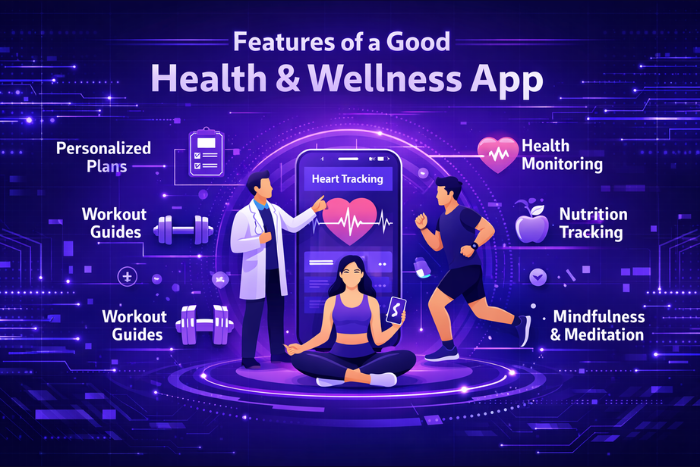
Features of a Good Health and Wellness App
Features of a Good Health and Wellness App Explore the features of a good health and wellness app including activity tracking, personalized insights, wearable integration, and secure health data management. Features of a Good Health and Wellness App Health and wellness apps have become essential tools for people who want to monitor their physical health, mental wellbeing, fitness goals, and lifestyle habits. From tracking workouts and nutrition to managing stress and sleep patterns, these applications provide users with actionable insights that support healthier living. Understanding the features of a good health and wellness app is crucial for businesses, healthcare providers, and startups aiming to build a successful digital health platform. Modern wellness applications go beyond simple activity tracking. They integrate advanced technologies such as wearable devices, AI-powered analytics, personalized health recommendations, and real-time monitoring systems. These features enable users to gain deeper insights into their health metrics and maintain consistent wellness routines. For businesses, health and wellness apps offer opportunities to improve user engagement, provide digital healthcare solutions, and support preventive health management. Whether it’s a fitness tracking app, meditation platform, nutrition planner, or comprehensive wellness solution, incorporating the right features ensures a seamless user experience and long-term user retention. In this guide, we explore the essential features of a good health and wellness app, along with the development process, technology stack, cost factors, and emerging trends shaping the future of digital health platforms. Why Features of a Good Health and Wellness App Are Important Health and wellness applications rely on accurate data tracking, user engagement, and personalized insights to help users achieve their wellness goals. Here’s why implementing the features of a good health and wellness app is important: Encourages Healthy Lifestyle HabitsApps motivate users to exercise regularly, monitor nutrition, and improve daily habits. Provides Real-Time Health InsightsUsers can track important health metrics such as heart rate, sleep patterns, and activity levels. Enhances User EngagementFeatures such as reminders, goals, and progress tracking encourage consistent app usage. Supports Preventive HealthcareEarly insights into health patterns help users make better lifestyle decisions. Integration with Health DevicesMany wellness apps connect with smartwatches and fitness trackers for more accurate data. Personalized Health RecommendationsAI-driven recommendations help users optimize their fitness routines and wellness plans. By incorporating the right features, wellness apps can improve user wellbeing while delivering meaningful digital health experiences. Types of Health and Wellness Application Solutions Health and wellness platforms can be designed for different healthcare and lifestyle needs. Fitness Tracking Apps These apps focus on physical activity and workout tracking. Step counting and workout tracking Calorie burn monitoring Exercise routines Mental Wellness Apps Apps designed to improve mental health and emotional wellbeing. Meditation programs Stress management tools Mindfulness exercises Nutrition and Diet Apps Apps that help users manage nutrition and healthy eating habits. Calorie tracking Meal planning Food nutrition analysis Telehealth and Healthcare Apps Apps that provide digital healthcare services. Virtual doctor consultations Health record management Appointment scheduling Holistic Wellness Platforms Comprehensive platforms that combine fitness, nutrition, and mental health features. Personalized wellness programs Habit tracking Lifestyle analytics Each solution requires specific features tailored to the user’s health goals and preferences. Get Free Quotation Now..!! Key Features of a Good Health and Wellness App A successful wellness platform must offer a combination of health tracking tools, personalized insights, and user engagement features. Activity and Fitness TrackingUsers should be able to track steps, workouts, calories burned, and physical activity levels. Heart Rate MonitoringIntegration with wearable devices allows real-time heart rate monitoring during workouts. Sleep TrackingSleep analysis helps users understand sleep patterns and improve rest quality. Nutrition and Diet TrackingUsers can log meals, track calorie intake, and analyze nutritional information. Goal Setting and Progress TrackingPersonalized goals motivate users to stay committed to their fitness plans. Push Notifications and RemindersReminders encourage users to stay active, hydrate, and maintain wellness routines. Wearable Device IntegrationIntegration with devices such as smartwatches and fitness bands enhances data accuracy. Personalized Health RecommendationsAI algorithms analyze user data and provide customized fitness and wellness suggestions. Mood and Stress TrackingUsers can track emotional wellbeing and manage stress levels. Social and Community FeaturesCommunity challenges, social sharing, and group activities increase engagement. Data Privacy and SecuritySecure data storage and encryption protect sensitive health information. User-Friendly DashboardClear dashboards help users easily interpret their health statistics. These features help health and wellness apps deliver meaningful and engaging user experiences. Development Process Developing a wellness application requires careful planning and technical expertise. Market Research and Requirement AnalysisIdentify target users, wellness goals, and app functionality. UI/UX Design and WireframingCreate intuitive interfaces that simplify health data visualization. Technology Stack SelectionChoose suitable frameworks, APIs, and cloud platforms. Frontend and Backend DevelopmentBuild the user interface, data storage systems, and analytics engine. Integration with Wearable DevicesConnect the app with fitness trackers and health monitoring devices. Testing and Quality AssuranceEnsure accuracy of health data tracking and app performance. Deployment and App LaunchLaunch the app on app stores and cloud servers. Maintenance and Feature UpdatesRegular updates ensure improved performance and security. This development workflow ensures reliable and user-friendly wellness applications. Technology Stack for Health and Wellness App Development Modern wellness apps rely on advanced technologies for data tracking and analytics. Mobile Development: Flutter, React Native, Swift, Kotlin Frontend Technologies: HTML5, CSS3, JavaScript Backend Technologies: Node.js, Python, Java Database Systems: MySQL, PostgreSQL, MongoDB Health APIs: Apple HealthKit, Google Fit APIs Cloud Platforms: AWS, Google Cloud Platform, Microsoft Azure AI and Analytics Tools: TensorFlow, machine learning models Security Technologies: Encryption, authentication systems, HIPAA compliance tools These technologies ensure reliable health monitoring and secure data management. Cost Factors in Health and Wellness App Development The cost of developing a health and wellness app depends on several factors. Key cost considerations include: Number of health tracking features Integration with wearable devices AI-based health analytics UI/UX design complexity Data security and compliance requirements Cloud hosting infrastructure Development team expertise and location Maintenance and updates Basic wellness apps may require moderate investment, while advanced health platforms require higher budgets. Latest Trends in Health and Wellness App Development Digital health technologies

Important Features of a Fantasy Sports App
Important Features of a Fantasy Sports App Discover the important features of a fantasy sports app including team creation, live scores, contests, payment wallets, and leaderboards. Important Features of a Fantasy Sports App Fantasy sports applications have become one of the fastest-growing segments in the online gaming industry. Millions of sports fans now use mobile apps and digital platforms to create virtual teams, compete in contests, and track real-time match performance. Understanding the important features of a fantasy sports app is essential for startups, sports organizations, and gaming companies looking to develop a successful platform in this competitive market. A fantasy sports app allows users to build teams using real-world players, participate in leagues or contests, and earn rewards based on the actual performance of those players during live matches. These platforms combine elements of sports analytics, real-time data processing, gaming mechanics, and secure financial transactions. Modern fantasy sports platforms include features such as team creation, live match updates, leaderboards, contest management, integrated wallets, and secure payment systems. These features provide a dynamic and engaging experience for users while enabling administrators to manage competitions, track user activity, and analyze performance metrics. Whether you’re building an app for cricket, football, basketball, or multiple sports, implementing the right features ensures user engagement, platform security, and long-term growth. This guide explores the essential features, development process, technology stack, cost considerations, and emerging trends in fantasy sports app development. Why Important Features of a Fantasy Sports App Are Important Fantasy sports platforms rely heavily on real-time data, competitive gameplay, and user engagement. The right set of features ensures a smooth and exciting experience for players while maintaining platform efficiency. Here’s why implementing the important features of a fantasy sports app is crucial: Engaging User ExperienceInteractive gameplay and real-time updates keep users engaged during matches. Competitive Gameplay EnvironmentLeaderboards and contests allow players to compete with others globally. Secure TransactionsPayment systems and wallets enable safe deposits and withdrawals. Efficient Contest ManagementAdministrators can manage leagues, scoring systems, and match data. Scalable Sports Gaming PlatformsAdvanced systems allow thousands of users to participate simultaneously. Data-Driven InsightsAnalytics tools help track player behavior and contest performance. By implementing powerful features, fantasy sports platforms can deliver engaging gaming experiences while maintaining reliability and security. Types of Fantasy Sports Platform Solutions Fantasy sports platforms can be designed for different sports formats and user engagement models. Single-Sport Fantasy Apps These apps focus on one specific sport such as cricket or football. Sport-specific contests Player statistics and match updates League competitions Multi-Sport Fantasy Platforms Platforms supporting multiple sports. Cricket, football, basketball, and more Multi-league competitions Cross-sport leaderboards Daily Fantasy Sports Apps Platforms where users create teams for single-day contests. Quick match-based competitions Instant scoring updates Short-term rewards Seasonal Fantasy Sports Platforms Users create teams for an entire sports season. Long-term tournaments Season rankings Advanced player analytics Fantasy Esports Platforms Platforms for fantasy competitions based on esports tournaments. Esports player statistics Tournament-based contests Live match tracking Each solution requires unique features depending on sport type, contest structure, and user engagement strategy. Get Free Quotation Now..!! Key Features of a Fantasy Sports App A successful fantasy sports platform must include both user-side and admin-side features. User Registration and Profile ManagementUsers should be able to create accounts using email, mobile numbers, or social logins. Team Creation and Player SelectionPlayers can build fantasy teams by selecting athletes based on available budgets or rules. Real-Time Match Updates and ScoresLive data feeds allow users to track match statistics and player performance instantly. Contest and League ManagementUsers can join or create leagues and participate in competitions. Leaderboards and RankingsLeaderboard systems display rankings based on player scores and performance. Secure Payment Gateway IntegrationUsers should be able to deposit entry fees and withdraw winnings through secure payment systems. In-App Wallet SystemA digital wallet allows users to manage deposits, winnings, and bonus rewards. Push Notifications and Match AlertsNotifications keep users updated about match starts, contest results, and promotional offers. Social Sharing and Community FeaturesUsers can share results, invite friends, and participate in social competitions. Admin Dashboard for Platform ManagementAdministrators can manage users, contests, payments, and match data. Scoring System and Rules ManagementAdmins can configure scoring rules based on player performance. Analytics and Reporting ToolsAdvanced analytics help monitor user activity, contest participation, and revenue performance. These features ensure the fantasy sports platform remains engaging, secure, and scalable. Development Process Developing a fantasy sports platform requires careful planning and execution. Market Research and Requirement AnalysisIdentify target sports, user demographics, and platform features. UI/UX Design and WireframingDesign user-friendly interfaces for team creation and contest participation. Technology Stack SelectionChoose suitable programming languages, APIs, and cloud infrastructure. Frontend and Backend DevelopmentBuild the mobile interface, databases, and real-time match data integration. Integration of Payment Systems and APIsImplement secure wallet systems and sports data feeds. Testing and Quality AssuranceConduct functional testing, load testing, and security testing. Deployment and App LaunchLaunch the platform on app stores and cloud servers. Maintenance and Continuous UpdatesRegular updates improve security, features, and performance. This structured process ensures reliable and scalable fantasy sports applications. Technology Stack for Fantasy Sports App Development Fantasy sports apps rely on advanced technologies for real-time data processing and high-performance gaming. Mobile App Development: Flutter, React Native, Kotlin, Swift Frontend Technologies: HTML5, CSS3, JavaScript, React Backend Technologies: Node.js, Python, Java Database Systems: MySQL, PostgreSQL, MongoDB Sports Data APIs: Real-time sports data providers Cloud Platforms: AWS, Google Cloud Platform, Microsoft Azure Payment Gateways: Stripe, PayPal, Razorpay Security Technologies: SSL encryption, authentication systems, anti-fraud protection These technologies ensure smooth performance and secure transactions. Cost Factors in Fantasy Sports App Development The cost of building a fantasy sports platform depends on several factors. Key cost considerations include: Number of supported sports and contests Real-time sports data integration Payment gateway and wallet systems UI/UX design complexity Server infrastructure and cloud hosting Security and regulatory compliance Development team expertise and location Maintenance and platform updates Simple fantasy sports apps require moderate investment, while advanced multi-sport platforms require larger budgets. Latest Trends in Fantasy Sports App Development The fantasy

Key Features of a Sports Website
Key Features of a Sports Website Discover the key features of a sports website including live scores, team profiles, schedules, fan engagement tools, and analytics dashboards. Key Features of a Sports Website Sports websites play a crucial role in connecting fans, teams, leagues, and organizations in the digital age. From providing live match updates to sharing team news and engaging with supporters, sports platforms have become the central hub for everything related to sports content and fan engagement. Understanding the key features of a sports website is essential for sports organizations, clubs, leagues, media companies, and startups that want to build a dynamic online sports platform. A modern sports website offers much more than just news and match results. It allows users to track live scores, explore team statistics, follow players, purchase tickets, watch highlights, and participate in fan communities. These features help create an immersive digital experience that keeps fans connected to their favorite teams and events. For sports organizations, these platforms also serve as powerful marketing and revenue channels through merchandise sales, sponsorship visibility, and advertising opportunities. With millions of fans accessing sports content online, having a well-structured website with the right functionality is essential for growth and engagement. Whether you are building a website for a sports club, league, tournament, or sports media platform, integrating the right features ensures better fan interaction, improved user experience, and long-term scalability. Why Key Features of a Sports Website Are Important A feature-rich sports website helps deliver real-time information, engage fans, and manage sports-related content efficiently. Here’s why implementing the key features of a sports website is important: Real-Time Sports UpdatesFans can access live scores, match results, and game statistics instantly. Enhanced Fan EngagementInteractive tools allow fans to participate in discussions, polls, and community forums. Centralized Sports ContentTeams and leagues can publish schedules, player profiles, and match highlights in one place. Revenue Generation OpportunitiesSports websites can generate income through ticket sales, sponsorship placements, and merchandise stores. Stronger Brand Identity for Teams and ClubsA professional sports website helps clubs showcase their brand, achievements, and history. Scalable Digital Sports PlatformsAdvanced sports websites can support large fan bases and high traffic during major events. By implementing powerful features, sports organizations can create a digital platform that attracts fans and builds a strong online presence. Types of Sports Website Solutions Sports websites can be developed for various organizations and purposes depending on the target audience. Sports Team Websites Designed for individual sports teams or clubs. Team news and updates Player profiles and statistics Match schedules and results Sports League and Tournament Websites Platforms for organizing leagues and competitions. Match schedules and standings Tournament brackets Team rankings Sports News and Media Websites Platforms that publish sports articles, match analysis, and breaking news. Sports blogs and news articles Match highlights and video content Expert analysis and commentary Fan Community Sports Platforms Designed for fan interaction and engagement. Fan forums and discussions Social sharing features Fan polls and voting Sports Ticketing and Merchandise Websites Platforms that sell tickets and official team merchandise. Online ticket booking Merchandise store Membership programs Each type of sports website requires a combination of content management, engagement tools, and real-time data systems. Get Free Quotation Now..!! Key Features of a Sports Website To create an engaging sports platform, several essential features should be implemented. Live Scores and Real-Time UpdatesFans should be able to track live match scores, statistics, and play-by-play updates. Match Schedules and ResultsThe website should display upcoming matches, game schedules, and final results. Team and Player ProfilesDetailed profiles help fans learn about players, teams, achievements, and statistics. Sports News and ArticlesRegularly updated sports news and match analysis keep fans informed. High-Quality Media GalleriesPhoto galleries, highlight videos, and match replays enhance the user experience. Fan Engagement ToolsFeatures such as polls, comments, forums, and fan clubs increase community interaction. Online Ticket Sales IntegrationSports websites can integrate ticket booking systems for matches and events. Merchandise StoreFans can purchase official team merchandise directly from the website. Social Media IntegrationSharing tools allow users to spread sports content across social platforms. Mobile-Friendly Responsive DesignSports fans often access updates through mobile devices, so responsive design is essential. SEO-Optimized Content StructureOptimized pages help sports websites rank higher in search engine results. Analytics and Performance TrackingAnalytics tools track fan engagement, website traffic, and content performance. These features help sports websites provide real-time information while keeping fans engaged. Sports Website Development Process with Key Features Developing a sports website involves a structured process to ensure performance and scalability. Requirement Analysis and PlanningIdentify the purpose of the sports platform and its target audience. UI/UX Design and WireframingDesign engaging layouts for sports news, scores, and multimedia content. Technology Stack SelectionChoose suitable frameworks, CMS systems, and hosting infrastructure. Frontend and Backend DevelopmentDevelop the website interface, databases, and real-time sports data integration. Integration of Key FeaturesImplement live score APIs, ticketing modules, and fan engagement tools. Testing and Quality AssuranceConduct usability testing, performance optimization, and security checks. Deployment and LaunchLaunch the website on a secure hosting environment. Maintenance and Content UpdatesRegular updates ensure the platform remains relevant and functional. This development process ensures a reliable sports platform capable of handling high traffic during major matches. Technology Stack for Sports Website Development Modern sports websites rely on advanced technologies for performance, scalability, and real-time updates. Frontend Technologies: HTML5, CSS3, JavaScript, React, Vue.js Backend Technologies: Node.js, Python, PHP, Java Content Management Systems: WordPress, Strapi, Contentful Database Systems: MySQL, PostgreSQL, MongoDB Live Data APIs: Sports data APIs for live scores and statistics Cloud Platforms: AWS, Google Cloud Platform, Microsoft Azure DevOps Tools: Docker, Kubernetes, GitHub Actions Security Technologies: SSL encryption, authentication systems, firewall protection These technologies ensure fast performance and reliable real-time sports data updates. Cost Factors in Sports Website Development The cost of developing a sports website depends on several factors including functionality, integrations, and design complexity. Key cost considerations include: Number of website features and modules Integration with live score APIs Custom UI/UX design requirements Content management system setup Ticketing and e-commerce integrations Cloud hosting infrastructure Development

Features of a Successful Online Gaming Platform
Features of a Successful Online Gaming Platform Discover the features of a successful online gaming platform including cross-platform play, security, multiplayer tools, rewards systems, and scalable infrastructure. Features of a Successful Online Gaming Platform Online gaming has evolved into a global digital entertainment industry, attracting millions of players across mobile devices, PCs, and gaming consoles. Modern gamers expect immersive experiences, smooth gameplay, social interaction, and seamless access across multiple platforms. For developers, gaming studios, and startups, building a robust platform requires understanding the features of a successful online gaming platform that keep players engaged while ensuring performance, security, and scalability. An online gaming platform acts as the digital infrastructure that hosts games, manages user accounts, processes payments, and supports multiplayer interactions. Beyond simply offering games, successful platforms provide features like matchmaking systems, leaderboards, community engagement tools, cross-platform compatibility, and secure payment systems. As competition in the gaming industry grows, platforms must also deliver fast performance, advanced analytics, and personalized gaming experiences. By integrating the right technology and features, developers can create gaming ecosystems that attract players, encourage retention, and generate sustainable revenue. Whether you’re developing a casual gaming portal, an esports platform, or a large-scale multiplayer gaming network, implementing the right features ensures long-term success. This guide explores the key features, development process, technology stack, cost considerations, and emerging trends in online gaming platform development. Why Features of a Successful Online Gaming Platform Are Important A well-designed gaming platform goes beyond gameplay—it creates a complete digital ecosystem that enhances player experiences and supports business growth. Here’s why implementing the features of a successful online gaming platform is essential: Enhanced Player ExperienceIntuitive design, smooth gameplay, and fast loading times improve user satisfaction. Stronger Player EngagementFeatures such as leaderboards, tournaments, and social tools encourage long-term participation. Secure Gaming EnvironmentAdvanced security protocols protect player accounts and digital transactions. Scalable InfrastructurePlatforms must support thousands or millions of players simultaneously. Efficient Game ManagementDevelopers and administrators can manage game updates, players, and analytics. Revenue Generation OpportunitiesIntegrated payment systems enable in-game purchases, subscriptions, and digital marketplaces. With the right features, gaming platforms can deliver immersive experiences while maintaining reliable performance. Types of Gaming Platform Solutions Online gaming platforms can be designed for different gaming models depending on the target audience and game types. Casual Gaming Platforms Designed for simple browser or mobile games. Puzzle games Arcade-style gameplay Single-player experiences Multiplayer Gaming Platforms Platforms that allow players to compete or collaborate online. Real-time multiplayer matches Matchmaking systems Online tournaments Esports Gaming Platforms Platforms designed for competitive gaming communities. Tournament management Leaderboards and rankings Streaming integrations Cloud Gaming Platforms Platforms that allow users to play games without downloading them. Game streaming technology Cross-device access Remote server processing Online Casino and Betting Platforms Platforms focused on gambling-style games. Card games and slots Digital wallets and payments Reward systems Each platform requires specific features depending on the gaming experience it offers. Get Free Quotation Now..!! Key Features of a Successful Online Gaming Platform To build a competitive gaming platform, developers must integrate features that enhance gameplay, performance, and user engagement. User-Friendly Interface and NavigationPlayers should be able to easily browse games, access profiles, and navigate the platform without confusion. Cross-Platform CompatibilityPlayers should be able to access games on mobile devices, desktops, tablets, and gaming consoles. Secure User AuthenticationStrong login systems, including two-factor authentication, protect player accounts. High-Performance Game ServersLow latency servers ensure smooth gameplay and real-time interactions between players. Multiplayer Matchmaking SystemAutomated matchmaking helps players connect with opponents of similar skill levels. In-Game Communication ToolsVoice chat, messaging, and team collaboration tools enhance multiplayer experiences. Leaderboards and Ranking SystemsCompetitive ranking systems motivate players to improve performance. Reward and Achievement SystemsPoints, badges, and rewards encourage long-term engagement. Game Library ManagementThe platform should support multiple game genres and regular content updates. Integrated Payment and Wallet SystemsPlayers should be able to purchase digital items, skins, or subscriptions securely. Community and Social FeaturesForums, guilds, and player groups encourage social interaction within the platform. Admin Dashboard and AnalyticsAdministrators can track player activity, revenue data, and platform performance. These features ensure that gaming platforms deliver engaging, secure, and scalable experiences. Development Process for an Digital Gaming Platform Developing a successful online gaming platform requires a structured development approach. Market Research and Requirement AnalysisIdentify target players, game types, and business models. Game Platform Architecture DesignPlan server infrastructure, game engines, and networking systems. UI/UX Design and PrototypingDesign user-friendly interfaces for game navigation and player interaction. Backend and Game Engine DevelopmentBuild game servers, player management systems, and networking protocols. Integration of Multiplayer and Social FeaturesImplement matchmaking, communication tools, and community features. Testing and Performance OptimizationConduct load testing, security checks, and gameplay testing. Deployment and LaunchLaunch the platform on cloud infrastructure and app stores. Continuous Updates and MaintenanceRegular updates introduce new games and improve platform performance. This development process ensures that the gaming platform remains scalable and reliable. Technology Stack for Online Gaming Platform Development Online gaming platforms rely on advanced technologies for real-time performance and scalability. Game Engines: Unity, Unreal Engine Frontend Technologies: HTML5, CSS3, JavaScript, React Backend Technologies: Node.js, Python, Java Database Systems: MySQL, PostgreSQL, MongoDB Real-Time Communication: WebSockets, WebRTC Cloud Platforms: AWS, Google Cloud Platform, Microsoft Azure Payment Systems: Stripe, PayPal, digital wallet integrations Security Technologies: SSL encryption, authentication protocols, anti-cheat systems These technologies ensure smooth gameplay, secure data management, and reliable performance. Cost Factors in Online Gaming Platform Development The cost of building an online gaming platform depends on several factors. Key cost considerations include: Number and complexity of games Multiplayer and matchmaking features UI/UX design requirements Server infrastructure and cloud hosting Payment gateway integrations Security and anti-cheat systems Development team expertise and location Maintenance and platform updates Simple gaming portals require moderate investment, while advanced multiplayer platforms require larger budgets. Latest Trends in Online Gaming Platform Development The gaming industry continues to evolve with innovative technologies. Key trends include: Cloud gaming and streaming services AI-powered matchmaking systems Blockchain-based gaming assets Virtual reality (VR) and augmented reality (AR) gaming Metaverse gaming environments Cross-platform multiplayer gaming Esports tournament
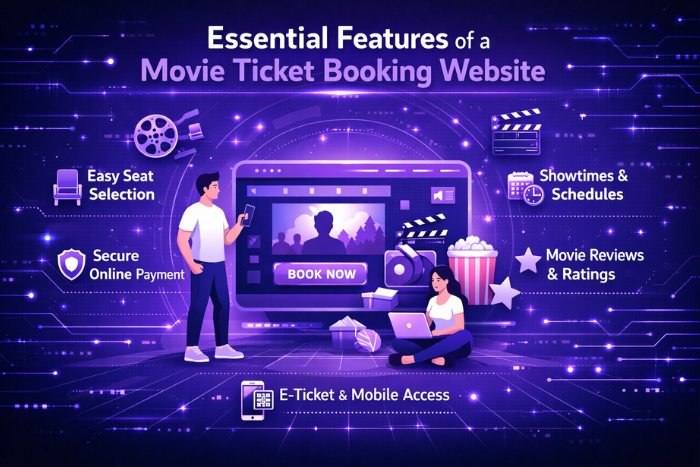
Essential Features of a Movie Ticket Booking Website
Essential Features of a Movie Ticket Booking Website Discover the essential features of a movie ticket booking website including seat selection, online payments, show listings, and real-time booking systems. Essential Features of a Movie Ticket Booking Website Online movie ticket booking platforms have transformed how audiences purchase cinema tickets. Instead of waiting in long queues at theaters, moviegoers can now browse showtimes, choose seats, and book tickets instantly through digital platforms. For cinema chains, entertainment startups, and ticketing companies, building a feature-rich booking system is essential to deliver a seamless experience for users. Understanding the essential features of a movie ticket booking website helps businesses create efficient platforms that simplify ticket sales while enhancing customer satisfaction. A modern movie ticket booking website allows users to search for movies, explore theaters, check show schedules, and reserve seats in real time. It also enables cinemas and event organizers to manage movie listings, monitor seat availability, process payments, and track ticket sales analytics. Today’s cinema booking systems include advanced features such as interactive seat maps, secure payment gateways, user accounts, personalized recommendations, mobile-friendly interfaces, and automated notifications. These features not only improve the booking experience but also help cinemas increase ticket sales and manage operations more effectively. Whether you are developing a ticket booking platform for a single cinema, a theater chain, or a multi-city movie marketplace, integrating the right functionality ensures a scalable and reliable ticketing system. This guide explores the key features, development process, technology stack, cost factors, and emerging trends in movie ticket booking website development. Why Essential Features of a Movie Ticket Booking Website Are Important The success of a movie ticket booking platform depends on how easily users can find movies, select seats, and complete their bookings. A well-designed website improves both operational efficiency and customer satisfaction. Here’s why implementing the essential features of a movie ticket booking website is important: Convenient Online Ticket BookingUsers can purchase tickets anytime without visiting theater counters. Improved Customer ExperienceInteractive seat selection and quick payment processes enhance the booking experience. Efficient Theater ManagementCinema operators can manage show schedules, seat availability, and ticket inventory. Secure Digital TransactionsIntegrated payment gateways ensure safe and reliable ticket purchases. Real-Time Ticket AvailabilityUsers can see available seats and showtimes instantly. Scalable Ticketing PlatformsModern systems can support multiple theaters and large volumes of users. By integrating essential features, movie ticket booking platforms can provide a smooth, secure, and engaging experience for moviegoers. Types of Cinema Ticket Booking Website Solutions Movie ticket booking systems can be designed for different cinema business models and entertainment platforms. Single Theater Booking Websites Platforms designed for individual cinemas or local theaters. Show schedule management Seat booking system Online payment processing Cinema Chain Booking Platforms Used by cinema companies operating multiple theaters. Multi-location movie listings Centralized seat management Theater-specific ticket pricing Multi-City Movie Ticket Marketplaces Platforms where users can browse and book tickets across multiple theaters and cities. Location-based search Theater comparisons Event discovery tools Movie and Entertainment Ticketing Platforms Platforms that combine movie ticketing with events such as live shows or premieres. Event listings Multiple ticket categories Promotional offers Mobile-Integrated Cinema Booking Systems Platforms optimized for mobile and web booking experiences. Mobile-friendly interfaces App integration Digital ticket access Each solution requires specific features depending on the scale and audience of the platform. Get Free Quotation Now..!! Key Features of a Movie Ticket Booking Website A successful movie ticket booking platform should include features for both customers and cinema operators. User Registration and Profile ManagementUsers should be able to create accounts using email, phone numbers, or social logins to manage bookings and preferences. Movie Listings and Search FiltersUsers should be able to browse movies by genre, language, release date, or theater location. Showtime Scheduling SystemThe platform should display real-time show schedules for different theaters and screens. Interactive Seat SelectionA visual seating layout allows users to select preferred seats before booking. Secure Online PaymentsPayment gateways should support multiple methods such as credit cards, digital wallets, and online banking. Digital Tickets and QR CodesElectronic tickets with QR codes enable quick entry at the cinema. Booking History and Ticket ManagementUsers should be able to view past bookings and download their tickets. Push Notifications and Email AlertsUsers receive reminders about showtimes, new movie releases, and promotional offers. Movie Ratings and ReviewsUsers can read reviews and ratings before booking tickets. Admin Dashboard for Cinema ManagementAdministrators can manage movie listings, showtimes, ticket pricing, and user data. Promotional Offers and DiscountsCoupons, loyalty rewards, and early booking offers help increase ticket sales. Real-Time Analytics and ReportingThe platform should track ticket sales, occupancy rates, and revenue data. These features ensure that the booking platform delivers a seamless experience for both users and cinema operators. Development Process for a Movie Ticket Booking Website Developing a movie ticket booking platform involves several stages to ensure functionality and performance. Requirement Analysis and PlanningDefine platform goals, user roles, and feature requirements. UI/UX Design and WireframingDesign intuitive interfaces for movie browsing and ticket booking. Technology Stack SelectionChoose frameworks, databases, and hosting infrastructure. Frontend and Backend DevelopmentDevelop booking interfaces, seat management systems, and admin dashboards. Payment Gateway IntegrationImplement secure payment processing systems. Testing and Quality AssuranceConduct usability testing, security checks, and performance optimization. Deployment and LaunchLaunch the platform on secure cloud infrastructure. Maintenance and UpdatesContinuous updates ensure stability and introduce new features. This development process ensures a scalable and reliable ticket booking system. Technology Stack Modern cinema booking platforms rely on advanced technologies for performance and security. Frontend Technologies: HTML5, CSS3, JavaScript, React, Angular Backend Technologies: Node.js, Python, PHP, Java Database Systems: MySQL, PostgreSQL, MongoDB Payment Gateways: Stripe, PayPal, Razorpay Cloud Platforms: AWS, Google Cloud Platform, Microsoft Azure DevOps Tools: Docker, Kubernetes, GitHub Actions Security Technologies: SSL encryption, OAuth authentication, secure APIs These technologies ensure scalability and secure ticket transactions. Cost Factors in Movie Ticket Booking Website Development The cost of developing a movie ticket booking platform depends on several factors. Key cost considerations include: Number of features and modules UI/UX design complexity Payment gateway integrations Seat mapping system