

How Do I Integrate Voice Assistant in an App? Learn how to integrate voice assistant in an app using AI, NLP, and speech recognition technologies with key features, development steps, and tools. How Do I Integrate Voice Assistant in an App? Voice assistant technology has transformed the way users interact with digital applications. Instead of navigating through menus or typing commands, users can now control apps using voice instructions. This shift toward conversational interfaces has led many businesses to explore how do I integrate voice assistant in an app to improve accessibility, efficiency, and user engagement. Voice assistants powered by artificial intelligence (AI), natural language processing (NLP), and speech recognition enable apps to understand spoken commands and respond intelligently. Popular voice assistants like Siri, Google Assistant, and Amazon Alexa have already demonstrated how voice-driven interactions can enhance everyday tasks such as searching information, booking services, controlling smart devices, and managing schedules. Integrating voice assistants into mobile and web applications allows businesses to deliver hands-free experiences and personalized interactions. These capabilities are particularly valuable in industries such as eCommerce, travel, healthcare, smart home automation, and customer support. In this guide, we explore how to integrate voice assistants into apps, including development strategies, types of voice assistant solutions, key features, technology stacks, cost factors, and the latest trends shaping voice-enabled applications. Why Voice Assistant Integration Is Important Voice-enabled applications are becoming increasingly popular as users look for faster and more convenient ways to interact with digital services. Integrating voice assistants into apps can significantly improve usability and accessibility. Key benefits include: Hands-Free InteractionUsers can interact with apps without touching their devices. Improved AccessibilityVoice assistants help people with disabilities navigate applications more easily. Faster User ExperienceVoice commands reduce the time required to perform tasks. Enhanced Customer EngagementConversational interfaces create more natural user interactions. Smart AutomationVoice assistants can automate tasks such as scheduling, searching, and notifications. Businesses that implement voice technology can provide innovative user experiences while staying competitive in the evolving digital landscape. Types of Solutions to Integrate Voice Assistant in an App Different voice assistant technologies can be integrated into mobile and web applications depending on business requirements. AI Voice Assistant IntegrationCustom AI-powered assistants capable of understanding and responding to user commands. Third-Party Voice Assistant IntegrationIntegration with existing platforms such as Google Assistant, Amazon Alexa, or Apple Siri. Voice Command Control SystemsApps that respond to specific commands for navigation and functionality. Conversational Chatbot Voice AssistantsAI chatbots enhanced with voice capabilities for customer service. Smart Device Voice IntegrationApps connected to IoT devices such as smart homes and wearables. Multilingual Voice AssistantsAssistants capable of understanding multiple languages for global users. These solutions help businesses create voice-enabled applications tailored to their users’ needs. Get Free Quotation Now..!! Key Features of Voice Assistant Apps Successful voice-enabled applications include features that improve interaction accuracy and user convenience. Speech RecognitionConverts spoken language into text that the app can process. Natural Language Processing (NLP)Enables the app to understand user intent and respond appropriately. Voice Command NavigationAllows users to navigate app features using spoken instructions. Text-to-Speech ResponseConverts app responses into natural-sounding voice outputs. Contextual UnderstandingAllows assistants to remember previous commands during conversations. Personalized Voice ExperiencesAI adapts responses based on user preferences and behavior. Multilingual SupportSupports voice commands in multiple languages. Integration with Third-Party APIsConnects voice assistants with other services and platforms. These features ensure voice assistants deliver smooth and intuitive interactions. Development Process to Integrate Voice Assistant in an App Developing a voice-enabled application requires a structured development approach. Define Use Cases and User NeedsIdentify how voice commands will enhance the app’s functionality. Select Voice Technology PlatformsChoose suitable AI and speech recognition tools. Design Conversational User Interfaces (VUI)Plan natural dialogue flows and voice interactions. Develop Speech Recognition SystemsImplement voice input processing and command recognition. Integrate APIs and AI ModelsConnect the app with NLP engines and voice processing services. Testing and Voice Command OptimizationEnsure accurate speech recognition across accents and environments. Deployment and IntegrationLaunch the app with voice assistant capabilities. Continuous Learning and ImprovementImprove performance using machine learning and user feedback. This development workflow ensures reliable voice assistant functionality. Technology Stack for Voice Assistant Integration Modern voice assistant apps rely on advanced AI and speech technologies. Speech Recognition Technologies: Google Speech-to-Text, Amazon Transcribe Natural Language Processing (NLP): Dialogflow, IBM Watson, Microsoft LUIS AI Frameworks: TensorFlow, PyTorch Mobile Development: Swift, Kotlin, Java, Dart Cross-Platform Frameworks: Flutter, React Native Backend Technologies: Node.js, Python, Java Cloud Platforms: AWS, Google Cloud Platform, Microsoft Azure Voice Assistant Platforms: Google Assistant SDK, Amazon Alexa Skills Kit, Apple SiriKit These technologies enable accurate voice recognition and intelligent responses. Cost Factors in Voice Assistant Integration The cost of integrating voice assistants into apps depends on several variables. Complexity of Voice FeaturesAdvanced conversational AI increases development costs. AI and NLP Model TrainingCustom AI models require additional resources and data. Platform IntegrationSupporting multiple voice platforms increases development scope. Voice Interface DesignDesigning conversational flows requires specialized expertise. Testing and OptimizationVoice recognition must be tested across languages and accents. Cloud InfrastructureAI processing and speech recognition require scalable cloud resources. Businesses should evaluate these factors when planning voice assistant integration projects. Latest Trends in Voice Assistant Technology Voice technology continues to evolve with new innovations improving conversational experiences. AI-Powered Conversational InterfacesAssistants capable of understanding complex user requests. Multimodal InterfacesCombining voice interaction with visual UI elements. Voice Commerce (V-Commerce)Users can make purchases using voice commands. Emotion Detection in Voice AISystems that analyze voice tone and emotional cues. Offline Voice ProcessingVoice assistants functioning without internet connectivity. Smart Device Ecosystem IntegrationVoice assistants controlling IoT devices and smart homes. These trends are shaping the future of voice-enabled applications. Why Choose Us for Voice Assistant App Development? Integrating voice assistants into applications requires expertise in artificial intelligence, natural language processing, and user experience design. Our development team specializes in building intelligent voice-enabled solutions that enhance user interaction. Here’s why businesses choose us: Expertise in AI and Voice Technologies – Advanced experience in speech recognition and conversational AI. Custom Voice Assistant Development – Tailored solutions designed for specific business

What are the costs of app development in Canada?
What are the costs of app development in Canada? Learn the costs of app development in Canada, including key factors, technologies, development process, and trends for building scalable mobile apps. What Are the Costs of App Development in Canada? Mobile applications have become essential tools for businesses looking to expand their digital presence and improve customer engagement. Companies across industries—from eCommerce and fintech to healthcare and logistics—are investing in mobile apps to provide seamless user experiences and automate business processes. A common question businesses ask before starting a project is: what are the costs of app development in Canada? App development costs in Canada vary depending on several factors, including the complexity of the application, platform selection (iOS, Android, or cross-platform), design requirements, development team expertise, and integrations with third-party services. Businesses often choose Canada for app development because of its strong technology ecosystem, skilled developers, and innovative startup culture. Typically, app development costs can range from $25,000 for simple apps to over $200,000 for complex enterprise-level applications. The final investment depends on features, security requirements, backend infrastructure, and scalability. Understanding the various factors that influence development costs helps businesses plan budgets effectively and make informed decisions when building a mobile application. In this guide, we explore the costs of app development in Canada, the development process, key features, technologies used, and the latest trends shaping mobile applications. Why Understanding the Costs of App Development in Canada Is Important Before launching a mobile application project, businesses need to evaluate development costs carefully. Knowing the estimated investment helps organizations plan resources and avoid unexpected expenses during the development cycle. Key reasons why cost planning is important include: Budget PlanningUnderstanding costs allows businesses to allocate resources effectively. Feature PrioritizationCompanies can identify essential features for the first version of the app. Technology SelectionChoosing the right technologies affects development cost and scalability. Efficient Project ManagementClear budgets help manage timelines and development milestones. Long-Term SustainabilityProper planning ensures the app can be maintained and updated after launch. A strategic approach to budgeting ensures successful mobile application development while maximizing return on investment. Types of App Development Solutions Businesses can choose different types of app development solutions depending on their goals, target audience, and budget. Native Mobile App DevelopmentApps built specifically for iOS or Android using platform-specific languages. Cross-Platform App DevelopmentApplications developed using frameworks like Flutter or React Native to run on multiple platforms. Enterprise Mobile ApplicationsApps designed for internal business operations, workflow management, and automation. On-Demand Service ApplicationsApps for services such as ride-hailing, food delivery, or home services. eCommerce Mobile ApplicationsMobile platforms for online shopping and digital payments. Progressive Web Applications (PWAs)Web-based applications that provide app-like experiences on mobile devices. Each solution comes with different development costs depending on complexity and required functionality. Get Free Quotation Now..!! Key Features That Influence the Costs of App Development in Canada Successful mobile apps include features that enhance usability, engagement, and performance. User Registration and AuthenticationSecure login through email, social media, or biometric authentication. User-Friendly InterfaceIntuitive design that improves navigation and user experience. Push NotificationsReal-time alerts to engage users and provide updates. Search and Filter OptionsAllows users to easily find products, services, or content. Secure Payment IntegrationSupport for digital payment gateways and mobile wallets. Data Analytics and InsightsTrack user behavior and app performance. Cloud Data SynchronizationEnables real-time updates across multiple devices. Scalable Backend ArchitectureEnsures the application can handle increasing traffic and data. These features form the foundation of most modern mobile applications. Mobile App Development Process Developing a mobile application involves several stages to ensure quality and performance. Market Research and PlanningIdentify target users, market demand, and business goals. UI/UX DesignCreate wireframes and prototypes to define the user experience. App Architecture and Backend DevelopmentBuild the infrastructure that supports application functionality. Frontend DevelopmentDevelop the user interface and app functionality. Integration with APIs and ServicesConnect the app with payment systems, analytics tools, and third-party services. Testing and Quality AssuranceEnsure the app works smoothly across devices and platforms. Deployment and LaunchPublish the app on app stores such as Apple App Store and Google Play. Maintenance and UpdatesContinuously improve the application based on user feedback. A structured development process ensures the app is reliable and scalable. Technology Stack for Mobile App Development The choice of technology plays a significant role in determining development cost and performance. Mobile Development Languages: Swift, Kotlin, Java Cross-Platform Frameworks: Flutter, React Native, Xamarin Backend Technologies: Node.js, Python, Java, PHP Databases: PostgreSQL, MongoDB, MySQL, Firebase Cloud Services: AWS, Google Cloud Platform, Microsoft Azure API Integration: REST APIs, GraphQL DevOps Tools: Docker, Kubernetes, CI/CD pipelines Selecting the right technology stack ensures the app remains scalable and secure. Cost Factors for App Development in Canada Several elements influence the final cost of app development in Canada. App ComplexityThe complexity of the application significantly affects development costs. Simple apps with basic functionality cost less, while complex apps with advanced features, integrations, and custom workflows require more development time and resources. Platform SelectionChoosing between iOS, Android, or cross-platform development influences the overall cost. Developing separate native apps for each platform usually costs more than building a single cross-platform solution. UI/UX Design RequirementsA visually appealing and user-friendly interface requires skilled designers, custom animations, and interactive elements, which can increase development costs. Backend InfrastructureApps that require complex backend systems, cloud infrastructure, databases, and real-time data synchronization typically involve higher development costs. Third-Party IntegrationsIntegrating payment gateways, APIs, analytics tools, and external services adds additional development time and cost. Security and ComplianceApplications handling sensitive data, especially in industries like healthcare or fintech, require advanced security measures and compliance standards, increasing development costs. Maintenance and UpdatesAfter launch, apps require continuous updates, bug fixes, performance improvements, and feature upgrades, which add ongoing maintenance costs. Understanding these factors helps businesses estimate the total investment needed for app development. Latest Trends Affecting the Costs of App Development in Canada The mobile app industry continues to evolve with new technologies and innovations. Artificial Intelligence and Machine LearningPersonalized user experiences and predictive analytics. Internet of Things (IoT) IntegrationApps connected with smart devices
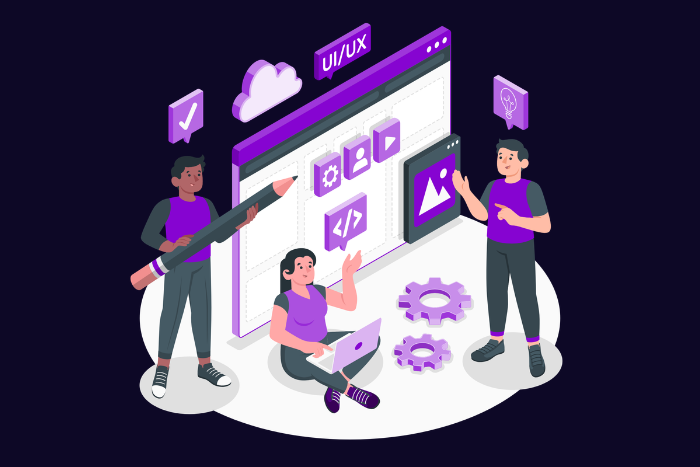
What Are the App Development Best Practices for UI?
What Are the App Development Best Practices for UI? Learn the best practices for UI in app development, including design principles, user experience strategies, development process, and modern UI trends. What Are the App Development Best Practices for UI? User interface (UI) design plays a critical role in the success of mobile and web applications. A well-designed interface helps users interact with applications smoothly while enhancing overall user experience (UX). Businesses developing digital products often ask what are the app development best practices for UI to ensure their applications are intuitive, visually appealing, and easy to navigate. Modern users expect applications that are not only functional but also visually engaging and responsive across devices. Poor UI design can lead to confusion, frustration, and high app abandonment rates. On the other hand, effective UI design improves usability, increases user engagement, and strengthens brand perception. Best practices for UI development focus on simplicity, consistency, accessibility, and performance optimization. Designers and developers must carefully consider elements such as layout structure, typography, color schemes, touch interactions, and responsive design. Additionally, UI must adapt seamlessly to various screen sizes and operating systems while maintaining visual consistency. This guide explores the best practices for UI in app development, including design strategies, key features, development processes, technology stacks, cost considerations, and emerging UI trends that help businesses create successful digital products. Why UI Best Practices Are Important in App Development User interface design is one of the most important factors influencing app usability and customer satisfaction. A well-structured UI ensures users can navigate an app easily and complete tasks efficiently. Here are several reasons why UI best practices are important: Improved User ExperienceClear and intuitive interfaces make applications easier to use. Higher User EngagementVisually appealing interfaces encourage users to spend more time in the app. Reduced Learning CurveConsistent UI patterns help users understand how the app works quickly. Better App PerformanceOptimized UI reduces loading times and improves responsiveness. Higher Conversion RatesWell-designed interfaces improve user actions such as purchases or registrations. Implementing strong UI practices helps businesses deliver products that users enjoy using and trust. Types of UI Design Solutions in App Development Different UI design approaches are used depending on the application type, platform, and user requirements. Responsive UI DesignInterfaces that automatically adjust to different screen sizes and device orientations. Mobile-First UI DesignDesigning the interface primarily for mobile devices before adapting to larger screens. Adaptive UI DesignInterfaces that adjust layouts based on device capabilities and screen dimensions. Cross-Platform UI DesignUI elements designed to work consistently across Android, iOS, and web platforms. Minimalist UI DesignSimple and clutter-free interfaces focusing on essential content. Accessibility-Focused UI DesignInterfaces optimized for users with disabilities, including screen readers and high-contrast modes. These UI design solutions ensure applications remain accessible and functional across multiple devices. Get Free Quotation Now..!! Key Features of Effective UI Design Successful applications implement UI features that enhance usability and user satisfaction. Clear Navigation StructureLogical menus and navigation systems that guide users through the app. Consistent Visual DesignUniform typography, colors, and icons across the entire interface. Touch-Friendly ControlsButtons and interactive elements optimized for mobile touch interactions. Readable TypographyProper font sizes and spacing for comfortable reading. Visual FeedbackIndicators showing users when actions are successful or in progress. Accessible Design ElementsHigh contrast and screen reader compatibility for accessibility. Fast Loading InterfaceOptimized UI elements that improve speed and performance. Dark Mode and Theme SupportCustomizable themes that enhance user comfort. These features create intuitive and engaging user interfaces. UI-Focused App Development Process Developing a strong UI requires a structured design and development process. User Research and Requirement AnalysisUnderstand target users, behaviors, and usability expectations. Wireframing and Information ArchitectureCreate visual blueprints outlining layout and navigation. UI/UX Design and PrototypingDesign interactive prototypes to test user interactions. Frontend Development ImplementationConvert UI designs into functional user interfaces. Usability Testing and FeedbackEvaluate how users interact with the app and identify improvements. Performance OptimizationImprove loading speeds and responsiveness. Deployment and User MonitoringLaunch the application and analyze user behavior. Continuous UI ImprovementsUpdate the interface based on feedback and usage data. Following this process ensures UI designs remain user-centered and effective. Technology Stack for UI Development Developers use various technologies and frameworks to build modern user interfaces. Frontend Technologies: HTML5, CSS3, JavaScript, TypeScript Mobile UI Frameworks: Flutter, React Native, SwiftUI, Jetpack Compose Design Tools: Figma, Adobe XD, Sketch UI Component Libraries: Material UI, Bootstrap, Tailwind CSS Testing Tools: Selenium, Cypress, Appium Performance Tools: Lighthouse, Firebase Performance Monitoring Cloud Platforms: AWS, Google Cloud Platform, Microsoft Azure Accessibility Tools: Axe, Lighthouse Accessibility Audit These technologies enable developers to build responsive and high-performing interfaces. Cost Factors in UI Development Several factors influence the cost of implementing effective UI design in applications. Design ComplexityAdvanced animations and custom graphics increase design costs. Platform SupportSupporting multiple platforms such as Android, iOS, and web requires additional effort. UI Testing and OptimizationUsability testing and iterative improvements add to the project scope. Custom Design RequirementsUnique branding and visual styles require specialized design work. Accessibility ImplementationEnsuring accessibility standards may require additional development. Maintenance and UI UpdatesOngoing improvements based on user feedback increase long-term costs. Understanding these factors helps businesses allocate budgets effectively for UI development. Latest Trends in UI App Development UI design trends continue to evolve as user expectations and technologies change. Neumorphism and Glassmorphism DesignModern visual styles that add depth and transparency effects. Dark Mode InterfacesDark-themed interfaces that reduce eye strain. MicrointeractionsSmall animations that provide feedback for user actions. Voice-Based User InterfacesVoice navigation integrated into applications. Gesture-Based NavigationSwipe and gesture controls replacing traditional buttons. AI-Driven PersonalizationInterfaces that adapt based on user behavior. These trends help developers create engaging and modern user experiences. Why Choose Us for UI-Focused App Development? Creating successful applications requires strong UI expertise combined with modern development technologies. Our team specializes in designing intuitive, visually appealing, and high-performing user interfaces. Here’s why businesses choose us: User-Centered Design Approach – We design interfaces based on real user behavior and usability principles. Modern UI Technologies – Expertise in Flutter, React Native, and modern frontend frameworks. Cross-Platform UI Development
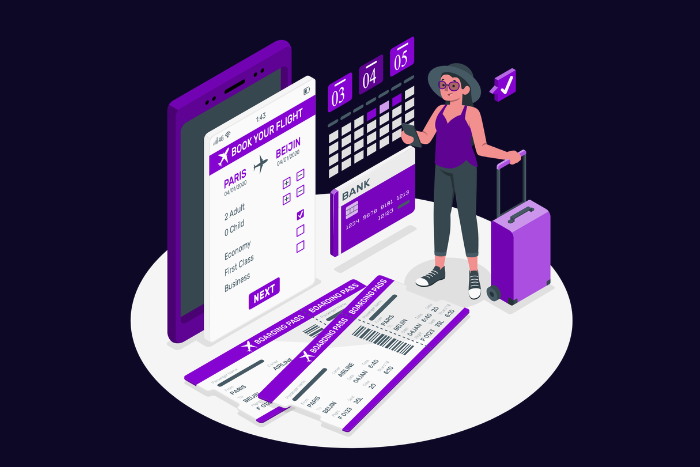
How Do I Develop an App for Travel Booking?
How Do I Develop an App for Travel Booking? Learn how to develop a travel booking app with key features, development process, technology stack, cost factors, and latest travel app trends. How Do I Develop an App for Travel Booking? The travel and tourism industry has rapidly evolved with the growth of mobile technology and digital platforms. Travelers today expect convenient, fast, and personalized booking experiences directly from their smartphones. As a result, businesses across the travel sector are investing heavily in digital platforms, leading many companies to ask how do I develop an app for travel booking that delivers a seamless user experience. Travel booking apps allow users to search and book flights, hotels, vacation packages, car rentals, and travel activities in one place. These applications simplify the entire travel planning process by providing real-time availability, price comparisons, secure payments, and itinerary management. Popular travel apps have transformed the way people explore destinations, making travel more accessible and efficient. Developing a successful travel booking app requires careful planning, user-focused design, robust backend infrastructure, and integration with third-party services such as airline APIs, hotel databases, and payment gateways. Additionally, features like personalized recommendations, real-time notifications, and AI-powered search enhance the user experience. In this guide, we explore how to develop a travel booking app, including the essential services, types of solutions, features, development processes, technology stacks, cost considerations, and emerging trends shaping the travel technology industry. Why Travel Booking App Development Is Important Travel booking apps play a vital role in modern tourism and hospitality services. Businesses that invest in travel apps can offer customers more convenient booking experiences while improving operational efficiency. Here are some key reasons why travel booking apps are important: Convenient Booking ExperienceUsers can book flights, hotels, and travel services directly from their mobile devices. Improved Customer EngagementPersonalized recommendations and notifications enhance user interaction. Real-Time Travel InformationApps provide instant updates on availability, prices, and travel schedules. Business Growth OpportunitiesTravel apps help companies reach global customers and expand their services. Competitive AdvantageBusinesses with efficient digital platforms can outperform competitors in the travel industry. By adopting travel booking applications, companies can deliver better services while increasing revenue and customer loyalty. Types of Travel Booking Application Development Solutions Travel app development services include multiple types of applications designed to support different travel services. Flight Booking ApplicationsApps that allow users to search flights, compare prices, and book airline tickets. Hotel and Accommodation Booking AppsPlatforms that provide hotel listings, room availability, and reservation services. Travel Planning and Itinerary AppsApps that help users organize trips, schedules, and travel activities. Transportation and Ride Booking AppsPlatforms for booking taxis, car rentals, and local transportation. Travel Guide ApplicationsApps offering destination information, maps, and travel recommendations. Vacation Package Booking AppsPlatforms that combine flights, hotels, and activities into bundled packages. These solutions support various travel industry needs and improve the travel planning experience. Get Free Quotation Now..!! Key Features of Travel Booking Apps Successful travel booking apps include features that simplify booking processes and improve user experiences. User Registration and ProfilesPersonalized user accounts with saved preferences and booking history. Advanced Search and FiltersTools for searching flights, hotels, and travel services based on user preferences. Real-Time Booking and AvailabilityInstant updates on travel options and prices. Secure Payment IntegrationSupport for multiple payment methods including digital wallets and credit cards. Travel Itinerary ManagementOrganized trip details including bookings, schedules, and confirmations. Push Notifications and AlertsUpdates on price changes, booking confirmations, and travel reminders. Customer Support and Chat AssistanceHelp centers and chat support for travelers. Reviews and Ratings SystemUser feedback for hotels, airlines, and travel services. These features ensure smooth booking experiences and build trust among users. Travel Booking Application Development Process Developing a travel booking app involves several stages to ensure a reliable and scalable platform. Market Research and Business AnalysisIdentify target users, competitors, and market opportunities. Requirement Planning and Feature DefinitionDefine core functionalities and integration requirements. UI/UX Design for Travel ExperiencesCreate intuitive interfaces that simplify booking processes. Backend and Frontend DevelopmentBuild scalable systems for managing travel data and user interactions. Third-Party API IntegrationIntegrate airline, hotel, and payment service APIs. Testing and Quality AssuranceConduct usability, performance, and security testing. Deployment and LaunchPublish the application on mobile platforms and web environments. Maintenance and Continuous ImprovementRegular updates and feature enhancements. A structured development process ensures that travel apps deliver reliable and efficient services. Technology Stack for Travel Booking App Development Modern travel applications require scalable technologies to support large user bases and real-time booking systems. Mobile Development: Swift, Kotlin, Java, Dart Cross-Platform Frameworks: Flutter, React Native Frontend Technologies: HTML5, CSS3, JavaScript, TypeScript Backend Technologies: Node.js, Python, Java, .NET Databases: PostgreSQL, MongoDB, MySQL, Firebase Cloud Platforms: AWS, Google Cloud Platform, Microsoft Azure Travel APIs: Amadeus API, Skyscanner API, Expedia API Security Tools: OAuth 2.0, SSL encryption, secure payment gateways These technologies enable travel apps to deliver real-time booking services and seamless performance. Cost Factors in Travel Booking App Development The cost of developing a travel booking app depends on several variables. Application ComplexityAdvanced features like AI recommendations and real-time pricing increase costs. Platform CoverageDeveloping apps for Android, iOS, and web platforms requires additional resources. Third-Party API IntegrationsTravel data providers and booking APIs increase development complexity. Design and User ExperienceTravel apps require visually engaging interfaces and smooth navigation. Payment and Security SystemsSecure transactions and compliance standards increase development requirements. Maintenance and UpdatesContinuous improvements and infrastructure support add long-term costs. Understanding these cost factors helps businesses plan travel app development budgets effectively. Latest Trends in Travel Booking App Development Travel technology continues to evolve with innovations that enhance digital travel experiences. Artificial Intelligence Travel AssistantsAI tools provide personalized travel recommendations. Voice-Based Travel SearchVoice assistants help users search and book travel services. Augmented Reality Travel ExperiencesAR technology allows users to explore destinations virtually. Blockchain for Secure BookingsBlockchain improves transaction transparency and security. Dynamic Pricing AlgorithmsAI-based systems provide real-time price optimization. Contactless Travel SolutionsMobile apps support digital boarding passes and contactless payments. These trends are shaping the future of travel booking applications. Why Choose Us for Travel

What Are the App Development Services for Education Industry?
What Are the App Development Services for Education Industry? Explore app development services for the education industry, including eLearning apps, LMS platforms, features, technology stacks, and development trends. What Are the App Development Services for Education Industry? Digital transformation has significantly reshaped the education sector, making technology-driven learning solutions more essential than ever. Educational institutions, training organizations, and EdTech startups are increasingly investing in mobile and web applications to enhance learning experiences, improve accessibility, and streamline administrative processes. As a result, many organizations are exploring what are the app development services for education industry to build innovative digital learning platforms. Education app development services focus on creating interactive and scalable solutions that support online learning, virtual classrooms, course management, and student engagement. These applications help institutions deliver high-quality learning content to students anytime and anywhere. From eLearning apps and language learning platforms to corporate training systems and school management software, educational applications enable institutions to expand their reach and improve educational outcomes. Modern education apps integrate advanced technologies such as artificial intelligence, cloud computing, gamification, and data analytics to provide personalized learning experiences. These digital tools also support features like video conferencing, progress tracking, quizzes, and collaborative learning environments. In this guide, we will explore the various app development services available for the education industry, including types of solutions, essential features, development processes, technology stacks, cost considerations, and emerging trends shaping the future of digital education. Why App Development Services for Education Industry Are Important The adoption of mobile and web applications in education has created new opportunities for institutions, educators, and learners. Education apps make learning more accessible, interactive, and efficient. Key reasons why education app development services are important include: Improved Learning AccessibilityStudents can access educational content anytime and from anywhere. Enhanced Student EngagementInteractive learning tools such as quizzes, gamification, and multimedia content increase engagement. Efficient Learning ManagementInstitutions can manage courses, assignments, and student data through centralized platforms. Scalable Learning PlatformsEducation apps allow institutions to reach global audiences. Personalized Learning ExperiencesAI-powered tools help tailor learning content based on individual progress and preferences. Education applications empower both educators and students by making learning flexible, data-driven, and technology-enabled. Types of App Development Solutions for the Education Platform Education app development services include various types of solutions tailored to different learning environments and educational goals. E-Learning Application DevelopmentPlatforms that deliver online courses, digital classrooms, and learning modules. Learning Management System (LMS) DevelopmentSystems that manage course content, track student progress, and handle assessments. Virtual Classroom ApplicationsApps enabling live lectures, video conferencing, and interactive discussions. Language Learning ApplicationsApps designed to help users learn new languages through structured lessons. Corporate Training ApplicationsPlatforms used by organizations to train employees and improve professional skills. School Management ApplicationsApps for managing student records, attendance, schedules, and communication between parents and teachers. Educational Content PlatformsApps that provide digital libraries, study materials, and academic resources. These solutions support diverse educational needs across schools, universities, and training institutions. Get Free Quotation Now..!! Key Features of Modern Education Apps Successful education applications require features that enhance both teaching and learning experiences. User Registration and ProfilesPersonalized user accounts for students, teachers, and administrators. Course Management SystemOrganizing courses, modules, and educational content. Video Lectures and Live ClassesReal-time video streaming for interactive learning. Assignment and Quiz ManagementTools for creating and evaluating assessments. Progress Tracking and AnalyticsMonitoring student performance and learning progress. Gamification and RewardsPoints, badges, and leaderboards to encourage engagement. Push Notifications and RemindersAlerts for assignments, exams, and upcoming lectures. Multi-Device AccessibilitySupport for smartphones, tablets, and web platforms. These features create engaging learning environments and improve educational outcomes. Education Application Development Process Developing an education application requires a structured development process to ensure scalability and performance. Requirement Analysis and ResearchIdentify target users, educational goals, and platform requirements. Planning and Architecture DesignDefine app structure, features, and technical architecture. UI/UX Design for Learning PlatformsDesign user-friendly interfaces suitable for students and educators. Application DevelopmentBuild frontend and backend systems using modern development technologies. Content and Feature IntegrationAdd learning materials, multimedia content, and interactive features. Testing and Quality AssurancePerform performance testing, usability testing, and security checks. Deployment and LaunchRelease the application on app stores or web platforms. Maintenance and UpdatesRegular updates ensure platform stability and feature improvements. This process ensures that education apps meet industry standards and user expectations. Technology Stack for Education App Development Education applications rely on modern technologies that support scalability and performance. Mobile Development: Swift, Kotlin, Java, Dart Cross-Platform Frameworks: Flutter, React Native Frontend Technologies: HTML5, CSS3, JavaScript, TypeScript Backend Technologies: Node.js, Python, Java, .NET Databases: PostgreSQL, MongoDB, MySQL, Firebase Cloud Platforms: AWS, Google Cloud Platform, Microsoft Azure Video Streaming Technologies: WebRTC, Agora, Zoom SDK Security Tools: OAuth 2.0, SSL encryption, secure authentication systems These technologies help create reliable and scalable education platforms. Cost Factors in Education App Development The cost of developing education applications varies depending on several factors. Application ComplexityAdvanced features like AI-based learning increase development costs. Platform SupportDeveloping apps for Android, iOS, and web platforms affects overall cost. Content IntegrationEducational materials, videos, and interactive tools require additional resources. Third-Party IntegrationsPayment gateways, video conferencing tools, and analytics systems increase complexity. Design and User ExperienceInteractive learning interfaces require specialized UI/UX design. Maintenance and UpdatesOngoing support is required to maintain learning platforms. Understanding these factors helps institutions plan budgets effectively for their digital learning platforms. Latest Trends in Education Application Development Education technology continues to evolve with innovations that improve digital learning experiences. Artificial Intelligence in EducationAI-powered tutoring and personalized learning recommendations. Gamified Learning PlatformsGame-based elements that increase student motivation. AR and VR Learning ExperiencesImmersive simulations for science, engineering, and medical training. Microlearning PlatformsShort educational modules designed for quick learning. Cloud-Based Education PlatformsScalable solutions supporting remote learning environments. Data Analytics for Student InsightsTracking student performance and engagement patterns. These trends are transforming the future of digital education. Why Choose Us for Education App Development? Developing successful education applications requires deep expertise in EdTech platforms, user experience design, and scalable software architecture. Our team specializes in creating advanced learning applications tailored to the needs of modern

How Do I Ensure App Compatibility with Devices?
How Do I Ensure App Compatibility with Devices? Learn how to ensure app compatibility with devices using responsive design, testing strategies, cross-platform frameworks, and modern development tools. How Do I Ensure App Compatibility with Devices? In today’s digital ecosystem, mobile applications must run smoothly across a wide range of devices, operating systems, screen sizes, and hardware configurations. From smartphones and tablets to wearables and smart TVs, users expect seamless performance regardless of the device they use. This is why many businesses and developers ask how do I ensure app compatibility with devices when building modern applications. Device compatibility plays a critical role in delivering consistent user experiences. If an app fails to function correctly on certain devices, it can result in poor user reviews, reduced engagement, and potential revenue loss. Ensuring compatibility requires careful planning during the design, development, and testing stages. Developers must consider factors such as operating system versions, screen resolutions, hardware capabilities, and device performance. Modern development approaches like responsive design, cross-platform frameworks, cloud-based testing, and automated quality assurance help ensure applications run reliably across different devices. By adopting these strategies, businesses can deliver stable, scalable, and high-performing apps that reach a broader audience. This guide explains how to ensure app compatibility with devices, including development strategies, testing methods, technology stacks, cost considerations, and emerging trends shaping device-compatible app development. Why Ensuring App Compatibility with Devices Is Important Device compatibility is essential for delivering reliable digital experiences and maintaining customer satisfaction. When an app works consistently across multiple devices, it improves user trust and engagement. Key reasons why compatibility matters include: Consistent User ExperienceApps must deliver the same functionality and design across various screen sizes and devices. Wider Market ReachCompatibility allows businesses to reach users across different operating systems and hardware environments. Improved Performance and StabilityApps optimized for multiple devices reduce crashes and technical issues. Higher App Store RatingsWell-performing apps across devices receive better reviews and ratings. Better Brand ReputationReliable apps strengthen brand credibility and user loyalty. Ensuring device compatibility ultimately leads to higher adoption rates and long-term business success. Types of Solutions to Ensure App Compatibility with Devices Different development strategies help ensure applications work effectively across diverse device environments. Responsive Mobile App DevelopmentApps designed with flexible layouts that adapt to various screen sizes and orientations. Cross-Platform App DevelopmentFrameworks that allow developers to build apps for Android and iOS using a single codebase. Native App Development OptimizationNative applications optimized specifically for device hardware and operating systems. Cloud-Based Device Testing SolutionsPlatforms that simulate multiple devices and environments for testing. Progressive Web Applications (PWAs)Web-based apps that function across devices without requiring installation. Device-Specific Feature IntegrationEnsuring compatibility with sensors, cameras, GPS, and other hardware features. These solutions allow developers to build apps that perform reliably across diverse devices. Get Free Quotation Now..!! Key Features for Device-Compatible Applications Ensuring compatibility requires implementing features that support diverse devices and operating systems. Responsive User Interface DesignInterfaces that adjust dynamically for different screen sizes. Adaptive Layouts and Flexible GridsLayouts that ensure consistent design across devices. Operating System Version SupportCompatibility with multiple OS versions for Android and iOS. Device Feature DetectionIdentifying hardware capabilities such as GPS, camera, and sensors. Performance OptimizationEfficient resource usage to support low-end and high-end devices. Automated Testing IntegrationContinuous testing across devices during development. Offline FunctionalityEnsuring core app features work even without internet connectivity. Secure Data HandlingMaintaining security across devices and platforms. These features ensure that applications function smoothly regardless of device specifications. Development Process to Ensure App Compatibility with Devices A structured development process helps ensure that apps remain compatible across different device environments. Requirement Analysis and Device ResearchIdentify target devices, operating systems, and user environments. Architecture and Technology SelectionChoose frameworks and tools that support multi-device compatibility. UI/UX Design with Responsive LayoutsDesign interfaces that adapt to different screen sizes and resolutions. Cross-Platform or Native DevelopmentBuild the application using optimized development frameworks. Integration with Device FeaturesConnect the app with hardware features like cameras, sensors, and GPS. Testing Across Multiple DevicesUse emulators, simulators, and real devices for comprehensive testing. Performance OptimizationOptimize resource usage and app performance across devices. Deployment and Continuous MonitoringLaunch the app and monitor compatibility issues in real-world environments. This development workflow ensures applications remain stable and compatible across multiple devices. Technology Stack for Device-Compatible App Development Developers rely on modern technologies to ensure compatibility and performance. Mobile Development Languages: Swift, Kotlin, Java, Dart Cross-Platform Frameworks: Flutter, React Native, Xamarin Frontend Technologies: HTML5, CSS3, JavaScript, TypeScript Backend Technologies: Node.js, Python, Java, .NET Testing Tools: Appium, Selenium, BrowserStack, Firebase Test Lab Cloud Platforms: AWS, Google Cloud Platform, Microsoft Azure DevOps Tools: Docker, Kubernetes, Jenkins, GitHub Actions Security Tools: OAuth 2.0, SSL encryption, secure API gateways These technologies enable developers to build scalable and device-compatible applications. Cost Factors in Ensuring App Compatibility with Devices Several factors influence the cost of building and maintaining device-compatible applications. Number of Devices SupportedSupporting multiple device models increases testing requirements. Platform CoverageDeveloping apps for Android, iOS, and web platforms increases complexity. UI/UX Design ComplexityResponsive and adaptive designs require additional development effort. Testing InfrastructureDevice testing tools and real-device testing environments add costs. Third-Party IntegrationsAPIs and device-specific features may require additional configuration. Maintenance and UpdatesContinuous updates are required to support new devices and OS versions. Businesses must consider these factors when planning budgets for app development projects. Latest Trends in Ensuring App Compatibility with Devices App compatibility strategies are evolving with new technologies and development practices. AI-Powered Testing AutomationArtificial intelligence tools automate compatibility testing across devices. Cloud-Based Device Testing PlatformsDevelopers test apps on thousands of devices remotely. Responsive and Adaptive UI Design SystemsModern design frameworks simplify multi-device compatibility. Progressive Web Apps (PWAs)PWAs deliver app-like experiences across browsers and devices. Foldable Device OptimizationApps are being designed to support foldable and multi-screen devices. Edge Computing IntegrationApps process data closer to the user device for better performance. These trends help developers build apps that adapt to rapidly evolving device ecosystems. Why Choose Us for Device-Compatible App Development? Ensuring device compatibility requires deep expertise in mobile development, testing strategies, and scalable architecture.
What Are the App Development Costs for Large Business?
What Are the App Development Costs for Large Business? Discover the app development costs for large businesses, including enterprise features, technology stacks, development stages, and cost factors. What Are the App Development Costs for Large Business? Mobile and enterprise applications have become critical digital assets for large businesses aiming to improve customer engagement, streamline operations, and scale their services globally. Organizations across industries such as finance, retail, healthcare, and logistics rely on mobile apps to provide seamless digital experiences to customers and employees. Because enterprise-level applications require complex infrastructure and advanced functionality, many companies ask what are the app development costs for large business before starting their projects. Unlike small startup apps or simple MVPs, enterprise applications involve larger development teams, robust backend architecture, integrations with multiple systems, and strict security compliance. These apps may include advanced features such as AI-powered analytics, cloud scalability, real-time data processing, and enterprise resource integration. As a result, the cost of developing apps for large businesses varies significantly depending on complexity, technology choices, and project scope. Understanding the cost factors involved in large-scale app development helps businesses plan budgets effectively and choose the right development strategy. In this guide, we explore the key aspects of enterprise app development costs, including development stages, technology stacks, cost drivers, and the latest trends shaping large-scale digital solutions. Why Enterprise App Development Services Are Important Large businesses operate in highly competitive digital environments where efficient software solutions are essential for growth. Enterprise mobile and web applications allow companies to automate processes, improve productivity, and deliver better customer experiences. Here are several reasons why enterprise app development services are important: Enhanced Customer EngagementMobile apps allow businesses to connect directly with customers through personalized services. Operational EfficiencyEnterprise applications streamline workflows and automate complex business processes. Scalable Digital InfrastructureLarge organizations require applications capable of supporting millions of users. Data-Driven Decision MakingApps provide analytics and insights that help companies improve strategies. Competitive AdvantageBusinesses with advanced digital platforms can innovate faster and stay ahead of competitors. For large organizations, investing in high-quality app development is essential for long-term growth and digital transformation. Types of App Development Solutions for Large Business Large businesses develop different types of applications depending on operational needs and business goals. Customer-Facing Mobile ApplicationsApps designed to improve customer experience, such as retail, banking, and service apps. Enterprise Resource Planning (ERP) AppsPlatforms that help businesses manage resources, finances, and operations. E-Commerce ApplicationsLarge-scale online shopping platforms with secure payment systems and inventory management. Internal Business Management AppsTools used by employees to manage tasks, collaboration, and productivity. On-Demand Service PlatformsApplications supporting delivery, booking, logistics, or transportation services. Data Analytics and Business Intelligence AppsPlatforms that analyze business data to provide actionable insights. These enterprise solutions help large businesses optimize processes and deliver high-quality digital experiences. Get Free Quotation Now..!! Key Features That Impact App Development Costs for Large Business Enterprise applications require advanced features to support large-scale operations and high user traffic. High ScalabilitySystems capable of handling large user bases and high data volumes. Secure Authentication and Data ProtectionFeatures such as multi-factor authentication and encryption. Real-Time Data ProcessingInstant updates and analytics for operational efficiency. API and Third-Party IntegrationsIntegration with CRM systems, payment gateways, and enterprise software. Cloud Infrastructure SupportCloud-based architecture ensures reliability and scalability. Advanced Analytics and ReportingDashboards and reports that support strategic decision-making. User Role ManagementAccess control for different user roles within the organization. Cross-Platform CompatibilityApplications accessible across mobile devices, tablets, and desktops. These features ensure enterprise apps can support complex business operations. Enterprise App Development Process Developing an enterprise-level application involves multiple stages to ensure reliability and performance. Market Research and Business AnalysisUnderstand business goals, user needs, and market trends. Project Planning and Requirement GatheringDefine app features, integrations, and technical architecture. UI/UX DesignCreate user-friendly interfaces suitable for large-scale applications. Application DevelopmentDevelop frontend and backend systems using scalable technologies. Integration with Enterprise SystemsConnect the app with CRM, ERP, payment systems, and third-party tools. Testing and Quality AssuranceConduct performance testing, security checks, and bug fixing. Deployment and LaunchRelease the application on app stores or enterprise platforms. Maintenance and Continuous ImprovementProvide updates, monitoring, and performance optimization. Following a structured development process ensures enterprise apps remain reliable and scalable. Technology Stack for Enterprise App Development Enterprise applications require robust technologies that support scalability, security, and performance. Mobile Development: Swift, Kotlin, Java, Dart Cross-Platform Frameworks: Flutter, React Native Frontend Technologies: HTML5, CSS3, JavaScript, TypeScript Backend Technologies: Node.js, Python, Java, .NET Databases: PostgreSQL, MongoDB, MySQL, Firebase Cloud Platforms: AWS, Google Cloud Platform, Microsoft Azure DevOps Tools: Docker, Kubernetes, Jenkins, GitHub Actions Security Technologies: OAuth 2.0, SSL encryption, multi-factor authentication This technology stack enables enterprise apps to support complex operations and large user bases. Cost Factors in Enterprise App Development The cost of app development for large businesses varies depending on several factors. Application ComplexityAdvanced features such as AI, analytics, and real-time systems increase development costs. Number of Platforms SupportedApps developed for Android, iOS, and web platforms require additional resources. UI/UX Design ComplexityHigh-quality designs with animations and custom interfaces require more time. Third-Party IntegrationsIntegration with payment gateways, APIs, and enterprise software increases complexity. Development Team Size and ExpertiseLarge projects require experienced developers, designers, and architects. Security and Compliance RequirementsIndustries such as finance and healthcare require strict security standards. Infrastructure and Cloud HostingLarge-scale apps require reliable cloud infrastructure and server resources. Enterprise-level apps typically require larger budgets compared to startup or small business applications due to their complexity and scalability requirements. Latest Trends Affecting App Development Costs for Large Business Enterprise app development continues to evolve with new technologies that improve performance and user experience. Artificial Intelligence IntegrationAI tools provide automation, predictive analytics, and personalized experiences. Cloud-Native ApplicationsBusinesses are building scalable apps using cloud infrastructure. Low-Code and No-Code Development PlatformsCompanies are adopting faster development tools for internal apps. Advanced Data AnalyticsReal-time analytics help organizations make smarter decisions. Blockchain for Enterprise SecurityBlockchain technology improves transparency and data security. Internet of Things (IoT) IntegrationEnterprise apps connect with smart devices and industrial systems. These trends are shaping the next generation of enterprise
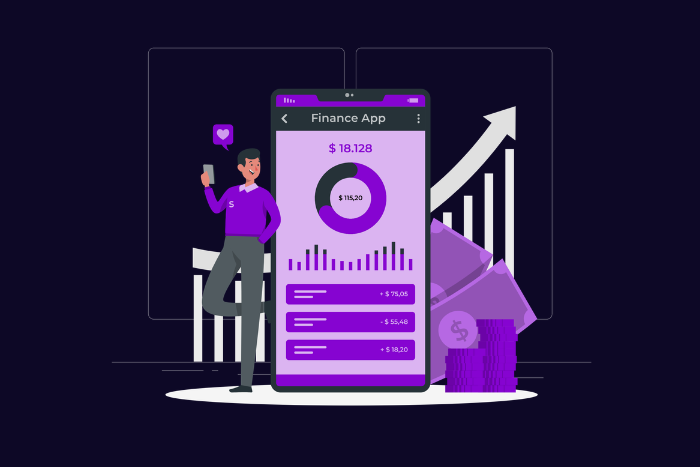
How Do I Develop an App for Personal Finance?
How Do I Develop an App for Personal Finance? Learn how to develop a personal finance app with budgeting tools, expense tracking, AI insights, and secure fintech technologies. How Do I Develop an App for Personal Finance? Personal finance applications have become essential tools for individuals who want to manage their money, track expenses, and achieve financial goals more effectively. With the rise of digital banking, fintech innovations, and mobile-first financial services, many businesses and startups are exploring how do I develop an app for personal finance that helps users make smarter financial decisions. A personal finance app allows users to monitor income, track expenses, manage budgets, and plan long-term financial goals in a single digital platform. These applications can also integrate with bank accounts, payment systems, and financial analytics tools to provide real-time insights into spending habits. Modern personal finance apps increasingly use artificial intelligence, predictive analytics, and automation to deliver personalized financial advice. From budgeting tools and expense trackers to investment platforms and AI-driven financial assistants, personal finance applications empower users to take control of their financial health. Businesses entering the fintech space can leverage these solutions to build subscription-based services, provide financial education, and create innovative financial ecosystems. In this guide, we explore how to develop a personal finance app, including the essential features, development process, technologies, costs, and emerging trends shaping the future of fintech applications. Why Personal Banking App Development is Important Personal finance apps have become increasingly popular as individuals look for convenient ways to manage their finances in a digital environment. These applications help users improve financial literacy, reduce unnecessary spending, and achieve savings goals. Here are some reasons why developing a personal finance app is important: Better Financial AwarenessUsers gain insights into their spending habits and financial patterns. Automated Budget ManagementApps help users create budgets and track expenses automatically. Convenient Financial TrackingMobile apps allow users to monitor transactions and balances in real time. Improved Financial PlanningTools for goal setting help users plan savings, investments, and debt management. Growing Fintech Market OpportunitiesBusinesses can create profitable fintech products through subscriptions and premium services. Personal finance apps empower users with tools to make informed financial decisions. Types of Personal Finance App Solutions Personal finance applications can be developed for different financial needs and user preferences. Budget Planning AppsApplications that help users create budgets and monitor monthly expenses. Expense Tracking AppsTools that categorize spending and provide detailed financial reports. Investment Management AppsPlatforms that allow users to track investments, portfolios, and financial assets. Money Management AppsComprehensive solutions that combine budgeting, expense tracking, and financial insights. Peer-to-Peer Payment AppsApplications enabling secure money transfers between users. Savings and Goal Tracking AppsApps designed to help users save money and achieve financial targets. Financial Advisory AppsAI-powered apps that provide personalized financial advice and recommendations. These solutions enable businesses to build versatile fintech products for diverse audiences. Get Free Quotation Now..!! Key Features of Personal Finance Apps A successful personal finance app must include features that help users manage finances securely and efficiently. Account IntegrationUsers can link bank accounts, credit cards, and digital wallets. Expense Tracking and CategorizationTransactions are automatically categorized to show spending patterns. Budget Planning ToolsUsers can create monthly budgets and monitor spending limits. AI-Powered Financial InsightsAlgorithms analyze financial behavior and offer recommendations. Goal-Based Savings TrackingUsers can set financial goals such as saving for travel or retirement. Real-Time Alerts and NotificationsNotifications for unusual spending or bill reminders. Security and AuthenticationFeatures such as biometric login and multi-factor authentication. Financial Reports and AnalyticsVisual dashboards provide insights into financial performance. These features ensure personal finance apps remain secure, informative, and user-friendly. Personal Finance App Development Process Building a personal finance application requires a structured development approach. Market Research and Target Audience AnalysisIdentify the needs of users and study competing fintech applications. Define Application ObjectivesDetermine whether the app focuses on budgeting, investments, or comprehensive financial management. Requirement Gathering and Feature PlanningOutline core functionalities, integrations, and security requirements. UI/UX DesignDesign intuitive interfaces that simplify complex financial information. Backend Development and API IntegrationBuild secure systems that integrate with financial institutions and payment gateways. Testing and Security ValidationConduct security testing, performance checks, and regulatory compliance verification. Deployment and LaunchPublish the application on mobile platforms and configure cloud infrastructure. Maintenance and Continuous UpdatesImprove the application through updates, bug fixes, and feature enhancements. This process ensures the development of reliable fintech applications. Technology Stack for Personal Finance App Development Fintech applications require advanced technologies to ensure security, scalability, and data accuracy. Mobile Development: Swift, Kotlin, Java, Dart Cross-Platform Frameworks: Flutter, React Native Frontend Technologies: HTML5, CSS3, JavaScript, TypeScript Backend Technologies: Node.js, Python, Java, PHP Databases: PostgreSQL, MongoDB, MySQL, Firebase Cloud Platforms: AWS, Google Cloud Platform, Microsoft Azure DevOps Tools: Docker, Kubernetes, GitHub Actions Security Technologies: OAuth 2.0, SSL encryption, biometric authentication A strong technology stack helps maintain security and performance in financial applications. Cost Factors in Personal Finance App Development The cost of building a personal finance application depends on multiple variables. Complexity of financial features and analytics Integration with banking systems and payment APIs Security and compliance requirements UI/UX design complexity Cloud infrastructure and hosting Development team expertise and location Maintenance and support services Basic finance apps may require moderate budgets, while AI-driven fintech platforms can involve higher development investments. Latest Trends in Personal Finance App Development The fintech industry continues to evolve with innovative technologies that enhance financial management experiences. AI-Powered Financial AssistantsIntelligent systems provide personalized budgeting and financial advice. Automated Expense TrackingMachine learning algorithms categorize transactions automatically. Open Banking IntegrationSecure APIs allow apps to connect with multiple financial institutions. Predictive Financial AnalyticsData analytics tools forecast spending patterns and savings potential. Voice-Based Financial AssistanceVoice assistants help users manage finances through natural language commands. Enhanced Fraud DetectionAI algorithms monitor unusual transactions and prevent fraud. These trends are shaping the future of fintech applications and personal finance management. Why Choose Us for Personal Finance App Development? Choosing the right development partner is essential when building secure and scalable fintech applications. Our team specializes in creating innovative personal finance
What Are the App Development Services for Fitness Apps?
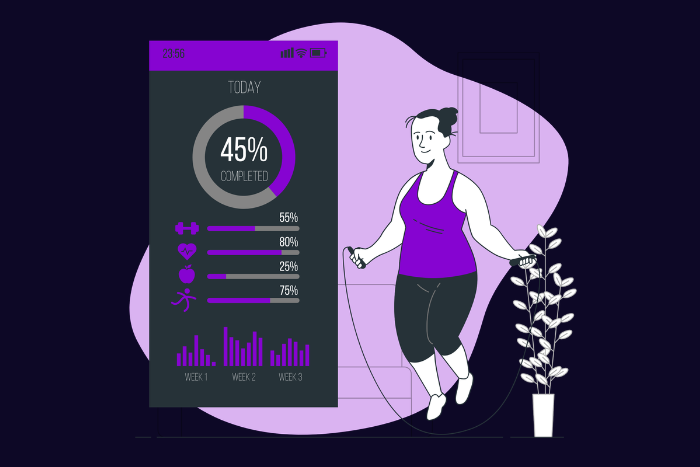
What Are the App Development Services for Fitness Apps? Discover fitness app development services including workout apps, wearable integrations, AI coaching, and custom fitness platforms for modern health apps. What Are the App Development Services for Fitness Apps? The global health and wellness industry has experienced tremendous growth in recent years, driven by increasing awareness about fitness, mental well-being, and healthy lifestyles. Mobile technology plays a major role in this transformation, allowing people to track workouts, monitor nutrition, follow training programs, and stay motivated through digital platforms. As a result, many businesses, startups, and health organizations are exploring what are the app development services for fitness apps and how they can build innovative solutions for modern users. Fitness app development services focus on creating mobile and web applications that help users improve their health through guided workouts, activity tracking, nutrition planning, and personalized coaching. These applications often integrate with wearable devices, cloud platforms, and AI-driven analytics to provide data-rich experiences. From personal trainer apps and workout tracking platforms to mindfulness and nutrition solutions, fitness apps are transforming how people approach health and wellness. Businesses can leverage these digital solutions to engage customers, create subscription-based services, and build communities around fitness. In this guide, we explore the key fitness app development services available, the technologies used, development processes, cost considerations, and the latest trends shaping the future of digital fitness platforms. Why Fitness App Development Services Are Important Fitness applications have become essential tools for both users and businesses in the health and wellness ecosystem. They provide convenient ways to monitor progress, access professional guidance, and maintain consistent fitness routines. Here are several reasons why fitness app development services are important: Growing Demand for Digital Fitness SolutionsMillions of users rely on mobile apps to track workouts, monitor health data, and improve physical fitness. Improved User EngagementFitness apps motivate users with goal tracking, progress dashboards, and rewards systems. Personalized Health ExperiencesApps provide customized workout plans and nutrition guidance based on user preferences. Integration with Wearable DevicesFitness platforms can sync with smartwatches and fitness trackers for real-time health monitoring. Scalable Business OpportunitiesCompanies can generate revenue through subscriptions, premium features, and online coaching. Fitness app development services help organizations create engaging digital health platforms that support long-term wellness goals. Types of Fitness Application Development Solutions Fitness applications can be designed for different user needs and health goals. Workout and Exercise AppsApplications that provide guided workouts, training routines, and activity tracking. Personal Trainer AppsPlatforms where trainers can create personalized programs and interact with clients. Diet and Nutrition AppsApps that track calorie intake, meal plans, and nutritional guidance. Wearable Fitness AppsApplications integrated with devices such as smartwatches and fitness trackers. Mindfulness and Meditation AppsApps that focus on mental health, stress management, and guided meditation. Social Fitness Community AppsPlatforms where users share achievements, participate in challenges, and stay motivated. Corporate Wellness AppsFitness platforms designed for companies to promote employee health programs. These solutions allow businesses to build diverse fitness platforms tailored to specific audiences. Get Free Quotation Now..!! Key Features of Fitness Apps A successful fitness app includes advanced features that improve usability, engagement, and health tracking. Custom Workout PlansPersonalized exercise routines tailored to user fitness levels and goals. Real-Time Activity TrackingMonitoring of steps, calories burned, distance traveled, and workout duration. Goal-Based Progress TrackingVisual dashboards that display user progress and achievements. Nutrition and Diet PlanningTools for meal tracking, calorie counting, and nutritional recommendations. Push Notifications and RemindersAlerts that encourage users to stay consistent with workouts. Gamification FeaturesChallenges, rewards, and leaderboards to motivate users. Integration with WearablesSynchronization with devices like Apple Watch, Fitbit, and other fitness trackers. Video Training and Live ClassesInteractive workout sessions led by professional trainers. These features help create engaging and data-driven fitness experiences. Fitness App Development Process Developing a fitness application involves several stages to ensure functionality, performance, and scalability. Market Research and Idea ValidationAnalyze the target audience, fitness trends, and competitor applications. Requirement Analysis and PlanningDefine features, user roles, and technical architecture. UI/UX DesignCreate intuitive interfaces that make fitness tracking simple and engaging. Application DevelopmentBuild frontend and backend systems for workout tracking, analytics, and integrations. Wearable and API IntegrationConnect the app with fitness devices, health APIs, and third-party platforms. Testing and Quality AssurancePerform functionality, security, and performance testing. Deployment and LaunchPublish the application on mobile platforms and configure cloud infrastructure. Maintenance and UpdatesContinuously improve the app with new features and performance enhancements. This development workflow ensures reliable and scalable fitness applications. Technology Stack for Fitness App Development Fitness platforms require modern technologies that support scalability, data analytics, and device integrations. Mobile Development: Swift, Kotlin, Java, Dart Cross-Platform Frameworks: Flutter, React Native Frontend Technologies: HTML5, CSS3, JavaScript, TypeScript Backend Technologies: Node.js, Python, Java, PHP Databases: PostgreSQL, MongoDB, MySQL, Firebase Cloud Platforms: AWS, Google Cloud Platform, Microsoft Azure DevOps Tools: Docker, Kubernetes, GitHub Actions Security Technologies: OAuth 2.0, JWT authentication, SSL encryption A robust technology stack ensures secure and scalable health applications. Cost Factors in Fitness App Development The cost of building a fitness application depends on several factors. Application complexity and number of features Integration with wearable devices and health APIs AI-based recommendations and analytics features UI/UX design customization Cloud infrastructure and database setup Security and compliance requirements Maintenance and updates after launch Basic fitness apps may require smaller budgets, while advanced AI-powered fitness platforms can involve larger investments. Latest Trends in Fitness App Development The digital fitness industry continues to evolve with innovative technologies and user experiences. AI-Based Personal Fitness CoachingAI algorithms provide personalized workout and nutrition recommendations. Wearable Device IntegrationApps connect with smartwatches and trackers to monitor health metrics. Virtual Fitness ClassesLive and on-demand workout sessions delivered through mobile apps. Gamification and Community EngagementSocial challenges and rewards increase user motivation. Augmented Reality WorkoutsAR technology provides immersive fitness training experiences. Data-Driven Health InsightsAnalytics tools help users track long-term health progress. These trends are reshaping how people interact with digital fitness platforms. Why Choose Us for Fitness App Development? Choosing the right development partner is essential for building a high-quality fitness application that
How Do I Integrate Social Login in an App?
How Do I Integrate Social Login in an App? Learn how to integrate social login in an app using OAuth, Google, Facebook, and Apple sign-in. Improve user experience, security, and onboarding speed. How Do I Integrate Social Login in an App? Modern mobile and web applications are designed to provide users with seamless and fast onboarding experiences. One of the most effective ways to simplify the registration and login process is by integrating social login. If you’re wondering how do I integrate social login in an app, the process involves connecting your application with popular identity providers such as Google, Facebook, Apple, LinkedIn, or Twitter using secure authentication protocols. Social login allows users to sign in to an application using their existing social media or online accounts instead of creating a new username and password. This approach significantly improves user convenience and reduces friction during the sign-up process. As a result, many businesses adopt social authentication to increase user registrations, enhance security, and improve overall engagement. By implementing social login, developers can leverage authentication protocols such as OAuth 2.0 and OpenID Connect to securely verify user identities while protecting personal data. Additionally, users benefit from faster access to apps without remembering multiple credentials. In this guide, we’ll explore how to integrate social login into an app, including key benefits, development steps, technologies involved, cost factors, and the latest trends in authentication systems. Why Social Login Integration is Important Social login has become a standard feature in modern applications because it simplifies authentication while improving user experience. Here are several reasons why integrating social login into your app is important: Faster User RegistrationUsers can sign up instantly without filling lengthy registration forms. Improved User ExperienceSimplified login processes reduce friction and increase engagement. Higher Conversion RatesApps that offer social login often see higher sign-up completion rates. Enhanced SecurityAuthentication through trusted identity providers offers strong security protocols. Reduced Password Management IssuesUsers no longer need to remember multiple passwords for different applications. Businesses that implement social login create smoother onboarding experiences and improve customer retention. Types of Solutions to Integrate Social Login in an App Social login can be integrated through various identity providers and authentication services depending on the application’s needs. Google Login IntegrationAllows users to authenticate using their Google accounts. Facebook Login IntegrationEnables users to sign in using their Facebook credentials. Apple Sign-In IntegrationRequired for many iOS applications and provides strong privacy protections. LinkedIn Login IntegrationUseful for professional networking platforms and business applications. Twitter (X) Login IntegrationAllows users to log in using their Twitter accounts. Custom OAuth AuthenticationDevelopers can integrate multiple social providers using OAuth protocols. Single Sign-On (SSO) IntegrationEnables users to access multiple services with a single authentication session. These solutions make it easier for users to access applications securely while improving overall usability. Get Free Quotation Now..!! Key Features of Social Login Integration A well-implemented social login system includes several features that enhance both user convenience and security. Secure OAuth AuthenticationEnsures user identities are verified through trusted authentication protocols. Multiple Login OptionsUsers can choose from different social platforms to sign in. Quick Account CreationNew users can create accounts automatically using their social profiles. Profile Data SynchronizationBasic user information such as name and email can be retrieved securely. Cross-Platform AuthenticationUsers can log in from web apps, mobile apps, and other platforms. Token-Based AuthenticationSecure tokens allow session management without exposing passwords. Account LinkingUsers can connect multiple social accounts to a single application account. These features help create secure, efficient authentication systems. Development Process for Social Login Integration Integrating social login into an application requires a structured development approach. Define Authentication RequirementsIdentify which social login providers your app will support. Register Application with Identity ProvidersCreate developer accounts and obtain client IDs and API credentials. Implement OAuth AuthenticationIntegrate OAuth 2.0 or OpenID Connect protocols for secure authentication. Design Login InterfaceAdd social login buttons and user-friendly authentication flows. Backend Authentication SetupImplement token validation and session management. User Profile HandlingStore user data securely in the application database. Testing and Security ValidationEnsure authentication flows work properly across platforms. Deployment and MonitoringLaunch the application and monitor authentication performance. Following a structured process ensures a reliable and secure social login system. Technology Stack used to Integrate Social Login in an App Developers use modern technologies and authentication frameworks to implement social login systems. Authentication Protocols: OAuth 2.0, OpenID Connect Backend Technologies: Node.js, Python, Java, PHP Mobile Frameworks: Flutter, React Native, Swift, Kotlin Frontend Technologies: HTML5, CSS3, JavaScript, TypeScript Authentication Services: Firebase Authentication, Auth0, AWS Cognito Databases: MongoDB, PostgreSQL, MySQL, Firebase Security Tools: JWT authentication, SSL encryption, multi-factor authentication A strong technology stack ensures secure and scalable authentication systems. Cost Factors in Social Login Integration The cost of integrating social login into an application varies depending on several factors. Number of social login providers integrated Complexity of authentication workflows Custom UI/UX design for login interfaces Backend infrastructure and database setup Security features such as multi-factor authentication Integration with third-party authentication services Maintenance and ongoing updates Basic integrations may require minimal resources, while enterprise authentication systems may require larger investments. Latest Trends to Integrate Social Login in an App Authentication technologies continue to evolve with new innovations that improve user security and convenience. Passwordless AuthenticationMany apps now rely on social login or email-based authentication without passwords. Biometric Authentication IntegrationApps combine social login with fingerprint or facial recognition for enhanced security. Decentralized Identity SystemsBlockchain-based identity solutions are emerging for secure authentication. Single Sign-On (SSO) EcosystemsBusinesses integrate SSO systems across multiple applications and services. AI-Powered Fraud DetectionAdvanced algorithms detect suspicious login activities. Privacy-Focused AuthenticationPlatforms such as Apple Sign-In prioritize user privacy and data protection. These trends are shaping the future of digital authentication. Why Choose Us for Social Login Integration? Implementing social login requires strong expertise in authentication protocols, security standards, and scalable application architecture. Our development team specializes in building secure and seamless authentication systems for modern applications. Here’s why businesses trust us: Expert Authentication Integration – Experience with OAuth, OpenID Connect, and modern authentication systems. Multiple Social Provider Integration –

