

What Are the Benefits of Hybrid App Development? Discover the benefits of hybrid app development, including faster development, lower costs, cross-platform compatibility, and scalable mobile solutions. What Are the Benefits of Hybrid App Development? Mobile applications have become essential tools for businesses aiming to reach customers on smartphones and tablets. However, developing separate native apps for Android and iOS can be time-consuming and costly. This is where hybrid app development becomes a powerful solution. If you’re wondering what are the benefits of hybrid app development, the answer lies in its ability to combine efficiency, flexibility, and cost-effectiveness while delivering high-quality mobile experiences. Hybrid apps are built using web technologies such as HTML, CSS, and JavaScript but run inside a native container that allows them to operate across multiple platforms. This means developers can create a single application that works on both Android and iOS devices without maintaining separate codebases. For startups and enterprises alike, hybrid app development provides a faster route to market while maintaining performance and functionality. Modern frameworks like Flutter, React Native, and Ionic have significantly improved hybrid app performance, making them suitable for many types of business applications. By leveraging hybrid development, organizations can build scalable mobile apps, reduce development costs, and deliver consistent user experiences across platforms. In this guide, we explore the benefits of hybrid app development, how it works, the technologies involved, and how businesses can leverage it for long-term growth. Why Hybrid App Development is Important Hybrid app development plays an important role in modern mobile strategies because it enables businesses to launch apps quickly while controlling costs and resources. Here are several reasons why hybrid app development is important for companies today: Faster Time to MarketHybrid apps allow developers to build applications more quickly because a single codebase works across multiple platforms. Reduced Development CostsBusinesses save money by avoiding the need to build separate native applications for Android and iOS. Consistent User ExperienceHybrid frameworks help maintain consistent design and functionality across different devices. Easy Maintenance and UpdatesUpdates can be applied once and reflected across all platforms. Wider Market ReachA hybrid app ensures your application is available to users on multiple operating systems. For many companies, hybrid app development offers the perfect balance between performance, scalability, and cost efficiency. Types of Hybrid Application Development Solutions Hybrid mobile apps can be developed for many different industries and use cases depending on business goals. Business and Enterprise ApplicationsInternal company apps for workflow management, analytics, and collaboration. E-commerce ApplicationsShopping apps that allow customers to browse products, make purchases, and track orders. On-Demand Service AppsPlatforms for ride-hailing, food delivery, home services, and booking solutions. Content and Media ApplicationsApps designed for news, streaming services, and digital content platforms. Educational and Learning AppsMobile applications that support e-learning platforms and online training. Social Networking ApplicationsPlatforms enabling users to communicate, share content, and interact online. These hybrid app solutions help businesses serve diverse audiences with scalable mobile products. Get Free Quotation Now..!! Key Features of Hybrid App Development Hybrid applications offer several features that make them attractive for businesses looking to launch mobile apps efficiently. Single Codebase for Multiple PlatformsDevelopers can write code once and deploy it across Android and iOS devices. Cross-Platform CompatibilityHybrid apps work on different operating systems with minimal changes. Integration with Device FeaturesAccess to smartphone capabilities such as camera, GPS, and notifications. Cloud IntegrationHybrid apps can connect easily with cloud services and APIs. Offline SupportMany hybrid applications can function partially even without internet connectivity. Responsive UI DesignHybrid frameworks enable adaptive interfaces for different screen sizes. Easy Updates and MaintenanceUpdates can be implemented quickly without requiring extensive app store submissions. These features make hybrid app development a practical solution for many businesses. Hybrid Application Development Process Developing a hybrid mobile application involves several stages to ensure optimal functionality and user experience. Requirement AnalysisDefine business objectives, target users, and application features. Technology SelectionChoose suitable hybrid frameworks and development tools. UI/UX DesignCreate intuitive designs optimized for multiple device platforms. Application DevelopmentBuild frontend and backend systems using cross-platform technologies. API and Third-Party IntegrationIntegrate payment gateways, analytics tools, and external services. Testing and Quality AssurancePerform compatibility testing across different devices and operating systems. Deployment and App Store SubmissionPublish the application on Google Play Store and Apple App Store. Maintenance and UpdatesProvide ongoing updates, bug fixes, and feature enhancements. This structured development approach ensures high-quality hybrid applications. Technology Stack for Hybrid App Development Hybrid app development uses modern frameworks and tools designed for cross-platform performance. Hybrid Frameworks: Flutter, React Native, Ionic, Xamarin Frontend Technologies: HTML5, CSS3, JavaScript, TypeScript Backend Technologies: Node.js, Python, PHP, Java Databases: MongoDB, MySQL, PostgreSQL, Firebase Cloud Platforms: AWS, Google Cloud Platform, Microsoft Azure DevOps Tools: Docker, Kubernetes, Jenkins, GitHub Actions Security Technologies: OAuth 2.0, SSL encryption, JWT authentication Using the right technology stack ensures scalability, performance, and security. Cost Factors in Hybrid App Development The cost of hybrid app development varies depending on several factors. Application complexity and feature requirements Choice of hybrid framework and development tools UI/UX design customization Integration with third-party services and APIs Cloud infrastructure and hosting costs Security and compliance requirements Ongoing maintenance and updates While hybrid apps generally cost less than native apps, advanced features and integrations can increase development budgets. Latest Trends in Hybrid App Development Hybrid app development continues to evolve with new technologies and frameworks improving performance and scalability. Growth of Flutter and React Native FrameworksThese frameworks are widely used for building high-performance cross-platform apps. Integration with Artificial IntelligenceHybrid apps increasingly include AI features like chatbots and personalized recommendations. Progressive Web Apps (PWA)PWAs combine web and mobile features to create lightweight hybrid experiences. Cloud-Native Mobile ApplicationsHybrid apps are being built with scalable cloud architectures. Improved UI FrameworksModern tools allow developers to create native-like user interfaces. Low-Code Development PlatformsBusinesses are adopting low-code tools to accelerate hybrid app development. These trends are shaping the future of mobile app development. Why Choose Us for Hybrid App Development? Choosing the right development partner is essential for building reliable and scalable hybrid mobile applications. Our
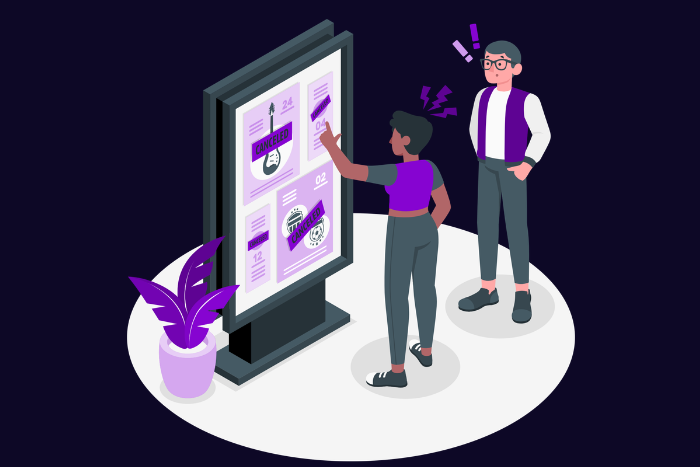
How Do I Develop an App for Event Ticketing?
How Do I Develop an App for Event Ticketing? Learn how to develop an app for event ticketing with features, development process, tech stack, costs, and trends for building a scalable ticket booking platform. How Do I Develop an App for Event Ticketing? The event industry has rapidly shifted toward digital platforms, with mobile applications becoming the primary way people discover events, purchase tickets, and manage bookings. From concerts and sports games to conferences and festivals, event organizers increasingly rely on mobile apps to streamline ticket sales and improve user experience. If you’re wondering how do I develop an app for event ticketing, the process involves combining user-friendly design, secure payment systems, and scalable backend technology. A well-designed event ticketing app allows users to browse events, book tickets instantly, receive digital passes, and manage reservations through their smartphones. For event organizers, these apps offer powerful tools to manage event listings, track ticket sales, monitor analytics, and communicate with attendees in real time. Modern event ticketing platforms also include advanced features such as QR-code ticket scanning, push notifications, dynamic pricing, and integrated marketing tools. These capabilities help businesses increase ticket sales while providing attendees with a seamless booking experience. In this guide, we’ll explore how to build a successful event ticketing app, including development strategies, key features, technology stacks, cost factors, and the latest trends shaping the event management industry. Why Event Ticketing App Development is Important Event ticketing applications have become essential tools for businesses and event organizers looking to manage events efficiently while reaching a wider audience. Here are some reasons why developing an event ticketing app is important: Convenient Ticket Booking for UsersMobile apps allow attendees to search events, book tickets instantly, and receive digital passes without physical tickets. Efficient Event ManagementOrganizers can manage venues, schedules, ticket availability, and attendee data from a centralized platform. Real-Time Analytics and InsightsEvent apps provide valuable data such as ticket sales, attendance trends, and customer behavior. Improved User EngagementPush notifications, reminders, and event updates keep attendees informed and engaged. Increased Revenue OpportunitiesApps enable additional monetization through premium listings, sponsorships, and merchandise sales. By leveraging modern technology, event organizers can create seamless experiences for both attendees and management teams. Types of Event Ticketing Application Solutions Event ticketing platforms can be designed for various industries and use cases. Concert and Music Event Ticketing AppsPlatforms that help users discover concerts, purchase tickets, and receive digital entry passes. Sports Event Ticketing AppsApplications for booking seats for sports matches, tournaments, and live sporting events. Conference and Seminar Ticketing AppsPlatforms that manage registrations, event schedules, and networking opportunities for professional events. Festival and Cultural Event AppsApps designed for festivals, exhibitions, and cultural gatherings with multi-day ticketing options. Movie and Entertainment Booking AppsApplications allowing users to browse movie schedules and reserve theater seats. Corporate Event Management AppsSolutions that help organizations manage internal events, workshops, and company conferences. Each solution can be customized based on event size, ticket pricing models, and audience engagement strategies. Get Free Quotation Now..!! Key Features of an Event Ticketing Application A successful ticket booking app must include features that simplify ticket purchasing and event management. Event Discovery and Search FiltersUsers can search for events based on location, date, category, or popularity. Event Details PageDisplays event descriptions, venue information, schedules, and ticket availability. Secure Ticket Booking SystemAllows users to select seats, confirm bookings, and complete payments securely. Digital Tickets and QR CodesMobile tickets with QR codes enable quick entry scanning at event venues. Payment Gateway IntegrationSupport for multiple payment methods including credit cards, digital wallets, and online banking. Booking History and Ticket ManagementUsers can view past bookings and manage upcoming events. Push NotificationsAlerts for event reminders, promotions, and ticket availability updates. Admin DashboardTools for event organizers to manage users, events, ticket inventory, and reports. These features ensure smooth functionality for both users and event administrators. Development Process for an Event Ticketing App Developing an event ticketing application requires a structured process that ensures quality, scalability, and security. Requirement Analysis and PlanningIdentify business goals, target audience, event categories, and required features. Market Research and Competitor AnalysisStudy existing ticket booking platforms to identify opportunities for innovation. UI/UX Design and PrototypingCreate intuitive designs that simplify event discovery and ticket booking. Application DevelopmentBuild frontend interfaces and backend systems for managing tickets and payments. API and Payment IntegrationIntegrate secure payment gateways, ticket scanning systems, and third-party services. Testing and Quality AssuranceConduct performance testing, security testing, and bug fixing. Deployment and LaunchPublish the application on app stores and configure hosting infrastructure. Maintenance and Feature UpdatesContinuously improve the app with updates, security enhancements, and new features. Following a structured development process helps ensure reliable performance and scalability. Technology Stack for Event Ticketing App Development A robust technology stack is required to build secure and scalable ticket booking platforms. Mobile Development: Swift, Kotlin, Java, Dart Cross-Platform Frameworks: Flutter, React Native Frontend Technologies: HTML5, CSS3, JavaScript, TypeScript Backend Technologies: Node.js, Python, Java, PHP Databases: PostgreSQL, MySQL, MongoDB, Firebase Cloud Platforms: AWS, Google Cloud Platform, Microsoft Azure DevOps Tools: Docker, Kubernetes, GitHub Actions Security Technologies: OAuth 2.0, SSL encryption, JWT authentication Using modern technologies ensures reliable performance and secure transactions. Cost Factors in Event Ticketing App Development The cost of developing an event ticketing app depends on several factors. Application complexity and number of features Platform choice (Android, iOS, or cross-platform) UI/UX design complexity Payment gateway integrations QR code ticket scanning systems Cloud hosting and infrastructure requirements Security and compliance requirements Maintenance and support services Basic event booking apps may require moderate budgets, while large-scale ticketing marketplaces require higher investments. Latest Trends in Event Ticketing App Development The event technology industry continues to evolve with new innovations that improve event experiences. AI-Powered Event RecommendationsAI algorithms suggest events based on user preferences and previous bookings. Contactless Ticketing and QR Code EntryDigital tickets and scanning systems reduce physical contact and improve event entry speed. Blockchain-Based Ticketing SystemsBlockchain technology helps prevent ticket fraud and ensures transparent ticket ownership. Hybrid and Virtual Event PlatformsApps now support both in-person and

What Are the App Development Trends in Asia?
What Are the App Development Trends in Asia? Discover the latest app development trends in Asia including AI apps, super apps, 5G, IoT, and cross-platform development shaping the future of mobile innovation. What Are the App Development Trends in Asia? Asia has become one of the fastest-growing digital economies in the world, with billions of mobile users driving demand for innovative applications. Businesses across countries like India, Singapore, China, South Korea, and Indonesia are investing heavily in mobile technologies to reach customers, streamline operations, and create new digital experiences. As a result, many companies are asking what are the app development trends in Asia and how these trends can shape their future digital strategy. Mobile apps in Asia are evolving rapidly with technologies such as artificial intelligence, super apps, blockchain, cloud computing, and 5G connectivity. Consumers expect personalized experiences, faster performance, secure transactions, and seamless integrations with other digital services. Developers are also adopting modern frameworks and cross-platform tools to deliver scalable and cost-effective applications. Understanding the current and emerging trends in the Asian app development ecosystem helps businesses stay competitive and adopt the right technologies. Whether you’re building a startup mobile product, expanding into Asian markets, or modernizing an enterprise application, staying aligned with regional trends ensures long-term success. In this guide, we explore the most important app development trends shaping Asia, along with development strategies, technology stacks, and practical insights for businesses looking to build future-ready applications. Why Understanding App Development Trends in Asia is Important Keeping up with mobile app trends is essential for companies that want to remain competitive in Asia’s rapidly evolving digital landscape. The region’s technology ecosystem is influenced by high smartphone penetration, growing digital payments, and government support for innovation. Here are some key reasons why businesses should understand the latest app development trends: Massive Mobile User BaseAsia has the largest number of smartphone users in the world, creating huge opportunities for mobile-first products. Rapid Technology AdoptionTechnologies such as AI, fintech platforms, and digital wallets are widely adopted across Asian markets. Consumer Expectations for InnovationAsian users expect advanced features such as real-time services, seamless payments, and personalized experiences. Competitive Digital MarketsBusinesses must innovate continuously to stand out in highly competitive mobile ecosystems. Expansion OpportunitiesUnderstanding regional trends allows companies to design apps that align with local market behavior and preferences. Organizations that adopt the right technologies early can gain a significant advantage in Asia’s digital economy. Types of App Development Solutions Emerging in Asia Different types of applications are gaining popularity across Asian markets due to evolving consumer needs and digital ecosystems. Super Apps Multi-service platforms that combine messaging, payments, shopping, and transportation services within one application. Examples include platforms offering ride-hailing, food delivery, and financial services in a single app. Fintech and Digital Payment Apps Asia is leading the world in digital payments, driving the growth of mobile banking, digital wallets, and cryptocurrency platforms. E-Commerce and M-Commerce Applications Mobile commerce apps allow users to browse, shop, and make payments seamlessly through smartphones. On-Demand Service Apps Applications for food delivery, transportation, healthcare consultations, and home services continue to grow across Asia. AI-Powered Mobile Applications Apps that use artificial intelligence for recommendations, automation, predictive analytics, and voice assistants. Enterprise Mobile Applications Businesses are increasingly adopting internal mobile solutions for workflow management, analytics, and remote collaboration. IoT-Connected Applications Smart home devices, wearable technology, and industrial IoT solutions require mobile apps for control and monitoring. These solutions highlight how mobile apps are transforming industries throughout Asia. Get Free Quotation Now..!! Key Features of Modern Asian Mobile Applications Successful mobile applications in Asia often share several advanced features that improve usability and scalability. AI-powered personalization and recommendation engines Real-time services powered by 5G networks Secure digital payment integration Multilingual interfaces for regional markets Cloud-based infrastructure for scalability Advanced data analytics and user insights Integration with third-party APIs and services High-performance cross-platform frameworks These features help businesses deliver fast, secure, and engaging digital experiences to users across different Asian markets. Development Process for Trend-Driven Mobile Applications Building a modern application aligned with Asian market trends requires a structured development approach. Market Research & Trend AnalysisIdentify regional technology trends, user behavior, and competitor applications. Product Strategy & Feature PlanningDefine core features, monetization strategies, and technology requirements. UI/UX Design and PrototypingCreate intuitive interfaces optimized for mobile-first users and regional preferences. Technology SelectionChoose appropriate programming languages, frameworks, and backend architecture. Application DevelopmentImplement core features, APIs, and integrations using scalable coding practices. Testing and Quality AssuranceConduct functional, performance, and security testing. Deployment and LaunchPublish the application on app stores and configure cloud infrastructure. Continuous Updates and OptimizationMonitor user feedback, update features, and improve performance over time. A structured development process ensures that modern mobile apps meet both technical and market expectations. Technology Stack for Modern App Development in Asia The development of advanced mobile applications requires a robust technology ecosystem. Mobile Development Languages: Swift, Kotlin, Java, Dart Cross-Platform Frameworks: Flutter, React Native, Xamarin Frontend Technologies: HTML5, CSS3, JavaScript, TypeScript Backend Technologies: Node.js, Python, Java, PHP Databases: PostgreSQL, MySQL, MongoDB, Firebase Cloud Platforms: AWS, Google Cloud Platform, Microsoft Azure DevOps Tools: Docker, Kubernetes, Jenkins, GitHub Actions Security Technologies: OAuth 2.0, JWT authentication, SSL encryption, RBAC A modern technology stack ensures scalability, security, and flexibility when building mobile applications for Asian markets. Cost Factors in App Development in Asia The cost of building a mobile application varies depending on several factors. Application complexity and feature requirements Choice of technology stack and frameworks Native vs cross-platform development Integration with third-party services and APIs UI/UX design complexity Cloud infrastructure and hosting setup Security and compliance requirements Post-launch maintenance and updates While basic applications can be developed quickly with minimal budgets, complex enterprise or super apps require larger investments due to advanced features and infrastructure. Latest App Development Trends in Asia Asia’s mobile technology ecosystem continues to evolve with several key trends shaping the future of app development. Artificial Intelligence IntegrationAI is widely used in mobile apps for chatbots, recommendation systems, predictive analytics, and automated customer support.

How Do I Integrate Ads in a Mobile App?
How Do I Integrate Ads in a Mobile App? Learn how to integrate ads in a mobile app using AdMob and other ad networks. Increase app revenue with banner, interstitial, native, and rewarded ads. How Do I Integrate Ads in a Mobile App? Mobile applications often rely on advertising as a primary revenue source. Developers and businesses frequently ask how do I integrate ads in a mobile app to monetize their products effectively. Mobile ad integration allows applications to display advertisements within the interface and generate income based on impressions, clicks, or user engagement. Most modern apps use advertising platforms such as Google AdMob, Meta Audience Network, or other mobile ad networks. These platforms provide software development kits (SDKs) that allow developers to integrate ads into Android, iOS, or cross-platform applications. After integration, different ad formats can be displayed within the app, including banner ads, interstitial ads, native ads, and rewarded video ads. Successful ad integration requires more than simply adding an SDK. Developers must choose the right ad formats, position them correctly within the app interface, and ensure the ads do not interrupt the user experience. A well-implemented advertising strategy helps developers generate sustainable revenue while maintaining user engagement. This guide explains how to integrate ads in a mobile app, including ad formats, development steps, technology stack, cost considerations, and modern mobile advertising trends. Why Mobile App Ad Integration is Important Advertising plays a major role in the mobile app economy. Many applications are offered for free, and advertising provides the revenue needed to support development and maintenance. Key benefits of mobile app advertising include: Revenue Generation for Free AppsDevelopers can monetize apps without charging users for downloads. Scalable Monetization ModelRevenue grows as the number of users and ad impressions increases. Multiple Advertising FormatsApps can display banner, native, interstitial, or rewarded ads. Improved User EngagementRewarded ads encourage users to interact with advertisements voluntarily. Analytics and Performance TrackingAdvertising platforms provide detailed metrics to measure ad performance. A well-planned ad strategy supports long-term app sustainability and growth. Types of Solutions to Integrate Ads in a Mobile App Different advertising formats are available for mobile apps. Each format serves a specific purpose depending on the app’s design and user behavior. Banner AdsSmall advertisements placed at the top or bottom of the screen. Common in news, productivity, and utility apps. Interstitial AdsFull-screen ads that appear during transitions, such as between levels in a game. Native AdsAds designed to match the layout and design of the application. Rewarded Video AdsUsers watch a short video to receive rewards such as in-app currency or premium features. App Open AdsAds displayed when the user launches or returns to the application. Playable AdsInteractive ads that allow users to test a game before installing it. Choosing the right ad format depends on the application type and user experience strategy. Get Free Quotation Now..!! Key Features of Mobile App Ad Integration Mobile ad integration solutions include several important capabilities that improve monetization performance. Integration with major ad networks such as AdMob and Meta Audience Network Support for multiple ad formats including banner and rewarded ads Advanced ad mediation to maximize revenue from multiple networks Targeted advertising based on user demographics and behavior Real-time analytics and revenue tracking Secure ad delivery and fraud prevention Compatibility with Android, iOS, and cross-platform frameworks Optimized loading for better application performance These features allow developers to monetize applications without affecting usability. Development Process Requirement AnalysisIdentify the app’s monetization goals and select suitable advertising networks. Ad Network SetupCreate developer accounts and configure ad units within the advertising platform. SDK IntegrationAdd the ad network SDK to the mobile application and configure required permissions. Ad Placement PlanningDetermine where ads will appear inside the application interface. Testing and ValidationTest ad loading, display behavior, and user interaction. DeploymentRelease the updated application through the app store. Performance MonitoringAnalyze ad performance metrics and user behavior. OptimizationAdjust ad formats and placements to improve revenue and user experience. Technology Stack used to Integrate Ads in a Mobile App Ad Networks: Google AdMob, Meta Audience Network, Unity Ads, AppLovin Mobile Platforms: Android, iOS Programming Languages: Kotlin, Java, Swift, Dart, JavaScript Cross-Platform Frameworks: Flutter, React Native, Xamarin Analytics Tools: Firebase Analytics, Google Analytics Backend Technologies: Node.js, Python, PHP Databases: Firebase, PostgreSQL, MongoDB DevOps Tools: Docker, GitHub Actions, CI/CD pipelines Security: SSL encryption, OAuth authentication, privacy compliance frameworks Cost Factors to Integrate Ads in a Mobile App Several factors influence the cost of integrating advertising in a mobile application. Complexity of the application architecture Number of advertising formats implemented Integration with multiple ad networks Custom UI adjustments for native advertisements Development and testing time Compliance with app store policies Analytics and reporting tools Maintenance and updates Most apps recover integration costs through advertising revenue over time. Latest Trends in Mobile App Advertising Mobile advertising continues to evolve with new technologies and user behavior patterns. Important trends include: Growth of rewarded advertising in gaming apps AI-based ad targeting and personalization Programmatic mobile advertising and real-time bidding Privacy-focused advertising frameworks Contextual advertising replacing traditional tracking Interactive and playable ads for better engagement Advanced ad mediation platforms Integration with analytics and user behavior tracking tools These trends improve monetization efficiency while maintaining user trust. Why Choose Us for Mobile App Ad Integration? Integrating ads into an application requires technical expertise and a clear monetization strategy. Our development team specializes in mobile app monetization solutions that balance revenue generation and user experience. Key advantages of working with us include: Expert Ad SDK Integration – Experience with major ad networks and monetization platforms. Strategic Ad Placement – Ad positioning designed to maximize visibility without disrupting usability. Multi-Network Monetization – Integration with multiple ad providers for improved fill rates. Performance Optimization – Lightweight implementation to maintain app speed. Analytics-Driven Improvements – Continuous monitoring of ad revenue and engagement metrics. Compliance with Platform Policies – Ad integration aligned with Google Play and App Store guidelines. Scalable Monetization Solutions – Strategies that grow with your user base. End-to-End Support – From planning and integration
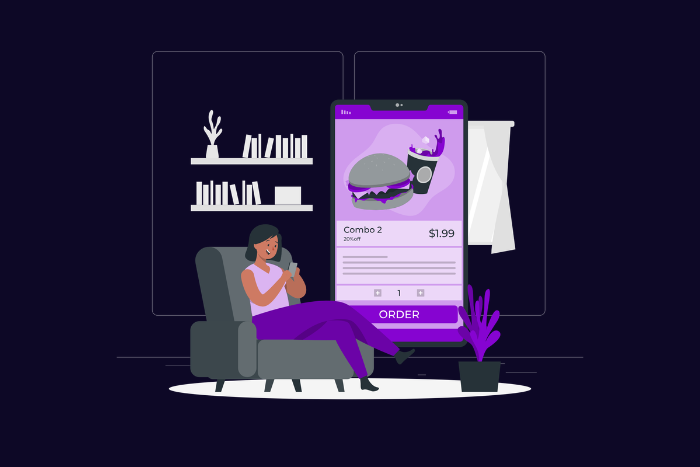
How Do I Develop an App for Food Ordering?
How Do I Develop an App for Food Ordering? Learn how to develop an app for food ordering, including features, costs, tech stack, and development process for successful food delivery apps. How Do I Develop an App for Food Ordering? Food ordering apps have transformed the restaurant and food delivery industry by offering convenience, speed, and accessibility to customers. From local restaurants to global chains, businesses are investing in mobile applications that allow users to browse menus, place orders, track deliveries, and make secure payments—all from their smartphones. If you’re wondering how do I develop an app for food ordering, the process involves several steps including market research, selecting the right business model, designing user-friendly interfaces, building backend systems, and ensuring secure payment integration. Popular apps like Uber Eats, DoorDash, and Zomato have proven that well-designed food delivery platforms can generate massive user engagement and business growth. A successful food ordering app must focus on seamless user experience, real-time order tracking, and reliable restaurant partnerships. Businesses also need scalable technology, strong logistics management, and efficient payment systems to manage large volumes of orders. In this guide, we will explore everything you need to know about developing a food ordering app, including types of solutions, key features, development process, technology stack, cost factors, and emerging trends shaping the food delivery industry. Why This Service is Important for Food Ordering App Development Developing a food ordering app provides significant advantages for restaurants, food startups, and delivery businesses. As consumer behavior shifts toward digital ordering and on-demand services, mobile apps have become essential for staying competitive. One of the biggest benefits is increased customer convenience. Users can browse restaurants, compare menus, and place orders without visiting a physical location. This enhances customer satisfaction and encourages repeat orders. Another advantage is higher revenue potential. Mobile apps allow restaurants to reach a wider audience, attract new customers, and increase order volume through digital promotions and loyalty programs. Food delivery apps also enable efficient order management. Restaurants can automate order processing, manage delivery partners, and monitor customer preferences through integrated dashboards. Additionally, food ordering apps provide valuable data insights. Businesses can analyze customer behavior, popular dishes, peak order times, and purchasing patterns to improve operations and marketing strategies. With growing demand for convenience and quick delivery, developing a food ordering app is now a strategic move for restaurants and food entrepreneurs. Types of Solutions for Food Ordering Applications Different business models exist for food ordering apps depending on the operational structure and delivery management. Aggregator Model – This model connects customers with multiple restaurants on a single platform. The app handles restaurant listings, menu browsing, and order placement while restaurants manage deliveries. Order and Delivery Model – In this solution, the platform manages both order processing and delivery logistics. Delivery partners are integrated into the system to handle customer orders. Restaurant-Owned App – Restaurants develop their own food ordering apps to manage direct orders, reduce third-party commission fees, and build stronger customer relationships. Cloud Kitchen Model – Cloud kitchens operate without physical dining spaces and rely entirely on delivery apps for food orders. Subscription-Based Delivery Services – Users subscribe to monthly delivery plans offering discounted or free deliveries. Each model offers unique benefits depending on the scale of operations and business goals. Get Free Quotation Now..!! Key Features of a Food Ordering App A successful food ordering app must include essential features that support customers, restaurants, delivery partners, and administrators. Customer features typically include user registration, restaurant search filters, menu browsing, order customization, real-time delivery tracking, secure payment options, and push notifications for promotions. Restaurant panels allow vendors to manage menus, accept or reject orders, update food availability, monitor sales, and track customer feedback. Delivery partner features include order notifications, navigation assistance, delivery status updates, and earnings dashboards. Admin panels manage platform operations, including user management, commission structures, analytics, marketing campaigns, and fraud detection systems. Additional advanced features such as AI-based recommendations, loyalty programs, and personalized offers can significantly enhance user engagement. Development Process for a Food Ordering Application Building a food ordering app requires a structured development approach to ensure reliability and scalability. Market Research and PlanningUnderstanding customer needs, competitor platforms, and local market demand helps define the app’s business strategy. Choosing the Business ModelDecide whether your app will operate as an aggregator, restaurant-owned platform, or delivery service model. UI/UX Design and PrototypingDesign intuitive interfaces that allow users to browse menus, place orders, and track deliveries easily. App DevelopmentDevelop frontend and backend components while integrating essential APIs such as payment gateways and mapping services. Testing and Quality AssuranceConduct extensive testing to ensure smooth functionality, fast performance, and secure transactions. Launch and DeploymentPublish the app on app stores and implement marketing strategies to attract users. Maintenance and UpdatesContinuous monitoring, updates, and feature improvements help maintain app performance and user satisfaction. Technology Stack for Food Ordering App Development Selecting the right technology stack ensures performance, scalability, and security. • Frontend Development: React Native, Flutter, Swift, Kotlin• Backend Development: Node.js, Python, Ruby on Rails• Database: MongoDB, PostgreSQL, MySQL• Cloud Services: AWS, Google Cloud, Microsoft Azure• Real-Time Tracking: Google Maps API, Mapbox• Payment Integration: Stripe, PayPal, Razorpay• Push Notifications: Firebase Cloud Messaging Using modern frameworks and cloud infrastructure helps deliver seamless user experiences even during peak order times. Cost Factors in Food Ordering App Development The cost of building a food ordering app depends on several factors including features, technology stack, and development team expertise. One major factor is app complexity. Basic food ordering apps with limited features cost less, while complex platforms with advanced functionalities require higher investment. Another cost factor is platform selection. Developing separate apps for Android and iOS increases cost, whereas cross-platform frameworks can reduce expenses. UI/UX design also influences pricing. Custom interfaces with animations and user personalization features require additional design effort. Third-party integrations such as payment gateways, mapping services, and notification systems may add extra development costs. Additionally, businesses must consider maintenance and updates, which include server costs, security patches, and feature
What Are the Costs of App Development in Australia?
What Are the Costs of App Development in Australia? Learn the costs of app development in Australia, including pricing factors, development process, technology stack, and tips to reduce app development expenses. What Are the Costs of App Development in Australia? Mobile applications have become essential tools for businesses across industries, helping companies connect with customers, streamline operations, and generate revenue through digital platforms. Many startups and enterprises exploring digital solutions often ask what are the costs of app development in Australia before beginning their project. Australia has a rapidly growing technology ecosystem with skilled developers, modern infrastructure, and strong regulatory frameworks. However, the cost of app development in Australia can vary significantly depending on several factors such as the complexity of the application, design requirements, platform selection, and development team expertise. From simple business applications to large-scale enterprise platforms, app development costs are influenced by multiple components including UI/UX design, backend development, integrations, testing, and ongoing maintenance. Businesses must carefully evaluate these elements when planning their development budgets. Understanding the typical cost ranges and development process helps companies make informed decisions and allocate resources effectively. In this guide, we will explore the cost of app development in Australia, including key cost factors, development stages, technology stacks, and emerging trends shaping the Australian mobile app development market. Why Understanding App Development Costs in Australia is Important Before starting an app development project, businesses must understand the financial requirements involved in building and maintaining an application. A clear cost estimation helps organizations plan their budgets and development timelines effectively. Key reasons why understanding app development costs is important include: Better Budget PlanningBusinesses can allocate resources efficiently and avoid unexpected expenses. Improved Project Scope DefinitionUnderstanding costs helps define the features and complexity of the application. Efficient Resource ManagementCompanies can determine the right development team size and expertise. Strategic Technology SelectionChoosing the appropriate technology stack can optimize development costs. Long-Term Maintenance PlanningBusinesses can prepare for ongoing updates and infrastructure costs. Better ROI EvaluationUnderstanding development costs allows businesses to estimate potential returns. By analyzing development costs early, organizations can build scalable digital products while maintaining financial control. Types of App Development Solutions The cost of app development often depends on the type of application being built. Different applications require varying levels of functionality and technical complexity. Basic Mobile ApplicationsSimple apps with minimal features such as informational content or basic tools. Business and Productivity ApplicationsApps designed to streamline workflows, project management, or internal business processes. eCommerce ApplicationsPlatforms that support product browsing, payments, and order management. Social Networking ApplicationsApps with messaging systems, user profiles, and community interactions. On-Demand Service ApplicationsPlatforms for services such as ride-hailing, food delivery, or booking systems. Enterprise ApplicationsComplex systems integrated with business infrastructure and enterprise data. Fintech ApplicationsFinancial platforms with advanced security, payment processing, and regulatory compliance. Healthcare and Telemedicine AppsApps used for patient management, remote consultations, and health monitoring. Each type of application requires different levels of development effort and cost. Get Free Quotation Now..!! Key Features of Modern Mobile Applications The features included in an application significantly impact development costs. Modern apps typically include several advanced capabilities. Important features include: User registration and authentication systems Secure payment gateway integration Push notifications and real-time alerts Advanced search and filtering functionality Cloud-based data storage and synchronization API integrations with third-party services Interactive dashboards and analytics tools Real-time messaging and chat features Multi-language and multi-currency support AI-powered personalization and recommendations High-level security and data encryption Cross-platform compatibility These features enhance functionality but may increase the overall development budget depending on complexity. Mobile App Development Process Understanding the development process helps businesses estimate the cost and timeline of building an application. Project Planning and Requirement AnalysisIdentify business goals, user needs, and core features of the app. Market Research and StrategyAnalyze competitors and determine the best approach for the application. UI/UX Design and PrototypingCreate user-friendly interfaces and interactive prototypes. Technology Stack SelectionChoose programming languages, frameworks, and cloud infrastructure. Frontend and Backend DevelopmentImplement application functionality and server-side logic. Integration with Third-Party ServicesConnect payment systems, analytics tools, and APIs. Testing and Quality AssurancePerform performance testing, security testing, and bug fixing. App DeploymentLaunch the application on app stores or web platforms. Post-Launch MaintenanceUpdate features, fix issues, and ensure long-term app stability. Each stage contributes to the overall development cost. Technology Stack for App Development in Australia The technology stack chosen for development plays a major role in determining app performance, scalability, and development costs. Frontend Technologies: React.js, Angular, Vue.js, HTML5, CSS3 Mobile Development: Flutter, React Native, Swift, Kotlin Backend Technologies: Node.js, Python, Java, .NET Databases: PostgreSQL, MySQL, MongoDB, Firebase Cloud Platforms: AWS, Google Cloud Platform, Microsoft Azure Payment Integrations: Stripe, PayPal, Square DevOps Tools: Docker, Kubernetes, CI/CD pipelines Security Technologies: SSL encryption, OAuth authentication Using modern frameworks can help businesses build scalable and high-performance applications. Cost Factors in App Development in Australia The total cost of developing an application in Australia depends on several technical and operational factors. Key cost factors include: App Complexity and Feature SetMore features and advanced functionality increase development time and cost. Platform SelectionDeveloping apps for both iOS and Android increases the overall cost. UI/UX Design RequirementsHighly customized designs require more design and development effort. Development Team ExpertiseExperienced developers often charge higher hourly rates. Third-Party IntegrationsIntegrating external APIs or services may add additional costs. Security and Compliance RequirementsApplications handling financial or personal data require enhanced security. Maintenance and UpdatesContinuous improvements and bug fixes add ongoing expenses. Understanding these factors helps businesses estimate the total investment required for app development. Latest Trends in App Development in Australia The Australian app development industry is rapidly evolving with new technologies and development methodologies. Key trends include: Artificial Intelligence IntegrationAI-powered features such as recommendation systems and chatbots. Cross-Platform Development FrameworksTechnologies like Flutter and React Native reduce development time. Cloud-Native ApplicationsCloud infrastructure improves scalability and performance. Blockchain TechnologyUsed for secure financial transactions and digital identity systems. Progressive Web Applications (PWAs)Web apps that deliver native-like experiences. Internet of Things (IoT) IntegrationMobile apps controlling connected devices and smart environments. Augmented Reality
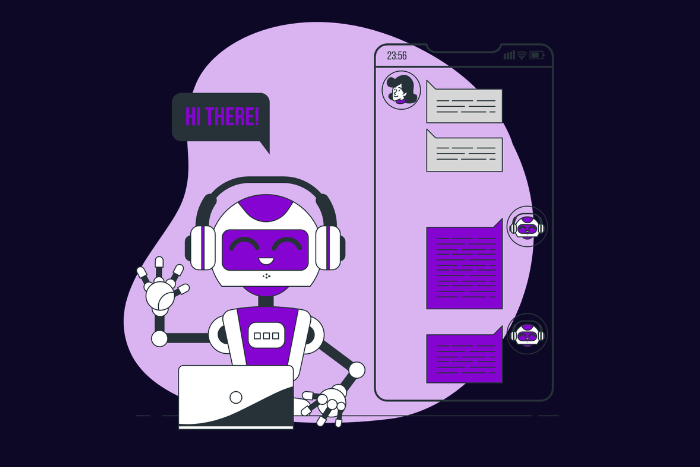
How Do I Integrate Chat Feature in an App?
How Do I Integrate Chat Feature in an App? Learn how to integrate a chat feature in an app with real-time messaging, APIs, development process, technology stack, and best practices. How Do I Integrate Chat Feature in an App? Real-time communication has become an essential feature in modern mobile and web applications. Businesses often ask how do I integrate chat feature in an app because messaging capabilities significantly improve user engagement, customer support, and collaboration. Whether it’s a social media platform, marketplace, gaming app, fintech platform, or customer service application, in-app chat enables users to communicate instantly without leaving the application. Integrating chat functionality involves building a messaging system that supports real-time communication between users. This system typically includes features like instant messaging, notifications, media sharing, typing indicators, message history, and secure data transmission. Developers can implement chat functionality either by building it from scratch or by integrating third-party chat APIs and SDKs. A well-designed chat feature enhances the overall user experience, improves customer satisfaction, and increases retention rates. Businesses use in-app messaging for customer support, buyer-seller communication, team collaboration, and community interactions. In this guide, we will explore how to integrate chat features into an application, including types of chat solutions, essential features, development processes, technology stacks, cost factors, and emerging trends shaping modern real-time communication platforms. Why Integrating Chat Features in Apps is Important Adding chat functionality to an application provides several advantages for both businesses and users. Real-time communication simplifies interactions and helps users resolve queries quickly. Key benefits include: Enhanced User EngagementMessaging features encourage users to interact more frequently within the app. Improved Customer SupportBusinesses can provide instant assistance through in-app messaging. Better Collaboration and CommunicationChat features enable seamless communication between users, teams, and service providers. Higher User RetentionReal-time communication increases the time users spend on the platform. Convenient Buyer-Seller InteractionMarketplaces and eCommerce apps benefit from direct messaging between buyers and sellers. Community BuildingSocial platforms and gaming apps can create communities through chat channels and group conversations. By integrating chat features, businesses can deliver faster communication and stronger user relationships. Types of Solutions to Integrate Chat Feature in an App Different applications require different messaging capabilities depending on the use case. One-to-One MessagingDirect messaging between two users, commonly used in social networking apps and marketplaces. Group Chat SystemsMultiple users can communicate in shared chat rooms or channels. Customer Support ChatBusinesses provide real-time assistance through in-app messaging systems. Community Chat PlatformsForums or discussion-based chat environments where users interact in communities. Voice and Video Messaging IntegrationAdvanced chat systems support voice calls, video calls, and voice notes. AI Chatbots and Automated MessagingChatbots provide automated responses to user queries. Live Event or Streaming ChatMessaging features used during live broadcasts or streaming events. Enterprise Collaboration ChatMessaging platforms designed for team communication and workplace collaboration. Each of these solutions can be integrated depending on the business requirements of the application. Get Free Quotation Now..!! Key Features of In-App Chat Systems A successful chat feature must provide reliable communication, security, and user-friendly interfaces. Important features include: Real-time messaging with instant delivery Message history and cloud storage Typing indicators and read receipts Media sharing including images, videos, and documents Push notifications for new messages Group chat functionality User presence indicators (online/offline status) Message reactions and emoji support Message search functionality End-to-end encryption for secure communication Content moderation tools and spam filters User blocking and reporting options Voice and video calling support These features ensure a smooth communication experience for users. Step-by-Step Process to Integrate Chat Feature in an App Integrating chat functionality requires a structured development approach. Requirement AnalysisIdentify the chat features required for the application and define user interactions. Choose the Chat ArchitectureDecide whether to build the messaging system from scratch or use third-party chat APIs. Design User InterfaceCreate intuitive chat interfaces with message threads and conversation views. Backend Infrastructure SetupImplement servers capable of handling real-time messaging and user connections. Real-Time Communication IntegrationUse technologies like WebSockets or messaging protocols to enable instant communication. Database and Message Storage ImplementationStore chat history securely and ensure efficient data retrieval. Security ImplementationAdd encryption, authentication systems, and data protection measures. Testing and Quality AssuranceTest messaging speed, reliability, and security. Deployment and LaunchDeploy chat features within the application environment. Maintenance and Performance MonitoringContinuously monitor performance and add new features. This process ensures the chat system is scalable and reliable. Technology Stack for In-App Chat Development The technology stack plays a crucial role in supporting real-time communication and scalability. Frontend Technologies: React.js, Angular, Vue.js Mobile Frameworks: Flutter, React Native, Swift, Kotlin Backend Technologies: Node.js, Python, Java, Go Real-Time Messaging Protocols: WebSockets, MQTT, Socket.IO Databases: MongoDB, PostgreSQL, Firebase Realtime Database Cloud Platforms: AWS, Google Cloud Platform, Microsoft Azure Push Notification Services: Firebase Cloud Messaging (FCM), Apple Push Notification Service (APNs) Third-Party Chat APIs: Stream, Sendbird, CometChat, Twilio DevOps Tools: Docker, Kubernetes, CI/CD pipelines These technologies help developers build reliable and scalable messaging systems. Cost Factors in Chat Feature Integration The cost of integrating chat functionality depends on several factors. Key cost factors include: Complexity of the messaging system Number of chat features implemented Use of third-party APIs or custom development Real-time infrastructure requirements Security and encryption implementation Voice and video communication features Database storage and cloud infrastructure Maintenance and scalability requirements Using third-party chat APIs may reduce development time, while custom chat solutions provide greater flexibility. Latest Trends When You Integrate Chat Feature in an App Modern messaging platforms are evolving rapidly with new technologies. Key trends include: AI-powered chatbots for automated customer support End-to-end encrypted messaging systems Real-time translation for multilingual conversations Voice messaging and video call integration Augmented reality communication features Advanced moderation tools for community safety Omnichannel messaging platforms AI-driven sentiment analysis in chat systems These trends are shaping the future of digital communication within apps. Why Choose Us for Chat Feature Integration? Integrating chat functionality requires expertise in real-time systems, scalable architecture, and secure communication protocols. Our development team specializes in building advanced messaging systems that deliver seamless communication experiences. Here’s why businesses trust us: Expertise

What Are the App Development Best Practices for Performance?
What Are the App Development Best Practices for Performance? Discover the best practices for app development performance including optimization techniques, scalable architecture, testing, and modern technologies. What Are the App Development Best Practices for Performance? Application performance is one of the most critical factors that determine the success of a mobile or web application. Slow loading times, crashes, or poor responsiveness can lead to user frustration and ultimately cause users to uninstall the app. Businesses often ask what are the app development best practices for performance because optimizing performance directly impacts user satisfaction, retention, and overall business growth. Modern applications are expected to deliver smooth user experiences across multiple devices, operating systems, and network conditions. Achieving this requires developers to follow proven development practices such as efficient code optimization, scalable architecture, resource management, and continuous performance testing. Performance optimization is not just about making an app run faster; it also involves improving responsiveness, reducing resource consumption, and ensuring stability during high user traffic. From startup time optimization and database efficiency to network performance and UI rendering, multiple factors influence how well an application performs. In this guide, we will explore the best practices for app development performance, including key optimization strategies, development processes, technology stacks, cost considerations, and emerging trends that help businesses build high-performing applications. Why App Development Best Practices for Performance Are Important High-performance applications create better user experiences and improve business outcomes. Optimizing application performance ensures that users can interact with the app smoothly without delays or technical issues. Key reasons performance optimization is important include: Improved User ExperienceFast-loading apps provide seamless navigation and enhance customer satisfaction. Higher User Retention RatesApplications with poor performance often experience high uninstall rates. Better App Store RankingsApp stores prioritize high-performing apps with better ratings and engagement. Reduced Server and Resource UsageEfficient applications consume fewer resources and reduce infrastructure costs. Scalability for Growing User BasesPerformance optimization ensures that apps remain stable during traffic spikes. Competitive AdvantageHigh-performing apps stand out in competitive markets and attract more users. Businesses that prioritize performance optimization can deliver better digital products and improve long-term application success. Types of App Performance Optimization Solutions Several optimization strategies can improve application speed, responsiveness, and reliability. Startup Time OptimizationReducing the time required for an app to launch and load essential resources. UI Performance OptimizationImproving animations, rendering speed, and responsiveness of the user interface. Backend Performance OptimizationEnhancing server response times and database performance. Network OptimizationReducing API latency and optimizing data transfer. Memory Management OptimizationPreventing memory leaks and optimizing memory allocation. Database Performance OptimizationImproving query performance and indexing strategies. Code Optimization and RefactoringRemoving unnecessary code and improving execution efficiency. Cloud Performance OptimizationUsing scalable cloud infrastructure to support high traffic. These solutions ensure that applications perform consistently across different devices and platforms. Get Free Quotation Now..!! Key Features of High-Performance Applications Applications built with performance best practices include features that ensure reliability, speed, and scalability. Important features include: Fast application startup and loading times Smooth user interface animations and transitions Efficient background processing Optimized API communication and data transfer Intelligent caching mechanisms Scalable backend infrastructure Efficient database queries and indexing Error monitoring and crash reporting systems Adaptive performance for different network conditions Real-time analytics and monitoring tools Resource-efficient memory and CPU usage Offline functionality for improved user experience These features help deliver fast and reliable application performance across devices. App Performance Optimization Development Process Optimizing application performance requires a structured development approach. Performance Requirement AnalysisIdentify performance goals, expected traffic, and user behavior. Architecture PlanningDesign scalable system architecture to support high user loads. Code OptimizationImplement efficient algorithms and remove redundant processes. UI and Frontend OptimizationImprove rendering performance and reduce unnecessary UI updates. Backend and API OptimizationImprove server performance and reduce API response times. Database OptimizationImplement indexing, caching, and query optimization techniques. Performance TestingConduct load testing, stress testing, and benchmarking. Monitoring and Analytics IntegrationImplement tools for monitoring app performance and crash reporting. Deployment and OptimizationLaunch the application and continuously improve performance. Ongoing MaintenanceMonitor performance metrics and release updates to improve efficiency. This development process ensures applications remain fast and reliable. Technology Stack for High-Performance Applications The right technology stack plays a crucial role in application performance. Frontend Technologies: React.js, Angular, Vue.js, HTML5, CSS3, TypeScript Mobile Development: Flutter, React Native, Swift, Kotlin Backend Technologies: Node.js, Python, Java, Go, .NET Databases: PostgreSQL, MySQL, MongoDB, Redis Cloud Platforms: AWS, Google Cloud Platform, Microsoft Azure API Technologies: RESTful APIs, GraphQL Performance Monitoring Tools: New Relic, Firebase Performance Monitoring, Datadog DevOps Tools: Docker, Kubernetes, CI/CD pipelines Using modern technologies helps developers build scalable and high-performance applications. Cost Factors in App Performance Optimization The cost of performance optimization depends on various technical and operational factors. Key cost factors include: Application complexity and architecture design Level of performance optimization required Integration with monitoring and analytics tools Cloud infrastructure and server configuration Performance testing and benchmarking requirements Development team expertise and experience Maintenance and continuous performance improvements Investing in performance optimization often reduces long-term operational costs and improves user satisfaction. Latest Trends in App Performance Optimization Modern technologies are introducing new methods for improving application performance. Important trends include: Edge computing for faster data processing Serverless architecture for scalable backend systems AI-driven performance monitoring tools Advanced caching techniques for faster data access Microservices architecture for scalable applications Progressive Web Apps (PWAs) with optimized performance Low-code development platforms with optimized frameworks Real-time analytics for performance tracking These trends enable businesses to build faster and more scalable applications. Why Choose Us for Performance-Optimized App Development? Building a high-performance application requires expertise in modern development frameworks, system architecture, and performance monitoring tools. Our team focuses on creating optimized digital products that deliver exceptional user experiences. Here’s why businesses choose us: Performance-First Development ApproachApplications are optimized for speed, responsiveness, and reliability. Expert Development TeamSkilled developers with expertise in modern frameworks and scalable architectures. Advanced Optimization TechniquesImplementation of caching, load balancing, and efficient data management. Comprehensive Performance TestingExtensive load testing, stress testing, and benchmarking. Scalable Infrastructure DesignCloud-native architecture that supports growing user traffic. Continuous Monitoring and OptimizationReal-time analytics

How Do I Develop an App for Real Estate Industry?
How Do I Develop an App for Real Estate Industry? Learn how to develop a real estate app with features, technology stack, cost factors, and development process for property listing and real estate platforms. How Do I Develop an App for Real Estate Industry? The real estate industry has rapidly embraced digital transformation, with mobile applications becoming a powerful tool for property buyers, sellers, investors, and agents. If you’re wondering how do I develop an app for real estate industry, the answer involves combining property data, advanced search features, secure communication, and user-friendly interfaces to create an efficient property marketplace. Modern real estate applications allow users to browse property listings, compare prices, view locations on maps, communicate with agents, and even schedule virtual tours. These apps streamline the entire property search and transaction process while improving accessibility for both buyers and sellers. Real estate businesses, property agencies, and investors are increasingly investing in mobile apps to enhance customer engagement, generate leads, and automate property management tasks. From listing platforms and property management systems to investment apps and mortgage calculators, real estate applications offer a wide range of solutions. Building a real estate app requires strategic planning, a strong technology stack, and integration with mapping systems, payment gateways, and communication tools. In this guide, we will explore how to develop a real estate app, including the types of solutions available, key features, development process, technology stack, cost factors, and emerging trends shaping the real estate technology ecosystem. Why Real Estate App Development is Important The real estate market is highly competitive, and digital platforms are transforming the way people search for and purchase properties. Real estate apps provide businesses with a powerful way to reach potential buyers and streamline property transactions. Key reasons real estate app development is important include: Increasing Online Property SearchesMost property buyers now search for homes and investments online through mobile apps. Improved Customer ConvenienceUsers can explore properties anytime without visiting multiple locations. Enhanced Lead GenerationReal estate apps help agents and companies generate qualified leads efficiently. Better Property VisualizationFeatures like images, videos, and virtual tours improve user engagement. Automated Real Estate OperationsProperty management, communication, and scheduling can be automated through apps. Expanded Market ReachBusinesses can connect with buyers and investors from different regions. By investing in real estate app development, businesses can improve customer engagement and streamline property management processes. Types of Solutions to Develop an App for the Real Estate Industry Real estate apps can serve various purposes depending on the needs of businesses and users. Property Listing and Search ApplicationsApps that allow users to browse property listings, filter by price or location, and explore available properties. Real Estate Agent ApplicationsPlatforms designed for agents to manage listings, communicate with clients, and track leads. Property Management ApplicationsApps used by landlords and property managers to manage tenants, payments, and maintenance tasks. Real Estate Investment PlatformsApplications that help investors analyze property markets and invest in real estate opportunities. Mortgage Calculator ApplicationsTools that help users estimate loan payments and financing options. Commercial Real Estate PlatformsApps designed for commercial property listings and business property management. Rental Marketplace ApplicationsPlatforms that connect landlords and tenants for rental property listings. Home Design and Renovation AppsApps that help homeowners visualize renovations and interior designs. These solutions provide businesses with flexible tools for managing different aspects of the real estate industry. Get Free Quotation Now..!! Key Features of Real Estate Applications A successful real estate app must include features that make property discovery simple and engaging. Important features include: Easy user registration and profile management Advanced property search with filters Map-based property browsing and geolocation services Detailed property listings with photos and videos Push notifications for new property listings Mortgage calculators and price estimators Virtual property tours using AR and VR Secure messaging and communication with agents Appointment scheduling for property visits Saved favorites and property comparisons Real-time market insights and analytics Secure payment and booking options Admin dashboard for managing listings These features enhance the overall user experience while helping businesses manage property listings efficiently. Real Estate App Development Process Developing a real estate application requires a well-structured process to ensure scalability and functionality. Market Research and Business PlanningIdentify target users, competitors, and key property features. Define Features and Business ModelDecide the app’s functionalities, monetization strategy, and user roles. UI/UX DesignCreate intuitive property browsing interfaces and navigation systems. Technology Stack SelectionChoose frameworks, programming languages, and cloud infrastructure. Backend DevelopmentBuild secure servers, APIs, and databases for property data. Frontend and Mobile DevelopmentDevelop user-friendly interfaces for Android, iOS, or web platforms. Integration with Third-Party ServicesIntegrate maps, payment gateways, and messaging systems. Testing and Quality AssurancePerform usability, performance, and security testing. App DeploymentLaunch the app on app stores or web platforms. Maintenance and Feature UpdatesContinuously improve the app with new features and updates. Following this process ensures that the application meets user expectations and industry standards. Technology Stack Used to Develop an App for the Real Estate Industry The technology stack used for real estate applications must support large data volumes and advanced search capabilities. Frontend Technologies: React.js, Angular, Vue.js, HTML5, CSS3 Mobile Development: Flutter, React Native, Swift, Kotlin Backend Technologies: Node.js, Python, Java, .NET Databases: PostgreSQL, MySQL, MongoDB, Firebase Cloud Platforms: AWS, Microsoft Azure, Google Cloud Platform Mapping APIs: Google Maps API, Mapbox Payment Integrations: Stripe, PayPal, Razorpay DevOps Tools: Docker, Kubernetes, CI/CD pipelines These technologies help create scalable and high-performance real estate platforms. Cost Factors to Develop an App for the Real Estate Industry The cost of developing a real estate application depends on several technical and business factors. Key cost factors include: Application complexity and number of features Platform selection (Android, iOS, or web) UI/UX design and interactive elements Integration with third-party APIs Real-time messaging and notification systems Use of advanced technologies like AR/VR Development team size and location Maintenance and infrastructure costs A simple property listing app may cost less, while complex real estate platforms with advanced features require higher investment. Latest Trends in Real Estate App Development Technology continues to reshape the
What Are the App Development Services for Fintech Industry?
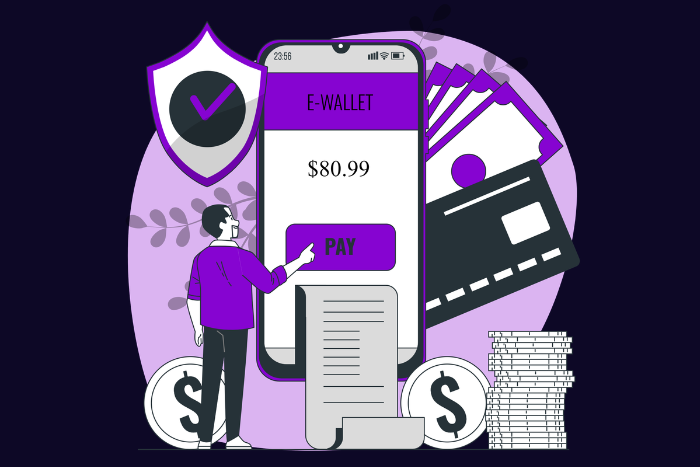
What Are the App Development Services for Fintech Industry? Discover the app development services for Fintech Industry including mobile banking, digital wallets, investment platforms, security features, technology stack, and costs. What Are the App Development Services for Fintech Industry? Financial technology, commonly known as FinTech, has revolutionized the way people manage money, make payments, invest, and access financial services. Businesses, banks, and startups are increasingly asking: what are the app development services for fintech industry? FinTech app development focuses on creating secure, scalable, and user-friendly applications that simplify financial operations and improve customer experiences. Modern fintech applications include mobile banking apps, digital wallets, trading platforms, payment gateways, lending platforms, and personal finance management tools. These applications rely on advanced technologies such as artificial intelligence, blockchain, cloud computing, and real-time analytics to provide efficient financial services. Security and compliance play a crucial role in fintech app development. Financial applications must follow strict regulatory standards such as PCI-DSS, GDPR, AML, and KYC to ensure secure financial transactions and protect sensitive user data. At the same time, fintech apps must deliver intuitive user experiences to encourage widespread adoption. Developing a fintech application requires deep expertise in financial systems, secure APIs, payment integrations, and scalable infrastructure. In this guide, we will explore fintech app development services, including types of solutions, essential features, development processes, technology stacks, cost factors, and emerging trends shaping the financial technology industry. Why Fintech App Development Services Are Important Fintech applications are transforming traditional financial services by making transactions faster, more secure, and more accessible. Businesses across the financial sector rely on fintech applications to enhance their services and remain competitive in the digital economy. Key reasons fintech app development services are important include: Improved Financial AccessibilityFintech apps allow users to access banking and financial services from mobile devices anytime. Faster and Secure TransactionsDigital payment systems enable quick and secure financial transactions. Enhanced Customer ExperienceUser-friendly interfaces simplify financial management for individuals and businesses. Automation of Financial ProcessesFintech apps automate tasks such as payments, lending, and financial reporting. Data-Driven Financial InsightsAdvanced analytics help businesses understand financial trends and customer behavior. Expansion of Digital Banking ServicesFintech solutions enable banks and startups to offer innovative digital services. With fintech app development, financial institutions can deliver faster services while maintaining strong security and regulatory compliance. Types of Fintech Application Development Solutions Fintech app development services include a wide range of solutions designed to support different financial operations and industries. Mobile Banking ApplicationsApps that allow users to manage accounts, transfer money, pay bills, and monitor transactions. Digital Wallet ApplicationsPlatforms that enable secure online payments, contactless transactions, and mobile banking services. Investment and Trading PlatformsApplications designed for stock trading, cryptocurrency investments, and portfolio management. Peer-to-Peer Lending PlatformsPlatforms that connect borrowers and lenders without traditional banking intermediaries. Personal Finance Management AppsApps that help users track expenses, manage budgets, and plan financial goals. Insurance Technology (InsurTech) AppsApplications designed for digital insurance claims, policy management, and risk analysis. RegTech SolutionsPlatforms that help financial institutions comply with regulatory requirements and reporting standards. Payment Gateway and Transaction PlatformsSecure platforms that enable businesses to process online payments. These solutions help financial institutions deliver innovative digital services to customers. Get Free Quotation Now..!! Key Features of Fintech Applications Fintech applications must include advanced features that ensure security, usability, and financial transparency. Important features include: Secure user authentication and identity verification Multi-factor authentication and biometric login Real-time transaction tracking and notifications Integration with payment gateways and banking APIs AI-powered fraud detection and risk monitoring Encrypted data storage and secure communications Budget management and financial analytics tools Cross-platform compatibility for web and mobile devices KYC and AML compliance verification systems Smart notifications and alerts for transactions Multi-currency support for global transactions Chatbots and virtual financial assistants Automated investment recommendations These features enhance financial security while providing convenient financial management tools. Fintech App Development Process Developing fintech applications requires a structured approach that ensures regulatory compliance, security, and high performance. Business Requirement AnalysisDefine the financial services the application will provide and identify target users. Regulatory Compliance PlanningEnsure the app meets financial regulations such as KYC, AML, and PCI-DSS. UI/UX DesignCreate user-friendly financial interfaces that simplify transactions and financial management. Technology Stack SelectionChoose appropriate frameworks, programming languages, and cloud infrastructure. Backend DevelopmentBuild secure server infrastructure and financial APIs. Payment and Banking IntegrationIntegrate payment gateways, banking APIs, and transaction systems. Security ImplementationImplement encryption, fraud detection systems, and authentication protocols. Testing and Quality AssuranceConduct security testing, performance testing, and regulatory compliance checks. Deployment and LaunchRelease the fintech app on mobile platforms or web systems. Maintenance and Continuous UpdatesProvide ongoing security updates, feature improvements, and compliance monitoring. This process ensures that fintech apps remain secure, scalable, and reliable. Technology Stack for Fintech App Development A strong technology stack is essential for building secure and scalable fintech applications. Frontend Technologies: React.js, Angular, Vue.js, HTML5, CSS3, TypeScript Mobile Development: Flutter, React Native, Swift, Kotlin Backend Technologies: Node.js, Python, Java, .NET Databases: PostgreSQL, MySQL, MongoDB, Firebase Cloud Platforms: AWS, Google Cloud Platform, Microsoft Azure Payment Integrations: Stripe, PayPal, Square, Razorpay Blockchain Technologies: Ethereum, Hyperledger Security Technologies: SSL encryption, OAuth 2.0, biometric authentication DevOps Tools: Docker, Kubernetes, CI/CD pipelines This technology stack enables high-performance fintech platforms capable of handling large transaction volumes. Cost Factors in Fintech App Development The cost of fintech app development depends on several factors related to functionality, compliance requirements, and system complexity. Key cost factors include: Application complexity and feature set Integration with banking systems and payment gateways Security and compliance requirements Advanced technologies such as AI or blockchain UI/UX design complexity Development team size and expertise Cloud infrastructure and hosting costs Maintenance and security updates Fintech applications often require higher development budgets due to strict security and regulatory standards. Latest Trends in Fintech App Development Fintech technology continues to evolve as new innovations reshape the financial services industry. Important fintech trends include: AI-powered fraud detection systems Blockchain-based financial transactions Digital banking and neobank platforms Open banking and API-driven financial ecosystems Cryptocurrency and decentralized finance (DeFi) Biometric authentication for

