
How Do I Ensure App Security and Testing? Learn how to ensure app security and testing with best practices, tools, development process, and strategies to protect mobile and web applications. How Do I Ensure App Security and Testing? Mobile and web applications handle sensitive user data, financial transactions, and critical business processes. As digital platforms grow more complex, developers and businesses often ask: how do I ensure app security and testing? Ensuring strong application security and thorough testing is essential to protect user information, prevent cyber threats, and maintain trust with customers. Modern applications face multiple security challenges, including data breaches, unauthorized access, malware attacks, and vulnerabilities within third-party libraries. Without proper security measures and testing protocols, even small vulnerabilities can lead to serious consequences such as financial losses, regulatory penalties, and damage to brand reputation. App security and testing involve implementing secure coding practices, encrypting sensitive data, performing vulnerability scans, and conducting continuous testing throughout the development lifecycle. Security must be integrated from the earliest design stages rather than added as an afterthought. A well-designed security strategy includes authentication systems, secure APIs, encryption protocols, penetration testing, and regular updates to address emerging threats. In addition, quality assurance testing ensures that applications function properly across devices, operating systems, and network environments. In this guide, we will explore how to ensure app security and testing, including the importance of secure development, types of security solutions, testing processes, technology stacks, cost factors, and emerging trends in application security. Why App Security and Testing Are Important Security and testing are critical components of modern application development. Businesses must protect sensitive data while delivering reliable applications that provide seamless user experiences. Here are several reasons why app security and testing are essential: Protection of Sensitive User DataApplications often store personal information, payment details, and login credentials that must be protected. Prevention of CyberattacksSecurity testing helps identify vulnerabilities before hackers exploit them. Compliance with RegulationsBusinesses must follow security standards such as GDPR, HIPAA, and PCI DSS. Improved Application PerformanceTesting ensures that apps perform efficiently across different devices and environments. Enhanced Customer TrustSecure applications build confidence among users and encourage long-term engagement. Reduced Risk of Financial LossSecurity breaches can result in costly damages and legal consequences. Implementing robust security measures and continuous testing ensures that applications remain reliable and protected against threats. Types of Solutions Different types of security and testing solutions are used to protect applications and ensure high-quality performance. Authentication and Authorization SecurityImplement secure login systems, multi-factor authentication, and role-based access control. Data Encryption SolutionsProtect sensitive information using encryption techniques during storage and transmission. Network Security TestingEnsure secure communication channels using HTTPS, secure APIs, and certificate pinning. Vulnerability ScanningIdentify weaknesses in application code, libraries, and configurations. Penetration TestingSimulate cyberattacks to test the strength of security defenses. Static Application Security Testing (SAST)Analyze source code to detect vulnerabilities during development. Dynamic Application Security Testing (DAST)Test running applications to identify security weaknesses. Usability and Functional TestingVerify that the application functions correctly across different environments. Combining multiple testing techniques helps ensure comprehensive application security. Get Free Quotation Now..!! Key Features of Secure App Development and Testing Secure application development involves several important features that protect systems from potential threats. Key features include: Secure authentication and user identity management Multi-factor authentication for additional security Strong encryption protocols for data protection Secure API integration and access management Input validation to prevent injection attacks Role-based access control for sensitive operations Continuous vulnerability monitoring and scanning Automated testing and security audits Code reviews and static analysis tools Secure data storage practices Runtime application self-protection (RASP) Regular updates and security patches These features ensure that applications maintain strong security standards while providing reliable functionality. Development Process Implementing security and testing requires a structured development workflow that integrates security practices at every stage. Security Planning and Risk AssessmentIdentify potential security threats and define protection strategies. Secure Architecture DesignDesign application architecture with built-in security controls and data protection mechanisms. Secure Coding PracticesFollow coding standards that minimize vulnerabilities and prevent common attacks. Integration of Security ToolsImplement encryption libraries, authentication systems, and security monitoring tools. Static and Dynamic Security TestingConduct code analysis and runtime testing to detect vulnerabilities. Penetration TestingSimulate real-world cyberattacks to evaluate security defenses. Performance and Compatibility TestingEnsure the app functions correctly across different devices and operating systems. Deployment and Security MonitoringLaunch the application and monitor security events in real time. Continuous Updates and Patch ManagementRegularly update the application to address new vulnerabilities. Following this process ensures strong security and reliable application performance. Technology Stack for App Security and Testing A modern security technology stack includes tools and frameworks designed to protect applications from cyber threats. Security Frameworks: OWASP Mobile Security, Secure Coding Guidelines Authentication Technologies: OAuth 2.0, JWT, Multi-Factor Authentication Encryption Technologies: SSL/TLS, AES encryption, secure key management Testing Tools: Selenium, Appium, TestGrid, Burp Suite Security Testing Tools: SAST, DAST, vulnerability scanners Monitoring Tools: Splunk, Datadog, New Relic Cloud Security Platforms: AWS Security Hub, Azure Security Center DevOps Tools: Docker, Kubernetes, CI/CD pipelines Using the right technology stack helps maintain secure and scalable applications. Cost Factors in App Security and Testing The cost of implementing security and testing depends on multiple factors related to application complexity and required protection levels. Important cost factors include: Complexity of the application architecture Number of security features implemented Testing tools and security software licenses Third-party security integrations Penetration testing and vulnerability assessments Compliance with regulatory standards Development team expertise and size Cloud infrastructure and monitoring tools Ongoing maintenance and security updates Although security implementation adds to development costs, it significantly reduces the risk of costly security breaches. Latest Trends in App Security and Testing Application security is evolving rapidly as new threats and technologies emerge. Key trends include: AI-powered threat detection systems Zero-trust security architectures Automated vulnerability scanning tools Biometric authentication systems Runtime application self-protection (RASP) DevSecOps integration within development pipelines Cloud-native security solutions Advanced API security frameworks These technologies are helping organizations strengthen their security strategies while maintaining high performance. Why Choose Us for App Security

What Are the App Development Costs for Medium Business?
What Are the App Development Costs for Medium Business? Learn what the app development costs are for medium business, including factors, technology stack, development stages, and budgeting tips. What Are the App Development Costs for Medium Business? Mobile and web applications have become essential tools for businesses aiming to enhance customer engagement, streamline operations, and scale their services. Many companies, especially growing organizations, often ask: what are the app development costs for medium business? Understanding these costs helps businesses plan budgets, choose the right development approach, and avoid unexpected expenses during the project lifecycle. For medium-sized businesses, app development is not just about creating a digital product—it is about building scalable solutions that support long-term growth. Applications may include eCommerce platforms, customer engagement apps, booking systems, internal management tools, or service-based mobile applications. The development cost can vary widely depending on features, complexity, platform choice, and the development team involved. A typical app development project involves several stages including planning, design, development, testing, deployment, and maintenance. Each stage contributes to the overall budget. Businesses must also consider factors such as cloud infrastructure, third-party integrations, security measures, and ongoing support. In this guide, we will explore the app development costs for medium businesses, the factors that influence pricing, development processes, technology stacks, and strategies to optimize your investment while building a high-quality application. Why App Development is Important for Medium Businesses Medium-sized businesses operate in competitive markets where digital transformation plays a crucial role in growth. Mobile and web applications help businesses connect with customers, automate operations, and expand their reach. Here are some reasons why investing in app development is important for medium businesses: Improved Customer EngagementApps allow businesses to interact directly with customers through notifications, personalized content, and seamless user experiences. Operational EfficiencyBusiness applications can automate internal processes such as order management, customer support, and inventory tracking. Competitive AdvantageCompanies with well-designed applications can offer better services and gain an edge over competitors. Scalable Business SolutionsApplications can scale with business growth and support larger customer bases. Better Data InsightsApps collect valuable user data that can help businesses improve products, marketing strategies, and decision-making. Developing a custom application enables medium businesses to build stronger customer relationships and improve operational productivity. Types of App Development Solutions for Medium Businesses Medium businesses can develop different types of applications depending on their industry, business goals, and customer needs. Customer Engagement AppsApps designed to interact with customers, provide services, and improve brand loyalty. eCommerce ApplicationsMobile and web apps that enable businesses to sell products online with secure payment systems. Booking and Service AppsApplications used for scheduling services, appointments, or reservations. Enterprise Business AppsInternal applications used for employee management, workflow automation, and project collaboration. On-Demand Service AppsApps that connect users with service providers such as delivery, transportation, or home services. Educational and Training AppsApplications used for employee training or customer learning platforms. Marketplace PlatformsApps that connect buyers and sellers in a digital marketplace. Choosing the right type of application helps businesses maximize their digital investment. Get Free Quotation Now..!! Key Features of Business Applications Successful applications include features that improve user experience, ensure security, and support business operations. Common features include: User registration and authentication Personalized user dashboards Push notifications and alerts Search and filtering options Payment gateway integration Real-time communication tools Analytics and reporting dashboards Admin panel for content and user management Integration with third-party APIs Secure data storage and encryption Multi-device compatibility Customer support tools such as chat or help centers These features ensure that the application delivers value to both businesses and end users. App Development Process for Medium Businesses Developing a business application involves a structured process that ensures the product meets performance, usability, and scalability requirements. Business Requirement AnalysisIdentify the goals of the application, target users, and essential features. Market Research and PlanningAnalyze competitors and identify opportunities to create unique solutions. UI/UX DesignDesign intuitive user interfaces and user journeys that enhance usability. Technology Stack SelectionChoose the appropriate programming languages, frameworks, and infrastructure. Application DevelopmentDevelop frontend interfaces, backend systems, APIs, and databases. Testing and Quality AssuranceConduct functional testing, security testing, and performance optimization. Deployment and LaunchPublish the application on mobile app stores or web platforms. Maintenance and UpdatesProvide ongoing support, updates, and performance improvements. Following a structured development process helps ensure successful project delivery and efficient resource utilization. Technology Stack for App Development A modern technology stack ensures that business applications remain scalable, secure, and high-performing. Frontend Technologies: React.js, Angular, Vue.js, HTML5, CSS3, TypeScript Mobile Development: Flutter, React Native, Swift, Kotlin Backend Technologies: Node.js, Python, Java, PHP Databases: PostgreSQL, MySQL, MongoDB, Firebase Cloud Platforms: AWS, Google Cloud Platform, Microsoft Azure DevOps Tools: Docker, Kubernetes, Jenkins, GitHub Actions Security Tools: OAuth authentication, SSL encryption, secure APIs Third-Party Integrations: Payment gateways, messaging services, analytics tools Selecting the right technology stack helps businesses build reliable and scalable applications. Cost Factors Affecting App Development for Medium Businesses The app development costs for medium business depend on several factors related to complexity, functionality, and development resources. Major cost factors include: Application ComplexitySimple apps cost less, while advanced apps with complex features require larger budgets. Number of FeaturesMore features such as real-time chat, AI integration, or payment systems increase development costs. Platform SelectionDeveloping apps for Android, iOS, or both platforms affects the total cost. UI/UX Design ComplexityCustom animations and advanced design elements require additional development effort. Third-Party IntegrationsIntegrating payment gateways, APIs, or analytics tools may add development costs. Development Team LocationCosts vary depending on whether the team is located in North America, Europe, or Asia. Maintenance and SupportOngoing updates, bug fixes, and infrastructure management add long-term costs. For medium businesses, app development costs typically range from moderate budgets for simple apps to higher investments for complex platforms. Latest Trends in Business App Development Technology continues to evolve, and businesses must adopt new trends to remain competitive. Important trends shaping app development include: AI-powered applications for automation and personalization Cloud-native architecture for scalable infrastructure Cross-platform development frameworks for faster development IoT integration for connected devices Advanced data analytics

How Do I Develop an App for Online Education?
How Do I Develop an App for Online Education? Learn how to develop an app for online education with key features, development process, technology stack, cost factors, and latest edtech trends. How Do I Develop an App for Online Education? Online education has transformed how students learn, how teachers deliver content, and how institutions scale their educational services. With the rapid adoption of digital learning platforms, many entrepreneurs, schools, and businesses are asking the same question: how do I develop an app for online education? Building an education app allows organizations to deliver courses, conduct live classes, track student progress, and create engaging learning experiences through mobile devices. Educational apps are widely used by schools, universities, edtech startups, and training organizations to provide flexible learning environments. These apps support features such as video lectures, interactive quizzes, progress tracking, live sessions, and collaboration tools that improve knowledge retention and accessibility. As smartphones and high-speed internet become more accessible worldwide, mobile learning solutions are becoming a powerful tool for reaching global audiences. Developing a successful online education app requires strategic planning, a scalable technology infrastructure, and a strong focus on user experience. Whether you want to create an e-learning platform, language learning app, test preparation tool, or corporate training system, a well-designed education app can transform the learning process. In this guide, we will explain how to develop an app for online education, including its importance, types of educational apps, essential features, development process, technology stack, cost considerations, and emerging trends shaping the future of digital learning. Why Developing an App for Online Education is Important Education is rapidly shifting toward digital platforms. Mobile learning apps enable institutions and organizations to deliver knowledge in more engaging and accessible ways. Here are key reasons why developing an online education app is important: Global AccessibilityStudents can access learning materials anytime and anywhere through mobile devices. Flexible Learning ExperienceLearners can study at their own pace, revisit lessons, and complete courses according to their schedule. Interactive Learning MethodsFeatures such as quizzes, gamification, and live sessions increase engagement and knowledge retention. Scalable Education PlatformsEducational apps can serve thousands of users simultaneously without geographical limitations. Cost-Effective Education DeliveryDigital learning platforms reduce infrastructure costs associated with physical classrooms. Improved Student Performance TrackingAnalytics tools allow educators to track student progress and learning outcomes. By developing an online education app, organizations can expand their reach, improve learning experiences, and create scalable digital education ecosystems. Types of Online Education Application Solutions Different types of education apps serve various learning purposes and audiences. Selecting the right solution depends on the learning model and target users. E-Learning PlatformsApps that offer structured online courses, video lectures, assignments, and certifications. Language Learning AppsPlatforms designed to teach new languages through interactive lessons, speech recognition, and quizzes. Exam Preparation AppsApplications focused on competitive exam preparation with practice tests, mock exams, and performance analytics. Virtual Classroom AppsApps that support live video classes, teacher-student interaction, and collaborative learning. Skill Development AppsPlatforms offering professional courses such as programming, design, business, and digital marketing. Gamified Learning AppsEducational apps that use game mechanics to make learning engaging and interactive. Corporate Training AppsApps designed for employee training, skill development, and internal knowledge sharing. Each of these solutions addresses different learning needs while leveraging digital technologies to enhance education. Get Free Quotation Now..!! Key Features of an Online Education App A successful online education application requires features that support both students and educators while ensuring smooth learning experiences. Essential features include: User registration and profile management Course catalog and learning modules Video lectures and multimedia content Live classes and virtual classroom integration Interactive quizzes and assignments Progress tracking and performance analytics Push notifications for reminders and updates Discussion forums and collaboration tools Secure payment gateways for course purchases Offline learning capabilities Certificates and course completion tracking Content management system for instructors Personalized learning recommendations Multi-device compatibility These features ensure that users receive an engaging and effective learning experience through the app. Development Process for an Online Education Application Building an online education application requires a structured development process that ensures high performance, scalability, and usability. Market Research and Idea ValidationIdentify target users, learning objectives, and competitive platforms. Define Features and Learning ModelDecide whether the app will focus on live learning, self-paced courses, or blended learning. UI/UX Design and PrototypingCreate an intuitive interface that simplifies course navigation and learning. Technology Stack SelectionChoose programming languages, frameworks, and cloud infrastructure. Backend DevelopmentDevelop scalable server architecture, databases, and API integrations. Frontend and Mobile DevelopmentBuild responsive interfaces for Android, iOS, and web platforms. Integration of Learning ToolsImplement video streaming, quizzes, analytics dashboards, and communication features. Testing and Quality AssuranceConduct functional testing, security testing, and performance optimization. Deployment and LaunchPublish the application on mobile app stores or web platforms. Maintenance and UpdatesContinuously improve the app with feature updates and performance improvements. Following a structured development workflow ensures that the education app delivers reliable performance and engaging learning experiences. Technology Stack for Online Education App Development A modern technology stack ensures scalability, security, and seamless learning experiences for users. Frontend Technologies: React.js, Angular, Vue.js, HTML5, CSS3, TypeScript Mobile Development: Flutter, React Native, Swift, Kotlin Backend Technologies: Node.js, Python, Java, PHP Databases: PostgreSQL, MySQL, MongoDB, Firebase Cloud Platforms: AWS, Google Cloud Platform, Microsoft Azure Video Streaming Services: WebRTC, AWS Media Services, Vimeo API DevOps Tools: Docker, Kubernetes, CI/CD pipelines Security Technologies: SSL encryption, OAuth authentication, secure payment gateways Using reliable technologies ensures that the application can handle large numbers of users and multimedia content efficiently. Cost Factors in Online Education App Development The cost of developing an online education app depends on several factors related to the complexity and features of the platform. Important cost factors include: App complexity and number of features Platform choice (Android, iOS, or cross-platform) UI/UX design requirements Video streaming and storage infrastructure Integration with payment gateways and APIs Security and compliance requirements Development team size and expertise Cloud hosting and infrastructure costs Maintenance and future updates A simple MVP education app may require a moderate budget, while
How Do I Integrate Analytics in a Mobile App?
How Do I Integrate Analytics in a Mobile App? Learn how to integrate analytics in a mobile app to track user behavior, measure performance, and improve engagement with powerful analytics tools. How Do I Integrate Analytics in a Mobile App? Mobile applications generate valuable user data that can help businesses understand user behavior, optimize performance, and improve overall customer experience. This is why many businesses and developers ask the important question: how do I integrate analytics in a mobile app? Analytics integration enables app owners to track user actions, monitor engagement metrics, and make data-driven decisions that improve product performance and marketing strategies. Mobile app analytics tools allow developers to collect insights such as user acquisition sources, session duration, feature usage, retention rates, and conversion events. These insights help businesses identify what works well within the application and what needs improvement. Whether you are launching a startup app, an eCommerce platform, or a SaaS mobile application, integrating analytics ensures you have the data needed to scale and optimize the product. Modern analytics platforms also offer advanced features like real-time dashboards, predictive analytics, and user segmentation. By integrating analytics early in the development process, businesses can track performance from the moment the app launches and continuously enhance user engagement. In this guide, we will explain how to integrate analytics in a mobile app, including the importance of analytics, types of analytics solutions, development processes, technology stacks, and the latest trends shaping mobile analytics today. Why Integrating Analytics in a Mobile App is Important Mobile app analytics is essential for understanding how users interact with your application and how your product performs in real-world conditions. Without analytics, developers and product teams must rely on assumptions instead of real data. Here are several reasons why integrating analytics into a mobile app is important: Understand User BehaviorAnalytics reveals how users navigate through the app, which features they use most, and where they drop off. Improve User ExperienceData insights help identify usability issues and improve app design and functionality. Track App PerformanceDevelopers can monitor crashes, load times, and technical issues that affect user satisfaction. Measure Marketing EffectivenessAnalytics tools track user acquisition channels and marketing campaign performance. Increase User RetentionData-driven insights help optimize onboarding flows and engagement strategies. Support Data-Driven Decision MakingBusinesses can prioritize features and improvements based on actual user data. With analytics integration, businesses gain clear visibility into app performance and user engagement, allowing them to continuously improve the application. Types of Mobile Application Analytics Solutions Different analytics solutions focus on different aspects of app performance and user interaction. Choosing the right analytics tools depends on business goals and the type of app being developed. User Behavior AnalyticsTracks user interactions, navigation paths, session duration, and engagement patterns. Performance AnalyticsMonitors app performance metrics such as loading times, crash reports, and device compatibility. Marketing AnalyticsMeasures campaign performance, user acquisition channels, and conversion rates. Product AnalyticsHelps teams understand which features users interact with most and where improvements are needed. Revenue AnalyticsTracks in-app purchases, subscriptions, and monetization performance. Real-Time AnalyticsProvides live insights into user activity and engagement metrics. Predictive AnalyticsUses machine learning to predict user behavior, churn risk, and future engagement patterns. Each type of analytics plays a role in building a comprehensive understanding of app performance. Get Free Quotation Now..!! Key Features of Mobile App Analytics Integration A well-integrated analytics system includes multiple features that provide detailed insights into user behavior and application performance. Important features include: User activity tracking and event monitoring Real-time analytics dashboards User acquisition and attribution tracking Session tracking and engagement analysis Crash reporting and performance monitoring Conversion and funnel tracking User segmentation and cohort analysis In-app event tracking and custom metrics Retention and churn analysis A/B testing and experimentation tools Push notification performance tracking Integration with marketing automation tools These features enable developers and product managers to optimize app functionality and improve user engagement. Development Process for Integrating Analytics in a Mobile Application Integrating analytics into a mobile application requires a structured development process to ensure accurate data collection and meaningful insights. Define Analytics GoalsIdentify the key metrics and insights the app needs to track, such as user retention, engagement, or revenue. Select the Right Analytics PlatformChoose analytics tools that align with your app’s features and business goals. Design Event Tracking StrategyDefine events such as user registrations, purchases, clicks, and feature interactions. Integrate Analytics SDKsAdd analytics software development kits (SDKs) into the mobile application codebase. Configure Data TrackingImplement event tracking, custom metrics, and user properties within the app. Test Analytics ImplementationVerify that events are correctly captured and analytics data is accurate. Deploy the ApplicationLaunch the app with analytics integration ready to collect user data. Monitor and OptimizeAnalyze collected data and use insights to improve the app’s features and performance. This development process ensures that analytics tools capture relevant data without affecting app performance. Technology Stack for Mobile App Analytics Integration Modern mobile app analytics relies on a variety of technologies and platforms to track user behavior and performance metrics. Analytics Platforms: Firebase Analytics, Google Analytics 4, Mixpanel, Amplitude Mobile Development Frameworks: Flutter, React Native, Swift, Kotlin Backend Technologies: Node.js, Python, Java Databases: PostgreSQL, MongoDB, Firebase Realtime Database Cloud Platforms: AWS, Google Cloud Platform, Microsoft Azure Data Visualization Tools: Tableau, Power BI, Looker Marketing Attribution Tools: AppsFlyer, Adjust, Branch DevOps Tools: Docker, Kubernetes, CI/CD pipelines Using the right technology stack ensures scalable analytics systems capable of handling large volumes of data. Cost Factors in Mobile App Analytics Integration The cost of integrating analytics into a mobile app depends on several factors related to the complexity of data tracking and the analytics tools used. Major cost factors include: Choice of analytics platform and licensing fees Number of tracked events and data points Custom analytics dashboards and reporting tools Integration with third-party marketing platforms Cloud storage and data processing requirements Real-time analytics and predictive data models Security and compliance requirements Development and maintenance costs Many analytics tools offer free tiers, while advanced enterprise solutions may require subscription-based pricing. Latest Trends in Mobile App Analytics
What Are the Benefits of Outsourcing App Development?
What Are the Benefits of Outsourcing App Development? Discover the benefits of outsourcing app development including cost savings, faster delivery, expert talent, scalability, and access to advanced technologies. What Are the Benefits of Outsourcing App Development? Mobile and web applications have become essential tools for businesses aiming to enhance customer engagement, streamline operations, and expand digital presence. However, building a high-quality application requires significant technical expertise, resources, and time. Many companies today are asking an important question: what are the benefits of outsourcing app development? Outsourcing app development allows businesses to collaborate with experienced development teams or agencies that specialize in building scalable digital products. Instead of hiring and managing an in-house development team, organizations can leverage external expertise to accelerate project delivery while maintaining cost efficiency. This approach enables startups, enterprises, and growing businesses to focus on core operations while experienced developers handle the technical aspects of app creation. From reducing development costs to gaining access to global talent, outsourcing has become a strategic solution for companies looking to build high-performance applications. Whether you are developing a mobile app, SaaS platform, enterprise system, or customer engagement application, outsourcing can significantly improve efficiency and scalability. In this guide, we explore the key benefits of outsourcing app development, the types of outsourcing models available, development processes, technology considerations, cost factors, and the latest trends shaping the outsourcing landscape. Why Outsourcing App Development is Important Outsourcing app development has become a popular strategy for businesses seeking efficiency, innovation, and faster product delivery. By working with specialized development partners, companies can access advanced technical expertise without the overhead of maintaining a large in-house team. Here are some reasons why outsourcing app development is important: Cost EfficiencyOutsourcing reduces expenses related to recruitment, training, infrastructure, and employee benefits. Access to Global TalentBusinesses gain access to experienced developers, designers, and technology specialists worldwide. Faster Time-to-MarketProfessional development teams can accelerate product development and launch cycles. Focus on Core Business ActivitiesOrganizations can concentrate on strategic goals while outsourcing technical development tasks. Scalable Development TeamsCompanies can quickly scale resources up or down based on project requirements. Access to Advanced TechnologiesOutsourcing partners often specialize in modern frameworks, tools, and development methodologies. These advantages make outsourcing an effective solution for organizations aiming to innovate while managing development costs and risks. Types of App Development Outsourcing Solutions Businesses can choose different outsourcing models depending on project scope, budget, and collaboration preferences. Offshore Development OutsourcingDevelopment is handled by teams located in different countries, often offering significant cost advantages. Nearshore Development OutsourcingCompanies collaborate with development teams in nearby regions or countries with similar time zones. Onshore Development OutsourcingOutsourcing to agencies within the same country to maintain easier communication and collaboration. Dedicated Development TeamsA full development team is assigned to work exclusively on a company’s project. Project-Based OutsourcingA development agency handles the entire project from planning to deployment. Staff AugmentationExternal developers temporarily join an existing in-house team to provide additional expertise. Choosing the right outsourcing model depends on project complexity, budget constraints, and communication requirements. Get Free Quotation Now..!! Key Features of Outsourced App Development Outsourcing app development offers several strategic advantages that enhance the development process and product quality. Key features include: Access to highly skilled developers and specialized technical experts Reduced development costs compared to in-house teams Faster development timelines and quicker product launches Flexible resource allocation and scalable development teams Advanced development tools and modern technology frameworks Built-in quality assurance and testing processes Continuous updates and maintenance support Improved project management and agile development workflows Access to cross-platform and cloud-native development capabilities Strong security practices and compliance standards These features ensure that outsourced development projects remain efficient, cost-effective, and technically robust. App Development Process When Outsourcing Outsourcing app development follows a structured workflow that ensures transparency, quality, and efficient project delivery. Project Requirement AnalysisIdentify business objectives, app features, target audience, and technical requirements. Choosing the Right Development PartnerEvaluate outsourcing agencies based on expertise, portfolio, communication, and industry experience. Project Planning and Scope DefinitionDefine project timelines, deliverables, development methodology, and resource allocation. UI/UX Design and PrototypingCreate intuitive user interfaces and interactive prototypes to visualize the application. Application DevelopmentDevelop frontend, backend, APIs, and database systems using scalable architecture. Quality Assurance and TestingPerform functional, security, and performance testing to ensure reliability. Deployment and LaunchRelease the application on mobile app stores or web platforms. Post-Launch Maintenance and SupportMonitor performance, fix bugs, and add new features based on user feedback. This structured approach helps businesses maintain full visibility into the development process while ensuring high-quality outcomes. Technology Stack for Outsourced App Development Outsourcing agencies typically use modern technology stacks to build scalable and high-performing applications. Frontend Technologies: React.js, Angular, Vue.js, HTML5, CSS3, TypeScript Mobile Development: Flutter, React Native, Swift, Kotlin Backend Technologies: Node.js, Python, Java, PHP Databases: PostgreSQL, MySQL, MongoDB, Firebase Cloud Platforms: AWS, Google Cloud Platform, Microsoft Azure DevOps Tools: Docker, Kubernetes, Jenkins, GitHub Actions APIs and Integrations: RESTful APIs, GraphQL, third-party integrations Security Technologies: OAuth authentication, SSL encryption, secure APIs A robust technology stack ensures high performance, scalability, and seamless integration with existing systems. Cost Factors in Outsourcing App Development The cost of outsourcing app development depends on several factors related to project complexity, resources, and technical requirements. Major cost factors include: Application complexity and feature requirements Type of application (mobile, web, cross-platform) Outsourcing model (offshore, nearshore, or onshore) Development team size and expertise Integration with third-party services and APIs UI/UX design requirements Security and compliance standards Cloud infrastructure and hosting Post-launch maintenance and support While outsourcing can significantly reduce development costs, choosing the right partner ensures the balance between affordability and quality. Latest Trends in App Development Outsourcing The outsourcing industry continues to evolve as new technologies and development practices emerge. Key trends shaping outsourcing app development include: Adoption of AI-powered development tools Increased use of cloud-native architectures Growth of cross-platform app development frameworks Integration of DevOps and CI/CD pipelines Focus on cybersecurity and data protection Rise of agile and remote development teams Automation through Robotic Process Automation (RPA) Increased demand for scalable

How Do I Develop an App for Social Media Marketing?
How Do I Develop an App for Social Media Marketing? Learn how to develop an app for social media marketing with key features, technology stack, development process, and cost factors in this complete guide. How Do I Develop an App for Social Media Marketing? Social media marketing has transformed how businesses connect with their audiences, promote products, and build brand communities. With billions of users actively engaging across digital platforms, many businesses are asking the same question: how do I develop an app for social media marketing? Building a dedicated social media marketing app can help brands manage campaigns, create engaging content, analyze audience insights, and interact with customers in real time. A social media marketing app can serve various purposes, from content scheduling and analytics dashboards to influencer collaboration platforms and social commerce integrations. Businesses, marketing agencies, and startups are increasingly investing in these applications to centralize their marketing strategies and improve engagement across platforms. Developing a successful social media marketing application requires careful planning, a user-focused design, scalable architecture, and powerful analytics capabilities. The right development strategy ensures that the application can handle large user bases, integrate with multiple social platforms, and deliver meaningful marketing insights. In this guide, we will explain the key steps, features, technology stack, cost considerations, and industry trends involved in developing a social media marketing app that drives engagement and business growth. Why Developing an App for Social Media Marketing is Important Businesses today rely heavily on digital platforms to attract customers and build brand visibility. A dedicated social media marketing application offers a centralized environment where businesses can manage campaigns, analyze data, and automate marketing tasks efficiently. Here are some reasons why developing a social media marketing app is important: Centralized Marketing ManagementBusinesses can manage multiple social media accounts, campaigns, and analytics from a single platform. Improved Audience EngagementSocial media marketing apps allow brands to interact with audiences through messaging, comments, and interactive content. Data-Driven Marketing DecisionsBuilt-in analytics and reporting tools help marketers track performance metrics and optimize campaigns. Automation of Marketing ActivitiesScheduling posts, managing content calendars, and automating responses can save significant time and resources. Enhanced Brand VisibilityMarketing apps help businesses consistently publish engaging content across platforms. Integration with Social Media PlatformsAPIs allow seamless integration with major platforms such as Instagram, Facebook, LinkedIn, and X (Twitter). By developing a specialized marketing application, businesses can streamline digital marketing operations and maximize return on investment. Types of Social Media Management Platform Solutions Different types of social media marketing applications serve different business objectives. Depending on your goals, you can develop specialized solutions tailored to marketing strategies. Social Media Management AppsThese apps allow users to manage multiple social media accounts, schedule posts, and track campaign performance. Content Creation and Publishing PlatformsApplications that focus on designing, editing, and publishing visual and written content for social platforms. Social Media Analytics ToolsPlatforms that provide insights into audience behavior, engagement metrics, and campaign performance. Influencer Marketing PlatformsApps that connect brands with influencers for collaboration, promotions, and sponsored content. Community Engagement ApplicationsSocial apps designed to encourage interaction between brands and their communities. Social Commerce AppsApplications that combine social media engagement with direct product sales and eCommerce integrations. Marketing Automation AppsPlatforms that automate posting schedules, audience targeting, and campaign optimization. Each of these solutions addresses different aspects of social media marketing, enabling businesses to build stronger digital presence. Get Free Quotation Now..!! Key Features of a Social Media Marketing App To build a competitive social media marketing application, it must include features that simplify campaign management and enhance user engagement. Core features often include: User account registration and profile management Integration with multiple social media platforms Content creation and editing tools Content scheduling and publishing system Social media analytics and performance dashboards Engagement tracking (likes, comments, shares, reach) Push notifications and activity alerts Collaboration tools for marketing teams Influencer discovery and management tools Audience segmentation and targeting capabilities AI-powered content recommendations Real-time messaging and interaction tools Campaign performance tracking Data export and reporting tools These features allow marketers to manage campaigns efficiently while gaining deeper insights into audience engagement. Development Process for a Social Media Promotion App Building a social media marketing application requires a structured development approach to ensure performance, scalability, and user satisfaction. Market Research and Competitor AnalysisAnalyze existing social media marketing tools and identify opportunities to differentiate your application. Define Product Vision and FeaturesOutline the core features, user roles, and marketing capabilities your app will provide. UI/UX Design and PrototypingDesign an intuitive interface that simplifies campaign management and content publishing. Technology Stack SelectionChoose the appropriate programming languages, frameworks, and infrastructure. Backend DevelopmentBuild scalable server architecture, APIs, and database systems to handle user data and marketing analytics. Frontend and Mobile DevelopmentDevelop responsive web and mobile interfaces that provide seamless user experiences. Integration with Social Media APIsConnect the application with major social media platforms for publishing and analytics. Testing and Quality AssurancePerform functional testing, security testing, and performance testing to ensure reliability. Deployment and LaunchRelease the application on web platforms or mobile app stores. Post-Launch Maintenance and Feature UpdatesContinuously improve the platform by adding new features, improving performance, and addressing user feedback. A well-planned development process ensures the application remains stable and scalable as the user base grows. Technology Stack for Social Media Marketing App Development The technology stack plays a crucial role in building scalable and high-performing social media marketing applications. Frontend Technologies: React.js, Angular, Vue.js, HTML5, CSS3, TypeScript Mobile Development: Flutter, React Native, Swift, Kotlin Backend Technologies: Node.js, Python, Java, PHP Databases: PostgreSQL, MySQL, MongoDB, Firebase Cloud Platforms: AWS, Google Cloud Platform, Microsoft Azure API Integrations: Facebook Graph API, Instagram API, LinkedIn API, Twitter API DevOps Tools: Docker, Kubernetes, GitHub Actions, Jenkins Analytics Tools: Google Analytics, Mixpanel, custom data dashboards Security: OAuth 2.0 authentication, SSL encryption, RBAC, secure APIs Using a modern technology stack ensures that the application performs efficiently and can scale to support millions of users. Cost Factors in Developing a Social Media Management Platform The cost of developing a social media marketing app
What Are the App Development Trends in Europe?
What Are the App Development Trends in Europe? Explore the latest app development trends in Europe including AI, IoT, green apps, and cross-platform technologies shaping the European mobile app market. What Are the App Development Trends in Europe? The European mobile application industry is experiencing rapid growth due to digital transformation, increasing smartphone usage, and the expansion of startup ecosystems. Businesses across industries are investing in mobile solutions to enhance customer engagement, improve operational efficiency, and stay competitive in the digital marketplace. Understanding what are the app development trends in Europe can help businesses and startups build future-ready applications that meet market demands. Europe has become one of the most innovative regions for mobile technology, with strong development ecosystems in countries such as Germany, the United Kingdom, France, the Netherlands, and Sweden. European companies are focusing on advanced technologies like artificial intelligence, Internet of Things (IoT), augmented reality, and cross-platform development to deliver smarter and more scalable mobile applications. Additionally, Europe places a strong emphasis on data privacy, sustainability, and secure digital solutions, making app development in the region unique compared to other global markets. Developers are building apps that comply with strict regulations such as GDPR while maintaining high performance and user-friendly design. This guide explores the major mobile app development trends in Europe, key solutions, technologies, development processes, and emerging innovations shaping the European digital ecosystem. Why Understanding App Development Trends in Europe Is Important Staying updated with mobile app development trends helps businesses build competitive applications and adapt to evolving technologies. Important benefits include: Better Market Adaptation Businesses can develop apps that meet European user expectations. Technology-Driven Innovation Companies can leverage AI, IoT, and cloud computing to create advanced apps. Compliance with European Regulations Apps must follow strict privacy laws like GDPR. Improved User Experience Modern trends focus on intuitive interfaces and seamless performance. Business Growth Opportunities Digital transformation creates new markets for mobile apps. Competitive Advantage Early adoption of emerging technologies improves market positioning. Understanding these trends helps companies build scalable and future-proof mobile applications. Types of Solutions Following App Development Trends in Europe Different app development solutions align with the evolving European technology landscape. • AI-Powered Mobile Applications Artificial intelligence is transforming mobile experiences through intelligent automation and predictive analytics. AI-based chatbots and virtual assistants Personalized user experiences Data-driven decision making • Cross-Platform Mobile App Development Cross-platform technologies allow developers to build apps for multiple platforms efficiently. Faster development cycles Reduced development costs Consistent user experience across devices • IoT-Integrated Applications IoT-powered apps connect mobile devices with smart systems and industrial equipment. Smart home automation apps Industrial IoT monitoring solutions Connected healthcare applications • On-Demand Mobile Applications On-demand services continue to grow across Europe. Food delivery apps Transportation services Booking and scheduling apps • Enterprise Mobile Applications Businesses are adopting enterprise apps to improve internal operations. CRM and ERP integrations employee productivity apps secure enterprise communication platforms These solutions reflect the growing demand for intelligent and scalable mobile applications in Europe. Get Free Quotation Now..!! Key Features of Modern European Mobile Applications Modern apps developed for the European market must provide advanced functionality and user-focused design. Essential features include: AI-driven personalization Multi-language support GDPR-compliant data protection Real-time notifications and updates Cloud-based scalability Offline functionality Secure authentication systems Integration with third-party services These features ensure high usability and compliance with European digital standards. Mobile App Development Process Developing applications aligned with European trends requires a structured development approach. Market Research and Strategy Understand user needs and industry trends in European markets. Requirement Analysis Define business goals and application functionality. UI/UX Design Create intuitive and accessible user interfaces. App Development Build frontend and backend systems using modern technologies. Integration with Third-Party Services Connect with payment systems, APIs, and cloud infrastructure. Testing and Quality Assurance Ensure app performance, security, and regulatory compliance. Deployment and Launch Release the application on app stores and web platforms. Continuous Updates and Maintenance Monitor performance and update features regularly. This process helps deliver reliable and scalable applications for European markets. Technology Stack Used in European App Development The technology stack used in Europe often focuses on performance, scalability, and compliance. Mobile Development Frameworks:Flutter, React Native, Swift, Kotlin Backend Technologies:Node.js, Python, Java, .NET Databases:PostgreSQL, MongoDB, Firebase Cloud Platforms:AWS, Microsoft Azure, Google Cloud AI and Data Analytics Tools:TensorFlow, OpenAI APIs, ML frameworks IoT Technologies:Edge computing platforms and IoT SDKs Security Tools:OAuth authentication, encryption systems, GDPR-compliant data management These technologies enable developers to build advanced mobile applications aligned with European innovation standards. Cost Factors for App Development in Europe Several factors influence the cost of developing mobile apps in European markets. App complexity and feature requirements Choice of development platform (iOS, Android, cross-platform) UI/UX design complexity Security and compliance requirements Integration with external services Development team expertise Testing and quality assurance Maintenance and infrastructure costs Countries with strong tech ecosystems may have higher development costs but also offer high-quality expertise. Latest App Development Trends in Europe Several technological innovations are shaping the future of mobile app development across Europe. Artificial Intelligence Integration AI enables intelligent automation and predictive analytics. Super Apps and Multi-Service Platforms Applications offering multiple services in one ecosystem. Green and Sustainable App Development Energy-efficient apps with optimized resource usage. Internet of Things (IoT) Smart device connectivity for healthcare, manufacturing, and homes. Augmented Reality and Virtual Reality Immersive experiences in gaming, retail, and training. Low-Code and No-Code Platforms Faster app development with minimal coding. Cloud-Native Applications Scalable cloud infrastructure for high-performance apps. Data Privacy and Security Technologies Strong encryption and GDPR-compliant systems. These trends highlight Europe’s focus on innovation, security, and sustainability. Why Choose Us for App Development Services in Europe? Choosing the right development partner is essential for building successful applications in the European market. Here’s why businesses trust our services: European Market Expertise Experience developing apps tailored for European users. Advanced Technology Integration AI, IoT, and cloud technologies implemented in modern apps. GDPR-Compliant Solutions Strong focus on data privacy and regulatory compliance. Scalable App Architecture Apps designed for long-term growth and
How Do I Integrate Payment Gateway in a Website?
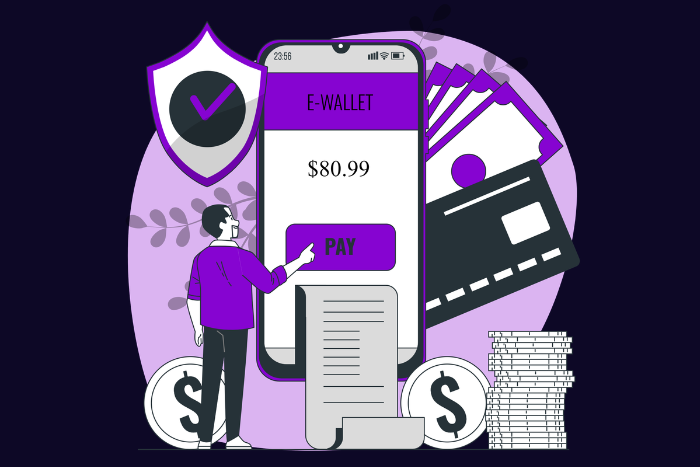
How Do I Integrate Payment Gateway in a Website? Learn how to integrate payment gateway in a website for secure online payments. Explore methods, features, technologies, and costs in this complete guide. How Do I Integrate Payment Gateway in a Website? Online payments have become an essential part of modern businesses, especially for eCommerce platforms, service providers, and subscription-based websites. Customers expect secure, fast, and convenient payment options when making purchases online. This is where payment gateway integration plays a crucial role. If you are wondering how do I integrate payment gateway in a website, the process involves connecting your website to a secure payment processing system that allows customers to complete transactions online. A payment gateway acts as a bridge between a website and financial institutions, enabling secure payment processing through credit cards, debit cards, digital wallets, and other online payment methods. Proper payment gateway integration ensures secure transactions, protects sensitive user data, and improves the overall user experience. Businesses that integrate payment gateways into their websites can increase sales, enhance customer trust, and streamline payment processing. Modern payment systems support multiple currencies, fraud detection tools, and real-time transaction verification. In this guide, we will explore the process of integrating payment gateways into websites, the available solutions, essential features, technologies used, cost considerations, and emerging trends in digital payment systems. Why Payment Gateway Integration Is Important Payment gateway integration offers several advantages for businesses and customers. Key benefits include: Secure Online Transactions Payment gateways encrypt sensitive payment information to protect users. Improved Customer Experience Customers can make payments quickly without leaving the website. Multiple Payment Options Support for credit cards, debit cards, UPI, and digital wallets. Global Payment Acceptance Businesses can accept payments from customers worldwide. Automated Payment Processing Reduces manual payment handling and errors. Faster Business Growth Seamless payments increase conversions and customer trust. For businesses operating online, integrating a payment gateway is essential for smooth and secure financial transactions. Types of Solutions to Integrate Payment Gateway in a Website There are several methods available for integrating payment gateways into a website. Hosted Payment Gateway Integration Customers are redirected to a secure payment page hosted by the payment provider. Easy to implement High security standards Minimal development effort API-Based Payment Gateway Integration Payment processing happens directly within the website using gateway APIs. Fully customizable payment experience Seamless checkout process More control over payment flow Self-Hosted Payment Gateway Payment data is collected on the website and processed via secure backend systems. Complete payment control Advanced customization options Requires strong security measures Plugin-Based Payment Gateway Integration Many CMS platforms provide plugins for quick payment gateway integration. Ideal for platforms like WordPress and Shopify Fast implementation Minimal coding required These solutions allow businesses to choose the best approach based on their technical needs and security requirements. Get Free Quotation Now..!! Key Features Required to Integrate Payment Gateway in a Website A well-integrated payment gateway should provide reliable and secure payment functionality. Important features include: Secure payment processing with encryption Multi-currency payment support Integration with multiple payment methods Real-time payment verification Fraud detection and prevention systems Recurring payment support for subscriptions Mobile-friendly payment interfaces Detailed transaction reporting and analytics These features help ensure smooth and secure payment experiences for customers. Payment Gateway Integration Development Process Integrating a payment gateway into a website involves several technical steps. Define Business Payment Requirements Identify the payment methods and currencies required. Choose the Right Payment Gateway Provider Select a reliable provider that supports your business needs. Create Merchant Account Register with the payment gateway provider to obtain credentials. Obtain API Keys and Documentation Access the integration tools and developer resources. Integrate Payment Gateway APIs Implement payment APIs within the website’s checkout system. Implement Security Measures Apply encryption, tokenization, and fraud detection. Test Transactions in Sandbox Mode Simulate payment scenarios before going live. Deploy Payment System Launch the payment gateway integration for real transactions. Monitor and Maintain System Regularly monitor transactions and update security systems. This structured approach ensures secure and reliable payment integration. Technology Stack for Payment Gateway Integration Various technologies are used to integrate payment gateways into websites. Frontend Technologies:HTML, CSS, JavaScript, React, Angular Backend Technologies:Node.js, PHP, Python, Java Databases:MySQL, PostgreSQL, MongoDB Payment Gateway APIs:Stripe, PayPal, Razorpay, Square Security Technologies:SSL encryption, tokenization, PCI DSS compliance Cloud Platforms:AWS, Google Cloud, Microsoft Azure These technologies help create secure, scalable, and high-performance payment systems. Cost Factors for Payment Gateway Integration The cost of payment gateway integration depends on several factors. Payment gateway provider fees Transaction processing fees Integration complexity Development time and expertise Security implementation requirements Custom payment features Maintenance and updates Infrastructure and hosting costs Some payment gateways charge setup fees, while others charge only per transaction. Latest Trends When You Integrate Payment Gateway in a Website The digital payment industry continues to evolve with new innovations. Key trends include: AI-powered fraud detection systems Contactless and mobile payments Cryptocurrency payment integration Biometric authentication for payments Subscription-based recurring payment systems Multi-currency global payment support Real-time payment processing technologies Integration with digital wallets and UPI systems These trends are shaping the future of online payment systems. Why Choose Us for Payment Gateway Integration? Choosing the right development partner ensures a smooth and secure payment system for your website. Here’s why businesses trust our payment gateway integration services: Expert Payment Integration Developers Experienced in integrating multiple payment systems. Secure Payment Infrastructure Advanced security protocols and encryption technologies. Custom Payment Solutions Tailored payment systems for eCommerce and business platforms. Multiple Payment Gateway Support Integration with popular global and regional gateways. Scalable Payment Systems Solutions designed for high transaction volumes. Fast Implementation Efficient integration with minimal downtime. Reliable Technical Support Ongoing monitoring and system optimization. Cost-Effective Payment Integration Affordable solutions for businesses of all sizes. Ready to add secure online payments to your website?Our experts can integrate reliable payment gateways tailored to your business.Contact us today for a free consultation and payment integration solution. Get Free Quotation Now..!! Key Points : Payment gateway integration enables secure online transactions on websites Businesses

What Are the App Development Services for Healthcare?
What Are the App Development Services for Healthcare? Discover healthcare app development services including telemedicine, patient portals, EHR apps, and medical solutions for hospitals and clinics. What Are the App Development Services for Healthcare? Healthcare organizations are rapidly adopting digital technologies to improve patient care, streamline operations, and enhance communication between patients and medical professionals. Mobile healthcare applications play a crucial role in this transformation by enabling remote consultations, digital health monitoring, and secure medical data management. If you are wondering what are the app development services for healthcare, these services include building custom mobile applications that support hospitals, clinics, medical professionals, and patients. Healthcare app development services focus on creating secure, scalable, and user-friendly applications designed specifically for the medical industry. These apps help healthcare providers deliver services more efficiently while allowing patients to access healthcare solutions from anywhere. Modern healthcare applications often include advanced features such as telemedicine consultations, electronic health records (EHR), appointment booking, medical reminders, remote monitoring, and AI-powered diagnostics. These solutions improve healthcare accessibility and reduce operational costs for healthcare providers. In this guide, we will explore healthcare app development services, the different types of healthcare applications, key features, development processes, technologies used, cost factors, and emerging trends shaping the digital healthcare industry. Why Healthcare App Development Services Are Important Healthcare apps provide significant advantages for both healthcare providers and patients. Key benefits include: Improved Patient Care Healthcare apps allow patients to access medical services and consultations easily. Remote Healthcare Services Telemedicine enables doctors to consult patients from any location. Better Patient Engagement Mobile apps help patients track appointments, medications, and health data. Efficient Medical Data Management Digital systems simplify medical record storage and retrieval. Reduced Operational Costs Automation helps hospitals and clinics manage resources efficiently. Faster Communication Apps enable instant communication between patients and healthcare professionals. These benefits make healthcare mobile apps essential for modern healthcare systems. Types of Healthcare Application Development Services Healthcare app development services cover a wide range of solutions designed for different healthcare needs. Telemedicine App Development Telemedicine apps allow doctors to provide remote consultations through video calls and messaging. Video consultation with doctors Online prescription services Patient health monitoring Electronic Health Record (EHR/EMR) Applications These apps help manage patient medical records digitally. Digital patient records Medical history tracking Secure data sharing between hospitals Appointment Booking Applications Apps that allow patients to schedule doctor appointments easily. Appointment scheduling Calendar integration Automated reminders Remote Patient Monitoring Apps Applications designed to monitor patient health data remotely. Wearable device integration Health data tracking Real-time monitoring Healthcare Management Systems Platforms designed to manage hospital operations. Staff management Billing and insurance processing Medical inventory management These healthcare solutions help improve patient outcomes and operational efficiency. Get Free Quotation Now..!! Key Features of Healthcare Mobile Applications Healthcare apps include several essential features that ensure security, usability, and reliability. Important features include: User registration and authentication Patient health records management Appointment scheduling and reminders Telemedicine video consultation Secure messaging between doctors and patients Prescription management and medication reminders Integration with wearable health devices Healthcare analytics and reporting tools These features help healthcare providers deliver efficient digital healthcare services. Healthcare Application Development Process Developing a healthcare application requires a structured process to ensure compliance, security, and functionality. Requirement Analysis Understand the healthcare organization’s goals and patient needs. Compliance Planning Ensure the application follows healthcare regulations such as HIPAA or GDPR. UI/UX Design Design intuitive interfaces for patients, doctors, and administrators. App Development Build frontend interfaces and backend healthcare systems. Integration with Healthcare Systems Connect the app with EHR systems, wearable devices, and medical databases. Testing and Quality Assurance Conduct performance, security, and usability testing. Deployment and Launch Release the app on mobile platforms and integrate it with healthcare systems. Maintenance and Updates Provide ongoing updates and security improvements. This development process ensures safe and reliable healthcare applications. Technology Stack for Healthcare App Development Healthcare applications rely on advanced technologies to ensure data security, scalability, and performance. Mobile Development: Flutter, React Native, Swift, Kotlin Backend Technologies: Node.js, Python, Java, PHP Database Systems: MongoDB, PostgreSQL, Firebase Cloud Platforms: AWS, Microsoft Azure, Google Cloud Platform Healthcare Integrations: HL7, FHIR healthcare data standards Security Technologies: Data encryption, OAuth authentication, secure APIs Analytics Tools: Firebase Analytics, healthcare data dashboards These technologies help build reliable and compliant healthcare applications. Cost Factors in Healthcare App Development The cost of healthcare app development depends on several factors. App complexity and number of features Compliance with healthcare regulations Integration with hospital systems and medical devices Platform choice (iOS, Android, or cross-platform) UI/UX design requirements Development team expertise Security and data protection measures Maintenance and infrastructure costs Healthcare apps often require higher security and compliance standards, which may increase development costs. Latest Trends in Healthcare App Development Healthcare technology continues to evolve with new innovations and digital solutions. Key trends include: AI-powered diagnostic tools Telemedicine and remote healthcare platforms Wearable health monitoring devices Blockchain-based medical data security IoT-enabled healthcare devices Personalized healthcare apps using data analytics Mental health and wellness applications Virtual reality for medical training and therapy These trends are transforming healthcare delivery and patient experiences. Why Choose Us for Healthcare App Development? Choosing the right development partner is critical for building secure and reliable healthcare applications. Here’s why healthcare organizations trust our development services: Healthcare Industry Expertise Experience developing applications for hospitals and medical providers. Regulatory Compliance Applications built according to healthcare regulations and standards. Secure Data Management Advanced security systems to protect patient information. Scalable Healthcare Platforms Apps designed to support growing healthcare networks. User-Friendly Interfaces Intuitive design for both patients and healthcare professionals. Advanced Technology Integration Integration with wearable devices, EHR systems, and telemedicine platforms. End-to-End Development Services From planning and development to deployment and maintenance. Cost-Effective Healthcare Solutions High-quality apps tailored to healthcare business needs. Ready to build a powerful healthcare mobile application?Our expert developers can create secure and scalable healthcare solutions for your organization.Contact us today for a free consultation and project estimate. Get Free Quotation Now..!! Key Points : Healthcare app
How Do I Develop an App for Booking Services?
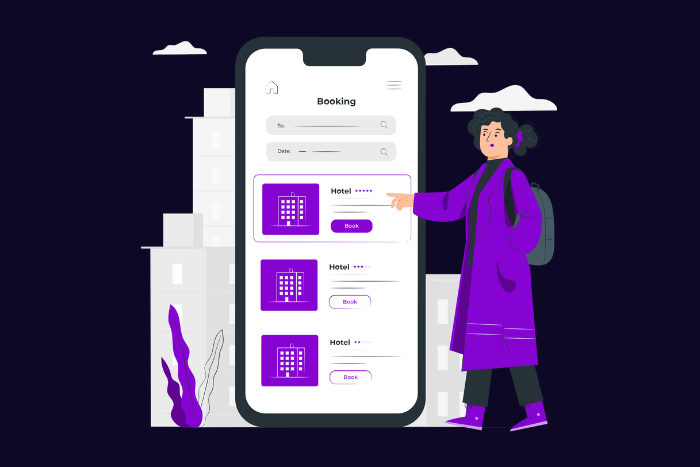
How Do I Develop an App for Booking Services? Learn how to develop an app for booking services with features like scheduling, payments, notifications, and real-time availability. How Do I Develop an App for Booking Services? Online booking applications have transformed how businesses manage appointments, reservations, and service scheduling. From healthcare clinics and beauty salons to travel companies and service providers, booking apps simplify the process of managing appointments and connecting with customers. If you’re wondering how do I develop an app for booking services, the answer involves building a platform that enables users to search for services, check availability, schedule appointments, and make payments seamlessly. A booking app acts as a digital scheduling assistant that helps businesses reduce manual workload, avoid double bookings, and provide customers with a convenient self-service experience. Customers can easily browse services, select preferred time slots, and receive confirmations instantly. Modern booking applications often include advanced features such as real-time scheduling, calendar integration, secure payment systems, automated reminders, and customer reviews. These capabilities not only enhance customer experience but also improve operational efficiency for businesses. In this guide, we will explore how to develop an app for booking services, the types of booking apps available, essential features, development processes, technologies used, cost considerations, and the latest trends shaping the booking app industry. Why Booking Service App Development Is Important Booking apps provide several advantages for both businesses and customers. Here are the main reasons businesses invest in booking service applications: 24/7 Appointment Scheduling Customers can book services anytime without contacting staff. Reduced Administrative Work Automated scheduling eliminates manual booking management. Improved Customer Convenience Users can easily find available slots and confirm bookings instantly. Minimized Scheduling Errors Automated systems prevent double bookings and missed appointments. Better Customer Engagement Push notifications and reminders improve user retention. Higher Revenue Opportunities Online booking increases service accessibility and sales. These benefits make booking applications essential for modern service-based businesses. Types of Solutions to Develop an App for Booking Services Different booking applications are designed for various industries and service models. Appointment Booking Apps Used by healthcare providers, salons, consultants, and professional services. Calendar scheduling Time slot selection Appointment reminders Travel and Hotel Booking Apps Designed for booking accommodations and travel services. Hotel search and filtering Room availability checks Online reservations Taxi and Ride Booking Apps Used for transportation services like ride-hailing platforms. Real-time driver tracking Fare estimation Route optimization Event and Ticket Booking Apps Used for booking concerts, movies, or event tickets. Event listing and seat selection Ticket reservations Digital ticket management On-Demand Service Booking Apps Used for services such as home cleaning, repairs, and beauty services. Service provider selection Real-time scheduling Instant booking confirmation Selecting the right type of booking solution depends on business goals and industry requirements. Get Free Quotation Now..!! Key Features of Booking Service Applications Successful booking apps include several features that improve user experience and operational efficiency. Important features include: User registration and profile management Service listings with pricing and descriptions Smart search and filtering options Real-time availability and scheduling Calendar integration Secure payment gateway integration Push notifications and reminders Ratings and reviews system Customer support chat or chatbot These features make booking apps convenient for both businesses and customers. Booking App Development Process Developing a booking app involves several structured steps. Define Business Requirements Identify target users, service categories, and booking workflows. Market Research and Competitor Analysis Analyze similar booking apps and identify opportunities. Design User Interface and Experience Create wireframes and intuitive booking flows. Develop Core Features Implement booking systems, scheduling calendars, and user accounts. Integrate Payment and Notification Systems Add secure payment gateways and automated reminders. Testing and Quality Assurance Ensure the app works smoothly across different devices. Deployment and Launch Publish the application on app stores. Maintenance and Continuous Improvement Monitor performance and update features regularly. This process ensures a reliable and user-friendly booking platform. Technology Stack Used to Develop an App for Booking Services Modern booking applications rely on advanced technologies to ensure scalability and performance. Mobile Development Frameworks: Flutter, React Native, Swift, Kotlin Backend Technologies: Node.js, Python, Java, PHP Database Systems: MongoDB, Firebase, PostgreSQL Cloud Platforms: AWS, Google Cloud Platform, Microsoft Azure Payment Integrations: Stripe, PayPal, Razorpay API Integrations: Google Maps API, messaging APIs Analytics Tools: Firebase Analytics, Google Analytics These technologies enable secure and scalable booking applications. Cost Factors in Booking App Development The cost of developing a booking app depends on several factors. App complexity and number of features Platform choice (iOS, Android, or cross-platform) UI/UX design complexity Third-party integrations like payment gateways Development team expertise and location Backend infrastructure and cloud hosting Security and compliance requirements Post-launch maintenance and updates Understanding these factors helps businesses estimate development budgets. Latest Trends When You Develop an App for Booking Services Booking applications continue to evolve with new technologies and innovations. Key trends include: AI-powered booking assistants and chatbots Voice-enabled booking systems Personalized booking recommendations Contactless and digital payment systems Real-time analytics and reporting Integration with wearable devices Augmented reality for service previews Blockchain-based booking security These trends are transforming the way users interact with booking platforms. Why Choose Us for Booking App Development? Choosing the right development partner ensures a successful booking application. Here’s why businesses choose our booking app development services: Custom Booking Solutions Apps tailored to your industry and service model. Advanced Scheduling Systems Real-time availability and smart calendar integration. Secure Payment Integration Reliable payment systems for smooth transactions. User-Centered Design Intuitive interfaces for easy booking experiences. Scalable Architecture Apps designed to support business growth. Cross-Platform Development Compatible with both Android and iOS devices. End-to-End Development Support From concept to deployment and maintenance. Cost-Effective Development High-quality solutions within your budget. Ready to launch your booking service app?Our expert developers can build a powerful booking platform for your business.Contact us today for a free consultation and project estimate. Get Free Quotation Now..!! Key Points : Booking service apps allow customers to schedule appointments and reserve services quickly through mobile devices. Features like real-time scheduling, calendar integration,