
What Are the App Development Services for Startups? Discover app development services for startups including MVP development, product design, mobile apps, and scalable solutions. What Are the App Development Services for Startups? Startups today rely heavily on mobile and web applications to validate ideas, attract users, and scale their businesses. If you’re wondering what are the app development services for startups, these services typically include product consulting, MVP development, UI/UX design, mobile and web app development, and ongoing support to help startups build and launch digital products quickly. For early-stage companies, launching a functional application is often the first step toward validating a business model and attracting investors. Startup app development services focus on building cost-effective, scalable, and market-ready applications that can evolve as the company grows. Instead of investing heavily in a fully developed product from the beginning, startups often begin with a Minimum Viable Product (MVP) that includes only essential features. Professional app development partners help startups transform ideas into real digital solutions. These services guide startups through every stage—from idea validation and product strategy to development, testing, and launch. In this guide, we will explore the different startup app development services, how they help entrepreneurs build successful products, and what technologies and processes are involved in creating scalable startup applications. Why App Development Services Are Important for Startups Building a successful startup requires more than just a great idea. Startups must develop reliable digital products that solve real problems for users. Here are some reasons why professional app development services are important for startups: Faster Product Launch Experienced developers help startups bring products to market quickly. Cost-Efficient Development Startups can build MVPs without investing in full-scale development initially. Access to Technical Expertise Professional developers provide technical knowledge and best practices. Scalable Product Architecture Apps built for startups must support rapid growth and feature expansion. Improved User Experience Well-designed applications increase user engagement and retention. Reduced Development Risks Expert teams help avoid common development mistakes. These services help startups build reliable products while focusing on business growth. Types of Startup App Development Solutions Startup app development services cover multiple aspects of product creation and growth. Minimum Viable Product (MVP) Development MVP development focuses on building a simplified version of the product. Validates the startup idea Reduces development costs Allows early user feedback Mobile App Development Mobile apps help startups reach users on smartphones and tablets. iOS app development Android app development Cross-platform mobile apps Web Application Development Web apps allow startups to deliver services through browsers. SaaS platforms Customer dashboards Online marketplaces Product Consulting and Strategy Experts help startups define product goals and development strategies. Market research Feature planning Product roadmap development UI/UX Design Services Professional design services improve usability and user engagement. Wireframing and prototyping User interface design User experience optimization Post-Launch Support and Maintenance Continuous updates help startups improve their products. Performance optimization Bug fixes Feature enhancements These services support startups from idea validation to long-term growth. Get Free Quotation Now..!! Key Features of App Development Services for Startups Startup apps typically include features designed to attract early users and validate product-market fit. Important features include: User registration and authentication Responsive and intuitive user interface Real-time notifications and messaging Payment gateway integration Cloud-based backend infrastructure Third-party API integrations Data analytics and user tracking Secure data storage and encryption These features help startups deliver functional and engaging applications. Startup App Development Process A structured development process helps startups build products efficiently. Idea Validation and Market Research Analyze target users, competitors, and market opportunities. Product Strategy and Feature Planning Define the app’s core features and create a development roadmap. UI/UX Design and Prototyping Develop wireframes and interactive prototypes to test the product concept. MVP Development Build the first functional version of the application. Testing and Quality Assurance Test the app for performance, security, and usability. Product Launch Deploy the application on app stores or web platforms. User Feedback and Iteration Improve the product based on user feedback. Scaling and Feature Expansion Add new features and optimize performance as the startup grows. This process ensures startups build products that evolve with their business. Technology Stack Used in App Development for Startups Modern startup applications rely on flexible and scalable technologies. Mobile Development: Swift, Kotlin, Dart Cross-Platform Frameworks: Flutter, React Native, Xamarin Frontend Technologies: HTML5, CSS3, JavaScript, TypeScript Backend Technologies: Node.js, Python, Java, PHP Databases: MongoDB, PostgreSQL, Firebase, MySQL Cloud Platforms: AWS, Google Cloud Platform, Microsoft Azure DevOps Tools: Docker, Kubernetes, GitHub Actions Security Tools: OAuth 2.0, JWT authentication, SSL encryption Using modern technologies ensures startup applications remain scalable and secure. Cost Factors in Startup App Development Startup app development costs vary depending on several factors. App complexity and number of features Platform choice (iOS, Android, or web) Custom UI/UX design requirements Backend infrastructure and cloud services Third-party integrations and APIs Development team expertise Maintenance and support requirements Many startups begin with MVP development to reduce costs and test their ideas. Latest Trends in Startup App Development Several trends are shaping how startups build digital products. Increasing adoption of AI-powered applications Growth of cross-platform mobile development frameworks Rise of low-code and no-code development platforms Expansion of cloud-native startup applications Integration with IoT devices and smart technologies Use of data analytics and personalization features Growth of subscription-based business models Development of super apps and multi-service platforms These trends allow startups to innovate faster and scale efficiently. Why Choose Us for Startup App Development? Choosing the right development partner can significantly impact the success of a startup. Here’s why startups choose our app development services: Startup-Focused Development Strategy – We specialize in building scalable apps for early-stage companies. MVP Development Expertise – Rapid MVP development to validate ideas quickly. Experienced Product Teams – Skilled designers, developers, and product strategists. Cost-Effective Development Solutions – Optimized workflows for startup budgets. Scalable Technology Architecture – Applications designed to grow with your startup. Agile Development Methodology – Flexible development with continuous improvements. Secure and Reliable Applications – Implementation of industry-standard security protocols. End-to-End Development Support

How Do I Develop an App for Beginners?
How Do I Develop an App for Beginners? Learn how to develop an app for beginners with step-by-step guidance, tools, technologies, and tips to build your first mobile application. How Do I Develop an App for Beginners? Developing a mobile application may seem complex at first, but with the right guidance and tools, beginners can successfully create their first app. If you are asking how do I develop an app for beginners, the process typically starts with defining an idea, designing the user interface, selecting the right development tools, and gradually building and testing the application. Today, app development has become more accessible than ever. Beginners can choose from multiple approaches such as native development, cross-platform frameworks, and no-code app builders. Modern tools and frameworks like Flutter, React Native, and Android Studio allow new developers to build functional apps without needing years of experience. Understanding the basics of app development helps beginners transform their ideas into real products. Whether you want to build a personal project, launch a startup app, or learn mobile development skills, following a structured development process is essential. In this guide, we will explore how beginners can start building apps, the tools and technologies involved, common development approaches, and best practices for launching a successful application. Why Learning App Development is Important for Beginners Mobile apps have become an essential part of modern digital ecosystems. Learning how to develop apps opens many opportunities for individuals and businesses. Here are some reasons why beginners should consider learning app development: High Demand for Mobile AppsBusinesses across industries rely on mobile applications to reach customers. Career Opportunities in TechMobile development skills are highly valued in the technology industry. Ability to Build Your Own ProductsDevelopers can transform their ideas into real applications. Entrepreneurship OpportunitiesMany startups begin with a simple mobile application idea. Continuous Learning and InnovationApp development encourages problem-solving and creative thinking. Understanding app development basics can help beginners enter the growing technology market. Types of Solutions to Develop an App for Beginners Beginners can choose from several development approaches depending on their skills and project requirements. Native App Development Native development involves building applications specifically for a single platform. Android apps developed using Kotlin or Java iOS apps developed using Swift Best performance and device compatibility Cross-Platform App Development Cross-platform frameworks allow developers to build apps for both Android and iOS using a single codebase. Flutter (Dart) React Native (JavaScript) Xamarin (.NET / C#) This method is beginner-friendly and efficient. No-Code and Low-Code Development Beginners without coding experience can use app builders. Drag-and-drop interfaces Faster development process Suitable for simple applications Progressive Web Apps (PWAs) PWAs behave like mobile apps but run in web browsers. Built using HTML, CSS, and JavaScript Lower development complexity Choosing the right development method depends on your goals and technical experience. Get Free Quotation Now..!! Key Features to Develop an App for Beginners When developing your first application, it is important to focus on essential features rather than complex functionality. Important beginner-friendly features include: Simple and intuitive user interface Basic navigation between screens User registration or login system Data storage and retrieval functionality Push notifications Responsive design for multiple devices Integration with APIs or cloud services Basic security and authentication features These features help beginners build functional applications while learning development fundamentals. App Development Process for Beginners Following a structured process helps beginners build apps efficiently. Define the App Idea Identify the problem your app will solve and define its core purpose. Conduct Market Research Study similar apps and understand user needs. Design Wireframes and UI Create basic layouts that define how users will interact with the app. Choose the Development Approach Decide whether to use native, cross-platform, or no-code tools. Start App Development Implement app functionality using chosen technologies. Test the Application Test the app for usability, bugs, and performance issues. Publish the App Submit the application to app stores like Google Play or Apple App Store. Update and Improve Collect user feedback and release updates with improvements. Following this process helps beginners build apps step-by-step. Technology Stack for Beginner App Development A beginner-friendly technology stack makes easier and more efficient to develop an app for beginners. Mobile Development Languages: Kotlin, Java, Swift, Dart Cross-Platform Frameworks: Flutter, React Native, Xamarin Frontend Technologies: HTML5, CSS3, JavaScript Backend Technologies: Node.js, Python, PHP Databases: Firebase, MongoDB, MySQL, SQLite Design Tools: Figma, Adobe XD, Sketch Testing Tools: Postman, Firebase Test Lab Cloud Platforms: AWS, Google Cloud Platform, Microsoft Azure These technologies provide a solid foundation for beginners entering mobile development. Cost Factors for Beginner App Development The cost of developing an app varies depending on the project’s complexity and tools used. Key cost factors include: App complexity and number of features Platform choice (Android, iOS, or both) UI/UX design requirements Third-party API integrations Backend infrastructure and cloud services Development team expertise Testing and quality assurance Beginners often start with simple projects or MVPs to reduce development costs. Latest Trends to Develop an App for Beginners Several trends are making app development more accessible for beginners. Growth of no-code and low-code platforms Increasing adoption of cross-platform frameworks Use of AI-assisted coding tools Expansion of cloud-based mobile backend services Integration of AI and machine learning features Development of progressive web apps (PWAs) Improved developer tools and frameworks Growth of open-source libraries and community support These innovations help beginners develop apps more efficiently. Why Choose Us for App Development Services? Choosing the right development partner can help beginners turn their ideas into successful applications. Here’s why businesses and startups choose our services: Beginner-Friendly Development Guidance – We help clients understand the entire app development process. Experienced Mobile App Developers – Skilled teams working with modern technologies. Custom App Development Solutions – Applications tailored to your business goals. Modern Technology Stack – Use of industry-leading frameworks and tools. Scalable Application Architecture – Apps designed for future growth. Secure Development Practices – Implementation of industry-standard security protocols. Agile Development Workflow – Transparent processes with continuous feedback. End-to-End Development Services – From
What Are the Costs of App Development in USA?
What Are the Costs of App Development in USA? Discover the costs of app development in the USA, key pricing factors, development stages, and tips to estimate your mobile app budget. What Are the Costs of App Development in USA? Mobile applications have become a critical component of modern business strategies. From startups to large enterprises, organizations rely on mobile apps to reach customers, streamline operations, and generate revenue. One of the most common questions businesses ask before starting a project is what are the costs of app development in USA. Understanding the cost structure helps companies plan budgets, select the right development approach, and ensure long-term success. The cost of developing an app in the United States can vary significantly depending on several factors. These include the app’s complexity, platform choice (iOS, Android, or both), design requirements, integrations with third-party services, and the development team’s expertise. On average, simple mobile applications may cost tens of thousands of dollars, while complex enterprise apps with advanced features can reach hundreds of thousands. Additionally, app development costs are not limited to coding. Expenses may include UI/UX design, backend infrastructure, testing, deployment, and ongoing maintenance. Businesses must also consider long-term updates, security improvements, and scalability as their user base grows. In this guide, we will explore the typical mobile app development costs in the USA, the key factors affecting pricing, and how businesses can estimate budgets for successful app projects. Why Understanding App Development Costs is Important Before starting an app development project, businesses must clearly understand the financial investment involved. Proper cost planning helps avoid unexpected expenses and ensures efficient resource allocation. Here’s why understanding app development costs is important: Better Budget PlanningBusinesses can allocate resources effectively and avoid overspending. Improved Project Scope DefinitionUnderstanding costs helps determine which features should be prioritized. Reduced Financial RiskProper planning minimizes the risk of project delays or budget overruns. Better Technology DecisionsBusinesses can choose development approaches that match their budgets. Improved Return on Investment (ROI)Strategic cost planning ensures that app development contributes to long-term growth. Efficient Resource ManagementTeams can allocate development, design, and infrastructure resources effectively. Understanding development costs helps organizations make informed decisions and achieve successful app launches. Types of App Development Solutions Different app development approaches affect the overall cost and timeline of a project. Native Mobile App Development Native apps are built specifically for individual platforms. iOS apps developed using Swift or Objective-C Android apps developed using Kotlin or Java Offers the best performance and user experience Cross-Platform App Development Cross-platform frameworks allow developers to build apps for multiple platforms using a single codebase. Flutter (Dart) React Native (JavaScript) .NET MAUI (C#) This approach can reduce development costs and timelines. Hybrid App Development Hybrid apps combine web technologies with native functionality. Built using HTML, CSS, and JavaScript Frameworks like Ionic and Cordova Progressive Web Apps (PWAs) PWAs function like mobile apps but run through web browsers. Lower development costs Faster deployment Choosing the right solution significantly impacts the total development cost. Get Free Quotation Now..!! Key Features That Influence App Development Cost The features included in an application play a major role in determining its overall cost. Important features include: Custom UI/UX design and branding User authentication and account management Push notifications and messaging systems Payment gateway integration Real-time data synchronization Third-party API integrations Cloud-based backend infrastructure Security and encryption features The more complex the feature set, the higher the development investment. Mobile App Development Process App development typically follows a structured process, and each stage contributes to the overall cost. Discovery and PlanningMarket research, requirement analysis, and project planning. UI/UX DesignCreating wireframes, user journeys, and visual interfaces. Application DevelopmentBuilding frontend and backend functionality. Testing and Quality AssuranceEnsuring the app functions properly across devices. Deployment and LaunchPublishing the application on app stores. Post-Launch MaintenanceUpdates, bug fixes, and feature enhancements. Each stage requires specialized expertise and resources. Technology Stack for Mobile App Development The technology stack used in development influences both performance and cost. Mobile Development Languages: Swift, Kotlin, Java, Dart Cross-Platform Frameworks: Flutter, React Native, Xamarin Frontend Technologies: HTML5, CSS3, JavaScript Backend Technologies: Node.js, Python, PHP, Java Databases: PostgreSQL, MongoDB, Firebase, MySQL Cloud Platforms: AWS, Google Cloud Platform, Microsoft Azure DevOps Tools: Docker, Kubernetes, Jenkins, GitHub Actions Security Tools: OAuth 2.0, JWT authentication, SSL encryption These technologies help build secure and scalable mobile applications. Cost Factors in App Development in the USA Several key factors influence the total cost of building an app in the United States. App ComplexityBasic apps with simple features cost less than complex enterprise applications. Platform SelectionDeveloping for both iOS and Android increases development effort. UI/UX Design RequirementsCustom animations and advanced design elements increase costs. Development Team LocationUS-based developers often charge higher hourly rates than offshore teams. Third-Party IntegrationsAPIs for payments, messaging, and analytics may increase development effort. Backend InfrastructureCloud services, databases, and server architecture add additional costs. Security and ComplianceApplications requiring high security or regulatory compliance require additional development work. Understanding these factors helps businesses estimate project budgets more accurately. Latest Trends in App Development Costs Several trends are influencing how companies budget for app development projects. Growing adoption of cross-platform frameworks to reduce costs Increased use of AI-powered applications Expansion of cloud-based backend services Rise of low-code and no-code development platforms Increasing demand for advanced mobile security features Integration with IoT devices and smart technologies Growth of subscription-based mobile apps Use of analytics-driven user experiences These trends are shaping how businesses invest in mobile application development. Why Choose Us for Mobile App Development? Selecting the right development partner plays a critical role in managing project costs while delivering high-quality applications. Here’s why businesses trust our mobile app development services: Experienced Mobile App Developers – Skilled in modern technologies for both iOS and Android platforms. Cost-Effective Development Solutions – Optimized workflows that reduce development time and expenses. Scalable Application Architecture – Apps designed to support growing user bases and new features. User-Centered Design Approach – Focus on intuitive interfaces and engaging user experiences. Secure Development Practices –

What Are the App Design Trends in 2024?
What Are the App Design Trends in 2024? Discover the top app design trends in 2024 including AI UX, dark mode, minimal UI, microinteractions, and immersive experiences. What Are the App Design Trends in 2024? Mobile applications are evolving rapidly, and design plays a crucial role in determining their success. A well-designed mobile app not only attracts users but also improves engagement, usability, and customer satisfaction. If you’re wondering what are the app design trends in 2024, the focus is shifting toward intelligent, immersive, and user-centered experiences powered by modern technologies and advanced design principles. In 2024, app design is moving beyond traditional user interfaces to deliver personalized, accessible, and interactive experiences. Innovations such as AI-powered personalization, voice interfaces, AR/VR integration, minimalistic layouts, and dark mode are shaping the future of mobile application design. These trends are helping businesses create apps that are more intuitive, visually appealing, and aligned with modern user expectations. Companies that adopt modern UI/UX trends can significantly improve user retention, brand perception, and product adoption. Whether you are designing a startup application, enterprise mobile platform, or SaaS product, staying updated with the latest design practices ensures your application remains competitive in the digital marketplace. In this guide, we explore the most important mobile app design trends of 2024, their benefits, and how businesses can implement them to create exceptional user experiences. Why Modern App Design Trends in 2024 Are Important User expectations are constantly evolving, and mobile app design must adapt to deliver seamless experiences. Implementing modern design trends helps businesses improve usability, engagement, and overall application performance. Here are some reasons why modern app design trends matter: Enhanced User ExperienceModern design practices make apps easier to navigate and more enjoyable to use. Higher User EngagementInteractive elements like animations and microinteractions keep users engaged. Improved AccessibilityInclusive design ensures apps are usable by people with different abilities. Stronger Brand IdentityConsistent visual design strengthens brand recognition. Better Conversion RatesWell-designed apps encourage users to complete actions like purchases or sign-ups. Competitive AdvantageBusinesses that follow the latest design trends stand out in crowded marketplaces. Adopting modern UI/UX trends ensures that your application meets current user expectations and remains relevant. Types of Modern App Design Solutions Different design approaches help businesses create engaging and functional mobile applications. Minimalistic UI Design Clean layouts with fewer visual elements improve usability and focus user attention on important features. Dark Mode and Adaptive Themes Dark mode reduces eye strain and improves readability, especially in low-light environments. Voice User Interface (VUI) Voice-enabled interfaces allow users to interact with applications using voice commands. Augmented Reality (AR) Experiences AR enables immersive interactions in industries such as retail, education, and gaming. Personalized User Interfaces AI-driven personalization adapts content and design based on user behavior. Gamified User Experience Gamification elements such as rewards and progress tracking increase engagement. Each of these solutions contributes to creating modern, intuitive, and engaging mobile apps. Get Free Quotation Now..!! Key Features of Modern App Design Successful mobile applications incorporate design features that improve usability, performance, and visual appeal. Important features include: Clean and intuitive user interface Responsive design for different screen sizes Smooth animations and microinteractions Personalized user experiences Accessible and inclusive design elements Seamless navigation and user flows High-performance visual elements Secure and privacy-focused interfaces These features help deliver a smooth and engaging digital experience for users. App Design Development Process Designing a successful mobile application requires a structured approach to ensure usability and performance. User Research and Market AnalysisUnderstand user behavior, preferences, and industry trends. Information Architecture PlanningOrganize app content and navigation structure. Wireframing and Layout DesignCreate low-fidelity layouts that define the app structure. UI/UX Design CreationDevelop high-fidelity visual designs with colors, typography, and interactions. Prototype DevelopmentBuild interactive prototypes to test user flows. Usability TestingCollect feedback from users to identify design improvements. Design RefinementOptimize the design based on feedback and testing results. Design Handoff to Development TeamDeliver final design assets and guidelines for development. Following this process ensures the final application delivers a high-quality user experience. Technology Stack Based on App Design Trends in 2024 Modern UI/UX design relies on various tools and technologies that support efficient design workflows. Design Tools: Figma, Adobe XD, Sketch, InVision Prototyping Tools: Marvel, Proto.io, Axure User Research Tools: Maze, Hotjar, UserTesting Collaboration Tools: Notion, Slack, Miro Frontend Technologies: HTML5, CSS3, JavaScript, React Animation Tools: Lottie, Principle, Framer Motion Cloud Collaboration: Google Drive, Dropbox, GitHub These tools help designers create interactive prototypes and collaborate effectively with development teams. Cost Factors in App Design The cost of designing a mobile application depends on several factors: Complexity of the user interface Number of screens and features Level of design fidelity (basic vs advanced UI) Custom illustrations, animations, and graphics User research and usability testing Integration with branding guidelines Prototyping and interaction design Investing in professional app design can significantly improve user satisfaction and product success. Latest Trends in Mobile App Design (2024) Several emerging trends are shaping the future of mobile app UI/UX design. AI-powered personalization that adapts the interface based on user behavior Voice-enabled interfaces for hands-free interaction AR and VR experiences for immersive engagement Minimalistic UI with bold typography Dark mode and adaptive color schemes Advanced microinteractions and animations Data visualization dashboards for analytics-driven apps Accessibility-focused design for inclusive experiences These trends help businesses build apps that are modern, engaging, and aligned with user expectations. Why Choose Us for App Design Services? Choosing the right design partner can significantly impact your application’s success. Our team specializes in creating modern, user-centered mobile app designs that combine aesthetics with functionality. Here’s why businesses trust us for mobile app design: User-Centered Design Approach – We design apps based on user behavior, research, and usability principles. Expert UI/UX Designers – Our team has extensive experience designing apps across industries. Modern Design Tools and Technologies – We use industry-leading tools like Figma and Adobe XD. Scalable Design Systems – Design frameworks that support future growth and feature expansion. Cross-Platform Design Expertise – Consistent design experiences across iOS and Android devices. Performance-Focused

How Do I Integrate API in an App?
How Do I Integrate API in an App? Learn how to integrate API in an app. Discover API types, integration process, tools, benefits, and best practices for scalable applications. How Do I Integrate API in an App? Modern applications rely heavily on APIs to connect with external services, exchange data, and extend functionality. If you’re wondering how do I integrate API in an app, the process involves connecting your application with external or internal services through structured endpoints that allow systems to communicate with each other. APIs, or Application Programming Interfaces, act as bridges between different software systems, enabling developers to add powerful features without building everything from scratch. API integration allows apps to access services such as payment gateways, social media platforms, cloud storage, mapping systems, and third-party analytics tools. For example, an eCommerce application might integrate APIs for payment processing, shipping services, and customer authentication. Similarly, mobile apps often use APIs to fetch real-time data, synchronize with cloud servers, and interact with external platforms. Proper API integration improves application performance, scalability, and flexibility. It also allows businesses to automate processes, streamline data exchange, and create more advanced digital products. From RESTful APIs to GraphQL and WebSocket integrations, modern API technologies provide developers with powerful ways to enhance applications. In this guide, we will explore how API integration works, the different types of API solutions, the development process, technologies used, and best practices for implementing APIs in modern applications. Why API Integration is Important API integration plays a vital role in modern application development because it allows systems to communicate and share data efficiently. Here are several reasons why API integration is essential to Integrate API in an App: Extends Application FunctionalityAPIs allow developers to add advanced features such as payment processing, messaging services, and location tracking. Improves Data ConnectivityApplications can fetch and exchange data from different platforms in real time. Enhances User ExperienceAPIs enable smooth interactions with services like login authentication, maps, and social media integration. Supports Scalable ArchitectureAPI-based systems make applications more modular and scalable. Reduces Development TimeDevelopers can use existing APIs instead of building complex systems from scratch. Enables AutomationAPIs automate workflows and integrate multiple services seamlessly. By leveraging APIs, businesses can build more dynamic and connected applications. Types of Solutions to Integrate API in an App There are different types of API integration approaches depending on how systems communicate. REST API Integration REST (Representational State Transfer) APIs are the most commonly used APIs in modern web and mobile applications. Lightweight and scalable architecture Uses HTTP methods like GET, POST, PUT, and DELETE Supports JSON and XML data formats SOAP API Integration SOAP (Simple Object Access Protocol) APIs provide structured communication for enterprise applications. Highly secure and reliable Common in financial and enterprise systems GraphQL API Integration GraphQL allows developers to request specific data from APIs. Reduces unnecessary data transfer Improves performance in complex applications WebSocket API Integration WebSocket APIs provide real-time communication between client and server. Ideal for chat applications Used in live dashboards and gaming apps Third-Party API Integration External APIs provide ready-made services. Payment APIs (Stripe, PayPal) Social media APIs Cloud storage APIs Mapping and geolocation APIs Each integration method serves different development needs to Integrate API in an App. Get Free Quotation Now..!! Key Features of API Integration A well-implemented API integration system includes several important features. Secure authentication and authorization mechanisms Fast data exchange between systems Scalability for handling large volumes of requests Compatibility with multiple platforms and devices Real-time data synchronization Error handling and monitoring tools High reliability and uptime Flexible architecture for future integrations These features ensure stable and efficient application performance. Development Process to Integrate API in an App Integrating APIs into an application requires a structured approach to ensure stability and security. Define Integration RequirementsIdentify which services and data sources the application needs to connect with. Choose the Appropriate API TypeSelect REST, GraphQL, SOAP, or WebSocket APIs depending on the application requirements. Review API DocumentationUnderstand endpoints, authentication methods, and request formats. Set Up Authentication and SecurityImplement authentication methods such as API keys, OAuth, or JWT. Develop API Requests and EndpointsWrite code to send requests and handle responses from the API. Test the API IntegrationUse tools like Postman to test requests and ensure proper functionality. Implement Error Handling and MonitoringManage failures and ensure stable communication between systems. Deploy and Maintain IntegrationMonitor API performance and update integrations when needed. This process ensures reliable and efficient API implementation. Technology Stack to Integrate API in an App A modern API integration system uses multiple technologies and tools. Programming Languages: JavaScript, Python, Java, PHP, Go Backend Frameworks: Node.js, Django, Spring Boot, Laravel API Protocols: REST, GraphQL, SOAP, gRPC, WebSocket Databases: MongoDB, PostgreSQL, MySQL, Firebase API Testing Tools: Postman, Swagger, Insomnia Cloud Platforms: AWS, Google Cloud Platform, Microsoft Azure DevOps Tools: Docker, Kubernetes, GitHub Actions Security Tools: OAuth 2.0, JWT authentication, SSL encryption These technologies help developers create scalable and secure API integrations. Cost Factors to Integrate API in an App The cost of API integration depends on several factors: Complexity of the integration Number of APIs involved Custom API development requirements Security and compliance requirements Third-party API usage costs Infrastructure and cloud services Maintenance and monitoring requirements Simple API integrations may require minimal investment, while enterprise-level integrations with multiple services may involve higher development costs. Latest Trends in API Integration API technology continues to evolve as businesses rely more on interconnected systems. Some key trends to integrate API in an app include: Growth of microservices-based architecture Increasing adoption of GraphQL APIs Serverless API integration using cloud platforms Expansion of API marketplaces and developer portals AI-powered APIs for machine learning services Event-driven APIs for real-time data processing Enhanced API security and authentication frameworks Increased use of low-code API integration platforms These trends are shaping the future of software integration. Why Choose Us for API Integration Services? Choosing the right development partner for API integration ensures your application remains scalable, secure, and future-ready. Here’s why businesses trust our API integration services: Expert API
How Do I Develop an App for iOS and Android?
How Do I Develop an App for iOS and Android? Learn how to develop an app for iOS and Android. Explore development methods, tools, frameworks, costs, and best practices for cross-platform apps. How Do I Develop an App for iOS and Android? Developing a mobile application that works on both iOS and Android platforms is a common goal for businesses looking to reach a wider audience. With billions of smartphone users worldwide, companies want their apps to be accessible across multiple devices without compromising performance or user experience. If you are wondering how do I develop an app for iOS and Android, the process typically involves choosing the right development approach, selecting suitable programming languages and frameworks, designing an intuitive user interface, and ensuring compatibility across different devices. There are several ways to build apps for both platforms. Businesses can choose native development, where separate apps are built for iOS and Android, or opt for cross-platform development, which allows developers to write one codebase and deploy it across multiple platforms. Modern frameworks like Flutter, React Native, and .NET MAUI have made cross-platform development more efficient than ever. Developing a multi-platform mobile app requires careful planning, strong technical expertise, and the right technology stack. From idea validation and UI/UX design to development, testing, and app store deployment, each stage plays a vital role in creating a successful mobile application. In this guide, we will explore the best methods, tools, and practices to build mobile applications for both iOS and Android platforms effectively. Why Developing Apps for Both iOS and Android is Important Launching an app on both major mobile platforms significantly increases reach, user engagement, and revenue opportunities. Here are some key reasons why businesses choose multi-platform app development: Wider Audience ReachPublishing on both Apple App Store and Google Play Store ensures maximum user coverage. Higher Business Growth PotentialAccess to both iOS and Android users increases potential downloads and revenue. Improved Brand VisibilityA presence on multiple platforms strengthens brand credibility and recognition. Better User AccessibilityUsers can access the app regardless of their device preferences. Competitive AdvantageBusinesses offering apps on both platforms gain a strategic edge over competitors. By targeting both platforms, companies ensure their applications are accessible to a global audience. Types of Solutions for Developing Apps for iOS and Android There are several approaches to building applications that work across both platforms. Native App Development Native development involves creating separate applications for each platform using platform-specific languages. iOS apps developed using Swift or Objective-C Android apps developed using Kotlin or Java Best performance and full access to device features Cross-Platform App Development Cross-platform development uses a single codebase to create apps for both platforms. Flutter (Dart) for fast UI development React Native (JavaScript) for reusable components .NET MAUI (C#) for multi-platform development Progressive Web Apps (PWAs) PWAs are web-based applications that behave like mobile apps and run on browsers. Built using HTML, CSS, and JavaScript Installable on mobile devices Lower development costs Hybrid App Development Hybrid apps combine web technologies with native components. Frameworks like Ionic and Cordova Faster development with shared code Each approach offers different advantages depending on the project requirements, budget, and desired performance. Get Free Quotation Now..!! Key Features of Successful iOS and Android Apps Building an app for multiple platforms requires focusing on features that ensure performance, usability, and scalability. Important features include: Responsive and intuitive user interface Smooth performance across devices Secure data storage and authentication Seamless integration with APIs and cloud services Compatibility with different screen sizes Offline functionality and push notifications Optimized performance for mobile devices Regular updates and bug fixes These features help deliver a consistent user experience across both platforms. Development Process for iOS and Android Apps Developing a mobile application involves multiple structured stages to ensure quality and efficiency. Idea Validation and Market ResearchAnalyze the target market, competitors, and user needs. App Strategy and Feature PlanningDefine the app’s core features, functionality, and development approach. UI/UX Design and PrototypingCreate user-friendly interfaces and interactive prototypes. Technology Stack SelectionChoose programming languages, frameworks, and backend technologies. App DevelopmentBuild the frontend and backend using native or cross-platform frameworks. Testing and Quality AssurancePerform functional, usability, and security testing across devices. App Store DeploymentPublish the app on Apple App Store and Google Play Store. Maintenance and UpdatesMonitor performance and release updates for improvements and new features. Following a structured development process ensures the app functions smoothly across both platforms. Technology Stack for iOS and Android App Development A modern mobile application requires a comprehensive technology stack. Mobile Development Languages: Swift, Kotlin, Java, Dart Cross-Platform Frameworks: Flutter, React Native, .NET MAUI Frontend Technologies: HTML5, CSS3, JavaScript, TypeScript Backend Technologies: Node.js, Python, PHP, Java Databases: Firebase, PostgreSQL, MongoDB, MySQL Cloud Platforms: AWS, Google Cloud Platform, Microsoft Azure DevOps Tools: Docker, Kubernetes, GitHub Actions, Jenkins Security Tools: OAuth 2.0, JWT authentication, SSL encryption, RBAC This stack enables developers to create scalable and secure mobile applications. Cost Factors in iOS and Android App Development The cost of developing a mobile app for both platforms varies depending on several factors: App complexity and number of features Development approach (native vs cross-platform) UI/UX design requirements Backend infrastructure and APIs Third-party integrations Development timeline Testing and quality assurance Maintenance and future updates Cross-platform development often reduces costs because developers maintain a single codebase for both platforms. Latest Trends in iOS and Android App Development Mobile app development is constantly evolving with new technologies and frameworks. Key trends include: Increasing adoption of Flutter and React Native Integration of AI and machine learning in mobile apps Rise of super apps and mini-app ecosystems Growth of low-code and no-code app development platforms Advanced mobile security and privacy frameworks Integration with IoT devices and wearable technology Use of cloud-based mobile backend services (MBaaS) Expansion of AR and VR mobile applications These innovations are shaping the future of mobile applications. Why Choose Us for iOS and Android App Development? Choosing the right development partner can significantly impact the success of your mobile application. Our team specializes in
What Are the Best App Development Languages?
What Are the Best App Development Languages? Discover the best app development languages for mobile and web apps. Learn their features, benefits, tools, and how to choose the right language. What Are the Best App Development Languages? Choosing the right programming language is one of the most critical decisions in mobile and web application development. The language you select directly influences performance, scalability, development speed, security, and the overall user experience of your application. If you’re wondering what are the best app development languages, the answer depends on several factors including the target platform, project requirements, development team expertise, and long-term scalability goals. Today’s app ecosystem includes native mobile apps, cross-platform applications, progressive web apps, and enterprise solutions. Each of these requires specific programming languages and frameworks designed to deliver optimal performance and functionality. Languages such as Java, Kotlin, Swift, JavaScript, Python, Dart, and C# are widely used to build powerful applications across different platforms. Understanding the strengths and limitations of each language helps businesses make informed technology decisions. Whether you are building a startup MVP, enterprise mobile application, or cross-platform product, selecting the right development language can significantly impact your product’s success. In this guide, we’ll explore the best app development languages, their benefits, use cases, development process considerations, and the technologies commonly used to build modern applications. Why Choosing the Best Application Development Language is Important Selecting the right programming language is a foundational step in the application development process. It determines how efficiently your app performs, how easily it can scale, and how quickly your development team can deliver the product. Here’s why language selection matters: Performance and SpeedSome languages provide better performance and faster execution for specific types of applications. Platform CompatibilityDifferent languages are optimized for Android, iOS, cross-platform, or web applications. Development EfficiencyThe right language can speed up development and reduce complexity. Scalability and MaintainabilityApplications built with scalable languages are easier to maintain and expand. Security and ReliabilitySome languages offer built-in security features that protect sensitive data. Community and Ecosystem SupportPopular languages have large communities, extensive libraries, and strong developer support. Choosing the correct programming language ensures that your application is future-proof, scalable, and aligned with your business goals. Types of App Development Language Solutions Different programming languages serve different development needs depending on the type of application being built. Native Mobile App Languages Native development uses platform-specific languages for optimal performance. Swift – Primary language for iOS app development Objective-C – Legacy iOS development language Kotlin – Modern Android development language Java – Traditional Android development language Cross-Platform App Development Languages Cross-platform frameworks allow developers to build apps for both Android and iOS using a single codebase. JavaScript (React Native) – Popular for cross-platform mobile development Dart (Flutter) – Used to build high-performance cross-platform apps C# (Xamarin) – Microsoft framework for mobile apps Web and Backend App Development Languages These languages power web-based applications and backend services. JavaScript / Node.js – Server-side and frontend development Python – Rapid development and scalable backend systems PHP – Web application development Ruby – Known for rapid application development Each language offers unique capabilities and is suited for different types of digital products. Get Free Quotation Now..!! Key Features of the Best App Development Languages The best programming languages share several characteristics that make them ideal for building modern applications. High performance and efficient memory management Strong community and ecosystem support Compatibility with modern frameworks and tools Scalability for growing applications Robust security features and libraries Cross-platform development capabilities Integration with cloud services and APIs Support for modern development practices like CI/CD These features ensure that applications built with these languages remain secure, scalable, and future-ready. Application Development Process with the Right Programming Language Selecting the best programming language is part of a broader development process that ensures the application is built efficiently. Project Requirement AnalysisDefine the app goals, features, target audience, and platform requirements. Technology and Language SelectionChoose the most suitable programming language and framework based on performance and scalability needs. Architecture PlanningDesign the application architecture including frontend, backend, APIs, and database systems. UI/UX Design and PrototypingCreate intuitive user interfaces and interactive prototypes. Application DevelopmentDevelopers implement features using the selected programming languages and frameworks. Testing and Quality AssurancePerform functional testing, security testing, and performance optimization. Deployment and LaunchRelease the application on app stores or web platforms. Maintenance and UpdatesContinuously improve the application with updates, bug fixes, and feature enhancements. This structured development workflow ensures that the chosen programming language delivers optimal results. Technology Stack for App Development Modern applications rely on a combination of languages, frameworks, and development tools. Mobile Development Languages: Swift, Kotlin, Java, Dart Cross-Platform Frameworks: React Native, Flutter, Xamarin Frontend Technologies: HTML5, CSS3, JavaScript, TypeScript Backend Technologies: Node.js, Python, PHP, Ruby, Java Databases: PostgreSQL, MySQL, MongoDB, Firebase Cloud Platforms: AWS, Google Cloud Platform, Microsoft Azure DevOps Tools: Docker, Kubernetes, GitHub Actions, Jenkins Security Tools: OAuth 2.0, JWT authentication, SSL encryption, RBAC A modern technology stack helps developers build scalable and secure applications across multiple platforms. Cost Factors in Choosing an App Development Language The programming language used for development can influence project costs in several ways. Complexity of the application Availability of developers for the chosen language Platform-specific development requirements Third-party integrations and APIs Licensing and framework costs Maintenance and long-term support Development timeline and resources Languages with strong ecosystems and reusable libraries can reduce development time and overall project costs. Latest Trends in App Development Languages The app development landscape continues to evolve with new technologies and programming paradigms. Some major trends include: Increasing adoption of Flutter and Dart for cross-platform apps Growth of TypeScript and modern JavaScript frameworks Use of Kotlin Multiplatform for shared mobile codebases AI-assisted coding tools and automated development workflows Serverless backend architectures powered by Node.js and Python Progressive Web Apps (PWAs) replacing some native apps Increased demand for low-code and no-code platforms Integration of AI and machine learning into mobile applications These trends are shaping the future of mobile and web app development. Why Choose Us for
How Do I Create a Mobile App Prototype?
How Do I Create a Mobile App Prototype? Learn how to create a mobile app prototype step-by-step. Discover tools, process, features, and best practices to validate your app idea before development. How Do I Create a Mobile App Prototype? Creating a mobile app prototype is one of the most important steps in modern app development. Before investing time and money into full-scale development, businesses and startups use prototypes to visualize ideas, validate features, and test user experiences. A mobile app prototype acts as an interactive model that demonstrates how an application will function, allowing stakeholders and users to experience the product before it is actually built. If you are wondering how do I create a mobile app prototype, the process typically involves defining the app concept, designing user flows, building wireframes, and converting them into interactive prototypes using specialized design tools. Prototyping helps identify usability issues early, gather feedback from users, and refine the product before writing any production code. By creating a prototype first, businesses reduce development risks, improve design decisions, and ensure the final application meets user expectations. Whether you are building a startup MVP, enterprise mobile solution, or SaaS platform, a well-designed prototype provides clarity and direction for the entire development team. In this guide, we’ll explore the importance of mobile app prototyping, the types of prototypes you can create, the development process, recommended tools, and best practices to build a successful mobile app prototype. Why Creating a Mobile App Prototype is Important Mobile app prototyping is a strategic step that bridges the gap between an idea and a fully functional product. Instead of jumping directly into development, prototypes allow teams to visualize the app’s structure, user flow, and functionality. Here are several reasons why prototyping is essential: Validates your app idea before developmentPrototypes help determine whether the concept is practical and valuable for users. Improves user experience (UX) designDesigners can test layouts, navigation, and interactions before development begins. Reduces development costsIdentifying issues early prevents expensive redesigns during coding. Enhances communication with stakeholdersPrototypes make it easier to present ideas to investors, clients, and team members. Speeds up product developmentDevelopers gain a clear understanding of features and workflows. Helps gather real user feedbackTesting prototypes with real users helps refine the product before launch. Overall, creating a prototype ensures your mobile application is designed with user needs, technical feasibility, and business goals in mind. Types of Mobile App Prototype Solutions Different types of prototypes serve different purposes during the app development lifecycle. Depending on the project stage, you can create various prototype formats. Low-Fidelity PrototypesSimple sketches or wireframes that outline the app layout and user flow. These prototypes focus on structure rather than visual design. Wireframe PrototypesBasic digital layouts showing screens, navigation, and content placement without advanced design elements. Clickable PrototypesInteractive wireframes that allow users to navigate between screens and simulate basic interactions. High-Fidelity PrototypesDetailed prototypes that closely resemble the final application, including animations, UI design, and real interactions. Proof of Concept (PoC)Demonstrates whether the core technology or functionality is feasible before full development. MVP PrototypeA simplified version of the app focusing only on essential features to test market demand. Each type of prototype plays a role in validating the product concept and improving the design before launching development. Get Free Quotation Now..!! Key Features of an Effective Mobile App Prototype A successful mobile app prototype should simulate the real application as closely as possible while remaining flexible for improvements. Important features include: Interactive user interface that mimics real app behavior Clear navigation and user flow between screens Clickable buttons and simulated interactions Visual design representing the final UI Responsive layouts for different screen sizes Integration of animations and transitions Easy sharing with stakeholders and testers Ability to collect user feedback and insights These features help designers and developers evaluate usability, functionality, and overall product experience before writing code. Mobile App Prototype Development Process Creating a mobile app prototype involves several structured steps that transform an idea into an interactive model. Define the App Concept and GoalsIdentify the core problem your app solves, the target audience, and the key objectives of the product. Conduct User ResearchStudy user behavior, preferences, and pain points to design a product that delivers real value. Create User Personas and App FlowDevelop user personas and map the journey users will follow inside the application. Design WireframesSketch basic layouts of screens including navigation, buttons, menus, and content placement. Choose a Prototyping ToolUse tools like Figma, Adobe XD, Sketch, or InVision to convert wireframes into interactive prototypes. Build Interactive ScreensConnect screens with clickable interactions, animations, and transitions. Test the Prototype with UsersCollect feedback through usability testing sessions and identify design improvements. Refine and Improve the PrototypeAnalyze feedback, fix usability issues, and enhance the user experience before development begins. Following this structured process ensures your prototype effectively represents the final application. Technology Stack for Mobile App Prototyping Modern design and development tools simplify the process of creating high-quality prototypes. Design Tools: Figma, Adobe XD, Sketch, InVision Wireframing Tools: Balsamiq, Whimsical, MockFlow Collaboration Tools: Notion, Slack, Miro Testing Tools: Maze, Lookback, UsabilityHub Development Preview Tools: React Native preview tools, Flutter preview environments Cloud Storage: Google Drive, Dropbox, GitHub These tools allow designers, developers, and stakeholders to collaborate efficiently during the prototyping phase. Cost Factors in Creating a Mobile App Prototype The cost of building a mobile app prototype varies depending on several factors: App complexity and number of features Number of screens and user flows Level of prototype fidelity (low, medium, high) Custom UI/UX design requirements Tools and software used for prototyping User testing and feedback sessions Integration with existing systems A basic prototype with a few screens may cost significantly less than a high-fidelity prototype with detailed animations and complex interactions. However, investing in a quality prototype can save significant development costs later. Latest Trends in Mobile App Prototyping Mobile app prototyping continues to evolve with new technologies and design methodologies. Some of the latest trends include: AI-assisted UI and UX design tools No-code and low-code prototyping
What Are the Benefits of Outsourcing App Development to India?
What Are the Benefits of Outsourcing App Development to India? Discover the benefits of outsourcing app development to India, including cost savings, skilled talent, scalability, and faster time-to-market. What Are the Benefits of Outsourcing App Development to India? In today’s competitive digital economy, businesses are constantly searching for ways to build high-quality mobile and web applications while optimizing costs and accelerating delivery. One strategy that has consistently delivered results is outsourcing app development to India. If you’re wondering, what are the benefits of outsourcing app development to India?, the answer lies in a powerful combination of cost efficiency, technical expertise, scalability, and global delivery capabilities. India has emerged as a global technology hub, serving startups, enterprises, and Fortune 500 companies across North America, Europe, Australia, and the Middle East. With a vast pool of highly skilled developers, strong English communication, and mature outsourcing infrastructure, India offers businesses the opportunity to access world-class app development services at competitive rates. This guide explores the strategic advantages, outsourcing models, development processes, cost factors, and latest trends that make India the preferred destination for mobile and software development outsourcing in 2025. Why Outsourcing App Development to India Is Important Outsourcing is no longer just about reducing costs — it’s about gaining competitive advantage. Here’s why outsourcing app development to India matters: Reduces operational and hiring expenses Provides access to specialized technical expertise Accelerates product launch timelines Enables 24/7 development cycles Allows businesses to focus on core operations Instead of building expensive in-house teams, companies can leverage India’s experienced development ecosystem to deliver scalable and secure applications efficiently. Types of Outsourcing Solutions in India Dedicated Development TeamsHire a full-time remote team working exclusively on your project. Staff Augmentation ModelExtend your in-house team with skilled Indian developers. Fixed Price ProjectsPredefined scope and cost for startups and MVP launches. Time & Material ModelFlexible engagement with adjustable requirements. Offshore Development Center (ODC)Long-term strategic partnership with a remote development unit. End-to-End App Development ServicesComplete project handling from ideation to maintenance. Get Free Quotation Now..!! Key Benefits of Outsourcing App Development to India 1. Cost EfficiencyDevelopment costs in India are significantly lower compared to the US, UK, or Europe, without compromising quality. 2. Access to Skilled DevelopersIndia produces millions of engineering graduates annually with expertise in AI, blockchain, cloud computing, and mobile technologies. 3. Faster Time-to-MarketLarge talent availability ensures quicker development cycles. 4. Scalability & FlexibilityEasily scale teams up or down based on project needs. 5. 24/7 Development AdvantageTime zone differences allow continuous project progress. 6. Strong Agile & DevOps AdoptionIndian companies widely adopt modern development methodologies. 7. Advanced Technology ExpertiseProficiency in AI, IoT, AR/VR, Web3, and cloud-native development. 8. Mature Outsourcing InfrastructureRobust IT ecosystem with secure data practices and compliance standards. Development Process When Outsourcing to India Requirement Gathering & AnalysisDefine project scope, features, and goals. Proposal & Cost EstimationReceive timeline, team structure, and pricing. UI/UX Design & PrototypingDevelop interactive wireframes and user flows. Agile Development SprintsIterative development with milestone reviews. Testing & Quality AssuranceFunctional, performance, and security testing. Deployment & LaunchApp Store, Play Store, or enterprise deployment. Post-Launch Maintenance & SupportUpdates, performance monitoring, and scaling. Technology Stack Expertise in India Indian development teams are proficient in: Frontend: React Native, Flutter, Swift, KotlinBackend: Node.js, Python, Java, .NETCloud Platforms: AWS, Azure, Google CloudDatabase: MySQL, PostgreSQL, MongoDBAI & ML: TensorFlow, OpenAI integrationsDevOps: Docker, Kubernetes, CI/CD pipelinesSecurity: GDPR compliance, SSL encryption, OAuth This diverse technology expertise makes India ideal for both startups and enterprise-level projects. Cost Factors of Outsourcing App Development to India Several factors influence outsourcing costs: 1. Project ComplexitySimple apps vs. enterprise-grade platforms. 2. Team StructureDevelopers, designers, QA engineers, project managers. 3. Engagement ModelFixed-price vs. dedicated team. 4. Technology StackAdvanced technologies increase cost. 5. Post-Launch SupportMaintenance and updates impact long-term expenses. Estimated Hourly Rates in India (2025):$20 – $50 per hour depending on expertise and technology. This cost advantage makes outsourcing to India financially attractive while maintaining quality. Latest Trends in Outsourcing App Development to India (2025) AI-Powered Development AutomationUse of AI tools for faster coding and testing. Low-Code & No-Code AdoptionAccelerated MVP launches. Cloud-Native Application DevelopmentScalable, microservices-based architectures. Cybersecurity-First Development ApproachEnhanced data protection and compliance. Product Engineering PartnershipsShift from vendor relationships to long-term innovation collaborations. Why Choose Us for Outsourcing App Development to India Choosing the right outsourcing partner is critical. Experienced development teams Transparent pricing and communication Agile methodology implementation Strong data security practices On-time delivery guarantee Scalable engagement models We combine technical excellence with strategic consulting to help businesses maximize the benefits of outsourcing app development to India. Ready to Outsource Your App Development to India? Contact us today for a free consultation and project estimate.Let’s build a scalable, secure, and cost-efficient app together. Get Free Quotation Now..!! Key Points : Significant cost savings (40–60%) compared to US and European markets while maintaining high development quality. Access to a vast pool of skilled app developers with expertise in AI, blockchain, cloud computing, and cross-platform technologies. Flexible outsourcing models including dedicated teams, staff augmentation, fixed-price projects, and offshore development centers. Faster time-to-market through agile methodologies, DevOps adoption, and 24/7 development cycles. Strong technology stack capabilities covering React Native, Flutter, Node.js, AWS, Azure, and enterprise-grade security practices. Scalable and long-term partnership opportunities enabling startups and enterprises to expand development capacity efficiently. FAQ’s What are the benefits of outsourcing app development to India? Cost savings, skilled talent, faster delivery, scalability, and advanced technology expertise. Is outsourcing to India safe? Yes, reputable companies follow global security standards and compliance regulations. How much can I save by outsourcing to India? Businesses can save 40–60% compared to Western markets. What industries outsource to India? Healthcare, fintech, eCommerce, logistics, gaming, education, and more. How do I choose the right outsourcing partner? Check portfolio, reviews, communication practices, and security compliance. What engagement models are available? Dedicated teams, staff augmentation, fixed-price, and offshore development centers. Do Indian companies offer post-launch support? Yes, ongoing maintenance and scaling services are standard. Get Free Quotation Now..!!
How Do I Develop an App for Hotel Booking?
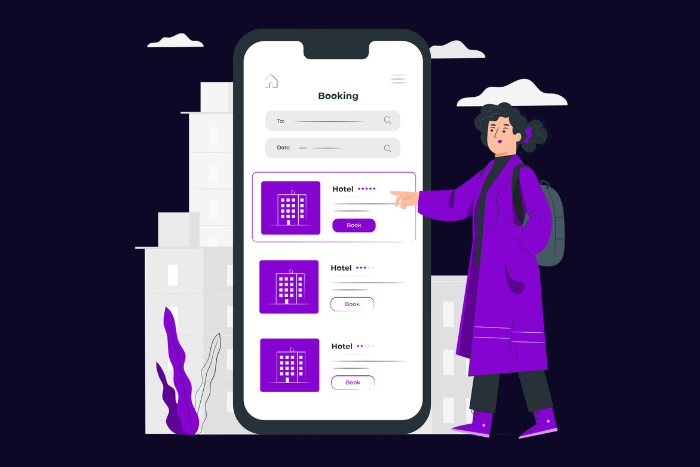
How Do I Develop an App for Hotel Booking? Learn how to develop a hotel booking app with features, cost, tech stack, and trends. Complete guide for hotels and travel startups. How Do I Develop an App for Hotel Booking? The hospitality industry has rapidly shifted toward digital-first experiences. Travelers now expect seamless hotel discovery, instant reservations, secure payments, and personalized recommendations — all from their smartphones. If you’re asking, how do I develop an app for hotel booking?, the answer involves strategic planning, smart technology choices, and a user-focused design approach. Hotel booking app development goes beyond creating a simple reservation tool. It requires integrating real-time availability systems, secure payment gateways, dynamic pricing engines, and customer engagement features. Whether you’re a hotel chain, travel startup, aggregator platform, or boutique property owner, a custom hotel booking app can significantly increase direct bookings, reduce third-party commissions, and enhance guest satisfaction. In this complete guide, we’ll walk you through the types of hotel booking solutions, essential features, development process, technology stack, cost considerations, and emerging trends shaping hospitality apps in 2025. Why Hotel Booking App Development Is Important Mobile booking now dominates the travel and hospitality sector. Travelers prefer quick, contactless, and flexible booking experiences. Here’s why developing a hotel booking app is essential: Increases direct bookings and reduces OTA commissions Enhances customer engagement and loyalty Enables personalized offers and push notifications Provides real-time availability and pricing Improves operational efficiency Hotels with mobile booking applications gain better control over branding, guest relationships, and marketing strategies. A well-built hotel reservation app strengthens digital presence and builds long-term customer trust. Types of Solutions Hotel Aggregator AppsPlatforms that list multiple hotels, compare prices, and allow users to book rooms from various properties. Hotel Chain Mobile AppsDedicated apps for single hotel brands offering direct booking and loyalty programs. Last-Minute Booking AppsApplications focused on discounted, short-notice reservations. Luxury & Boutique Booking AppsPremium platforms targeting high-end travelers with curated experiences. Hybrid Hotel Booking AppsCross-platform apps available on Android, iOS, and web for maximum reach. On-Demand Travel & Accommodation AppsApps integrating hotel booking with car rentals, tour packages, and transport services. Get Free Quotation Now..!! Key Features of a Hotel Booking App A successful hotel booking app must balance user experience, security, and performance. Advanced Search & FiltersLocation, price range, amenities, ratings, and availability filters. Real-Time Room AvailabilityLive inventory synchronization with hotel management systems. Secure Payment Gateway IntegrationMultiple payment options with encryption and fraud prevention. User Profiles & Booking HistoryPersonalized dashboards with saved preferences. Push Notifications & OffersPromotions, reminders, and loyalty rewards. Ratings & Reviews SystemVerified guest reviews to build trust. Multi-Currency & Multi-Language SupportGlobal traveler accessibility. Cancellation & Refund ManagementTransparent and automated policy handling. Chat Support & AI ChatbotsInstant assistance for guests. Development Process We follow a structured and agile approach for hotel booking app development. Market Research & Requirement AnalysisDefine target audience, business goals, and revenue model. Competitor & Feature AnalysisIdentify gaps and differentiation opportunities. UI/UX Design & PrototypingCreate intuitive booking flows and attractive designs. Backend Architecture PlanningDesign scalable server infrastructure. API IntegrationIntegrate payment gateways, property management systems, and third-party services. Development PhaseFrontend and backend implementation. Testing & Quality AssuranceFunctional, security, and performance testing. Launch & Post-Launch SupportDeployment on app stores and ongoing maintenance. Technology Stack Modern hotel booking apps require scalable and secure technologies. Frontend: React Native, Flutter, Swift, KotlinBackend: Node.js, Python, Java, .NETDatabase: PostgreSQL, MongoDBCloud Hosting: AWS, Azure, Google CloudPayment Integration: Stripe, PayPal, RazorpayMaps & Location APIs: Google Maps APISecurity: SSL encryption, OAuth 2.0, PCI-DSS compliance The right tech stack ensures performance, reliability, and scalability as your platform grows. Cost Factors The cost to develop a hotel booking app depends on multiple factors: 1. App ComplexityBasic booking system vs. full-featured aggregator platform. 2. Feature SetAI recommendations, loyalty programs, chatbots, etc. 3. Platform ChoiceNative vs. cross-platform development. 4. Third-Party IntegrationsPayment systems, CRM, PMS, analytics tools. 5. Development LocationRates vary by region and expertise level. Estimated Cost Range: Basic App: $25,000 – $50,000 Mid-Level App: $50,000 – $100,000 Enterprise Platform: $100,000 – $250,000+ Latest Trends in Hotel Booking App Development (2025) AI-Powered PersonalizationSmart room recommendations based on user behavior. Dynamic Pricing AlgorithmsReal-time pricing adjustments based on demand. Contactless Check-In & Digital KeysEnhancing safety and convenience. Voice Search IntegrationVoice-enabled booking features. Augmented Reality Room PreviewsVirtual room tours before booking. Blockchain for Secure TransactionsImproved payment transparency. Why Choose Us for Hotel Booking App Development Choosing the right development partner is critical for long-term success. Expertise in hospitality and travel app solutions Agile and transparent development process Custom, scalable architecture Seamless API integrations Dedicated post-launch support Focus on performance optimization and security We help hotels and travel startups build secure, scalable, and revenue-driven booking platforms tailored to their business goals. Ready to Build Your Hotel Booking App? Contact us today for a free consultation and project estimate.Let’s create a seamless booking experience that increases your direct reservations. Get Free Quotation Now..!! Key Points : Step-by-step hotel booking app development process including research, UI/UX design, backend architecture, API integration, testing, and launch. Comprehensive hotel booking app solutions such as aggregator platforms, hotel chain apps, last-minute booking apps, and hybrid cross-platform applications. Must-have features for hotel reservation apps including advanced search filters, real-time availability, secure payment gateways, reviews, and push notifications. Modern technology stack for scalability and security using React Native, Flutter, Node.js, AWS, payment APIs, and PCI-DSS compliant systems. Hotel booking app development cost breakdown based on app complexity, feature set, integrations, and platform selection. Latest 2025 trends in hotel app development including AI-powered personalization, dynamic pricing, contactless check-in, AR room previews, and blockchain-based transactions. FAQ’s How do I develop an app for hotel booking? To develop an app for hotel booking, first Start with market research, define features, choose the right tech stack, and partner with an experienced development team. How long does it take to build a hotel booking app? Typically 3–8 months depending on complexity and integrations. How much does hotel booking app development cost? Costs range from $25,000 to $250,000+ based on features and scale. Can

