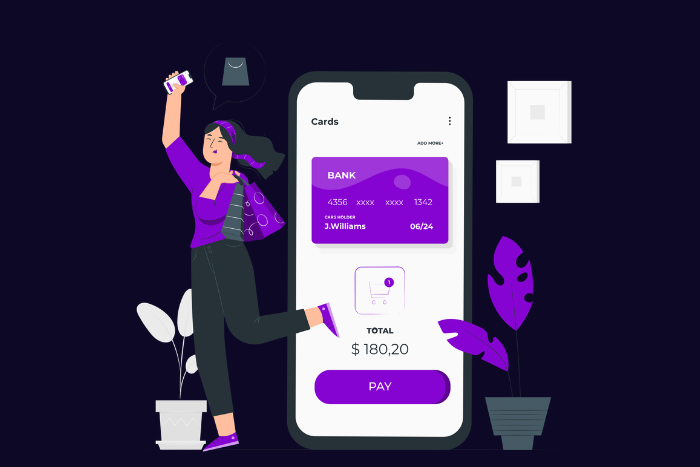
How Do I Integrate In-App Purchases? Learn how to integrate in-app purchases in iOS and Android apps with setup steps, monetization models, costs, and best practices. How Do I Integrate In-App Purchases? In-app purchases (IAP) are one of the most powerful monetization strategies for mobile applications. Whether you’re building a gaming app, subscription-based platform, eLearning solution, or eCommerce application, integrating in-app purchases allows you to generate recurring revenue while enhancing user experience. If you’re wondering, “How do I integrate in-app purchases?”, the process involves more than simply connecting to payment gateways. It requires platform-specific billing integration (Google Play Billing and Apple StoreKit), secure transaction handling, backend validation, subscription lifecycle management, and compliance with app store policies. A properly implemented in-app purchase system ensures seamless checkout, fraud protection, entitlement management, and analytics tracking. From consumable products to non-consumables and auto-renewable subscriptions, each product type must be handled differently. In this complete guide, we’ll explore how to integrate in-app purchases in Android and iOS apps, including types of IAP models, key features, development process, technology stack, cost factors, and the latest monetization trends for 2025. Why In-App Purchase Integration Is Important Integrating in-app purchases offers significant business advantages: Enables scalable revenue generation Supports subscription-based business models Increases customer lifetime value (LTV) Enhances user engagement through premium features Encourages repeat purchases Provides data insights for revenue optimization For startups and enterprises alike, IAP integration is a core monetization strategy, especially for freemium apps, SaaS platforms, gaming applications, and content-based services. Without a structured IAP system, apps may lose potential revenue and face security vulnerabilities. Types of Solutions to Integrate In-App Purchases Different business models require different in-app purchase configurations: Consumable Products – One-time use items (e.g., coins, boosts, credits). Non-Consumable Products – Permanent unlocks (e.g., premium features, ad removal). Auto-Renewable Subscriptions – Monthly or yearly recurring billing plans. Non-Renewing Subscriptions – Fixed-term access without automatic renewal. Freemium Upgrades – Free app with premium paid features. In-App Currency Systems – Virtual wallet or token-based systems. Choosing the right model depends on user behavior, app category, and revenue goals. Get Free Quotation Now..!! Key Features of In-App Purchase Integration A robust in-app purchase system should include: Secure transaction processing Real-time purchase validation Backend receipt verification Subscription lifecycle management Auto-renewal and cancellation handling Fraud detection and prevention Purchase restoration feature Multi-currency support Analytics and revenue tracking Entitlement management system Advanced integrations may include promotional pricing, discount offers, family sharing, and cross-platform purchase syncing. Development Process to Integrate In-App Purchases We follow a structured implementation approach: Monetization Strategy PlanningDefine product types, pricing tiers, and subscription models. Platform ConfigurationSet up products in Google Play Console or Apple App Store Connect. SDK IntegrationIntegrate Google Play Billing Library (Android) or StoreKit (iOS). Backend Setup & ValidationImplement server-side receipt validation for security. Purchase Flow DevelopmentDesign seamless checkout and user experience. Testing & Sandbox EnvironmentConduct testing using test accounts and sandbox mode. Security & Compliance ChecksEnsure compliance with store guidelines and data security. Launch & Monitor TransactionsMonitor revenue analytics and optimize conversion rates. Technology Stack for In-App Purchase Integration Selecting the right tools ensures reliability and security. Android: Google Play Billing Library iOS: StoreKit Framework Cross-Platform: Flutter In-App Purchase, React Native IAP Backend: Node.js, Python, Firebase Cloud Hosting: AWS, Google Cloud Payment Validation: Server-side receipt verification APIs Analytics Tools: Firebase Analytics, Mixpanel Subscription Management: RevenueCat, Stripe (hybrid models) The stack depends on app architecture and platform compatibility. Cost Factors to Integrate In-App Purchases The cost of IAP integration depends on: Platform type (Android, iOS, or both) Number of product tiers Subscription complexity Backend validation requirements Cross-platform syncing Security implementation Testing requirements Ongoing maintenance Estimated integration cost ranges: Basic IAP Setup: $3,000 – $8,000 Multi-Tier Subscription Model: $8,000 – $20,000 Advanced Cross-Platform System: $20,000+ App stores typically charge a commission (15–30%) on transactions. Latest Trends in In-App Purchase Monetization (2025) To maximize revenue potential, modern apps implement: AI-driven personalized pricing Hybrid monetization (ads + subscriptions) Flexible subscription bundles Paywall optimization through A/B testing Offer codes and promotional discounts Cross-device purchase restoration Crypto and digital wallet integration (where permitted) Real-time churn prediction analytics Adopting these trends improves conversion rates and subscription retention. Why Choose Us for In-App Purchase Integration? We deliver secure, scalable, and revenue-optimized in-app purchase solutions. Platform-compliant integration (Android & iOS) Secure backend validation systems Subscription lifecycle automation Performance-optimized purchase flows Transparent development process Analytics-driven monetization strategy Ongoing maintenance and optimization We help you transform your app into a sustainable revenue engine. Ready to integrate in-app purchases into your app?Contact us today for a free consultation and cost estimate.Let’s build a monetization system that scales with your growth. Get Free Quotation Now..!! Key Points : Step-by-step in-app purchase integration process for Android (Google Play Billing) and iOS (StoreKit) platforms. Comprehensive monetization models including consumables, non-consumables, auto-renewable subscriptions, and freemium upgrades. Happiness cordially one determine concluded fat. Plenty season beyond by hardly giving of. Secure backend validation and fraud prevention strategies to ensure safe transaction processing. Technology stack recommendations covering SDK integration, server-side receipt verification, and analytics tools. Cost breakdown and app store commission insights to help plan your monetization strategy effectively. Latest 2025 IAP trends including AI-driven pricing, hybrid monetization, subscription bundles, and paywall optimization. FAQ’s How do I integrate in-app purchases in Android? You integrate the Google Play Billing Library, configure products in Play Console, and implement server-side validation. How do I implement in-app purchases in iOS? Using Apple’s StoreKit framework, configure products in App Store Connect, and validate receipts securely. What is the difference between consumable and non-consumable purchases? Consumables are one-time use items, while non-consumables provide permanent access. How do subscription renewals work? Auto-renewable subscriptions automatically renew unless canceled by the user. How much do app stores charge for in-app purchases? Typically 15–30% commission on transactions. Can I sync purchases across devices? Yes, with proper backend validation and user account authentication. How long does it take to integrate in-app purchases? Basic setups take 1–3 weeks, while complex subscription systems may take longer. Get Free Quotation Now..!!

What Are the App Development Services for Logistics?
What Are the App Development Services for Logistics? Explore logistics app development services, features, costs, and trends. Build scalable transport and supply chain solutions for 2025. What Are the App Development Services for Logistics? The logistics and transportation industry is undergoing a major digital transformation. From real-time fleet tracking to automated warehouse management, modern logistics businesses rely heavily on smart mobile and web applications to streamline operations. If you’re wondering what are the app development services for logistics, the answer goes far beyond simple tracking tools. Logistics app development services include end-to-end solutions such as transportation management systems (TMS), fleet management apps, warehouse management systems (WMS), delivery tracking platforms, and supply chain analytics tools. These digital solutions help logistics companies reduce operational costs, improve route efficiency, enhance shipment visibility, and increase customer satisfaction. Whether you operate a courier startup, freight forwarding company, eCommerce delivery network, or global supply chain enterprise, custom logistics app development can modernize your operations and drive measurable growth. In this guide, we break down services, features, development processes, technology stacks, costs, and the latest trends shaping logistics software in 2025. Why App Development Services for Logistics Are Important The logistics sector operates in a fast-paced, high-pressure environment where delays and inefficiencies can result in significant financial losses. Manual systems and outdated software can no longer meet modern demands. Here’s why logistics app development services are essential: Real-time shipment tracking improves transparency. Route optimization reduces fuel costs and delivery time. Automated inventory systems minimize human errors. Centralized dashboards enhance operational control. Data analytics improves forecasting and planning. Digital transformation in logistics enables better coordination between suppliers, warehouses, drivers, and customers. Businesses that invest in custom logistics applications gain a competitive advantage by delivering faster, safer, and more reliable services. Types of App Development Services for Logistics Solutions Fleet Management ApplicationsReal-time vehicle tracking, driver monitoring, fuel management, and route optimization to improve delivery efficiency. Transportation Management Systems (TMS)Automated shipment planning, freight rate management, load optimization, and carrier coordination. Warehouse Management Systems (WMS)Inventory tracking, barcode scanning, storage allocation, picking & packing automation, and warehouse analytics. Order & Delivery Management AppsOrder processing, dispatch management, proof-of-delivery capture, and live customer tracking. Supply Chain Management PlatformsEnd-to-end visibility across suppliers, distributors, and retailers with centralized data control. Asset Tracking & Telematics SolutionsGPS-enabled monitoring of vehicles, containers, and high-value goods using IoT sensors. On-Demand Logistics & Courier AppsUber-like booking platforms for real-time pickup and delivery requests. Get Free Quotation Now..!! Key Features in App Development Services for Logistics Successful logistics app development services include powerful features designed for operational efficiency and scalability. Real-Time GPS TrackingLive tracking of vehicles, drivers, and shipments. Route OptimizationAI-powered route planning to reduce delivery time and fuel consumption. Inventory ManagementAutomated stock tracking, barcode scanning, and warehouse monitoring. Driver Management SystemDriver onboarding, performance tracking, and digital documentation. Push Notifications & AlertsInstant updates on shipment status and delivery schedules. Analytics DashboardKPIs, performance reports, cost analysis, and demand forecasting. Integration with ERP & CRM SystemsSeamless connectivity with enterprise systems. Secure Payment & Billing SystemAutomated invoicing and transaction tracking. Cloud-Based Data StorageSecure and scalable infrastructure. Development Process We follow a structured and agile approach to deliver scalable logistics applications. Requirement Analysis & ConsultationDefine business goals, workflows, and target users. Market Research & Competitor AnalysisIdentify industry standards and optimization opportunities. UI/UX DesignCreate intuitive dashboards and user-friendly interfaces. Architecture PlanningBuild scalable backend infrastructure. Development & API IntegrationImplement logistics modules and third-party integrations. Quality Assurance & TestingConduct functional, performance, and security testing. Deployment & LaunchPublish on app stores or deploy on enterprise servers. Maintenance & Continuous OptimizationMonitor performance and release updates. Technology Stack Our logistics app development services leverage modern technologies: Frontend: React Native, Flutter, Swift, KotlinBackend: Node.js, Python, .NET, JavaDatabase: PostgreSQL, MongoDB, MySQLCloud: AWS, Microsoft Azure, Google CloudTracking & Maps: Google Maps API, Mapbox, GPS APIsIoT Integration: Telematics sensors, RFID, BluetoothAnalytics: Power BI, Tableau, custom dashboardsSecurity: OAuth 2.0, SSL encryption, role-based access control This tech stack ensures high performance, scalability, and enterprise-grade security. Cost Factors of App Development Services for Logistics The cost of logistics app development depends on multiple factors: 1. App ComplexityBasic tracking apps cost less than enterprise-level supply chain platforms. 2. Features & IntegrationsIoT, AI, blockchain, and ERP integrations increase development costs. 3. Platform ChoiceNative (iOS/Android) vs. cross-platform development. 4. Development Team LocationCosts vary based on regional development rates. 5. Customization LevelWhite-label vs. fully customized solutions. Estimated Cost Range: Basic App: $20,000 – $40,000 Mid-Level Solution: $40,000 – $80,000 Enterprise Platform: $80,000 – $200,000+ Latest Trends Logistics technology is evolving rapidly. Here are key trends for 2025: AI-Powered Route OptimizationSmart algorithms reduce delivery delays. Blockchain for TransparencySecure and tamper-proof shipment records. IoT-Enabled Smart TrackingReal-time sensor-based monitoring. Autonomous Vehicle IntegrationSelf-driving delivery innovations. Predictive AnalyticsDemand forecasting and inventory planning. Green Logistics TechnologyEco-friendly route planning to reduce carbon emissions. Why Choose Us for Logistics App Development Services Choosing the right technology partner is critical for logistics digital transformation. Proven experience in transportation and supply chain solutions Agile development methodology Secure and scalable architecture Custom-built solutions tailored to your workflows Dedicated post-launch support Integration with existing enterprise systems We help logistics businesses modernize operations, reduce costs, and improve delivery efficiency through intelligent software solutions. Ready to Digitize Your Logistics Operations? Contact us today for a free consultation and tailored project estimate.Let’s build a scalable logistics app that drives efficiency and growth. Get Free Quotation Now..!! Key Points : Comprehensive logistics app development services including fleet management, warehouse management (WMS), transportation management (TMS), and supply chain solutions. Real-time GPS tracking and route optimization to improve delivery speed, reduce fuel costs, and enhance shipment visibility. Custom logistics software integration with ERP, CRM, IoT devices, and cloud infrastructure for seamless operations. Scalable and secure technology stack using React Native, Node.js, AWS, GPS APIs, and IoT for enterprise-grade performance. Cost breakdown based on app complexity, features, and integrations, helping logistics companies plan budgets effectively. Latest logistics app trends for 2025 including AI-powered analytics, blockchain for transparency, predictive demand forecasting, and green logistics solutions. FAQ’s What are the app development services

What Are the App Development Best Practices for UI/UX?
What Are the App Development Best Practices for UI/UX? Discover app development best practices for UI/UX including design principles, process, tools, cost factors, and 2025 trends for better engagement. What Are the App Development Best Practices for UI/UX? User Interface (UI) and User Experience (UX) design play a critical role in the success of any mobile or web application. No matter how powerful your backend or feature-rich your app is, poor UI/UX can lead to low engagement, high uninstall rates, and negative reviews. So, what are the app development best practices for UI/UX? The answer lies in combining user-centered design principles, intuitive navigation, responsive layouts, accessibility standards, performance optimization, and continuous testing. Modern applications must deliver seamless, adaptive, and engaging digital experiences across multiple devices, screen sizes, and user environments. From mobile-first design strategies to AI-driven personalization, UI/UX best practices have evolved significantly in 2025. In this complete guide, we explore UI/UX design best practices for app development, including essential features, structured development processes, recommended tools, cost considerations, and emerging trends shaping the future of digital product design. Why UI/UX Best Practices Are Important in App Development Strong UI/UX design directly impacts user engagement, retention, and business growth. Implementing app development best practices for UI/UX ensures: Improved user satisfaction and loyalty Higher app store ratings and reviews Reduced bounce and uninstall rates Faster task completion and usability Better accessibility and inclusivity Increased conversion and revenue rates Users expect intuitive design, fast load times, and minimal friction. Apps that fail to meet these expectations struggle to compete in crowded marketplaces. By prioritizing user-centered design, businesses can create meaningful digital experiences that align with user behavior and expectations. Types of UI/UX Design Solutions Different apps require tailored UI/UX strategies. Our UI/UX development services include: Mobile App UI/UX Design – Optimized for Android and iOS platforms. Responsive & Adaptive Design – Layouts that adjust to various screen sizes. Web App UX Optimization – Seamless cross-browser and device experiences. Redesign & UX Audit Services – Improving existing apps through research-driven design improvements. Accessibility-Focused Design – Inclusive interfaces following WCAG guidelines. Interaction & Micro-Animation Design – Enhancing user engagement through motion design. Design System Development – Creating scalable UI libraries and reusable components. Selecting the right solution depends on platform goals, user demographics, and product vision. Get Free Quotation Now..!! Key Features of Effective UI/UX in App Development To follow best practices, UI/UX design should include: Intuitive navigation structure Consistent visual hierarchy Clear typography and readable text Responsive and adaptive layouts Fast loading interfaces Minimalistic and clutter-free design Accessible color contrast Interactive feedback mechanisms Clear call-to-action buttons Optimized onboarding experience Advanced UI/UX features may include AI-based personalization, gesture-based navigation, dark mode support, and cross-device synchronization. UI/UX Development Process We follow a structured design-driven development process: User Research & AnalysisConduct user persona creation, behavioral research, and competitor analysis. Information Architecture PlanningDefine content structure and user flow diagrams. Wireframing & PrototypingBuild low- and high-fidelity prototypes for validation. Visual UI DesignDevelop brand-aligned color schemes, typography, and layouts. Usability TestingTest prototypes with real users and refine interactions. Development CollaborationEnsure seamless implementation with frontend teams. Performance & Accessibility OptimizationImprove speed, responsiveness, and compliance. Continuous Testing & IterationMonitor analytics and refine user journeys post-launch. Technology Stack for UI/UX App Development Choosing the right tools enhances design quality and scalability. Design Tools: Figma, Adobe XD, Sketch Prototyping Tools: InVision, Marvel Frontend Frameworks: React Native, Flutter, SwiftUI Web Technologies: React.js, Angular, Vue.js Testing Tools: Hotjar, UXCam, Google Analytics Accessibility Tools: Axe, Lighthouse Design Systems: Material Design, Human Interface Guidelines The tech stack varies based on project requirements and platform selection. Cost Factors for UI/UX Optimization UI/UX design costs depend on multiple variables: App complexity and number of screens Custom animations and micro-interactions User research depth Accessibility compliance Design system creation Platform support (iOS, Android, Web) Usability testing requirements Estimated UI/UX design cost ranges: Basic MVP Design: $5,000 – $15,000 Medium Complexity App: $15,000 – $40,000 Advanced Enterprise-Level UX: $40,000+ Investing in strong UI/UX early reduces costly redesigns later. Latest UI/UX Trends in App Development (2025) To remain competitive, apps must integrate emerging design innovations: AI-driven personalization Voice and gesture-based interactions Dark mode and dynamic theming Micro-interactions and animation-driven UX Inclusive and accessibility-first design Minimalistic and clean layouts AR/VR immersive interfaces Data-driven UX optimization Staying ahead of trends ensures better user engagement and competitive advantage. Why Choose Us for UI/UX App Development? We combine creativity, research, and technical precision to deliver exceptional digital experiences. User-first design methodology Experienced UI/UX designers and researchers Cross-platform design expertise Data-driven design decisions Accessibility-compliant interfaces Performance-optimized layouts Transparent workflow and collaboration Post-launch UX optimization support We don’t just design interfaces — we craft intuitive digital journeys that convert and retain users. Ready to improve your app’s UI/UX experience?Contact us today for a free design consultation.Let’s create a user experience that drives growth. Get Free Quotation Now..!! Key Points : User-centered design approach focusing on research, personas, and usability testing to improve engagement and retention. Core UI/UX best practices including intuitive navigation, responsive layouts, accessibility standards, and visual hierarchy. Structured UI/UX development process from wireframing and prototyping to testing and continuous optimization. Modern technology stack and design tools such as Figma, React Native, Flutter, and UX analytics platforms. Cost and complexity breakdown based on app size, custom animations, research depth, and cross-platform requirements. Latest 2025 UI/UX trends including AI personalization, dark mode, micro-interactions, accessibility-first design, and AR/VR interfaces. FAQ’s What are the key UI/UX best practices in app development? Focus on user-centered design, intuitive navigation, responsive layouts, accessibility, and continuous usability testing. Why is UI/UX important for mobile apps? It directly affects user retention, engagement, and app store ratings. How long does UI/UX design take? Depending on complexity, 3–8 weeks for MVP design and longer for enterprise-level projects. What tools are used for UI/UX design? Common tools include Figma, Adobe XD, Sketch, InVision, and UX analytics platforms. How much does UI/UX design cost? Costs range from $5,000 to $40,000+ based on app complexity and research depth. What is the

How do I Develop an App for Social Networking
How do I Develop an App for Social Networking Learn how to develop an app for social networking with features, tech stack, cost breakdown, trends, and step-by-step development process. How Do I Develop an App for Social Networking? Social networking apps have transformed how people communicate, share content, build communities, and even conduct business. From global platforms connecting billions of users to niche community-based networks, social media applications continue to dominate mobile usage worldwide. If you’re asking, “How do I develop an app for social networking?”, the answer goes beyond coding. It involves strategic planning, scalable backend architecture, engaging UI/UX design, security compliance, content moderation systems, and a sustainable monetization model. Whether you plan to build a community-driven platform, a media-sharing app, a professional networking solution, or a niche social marketplace, success depends on performance, personalization, and user retention strategies. In this guide, we’ll explore the complete social media app development process, essential features, technology stack, cost considerations, monetization models, and the latest trends shaping the future of social networking apps in 2025. Why Social Networking App Development Is Important The demand for custom social networking apps continues to grow as businesses and startups aim to build engaged communities and direct user relationships. Developing a social networking app allows you to: Build your own digital ecosystem and user base Create targeted niche communities Increase brand loyalty and engagement Monetize through ads, subscriptions, or social commerce Collect user insights through analytics Control user data and platform policies With increasing concerns around privacy and algorithm transparency, niche and purpose-driven social networks are gaining popularity. This creates opportunities for startups and enterprises to enter the market with innovative, value-driven platforms. Types of Social Networking Application Solutions Depending on your business goals, social networking apps can take multiple forms: Community-Based Social Networks – Platforms for shared interests or hobbies. Media Sharing Apps – Photo, video, and short-form content platforms. Professional Networking Apps – Career and business-focused social platforms. Messaging & Chat Apps – Real-time communication platforms. Discussion Forums & Q&A Networks – Topic-based knowledge-sharing platforms. Dating & Matchmaking Apps – Social matching platforms. Audio & Live Streaming Apps – Voice and live interaction networks. Social Commerce Platforms – Integrated shopping and influencer-driven marketplaces. Choosing the right model depends on your target audience, revenue strategy, and long-term growth plan. Get Free Quotation Now..!! Key Features of a Social Networking App A successful social media application must offer engaging, secure, and scalable functionality. Core Features User registration and authentication User profiles with customization News feed or timeline Content posting (text, image, video) Likes, comments, and shares Real-time chat and messaging Push notifications Search and discovery Privacy settings Admin dashboard Advanced Features AI-driven content recommendations Short-form video reels Live streaming integration AR filters and media editing tools Location-based content In-app marketplace Content moderation system Analytics and engagement tracking The right feature set ensures user engagement, retention, and platform scalability. Social Networking Application Development Process Developing a social networking app requires a structured and strategic approach: Define the Concept and Target AudienceIdentify the niche, target users, monetization model, and competitive landscape. Market Research and Competitor AnalysisStudy existing platforms and identify gaps in the market. Feature Planning and WireframingCreate wireframes and user flow diagrams to visualize app functionality. UI/UX DesignDesign an intuitive and visually appealing interface. Backend and Frontend DevelopmentDevelop scalable architecture to support high user traffic and real-time interactions. Security ImplementationIntegrate encryption, secure authentication, and privacy controls. Testing and Quality AssurancePerform performance testing, load testing, and bug fixing. Launch and DeploymentPublish the app on app stores with optimized listings. Post-Launch Maintenance and ScalingMonitor performance, gather feedback, and roll out feature updates. Technology Stack for Social Media App Development Selecting the right technology stack ensures performance and scalability. Frontend: React Native, Flutter, Swift, KotlinBackend: Node.js, Python (Django), Ruby on RailsDatabase: MongoDB, PostgreSQL, FirebaseCloud Hosting: AWS, Google Cloud, AzureReal-Time Communication: WebSockets, Firebase Realtime DatabaseMedia Storage: AWS S3, CloudinaryAuthentication: OAuth, JWT, Multi-Factor AuthenticationAnalytics: Firebase Analytics, Mixpanel The technology choice depends on platform (iOS, Android, Web), scalability needs, and feature complexity. Cost Factors for Social Networking App Development The cost of building a social networking app varies depending on: App complexity Platform (Android, iOS, or both) Real-time messaging features AI-based recommendation systems Security and compliance requirements Third-party integrations UI/UX complexity Developer team location Estimated cost range: Basic MVP Social App: $25,000 – $50,000 Mid-Level App with Chat & Media Sharing: $50,000 – $120,000 Advanced AI-Driven Social Platform: $120,000+ Annual maintenance costs typically range from 15–20% of development cost. Latest Trends in Social Networking Application Development (2025) To stay competitive, integrate modern trends: AI-driven personalization Short-form video dominance Social commerce integration Privacy-first architecture Blockchain-based identity management Voice-based social platforms AR/VR social experiences Creator economy monetization tools Adopting these innovations enhances user engagement and platform growth. Why Choose Us for Social Networking App Development? We provide end-to-end social networking app development services tailored to your business goals. Custom-built scalable architecture Expertise in AI and recommendation systems Secure and compliant development practices Agile methodology with milestone transparency UI/UX focused on engagement and retention Post-launch support and scaling solutions Monetization strategy consultation We don’t just build apps — we build digital communities that grow. Ready to build your own social networking app?Contact us today for a free consultation and cost estimate.Let’s turn your social platform idea into a scalable digital ecosystem. Get Free Quotation Now..!! Key Points : Step-by-step social networking app development process from concept validation to launch and post-release scaling. Comprehensive feature breakdown including user profiles, news feeds, real-time chat, media sharing, and AI-driven recommendations. Scalable technology stack recommendations covering frontend, backend, cloud hosting, real-time communication, and media storage. Cost estimation insights based on app complexity, AI integration, platform choice, and security requirements. Advanced monetization strategies such as ads, subscriptions, in-app purchases, and social commerce integration. Latest 2025 trends in social media app development including short-form video, AI personalization, AR filters, and privacy-first architecture. FAQ’s How long does it take to develop a social networking app? Typically 4–8 months depending on complexity and

What are the app development services for gaming industry?
What are the app development services for gaming industry? Explore app development services for the gaming industry, including features, costs, tech stack, process, and trends for 2025 success. What Are the App Development Services for Gaming Industry? The gaming industry is one of the fastest-growing digital markets worldwide, driven by mobile adoption, cloud gaming, esports, and immersive technologies like AR/VR. Businesses, startups, and enterprises are increasingly investing in professional app development services for the gaming industry to create engaging, scalable, and revenue-driven gaming applications. Whether you’re building a casual mobile game, multiplayer online experience, fantasy sports platform, or blockchain-based Web3 game, success depends on strong game design, optimized performance, advanced graphics, secure backend architecture, and a solid monetization strategy. Gaming app development is more than coding—it involves storytelling, UI/UX design, animation, engine optimization, real-time networking, analytics integration, and continuous updates. From concept ideation to post-launch optimization, a structured approach ensures high retention rates, better user engagement, and maximum ROI. In this guide, we’ll explore gaming app development services, types of solutions, essential features, development process, cost factors, technology stack, and the latest trends shaping the gaming ecosystem in 2025. Why This Gaming App Development Service Is Important The global gaming ecosystem continues to expand across mobile, console, web, AR/VR, and cloud platforms. Professional gaming app development services help businesses: Build highly interactive and immersive gaming experiences Improve player engagement and retention rates Implement secure in-app purchases and monetization systems Develop multiplayer and real-time gaming infrastructure Ensure cross-platform compatibility Scale applications for millions of concurrent users With competition increasing daily, performance optimization, creative storytelling, and technical excellence are essential to stand out in app stores and gaming marketplaces. Types of Gaming Application Development Solutions Our app development services for the gaming industry include: Mobile Game Development – Android and iOS game applications with high-performance graphics and smooth gameplay. Cross-Platform Game Development – Games built using engines like Unity and Unreal for multi-device compatibility. Multiplayer Online Games – Real-time PvP, MMO, and competitive gaming platforms. AR/VR Game Development – Immersive augmented and virtual reality gaming experiences. Web3 & Blockchain Games – NFT-based gaming apps, token economies, and decentralized gameplay. Fantasy Sports & Betting Apps – Real-time scoring, analytics, and user wallet integration. Educational Gaming Apps – Gamified learning platforms for education and training. Cloud Gaming Applications – Streaming-based gaming solutions with scalable backend infrastructure. Get Free Quotation Now..!! Key Features of a Successful Gaming App To ensure engagement, performance, and monetization, gaming apps must include: Interactive UI/UX design Real-time multiplayer functionality Leaderboards and achievement systems In-app purchases and subscription models Social media integration Push notifications Secure payment gateways Game analytics and user behavior tracking Anti-cheat systems and security layers Cross-device synchronization Advanced features may include AI-driven opponents, real-time chat systems, live streaming integration, and dynamic content updates. Gaming App Development Process We follow a structured, agile-based development approach: Concept & Market Research – Identify target audience, niche, monetization model, and competitors. Game Design & Storyboarding – Define gameplay mechanics, UI flow, characters, and levels. Tech Stack Finalization – Choose game engine, backend architecture, and platforms. UI/UX & Asset Creation – Develop graphics, animations, sound design, and interface. Game Development – Implement core gameplay, multiplayer systems, and monetization modules. Testing & Optimization – Conduct functional testing, performance benchmarking, and bug fixing. Deployment & Launch – Publish on app stores and optimize store listings. Maintenance & Updates – Regular updates, feature expansion, and performance monitoring. Technology Stack for Gaming Application Development Choosing the right technology stack is critical for scalability and performance. Game Engines: Unity, Unreal Engine, GodotProgramming Languages: C#, C++, Java, Swift, KotlinBackend Technologies: Node.js, Python, .NETDatabases: MongoDB, PostgreSQL, FirebaseCloud Platforms: AWS, Google Cloud, Microsoft AzureMultiplayer Frameworks: Photon, Mirror, PlayFabAnalytics Tools: Firebase Analytics, GameAnalyticsPayment Integration: Stripe, PayPal, Razorpay The tech stack varies depending on game complexity, graphics requirements, and platform compatibility. Cost Factors for Gaming App Development The cost of gaming app development depends on multiple factors: Game complexity (2D vs 3D vs AR/VR) Multiplayer functionality Custom graphics and animation quality Platform selection (Android, iOS, Web, Console) Integration of AI or blockchain Backend infrastructure requirements Monetization features Development timeline Team location and expertise Estimated cost ranges: Basic 2D Game: $20,000 – $50,000 Mid-Level Multiplayer Game: $50,000 – $120,000 Advanced 3D / AR / Web3 Game: $120,000+ Maintenance typically costs 15–20% of initial development annually. Latest Trends in Gaming App Development (2025) The gaming industry is rapidly evolving. Key trends include: AI-powered game personalization Cloud gaming and streaming services AR/VR immersive experiences Blockchain and NFT gaming models Cross-platform multiplayer ecosystems Hyper-casual game monetization models Voice-controlled gameplay Real-time data analytics for player engagement Adopting these innovations ensures long-term competitiveness and scalability. Why Choose Us for Gaming App Development Services? We provide end-to-end gaming app development services designed for growth and scalability. Experienced game designers and developers Expertise in Unity, Unreal, and Web3 technologies Scalable multiplayer architecture Performance-optimized game builds Transparent development process Agile methodology with milestone tracking Post-launch support and live updates ROI-focused monetization strategies We don’t just build games—we build engaging digital experiences that drive revenue and player loyalty. Ready to turn your gaming idea into reality?Contact us today for a free consultation and project estimate.Let’s build the next big gaming experience together. Get Free Quotation Now..!! Key Points : Comprehensive gaming app development services covering mobile, multiplayer, AR/VR, Web3, and cloud gaming solutions. End-to-end game development process from concept design and storyboarding to deployment and post-launch maintenance. Scalable multiplayer architecture designed to handle high concurrent users with optimized backend performance. Monetization-focused gaming solutions using in-app purchases, subscriptions, ads, NFTs, and token-based economies. Custom feature integration such as leaderboards, real-time chat, AI opponents, analytics, and anti-cheat systems. Cost breakdown and budget planning guidance based on complexity, graphics quality, and platform requirements. Latest 2025 gaming trends integration including AI personalization, AR/VR experiences, cloud gaming, and blockchain ecosystems. FAQ’s How long does it take to develop a gaming app? Development timelines range from 3–6 months for basic games to 9–18 months for complex multiplayer or
What Are the Costs of App Development for Small Business?
What Are the Costs of App Development for Small Business? Discover the costs of app development for small business, including MVP pricing, features, tech stack, maintenance, and budget-saving strategies. What Are the Costs of App Development for Small Business? If you’re asking, “What are the costs of app development for small business?”, you’re likely planning a smart digital investment. Mobile apps are no longer limited to large enterprises. Today, small businesses use apps to improve customer engagement, streamline operations, increase sales, and build brand loyalty. However, understanding the true cost of app development is essential before starting your project. App development costs vary widely depending on complexity, features, platform selection, development approach, and ongoing maintenance. A simple MVP (Minimum Viable Product) can cost significantly less than a fully customized, feature-rich application with advanced integrations like AI, real-time tracking, or payment systems. This comprehensive guide breaks down small business app development costs, including pricing factors, development stages, technology choices, maintenance expenses, and budget optimization strategies — helping you make informed decisions without overspending. Why Understanding App Development Costs Is Important For small businesses, budgeting and ROI planning are critical. Knowing what influences development costs helps avoid unexpected expenses and delays. Here’s why cost clarity matters: Prevents budget overruns Aligns project scope with business goals Helps prioritize MVP features Supports realistic timeline planning Enables smart technology choices Reduces long-term maintenance risks Improves return on investment A clear cost strategy ensures your app delivers value without unnecessary financial strain. Types of App Development Solutions for Small Businesses Different app types come with different cost implications: Business Utility AppsInternal tools for scheduling, CRM, or inventory management. eCommerce AppsProduct listings, payment gateways, and order tracking systems. On-Demand Service AppsBooking, real-time tracking, and service management platforms. Customer Engagement AppsLoyalty programs, push notifications, and promotions. Marketplace AppsMulti-vendor systems with admin panels and payment processing. Progressive Web Apps (PWAs)Cost-effective alternatives to native mobile apps. Cross-Platform AppsSingle codebase solutions for both Android and iOS. Choosing the right solution significantly impacts overall costs. Get Free Quotation Now..!! Key Features That Affect App Development Cost The more features you include, the higher the development cost. Common cost-driving features include: User registration and authentication Push notifications Payment gateway integration Real-time chat and messaging GPS and geolocation tracking Admin dashboard and analytics Third-party API integrations Cloud hosting and database management Advanced UI/UX animations AI-powered personalization Small businesses should focus on core features first and expand gradually. Development Process and Cost Breakdown App development costs are typically divided into stages: Discovery & PlanningRequirement gathering, competitor analysis, and roadmap creation. UI/UX DesignWireframing, prototyping, and visual design development. MVP DevelopmentCore feature implementation and backend setup. Full Development PhaseAdvanced feature integration and optimization. Testing & Quality AssuranceFunctional testing, security testing, and performance optimization. Deployment & App Store LaunchPublishing and compliance processes. Maintenance & UpdatesBug fixes, security patches, and feature upgrades. For small businesses, MVP-first development reduces upfront investment while validating the idea. Technology Stack and Its Cost Impact Technology selection directly affects development cost and scalability. Native Development (Swift, Kotlin): Higher cost, better performance. Cross-Platform (Flutter, React Native): Cost-efficient for dual-platform launch. Backend (Node.js, Django, .NET): Influences scalability and hosting expenses. Cloud Hosting (AWS, Azure, GCP): Monthly operational costs. Database (MongoDB, PostgreSQL): Impacts storage and performance. Cross-platform development is often ideal for small businesses seeking cost efficiency. Cost Factors in Small Business App Development Several factors determine total development cost: App complexity (basic, moderate, complex) Platform choice (iOS, Android, or both) Custom design vs template-based design Third-party integrations Developer location (onshore vs offshore) Team size and expertise Maintenance and support requirements App store and licensing fees Estimated Cost Ranges (General Overview) Basic App: $10,000 – $25,000 Moderate Complexity App: $25,000 – $60,000 Complex App: $60,000+ Actual costs vary based on scope and region. Latest Trends Impacting Small Business App Costs (2024–2025) Emerging technologies can increase or optimize costs: AI-driven automation features Low-code and no-code platforms Cloud-native architecture Subscription-based SaaS integrations API-first development DevOps automation for faster deployment Low-code tools and reusable components help reduce development expenses for startups. Why Choose Us for Cost-Effective App Development? We understand that small businesses need affordable yet scalable solutions. Our approach balances quality, performance, and budget efficiency. Here’s why clients trust us: Transparent Cost Estimation – Clear pricing with no hidden fees. MVP-Focused Development – Launch faster with optimized budgets. Cross-Platform Expertise – Save costs with shared codebases. Scalable Architecture – Grow without rebuilding your app. Agile Development Process – Flexible scope adjustments. Post-Launch Support – Affordable maintenance plans. We help small businesses build powerful apps without exceeding budgets. Ready to build your small business app? Let’s create a cost-effective, scalable mobile solution tailored to your goals. Contact us today for a free cost estimate and consultation. Get Free Quotation Now..!! Key Points : Detailed breakdown of small business app development costs, including MVP, moderate, and complex app pricing ranges. Clear explanation of cost-driving factors such as app complexity, features, platform choice, integrations, and design requirements. Comparison of native vs cross-platform development costs to help small businesses choose budget-friendly solutions. Comprehensive cost analysis by development stages including discovery, UI/UX design, development, testing, deployment, and maintenance. Insights into hidden and ongoing expenses like hosting, third-party APIs, security updates, and app store fees. Practical cost-reduction strategies such as MVP-first development, agile methodology, reusable frameworks, and cloud-based infrastructure. FAQ’s What are the costs of app development for small business? Costs typically range from $10,000 to $60,000+, depending on complexity and features. How can I reduce app development costs? Start with an MVP, choose cross-platform development, and prioritize essential features. Is cross-platform development cheaper? Yes, it allows one codebase for multiple platforms, reducing development time and cost. What is the maintenance cost of a mobile app? Maintenance may cost 15–25% of initial development cost annually. How long does it take to develop a small business app? An MVP may take 2–4 months, while complex apps may require 6+ months. Do I need both Android and iOS apps? It depends on your target audience. Cross-platform

How Do I Develop an App for Education Sector?
How Do I Develop an App for Education Sector? Learn how to develop an app for the education sector with features, tech stack, cost factors, and trends. Build scalable, secure eLearning solutions. How Do I Develop an App for Education Sector? If you’re asking, “How do I develop an app for education sector?”, you’re exploring one of the most transformative areas of digital innovation. Education apps have reshaped how students learn, teachers teach, and institutions manage academic operations. From K-12 learning platforms and language apps to corporate training systems and university portals, educational technology (EdTech) solutions are driving global accessibility and engagement. Developing an education app involves much more than uploading video lessons. It requires strategic planning, user-centric design, scalable backend infrastructure, secure data management, interactive features, and seamless performance across devices. Whether you’re building an online learning platform, exam preparation app, tutoring marketplace, or school management system, the right development approach ensures long-term success. This comprehensive guide explains how to develop an app for the education sector, covering essential features, types of solutions, development processes, cost factors, technology stack, and future trends shaping modern digital learning. Why Education App Development Services Are Important The education industry is rapidly embracing digital transformation. Learners expect flexible, on-demand, and personalized experiences. Here’s why investing in education app development services is crucial: Enables remote and hybrid learning models Improves student engagement through interactive content Expands access to global learners Supports personalized learning journeys Streamlines communication between teachers and students Enhances institutional management efficiency Enables subscription-based and scalable monetization Educational apps empower institutions and businesses to deliver knowledge efficiently while improving measurable learning outcomes. Types of Solutions to Develop an App for Education Sector Education app development services support various learning models and audiences: E-Learning PlatformsComprehensive online learning systems with courses, videos, quizzes, and certifications. Language Learning AppsInteractive vocabulary building, speech recognition, and gamified lessons. Exam Preparation AppsPractice tests, mock exams, performance analytics, and progress tracking. Tutoring & Marketplace AppsPlatforms connecting students with certified tutors for live sessions. School & College Management AppsAttendance tracking, fee management, announcements, and student records. Corporate Training AppsEmployee skill development, compliance training, and certification management. Gamified Learning AppsInteractive quizzes, points, rewards, and leaderboard-based engagement. Special Education AppsTools designed for learners with specific educational needs. Each solution requires a tailored architecture based on user demographics and objectives. Get Free Quotation Now..!! Key Features of an Education App A successful education app must balance content delivery with interactive engagement. Student Features: Secure registration and login Personalized dashboard Course catalog and advanced search Video streaming and recorded sessions Live classes with chat functionality Progress tracking and analytics Quiz and assessment modules Push notifications and reminders Offline learning access Secure payment integration Teacher/Admin Features: Course and content management Assignment creation and grading Performance analytics dashboard Student communication tools Role-based access control Reporting and certification management User experience and accessibility are central to education app success. Development Process for Education Apps A structured development roadmap ensures efficiency and scalability: Market Research & Audience IdentificationDefine target users and learning objectives. Feature Planning & MVP DefinitionIdentify core functionalities for launch. UI/UX Design for Learning EngagementCreate intuitive interfaces optimized for students and educators. Backend Architecture & Database PlanningDesign scalable infrastructure for content delivery and user data. App Development (iOS, Android, Web)Build high-performance, cross-platform solutions. Integration of Video & Communication ToolsEnable live classes, recordings, and messaging. Testing & Quality AssuranceEnsure security, performance, and usability. Deployment & Launch StrategyPublish to app stores and configure cloud hosting. Post-Launch Maintenance & ScalingContinuous feature updates and optimization. Agile development methodologies enable iterative improvements. Technology Stack to Develop an App for Education Sector Modern education apps rely on scalable and secure technologies: Frontend: React Native, Flutter, Swift, Kotlin Backend: Node.js, Python (Django), .NET Core Database: PostgreSQL, MongoDB, Firebase Cloud Infrastructure: AWS, Azure, Google Cloud Video Streaming: WebRTC, AWS Media Services AI & ML: Personalized learning algorithms AR/VR Tools: Immersive learning experiences Payment Gateways: Stripe, PayPal Security: OAuth 2.0, JWT, SSL encryption Choosing the right tech stack ensures performance and scalability. Cost Factors in Education App Development The cost of developing an education app depends on: App complexity and feature set Type of educational solution Platform selection (iOS, Android, web) Video streaming and live session integration AI-based personalization features UI/UX design complexity Cloud hosting and storage requirements Maintenance and post-launch updates A basic MVP may require moderate investment, while enterprise-grade LMS platforms demand higher budgets. Latest Trends to Develop an App for Education Sector Education technology continues evolving with advanced innovations: AI-driven adaptive learning paths Gamification for improved engagement AR/VR immersive classroom experiences Microlearning modules Voice-enabled learning assistants Blockchain for certification validation Data analytics for performance tracking Hybrid learning ecosystems Institutions adopting these technologies enhance learner engagement and retention. Why Choose Us for Education App Development? Developing a high-performing education app requires expertise in user engagement, scalable architecture, and security compliance. We provide end-to-end education app development services tailored to your learning objectives. Here’s why clients partner with us: Customized EdTech Solutions – Built around your educational model. Scalable Cloud Infrastructure – Designed for global student access. Interactive & Engaging UI/UX – Optimized for learning outcomes. Secure & Compliant Systems – Protect sensitive student data. AI & Gamification Expertise – Enhance personalization and retention. Agile Development Approach – Faster time-to-market. Ongoing Maintenance & Support – Continuous optimization. We transform educational ideas into scalable digital learning ecosystems that drive measurable impact. Ready to develop your education app? Let’s build a secure, scalable, and engaging learning platform. Contact us today for a free consultation and project estimate. Get Free Quotation Now..!! Key Points : Complete guide to education app development, covering planning, features, technology stack, development process, and deployment strategy. Comprehensive EdTech solutions including e-learning platforms, language learning apps, exam preparation apps, tutoring marketplaces, and school management systems. Must-have education app features such as live classes, video streaming, progress tracking, quizzes, dashboards, and secure payment integration. Scalable cloud-based architecture recommendations to support remote learning, global users, and high-volume content delivery Clear cost and timeline breakdown
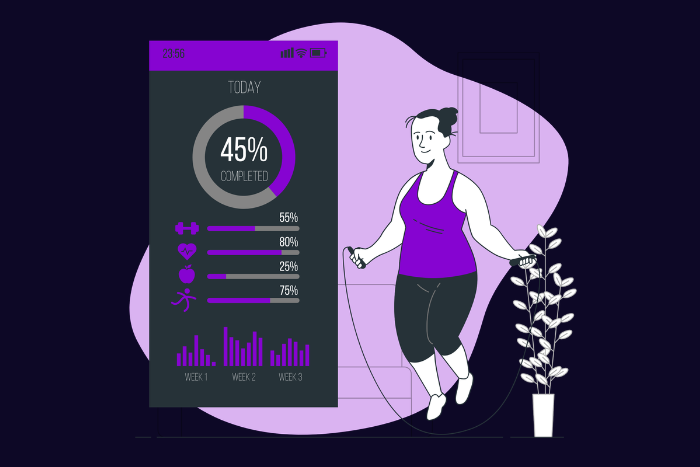
What Are the App Development Services for the Fitness Industry?
What Are the App Development Services for the Fitness Industry? Explore the app development services for fitness industry including workout apps, wearable integration, features, costs, and tech solutions. What Are the App Development Services for Fitness Industry? If you’re wondering, “What are the app development services for fitness industry?”, you’re tapping into one of the fastest-growing segments in digital health and wellness. Fitness applications have evolved far beyond simple step counters. Today’s fitness apps offer AI-powered coaching, real-time activity tracking, wearable integrations, nutrition planning, virtual classes, and personalized progress dashboards. From startups launching innovative workout platforms to gyms building member engagement apps and healthcare providers offering digital wellness solutions, fitness app development services enable businesses to create scalable, data-driven ecosystems. These apps combine mobile technology, IoT devices, cloud computing, and analytics to deliver seamless user experiences. Whether you’re planning a personal trainer app, diet tracking platform, mindfulness solution, or enterprise-grade fitness ecosystem, choosing the right development strategy ensures performance, security, and long-term scalability. This guide explains the core services, features, technologies, costs, and trends shaping fitness app development in 2024–2025. Why Fitness App Development Services Are Important The global fitness industry is rapidly shifting toward digital transformation. Consumers expect convenient, personalized, and connected fitness experiences. Here’s why investing in fitness app development services is crucial: Enables 24/7 virtual fitness access Increases member engagement and retention Expands reach beyond physical gym locations Supports subscription-based revenue models Leverages wearable device data for personalization Builds stronger fitness communities Provides data-driven insights for trainers and businesses A well-developed fitness application strengthens brand loyalty, increases recurring revenue, and creates measurable health engagement. Types of Fitness Application Development Solutions Fitness app development services cater to various segments within the health and wellness industry: Workout & Training AppsGuided exercise routines, video tutorials, and personalized training programs. Activity Tracking AppsStep counting, calorie tracking, heart rate monitoring, and GPS tracking. Diet & Nutrition AppsMeal planning, calorie logging, hydration reminders, and macro tracking. Personal Trainer AppsOne-on-one coaching, live chat, custom workout plans, and performance tracking. Wearable-Integrated AppsIntegration with smartwatches and IoT devices for real-time health monitoring. Meditation & Mindfulness AppsStress management, breathing exercises, sleep tracking, and mood analytics. Gym & Membership Management AppsMember subscriptions, class booking, trainer management, and payments. Corporate Wellness PlatformsEmployee fitness tracking and health incentive programs. Each solution requires tailored architecture and feature customization. Get Free Quotation Now..!! Key Features of Fitness App Development Services Successful fitness apps include both user-focused and admin-focused features: User Features: Personalized workout plans Real-time activity tracking AI-powered coaching Goal-based progress dashboards Video streaming for live classes Nutrition tracking and meal plans Gamification and rewards Social community and challenges Push notifications and reminders Subscription and payment integration Admin & Trainer Features: User management system Content management tools Performance analytics Trainer dashboards Role-based access control Revenue and retention analytics Balancing usability with powerful backend tools ensures sustainable growth. Development Process for Fitness Application Solutions A structured roadmap ensures efficient development and scalability: Market Research & Competitor AnalysisIdentify target audience, niche, and monetization strategy. Feature Planning & MVP DefinitionPrioritize essential features for faster time-to-market. UI/UX Design for EngagementDesign intuitive, motivating user journeys. Backend Architecture PlanningImplement scalable cloud-native systems. Wearable & IoT IntegrationSync with smart devices for real-time tracking. App Development (iOS, Android, or Cross-Platform)Build high-performance mobile applications. Testing & Quality AssuranceValidate performance, security, and device compatibility. Deployment & Launch StrategyRelease to app stores with analytics monitoring. Post-Launch Maintenance & ScalingContinuous updates, feature expansion, and optimization. Agile methodologies accelerate iteration and innovation. Technology Stack for Fitness App Development Modern fitness app development services rely on scalable technologies: Frontend: React Native, Flutter, Swift, Kotlin Backend: Node.js, Python (Django), .NET Core Databases: PostgreSQL, MongoDB, Firebase Cloud Platforms: AWS, Azure, Google Cloud Wearable Integration: Apple HealthKit, Google Fit APIs AI & Machine Learning: TensorFlow, OpenAI APIs Video Streaming: WebRTC, AWS Media Services IoT Connectivity: MQTT Protocol Security: OAuth 2.0, JWT, data encryption Choosing the right tech stack ensures performance and device compatibility. Cost Factors in Fitness App Development The cost of developing a fitness app depends on several variables: App complexity and feature set Wearable integration requirements AI and machine learning implementation Real-time video streaming functionality Cross-platform vs native development Cloud hosting and data storage Security and compliance needs Ongoing maintenance and updates A basic MVP may require a moderate budget, while enterprise-level fitness platforms with AI and IoT integration demand higher investment. Latest Trends in Fitness App Development (2024–2025) The fitness app industry continues evolving with advanced technologies: AI-powered personalized training plans Real-time biometric tracking Gamification with leaderboards AR/VR workout experiences Social community-driven fitness platforms Integration with smart home fitness devices Voice-activated coaching Data-driven retention analytics Businesses adopting these innovations gain a competitive edge in user engagement. Why Choose Us for Fitness App Development Services? Developing a fitness app requires expertise in mobile development, wearable integration, cloud architecture, and user engagement strategy. We provide end-to-end fitness app development services tailored to your business goals. Here’s why clients trust us: Customized Fitness Solutions – Built around your unique business model. Wearable & IoT Integration Expertise – Seamless real-time tracking. AI-Driven Personalization – Smart workout and nutrition recommendations. Scalable Cloud Architecture – Designed for global growth. Secure & Compliant Systems – Data protection and health privacy standards. Agile Development Approach – Faster launches and iterative improvements. Post-Launch Support & Optimization – Continuous monitoring and scaling. We transform fitness ideas into high-performance digital platforms that drive engagement and recurring revenue. Ready to build your fitness app? Let’s create a scalable, AI-powered fitness platform tailored to your audience. Contact us today for a free consultation and project estimate. Get Free Quotation Now..!! Key Points : Comprehensive fitness app development services including workout apps, activity tracking platforms, diet & nutrition apps, and personal trainer solutions. Wearable and IoT integration capabilities with Apple HealthKit, Google Fit, smartwatches, and connected fitness devices. AI-powered personalization features such as custom workout plans, biometric tracking, and predictive health insights. Scalable cloud-based architecture designed for subscription models, live streaming classes, and global user growth. Advanced monetization strategies
How Do I Ensure App Performance Optimization?
How Do I Ensure App Performance Optimization? Learn how to ensure app performance optimization with monitoring, caching, load balancing, testing, and scalability strategies for faster apps. How Do I Ensure App Performance Optimization? If you’re asking, “How do I ensure app performance optimization?”, you’re already prioritizing one of the most critical factors in digital success. App performance directly impacts user experience, retention, engagement, and revenue. Slow load times, crashes, laggy interfaces, or inefficient backend systems can quickly drive users away — often permanently. App performance optimization involves improving speed, responsiveness, stability, scalability, and resource efficiency across mobile and web platforms. It requires strategic code optimization, efficient API handling, smart caching, cloud infrastructure tuning, real-time monitoring, and continuous testing. Whether you’re building a startup MVP, scaling an enterprise application, or improving an existing mobile app, performance optimization must be integrated from day one — not treated as an afterthought. This comprehensive guide explains how to ensure app performance optimization, covering key techniques, technologies, processes, costs, and emerging trends for 2024–2025. Why App Performance Optimization Is Important Performance is directly tied to business outcomes. Even minor delays can reduce conversions and retention rates. Here’s why app performance optimization matters: Faster load times improve user satisfaction Reduced crash rates increase retention Efficient resource usage lowers infrastructure costs Better responsiveness enhances engagement Optimized backend improves scalability Improved startup time boosts app store rankings Enhanced performance strengthens brand reputation Users expect seamless, real-time experiences. Performance optimization ensures your app consistently meets those expectations. Types of Solutions App optimization strategies vary depending on architecture and business needs: Frontend OptimizationUI rendering improvements, lazy loading, efficient animations, and optimized assets. Backend OptimizationAPI performance tuning, database indexing, and server-side caching. Network OptimizationData compression, reduced API calls, and content delivery network (CDN) integration. Database OptimizationQuery optimization, schema improvements, and caching strategies. Cloud Infrastructure OptimizationAuto-scaling, load balancing, and dynamic resource allocation. Mobile-Specific OptimizationMemory management, battery usage reduction, and startup time improvements. Continuous Monitoring & ObservabilityReal-time tracking of app performance metrics. Each solution targets specific performance bottlenecks. Get Free Quotation Now..!! Key Features of Effective App Performance Optimization A well-optimized app typically includes: Optimized codebase and modular architecture Efficient memory management Reduced network requests Smart caching mechanisms (in-memory & disk caching) Load balancing and server auto-scaling Database indexing and query optimization Background task management Crash reporting and logging systems Real-time performance dashboards Automated performance testing These features ensure stability under both low and high traffic conditions. Development Process Ensuring app performance optimization requires a structured, continuous process: Performance Audit & BenchmarkingIdentify bottlenecks using profiling tools and performance metrics. Code Review & RefactoringClean inefficient logic and remove redundant processes. Frontend OptimizationImplement lazy loading, reduce heavy animations, and compress assets. Backend & API OptimizationReduce response times through caching and query tuning. Network OptimizationMinimize payload sizes and use CDNs. Load Testing & Stress TestingSimulate high traffic scenarios to measure scalability. Monitoring & Observability SetupImplement real-time tracking and alert systems. Continuous Optimization CycleRegular updates based on analytics and user feedback. Performance optimization is not a one-time task — it’s an ongoing strategy. Technology Stack for Performance Optimization Modern app performance optimization leverages advanced tools and technologies: Monitoring Tools: Firebase Performance Monitoring, New Relic, Datadog Crash Reporting: Sentry, Crashlytics Backend Technologies: Node.js, Python, .NET Cloud Infrastructure: AWS Auto Scaling, Azure Load Balancer CDN Services: Cloudflare, AWS CloudFront Caching Systems: Redis, Memcached Database Optimization: PostgreSQL indexing, MongoDB optimization DevOps Tools: CI/CD pipelines, automated testing tools Selecting scalable infrastructure ensures long-term performance stability. Cost Factors in Optimizing App Performance Optimization costs depend on: Application complexity Existing code quality Infrastructure setup Traffic volume Cloud hosting requirements Third-party integrations Continuous monitoring tools Maintenance and testing frequency While optimization may require upfront investment, it reduces long-term costs by improving efficiency and lowering infrastructure strain. Latest Trends in App Performance Optimization (2024–2025) Performance strategies continue evolving with emerging technologies: AI-driven performance monitoring Real-time observability platforms Edge computing for reduced latency Serverless architecture Automated incident remediation Microservices-based architecture Advanced load balancing techniques Predictive performance analytics Businesses adopting these innovations gain faster, more resilient applications. Why Choose Us for App Performance Optimization? Ensuring optimal performance requires deep technical expertise and proactive monitoring strategies. We provide end-to-end performance optimization services tailored to your application’s architecture. Here’s why clients trust us: Comprehensive Performance Audits – Identify hidden bottlenecks. Scalable Cloud Optimization – Handle high traffic without slowdowns. Code-Level Optimization Expertise – Improve efficiency from the foundation. Advanced Monitoring & Observability – Real-time performance tracking. Automated Testing Integration – Prevent regressions before deployment. Security & Stability Focus – Maintain data integrity while optimizing speed. Continuous Support & Improvements – Ongoing performance enhancement. We don’t just optimize apps — we engineer high-performance digital experiences. Ready to optimize your app’s performance? Let’s build a faster, scalable, and more reliable application. Contact us today for a comprehensive performance audit and optimization strategy. Get Free Quotation Now..!! Key Points : Step-by-step framework for app performance optimization, including auditing, benchmarking, code refactoring, and continuous monitoring. Comprehensive optimization strategies covering frontend, backend, database, network, and cloud infrastructure performance. Advanced techniques like caching, load balancing, and CDN integration to reduce latency and improve response time. Real-time monitoring and observability tools such as performance dashboards, crash reporting, and automated alerts. Mobile-specific optimization practices for memory management, startup time improvement, and battery efficiency. Cost-benefit insights showing how performance optimization reduces infrastructure expenses and improves ROI. FAQ’s How do I ensure app performance optimization? Conduct performance audits, optimize code and APIs, reduce network requests, implement caching, and monitor continuously. How do I measure app performance? Track metrics such as load time, crash rate, response time, memory usage, and server latency. What tools help monitor performance? Tools like Firebase Performance Monitoring, New Relic, and Datadog are widely used. Can performance optimization reduce infrastructure costs? Yes. Efficient resource allocation lowers cloud hosting expenses. How often should performance testing be conducted? Regularly — especially after updates or feature releases. Does performance optimization improve SEO rankings? Yes, faster load times positively impact search engine rankings for web apps. What is load
How Do I Integrate Analytics in an App?
How Do I Integrate Analytics in an App? Learn how to integrate analytics in an app with tools, SDK setup, event tracking, metrics, and best practices to measure user engagement and growth. How Do I Integrate Analytics in an App? If you’re asking, “How do I integrate analytics in an app?”, you’re already thinking strategically about growth, user behavior, and performance optimization. App analytics is essential for understanding how users interact with your application, which features drive engagement, where users drop off, and how marketing campaigns perform. Integrating analytics into a mobile or web app goes beyond simply installing a tracking tool. It involves selecting the right analytics platform, defining meaningful events, implementing SDKs correctly, ensuring data accuracy, maintaining user privacy compliance, and continuously optimizing based on insights. Whether you’re building a startup MVP, scaling an eCommerce platform, or managing an enterprise application, analytics integration is crucial for data-driven decision-making. In this comprehensive guide, we explain how to integrate analytics in an app step by step — covering tools, architecture, event tracking strategies, metrics, development processes, cost factors, and emerging trends — so you can transform raw data into actionable growth strategies. Why App Analytics Integration Is Important Analytics plays a critical role in modern app development and business growth. Without proper tracking, decision-making becomes guesswork. Here’s why integrating analytics into your app is essential: Understand user behavior and engagement patterns Measure acquisition, retention, and churn rates Track marketing campaign performance Optimize conversion funnels Improve feature adoption rates Identify bugs and performance bottlenecks Make data-driven product decisions Analytics allows businesses to measure ROI accurately and continuously refine their app experience to maximize engagement and revenue. Types of App Analytics Solutions When exploring how to integrate analytics in an app, it’s important to understand the various types of analytics systems available: User Behavior AnalyticsTracks sessions, clicks, screen views, and navigation paths. Performance AnalyticsMonitors crashes, load times, API latency, and system performance. Marketing & Attribution AnalyticsMeasures user acquisition sources, campaign effectiveness, and return on ad spend (ROAS). Engagement AnalyticsTracks user retention, daily active users (DAU), and feature usage. Revenue & eCommerce AnalyticsMeasures transactions, average order value (AOV), and customer lifetime value (LTV). Predictive AnalyticsUses AI to forecast churn, engagement, and revenue growth. Selecting the right combination depends on your business model and app goals. Get Free Quotation Now..!! Key Features of App Analytics Integration A robust analytics system should include: SDK integration for iOS, Android, and web Custom event tracking Real-time data dashboards Funnel and cohort analysis Crash reporting and performance monitoring User segmentation Attribution tracking Data export and API access GDPR and privacy compliance features Automated reporting and alerts A properly configured analytics system provides both macro and micro-level insights. Development Process for Analytics Integration To effectively integrate analytics in your app, follow this structured process: Define Business Objectives & KPIsIdentify what metrics matter — retention, revenue, or engagement. Choose the Right Analytics PlatformSelect tools that match your scalability and reporting needs. Create Tracking Plan & Event MapDefine user actions and events to track within the app. Integrate SDKs into the ApplicationImplement analytics libraries in iOS, Android, or cross-platform frameworks. Configure Custom Events & ParametersTrack meaningful interactions such as sign-ups, purchases, or feature usage. Test Data Accuracy & ValidationVerify that events trigger correctly and data flows to dashboards. Implement Privacy & Consent ManagementEnsure compliance with GDPR, CCPA, and other regulations. Launch & Monitor in ProductionContinuously analyze metrics and refine tracking strategies. A well-defined analytics roadmap prevents data inconsistencies and tracking gaps. Technology Stack for Analytics Integration Modern app analytics relies on a combination of tools and infrastructure. Analytics Platforms: Google Analytics 4, Firebase Analytics, Mixpanel, Amplitude Crash Reporting: Firebase Crashlytics, Sentry Attribution Tools: Adjust, AppsFlyer Backend Technologies: Node.js, Django, .NET Core Cloud Infrastructure: AWS, Azure, Google Cloud Data Warehousing: BigQuery, Snowflake Visualization Tools: Google Data Studio, Tableau Privacy Tools: Consent management platforms Selecting scalable and secure tools ensures long-term reliability. Cost Factors in App Analytics Integration The cost of integrating analytics into an app depends on: Choice of analytics platform (free vs enterprise tools) Volume of tracked events Custom dashboard and reporting needs Data storage and warehousing requirements Attribution and marketing integrations Compliance and privacy implementation Ongoing monitoring and optimization Basic analytics setups can be cost-effective, while enterprise-level analytics with predictive modeling may require higher investment. Latest Trends in App Analytics for 2024-2025 App analytics continues evolving with intelligent automation and privacy enhancements. AI-driven predictive analytics Privacy-first tracking frameworks Cookieless attribution models Real-time behavioral segmentation Machine learning-based churn prediction Cross-device tracking improvements Integrated marketing mix modeling Data-driven personalization engines Businesses leveraging advanced analytics gain deeper insights and stronger competitive positioning. Why Choose Us for App Analytics Integration? Integrating analytics requires strategic planning, technical precision, and ongoing optimization. We provide end-to-end app analytics integration services tailored to your business goals. Here’s why clients trust us: Data-Driven Strategy Planning – Define KPIs aligned with growth objectives. Accurate Event Tracking Implementation – Eliminate tracking errors and inconsistencies. Advanced Dashboard Customization – Real-time actionable insights. Secure & Privacy-Compliant Setup – GDPR and CCPA-ready frameworks. Marketing Attribution Expertise – Maximize campaign ROI. Scalable Infrastructure Design – Built for growing data volumes. Ongoing Optimization & Reporting – Continuous performance improvement. We don’t just integrate analytics — we help you turn data into measurable business growth. Ready to integrate analytics into your app? Let’s build a data-driven system that fuels smarter decisions and higher ROI. Contact us today for a personalized analytics integration consultation. Get Free Quotation Now..!! Key Points : Step-by-step guide to integrating analytics in mobile and web apps, including SDK setup, event tracking, and KPI mapping. Comprehensive coverage of analytics solutions such as user behavior tracking, performance monitoring, marketing attribution, and revenue analytics. Custom event tracking and dashboard configuration to measure engagement, retention, and conversion funnels accurately. Scalable analytics technology stack recommendations including Firebase, Google Analytics 4, Mixpanel, and cloud data warehousing tools. Privacy-compliant implementation strategies aligned with GDPR, CCPA, and modern data protection standards. AI-driven analytics and predictive insights to improve churn prediction,