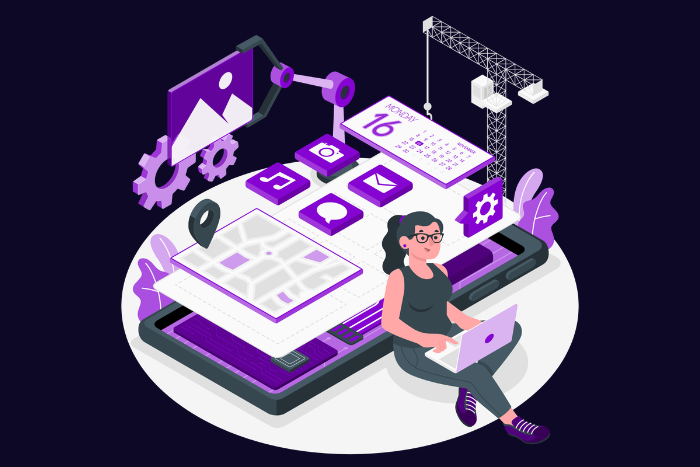
What Are the App Development Trends for 2024-2025? Explore the top app development trends for 2024-2025 including AI, low-code, PWAs, IoT, and cloud-native apps shaping the future of mobile innovation. What Are the App Development Trends for 2024-2025? If you’re asking, “What are the app development trends for 2024-2025?”, you’re likely planning to future-proof your digital product strategy. The mobile and web application ecosystem is evolving rapidly, driven by artificial intelligence, cloud-native architectures, immersive experiences, and automation technologies. Businesses that adapt to emerging trends gain a competitive advantage in performance, scalability, and user engagement. App development is no longer just about building functional software. It now involves intelligent automation, AI-driven personalization, cross-platform optimization, cybersecurity enhancements, and seamless integration with IoT and wearable devices. From startups launching MVPs to enterprises modernizing legacy systems, staying aligned with the latest app development trends ensures sustainable growth and higher ROI. In this comprehensive guide, we explore the top app development trends for 2024-2025, their impact on business outcomes, the technologies behind them, and how you can leverage these innovations to build scalable, secure, and future-ready applications. Why App Development Trends Matter in 2024-2025 Technology adoption cycles are shortening, and user expectations are rising. Businesses that fail to keep up with modern development trends risk losing market share and innovation potential. Here’s why understanding app development trends is crucial: Enhances competitive differentiation Improves user engagement and personalization Reduces development time through automation Strengthens app security and compliance Optimizes performance and scalability Enables faster digital transformation Future-proofs applications against market shifts Aligning with emerging trends ensures your app remains relevant, efficient, and adaptable in a rapidly evolving digital landscape. Types of Trend-Driven App Development Solutions Emerging technologies are reshaping how applications are built and deployed. Key solution categories include: AI-Powered ApplicationsIntelligent apps with machine learning, chatbots, predictive analytics, and automation capabilities. Low-Code & No-Code PlatformsRapid development solutions reducing time-to-market. Cross-Platform & Hybrid AppsSingle codebase apps optimized for iOS, Android, and web. Cloud-Native & Serverless ApplicationsScalable, containerized apps deployed in cloud environments. IoT-Integrated ApplicationsApps connected to smart devices and wearable technologies. Progressive Web Applications (PWAs)Web-based apps delivering native-like experiences. AR/VR-Enhanced ApplicationsImmersive apps for retail, gaming, education, and healthcare. Each solution category supports specific business objectives and industry requirements. Get Free Quotation Now..!! Key Features of Modern App Development in 2024-2025 Applications built on current trends typically include: AI-based personalization engines Real-time data processing Voice and gesture-based user interfaces Cross-platform compatibility Secure cloud-native infrastructure Advanced cybersecurity layers API-first architecture Containerized deployments Automated DevOps pipelines Predictive analytics dashboards Modern applications prioritize speed, intelligence, and security. Development Process for Trend-Driven Apps To leverage app development trends effectively, a structured approach is essential: Trend Analysis & Strategic PlanningIdentify which technologies align with your business goals. Feasibility AssessmentEvaluate technical, financial, and scalability requirements. Architecture Design (Cloud-Native & API-First)Plan modular and scalable backend systems. AI & Automation IntegrationImplement machine learning models and intelligent workflows. Cross-Platform or Native DevelopmentSelect optimal framework for performance and reach. Security & Compliance ImplementationIntegrate encryption, identity management, and monitoring tools. Testing & DevSecOps IntegrationAutomate testing and security validation in CI/CD pipelines. Deployment & Continuous MonitoringLaunch with cloud-based auto-scaling and analytics dashboards. Adopting agile and DevSecOps methodologies accelerates innovation while maintaining security. Technology Stack Supporting 2024-2025 Trends Modern app development trends rely on advanced technologies: Frontend: React Native, Flutter, Swift, Kotlin, React.js Backend: Node.js, Python (Django/FastAPI), .NET Core AI & ML: TensorFlow, PyTorch, OpenAI APIs Cloud Platforms: AWS, Microsoft Azure, Google Cloud Containerization: Docker, Kubernetes DevOps: CI/CD pipelines, GitHub Actions Databases: PostgreSQL, MongoDB, Firebase IoT Integration: MQTT protocols AR/VR Tools: Unity, ARKit, ARCore Security: OAuth 2.0, JWT, Zero Trust Architecture Selecting a scalable, cloud-native tech stack ensures adaptability to future innovations. Cost Factors in Adopting App Development Trends Implementing advanced technologies may influence development costs based on: AI and machine learning complexity Cloud infrastructure requirements Cross-platform vs native development AR/VR feature implementation IoT integrations DevSecOps automation tools Cybersecurity compliance requirements Maintenance and model retraining costs While trend adoption may increase initial investment, it enhances long-term ROI and scalability. Latest App Development Trends for 2024-2025 The following trends are shaping the future of mobile and web applications: AI-powered app generation and intelligent assistants Expansion of low-code/no-code platforms Cloud-native and serverless computing Progressive Web App (PWA) growth Integration with wearable and IoT devices Voice User Interfaces (VUIs) AR/VR immersive experiences Enhanced cybersecurity frameworks Edge computing adoption Sustainable and energy-efficient coding practices Businesses that proactively adopt these trends gain a technological edge. Why Choose Us to Build Future-Ready Applications? Staying ahead of app development trends requires technical expertise, strategic foresight, and agile execution. We help businesses leverage emerging technologies to create scalable, intelligent, and secure applications. Here’s why clients partner with us: Trend-Focused Strategy Planning – Align innovation with business goals. AI & Cloud Expertise – Implement cutting-edge technologies effectively. Scalable Architecture Design – Built for future growth. Security-First Development – Zero Trust and compliance-ready systems. DevSecOps Automation – Faster releases with continuous testing. Cross-Platform & Native Capabilities – Optimized for performance. Post-Launch Optimization & Scaling – Continuous enhancement and monitoring. We don’t just follow trends — we help you lead the future of digital innovation. Ready to future-proof your application strategy? Let’s build a trend-driven, scalable, and secure app for 2024-2025. Contact us today for a strategic consultation and roadmap planning session. Get Free Quotation Now..!! Key Points : Comprehensive overview of top app development trends for 2024-2025, including AI, low-code platforms, PWAs, IoT, and cloud-native architecture. In-depth analysis of AI-powered applications with machine learning, predictive analytics, automation, and intelligent user personalization. Rise of low-code and no-code development platforms enabling faster time-to-market and reduced development costs. Expansion of Progressive Web Apps (PWAs) and cross-platform frameworks to improve reach and user experience. Enhanced cybersecurity and Zero Trust frameworks shaping secure app development practices. Strategic business impact insights showing how adopting emerging trends improves ROI, user engagement, and competitive advantage. FAQ’s What are the app development trends for 2024-2025? Major trends include AI integration, low-code platforms, cloud-native architecture, IoT connectivity, AR/VR experiences, and
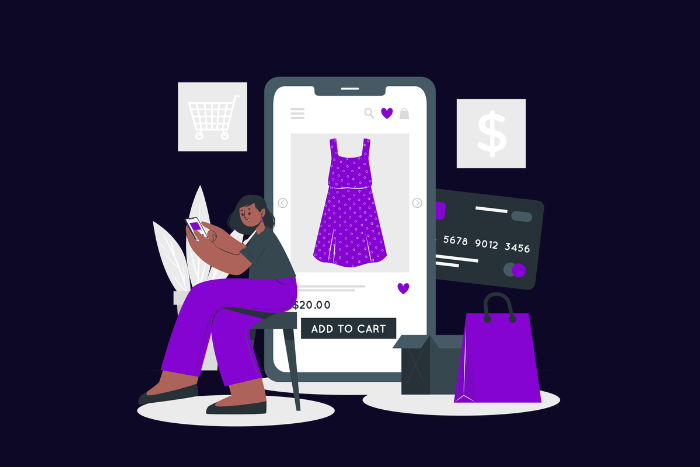
How Do I Develop an App for Online Shopping?
How Do I Develop an App for Online Shopping? Learn how to develop an app for online shopping with features, tech stack, cost factors, and step-by-step process to build a scalable eCommerce app. How Do I Develop an App for Online Shopping? If you’re asking, “How do I develop an app for online shopping?”, you’re stepping into one of the fastest-growing digital markets globally. eCommerce mobile apps have transformed how customers browse products, compare prices, and make purchases. With mobile commerce (mCommerce) driving a significant portion of online sales, having a dedicated shopping app is no longer optional — it’s essential for brands looking to scale. Developing an online shopping app involves much more than uploading product listings. It requires strategic planning, intuitive UI/UX design, secure payment integration, scalable backend architecture, real-time order tracking, inventory management, and data-driven personalization. Whether you’re building a single-brand retail app or a multi-vendor marketplace platform, selecting the right development approach ensures performance, security, and long-term growth. In this comprehensive guide, we explain how to develop an app for online shopping step by step — covering solution types, key features, development process, technology stack, cost factors, and latest trends — so you can launch a high-performing and revenue-driven eCommerce application. Why Online Shopping App Development Is Important Consumer behavior has shifted dramatically toward mobile-first purchasing. Customers expect seamless browsing, fast checkout, and personalized product recommendations directly from their smartphones. Here’s why investing in online shopping app development is critical: Higher conversion rates compared to mobile websites Improved customer loyalty through push notifications Faster checkout experience with saved payment methods Enhanced personalization using AI-driven recommendations Real-time order tracking and updates Reduced cart abandonment with optimized UX Direct communication channel with customers A mobile shopping app builds brand authority, increases repeat purchases, and creates a competitive edge in the crowded eCommerce landscape. Types of Online Shopping Application Solutions When deciding how to develop an app for online shopping, identifying the right business model is essential. Single-Vendor eCommerce AppDesigned for brands selling their own products directly to customers. Multi-Vendor Marketplace AppPlatforms allowing multiple sellers to list and sell products under one ecosystem. On-Demand Retail AppReal-time product delivery platforms (e.g., grocery or pharmacy delivery). Subscription-Based Shopping AppRecurring purchase models for products like fashion, food, or beauty items. Social Commerce AppIntegrated social sharing and influencer-driven purchasing experiences. B2B eCommerce AppBulk purchasing platforms designed for wholesale transactions. Choosing the right solution depends on your revenue model, target audience, and scalability goals. Get Free Quotation Now..!! Key Features of an Online Shopping App A competitive eCommerce app must include powerful and user-friendly features: User registration and profile management Advanced product search and filtering Wishlist and favorites Smart shopping cart system Secure checkout with multiple payment gateways Discount codes and loyalty programs Push notifications and order alerts Product reviews and ratings Inventory management system Real-time order tracking Admin dashboard for analytics Customer support chat integration Product import/export management An optimized mobile UX significantly reduces abandoned carts and increases conversions. Development Process To successfully develop an online shopping app, follow this structured approach: Market Research & Business StrategyIdentify target audience, competitors, and unique value proposition. Define Features & MVP PlanningFinalize essential features for the initial launch. UI/UX Design & PrototypingDesign intuitive and conversion-focused interfaces. Backend Architecture & Database SetupDevelop scalable infrastructure for product catalogs and user data. Frontend Development (iOS & Android)Build native or cross-platform mobile applications. Payment & API IntegrationIntegrate secure payment gateways, shipping APIs, and CRM systems. Testing & Quality AssurancePerform functional, performance, and security testing. Deployment & App Store PublishingLaunch on App Store and Google Play. Maintenance & OptimizationMonitor performance, fix bugs, and release feature updates. An agile development methodology ensures faster delivery and continuous improvement. Technology Stack for Online Shopping Application Development Selecting the right tech stack ensures performance and scalability. Frontend: React Native, Flutter, Swift, Kotlin Backend: Node.js, Django, .NET Core Database: PostgreSQL, MongoDB Cloud Infrastructure: AWS, Azure, Google Cloud Platform Payment Gateways: Stripe, PayPal, Razorpay Search Engine: Elasticsearch APIs: RESTful APIs, GraphQL DevOps: Docker, Kubernetes, CI/CD pipelines Security: SSL encryption, OAuth 2.0, JWT authentication Cloud-native architecture supports high traffic during peak sales. Cost Factors in Online Shopping App Development The cost of developing an online shopping app depends on: App complexity and feature set Single-vendor vs multi-vendor model Native vs cross-platform development Payment gateway integrations Inventory and warehouse management systems Custom UI/UX requirements Security and compliance standards Ongoing maintenance and support A basic MVP shopping app may require moderate investment, while a feature-rich marketplace with AI and advanced analytics will demand a higher budget. Latest Trends in Online Shopping App Development The eCommerce ecosystem continues evolving with innovation: AI-powered product recommendations Voice-based product search AR-based virtual try-ons One-click checkout experiences Personalized push notifications Blockchain-based secure payments Headless commerce architecture Progressive Web Apps (PWAs) Adopting emerging technologies enhances user engagement and drives revenue growth. Why Choose Us to Develop Your Online Shopping App? Building a high-performance online shopping app requires technical expertise, market insight, and conversion-focused design. Here’s why businesses partner with us: Scalable Cloud Architecture – Built to handle high transaction volumes. Conversion-Optimized UI/UX – Designed to reduce cart abandonment. Secure Payment Integration – Encrypted transactions and fraud protection. Advanced eCommerce Features – Loyalty programs, AI personalization, and analytics dashboards. Agile Development Process – Transparent milestones and timely delivery. Post-Launch Support & Growth Optimization – Continuous performance enhancement. We don’t just build shopping apps, we create revenue-generating digital commerce platforms designed for long-term success. Ready to develop your online shopping app? Let’s build a scalable and conversion-focused eCommerce solution tailored to your brand. Contact us today for a free consultation and customized project estimate. Get Free Quotation Now..!! Key Points : Step-by-step guide to online shopping app development, covering planning, design, development, testing, and launch. Comprehensive feature breakdown including product search, smart cart system, secure checkout, payment integration, and order tracking. Scalable eCommerce technology stack recommendations with cloud infrastructure, APIs, and secure authentication. Clear cost and timeline insights for MVP retail apps versus full-scale multi-vendor marketplace platforms.

What Are the App Development Services for Real Estate?
What Are the App Development Services for Real Estate? Discover real estate app development services, features, tech stack, cost factors, and trends. Build scalable property apps for buyers, agents, and investors. What Are the App Development Services for Real Estate? If you’re asking, “What are the app development services for real estate?”, you’re likely looking to digitize property listings, streamline transactions, improve client engagement, and gain a competitive edge in a rapidly evolving market. The real estate industry has undergone a major digital transformation, with mobile apps and web platforms becoming essential tools for property buyers, sellers, agents, brokers, and investors. Modern real estate app development services go beyond simple property listings. They include advanced search filters, virtual property tours, AI-driven recommendations, mortgage calculators, real-time messaging, CRM integrations, secure document management, and analytics dashboards. Whether you’re launching a property marketplace, an agent-focused app, or a property management solution, selecting the right development strategy is critical. In this comprehensive guide, we explore real estate app development services in detail — covering solution types, must-have features, development processes, technology stack, cost factors, and emerging PropTech trends — to help you build a scalable and profitable digital real estate platform. Why Real Estate App Development Services Are Important The real estate market is increasingly driven by digital experiences. Buyers expect instant property access, virtual tours, transparent pricing, and seamless communication. Agents require tools for lead management, document handling, and analytics. Here’s why investing in real estate app development services is essential: 24/7 virtual property showcases Improved lead generation and conversion Enhanced buyer and seller engagement Simplified agent-client communication Centralized document management Data-driven market insights Competitive differentiation in the PropTech space Mobile and web apps reduce operational inefficiencies while improving transparency and accessibility. In a competitive property market, digital platforms are no longer optional — they are a necessity. Types of Real Estate Application Development Solutions When evaluating what app development services for real estate include, it’s important to understand the various solution types available: Property Listing & Search AppsPlatforms that allow users to browse, filter, and compare properties with map integration. Real Estate Agent AppsCRM-enabled apps for managing leads, scheduling visits, and tracking commissions. Property Management AppsSolutions for landlords and property managers to handle tenants, rent payments, and maintenance requests. Mortgage & Financial Calculator AppsTools for EMI calculation, loan eligibility checks, and financial planning. Real Estate Investment (REI) AppsPlatforms focused on investment opportunities, ROI analysis, and portfolio management. Commercial Real Estate AppsSpecialized apps for office spaces, retail units, and industrial properties. Home Valuation & AI Estimation AppsAI-powered tools that estimate property value based on market data. Selecting the right solution depends on your target audience, revenue model, and business goals. Get Free Quotation Now..!! Key Features of Real Estate App Development Services A competitive real estate application must include robust, user-friendly, and scalable features: User registration and profile management Advanced property search filters Interactive map integration (GPS-based search) High-resolution image galleries and video walkthroughs 3D virtual property tours Mortgage and EMI calculators Real-time chat and messaging Push notifications for property alerts Favorites and property comparison tools Appointment scheduling and calendar integration Secure document upload and storage Admin analytics dashboard CRM integration for agents Multi-language and multi-currency support These features enhance user experience, increase engagement, and drive conversions. Development Process To successfully deliver real estate app development services, a structured development process is essential: Market Research & Requirement AnalysisIdentify target audience, property niche, and unique value proposition. Define Monetization StrategyCommission-based, subscription plans, premium listings, or advertising revenue. Feature Planning & MVP DevelopmentPrioritize essential functionalities for initial launch. UI/UX Design & WireframingDesign intuitive interfaces for buyers, sellers, and agents. Backend Architecture & Database DesignCreate scalable infrastructure for property data and user activity. Mobile & Web App DevelopmentDevelop native or cross-platform applications. API & Third-Party IntegrationsIntegrate payment gateways, map services, CRM systems, and marketing tools. Testing & Quality AssurancePerform functional, performance, and security testing. Deployment & Post-Launch MaintenanceLaunch and continuously optimize performance. An agile methodology ensures flexibility and continuous improvement. Technology Stack for Real Estate Application Development Choosing the right technology stack ensures performance and scalability. Frontend (Mobile & Web): React Native, Flutter, Swift, Kotlin, React.js Backend: Node.js, Django, .NET Core Database: PostgreSQL, MongoDB Cloud Infrastructure: AWS, Microsoft Azure, Google Cloud Platform Maps & Geolocation: Google Maps API Payment Integration: Stripe, PayPal Authentication: OAuth 2.0, JWT DevOps: Docker, Kubernetes, CI/CD pipelines AI & Analytics: Machine learning frameworks for price prediction A cloud-native architecture ensures high availability and scalability during traffic spikes. Cost Factors in Real Estate App Development The cost of real estate app development services depends on: App complexity and feature set Native vs cross-platform development Integration of AI and 3D virtual tours Payment and CRM integrations Backend scalability requirements Security and compliance standards Ongoing maintenance and support A basic MVP property listing app requires moderate investment, while a full-scale real estate marketplace platform with AI capabilities demands higher budget allocation. Latest Trends in Real Estate App Development The PropTech sector continues to evolve with innovative technologies: AI-powered property recommendations 3D virtual and AR-based property tours Blockchain-based property transactions Big data-driven pricing analysis Smart contract integration Chatbots for automated customer support IoT-enabled smart property monitoring Voice-enabled property search Adopting emerging technologies enhances competitiveness and user experience. Why Choose Us for Real Estate App Development Services? Developing a successful real estate app requires industry knowledge, scalable architecture, and user-focused design. Our team provides end-to-end real estate app development services tailored to your business goals. Here’s why clients choose us: Scalable Cloud Architecture – Designed for growing property databases and users. Advanced PropTech Integration – AI, AR/VR, and analytics capabilities. Secure Transactions & Data Protection – Encrypted storage and compliance-ready systems. Custom UI/UX Design – Optimized for buyer and agent engagement. Agile & Transparent Development Process – Clear milestones and timely delivery. Long-Term Support & Optimization – Continuous upgrades and performance improvements. We don’t just build real estate apps — we create digital property ecosystems that drive engagement, efficiency, and revenue growth. Ready to build your
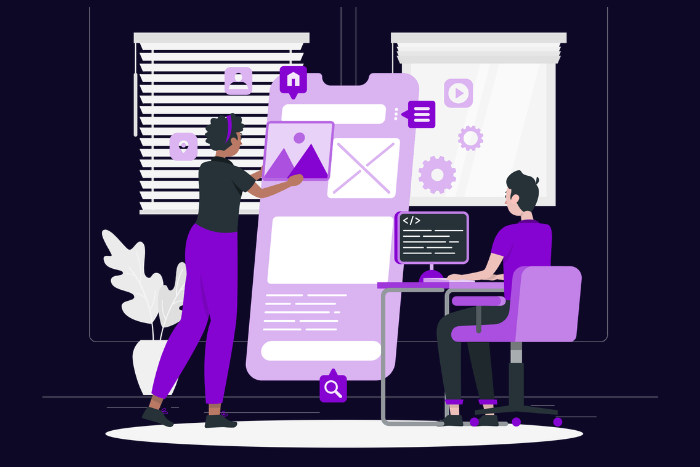
How Do I Choose the Right App Development Technology?
How Do I Choose the Right App Development Technology? Learn how to choose the right app development technology with expert guidance on tech stacks, platforms, scalability, cost, and performance. How Do I Choose the Right App Development Technology? If you’re asking, “How do I choose the right app development technology?”, you’re making one of the most critical decisions in your digital product journey. The technology stack you select directly impacts your app’s performance, scalability, security, development speed, maintenance costs, and long-term success. With multiple options available — native development (iOS and Android), cross-platform frameworks, progressive web apps, cloud-native backends, and AI-powered integrations — selecting the ideal technology can feel overwhelming. The wrong choice can lead to performance issues, higher costs, limited scalability, or difficulty in future upgrades. Choosing the right app development technology requires evaluating your business goals, target audience, budget, timeline, performance requirements, and long-term vision. In this complete guide, we explain how to choose the right app development technology step by step, covering platforms, tech stacks, architecture decisions, cost considerations, and emerging trends — helping you build a scalable, secure, and future-ready application. Why Choosing the Right App Development Technology Is Important The technology behind your app determines how well it performs today and how easily it grows tomorrow. Here’s why selecting the right app development technology matters: Ensures high performance and fast load times Supports scalability as your user base grows Optimizes development time and cost efficiency Enhances security and data protection Simplifies maintenance and updates Enables seamless third-party integrations Improves overall user experience For startups, the right technology accelerates MVP launches. For enterprises, it ensures reliability and integration with existing systems. A strategic technology decision reduces technical debt and protects long-term ROI. Types of App Development Solutions When deciding how to choose the right app development technology, you must first understand your options: Native App DevelopmentBuilt specifically for iOS (Swift) or Android (Kotlin) for maximum performance and platform-specific features. Cross-Platform DevelopmentFrameworks like React Native and Flutter allow a single codebase for both iOS and Android. Hybrid App DevelopmentWeb-based apps wrapped in native containers using technologies like Ionic. Progressive Web Applications (PWAs)Browser-based apps offering app-like experiences without full installation. Backend-Focused ArchitecturesMicroservices, serverless architecture, and cloud-native development. Enterprise-Grade SolutionsHigh-security, scalable systems integrated with CRM, ERP, and enterprise databases. Each approach has trade-offs in performance, cost, scalability, and development time. Get Free Quotation Now..!! Key Features of the Right App Development Technology The ideal technology stack should support: High performance and responsiveness Scalable cloud infrastructure Secure authentication and encryption API integration capabilities Real-time communication support Cross-platform compatibility (if required) Easy maintenance and upgrades Community and ecosystem support Strong documentation and developer resources Your technology choice must align with your business model and user expectations. Development Process for Choosing the Right Technology Here’s a structured approach to selecting the best app development technology: Define Business ObjectivesClarify whether you’re building an MVP, enterprise solution, or consumer app. Identify Target PlatformDetermine whether your audience primarily uses iOS, Android, web, or multiple platforms. Analyze Performance RequirementsConsider real-time processing, heavy graphics, or data-intensive functionalities. Evaluate Scalability NeedsPlan for future growth and infrastructure expansion. Assess Budget & TimelineNative apps may cost more initially, while cross-platform may reduce time to market. Consider Team ExpertiseChoose technologies aligned with your development team’s strengths. Plan Maintenance & Long-Term SupportEnsure the chosen stack has long-term community and vendor support. Review Security & Compliance RequirementsEspecially critical for fintech, healthcare, and enterprise apps. Following this process minimizes risks and ensures strategic alignment. Technology Stack Options for Mobile Apps A well-structured technology stack includes front-end, back-end, database, and infrastructure components. Frontend (Mobile): Swift, Kotlin, React Native, Flutter Backend: Node.js, Django, .NET Core, Ruby on Rails Databases: PostgreSQL, MongoDB, MySQL Cloud Infrastructure: AWS, Microsoft Azure, Google Cloud Platform APIs: RESTful APIs, GraphQL Authentication: OAuth 2.0, JWT DevOps: Docker, Kubernetes, CI/CD pipelines Analytics & Monitoring: Firebase Analytics, cloud monitoring tools Choosing the right combination ensures performance, flexibility, and scalability. Cost Factors in Choosing App Development Technology Technology decisions significantly influence development and long-term costs. Native vs cross-platform development expenses Backend infrastructure and hosting fees Third-party API licensing Security implementation requirements Maintenance and upgrade costs Developer availability and hiring rates Integration complexity with existing systems While cross-platform solutions reduce initial costs, native apps may offer better performance and user experience in certain use cases. Strategic cost-benefit analysis is essential. Latest Trends in App Development Technology The app development ecosystem continues evolving with innovation: AI-powered app development tools Serverless and microservices architecture Low-code and no-code platforms Cloud-native and containerized deployments 5G-enabled real-time applications Edge computing integration Enhanced cross-platform performance frameworks Progressive Web App (PWA) adoption Staying aligned with emerging technologies ensures future-proof applications. Why Choose Us to Help You Select the Right App Development Technology? Choosing the right technology is a strategic decision — not just a technical one. Our team provides expert consultation to align technology choices with your business goals. Here’s why clients trust us: Strategic Technology Consultation – Align tech stack with business objectives. Scalable Architecture Planning – Designed for long-term growth. Cost-Optimized Solutions – Balanced performance and budget efficiency. Security-First Approach – Built-in compliance and data protection. Cross-Platform & Native Expertise – Tailored recommendations based on your needs. Cloud-Native Deployment Strategy – Reliable and auto-scalable infrastructure. Long-Term Support & Optimization – Continuous upgrades and enhancements. We don’t just build apps — we design future-ready technology ecosystems that power digital growth. Ready to choose the right app development technology? Let’s define a scalable and performance-driven tech stack for your project. Contact us today for a personalized technology consultation. Get Free Quotation Now..!! Key Points : Step-by-step framework for choosing the right app development technology based on business goals, scalability, and performance needs. Comparison of native, cross-platform, hybrid, and PWA approaches to help businesses select the most suitable development model. Comprehensive tech stack breakdown including frontend, backend, databases, cloud infrastructure, and DevOps tools. Scalability and security considerations to ensure long-term app performance and data protection. Cost analysis insights covering development expenses, maintenance, infrastructure, and
What Are the App Development Best Practices for Security?
What Are the App Development Best Practices for Security? Discover app development best practices for security, including encryption, secure APIs, authentication, testing, and compliance strategies. What Are the App Development Best Practices for Security? If you’re asking, “What are the app development best practices for security?”, you’re already taking the most important step toward building a safe, reliable, and trustworthy application. In today’s digital landscape, mobile and web applications handle sensitive data such as personal information, payment credentials, business records, and authentication tokens. Without robust security practices, applications are vulnerable to cyberattacks, data breaches, API exploitation, and compliance violations. Secure app development is not just about adding encryption at the end of the project. It requires a proactive, security-first approach embedded throughout the entire software development lifecycle (SDLC). From secure architecture design and authentication mechanisms to encrypted data storage, secure network communication, and continuous monitoring, every layer must be protected. This comprehensive guide explains app development best practices for security, covering architecture design, authentication, data protection, testing strategies, compliance requirements, and modern DevSecOps approaches to help you build secure, scalable, and compliant applications. Why App Security Best Practices Are Important Application security directly impacts business credibility, legal compliance, and customer trust. Ignoring security best practices can lead to financial losses, reputational damage, and regulatory penalties. Here’s why implementing secure app development practices is critical: Protects sensitive user data and personally identifiable information (PII) Prevents unauthorized access and account takeovers Reduces risk of API abuse and data breaches Ensures compliance with GDPR, HIPAA, PCI-DSS, and other standards Safeguards intellectual property and business logic Improves customer confidence and brand reputation Minimizes costly post-launch security fixes Modern applications face threats such as SQL injection, cross-site scripting (XSS), insecure direct object references, broken authentication, and supply chain vulnerabilities. Integrating security best practices early significantly reduces risk and long-term costs. Types of App Security Solutions To answer “What are the app development best practices for security?”, it’s essential to understand the different layers of protection involved: Secure Architecture & DesignSecurity-by-design principles, threat modeling, and least privilege architecture. Authentication & Authorization SecurityMulti-factor authentication (MFA), role-based access control (RBAC), and secure session management. Data Protection & EncryptionEncryption in transit (TLS/HTTPS) and encryption at rest for databases and storage. Secure API DevelopmentAPI authentication tokens, rate limiting, input validation, and monitoring. Network Communication SecurityCertificate pinning, secure protocols, and firewall configuration. Code & Dependency SecurityStatic code analysis, dependency scanning, and patch management. Post-Deployment Monitoring & Incident ResponseLogging, anomaly detection, vulnerability scanning, and rapid patching. A comprehensive approach ensures protection across all layers of the application stack. Get Free Quotation Now..!! Key Features of Secure App Development A secure application must include these essential features: End-to-end encryption (TLS 1.2+) Secure authentication (OAuth 2.0, JWT, MFA) Role-based and least-privilege access controls Secure API gateways with rate limiting Data encryption at rest Secure storage mechanisms (Keychain, Keystore) Regular dependency updates and patch management Secure coding standards aligned with OWASP Top 10 Real-time logging and monitoring Automated security testing in CI/CD pipelines Security must be measurable, auditable, and continuously monitored. Development Process Embedding security into the development lifecycle ensures long-term resilience. Threat Modeling & Risk AssessmentIdentify potential vulnerabilities, attack vectors, and data sensitivity. Secure Architecture DesignImplement least privilege access, secure APIs, and encrypted communication channels. Secure Coding ImplementationFollow industry standards to prevent injection attacks, broken authentication, and insecure deserialization. Authentication & Authorization SetupImplement MFA, token-based authentication, and secure session handling. Data Protection & Encryption ConfigurationEncrypt data in transit (HTTPS/TLS) and at rest in databases. Security Testing & Code ReviewPerform static analysis, dynamic testing, penetration testing, and vulnerability scans. Dependency & Supply Chain ManagementAudit third-party libraries and keep frameworks updated. Deployment with DevSecOps IntegrationAutomate security checks within CI/CD pipelines. Monitoring & Incident Response PlanningEstablish logging, monitoring dashboards, and rapid patch procedures. This structured process reduces vulnerabilities before and after launch. Technology Stack for Secure App Development Choosing secure and scalable technologies strengthens application defense mechanisms. Frontend: React, Angular, Swift, Kotlin Backend: Node.js, Django, .NET Core, Spring Boot Authentication: OAuth 2.0, OpenID Connect, JWT, MFA Encryption: TLS/HTTPS, AES-256 API Security: API gateways, rate limiting, token validation Databases: PostgreSQL, MongoDB with encryption enabled Cloud Security: AWS IAM, Azure Security Center, Google Cloud IAM DevSecOps Tools: SonarQube, Snyk, OWASP ZAP Monitoring: SIEM systems, log management tools Using modern frameworks with built-in security features improves overall resilience. Cost Factors in Implementing App Security Best Practices The cost of secure app development depends on several elements: Application complexity and data sensitivity Compliance requirements (HIPAA, PCI-DSS, GDPR) Multi-factor authentication implementation Encryption standards and infrastructure Security testing scope (manual vs automated) Third-party penetration testing Ongoing monitoring and patch management While security adds initial investment, it significantly reduces long-term breach recovery costs and regulatory fines. Latest Trends in App Development Security Security strategies continue evolving to address modern threats: Zero Trust Architecture DevSecOps automation AI-driven threat detection Behavioral analytics for anomaly detection Biometric authentication Blockchain-based identity management Runtime application self-protection (RASP) Secure containerization and Kubernetes hardening Staying ahead of emerging threats requires continuous adaptation. Why Choose Us for Secure App Development? Building secure applications requires expertise across architecture, development, testing, and compliance. We implement comprehensive app development best practices for security tailored to your industry and business model. Here’s what sets us apart: Security-First Development Approach – Embedded security across the SDLC. OWASP-Compliant Coding Standards – Mitigates top vulnerabilities proactively. Advanced Authentication Systems – Secure token handling and MFA integration. Comprehensive Security Testing – Static, dynamic, and penetration testing. DevSecOps Integration – Automated vulnerability scanning in CI/CD pipelines. Cloud Security Expertise – Secure deployment across AWS, Azure, and GCP. Continuous Monitoring & Incident Response – Rapid mitigation and patching strategies. We don’t just develop apps — we engineer secure digital ecosystems that protect your users and your business. Ready to secure your application from day one? Let’s implement industry-leading app security best practices tailored to your platform. Contact us today for a comprehensive security assessment and consultation. Get Free Quotation Now..!! Key Points : Comprehensive app security strategy covering architecture, authentication, APIs,
How Do I Develop an App for Event Management?
How Do I Develop an App for Event Management? Learn how to develop an app for event management with features, tech stack, costs, and step-by-step process. Build scalable, engaging event apps today. How Do I Develop an App for Event Management? If you’re asking, “How do I develop an app for event management?”, you’re likely looking to streamline event planning, improve attendee engagement, and digitize operations. Event management apps have transformed how conferences, corporate events, festivals, trade shows, and community gatherings are organized. From ticket booking and agenda scheduling to live notifications and analytics dashboards, mobile event apps enhance both organizer efficiency and attendee experience. Developing an event management app requires strategic planning, scalable backend architecture, real-time communication systems, secure payment integration, and user-friendly design. Whether you’re building an app for a single large-scale conference or a multi-event SaaS platform, the right development approach ensures performance, reliability, and long-term growth. In this complete guide, we explain how to develop an app for event management step by step — covering solution types, must-have features, development process, technology stack, cost factors, and emerging trends — so you can build a powerful and future-ready event platform. Why Event Management App Development Is Important The events industry has become increasingly digital, and attendees now expect seamless mobile experiences. A dedicated event app offers significant operational and strategic advantages: Centralizes event information in one digital hub Improves attendee engagement with real-time updates Enables instant communication through push notifications Simplifies ticketing and payment processing Provides analytics for better event planning decisions Reduces manual coordination and paperwork Enhances networking through chat and interaction tools Event management apps also support hybrid and virtual events, expanding audience reach beyond physical venues. For organizers, sponsors, and participants alike, a well-built event app drives efficiency, engagement, and revenue. Types of Event Management Application Solutions When considering how to develop an app for event management, identifying the right solution model is essential. Conference & Corporate Event AppsDesigned for large conferences, business summits, and corporate meetings with agenda management and speaker profiles. Ticketed & Entertainment Event AppsFocused on concerts, festivals, and exhibitions with ticket booking and QR-based check-ins. Hybrid & Virtual Event PlatformsIntegrated live streaming, virtual booths, chat rooms, and digital networking features. Multi-Event SaaS PlatformsCloud-based platforms that allow organizers to manage multiple events from a single dashboard. Community & Educational Event AppsDesigned for workshops, training programs, and nonprofit events with interactive engagement tools. Internal Enterprise Event SolutionsUsed for internal corporate training, employee engagement programs, and internal conferences. Choosing the correct model determines the feature set, architecture, and monetization strategy. Get Free Quotation Now..!! Key Features of an Event Management App To build a competitive and scalable event management app, these core features are essential: User registration and profile management Event listing and detailed information pages Smart agenda and session scheduling Push notifications and real-time alerts Interactive venue maps and navigation Ticket booking and secure payment integration QR-based check-in and badge scanning Live polling, Q&A, and chat modules Sponsor and exhibitor showcase sections Feedback and rating system Organizer analytics dashboard CMS for real-time content updates A well-designed event app balances performance, usability, and scalability while ensuring secure transactions and data protection. Development Process To successfully develop an event management app, follow this structured process: Define Event Scope & Business ModelIdentify your target audience, event type, revenue model, and monetization strategy. Conduct Market & User ResearchAnalyze competitors and gather insights to finalize core functionalities. Finalize Feature Set & MVP StrategyPrioritize must-have features for initial launch and define expansion roadmap. UI/UX Design & WireframingCreate intuitive interfaces optimized for real-world event usage. Backend Architecture PlanningBuild scalable infrastructure to support real-time notifications and large attendee volumes. Mobile App Development (iOS & Android)Develop native or cross-platform apps with optimized performance. API & Third-Party IntegrationsIntegrate payment gateways, maps, live streaming tools, and marketing platforms. Testing & Quality AssurancePerform functional, performance, and security testing. Deployment & Post-Launch OptimizationLaunch on app stores and continuously monitor performance and engagement. An agile methodology ensures flexibility and faster iteration cycles. Technology Stack for Event Management App Development Choosing the right technology stack ensures scalability and reliability. Front-End (Mobile): React Native, Flutter, Swift (iOS), Kotlin (Android) Back-End: Node.js, Django, .NET Core Databases: PostgreSQL, MongoDB Real-Time Communication: WebSockets, Firebase Cloud Infrastructure: AWS, Microsoft Azure, Google Cloud Platform Payment Gateways: Stripe, PayPal, Razorpay Live Streaming: WebRTC, third-party streaming APIs DevOps: Docker, Kubernetes, CI/CD pipelines Security: OAuth 2.0, JWT authentication, SSL encryption Cloud-native architecture allows the platform to handle traffic spikes during peak event times. Cost Factors in Event Management App Development The cost of developing an event management app depends on several factors: App complexity and feature set Native vs cross-platform development Real-time engagement features Ticketing and payment integrations Live streaming implementation UI/UX customization Backend scalability requirements Maintenance and support plans A basic MVP event app may require moderate investment, while a full-featured enterprise event platform with hybrid capabilities demands a larger budget. Clear project scope definition ensures accurate cost estimation. Latest Trends in Event Management Application Development The event technology landscape continues to evolve with innovation: AI-powered attendee matchmaking Personalized event recommendations Hybrid and virtual event integration Contactless check-in systems AR/VR event experiences Data-driven event analytics Gamification features for engagement Blockchain-based ticket authentication Integrating emerging technologies enhances engagement and future-proofs your event platform. Why Choose Us to Develop Your Event Management App? Developing a scalable and engaging event management app requires technical expertise and industry understanding. We provide end-to-end event app development services tailored to your business goals. Here’s why clients choose us: Scalable Architecture from Day One – Designed to handle thousands of attendees. Real-Time Engagement Expertise – Push notifications, live chats, and instant updates. Secure Ticketing & Payments – Encrypted transactions and fraud protection. User-Centric UI/UX Design – Seamless navigation and intuitive interactions. Cloud-Native Deployment – Reliable infrastructure with auto-scaling capabilities. Agile & Transparent Workflow – Milestone-based delivery and continuous communication. Post-Launch Support & Optimization – Ongoing improvements and performance monitoring. We don’t just build apps — we build digital event ecosystems that
How Do I Integrate Push Notifications in an App?
How Do I Integrate Push Notifications in an App? Learn how to integrate push notifications in an app with step-by-step process, tools, tech stack, cost factors, and best practices for iOS and Android. How Do I Integrate Push Notifications in an App? If you’re wondering, “How do I integrate push notifications in an app?”, you’re already thinking about improving user engagement, retention, and real-time communication. Push notifications are one of the most powerful tools in mobile app development, enabling businesses to send instant updates, promotional messages, reminders, and transactional alerts directly to users’ devices. Whether you’re building a native iOS app, Android application, or cross-platform mobile solution, integrating push notifications requires careful configuration of operating system services, backend infrastructure, APIs, and secure authentication mechanisms. From setting up SDKs to handling device tokens and configuring cloud messaging platforms, the process must be handled correctly to ensure reliability and performance. In this comprehensive guide, we explain how to integrate push notifications in an app step by step — covering architecture, service providers, implementation process, technology stack, costs, and industry best practices — so you can deliver seamless real-time communication experiences. Why Push Notification Integration Is Important Push notifications are not just alerts — they are strategic engagement tools that directly impact user retention and conversion rates. Here’s why integrating push notifications in your app is essential: Improves user engagement through real-time updates Increases app retention and reactivation rates Enables personalized marketing campaigns Supports transactional alerts (payments, bookings, deliveries) Enhances customer communication without SMS costs Drives conversions with targeted offers Strengthens brand visibility Modern apps rely heavily on push messaging for everything from order confirmations and ride updates to appointment reminders and breaking news alerts. Without a reliable push notification system, your app risks losing user attention and competitive advantage. Types of Solutions to Integrate Push Notifications in an App When deciding how to integrate push notifications in an app, selecting the right solution model is crucial. Below are the primary approaches: Operating System Push Services (OSPNS)Native platform services such as Apple Push Notification Service (APNs) for iOS and Firebase Cloud Messaging (FCM) for Android. Cloud Messaging PlatformsThird-party services like Firebase that simplify token management, message delivery, and analytics. Enterprise Push Notification SystemsCustom backend-driven systems integrated with CRM and marketing automation tools. Transactional Push NotificationsAutomated alerts triggered by user actions such as payments, order confirmations, or account updates. Promotional & Marketing Push NotificationsCampaign-based notifications for promotions, discounts, and user re-engagement. Rich Push NotificationsMedia-enhanced notifications including images, buttons, and interactive content. Choosing the right model depends on your app type, scalability requirements, and engagement strategy. Get Free Quotation Now..!! Key Features of Push Notification Integration A well-implemented push notification system includes advanced functionality beyond basic alerts. Device token registration and management Secure authentication with APNs or FCM Real-time message triggering via backend APIs Segmentation and audience targeting Scheduled notifications Rich media support (images, action buttons) Analytics and delivery tracking Silent push notifications for background updates Deep linking to specific app screens GDPR-compliant opt-in/opt-out management Proper implementation ensures reliability, security, and scalability. Development Process To properly answer “How do I integrate push notifications in an app?”, follow this structured process: Define Notification StrategyIdentify use cases — transactional alerts, marketing campaigns, or system updates. Choose Push Notification Service ProviderSelect between APNs (iOS), FCM (Android), or unified cloud platforms. Configure Platform CredentialsGenerate certificates and keys for iOS (APNs) and configure Firebase project for Android. SDK IntegrationInstall and configure push notification SDKs within the mobile application. Device Token ImplementationRegister devices and securely transmit tokens to backend servers. Backend ConfigurationSet up APIs to send notifications using secure server authentication. Notification Handling LogicImplement foreground and background message handling on both Android and iOS. Testing & DebuggingTest real-device notifications, edge cases, and delivery performance. Deployment & MonitoringDeploy production credentials and monitor analytics dashboards. This systematic approach ensures high deliverability and seamless user experience. Technology Stack to Integrate Push Notifications in an App Choosing the right technology stack ensures scalable and secure push notification integration. Mobile Platforms: Swift (iOS), Kotlin (Android), React Native, Flutter Push Services: Apple Push Notification Service (APNs), Firebase Cloud Messaging (FCM) Backend Technologies: Node.js, Django, .NET Core Cloud Infrastructure: AWS, Microsoft Azure, Google Cloud Platform Databases: PostgreSQL, MongoDB Authentication: OAuth 2.0, JWT Analytics: Firebase Analytics, custom dashboards DevOps: Docker, Kubernetes, CI/CD pipelines Cloud-based infrastructure allows auto-scaling during high notification traffic. Cost Factors to Integrate Push Notifications in an App The cost of integrating push notifications in an app depends on several variables: Native vs cross-platform development Backend complexity and automation requirements Rich media and interactive notification features Integration with CRM or marketing tools Analytics and segmentation features Compliance requirements (GDPR, CCPA) Ongoing maintenance and monitoring Basic integration using Firebase may be cost-effective, while enterprise-grade automation systems require larger investment. A clearly defined notification strategy helps control costs. Latest Trends in Push Notification Integration Push notification systems continue evolving with advanced personalization and AI-driven automation. AI-powered notification timing optimization Behavioral targeting and predictive engagement Interactive push notifications with quick actions Geo-targeted notifications Silent push updates for background syncing Omnichannel messaging integration Progressive Web App (PWA) push notifications Privacy-first opt-in frameworks Leveraging modern trends ensures higher open rates and improved user retention. Why Choose Us for Push Notification Integration? Integrating push notifications requires technical precision, secure infrastructure, and strategic planning. We provide end-to-end mobile app push notification integration services tailored to your business goals. Here’s why clients trust us: Platform Expertise – Deep experience in iOS, Android, and cross-platform frameworks. Secure Implementation – Proper certificate management and encrypted communication. Scalable Backend Architecture – Designed to handle millions of notifications. Advanced Segmentation & Automation – Smart targeting to maximize engagement. Analytics-Driven Optimization – Continuous performance tracking and improvements. Compliance & Privacy Focused – Opt-in frameworks aligned with global regulations. Agile & Transparent Workflow – Clear milestones and consistent updates. We don’t just integrate push notifications — we design intelligent communication systems that increase engagement and drive measurable growth. Ready to integrate push notifications into your app? Let’s build a real-time
What Are the App Development Services for Travel Industry?
What Are the App Development Services for Travel Industry? Explore travel app development services for travel industry including booking apps, tech stack, costs, trends, and scalable solutions. What Are the App Development Services for Travel Industry? If you’re asking, “What are the app development services for travel industry?”, you’re likely exploring how digital transformation is reshaping tourism, hospitality, and transportation businesses. Travel apps have revolutionized how users search, plan, book, and manage trips—offering real-time access to flights, hotels, car rentals, tour packages, and local experiences. Modern travel app development services go beyond simple booking systems. They involve integrating global distribution systems (GDS), enabling multi-currency payments, incorporating AI-based recommendations, implementing secure payment gateways, and building scalable cloud-native platforms capable of handling seasonal traffic spikes. Whether you’re launching a flight booking platform, a hotel reservation app, a travel itinerary planner, or an all-in-one travel marketplace, choosing the right development approach ensures high performance, data security, and long-term scalability. In this comprehensive guide, we explain the different travel app development services, solution types, features, technology stack, cost considerations, latest trends, and how to build a competitive travel platform. Why Travel App Development Services Are Important The travel industry is highly competitive and digitally driven. Travelers expect instant booking, personalized recommendations, real-time updates, and seamless mobile experiences. Professional travel app development services help businesses: Expand global customer reach Enable 24/7 booking capabilities Provide personalized travel recommendations Integrate secure multi-currency payment systems Offer real-time notifications and updates Improve customer loyalty through smart engagement With increasing smartphone usage and digital payment adoption, travel businesses that invest in mobile app development gain a strong competitive advantage. Types of Travel Application Development Solutions When exploring what are the app development services for travel industry, it’s important to understand the different solution categories: Flight & Ticket Booking Apps – Real-time flight search and reservation systems. Hotel Booking & Reservation Apps – Room availability management and instant booking. Car Rental & Transportation Apps – Ride booking and rental management systems. Travel Itinerary Planner Apps – AI-driven trip planning and schedule management. Travel Guide Apps – Location-based guides and local recommendations. Travel CRM & Management Software – Backend systems for travel agencies. GDS API Integration Solutions – Integration with Amadeus, Sabre, or Travelport systems. Insurance & Travel Protection Apps – Policy management and claim processing systems. All-in-One Travel Marketplace Apps – Multi-service platforms combining flights, hotels, and packages. Each solution type requires tailored backend architecture and API integrations. Get Free Quotation Now..!! Key Features of Travel App Development A successful travel application typically includes multiple panels: Customer Panel Features User registration & profile management Advanced search filters (price, rating, location) Booking management Secure multi-currency payments Real-time booking confirmation Currency converter Push notifications Reviews & ratings In-app customer support Agent / Vendor Panel Features Property & package management Booking confirmation management Inventory tracking Commission tracking Analytics dashboard Admin Panel Features User & vendor management Revenue analytics Commission setup Content & advertisement management Fraud detection monitoring These features ensure smooth operations and enhanced user experience. Travel Application Development Process A structured approach ensures scalable and secure travel app deployment: Market Research & Requirement Analysis Business Model & Monetization Strategy Finalization Feature Planning & MVP Definition UI/UX Design & Wireframing Backend & API Development GDS & Payment Gateway Integration Testing & Quality Assurance Deployment & Cloud Setup Post-Launch Support & Scaling Agile development methodology enables faster iterations and market adaptability. Technology Stack for Travel App Development Choosing the right technology stack is crucial for scalability and performance. Frontend:React Native, Flutter, Swift, Kotlin Backend:Node.js, Java Spring Boot, Python Database:PostgreSQL, MongoDB Cloud Infrastructure:AWS, Azure, Google Cloud APIs & Integrations:GDS APIs (Amadeus, Sabre), Payment Gateways Security:SSL encryption, OAuth 2.0 authentication Cloud-native deployment ensures reliability during peak travel seasons. Cost Factors in Travel App Development The cost of travel app development depends on: Complexity of booking features Number of integrations (GDS, payments, APIs) Real-time data synchronization Multi-language & multi-currency support Custom UI/UX design Backend scalability Security & compliance requirements Ongoing maintenance A basic booking app costs less than a full-scale travel marketplace platform. Latest Trends The travel industry is evolving rapidly with new technologies. Key trends include: AI-based travel recommendations Blockchain for secure booking AR/VR virtual tours Contactless check-in systems Voice-based travel booking Real-time price prediction Sustainable travel integrations Super app integration Leveraging these trends enhances user engagement and business growth. Why Choose Us for Travel App Development Services? Building a scalable travel application requires deep industry knowledge, API expertise, and secure payment integration capabilities. We specialize in end-to-end travel app development services tailored to tourism businesses. Here’s why clients trust us: Expertise in GDS API integration Secure multi-currency payment systems Scalable cloud-native architecture AI-powered personalization solutions Agile development methodology Ongoing maintenance & performance optimization We don’t just develop travel apps — we build comprehensive digital travel ecosystems. Ready to build your travel app solution? Let’s create a scalable and intelligent tourism platform. Contact us today for a free consultation and development roadmap. Get Free Quotation Now..!! Key Points : Understand what are the app development services for travel industry, including booking, itinerary, and GDS integration solutions. Explore key travel app features like real-time booking, multi-currency payments, and AI recommendations. Learn the step-by-step travel app development process from planning to deployment. Discover the best technology stack for scalable and secure travel applications. Identify major cost factors affecting custom travel app development. Stay updated with trends like AR/VR tours, blockchain security, and contactless travel solutions. FAQ’s What are the app development services for travel industry? The app development services for travel industry include flight booking apps, hotel reservation systems, itinerary planners, travel CRM solutions, and GDS API integrations. How long does it take to build a travel app? Depending on complexity, development may take 3–8 months. How much does travel app development cost? Costs vary based on features, integrations, scalability, and design customization. What technologies are used in travel app development? React Native, Flutter, Node.js, cloud platforms, and GDS APIs are commonly used. Can AI be integrated into
How Do I Develop an App for Food Delivery?
How Do I Develop an App for Food Delivery? Learn how to develop a food delivery app with features, tech stack, costs, trends, and scalable business models for success. How Do I Develop an App for Food Delivery? If you’re asking, “How do I develop an app for food delivery?”, you’re entering one of the fastest-growing digital markets worldwide. Online food ordering and delivery platforms have transformed the restaurant industry by connecting customers, restaurants, and delivery partners through real-time, location-based technology. Developing a successful food delivery app requires more than just listing menus and enabling checkout. It involves choosing the right business model, integrating GPS tracking, enabling secure payments, managing multiple user panels (customers, restaurants, drivers, admin), and ensuring scalable backend architecture. Whether you’re building a startup marketplace like Uber Eats or a direct-to-consumer (D2C) restaurant app, strategic planning is critical. In this comprehensive guide, we explain how to develop a food delivery app step-by-step, including solution types, essential features, development process, technology stack, cost factors, latest trends, and how to launch a scalable on-demand food delivery platform. Why Food Delivery App Development Is Important The demand for convenience, digital payments, and hyperlocal services continues to rise. Food delivery apps help businesses: Expand customer reach beyond physical locations Increase order volume and revenue Automate restaurant operations Enable real-time tracking and delivery optimization Improve customer retention through loyalty features Collect valuable user behavior analytics For restaurants, cloud kitchens, and startups, investing in food delivery mobile app development creates new revenue streams while enhancing customer experience. Types of Solutions When planning how to develop an app for food delivery, selecting the right business model is essential: Aggregator Model – Marketplace connecting multiple restaurants with customers. Order & Delivery Model – Platform handles both orders and logistics. Direct-to-Consumer (D2C) Model – Single restaurant brand manages its own app. Cloud Kitchen Model – Delivery-only kitchens operating via digital platforms. Subscription-Based Delivery Model – Membership plans offering discounted deliveries. Hyperlocal Delivery Model – Localized food and grocery delivery services. Each model requires different backend structures, commission systems, and logistics workflows. Get Free Quotation Now..!! Key Features of a Food Delivery Application A successful food delivery app typically includes four panels: Customer Panel Features User registration & profile management Smart search & cuisine filters Menu browsing with customization Add to cart & secure checkout Multiple payment options (UPI, cards, wallets, COD) Real-time order tracking Ratings & reviews Push notifications & offers Order history & reordering Restaurant Panel Features Menu management Order acceptance & preparation timing Inventory tracking Analytics dashboard Discount & promotion setup Delivery Partner Panel Features Availability toggle Order pickup & drop workflow GPS navigation Earnings dashboard Safety & SOS features Admin Panel Features User & vendor management Commission control Order analytics Fraud monitoring Automated payouts Food Delivery App Development Process To build a scalable food delivery application, follow a structured approach: Market Research & Competitor Analysis Define Business Model & Revenue Strategy Finalize MVP Features UI/UX Design & Prototyping Frontend & Backend Development Payment & Map API Integration Testing & Quality Assurance Deployment on App Stores Post-Launch Optimization & Scaling Using agile methodology ensures faster development cycles and continuous improvements. Technology Stack for Food Delivery App Development Choosing scalable and reliable technologies ensures smooth performance. Frontend (Mobile Apps):React Native, Flutter, Swift, Kotlin Backend:Node.js, Python, Java Spring Boot Database:PostgreSQL, MongoDB Cloud Infrastructure:AWS, Azure, Google Cloud Payment Gateways:Stripe, Razorpay, PayPal Maps & GPS:Google Maps API Real-Time Communication:Firebase, WebSockets A cloud-native architecture supports heavy traffic during peak hours. Cost Factors in Food Delivery Application Development The cost to develop a food delivery app depends on: App complexity & number of panels Custom UI/UX design Real-time tracking integration Payment gateway setup Backend scalability requirements Third-party integrations AI-based features Ongoing maintenance & marketing An MVP costs less than a fully-featured multi-city marketplace platform. Clear scope definition ensures accurate budgeting. Latest Trends in Food Delivery App Development The food delivery ecosystem is evolving with new innovations: AI-based personalized recommendations ML-driven route optimization Voice-enabled food ordering Contactless & digital wallet payments Drone & autonomous delivery Eco-friendly & sustainable delivery systems Cloud kitchen expansion In-app gamification for loyalty Adopting emerging technologies enhances competitive advantage. Why Choose Us to Develop Your Food Delivery App? Building a high-performing food delivery platform requires technical expertise, scalability planning, and seamless logistics integration. We specialize in end-to-end food delivery app development services. Here’s why clients choose us: Scalable cloud-native architecture Secure payment & fraud prevention systems Real-time GPS & route optimization expertise Custom UI/UX for enhanced user engagement Agile development approach Ongoing support & performance optimization We don’t just build apps — we create scalable digital ecosystems for long-term growth. Ready to launch your food delivery app? Let’s turn your idea into a high-performance on-demand platform. Contact us today for a free consultation and development roadmap. Get Free Quotation Now..!! Key Points : Learn how to develop an app for food delivery with the right business model and scalable architecture. Explore key features for customer, restaurant, delivery, and admin panels. Understand the step-by-step food delivery app development process from MVP to launch. Discover the best technology stack for real-time tracking, payments, and cloud scalability. Identify major cost factors affecting custom food delivery app development. Stay updated with trends like AI recommendations, route optimization, and cloud kitchens. FAQ’s How do I develop an app for food delivery? To develop an app for food delivery, first start with market research, choose a business model, define features, design UI/UX, develop backend systems, integrate payments and maps, test, and launch. How long does it take to build a food delivery app? An MVP may take 3–4 months, while a full-scale marketplace app can take 6–9 months. How much does food delivery app development cost? Costs depend on complexity, features, integrations, and scalability requirements. What business model is best for food delivery startups? Aggregator and cloud kitchen models are popular for startups. Can AI be integrated into food delivery apps? Yes, AI is used for recommendations, pricing optimization, and route planning.
How Do I Integrate Location-Based Services in an App?
How Do I Integrate Location-Based Services in an App? Learn how to integrate location-based services in an app using GPS, geofencing, maps APIs, and real-time tracking for scalable solutions. How Do I Integrate Location-Based Services in an App? If you’re asking, “How do I integrate location-based services in an app?”, you’re likely planning to build a solution that leverages real-time geolocation data to enhance user experience, improve operational efficiency, or drive location-driven engagement. Location-based services (LBS) are widely used in ride-hailing apps, food delivery platforms, travel applications, retail apps, social networking platforms, and logistics systems. Integrating location-based functionality involves more than simply embedding a map. It requires secure permission handling, GPS and network-based tracking, geofencing capabilities, route optimization, battery efficiency management, and scalable backend infrastructure. Businesses that properly implement geolocation services gain competitive advantages through personalized content delivery, proximity marketing, live tracking, and intelligent routing. In this complete guide, we explain how to integrate location-based services in an app, covering solution types, essential features, development process, technology stack, cost factors, latest trends, and best practices for scalable implementation. Why Location-Based Services Integration Is Important Location-based services have become essential for modern digital applications. Integrating geolocation features allows businesses to deliver contextual and real-time experiences. Here’s why LBS integration matters: Personalized User Experience – Deliver content based on user location. Improved Navigation & Routing – Optimize travel paths and logistics. Real-Time Tracking – Monitor assets, drivers, or deliveries live. Proximity Marketing – Send targeted offers based on geographic proximity. Enhanced Operational Efficiency – Optimize fleet and workforce management. Increased Engagement – Location-triggered notifications boost retention. Whether for startups or enterprise applications, proper LBS integration significantly enhances usability and revenue potential. Types of Solutions to Integrate Location-Based Services in an App When exploring how to integrate location-based services in an app, consider the following solution types: GPS-Based Tracking Apps – Real-time location tracking for users, vehicles, or devices. Geofencing Solutions – Virtual boundaries triggering notifications or actions. Navigation & Route Optimization Apps – Intelligent path calculation and traffic updates. On-Demand Service Apps – Ride-hailing, food delivery, courier tracking. Indoor Location Services – Bluetooth beacons and Wi-Fi positioning systems. Location-Based Social Networking Apps – Nearby friend discovery and location sharing. Retail & Proximity Marketing Apps – Geo-targeted promotions and push notifications. Each solution requires different APIs, backend logic, and data management strategies. Get Free Quotation Now..!! Key Features to Integrate Location-Based Services in an App A scalable LBS-enabled application includes: Real-time GPS tracking Map integration with custom markers Geofencing & geo-trigger notifications Route optimization algorithms Background location updates Battery-efficient tracking Permission management Location history & analytics Offline map support Multi-device compatibility Real-time data synchronization Security & data encryption Efficient location tracking must balance accuracy, battery usage, and privacy compliance. Development Process for Location-Based Service Integration To successfully integrate LBS into your app, follow a structured process: Define Business RequirementsIdentify whether you need tracking, navigation, or geofencing. Choose the Right Location TechnologyDecide between GPS, Wi-Fi positioning, Bluetooth beacons, or hybrid solutions. Implement Permission HandlingEnsure compliance with privacy regulations and platform guidelines. Integrate Map APIsAdd interactive maps with real-time updates. Backend Development for Location ProcessingBuild APIs to process, store, and analyze location data. Optimize Battery ConsumptionImplement smart tracking intervals and adaptive updates. Test Accuracy & PerformanceConduct real-world testing for location precision. Deploy & MonitorContinuously monitor performance and optimize tracking logic. A well-planned development approach ensures smooth integration and scalability. Technology Stack for Location-Based App Development Choosing the right tools is critical for scalable and accurate geolocation services. Frontend:React Native, Flutter, Swift (iOS), Kotlin (Android) Backend:Node.js, Python (Django/FastAPI), Java Spring Boot Maps & Geolocation APIs:Google Maps API, Mapbox, Apple MapKit Location Services:GPS, Fused Location Provider, Bluetooth Beacons Cloud Infrastructure:AWS, Microsoft Azure, Google Cloud Database:PostgreSQL, MongoDB Real-Time Communication:WebSockets, Firebase Using cloud-native infrastructure ensures high availability during traffic spikes. Cost Factors in Location-Based App Development The cost of integrating location-based services depends on: Complexity of location features Real-time tracking requirements API usage limits and map services Indoor vs outdoor positioning systems Backend infrastructure and data storage Security and privacy compliance Cross-platform support Ongoing maintenance and updates Apps with advanced route optimization and large-scale tracking require higher infrastructure investment. Latest Trends to Integrate Location-Based Services in an App Location-based technology continues evolving. Emerging trends include: AI-Powered Route Optimization Edge Computing for Faster Geolocation 5G-Enabled Real-Time Tracking Indoor Navigation with IoT Sensors Location-Based AR Experiences Privacy-Focused Location Controls Smart City Integration Predictive Traffic Analysis Adopting these trends enhances efficiency and user satisfaction. Why Choose Us for Location-Based App Integration? Integrating location-based services requires precision, performance optimization, and privacy compliance. Our team specializes in building scalable, secure, and real-time location-enabled applications. Here’s why businesses partner with us: Expertise in GPS & geofencing integration Scalable cloud-native architecture Battery-efficient tracking implementation Real-time data processing capabilities Privacy-first development approach Continuous performance monitoring We don’t just integrate maps — we build intelligent, location-driven digital ecosystems. Ready to integrate location-based services into your app? Let’s create a scalable and high-performance geolocation solution. Contact us today for a free consultation and project estimate. Get Free Quotation Now..!! Key Points : Learn how to integrate location-based services in an app using GPS, geofencing, and map APIs. Explore different LBS solutions including real-time tracking, route optimization, and proximity marketing. Understand key features like background location updates, battery optimization, and secure permissions. Discover the best technology stack for scalable geolocation app development. Identify cost factors affecting location-based app integration and infrastructure. Stay updated with trends like AI-powered routing, 5G tracking, and indoor navigation systems. FAQ’s How do I integrate location-based services in an app? You integrate LBS by using GPS APIs, map services, secure permission handling, backend processing, and real-time data synchronization. What is geofencing in mobile apps? Geofencing creates virtual geographic boundaries that trigger actions when users enter or exit specific areas. Is location tracking secure? Yes, when implemented with encryption, proper permission management, and compliance with privacy laws. How accurate is GPS-based tracking? GPS accuracy depends on device capability, environment, and signal strength, typically within a few