
What Are the App Development Trends in India? Discover the latest app development trends in India including AI, 5G, cross-platform apps, security, cloud-native solutions, and cost insights. What Are the App Development Trends in India? If you’re asking, “What are the app development trends in India?”, you’re likely evaluating opportunities in one of the world’s fastest-growing digital ecosystems. India has emerged as a global technology hub, known for cost-effective development, skilled engineering talent, and rapid adoption of emerging technologies. From AI-powered mobile apps to cloud-native enterprise platforms, the Indian app development landscape is evolving at an unprecedented pace. With rising smartphone penetration, expanding 5G networks, fintech innovation, and government-backed digital transformation initiatives, businesses are increasingly investing in advanced mobile and web applications. Indian development companies are not only serving domestic startups but also global enterprises seeking scalable, secure, and innovative digital solutions. In this comprehensive guide, we explore the latest app development trends in India, including solution types, core features, development practices, technology stacks, cost dynamics, and how businesses can stay ahead in a competitive digital market. Why Understanding App Development Trends in India Is Important India’s digital economy is expanding rapidly, driven by increasing internet users, digital payments adoption, and startup growth. Understanding app development trends helps businesses: Identify emerging technologies early Reduce development costs strategically Improve scalability and security Enhance user experience Adopt cloud-native and AI-powered systems Stay competitive in global markets Indian developers are adopting global standards in security, DevOps automation, AI integration, and performance optimization. Businesses that align with these trends benefit from faster time-to-market and improved ROI. Types of App Development Solutions in India India’s app development market spans diverse solution categories: AI-Powered Mobile Applications – Intelligent chatbots, predictive analytics, recommendation engines. Fintech Applications – Digital wallets, UPI integrations, mobile banking, and RegTech solutions. On-Demand Apps – Ride-hailing, food delivery, logistics platforms. Healthcare & Telemedicine Apps – Online consultations and remote monitoring. eCommerce & Marketplace Apps – Multi-vendor platforms with digital payments. EdTech Applications – E-learning platforms and virtual classrooms. Enterprise Mobility Solutions – CRM, ERP, workforce management apps. Super Apps – Multi-service platforms integrating payments, shopping, and communication. These solution types reflect India’s growing digital transformation across industries. Get Free Quotation Now..!! Key Features Defining Modern Indian Apps Trending app development in India emphasizes: AI & ML integration Cloud-native architecture Real-time analytics dashboards Biometric authentication Voice-enabled interfaces Cross-platform compatibility API-first development Data encryption & compliance Progressive Web App (PWA) support Dark mode & accessibility features Offline functionality Performance optimization for low-bandwidth regions Indian developers focus on building scalable and user-centric digital products. App Development Process in India Indian app development companies follow structured, agile workflows: Market & Competitor Research Requirement Gathering & Scope Definition UI/UX Design & Prototyping Technology Stack Selection Agile Development & Sprint Cycles Testing & Quality Assurance Cloud Deployment & DevOps Setup Security Audits & Compliance Validation Post-Launch Maintenance & Scaling Agile methodologies and DevOps automation ensure faster iterations and improved product stability. Technology Stack Trends in India Modern Indian app development heavily relies on scalable and cost-efficient technologies. Frontend:React Native, Flutter, Swift, Kotlin Backend:Node.js, Python, Java Spring Boot, .NET Core Database:PostgreSQL, MongoDB, Firebase Cloud Infrastructure:AWS, Azure, Google Cloud AI/ML Tools:TensorFlow, PyTorch DevOps & Automation:Docker, Kubernetes, CI/CD pipelines Cloud-native adoption is one of the strongest app development trends in India. Cost Factors Influencing App Development in India India is globally recognized for cost-effective development without compromising quality. However, costs vary depending on: App complexity (simple, mid-level, enterprise) AI or blockchain integration Number of supported platforms UI/UX customization Third-party API integrations Security & compliance requirements Maintenance & scaling needs India offers competitive pricing compared to Western markets, making it attractive for startups and enterprises alike. Latest App Development Trends in India The Indian app ecosystem continues evolving with advanced technologies. Key trends include: AI-Powered Personalization Generative AI Integration 5G-Enabled Applications Blockchain & Web3 Development IoT-Connected Apps Low-Code/No-Code Platforms Super App Ecosystems AR/VR & Extended Reality Voice & Regional Language Interfaces Sustainable & Energy-Efficient Apps Enhanced Cybersecurity Practices India’s rapid adoption of UPI-based fintech solutions has also significantly influenced digital payment app innovation. Why Choose Us to Stay Ahead of App Development Trends in India? Keeping up with evolving app development trends requires deep technical expertise and forward-thinking strategies. We help businesses leverage India’s technological strengths while ensuring global standards. Here’s why clients partner with us: AI-first and cloud-native approach Scalable enterprise architecture Cost-efficient development models Security & compliance-focused engineering Agile and transparent workflows Continuous performance optimization We combine innovation with reliability to build high-performance, future-ready applications. Ready to leverage the latest app development trends in India? Let’s build a scalable, intelligent, and market-ready digital solution. Contact us today for a free consultation and project roadmap. Get Free Quotation Now..!! Key Points : Discover what are the app development trends in India, including AI, 5G, and cloud-native applications. Explore how fintech, eCommerce, healthcare, and super apps are driving innovation in India. Understand the role of AI, machine learning, and generative AI in modern Indian apps. Learn about cost-effective development models and scalable technology stacks used in India. Identify key features like cross-platform development, enhanced security, and real-time analytics. Stay updated with emerging trends such as blockchain, IoT integration, and regional language interfaces. FAQ’s What are the app development trends in India? Key trends include AI integration, 5G adoption, fintech innovation, cloud-native development, super apps, and enhanced cybersecurity. Why is India a hub for app development? India offers skilled developers, cost-effective services, and rapid adoption of modern technologies. Are Indian app developers experienced with global standards? Yes, many follow international security, compliance, and DevOps practices. How much does app development cost in India? Costs vary based on complexity and features but are generally lower than Western markets. Is AI integration common in Indian apps? Yes, AI and machine learning are major trends in Indian app development. What industries drive app development in India? Fintech, healthcare, eCommerce, EdTech, and on-demand services. Is cross-platform development popular in India? Yes, frameworks like Flutter and React Native

What Are the App Development Services for Fintech?
What Are the App Development Services for Fintech? Explore fintech app development services including banking, wallets, trading, compliance, tech stack, costs, and security solutions. What Are the App Development Services for Fintech? If you’re asking, “What are the app development services for fintech?”, you’re likely planning to build a secure, scalable, and compliant financial application. Fintech (financial technology) apps are transforming how businesses and consumers manage banking, payments, lending, insurance, investments, and digital assets. From mobile banking platforms to AI-powered fraud detection systems, fintech solutions demand high security, real-time processing, and strict regulatory compliance. Fintech app development services go beyond traditional mobile development. They involve secure architecture design, payment gateway integration, blockchain implementation, KYC/AML compliance, encryption protocols, and scalable cloud infrastructure. Whether you are launching a digital wallet, neobank, investment platform, or lending marketplace, a structured fintech development approach ensures reliability, regulatory readiness, and long-term scalability. In this complete guide, we explain the different fintech app development services, solution types, key features, development process, technology stack, cost factors, latest trends, and how to choose the right fintech development partner. Why Fintech App Development Services Are Important The financial industry operates in a highly regulated and security-sensitive environment. A single vulnerability can lead to financial loss, legal penalties, and reputational damage. Professional fintech app development services ensure: End-to-End Security & Encryption Regulatory Compliance (PCI-DSS, GDPR, AML, KYC) High Transaction Processing Speed Scalable Infrastructure for Heavy Traffic Loads Fraud Detection & Risk Management Systems Seamless Integration with Banking APIs With digital payments and online financial services growing rapidly, businesses need reliable fintech solutions that offer security, speed, and compliance simultaneously. Types of Fintech Application Development Solutions When exploring what are the app development services for fintech, it’s important to understand the solution categories: Mobile Banking App Development – Secure digital banking with account management, transfers, and bill payments. Digital Wallet Development – Multi-currency wallets with QR payments and NFC support. Investment & Trading Platforms – Real-time stock trading, portfolio management, and market analytics. P2P Lending Platforms – Loan management systems with risk assessment and repayment tracking. Payment Gateway & POS Solutions – Secure online payment systems and merchant tools. Personal Finance Management Apps – Budget tracking and AI-driven financial planning. InsurTech Applications – Digital insurance claim management systems. RegTech Solutions – Compliance monitoring and automated reporting tools. Blockchain-Based Financial Apps – Cryptocurrency wallets and decentralized finance (DeFi) platforms. Each fintech model requires tailored architecture, compliance integration, and security layers. Get Free Quotation Now..!! Key Features of Fintech Application Development Fintech applications require advanced capabilities, including: Multi-factor authentication (MFA) Biometric login (Face ID, fingerprint) End-to-end encryption Secure payment gateway integration KYC & AML verification Real-time transaction processing AI-powered fraud detection Push notifications & transaction alerts Multi-currency support API integrations with banks Data analytics dashboards Blockchain integration (if applicable) Audit trails & compliance reporting Security, compliance, and performance are the foundation of fintech apps. Fintech App Development Process A structured approach ensures compliance and scalability: Market Research & Fintech Niche DefinitionIdentify your business model and target financial sector. Compliance & Legal PlanningEnsure adherence to PCI-DSS, GDPR, AML, and KYC standards. Architecture & Security DesignDesign encrypted data flows and secure APIs. UI/UX Design for Financial WorkflowsCreate intuitive dashboards and transaction flows. Backend & API DevelopmentBuild secure servers and integrate third-party services. Payment & Banking IntegrationConnect with payment gateways and financial institutions. Testing & Security AuditsConduct penetration testing and compliance validation. Deployment & Cloud ConfigurationDeploy on secure, scalable cloud infrastructure. Ongoing Maintenance & UpdatesEnsure regular compliance updates and feature upgrades. Fintech development requires constant monitoring and adaptation to evolving regulations. Technology Stack for Fintech App Development Choosing the right tech stack ensures performance and compliance. Frontend:React Native, Flutter, Swift, Kotlin Backend:Node.js, Java Spring Boot, .NET Core, Python Database:PostgreSQL, MongoDB, Oracle Cloud Infrastructure:AWS, Microsoft Azure, Google Cloud Security & Compliance:OAuth 2.0, OpenID Connect, SSL/TLS, PCI-DSS frameworks Blockchain (if required):Ethereum, Hyperledger AI/ML Tools:TensorFlow, Python ML frameworks Enterprise-grade infrastructure ensures secure and high-speed financial operations. Cost Factors in Fintech App Development The cost of fintech app development depends on: Complexity of financial features Security and compliance requirements Number of supported platforms Blockchain or AI integration Payment gateway integration Real-time data processing needs Third-party API integrations Regulatory audit expenses Maintenance and scaling Fintech apps generally require higher investment due to compliance and security standards. Latest Trends in Fintech Application Development The fintech landscape continues evolving rapidly. Key trends include: AI-Powered Fraud Detection Embedded Finance Solutions Open Banking APIs Decentralized Finance (DeFi) Biometric & Passwordless Authentication Cross-Border Payment Systems Real-Time Payment Processing Blockchain for Secure Transactions Adopting these technologies ensures competitive advantage and enhanced user trust. Why Choose Us for Fintech App Development Services? Fintech app development demands precision, compliance expertise, and advanced security engineering. We specialize in delivering secure and scalable fintech solutions tailored to diverse financial sectors. Here’s why clients trust us: Compliance-first development approach Advanced encryption & fraud prevention Enterprise-grade scalability Seamless banking API integration Transparent development process Continuous monitoring & support We don’t just build fintech apps — we engineer secure financial ecosystems designed for growth and reliability. Ready to launch your secure fintech application? Let’s build a compliant, scalable, and high-performance financial solution. Contact us today for a free consultation and project estimate. Get Free Quotation Now..!! Key Points : Understand what are the app development services for fintech, including banking, wallets, lending, and trading platforms. Explore essential fintech app features such as MFA authentication, KYC/AML compliance, and fraud detection. Learn the complete fintech app development process from compliance planning to deployment. Discover the best technology stack for secure and scalable financial applications. Identify key cost factors affecting custom fintech app development. Stay updated with fintech trends like open banking, embedded finance, blockchain, and AI-powered analytics. FAQ’s What are the app development services for fintech? The app development services for fintech include mobile banking apps, digital wallets, investment platforms, lending systems, payment gateways, and blockchain-based applications. How long does it take to develop a fintech app? Depending on complexity and compliance needs, fintech apps may

How Do I Ensure App Scalability?
How Do I Ensure App Scalability? Learn how to ensure app scalability with architecture, cloud, microservices, load balancing, and performance optimization strategies. How Do I Ensure App Scalability? If you’re asking, “How do I ensure app scalability?”, you’re thinking ahead — and that’s critical for long-term digital success. Scalability determines whether your application can handle increasing users, traffic spikes, data growth, and expanding feature sets without performance degradation or downtime. Many apps fail not because of poor ideas, but because their architecture cannot handle rapid growth. Whether you’re building a startup MVP, SaaS platform, enterprise system, eCommerce app, or high-traffic marketplace, scalability must be embedded into the application architecture from day one. App scalability involves designing flexible infrastructure, optimizing databases, implementing caching mechanisms, leveraging cloud-native environments, and adopting microservices or modular architectures. It also requires continuous monitoring, performance testing, and cost optimization strategies. In this guide, we’ll break down how to ensure app scalability through proper planning, architecture design, technology stack selection, infrastructure management, and future-ready development practices. Why App Scalability Is Important Scalable applications are critical for business growth and operational stability. Without scalability planning, apps may crash during traffic spikes, experience slow response times, or incur excessive infrastructure costs. Ensuring app scalability helps: Maintain consistent performance under heavy load Prevent downtime during user growth Improve user experience and retention Support global expansion Optimize infrastructure costs Enable faster feature rollouts Increase business valuation Scalability is not just about handling more users — it’s about sustaining reliability, speed, and efficiency as your application evolves. Types of Scalability Solutions When evaluating how to ensure app scalability, you should understand the primary scaling models: Vertical Scaling (Scaling Up) – Increasing server capacity (CPU, RAM, storage) to handle higher load. Horizontal Scaling (Scaling Out) – Adding more servers to distribute traffic efficiently. Microservices Architecture – Breaking applications into independent services for flexible scaling. Serverless Architecture – Leveraging cloud-managed infrastructure that auto-scales based on usage. Database Scaling – Sharding, replication, and read-write separation for large data handling. Content Delivery Networks (CDNs) – Distributing static content globally to reduce latency. Auto-Scaling Infrastructure – Dynamic resource allocation based on traffic demand. Choosing the right scaling model depends on your application type, expected growth, and budget. Get Free Quotation Now..!! Key Features of a Scalable Application A scalable application architecture includes: Modular or microservices-based structure Load balancing mechanisms Efficient database indexing and optimization Caching systems (Redis, Memcached) Asynchronous processing and queue management Stateless application design API-first architecture Cloud-native deployment Monitoring & observability tools Automated CI/CD pipelines These features ensure your app can grow without reengineering the entire system. App Scalability Development Process Ensuring scalability requires a structured approach: Scalability Assessment & PlanningDefine expected traffic growth, user base expansion, and performance goals. Choose Scalable ArchitectureSelect between monolithic optimization, microservices, or serverless models. Design Efficient Database StrategyImplement indexing, replication, or sharding. Implement Load Balancing & CachingDistribute traffic and reduce database pressure. Cloud Infrastructure SetupUse auto-scaling groups and container orchestration. Performance & Load TestingSimulate high-traffic scenarios. Continuous Monitoring & OptimizationUse observability tools to detect bottlenecks. Automate Scaling PoliciesConfigure dynamic resource allocation. Scalability is an ongoing process, not a one-time setup. Technology Stack for Scalable App Development Choosing scalable technologies is critical. Frontend:React.js, Angular, Vue.js, Flutter, React Native Backend:Node.js, Java Spring Boot, .NET Core, Python Database:PostgreSQL, MySQL, MongoDB, Cassandra Cloud Platforms:AWS, Microsoft Azure, Google Cloud Containerization & Orchestration:Docker, Kubernetes Caching & Messaging:Redis, RabbitMQ, Apache Kafka Monitoring Tools:Prometheus, Grafana, New Relic Cloud-native and container-based environments enable rapid scaling with minimal downtime. Cost Factors in App Scalability Ensuring scalability affects cost in several ways: Cloud hosting and infrastructure Load balancers and CDN services Database optimization & storage scaling DevOps implementation Monitoring and observability tools Scalability testing Engineering expertise Microservices architecture complexity While scalable systems may increase initial investment, they reduce long-term risks and downtime-related losses. Latest Trends in App Scalability Modern scalability strategies include: Cloud-Native Architecture Kubernetes-Based Auto Scaling Serverless Computing Edge Computing Integration AI-Based Traffic Prediction Event-Driven Architecture Zero-Downtime Deployment Observability & Real-Time Monitoring Adopting modern DevOps and cloud practices ensures flexible and future-proof scalability. Why Choose Us for Scalable App Development? Ensuring scalability requires technical expertise, architectural precision, and proactive monitoring. Our team specializes in building high-performance, scalable applications tailored to business growth strategies. Here’s why clients trust us: Architecture-first scalability planning Cloud-native development expertise Microservices & containerization specialists Advanced performance testing Cost-efficient infrastructure optimization Continuous monitoring & support We don’t just build apps — we design scalable digital ecosystems that grow with your business. Ready to future-proof your application? Let’s build a scalable, high-performance system designed for growth. Contact us today for a free scalability consultation. Get Free Quotation Now..!! Key Points : Learn how to ensure app scalability with cloud-native and microservices architecture. Understand vertical vs horizontal scaling strategies for handling traffic growth. Discover the role of load balancing, caching, and CDN in performance optimization. Explore scalable technology stacks including Kubernetes, Docker, and auto-scaling cloud services. Identify key cost factors involved in building and maintaining scalable applications. Implement performance testing and monitoring tools to prevent bottlenecks and downtime. FAQ’s How do I ensure app scalability from the start? Plan scalable architecture, use cloud infrastructure, implement load balancing, and conduct performance testing early. What is the difference between vertical and horizontal scaling? Vertical scaling increases server capacity, while horizontal scaling adds more servers to distribute load. Is microservices architecture necessary for scalability? Not always, but it significantly improves flexibility and independent scaling of services. How does cloud computing help scalability? Cloud platforms offer auto-scaling and elastic infrastructure based on demand. How much does scalable app development cost? Costs vary depending on architecture complexity, infrastructure, and performance requirements. What are common scalability challenges? Data bottlenecks, unoptimized architecture, security risks, and infrastructure limitations. How often should scalability testing be done? Regularly — especially before major launches or feature updates. Get Free Quotation Now..!!
What Are the App Development Costs for Enterprise?
What Are the App Development Costs for Enterprise? Explore enterprise app development costs, key factors, tech stack, hidden expenses, and budgeting strategies in this complete guide. What Are the App Development Costs for Enterprise? If you’re asking, “What are the app development costs for enterprise?”, you’re likely evaluating budgets for a large-scale, secure, and scalable business application. Enterprise app development is significantly different from startup or small-business applications. It involves complex workflows, advanced security requirements, system integrations, compliance standards, and long-term scalability planning. Enterprise mobile and web applications are designed to streamline internal operations, enhance productivity, improve customer experience, and integrate seamlessly with existing business systems such as ERP, CRM, HRM, and cloud platforms. Because of this complexity, enterprise app development costs vary widely depending on features, infrastructure, technology stack, and team structure. In this comprehensive guide, we break down enterprise app development pricing, solution types, features, development stages, technology considerations, hidden cost factors, and cost-optimization strategies — helping decision-makers plan budgets with clarity and confidence. Why Enterprise App Development Cost Planning Is Important Budget planning is one of the most critical aspects of enterprise software development. Underestimating costs can delay delivery, while overestimating may reduce ROI. Understanding enterprise app development costs helps organizations: Allocate realistic budgets Reduce financial risks Avoid scope creep Plan long-term maintenance expenses Align technology investments with business goals Optimize development resources Enterprise applications often require multi-department collaboration, compliance audits, cybersecurity frameworks, and scalable cloud infrastructure — all of which influence overall development cost. Types of Solutions Enterprise app costs depend largely on the type of solution being built: Enterprise Mobility Apps – Internal apps for employees, managers, or field teams. Customer-Facing Enterprise Applications – Large-scale consumer platforms with high traffic and secure transactions. ERP & CRM Integrated Applications – Apps integrated with enterprise resource planning or customer management systems. Supply Chain & Logistics Applications – Real-time tracking and inventory management systems. Healthcare & FinTech Enterprise Apps – Highly regulated and compliance-heavy applications. SaaS Enterprise Platforms – Cloud-based subscription business models. AI & Data-Driven Enterprise Apps – Applications powered by analytics, AI, and automation. Each category has different cost implications based on complexity, integration depth, and compliance needs. Get Free Quotation Now..!! Key Features That Impact Enterprise App Development Costs Enterprise applications include advanced features that influence pricing: Multi-role user authentication Role-based access control (RBAC) Advanced data encryption API & third-party system integration Real-time data synchronization High-performance dashboards Workflow automation Cloud scalability Offline data capability Audit logs & compliance tracking AI-powered analytics Multi-language & global deployment The more advanced and customized the feature set, the higher the development cost. Enterprise App Development Process & Cost Stages Enterprise app development costs vary across stages: Discovery & Requirement AnalysisBusiness analysis, stakeholder meetings, feasibility studies. Architecture & Technical PlanningSystem design, scalability modeling, security planning. UI/UX DesignEnterprise-grade user interface and workflow design. Development PhaseBackend systems, APIs, mobile/web frontend development. Integration PhaseERP, CRM, payment gateways, third-party services. Testing & Quality AssuranceFunctional, security, load, and compliance testing. Deployment & Infrastructure SetupCloud configuration, server deployment. Post-Launch Maintenance & ScalingUpdates, performance monitoring, security patches. Each phase contributes significantly to overall enterprise app development cost. Technology Stack for Enterprise Application Development The chosen technology stack directly affects development cost and scalability. Frontend:React.js, Angular, Flutter, React Native Backend:Node.js, Java Spring Boot, .NET Core, Python Database:PostgreSQL, Oracle, MongoDB Cloud Infrastructure:AWS, Microsoft Azure, Google Cloud DevOps & CI/CD:Docker, Kubernetes, Jenkins Security & Compliance:OAuth 2.0, Multi-factor authentication, SSL/TLS encryption Enterprise-grade technologies may require licensed software and certified professionals, increasing costs. Key Cost Factors in Enterprise Application Development Enterprise app development cost depends on several major factors: Application complexity Number of supported platforms (iOS, Android, Web) Level of system integrations UI/UX customization Data security & compliance requirements AI/ML or advanced automation features Team size and location Project timeline Infrastructure & cloud hosting Ongoing maintenance Enterprise apps typically cost more than small business apps due to advanced security, integration, and scalability requirements. Hidden Costs in Enterprise App Development Beyond development, hidden costs may include: Cloud hosting & server fees Software licenses App store fees Compliance audits Security testing API subscription costs Performance monitoring tools Employee training Marketing and onboarding Planning for these hidden expenses prevents unexpected budget overruns. Latest Trends Affecting Enterprise App Development Costs Emerging technologies impact both cost and value: AI & Automation Integration Cloud-Native & Serverless Architecture Microservices Architecture Blockchain for Enterprise Security DevSecOps Practices Low-Code Enterprise Platforms Generative AI Integration IoT-Connected Enterprise Systems While advanced technologies increase initial cost, they improve long-term scalability and efficiency. Why Choose Us for Enterprise App Development? Enterprise applications require precision, scalability, and long-term support. Our team specializes in delivering secure, high-performance enterprise solutions tailored to business objectives. Here’s why organizations trust us: Architecture-first enterprise planning Compliance-ready development Scalable cloud-native infrastructure Transparent cost estimation process Agile delivery methodology Dedicated enterprise development teams Ongoing optimization and support We don’t just build apps — we engineer enterprise ecosystems designed for growth and efficiency. Ready to estimate your enterprise app development cost? Let’s build a scalable and secure enterprise solution tailored to your business. Contact us today for a detailed cost consultation. Get Free Quotation Now..!! Key Points : Understand what are the app development costs for enterprise and how complexity impacts pricing. Explore key cost factors including integrations, security, compliance, and scalability. Learn how technology stack and cloud infrastructure influence enterprise app budgets. Identify hidden costs such as maintenance, hosting, licensing, and security audits. Discover how AI, automation, and microservices affect enterprise development expenses. Find cost-optimization strategies like MVP development and agile implementation. FAQ’s What are the app development costs for enterprise? Enterprise app development costs vary depending on complexity, integrations, security, and technology stack. Large-scale solutions require higher investment than basic apps. How long does enterprise app development take? Depending on scope, enterprise apps may take 6–12 months or longer for full-scale deployment. What factors most impact enterprise app development costs? Complexity, integrations, security requirements, cloud infrastructure, and development team size are major cost drivers. How can I reduce enterprise app development

How Do I Develop an App for Healthcare Professionals?
How Do I Develop an App for Healthcare Professionals? Learn how to develop an app for healthcare professionals with features, compliance, tech stack, costs, and secure healthcare app solutions. How Do I Develop an App for Healthcare Professionals? If you’re asking, “How do I develop an app for healthcare professionals?”, you’re likely aiming to build a secure, compliant, and high-performing digital solution for doctors, nurses, medical staff, clinics, or hospitals. Healthcare app development is more complex than traditional mobile app development due to strict regulatory requirements, patient data protection laws, and the need for seamless integration with medical systems such as EHRs and telemedicine platforms. Healthcare professionals rely on mobile and web applications for patient management, appointment scheduling, remote consultations, diagnostics, e-prescriptions, clinical communication, and real-time data access. A well-developed healthcare app improves workflow efficiency, enhances patient care, reduces administrative burden, and supports data-driven medical decisions. Developing an app for healthcare professionals requires careful planning, HIPAA/GDPR compliance, robust security architecture, and scalable cloud infrastructure. This guide covers healthcare app development services, solution types, must-have features, development processes, technology stack, cost factors, and latest trends to help you build a reliable medical application. Why Healthcare App Development Services Are Important Healthcare digital transformation is accelerating globally. Medical professionals need secure, fast, and interoperable systems to manage patient data and clinical workflows efficiently. Professional healthcare app development ensures: Improved Clinical Efficiency – Streamlined scheduling, documentation, and communication. Secure Patient Data Handling – Compliance with HIPAA, GDPR, and other regulations. Remote Care & Telemedicine Support – Virtual consultations and monitoring. Real-Time Data Access – Immediate access to medical records and diagnostics. Reduced Administrative Costs – Automated workflows and digital documentation. Enhanced Patient Outcomes – Faster communication and informed decision-making. Without proper compliance and architecture, healthcare apps can expose organizations to legal risks and data breaches. That’s why specialized healthcare app development services are essential. Types of Solutions to Develop an App for Healthcare Professionals When planning how to develop an app for healthcare professionals, it’s important to identify the right solution type: Electronic Health Record (EHR) Apps – Secure patient record management systems integrated with hospital databases. Telemedicine & Virtual Consultation Apps – Video consultations, e-prescriptions, and remote diagnostics. Clinical Communication Apps – Secure messaging platforms for doctors and medical teams. Appointment Scheduling & Practice Management Apps – Automated scheduling, reminders, and billing. Remote Patient Monitoring (RPM) Apps – IoT-integrated solutions for tracking vital signs. Medical Reference & Knowledge Apps – Clinical databases and decision-support systems. Prescription & e-Pharmacy Apps – Digital prescription management systems. Healthcare Analytics & Reporting Apps – Data-driven insights for clinical performance tracking. Each solution requires different levels of integration, compliance, and infrastructure planning. Get Free Quotation Now..!! Key Features to Develop an App for Healthcare Professionals A secure and efficient healthcare app should include: Secure user authentication & role-based access HIPAA/GDPR-compliant data encryption Patient record management Appointment scheduling system Secure messaging & video conferencing E-prescription functionality Lab report integration Real-time notifications Audit trails & activity logs Offline data access Multi-device compatibility Integration with EHR/EMR systems Analytics & reporting dashboards Security, reliability, and usability are critical pillars in healthcare app development. Healthcare App Development Process Developing a medical app requires a structured and compliance-focused process: Requirement Analysis & Regulatory ResearchDefine user roles, clinical needs, and applicable healthcare regulations. Compliance Planning (HIPAA/GDPR/FDA if applicable)Implement data protection and legal standards. Architecture DesignDesign scalable, secure cloud-based infrastructure. UI/UX Design for Medical WorkflowsCreate intuitive dashboards optimized for healthcare professionals. Backend & Frontend DevelopmentDevelop secure APIs and responsive interfaces. Integration with Medical SystemsConnect EHR, EMR, billing, and laboratory systems. Testing & Quality AssuranceConduct functional, security, compliance, and performance testing. Deployment & Cloud ConfigurationSecurely deploy on compliant hosting environments. Maintenance & Continuous UpdatesRegular updates, compliance audits, and performance optimization. Healthcare app development demands precision, especially regarding data security and compliance. Technology Stack for Healthcare App Development Selecting the right technology stack ensures performance and compliance. Frontend:React Native, Flutter, Swift (iOS), Kotlin (Android) Backend:Node.js, Python (Django/FastAPI), .NET Core Database:PostgreSQL, MongoDB, Firebase (secure configurations) Cloud & Hosting:AWS (HIPAA-compliant), Microsoft Azure Healthcare, Google Cloud Healthcare API Security & Compliance:OAuth 2.0, SSL/TLS encryption, End-to-end encryption, Multi-factor authentication Video & Telemedicine:WebRTC, Twilio API IoT Integration:FHIR APIs, HL7 standards Using healthcare-compliant cloud services ensures data protection and regulatory adherence. Cost Factors to Develop an App for Healthcare Professionals The cost to develop an app for healthcare professionals depends on: App complexity and number of features Compliance and regulatory requirements Telemedicine and video integration IoT or wearable device connectivity Third-party integrations (EHR, billing systems) Platform choice (iOS, Android, Web) Security architecture requirements Ongoing maintenance and audits A basic healthcare MVP may cost significantly less than a fully integrated hospital management system. Latest Trends in Healthcare App Development The healthcare technology landscape is evolving rapidly. Key trends include: AI-Powered Diagnostics & Decision Support Remote Patient Monitoring with IoT Devices Blockchain for Secure Medical Records Voice-Enabled Clinical Assistants Predictive Healthcare Analytics Cloud-Based Interoperability Systems AR/VR in Medical Training Wearable Health Data Integration Adopting innovative technologies enhances patient care and operational efficiency. Why Choose Us for Healthcare App Development? Healthcare app development requires deep domain knowledge, compliance expertise, and secure architecture design. We deliver end-to-end healthcare app development services tailored to medical professionals and healthcare organizations. Here’s why clients trust us: Compliance-First Development Approach HIPAA & GDPR-Ready Infrastructure Scalable Cloud Architecture Secure API & Data Encryption Implementation Healthcare Workflow Optimization Expertise Agile & Transparent Project Management Ongoing Compliance Monitoring & Support We don’t just build apps — we develop secure digital healthcare ecosystems that improve efficiency and patient outcomes. Ready to develop a secure healthcare app for professionals? Let’s transform your healthcare idea into a compliant, scalable digital solution. Contact us today for a free consultation and project estimate. Get Free Quotation Now..!! Key Points : Learn how to develop an app for healthcare professionals with secure, compliant architecture. Explore different healthcare app solutions including EHR, telemedicine, and remote monitoring apps. Understand HIPAA and GDPR compliance requirements for medical app development. Discover essential features

What Are the App Development Services for E-Learning?
What Are the App Development Services for E-Learning? Explore app development services for e-learning including LMS, virtual classrooms, gamification, tech stack, costs, and trends. What Are the App Development Services for E-Learning? If you’re wondering, “What are the app development services for e-learning?”, you’re likely exploring how to build a scalable, interactive, and future-ready education platform. The e-learning industry has transformed how students, professionals, and organizations access knowledge. From virtual classrooms and corporate training apps to AI-powered learning platforms, digital education solutions are reshaping traditional learning models. E-learning app development services cover the complete lifecycle of building educational mobile and web applications — from strategy and UI/UX design to LMS development, video streaming integration, gamification, analytics, and post-launch maintenance. Whether you’re a startup launching an EdTech platform, a university digitizing courses, or an enterprise implementing employee training software, professional education app development ensures secure, scalable, and engaging learning experiences. In this guide, we’ll break down the core e-learning app development services, solution types, features, development process, technology stack, cost factors, latest trends, and how to choose the right development partner. Why E-Learning App Development Services Are Important The demand for digital education platforms continues to grow across schools, universities, enterprises, and online coaching businesses. Investing in professional e-learning app development services delivers measurable benefits: Global Accessibility – Learners can access content anytime, anywhere. Scalable Learning Infrastructure – Cloud-based systems handle thousands of users. Interactive Learning Experience – Video, quizzes, and gamification increase engagement. Personalized Education Paths – AI-driven recommendations enhance outcomes. Cost-Effective Training – Reduces infrastructure and classroom expenses. Performance Tracking & Analytics – Monitor student progress in real time. A robust educational app ensures improved knowledge delivery, better retention rates, and streamlined administration. Types of E-Learning Application Development Solutions When discussing what are the app development services for e-learning, it’s important to understand the different solution categories: Custom LMS (Learning Management System) Development – Build centralized platforms for course creation, management, and tracking. Virtual Classroom App Development – Live video conferencing, screen sharing, chat, and real-time interaction features. Mobile Learning Applications (mLearning Apps) – Smartphone-optimized apps for on-the-go learning. Corporate Training & Employee Learning Apps – Internal training, onboarding, and compliance management systems. On-Demand Course Marketplace Platforms – Multi-instructor platforms similar to course marketplaces. Student Information Systems (SIS) – Academic management solutions with attendance, grading, and reporting. Gamified Learning Applications – Interactive quizzes, leaderboards, badges, and rewards. AR/VR-Based Learning Apps – Immersive educational experiences using augmented or virtual reality. Selecting the right e-learning solution depends on your target audience, monetization model, and scalability goals. Get Free Quotation Now..!! Key Features of E-Learning Application Development High-performing education applications include: User registration & profile management Course catalog & search functionality Video streaming & recorded lectures Live classes & webinar integration Assignments & quizzes module Progress tracking dashboard Push notifications & reminders Gamification (badges, leaderboards) Payment gateway integration Multi-language support Offline learning mode Secure authentication & data protection Analytics & reporting tools AI-based content recommendations These features ensure a seamless and engaging learning journey for both educators and students. E-Learning App Development Process Following a structured development process ensures quality and scalability: Requirement Analysis & ConsultationDefine target audience, learning goals, and monetization strategy. Platform Strategy & Feature PlanningDecide between web, mobile, or cross-platform development. UI/UX Design & PrototypingCreate intuitive learning dashboards and interactive user flows. Architecture & Backend DevelopmentBuild scalable cloud infrastructure and content management systems. Frontend & Mobile App DevelopmentDevelop responsive interfaces optimized for performance. Video & API IntegrationIntegrate streaming services, payment gateways, and analytics tools. Testing & Quality AssuranceConduct performance, security, and usability testing. Deployment & LaunchPublish apps and configure cloud hosting environments. Maintenance & Continuous ImprovementProvide updates, security patches, and performance optimization. An agile development approach ensures flexibility and faster time-to-market. Technology Stack Choosing the right technology stack is crucial for scalability and performance. Frontend:React.js, Angular, Flutter, React Native Backend:Node.js, Python (Django/FastAPI), .NET Core Database:PostgreSQL, MySQL, MongoDB Cloud & Hosting:AWS, Microsoft Azure, Google Cloud Video Streaming:WebRTC, Vimeo API, AWS Media Services DevOps & CI/CD:Docker, Kubernetes, Jenkins Security:OAuth 2.0, SSL encryption, GDPR compliance Modern cloud-native architecture ensures high availability and seamless user experience. Cost Factors in E-Learning App Development The cost of e-learning app development services varies based on: App complexity and feature set Number of user roles (students, instructors, admin) Video streaming and cloud storage requirements AI personalization capabilities AR/VR integration Payment gateway integration Cross-platform compatibility Ongoing maintenance and scaling A basic MVP educational app may require a moderate investment, while enterprise-level LMS platforms with advanced analytics and AI features require a larger budget. Latest Trends The EdTech sector continues evolving with innovative technologies: AI-Powered Adaptive Learning Gamification & Microlearning Modules AR/VR-Based Immersive Education Blockchain for Digital Certifications Voice-Enabled Learning Assistants Learning Analytics & Predictive Insights Offline-First Learning Applications Hybrid Classroom Models Incorporating emerging technologies enhances engagement and competitive advantage. Why Choose Us for E-Learning App Development Services? Developing a scalable and interactive education app requires deep technical expertise and industry understanding. We deliver end-to-end e-learning app development services tailored to startups, institutions, and enterprises. Here’s why clients trust us: Custom LMS & EdTech Expertise Scalable Cloud Architecture AI & Gamification Integration Secure & Compliance-Ready Development User-Centric UI/UX Design Agile & Transparent Development Process Post-Launch Support & Optimization We don’t just build educational apps, we create powerful digital learning ecosystems designed for growth and engagement. Ready to launch your custom e-learning platform? Let’s transform your education idea into a scalable digital solution. Contact us today for a free consultation and project estimate. Get Free Quotation Now..!! Key Points : Understand what are the app development services for e-learning, including LMS, virtual classrooms, and mLearning apps. Explore key features like video streaming, gamification, progress tracking, and AI-powered personalization. Learn the complete e-learning app development process from planning to deployment. Discover the best technology stack for scalable and secure EdTech platforms. Identify cost factors that impact custom education app development. Stay updated with latest e-learning trends such as AR/VR learning, blockchain certification, and adaptive AI learning. FAQ’s What are the
What Are the App Development Best Practices?
What Are the App Development Best Practices? Discover what are the app development best practices for building secure, scalable, and high-performing mobile and web applications. What Are the App Development Best Practices? If you’re asking, “What are the app development best practices?”, you’re likely looking to build a mobile or web application that is secure, scalable, high-performing, and user-friendly. In today’s competitive digital landscape, simply launching an app is not enough. Businesses must follow proven application development standards to ensure long-term success, optimal performance, and seamless user experience. App development best practices cover every stage of the lifecycle — from research and planning to architecture design, coding standards, testing, deployment, and post-launch optimization. Whether you’re building a startup MVP, enterprise platform, SaaS product, or customer-facing mobile app, following structured development methodologies reduces risk, improves efficiency, and maximizes ROI. This comprehensive guide explains the most important mobile and web app development best practices, including solution types, core features, development processes, technology stack considerations, cost factors, and emerging trends — helping you build a future-ready digital product. Why App Development Best Practices Are Important Following app development best practices is critical for delivering reliable, scalable, and secure applications. Poor planning, weak architecture, or inadequate testing can lead to performance issues, security vulnerabilities, and costly redesigns. Here’s why best practices matter: Improved App Performance – Optimized architecture ensures speed and responsiveness. Enhanced Security – Secure coding and data protection reduce breach risks. Better User Experience (UX) – User-centered design increases retention. Scalability & Flexibility – Cloud-ready systems handle growth efficiently. Faster Time-to-Market – Agile and CI/CD practices streamline releases. Lower Long-Term Costs – Proper planning reduces technical debt. By implementing modern application development standards, businesses can avoid common pitfalls and build software that performs reliably across devices and platforms. Types of Development Solutions When discussing what are the app development best practices, it’s important to understand different solution models: Native App Development – Platform-specific apps (iOS with Swift, Android with Kotlin) offering maximum performance and device integration. Cross-Platform App Development – Single codebase solutions using Flutter or React Native to deploy on multiple platforms. Web Application Development – Browser-based applications built using modern frontend frameworks. Progressive Web Apps (PWAs) – Hybrid solutions combining web and mobile features. Enterprise Application Development – Secure, scalable internal systems integrated with CRM, ERP, and legacy tools. Cloud-Native Applications – Apps designed for cloud infrastructure with microservices architecture. Choosing the right development approach depends on business goals, budget, performance requirements, and scalability needs. Get Free Quotation Now..!! Key Features of High-Quality App Development Adhering to best practices ensures applications include essential features that drive long-term success: User-Centric UI/UX Design Secure Authentication & Data Encryption Scalable Architecture (Microservices or Modular Design) API-First Development Strategy Performance Optimization & Caching Cross-Device Compatibility Automated Testing & QA Integration Analytics & Monitoring Tools Cloud Integration & Backup Systems Accessibility Compliance Modern apps must be intuitive, secure, responsive, and capable of handling large user bases without downtime. App Development Process Following Best Practices A structured development lifecycle ensures predictable and high-quality outcomes: Market Research & Requirement AnalysisIdentify target users, competitors, and key pain points before writing any code. Define Scope & MVP PlanningPrioritize core features to reduce risk and validate quickly. Architecture Design & Technology SelectionChoose scalable frameworks and define system architecture. UI/UX Prototyping & WireframingValidate user flows before development begins. Agile Development & Modular CodingUse sprint-based development cycles for flexibility. Testing & Quality AssurancePerform unit testing, integration testing, security testing, and load testing. Continuous Integration & Continuous Deployment (CI/CD)Automate builds and releases for faster updates. Deployment & MonitoringLaunch with monitoring tools to track performance and stability. Maintenance & Iterative ImprovementsRelease updates, fix bugs, and optimize based on analytics. This structured approach minimizes technical debt and improves product stability. Technology Stack for Modern Application Development Selecting the right technology stack is a foundational best practice. Frontend Technologies:React.js, Angular, Vue.js, Flutter, React Native Backend Technologies:Node.js, Python (Django/FastAPI), .NET Core, Java Spring Boot Databases:PostgreSQL, MySQL, MongoDB, Firebase Cloud Platforms:AWS, Microsoft Azure, Google Cloud DevOps & CI/CD Tools:Docker, Kubernetes, GitHub Actions, Jenkins Security Tools:OAuth 2.0, JWT Authentication, SSL/TLS Encryption Choosing scalable, secure, and well-supported technologies ensures long-term maintainability and performance. Cost Factors in App Development Understanding cost considerations is a key part of following best practices: App complexity and feature set Platform selection (iOS, Android, Web) UI/UX design requirements Backend infrastructure and scalability Security and compliance needs Third-party integrations Testing and QA requirements Post-launch maintenance and updates Investing in proper architecture and testing may increase initial cost but significantly reduces long-term operational expenses. Latest Trends in App Development Best Practices Modern application development continues evolving. Key trends include: AI-Powered Applications & Automation Cloud-Native & Serverless Architectures Microservices & Modular Design Low-Code & No-Code Acceleration Tools DevSecOps Integration Edge Computing & IoT Integration Progressive Web Apps (PWAs) Enhanced Cybersecurity Measures Staying updated with these trends ensures your application remains competitive and future-proof. Why Choose Us for App Development Following Best Practices? Building a high-performing application requires technical expertise, strategic planning, and industry experience. We specialize in delivering scalable, secure, and user-centric applications aligned with modern development standards. Here’s why businesses trust us: Architecture-First Approach – Built for scalability and performance. Security-Focused Development – Compliance-ready solutions. Agile & Transparent Workflow – Predictable delivery timelines. Cross-Platform Expertise – Native and hybrid app specialists. CI/CD & DevOps Implementation – Faster and reliable releases. Ongoing Optimization & Support – Continuous performance enhancement. We don’t just develop apps — we engineer digital solutions that drive measurable growth. Ready to build a high-performance, scalable application? Let’s implement the best app development practices for your next project. Contact us today for a free consultation and project estimate. Get Free Quotation Now..!! Key Points : Understand what are the app development best practices for building secure and scalable applications. Learn how user-centric design improves mobile app performance and engagement. Discover the importance of secure coding and data protection in modern app development. Explore the right technology stack for mobile, web, and cloud-native application development. Identify
How Do I Integrate Social Media in an App?
How Do I Integrate Social Media in an App? Learn how to integrate social media in an app with APIs, login, sharing, feeds, and analytics. Build secure, scalable social integrations. How Do I Integrate Social Media in an App? If you’re asking, “How do I integrate social media in an app?”, you’re likely looking to increase user engagement, improve retention, and create seamless sharing experiences. Social media integration allows users to log in, share content, invite friends, and interact with external platforms directly from your mobile or web application. Modern users expect frictionless connectivity between apps and their favorite social platforms. Whether it’s social login via Google or Facebook, content sharing to Instagram or X (Twitter), or embedding live feeds, integrating social media APIs enhances user experience and boosts app visibility. However, successful integration goes beyond adding share buttons. It requires secure authentication, scalable backend systems, API management, privacy compliance, and performance optimization. In this comprehensive guide, we’ll explain how to integrate social media in an app step by step — covering solution types, key features, development processes, technology stack, cost factors, and emerging trends — helping you build a secure and scalable social-enabled application. Why Social Media Integration Is Important Integrating social media into your application offers significant business and user experience benefits: Faster User Onboarding – Social login reduces sign-up friction. Higher Engagement Rates – Easy sharing increases user interaction. Organic Growth & Virality – Shared content drives new downloads. Improved Personalization – Access to social data enhances recommendations. Community Building – Enables user-generated content and interactions. Better Analytics Insights – Track referral traffic and campaign performance. Whether you’re developing a social networking app, eCommerce platform, gaming app, or enterprise solution, social media integration plays a vital role in user acquisition and retention strategies. Types of Social Media Integration Solutions When planning how to integrate social media in an app, you can implement various integration models: Social Login Authentication – Enable sign-in using Google, Facebook, Apple, or LinkedIn credentials. Content Sharing Integration – Allow users to share app content directly to social platforms. Social Feed Embedding – Display real-time social media feeds within the app. Social Media APIs & SDK Integration – Use official APIs for deeper interaction like posting, messaging, or fetching profile data. Social Analytics Integration – Connect tools like Facebook Pixel or Google Analytics for tracking engagement. Community & User-Generated Content Modules – Build in-app commenting, reactions, and sharing features. Influencer & Referral Tracking Systems – Track campaign performance through social sharing links. Choosing the right integration strategy depends on your app’s purpose, audience, and monetization model. Get Free Quotation Now..!! Key Features of Social Media Integration in Apps To ensure smooth and secure functionality, your app should include: OAuth-Based Secure Authentication API Rate Limit Management Customizable Share Options Deep Linking for Social Campaigns Push Notifications for Social Interactions Data Privacy & GDPR Compliance Profile Syncing & Avatar Import Social Graph Connectivity Cross-Platform Compatibility Performance Optimization & Caching A well-integrated social module enhances usability without slowing down your app. Development Process for Social Media Integration Following best practices ensures reliable and scalable integration: Define Integration ObjectivesDetermine whether you need login, sharing, feed display, or advanced API interactions. Choose the Social PlatformsSelect relevant platforms based on your target audience demographics. Register & Configure Developer AccountsCreate apps in developer consoles (e.g., Facebook Developers, Google Cloud Console). Implement OAuth Authentication FlowSecure user login via access tokens and permissions management. Integrate Social Media SDKs & APIsUse official SDKs to ensure stability and compliance. Backend Token Management & SecuritySafely store and refresh access tokens. Test API Calls & Error HandlingValidate responses and handle failures gracefully. Optimize Performance & UI ExperienceEnsure smooth transitions and minimal load times. Deploy & Monitor Integration MetricsTrack engagement, login success rates, and referral traffic. A structured approach reduces risks related to API changes and compliance updates. Technology Stack for Social Media App Integration Choosing the right technology stack ensures seamless performance: Frontend Technologies:React Native, Flutter, Swift, Kotlin, React.js Backend Technologies:Node.js, Python (Django/FastAPI), .NET Core Authentication & Security:OAuth 2.0, JWT Tokens, SSL/TLS Encryption Social Media SDKs & APIs:Facebook SDK, Google Sign-In API, Instagram Graph API, LinkedIn API Databases:PostgreSQL, MongoDB, Firebase Cloud & Hosting:AWS, Microsoft Azure, Google Cloud Analytics & Tracking Tools:Google Analytics, Firebase Analytics, Meta Pixel Using official APIs and secure backend handling ensures compliance and scalability. Cost Factors in Social Media Integration The cost of integrating social media into an app depends on: Number of social platforms integrated Complexity of API features (login vs full data sync) Backend security and token management UI customization requirements Analytics and tracking implementation Maintenance for API updates and policy changes Compliance and data protection measures Simple social login integration costs less than advanced real-time feed synchronization and marketing tracking systems. Latest Trends in Social Media App Integration The social ecosystem continues evolving. Key trends include: AI-Powered Social Personalization Social Commerce Integration Short-Form Video & Reels Embedding Influencer Affiliate Tracking Systems Decentralized Social Platforms Enhanced Privacy & Data Consent Tools Social Gamification Features In-App Live Streaming Integration Keeping up with emerging trends helps your app stay competitive and engaging. Why Choose Us for Social Media App Integration? Integrating social media in an app requires technical precision, security compliance, and user-focused design. We provide end-to-end social media integration services tailored to your business goals. Here’s why clients trust us: Secure OAuth Implementation – Compliance-ready authentication systems. Scalable API Architecture – Handles high traffic seamlessly. Custom UI/UX Integration – Native-feel social interactions. Performance Optimization – Zero compromise on app speed. Continuous API Monitoring – Adaptation to platform updates. Analytics-Driven Approach – Measurable ROI from social engagement. We don’t just connect your app to social platforms — we create powerful engagement ecosystems that drive growth. Ready to integrate social media into your app? Let’s build a secure, scalable, and high-engagement social integration strategy. Contact us today for a free consultation and project estimate. Get Free Quotation Now..!! Key Points : Learn how to integrate social media in an app using secure OAuth authentication
How Do I Develop an App for Chatbots?
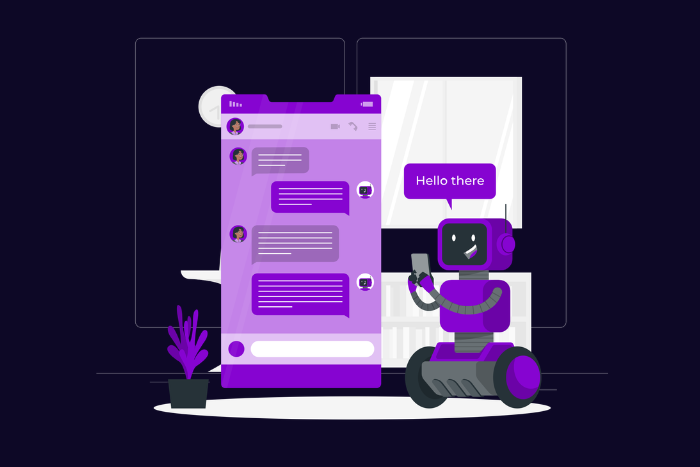
How Do I Develop an App for Chatbots? Learn how to develop an app for chatbots with features, tech stack, costs, and process. Build scalable AI chatbot apps for web and mobile. How Do I Develop an App for Chatbots? If you’re asking, “How do I develop an app for chatbots?”, you’re likely planning to leverage AI-powered conversational technology to improve customer engagement, automate support, or drive sales. Chatbot apps are no longer limited to simple scripted responses — modern AI chatbot applications use natural language processing (NLP), machine learning (ML), and generative AI models to deliver intelligent, human-like conversations across web and mobile platforms. Businesses across healthcare, fintech, retail, education, and SaaS are investing in chatbot app development to provide 24/7 support, reduce operational costs, and personalize user experiences at scale. However, building a chatbot app requires more than integrating a language model. It involves selecting the right AI architecture, designing conversation flows, ensuring data security, and building scalable infrastructure. This comprehensive guide explains how to develop an app for chatbots step-by-step — including solution types, features, development process, technology stack, cost factors, and emerging trends — so you can build a powerful, future-ready AI chatbot solution. Why This Chatbot App Development Service Is Important Developing an AI chatbot app delivers measurable business value: 24/7 Automated Customer Support – Reduce response time and improve user satisfaction. Cost Efficiency – Minimize dependency on large support teams. Lead Qualification & Sales Automation – Convert visitors into customers automatically. Personalized Conversations – Deliver tailored responses using AI insights. Operational Scalability – Handle thousands of conversations simultaneously. Data-Driven Insights – Gain analytics on user behavior and intent. Whether you’re building a customer service chatbot, AI virtual assistant, or enterprise conversational AI solution, a professionally developed chatbot app ensures reliability, scalability, and long-term ROI. Types of Chatbot App Development Solutions When planning how to develop an app for chatbots, choosing the right solution model is critical. Common chatbot app development solutions include: Conversational AI Chatbots – Intelligent bots powered by NLP and ML that understand natural language and maintain contextual conversations. Generative AI Chatbot Apps – Advanced chatbot applications using large language models (LLMs) to generate human-like responses dynamically. Hybrid Chatbots – A combination of rule-based flows and AI-driven responses for improved accuracy and control. Transactional (Task-Oriented) Chatbots – Designed to perform specific actions such as booking appointments, processing orders, or handling payments. Voice-Enabled Chatbot Apps – Integrated with speech recognition and text-to-speech for voice-based interactions. Multichannel & Omnichannel Chatbots – Deployable across websites, mobile apps, WhatsApp, Messenger, Slack, and other platforms. Enterprise AI Chatbots – Custom chatbot systems integrated with CRM, ERP, and internal business tools. Selecting the right chatbot architecture depends on your business goals, target audience, and integration requirements. Get Free Quotation Now..!! Key Features to Develop an App for Chatbots A high-performing chatbot app must include intelligent, scalable, and secure capabilities: Natural Language Understanding (NLU) – Interprets user intent accurately. Context Awareness – Maintains conversation flow and remembers prior inputs. Intent Recognition & Entity Extraction – Identifies keywords and relevant data points. Multilingual Support – Enables global accessibility. Omnichannel Deployment – Works across web, mobile, and messaging apps. CRM & API Integration – Syncs with third-party tools and business systems. AI Learning & Feedback Loop – Continuously improves from user interactions. Analytics Dashboard – Tracks engagement, response accuracy, and KPIs. Human Escalation Mechanism – Routes complex queries to live agents. Data Security & Compliance – Ensures encrypted communication and GDPR compliance. A feature-rich chatbot app improves customer experience while ensuring operational efficiency. Development Process Building a chatbot application requires a structured and agile development approach: Define Business Goals & Use CasesIdentify the chatbot’s purpose — customer support, sales automation, internal assistance, or lead generation. Choose the Right Chatbot ModelDecide between rule-based, AI-driven, or generative AI chatbot architecture. Design Conversation Flows & UXMap user journeys, conversational scenarios, and fallback responses. Select the Technology StackChoose NLP frameworks, backend technologies, and hosting platforms. Develop & Train the AI ModelTrain the chatbot using datasets, intents, and sample queries. Integration with APIs & SystemsConnect with CRM, payment gateways, ERP systems, or databases. Testing & Quality AssuranceConduct functional, performance, and security testing. Deployment & Platform LaunchDeploy across web, mobile apps, or messaging platforms. Monitoring & Continuous OptimizationAnalyze chatbot performance and refine conversation models. An iterative, agile methodology ensures ongoing improvement and faster go-to-market. Technology Stack for Chatbot App Development Choosing the right AI and development tools directly impacts chatbot performance and scalability. Frontend (Web & Mobile Apps):React.js, Angular, Vue.js, Flutter, React Native Backend Technologies:Node.js, Python (FastAPI, Django), .NET Core AI & NLP Frameworks:OpenAI API, Dialogflow, Microsoft Bot Framework, Rasa Machine Learning Libraries:TensorFlow, PyTorch, Scikit-learn Databases:PostgreSQL, MongoDB, Redis Cloud & Hosting:AWS, Microsoft Azure, Google Cloud Platform DevOps & Deployment:Docker, Kubernetes, CI/CD pipelines Selecting scalable cloud-native infrastructure ensures real-time performance and high availability. Cost Factors to Develop an App for Chatbots The cost to develop an AI chatbot app depends on multiple variables: Chatbot complexity (rule-based vs generative AI) Number of supported platforms (web, iOS, Android, messaging apps) AI model training requirements Third-party integrations Custom UI/UX design Security & compliance requirements Multilingual capabilities Ongoing maintenance and AI retraining A simple chatbot MVP costs significantly less than a fully integrated enterprise-grade AI chatbot platform. Clear project scoping and phased development reduce financial risk. Latest Trends in AI Chatbot App Development The chatbot ecosystem is evolving rapidly. Key trends include: Generative AI Integration – LLM-powered conversational experiences. Emotion & Sentiment Detection – AI-driven emotional intelligence. Voice & Multimodal Interaction – Combining text, voice, and visuals. AI Copilots for Businesses – Internal productivity assistants. Hyper-Personalization – Context-aware responses using behavioral data. Secure AI & Private LLMs – Enterprise-level data protection. Low-Code AI Chatbot Builders with Custom AI Layers Adopting emerging technologies ensures competitive advantage and long-term scalability. Why Choose Us to Develop Your AI Chatbot App? Developing a secure, intelligent chatbot app requires AI expertise, scalable architecture, and deep industry knowledge. We provide end-to-end chatbot app development services tailored to
What Are the App Development Frameworks?
What Are the App Development Frameworks? Discover what are the app development frameworks, types, comparisons, benefits, costs, and how to choose the right framework for your mobile app project. What Are the App Development Frameworks? If you’re planning to build a mobile or web application, one of the most important technical decisions you’ll face is selecting the right framework. Many businesses ask, “What are the app development frameworks, and which one should I choose for my project?” App development frameworks are structured software platforms that provide pre-written code libraries, reusable components, tools, APIs, and architectural patterns to simplify and accelerate application development. Instead of building applications from scratch, developers rely on frameworks to improve efficiency, maintain consistency, enhance security, and ensure scalability. The choice of framework directly impacts performance, user experience, development speed, long-term maintenance costs, and scalability. Whether you are developing a startup MVP, enterprise application, fintech platform, healthcare system, SaaS solution, or eCommerce mobile app, framework selection plays a critical role in success. Understanding what are the app development frameworks allows you to align your technical architecture with your business objectives, budget, and growth strategy. Why Understanding App Development Frameworks Is Important Selecting the right framework is not just a technical choice — it is a strategic business decision. Choosing an unsuitable framework can result in: Increased development costs Performance bottlenecks Security vulnerabilities Limited scalability Difficult maintenance and upgrades Poor user experience On the other hand, selecting the appropriate app development framework helps businesses: Reduce time-to-market Improve development productivity Ensure smoother updates and maintenance Enhance application performance Scale infrastructure efficiently Lower long-term operational expenses Frameworks determine how easily your app can integrate APIs, manage real-time data, handle high traffic, and support future feature expansion. A well-chosen framework ensures your app remains future-ready and adaptable in a rapidly evolving digital landscape. Types of App Development Frameworks When exploring what are the app development frameworks, it is essential to understand the different categories available. Native App Development FrameworksNative frameworks are platform-specific. They allow developers to build applications optimized exclusively for one operating system, such as iOS or Android. Native frameworks offer superior performance, smooth animations, and deep hardware integration. Cross-Platform App Development FrameworksCross-platform frameworks allow developers to write a single codebase and deploy it across multiple platforms like iOS and Android. They significantly reduce development time and cost while maintaining near-native performance. Hybrid App Development FrameworksHybrid frameworks combine web technologies like HTML, CSS, and JavaScript with native containers. These frameworks are ideal for rapid development but may have performance limitations compared to native apps. Progressive Web App (PWA) FrameworksPWA frameworks enable developers to build web applications that behave like mobile apps. They support offline functionality, push notifications, and home-screen installation. Low-Code / No-Code FrameworksThese frameworks provide visual development environments to accelerate app creation with minimal coding. They are suitable for prototyping and simple business applications. Each framework category offers advantages depending on performance expectations, customization needs, and budget constraints. Get Free Quotation Now..!! Key Features of Modern App Development Frameworks When evaluating what are the application development frameworks, look for these key features: Reusable components and modular architecture Cross-platform compatibility Strong community and ecosystem support High-performance rendering engines Secure API integrations Scalable architecture Built-in testing tools Seamless cloud integration Modern frameworks also support AI integrations, IoT connectivity, and real-time data synchronization. Development Process Project Requirement AnalysisIdentify target platforms, user base, performance expectations, and scalability goals. Framework Selection StrategyEvaluate native vs cross-platform frameworks based on business objectives. Architecture PlanningDesign scalable backend integration and modular app structure. UI/UX ImplementationUse framework components for responsive and interactive design. Backend & API IntegrationConnect databases, cloud services, and third-party systems. Testing & OptimizationPerform functional, performance, and security testing. Deployment & LaunchPublish on app stores or web platforms. Maintenance & UpdatesRegular upgrades to ensure compatibility and feature enhancement. Technology Stack Here are some widely used frameworks in modern mobile app development: Native Frameworks:SwiftUI (iOS), Jetpack Compose (Android) Cross-Platform Frameworks:Flutter, React Native, .NET MAUI, Kotlin Multiplatform Hybrid Frameworks:Ionic, Cordova Backend Frameworks:Node.js, Django, Spring Boot, .NET Core Database Solutions:PostgreSQL, MongoDB, Firebase Cloud Platforms:AWS, Azure, Google Cloud Each framework offers distinct advantages depending on project complexity and performance requirements. Cost Factors When Choosing App Development Frameworks Framework selection significantly influences development and maintenance costs. Primary cost factors include: Platform type (native vs cross-platform) App complexity Performance requirements Security standards Integration with third-party services Developer expertise availability Long-term maintenance strategy Development Budget Considerations Native development typically costs more due to separate codebases for iOS and Android. Cross-platform frameworks reduce development costs by sharing code. Hybrid frameworks offer faster deployment but may require performance optimization later. Low-code frameworks reduce initial cost but may increase customization expenses in complex apps. A strategic framework decision balances upfront development cost with long-term scalability. Latest Trends in App Development Frameworks (2025) The app development landscape continues to evolve rapidly. Emerging trends include: AI-integrated development workflows Unified cross-platform frameworks Increased demand for performance optimization Cloud-first application architecture Growth of low-code enterprise solutions Enhanced security frameworks Microservices-based app architecture Integration with wearables and IoT ecosystems Modern frameworks now prioritize speed, developer productivity, automation, and seamless deployment pipelines. Businesses increasingly prefer frameworks that allow rapid iteration without compromising performance. Why Choose Us for App Development Framework Consulting Selecting the right app development framework requires deep technical expertise and strategic planning. We help businesses: Analyze project requirements thoroughly Compare framework capabilities Optimize performance and scalability Reduce long-term maintenance costs Implement secure and scalable architectures Migrate from outdated frameworks Modernize legacy applications Align framework strategy with business growth goals Our team combines technical expertise with business strategy to ensure you choose the right framework for your digital product. Ready to select the best app development framework for your project?Contact us today for expert framework consultation and technical evaluation.Let’s build a scalable, high-performance application that drives measurable results. Get Free Quotation Now..!! Key Points : App development frameworks provide reusable components, tools, and libraries to streamline mobile and web app development. The main types of app development frameworks include native, cross-platform,

