
Explore cross-platform app performance benchmarks 2026, compare frameworks, optimize speed, and build high-performance mobile apps.
Introduction
In 2026, mobile users expect lightning-fast performance, seamless user experiences, and real-time responsiveness across devices. As businesses increasingly adopt cross-platform development, understanding cross-platform app performance benchmarks 2026 has become critical for making informed technology decisions.
Cross-platform frameworks such as Flutter, React Native, and Kotlin Multiplatform have evolved significantly, narrowing the performance gap between native and hybrid applications. However, performance still varies based on architecture, rendering engines, and integration strategies. Factors like app load time, UI responsiveness, CPU usage, memory efficiency, and frame rates now define the success of modern mobile applications.
By leveraging the right benchmarks and performance metrics, businesses can ensure their apps meet user expectations while optimizing development costs and time-to-market. This service helps you evaluate, measure, and optimize your app performance using the latest 2026 benchmarks—ensuring your cross-platform app performs at par with or even exceeds native standards.
Why Cross-platform App Performance Benchmarks 2026 is Important
Understanding performance benchmarks is no longer optional—it is a strategic necessity for delivering competitive mobile applications.
- Ensures Optimal User Experience
Benchmarking helps identify performance bottlenecks affecting app speed and usability. - Data-Driven Technology Decisions
Choose the right framework based on real-world performance metrics. - Improved App Stability
Reduce crashes, lags, and performance issues across devices. - Competitive Advantage
High-performing apps retain users and improve engagement. - Efficient Resource Utilization
Optimize CPU, GPU, and memory usage for better efficiency. - Scalability Readiness
Prepare apps to handle increased traffic and complex features.
Types of Solutions in Cross-platform App Performance Benchmarks 2026
We provide comprehensive benchmarking solutions tailored to different business needs:
- Framework Comparison Benchmarking
Evaluate performance differences between Flutter, React Native, and other frameworks. - UI Rendering Performance Testing
Analyze frame rates, animations, and UI smoothness. - App Load & Startup Time Testing
Measure cold start and warm start performance. - Memory & CPU Usage Analysis
Identify inefficiencies and optimize resource consumption. - Network Performance Testing
Evaluate API response times and data handling efficiency. - Real-Device Testing
Test apps across multiple devices and OS versions. - Scalability & Stress Testing
Assess app performance under high user loads. - On-Device vs Cloud Processing Benchmarking
Compare edge computing vs cloud-based processing performance.
Key Features of Cross-platform App Performance Benchmarks 2026
Our benchmarking service focuses on delivering actionable insights and measurable improvements:
- Comprehensive Performance Metrics
Detailed analysis of speed, responsiveness, and stability. - Real-World Scenario Testing
Simulate actual user conditions for accurate results. - Cross-Framework Comparison Reports
Side-by-side performance evaluation. - Optimization Recommendations
Practical strategies to improve app performance. - Device Fragmentation Coverage
Testing across multiple screen sizes and OS versions. - Automated Benchmarking Tools
Continuous monitoring and reporting systems. - Performance Scorecards
Clear benchmarks to track improvements over time. - Security & Efficiency Analysis
Identify risks impacting performance and data handling.
Development Process
- Requirement Analysis & Benchmark Goals
Define performance KPIs, target devices, and business objectives. - Framework & Architecture Review
Analyze current app architecture and technology stack. - Benchmark Setup & Tool Selection
Configure tools for performance measurement and testing. - Performance Testing Execution
Conduct tests for speed, responsiveness, and resource usage. - Data Collection & Analysis
Gather insights from multiple test scenarios. - Optimization Strategy Development
Identify performance gaps and recommend improvements. - Implementation & Re-Testing
Apply optimizations and validate improvements.
Technology Stack for Cross-platform App Performance Benchmarks 2026
Programming Languages: Dart, JavaScript, Kotlin, Swift
Frameworks: Flutter, React Native, .NET MAUI, Kotlin Multiplatform
Performance Tools: Firebase Performance Monitoring, Android Profiler, Xcode Instruments
Testing Tools: Appium, Selenium, Detox
Cloud Platforms: AWS, Google Cloud, Microsoft Azure
CI/CD Tools: Jenkins, GitHub Actions, Bitrise
Monitoring Tools: New Relic, Datadog
Analytics Tools: Google Analytics, Mixpanel
Cost Factors for Cross-platform App Performance Benchmarks 2026
Several factors influence the cost of performance benchmarking and optimization:
- App Complexity
More features require extensive testing and analysis. - Number of Platforms
Testing across Android, iOS, and web increases effort. - Framework Selection
Different frameworks require different optimization approaches. - Testing Tools & Infrastructure
Advanced tools may increase costs but improve accuracy. - Device Coverage
Testing on multiple devices adds to the cost. - Optimization Requirements
Extensive performance fixes may require additional development. - Team Expertise
Skilled engineers ensure accurate benchmarking and results.
Latest Trends
The mobile app landscape continues to evolve with new performance-driven innovations:
- Near-Native Performance Frameworks
Modern frameworks are closing the gap with native apps. - Edge Computing Integration
Faster processing through on-device computation. - AI-Powered Performance Optimization
Automated tools identifying performance issues. - GPU Acceleration in Mobile Apps
Enhanced graphics and processing capabilities. - Real-Time Monitoring Systems
Continuous performance tracking post-deployment. - 5G-Optimized Applications
Faster connectivity enabling high-performance apps. - Modular App Architectures
Improved scalability and maintainability.
Why Choose Us for Cross-platform App Performance Benchmarks 2026
Choosing the right partner can make a significant difference in your app’s performance and success.
Performance-First Approach
We prioritize speed, responsiveness, and user experience in every project.
Deep Cross-Platform Expertise
Extensive experience with modern frameworks and performance optimization.
Data-Driven Insights
We rely on real metrics—not assumptions—to guide decisions.
End-to-End Optimization
From benchmarking to implementation, we cover everything.
Scalable Solutions
Our strategies ensure your app performs well as it grows.
Advanced Tools & Technologies
We use cutting-edge tools for accurate performance analysis.
Transparent Process
Clear communication and detailed reporting at every stage.
Want to improve your app’s performance using the latest benchmarks?
Let’s optimize your cross-platform app for speed and scalability.
Contact us today to get started with expert benchmarking solutions.
Key Points :
- Cross-platform app performance benchmarks 2026 help businesses measure speed, responsiveness, and efficiency across modern frameworks
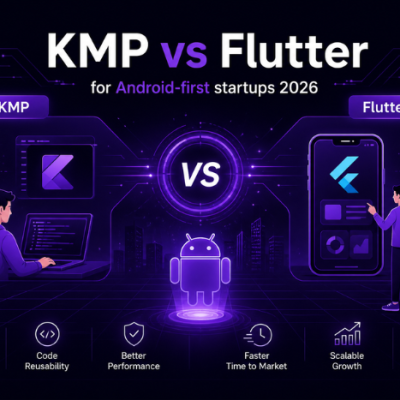
- Benchmarking enables data-driven decisions when choosing between Flutter, React Native, and other technologies
- Optimizing CPU, memory, and GPU usage improves user experience and reduces app crashes
- Real-device testing ensures consistent performance across multiple devices and operating systems
- Advanced tools and metrics help achieve near-native performance in cross-platform apps
FAQ's
They are standardized metrics used to measure app speed, responsiveness, and efficiency across different frameworks and devices.
Because users expect fast, smooth apps, and benchmarks help ensure your app meets those expectations.
Performance depends on use cases, but Flutter and Kotlin Multiplatform are known for near-native performance.
Yes, with proper optimization and modern frameworks, they can achieve near-native performance.
It depends on app complexity but typically ranges from a few days to a few weeks.
Yes, it identifies issues and provides actionable insights for optimization.