
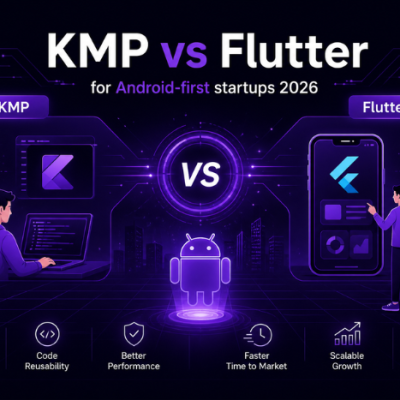

Explore Cross-platform vs Native apps: 2026 performance data, costs, scalability, speed, and development strategies for modern mobile success.


Introduction
As mobile app development evolves rapidly, businesses must make strategic decisions about the architecture powering their applications. One of the most critical choices is between native and cross-platform development. In 2026, performance benchmarks, development efficiency, scalability, and user experience have all become more advanced, making this decision more nuanced than ever.
Understanding Cross-platform vs Native apps: 2026 performance data is essential for startups, enterprises, and product owners seeking the best return on investment. Native apps offer unmatched performance, deep hardware integration, and superior optimization, while cross-platform solutions provide faster development cycles, broader market reach, and lower initial costs.
With frameworks like Flutter and React Native significantly improving, the performance gap is narrowing, but not disappearing entirely. Businesses must evaluate performance data, long-term maintenance, budget considerations, and user expectations before choosing the right path. This guide provides comprehensive insights into the latest performance trends, strategic considerations, and future-ready development solutions.
Why Cross-platform vs Native Apps: 2026 Performance Data is Important
Choosing the right app development model directly impacts product performance, scalability, operational costs, and customer satisfaction.
- Performance Optimization
Native apps deliver superior speed, responsiveness, and resource efficiency. - Cost Efficiency
Cross-platform solutions reduce initial development costs. - Faster Time-to-Market
Cross-platform frameworks accelerate deployment. - User Experience Quality
Native development offers smoother, more platform-specific interactions. - Scalability & Future Growth
Strategic architecture decisions improve long-term adaptability. - Market Competitiveness
Proper platform choice supports sustainable product success. - Maintenance Efficiency
Development architecture affects ongoing support complexity.
Types of Solutions for Cross-platform vs Native Apps: 2026 Performance Data
Different app types require different development approaches depending on complexity, performance demands, and business goals.
- Native iOS App Development
High-performance applications optimized for Apple devices. - Native Android App Development
Fully customized Android applications with maximum hardware access. - Flutter Cross-Platform Development
Unified codebase with near-native performance. - React Native Development
Flexible development with strong community support. - Progressive Web Apps (PWAs)
Lightweight alternatives for broad accessibility. - Hybrid Enterprise Applications
Cost-effective solutions for business operations. - Gaming & AR/VR Apps
Native solutions for resource-intensive applications. - MVP & Startup Apps
Cross-platform development for faster validation.
Key Features of Cross-platform vs Native Apps: 2026 Performance Data
Modern app development requires evaluating several essential performance and business metrics.
- Processing Speed
Native apps outperform in computationally intensive tasks. - UI/UX Fluidity
Native delivers superior animations and responsiveness. - Hardware Integration
Native offers full device feature access. - Development Speed
Cross-platform significantly shortens build time. - Code Reusability
Cross-platform enables shared development resources. - Maintenance Costs
Unified codebases simplify updates. - Security Compliance
Native apps often offer stronger security customization. - Scalable Architecture
Both approaches can scale with proper planning.
Development Process
A structured development strategy ensures businesses choose the most suitable architecture.
- Business Goal Analysis
Defining performance, budget, and timeline priorities. - Market & User Research
Understanding audience expectations and platform preferences. - Technical Feasibility Assessment
Evaluating app complexity and required hardware integration. - Framework or Native Stack Selection
Choosing the optimal development path. - UI/UX Design & Prototyping
Building platform-specific or universal experiences. - Development & Testing
Ensuring performance benchmarks are met. - Deployment & Optimization
Launching with continuous updates and performance monitoring.
Technology Stack for Cross-platform vs Native Apps: 2026 Performance Data
Modern mobile solutions leverage advanced development ecosystems:
Native iOS: Swift, Objective-C, Xcode
Native Android: Kotlin, Java, Android Studio
Cross-Platform Frameworks: Flutter, React Native, Xamarin
Backend Technologies: Node.js, Python, Firebase
Cloud Platforms: AWS, Azure, Google Cloud
Databases: PostgreSQL, MongoDB, Firebase Firestore
DevOps Tools: Docker, Kubernetes, Jenkins
Analytics & Monitoring: Firebase Analytics, New Relic, AppDynamics


Cost Factors for Cross-platform vs Native Apps: 2026 Performance Data
Development architecture significantly impacts project budgeting.
- Initial Development Cost
Native apps generally require higher upfront investment. - Framework Licensing & Dependencies
Cross-platform tools may introduce framework reliance. - Maintenance Complexity
Native apps may require separate update pipelines. - Testing Requirements
Multi-platform testing impacts QA costs. - Scalability Infrastructure
Advanced apps may demand greater backend resources. - Performance Optimization
High-end functionality may increase native costs. - Developer Expertise
Specialized native developers often command higher rates.
Latest Trends
The mobile ecosystem is rapidly evolving with new trends shaping app development choices.
- Flutter Performance Improvements
Closing the native performance gap. - AI-Powered App Experiences
Advanced AI features influencing architecture needs. - Foldable Device Optimization
New hardware categories requiring adaptive frameworks. - Edge Computing Integration
On-device processing demands higher performance. - Low-Code Development Expansion
Accelerating app deployment cycles. - 5G-Enhanced Mobile Performance
Driving richer app experiences. - Security-First Development
Increasing focus on compliance and data privacy. - Composable App Architecture
Modular design improving scalability.
Why Choose Us for Cross-platform vs Native Apps: 2026 Performance Data
Selecting the right development strategy requires technical expertise, business insight, and future-focused planning.
Strategic Architecture Consulting
We help businesses choose the best platform based on measurable performance data.
Native & Cross-Platform Expertise
Deep experience across Flutter, React Native, iOS, and Android ecosystems.
Cost-Optimized Solutions
We balance speed, quality, and scalability to maximize ROI.
Performance-Driven Development
Our solutions prioritize user experience, responsiveness, and reliability.
Scalable Growth Planning
We build apps designed for future expansion and technological evolution.
Transparent Development Process
Clear milestones, communication, and measurable outcomes.
Long-Term Support
Ongoing optimization, maintenance, and architecture scaling.
We empower businesses to build high-performance mobile apps that align with evolving 2026 market demands.
Ready to choose the right mobile app architecture for your business?
Let’s build scalable, high-performance apps backed by real 2026 performance data.
Contact us today for expert mobile app strategy and development.
Key Points :
- Cross-platform vs Native apps: 2026 performance data helps businesses choose the right development strategy.
- Native apps deliver superior speed, security, and hardware integration.
- Cross-platform frameworks reduce development costs and accelerate time-to-market.
- Flutter and React Native continue closing the performance gap in 2026.
- AI, edge computing, and foldable devices are reshaping mobile development priorities.
- Startups often benefit from cross-platform solutions for faster market validation.
FAQ's
Native apps generally offer better performance, but modern cross-platform frameworks have significantly narrowed the gap.
Yes, Flutter offers near-native performance for many app categories, especially standard business apps.
Typically, yes, due to separate codebases and platform-specific development.
Often yes, because it reduces development time and initial costs.
Cross-platform apps often provide easier maintenance due to a unified codebase.
Extremely important, as it directly affects user satisfaction, retention, and long-term scalability.