

Building AI Apps with Gemini Nano on Android 2026 Discover how building AI apps with Gemini Nano on Android 2026 improves privacy, speed, scalability, and on-device intelligence. Introduction Artificial intelligence is rapidly transforming Android app development, and Gemini Nano is leading the next generation of on-device AI innovation. As Google continues expanding its AI ecosystem, businesses and developers are increasingly focused on building AI apps with Gemini Nano on Android 2026 to create faster, smarter, and more secure mobile experiences. Gemini Nano enables Android applications to process advanced AI tasks directly on-device without constant cloud dependency. This advancement significantly improves performance, user privacy, offline functionality, and operational efficiency. From intelligent chatbots and voice assistants to personalized recommendations and real-time automation, Gemini Nano empowers developers to build cutting-edge AI-powered mobile applications. For startups, enterprises, and product teams aiming to stay competitive, understanding how to leverage Gemini Nano effectively is essential. Building AI-powered Android apps with Gemini Nano not only enhances user experience but also reduces latency, supports edge AI, and creates scalable mobile solutions tailored for the future of Android development. Why Building AI Apps with Gemini Nano on Android 2026 is Important As AI becomes a core component of mobile innovation, Gemini Nano provides a major competitive advantage for Android businesses and developers. Enhanced User PrivacyOn-device AI processing minimizes sensitive data exposure. Lower LatencyReal-time responses improve app speed and user satisfaction. Offline AI CapabilitiesAI features continue functioning without internet access. Reduced Cloud CostsLess dependency on server infrastructure lowers operational expenses. Better PersonalizationAI can adapt instantly based on user behavior. Improved SecurityData remains on-device for safer AI processing. Scalable AI ExperiencesSupports widespread adoption across Android ecosystems. Types of Solutions for Building AI Apps with Gemini Nano on Android 2026 Gemini Nano can support a wide variety of AI-powered Android solutions: AI Chatbots & Virtual AssistantsIntelligent conversations, contextual help, and productivity features. Smart Productivity AppsEmail summarization, scheduling, and content generation. Voice Recognition ApplicationsEnhanced speech-to-text and natural voice commands. Healthcare Mobile AppsSymptom monitoring, patient support, and wellness tracking. Finance & Security AppsFraud detection, spending analysis, and secure authentication. E-commerce PersonalizationProduct recommendations and shopping optimization. Education AppsPersonalized tutoring, language learning, and interactive study tools. On-Device Automation AppsSmart routines and personalized system controls. Get Free Quotation Now..!! Key Features of Building AI Apps with Gemini Nano on Android 2026 Gemini Nano introduces several powerful capabilities for Android AI app development: On-Device Generative AISupports advanced AI tasks locally. Low-Latency PerformanceFaster AI execution for responsive experiences. Privacy-First DesignUser data remains secure on-device. Android AI Edge SDK IntegrationSeamless deployment with Android systems. Energy OptimizationEfficient AI workloads designed for mobile battery life. Natural Language ProcessingEnhanced text generation and understanding. Multimodal AI PotentialSupports broader future AI functionalities. Scalable AI DeploymentFlexible integration across devices and industries. Development Process Successfully building Gemini Nano-powered Android apps requires a strategic approach: Requirement AnalysisDefine AI goals, user needs, and target outcomes. Use Case SelectionIdentify where on-device AI delivers the highest value. UI/UX PlanningDesign intuitive AI-driven mobile experiences. Gemini Nano API IntegrationImplement ML Kit GenAI APIs and Android AI Edge SDK. Model OptimizationFine-tune performance for mobile efficiency. Security & Privacy ConfigurationEnsure compliance with modern data protection standards. Testing & Performance ValidationEvaluate speed, battery use, and user experience. Deployment & MonitoringLaunch and optimize continuously. Technology Stack for Building AI Apps with Gemini Nano on Android 2026 Modern Gemini Nano Android applications leverage advanced technologies: Programming Languages: Kotlin, Java, PythonMobile Frameworks: Android SDK, Jetpack ComposeAI Frameworks: Gemini Nano, TensorFlow Lite, ML Kit GenAI APIsCloud Integration: Firebase, Google CloudDevelopment Tools: Android Studio, AICoreDatabase Solutions: Room, Firebase FirestoreSecurity Tools: Android Keystore, encryption APIsDevOps: Docker, CI/CD pipelines Cost Factors for Building AI Apps with Gemini Nano on Android 2026 Several elements influence project costs: App ComplexityMore advanced AI features increase development time. Gemini Nano Integration ScopeAPI depth impacts implementation cost. Custom Model DevelopmentSpecialized AI requires additional resources. Security RequirementsCompliance adds complexity. UI/UX SophisticationAI-enhanced interfaces may require more design work. Testing & OptimizationPerformance tuning for multiple devices. Maintenance & UpdatesContinuous adaptation for Android ecosystem changes. Team ExpertiseSkilled AI and Android developers influence investment levels. Latest Trends Key trends shaping Gemini Nano Android development in 2026 include: Edge AI ExpansionMore applications rely on local AI processing. Generative AI IntegrationReal-time content generation becomes mainstream. AI-Enhanced Productivity ToolsSmarter workplace mobile apps. Multimodal Mobile AIVoice, text, and image intelligence convergence. Battery-Efficient AI ModelsPerformance with lower energy use. Personalized AI AssistantsHyper-contextual mobile experiences. Enterprise Mobile AIBusiness workflows powered by secure AI apps. Why Choose Us for Building AI Apps with Gemini Nano on Android 2026 Building AI-powered Android apps requires specialized expertise in mobile architecture, AI integration, and performance optimization. Gemini Nano Expertise Deep knowledge of Android AI frameworks and Gemini Nano integration. Privacy-First Development We prioritize secure, on-device intelligence solutions. Scalable Mobile Architecture Apps designed for long-term performance and growth. Cost-Effective Solutions Efficient development strategies that maximize ROI. Advanced AI Optimization Performance tuning for speed, battery, and responsiveness. Industry-Specific Solutions Customized AI mobile apps for healthcare, finance, retail, and more. Transparent Collaboration Clear communication throughout development. Future-Ready Innovation Solutions aligned with emerging Android AI advancements. We help businesses transform Android applications into intelligent, competitive, and scalable AI products. Ready to build next-generation Android AI apps with Gemini Nano?Let’s create secure, high-performance mobile solutions for your business.Contact us today for expert AI app development consultation. Get Free Quotation Now..!! Key Points : Reduces cloud dependency, lowering costs and improving performance. Delivers low-latency AI for chatbots, voice, and recommendations. Enhances data security with on-device processing. Simplifies development using Android AI Edge SDK and ML Kit. Supports scalable, future-ready mobile AI solutions. Provides a strong competitive advantage in Android AI development. FAQ’s What is Gemini Nano in Android development? Gemini Nano is Google’s on-device AI model designed to enable advanced AI features directly on Android devices. Why should businesses build AI apps with Gemini Nano? It improves privacy, speed, offline capabilities, and reduces cloud infrastructure costs. What types of apps benefit most from Gemini Nano? Chatbots, productivity apps, healthcare, finance, education, and e-commerce apps. Is Gemini Nano secure

Android 16 New Features for Developers 2026
Android 16 New Features for Developers 2026 Explore Android 16 new features for developers 2026, including AI tools, adaptive UI, privacy updates, performance boosts, and app innovation. Introduction Android 16 introduces one of the most significant platform evolutions in recent years, delivering powerful new capabilities for developers building next-generation mobile applications. With enhanced AI integration, adaptive user interfaces, expanded privacy controls, improved performance optimization, and stronger multi-device ecosystem support, Android 16 is reshaping how developers design, build, and scale Android applications in 2026. Understanding Android 16 new features for developers 2026 is essential for businesses, startups, and software teams aiming to remain competitive in an increasingly sophisticated mobile environment. From foldable devices and larger-screen optimization to advanced Jetpack Compose enhancements, predictive gestures, granular permissions, and smarter AI-powered app experiences, Android 16 offers opportunities to create more intelligent, secure, and engaging applications. For organizations looking to future-proof their Android strategy, adopting Android 16 features early can improve user retention, accelerate innovation, and streamline compliance with evolving Google Play requirements. This guide explores the latest Android 16 developer capabilities, strategic implementation paths, cost factors, and emerging trends shaping Android app development in 2026. Why Android 16 New Features for Developers 2026 is Important Android 16 introduces strategic platform changes that directly impact product quality and market success. Improves App PerformanceEnhanced system optimizations increase speed and efficiency. Supports Adaptive ExperiencesBetter compatibility across foldables, tablets, and large screens. Strengthens SecurityAdvanced privacy and permission controls protect users. Expands AI IntegrationSmarter app experiences improve functionality. Boosts User RetentionModernized UX increases engagement. Ensures Google Play ComplianceEarly adoption reduces marketplace risks. Future-Proofs App DevelopmentAligns businesses with next-generation Android ecosystems. Types of Solutions for Android 16 New Features for Developers 2026 Android 16 innovations support a wide range of application strategies. AI-Powered Mobile ApplicationsSmarter automation and personalized user experiences. Adaptive Enterprise AppsLarge-screen and multi-device optimized solutions. Foldable & Tablet ApplicationsEnhanced responsive architectures. Consumer Productivity AppsImproved workflows with modern UI frameworks. eCommerce & Fintech PlatformsAdvanced security and seamless interactions. Healthcare & Compliance AppsPrivacy-first application ecosystems. Gaming & Multimedia AppsPerformance-optimized immersive experiences. Cross-Device Ecosystem ApplicationsSeamless Android device continuity. Get Free Quotation Now..!! Key Features of Android 16 New Features for Developers 2026 Android 16 provides critical new capabilities for modern app innovation. Adaptive Orientation & Resizability APIsBetter support for diverse device categories. Jetpack Compose Performance EnhancementsFaster, smoother UI development. AI-Powered App ActionsSmarter contextual automation. Granular Privacy ControlsExpanded user permission governance. Enhanced Predictive Back NavigationImproved navigation consistency. Multi-Device ContinuityCross-device workflows. Advanced Notification ManagementMore intelligent engagement systems. Expanded Camera & Hardware APIsDeeper native capabilities. Development Process Implementing Android 16 successfully requires structured technical planning. Platform Feature AssessmentEvaluating relevant Android 16 opportunities. App Architecture ModernizationUpdating systems for adaptive compatibility. UI/UX RedesignOptimizing for foldables, tablets, and modern gestures. AI & Automation IntegrationLeveraging platform intelligence. Security & Privacy ComplianceAligning with new governance requirements. Testing Across DevicesEnsuring compatibility across Android ecosystems. Deployment & Continuous MonitoringSupporting long-term product optimization. Technology Stack for Android 16 New Features for Developers 2026 Modern Android 16 development relies on advanced ecosystems: Programming Languages: Kotlin, JavaFrameworks: Jetpack Compose, Android SDK, Material 3AI Tools: Google AI APIs, TensorFlow Lite, ML KitCloud Platforms: Firebase, Google Cloud, AWSDevOps Tools: GitHub Actions, Jenkins, DockerTesting Tools: Espresso, Appium, Firebase Test LabSecurity Tools: Play Integrity API, OAuth, Firebase AuthAnalytics Platforms: Firebase Analytics, Crashlytics Cost Factors for Android 16 New Features for Developers 2026 Adopting Android 16 capabilities may affect budgeting based on implementation complexity. UI/UX Redesign ScopeAdaptive interfaces may require redesign investments. AI Feature DevelopmentAdvanced automation increases costs. Testing Across DevicesFoldables and large-screen optimization add QA complexity. Security CompliancePrivacy enhancements may require architectural upgrades. Performance OptimizationLegacy apps may need modernization. Developer Skill RequirementsAdvanced Android expertise impacts rates. Maintenance & Continuous UpdatesOngoing adaptation to ecosystem evolution. Latest Trends Android development is evolving rapidly with major innovations. AI-First Mobile ExperiencesIntelligent app ecosystems. Large-Screen OptimizationFoldables and tablets becoming mainstream. Predictive UI NavigationSmarter user experiences. Privacy-Centric DevelopmentGreater regulatory alignment. Cross-Device Android EcosystemsSeamless continuity growth. Composable UI DominanceJetpack Compose expansion. Real-Time Contextual AppsAI-driven dynamic functionality. Edge AI ProcessingOn-device intelligence growth. Why Choose Us for Android 16 New Features for Developers 2026 Successfully leveraging Android 16 requires advanced technical execution and strategic planning. Deep Android Expertise Specialized experience across evolving Android ecosystems. Performance-Driven Development Optimized apps for speed, scalability, and retention. AI & Adaptive Design Leadership Future-ready mobile innovation. Security & Compliance Excellence Aligning with modern privacy standards. Cost-Efficient Modernization Maximizing ROI through strategic upgrades. Transparent Development Process Clear milestones and measurable outcomes. Long-Term Product Evolution Building Android applications designed for future growth. We help businesses transform Android applications into next-generation digital products powered by Android 16 innovation. Ready to modernize your Android app with Android 16 features?Let’s build smarter, faster, and more adaptive Android experiences.Contact us today for expert Android 16 development solutions. Get Free Quotation Now..!! Key Points : Android 16 introduces stronger privacy and security APIs, helping developers build safer apps with reduced data exposure. Better support for foldables, tablets, and large-screen devices Improved performance tools for CPU, GPU, and battery optimization Enhanced media APIs for camera, video, and HDR features Smarter notifications and real-time Live Updates system AI-powered system features for better app personalization FAQ’s Why is adaptive design important in Android 16? It improves compatibility across foldables, tablets, and evolving device categories. Does Android 16 improve app security? Yes, through stronger permissions, privacy controls, and integrity frameworks. Should existing apps upgrade for Android 16? Yes, to maintain competitiveness, compliance, and user experience quality. How does Android 16 support AI integration? Through smarter APIs, automation capabilities, and contextual app actions. Is Jetpack Compose more important in Android 16? Yes, Compose continues to become central to Android UI strategy. How can businesses prepare for Android 16? By auditing apps, modernizing architecture, and adopting adaptive, privacy-first development practices. Get Free Quotation Now..!!

Android 16 Privacy Changes: Impact on Ad Revenue
Android 16 Privacy Changes: Impact on Ad Revenue Explore Android 16 privacy changes impact on ad revenue, tracking limits, monetization shifts, and how developers adapt to new ad policies. Introduction The rollout of Android 16 has introduced a major shift in how user privacy is handled across the Android ecosystem, directly reshaping the digital advertising landscape. The topic of Android 16 privacy updates is now critical for app developers, marketers, publishers, and ad-tech companies that rely heavily on behavioral targeting and personalized ads for revenue generation. With Android 16, Google continues its long-term direction toward stronger privacy controls, reduced tracking capabilities, and greater transparency in how user data is accessed. These changes affect identifiers, cross-app tracking, background data collection, and ad personalization signals. As a result, traditional advertising models that depend on third-party tracking are becoming less effective. For mobile app developers and businesses monetizing through ads, this means a fundamental shift in strategy. Ad impressions alone are no longer enough—contextual advertising, first-party data, and privacy-compliant targeting methods are becoming essential. Understanding these privacy changes helps businesses prepare for reduced tracking accuracy, fluctuating CPM rates, and changes in ad personalization effectiveness. At the same time, it opens opportunities for privacy-first advertising models, AI-driven contextual ads, and improved user trust. Why Android 16 Privacy Changes: Impact on Ad Revenue is Important The Android 16 update directly affects how digital advertising ecosystems function on mobile devices. Reduced User Tracking CapabilitiesLimits traditional ad targeting methods based on behavioral data. Shift in Revenue ModelsDevelopers must rely more on contextual and first-party data monetization. Impact on Ad PerformanceLower tracking accuracy can reduce ad relevance and CTR. Regulatory AlignmentStrengthens compliance with global privacy expectations. Advertiser Strategy ChangesRequires new bidding, targeting, and attribution models. Increased Importance of User TrustPrivacy-focused apps gain higher retention and engagement. Types of Solutions for Android 16 Privacy Changes: Impact on Ad Revenue Businesses are adapting to Android 16 changes through multiple monetization approaches: Contextual Advertising Solutions Ads based on app content instead of user tracking Keyword and behavior-in-session targeting Improved privacy compliance First-Party Data Strategies Collection of user data with explicit consent CRM-based personalization models Loyalty and subscription-based insights Privacy-First Ad Networks Reduced reliance on third-party identifiers Aggregated and anonymized reporting systems Consent-driven ad delivery Hybrid Monetization Models Combination of ads + subscriptions In-app purchases + rewarded ads Balanced revenue diversification AI-Based Ad Optimization Machine learning for contextual ad placement Predictive engagement modeling Real-time ad performance optimization Get Free Quotation Now..!! Key Features of Android 16 Privacy Changes: Impact on Ad Revenue The Android 16 update introduces several important system-level updates: Stronger Privacy Controls Reduced access to device-level identifiers Limited cross-app tracking capabilities Improved Permission Transparency Users gain more control over data sharing Clearer permission prompts and dashboards Restricted Background Tracking Limits continuous data collection in apps Reduces passive user behavior tracking Safer Ad Attribution Models Privacy-preserving conversion tracking Aggregated reporting instead of user-level tracking Enhanced User Consent Systems Explicit opt-in for personalized ads Better control over ad preferences Context-Based Targeting Support Shift toward on-device contextual signals Less dependency on external tracking systems Development Process To adapt to Android 16 changes, developers should follow a structured approach: Privacy Impact AssessmentEvaluate how the update affects current monetization models. Ad Revenue Dependency AuditIdentify reliance on tracking-based revenue sources. Strategy RedesignShift toward contextual or hybrid monetization. SDK and Ad Network UpdatesIntegrate privacy-compliant ad systems. First-Party Data ImplementationBuild consent-based data collection pipelines. Testing & OptimizationMeasure changes in CPM and CTR performance. Continuous MonitoringTrack revenue trends and adjust strategy. Technology Stack for Android 16 Privacy Changes: Impact on Ad Revenue Modern ad monetization systems use advanced technologies: Programming Languages: Kotlin, JavaAd Platforms: Google AdMob, Meta Audience Network, Unity AdsAnalytics Tools: Firebase Analytics, GA4Data Processing: BigQuery, Apache SparkAI/ML Tools: TensorFlow, PyTorch, Vertex AIBackend Systems: Node.js, Spring BootConsent Tools: CMP frameworks, privacy SDKsCloud Platforms: AWS, Google Cloud, Azure Cost Factors for Android 16 Privacy Changes: Impact on Ad Revenue The Android 16 privacy changes: Impact on ad revenue introduces several cost implications: Revenue Fluctuation RiskReduced tracking may initially lower ad performance. Migration CostsUpdating ad SDKs and privacy frameworks. Infrastructure CostsFirst-party data systems require backend investment. Compliance CostsEnsuring adherence to privacy regulations. AI Integration CostsImplementing contextual and predictive ad systems. Testing & Optimization CostsContinuous experimentation for revenue recovery. Latest Trends The advertising ecosystem is rapidly evolving due to Android 16 privacy changes: Impact on ad revenue: Rise of Contextual AdvertisingAds based on app content instead of user tracking. First-Party Data MonetizationDirect user relationships replacing third-party tracking. Privacy-Centric Ad NetworksNew ad platforms focusing on anonymized data. AI-Driven Ad OptimizationMachine learning replacing traditional targeting methods. Subscription + Ad Hybrid ModelsDiversified revenue streams for stability. Cookieless Mobile AdvertisingIndustry-wide shift away from persistent identifiers. Why Choose Us We help businesses adapt to Android 16 privacy changes: Impact on ad revenue with future-ready monetization and privacy-compliant ad solutions. Privacy-First Monetization Strategy We design ad systems aligned with Android 16 privacy standards. Revenue Optimization Expertise Improve ad performance using AI-driven and contextual strategies. Scalable Ad Infrastructure Build systems that adapt to evolving privacy rules. Compliance-Driven Development Ensure full alignment with global privacy regulations. Advanced AdTech Integration Integrate modern SDKs and privacy-safe tracking systems. End-to-End Support From strategy planning to implementation and optimization. Ready to protect and grow your ad revenue in Android 16?Let’s build a privacy-first monetization strategy for your app.Contact us today to optimize your mobile ad performance. Get Free Quotation Now..!! Key Points : Android 16 privacy changes reduce cross-app tracking and limit user-level data collection. Ad revenue is impacted due to lower targeting accuracy and reduced personalization signals. Contextual advertising becomes more important as behavioral tracking decreases. First-party data strategies are now essential for maintaining stable ad performance. Privacy-focused ad models improve user trust but require new monetization approaches. AI-driven ad optimization helps recover performance under privacy restrictions. FAQ’s Will Android 16 reduce ad revenue? It may initially impact revenue due to reduced tracking, but new models like contextual ads can balance losses. How does Android 16 affect ad tracking? It limits

Google Play Billing Policy Update April 2026 India
Google Play Billing Policy Update April 2026 India Understand Google Play billing policy update April 2026 India, compliance changes, payment rules, developer impact, and monetization updates. Introduction The Google Play billing policy update April 2026 India introduces major changes in how Android developers manage in-app purchases, subscriptions, and digital monetization. With India’s rapidly growing mobile economy and evolving regulatory environment, Google has updated its billing framework to improve transparency, flexibility, and compliance. This update is especially important for developers, startups, and enterprises relying on app monetization. It affects how payments are processed, how alternative billing options are handled, and how revenue flows are managed within Android applications. India is one of the largest mobile-first markets, and these changes aim to create a more balanced ecosystem for both users and developers. Businesses now need to rethink their monetization strategies and ensure compliance with updated billing rules. Overall, this policy shift is not just a technical adjustment but a strategic transformation in mobile app revenue models, requiring careful implementation and planning. Why Google Play Billing Policy Update April 2026 India is Important This policy update plays a key role in shaping the Android monetization ecosystem in India. Regulatory Compliance in IndiaAligns billing systems with updated digital payment guidelines. Expanded Payment FlexibilityDevelopers can explore alternative billing methods. Revenue OptimizationMultiple monetization options improve earning potential. User Payment ConvenienceMore localized and accessible payment options. Developer FreedomReduced dependency on a single billing system. Market Competition GrowthEncourages innovation in payment ecosystems. Types of Solutions (Google Play Billing Policy Update April 2026 India) Google Play Billing System Standard system for in-app purchases Required for most digital goods Built-in subscription management Alternative Billing Options Third-party payment gateway integration Regional payment systems in India Flexible checkout experiences Hybrid Billing Model (Most Common) Combination of Google billing and external systems Flexible transaction-based usage Balanced compliance and revenue optimization Subscription-Based Monetization Monthly and yearly subscription models Automated renewal systems Premium content access Enterprise Billing Solutions API-driven billing architecture Large-scale payment orchestration Custom enterprise monetization systems Get Free Quotation Now..!! Key Features of Google Play Billing Policy Update April 2026 India Expanded Payment Flexibility Multiple billing methods supported Integration with local payment systems Improved Transparency Clear pricing and transaction visibility Better user understanding Developer Control More flexibility in billing design Better pricing strategy control Regulatory Alignment Designed for Indian compliance requirements Reduced legal risks Subscription Enhancements Improved lifecycle management Better cancellation handling Security Improvements Enhanced fraud prevention systems Secure transaction processing Development Process Implementing changes under the Google Play billing policy update April 2026 India requires structured execution: Policy Analysis & Compliance ReviewUnderstand updated requirements and restrictions. Monetization Strategy PlanningChoose between Google billing, hybrid, or alternative models. Payment Integration DesignArchitect multiple billing system support. API ImplementationIntegrate billing libraries and gateways. Testing & ValidationEnsure secure and accurate payment flow. Deployment & MonitoringRelease updates with performance tracking. Optimization & UpdatesImprove conversion and payment efficiency. Technology Stack Modern billing systems under this policy include: Programming Languages: Kotlin, Java, PythonBilling Systems: Google Play Billing Library, Stripe, RazorpayBackend: Node.js, Spring BootDatabases: PostgreSQL, Firebase, MongoDBCloud Platforms: AWS, Google Cloud, AzureSecurity Tools: OAuth, JWT, EncryptionAnalytics: Google Analytics, Firebase AnalyticsDevOps: Docker, Kubernetes, CI/CD Cost Factors The policy update impacts cost structures in several ways: Integration CostsMulti-billing support increases development effort. Transaction FeesVary based on payment providers. Compliance CostsOngoing legal and policy adherence. Maintenance CostsRegular updates for billing systems. Infrastructure CostsScalable backend requirements. Development ExpertiseSkilled engineers required for secure implementation. Latest Trends Key trends emerging from this billing update include: Multi-Billing SystemsApps support multiple payment providers. UPI & Local Payments GrowthStrong shift toward Indian payment methods. Subscription Economy ExpansionSubscription models dominate app monetization. Regulatory-Driven ChangesBilling systems evolving with policy updates. Frictionless Checkout ExperienceFaster in-app payment flows. AI-Based Fraud DetectionSmarter payment security systems. Why Choose Us We help businesses adapt to the Google Play billing policy update April 2026 India with secure, scalable, and compliant solutions. Expert Billing Integration We implement Google and alternative billing systems efficiently. Compliance-First Approach Ensure full alignment with latest policy requirements. Scalable Monetization Architecture Future-ready billing systems designed for growth. Secure Payment Infrastructure Strong protection for all transactions. Performance Optimization Improve conversions and reduce payment failures. End-to-End Support From planning to deployment and optimization. Want to upgrade your app monetization system for 2026?Let’s build a secure and scalable billing solution for your business.Contact us today for expert implementation support. Get Free Quotation Now..!! Key Points : Developers can now use hybrid billing models combining Google Play billing and third-party payment systems. The update improves monetization options for apps in India’s fast-growing digital market. Compliance with new billing rules is mandatory to avoid policy violations and app restrictions. Subscription-based apps gain better control over pricing, renewals, and user payments. usinesses need to redesign their monetization strategy to adapt to evolving Android billing ecosystems in 2026. FAQ’s Does this update allow third-party payments? Yes, in many cases developers can use alternative billing systems alongside Google Play billing. How does this affect app developers in India? It gives more monetization flexibility but requires compliance with updated policies. Is Google Play billing still mandatory? For many digital goods, yes, but alternative options may now be available. Do developers need to update existing apps? Yes, billing systems may require updates to comply with new rules. Will this reduce transaction fees? It may allow developers to optimize costs using alternative payment providers. Is this update specific to India only? Yes, it is tailored for the Indian digital market and regulatory environment. Get Free Quotation Now..!!
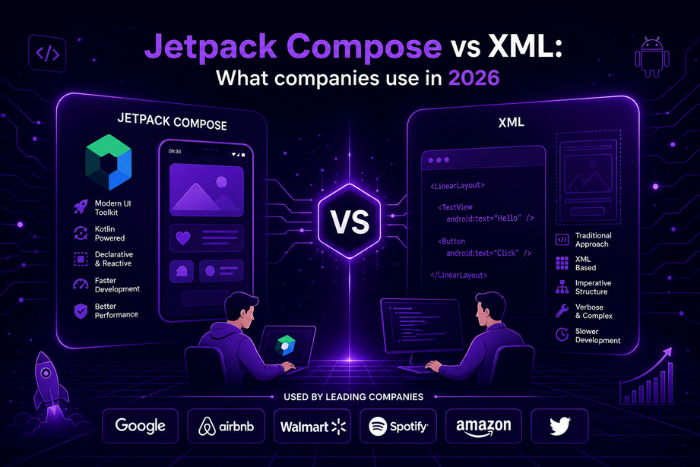
Jetpack Compose vs XML: What Companies Use in 2026
Jetpack Compose vs XML: What Companies Use in 2026 Explore Jetpack Compose vs XML: What companies use in 2026, differences, adoption trends, and how modern Android apps are built today. Introduction The debate around Jetpack Compose vs XML: What companies use in 2026 has become one of the most important discussions in Android development. As mobile applications evolve toward faster performance, cleaner architectures, and more dynamic user interfaces, companies are actively rethinking their UI development strategies. XML has been the backbone of Android UI development for years. It is stable, widely supported, and deeply integrated into legacy systems. However, it is also verbose and requires significant boilerplate code, which slows down development and increases maintenance complexity. Jetpack Compose introduces a modern, declarative UI approach built on Kotlin, enabling developers to design interfaces more efficiently with less code and better scalability. It simplifies state management and accelerates UI development cycles. In 2026, companies are not simply replacing XML with Compose. Instead, they are strategically evaluating Jetpack Compose vs XML: What companies use in 2026 based on product requirements, team expertise, and long-term scalability goals. Most real-world applications now use a hybrid approach where both technologies coexist. Why Jetpack Compose vs XML: What Companies Use in 2026 is Important Understanding Jetpack Compose vs XML is critical for making informed architectural decisions in Android development. Faster Development CyclesJetpack Compose reduces UI boilerplate and accelerates development speed. Improved Developer ProductivityKotlin-based declarative UI simplifies coding and maintenance. Legacy System CompatibilityMany enterprises still rely on XML-based UI structures. Better Performance OptimizationCompose improves rendering efficiency and UI responsiveness. Strategic Technology PlanningCompanies align UI frameworks with long-term product goals. Hiring and Skill AvailabilityDeveloper expertise influences adoption of Compose or XML. Types of Solutions in Jetpack Compose vs XML: What Companies Use in 2026 Full Jetpack Compose Adoption New Android apps built from scratch using Compose AI-driven apps with dynamic UI updates Fast-scaling startup products Hybrid UI Approach (Most Common in 2026) XML used for legacy screens Jetpack Compose used for new features Gradual migration strategy to reduce risk XML-Based Enterprise Systems Large banking and enterprise applications Stable legacy systems with long-term maintenance Strict compliance and reliability-focused apps Incremental Migration Strategy Step-by-step replacement of XML with Compose Module-wise modernization approach Performance optimization during transition Cross-Platform UI Strategy Compose Multiplatform for shared UI systems Android + desktop + web UI reuse Unified design system across platforms Get Free Quotation Now..!! Key Features of Jetpack Compose vs XML: What Companies Use in 2026 Jetpack Compose Features Declarative UI built with Kotlin Minimal boilerplate code for faster development Real-time UI previews and instant updates Efficient state management system Seamless integration with modern Android libraries Faster iteration and development cycles XML Features Stable and mature Android UI system Strong backward compatibility support Extensive documentation and community usage Predictable layout rendering behavior Easy integration with existing legacy apps Widely supported across all Android versions Key Comparison Insight Jetpack Compose focuses on speed, flexibility, and modern development XML focuses on stability, compatibility, and enterprise reliability Most companies in 2026 use a hybrid approach combining both Development Process The development workflow for Jetpack Compose vs XML: What companies use in 2026 follows a structured engineering approach: Requirement AnalysisIdentify UI complexity and system dependencies. Architecture PlanningDecide between Compose, XML, or hybrid architecture. UI/UX Design MappingConvert designs into scalable UI components. Development ImplementationBuild interfaces using Jetpack Compose or XML. Testing & OptimizationEnsure performance, responsiveness, and stability. Deployment & MonitoringContinuous optimization based on user feedback. Technology Stack Modern Android development in Jetpack Compose vs XML includes: Programming Languages: Kotlin, JavaUI Frameworks: Jetpack Compose, XMLArchitecture Patterns: MVVM, MVI, Clean ArchitectureDependency Injection: Hilt, DaggerNetworking: Retrofit, KtorAsynchronous Tools: Coroutines, FlowDatabase: Room, SQLiteTesting Tools: JUnit, Espresso, Compose TestingBuild Tools: Gradle, Android Studio Cost Factors Cost considerations play a major role in Jetpack Compose vs XML: What companies use in 2026 decisions. Development SpeedCompose reduces UI development time and cost. Migration CostsSwitching from XML to Compose requires engineering investment. Developer ExpertiseSkilled Compose developers may have higher initial costs. Maintenance EfficiencyCompose reduces long-term maintenance effort. Infrastructure OptimizationModern UI frameworks improve performance efficiency. Testing RequirementsHybrid systems require additional testing layers. Latest Trends The evolution of Jetpack Compose vs XML is shaping Android development trends: Compose as Default for New AppsMost new applications prioritize Jetpack Compose. Hybrid Architecture StandardCompose and XML coexist in enterprise apps. Compose Multiplatform ExpansionExtending UI across Android, desktop, and web. AI-Driven UI SystemsDynamic interfaces based on user behavior. Declarative UI StandardizationIndustry-wide shift toward modern UI paradigms. Performance-Focused UI DesignOptimized rendering and smoother user experiences. Why Choose Us for Jetpack Compose vs XML: What Companies Use in 2026 We help businesses make the right architectural decisions for Jetpack Compose vs XML: What companies use in 2026 and build scalable Android applications. Expert Android Development Deep expertise in Jetpack Compose and XML-based architectures. Migration Support Seamless transition from XML to modern Compose systems. Scalable App Architecture Future-ready designs built for long-term growth. High Performance UI Optimized Android applications with smooth user experiences. End-to-End Development From planning to deployment and optimization. Business-Aligned Solutions Technology decisions aligned with product goals. We ensure your Android applications are ready for the future of mobile development. Want to modernize your Android app with Jetpack Compose?Let’s build scalable, high-performance mobile solutions.Contact us today to get started with expert guidance. Get Free Quotation Now..!! Key Points : XML is still widely used in enterprises for stability and legacy system support. Most companies follow a hybrid approach using both Compose and XML together. Compose improves productivity with less boilerplate and declarative Kotlin UI. XML remains important for large-scale, stable, production systems. Many companies are gradually migrating from XML to Jetpack Compose FAQ’s What is Jetpack Compose vs XML: What companies use in 2026? It refers to how companies choose between modern Jetpack Compose and traditional XML for Android UI development. Are companies fully switching to Jetpack Compose in 2026? No, most companies use a hybrid approach combining Compose and XML. Why is Jetpack Compose becoming popular? Because it reduces boilerplate code and improves

Android App Development Cost in Bangalore 2026
Android App Development Cost in Bangalore 2026 Explore Android app development cost in Bangalore 2026 with pricing, features, team rates, and strategies for scalable mobile app success. Introduction Bangalore remains India’s leading technology hub, making it one of the top destinations for businesses seeking high-quality Android app development. In 2026, the city continues to attract startups, enterprises, SaaS companies, and global brands due to its exceptional developer talent pool, strong innovation ecosystem, and competitive pricing structures. Understanding Android app development cost in Bangalore 2026 is essential for businesses planning digital transformation, product launches, or enterprise mobility solutions. Development costs can vary significantly depending on app complexity, UI/UX requirements, backend infrastructure, AI integrations, developer expertise, and post-launch maintenance. From simple MVP applications to enterprise-grade Android ecosystems, Bangalore offers flexible pricing models suitable for businesses of all sizes. However, strategic budgeting is crucial to maximize ROI while ensuring performance, scalability, and compliance. This guide explores the true cost landscape, solution types, technology stacks, and future trends that shape Android app development pricing in Bangalore for 2026. Why Android App Development Cost in Bangalore 2026 is Important Budgeting accurately for Android app development directly impacts product quality and business outcomes. Improves Budget PlanningHelps businesses allocate resources effectively. Ensures Better ROIStrategic spending maximizes product value. Supports Scalable GrowthProper budgeting reduces future redevelopment risks. Enhances Product QualityQuality investment improves performance. Reduces Hidden CostsBetter planning prevents unexpected expenses. Supports Competitive AdvantageStrong apps outperform poorly funded competitors. Aligns with Market TrendsModern features require updated cost understanding. Types of Solutions for Android App Development Cost in Bangalore 2026 Android development costs depend on the type of product being built. Basic Android AppsInformational apps, simple tools, and utility products. Startup MVP ApplicationsRapid product validation with essential features. eCommerce ApplicationsShopping platforms with payment and logistics integrations. Enterprise Android SolutionsOperational tools, CRM, ERP, and workforce platforms. AI-Powered Android AppsPersonalized, automation-driven applications. Healthcare & Fintech ApplicationsSecurity-focused regulated products. Gaming & Multimedia AppsPerformance-intensive user experiences. Custom SaaS Android ProductsSubscription-based scalable ecosystems. Get Free Quotation Now..!! Key Features of Android App Development Cost in Bangalore 2026 Modern Android development pricing reflects feature requirements. Custom UI/UX DesignPremium user experiences improve retention. Backend InfrastructureAPIs, dashboards, and cloud integration. AI & Machine Learning IntegrationAdvanced personalization and automation. Security ComplianceGDPR, Play Store, and data governance. Cross-Device OptimizationSupport for foldables, tablets, and adaptive layouts. Third-Party IntegrationsPayment gateways, CRM, analytics, and APIs. Scalability PlanningInfrastructure designed for growth. Maintenance & UpdatesOngoing support and optimization. Development Process A structured development lifecycle ensures cost efficiency and project success. Requirement AnalysisDefining business goals and technical needs. Market ResearchUnderstanding customer expectations and competitors. UI/UX StrategyDesigning engaging product experiences. Technical Architecture PlanningBackend and infrastructure design. App DevelopmentCoding, integrations, and feature implementation. Testing & Quality AssuranceSecurity, compatibility, and performance validation. Launch & Post-Launch MaintenanceDeployment, monitoring, and updates. Technology Stack for Android App Development Cost in Bangalore 2026 Leading Bangalore developers leverage advanced Android ecosystems: Programming Languages: Kotlin, JavaFrameworks: Android SDK, Jetpack Compose, FlutterBackend Technologies: Node.js, Python, FirebaseCloud Platforms: AWS, Google Cloud, AzureDatabases: PostgreSQL, MongoDB, Firebase FirestoreDevOps Tools: Docker, Jenkins, KubernetesAI Tools: TensorFlow Lite, ML Kit, OpenAI APIsTesting Tools: Espresso, Appium, Firebase Test Lab Cost Factors Multiple factors shape Android development budgets. App ComplexityFeature scope significantly affects pricing. Developer ExpertiseSenior developers command higher rates. Design RequirementsAdvanced UI/UX increases investment. Backend InfrastructureCloud and API complexity impacts costs. AI or Advanced FeaturesModern innovation increases development budgets. Security & ComplianceRegulated industries require larger investment. Post-Launch MaintenanceOngoing support adds monthly costs. Agency vs Freelance vs In-HouseHiring models affect overall pricing. Latest Trends in Android App Development Cost in Bangalore 2026 Bangalore’s Android development ecosystem is evolving rapidly. AI-First App DevelopmentSmarter products requiring advanced expertise. Jetpack Compose ExpansionFaster modern UI development. Cross-Platform Framework AdoptionFlutter and KMP cost optimization. Security-First ArchitectureCompliance-focused app ecosystems. Foldable Device OptimizationNew UI requirements. Low-Code IntegrationFaster MVP launches. Cloud-Native Android AppsScalable backend systems. DevOps AutomationLower operational costs. Why Choose Us for Android App Development Cost in Bangalore 2026 Building successful Android apps requires cost efficiency, technical excellence, and strategic execution. Bangalore Market Expertise Deep understanding of local pricing and talent ecosystems. Cost-Optimized Development Balancing affordability with premium product quality. Full Lifecycle Development From MVPs to enterprise-scale applications. AI & Modern Technology Integration Future-ready Android solutions. Security & Compliance Leadership Protecting users and business interests. Transparent Pricing Models Clear estimates with measurable deliverables. Scalable Product Strategy Building Android products for sustainable growth. We help businesses maximize value from Bangalore’s world-class Android development ecosystem while controlling budgets and accelerating success. Ready to build your Android app in Bangalore with optimized 2026 pricing?Let’s create scalable, high-performance Android solutions tailored to your business goals.Contact us today for expert Android app development consultation. Get Free Quotation Now..!! Key Points : Bangalore offers competitive pricing with access to India’s top Android development talent. App costs vary based on complexity, AI integration, design, backend infrastructure, and maintenance. Startup MVP apps in Bangalore provide affordable market validation opportunities. Enterprise Android solutions require larger budgets for scalability, security, and compliance. Jetpack Compose, AI features, and cloud-native architecture are shaping modern Android costs. FAQ’s What is the average Android app development cost in Bangalore in 2026? Costs typically range from ₹3 lakhs for basic apps to ₹50 lakhs+ for enterprise-grade solutions. Why is Bangalore a preferred location for Android app development? Bangalore offers skilled developers, competitive rates, and strong innovation infrastructure. Do AI features increase Android app development costs? Yes, AI integration significantly increases complexity and pricing. How much does Android app maintenance cost monthly? Maintenance costs vary based on complexity, typically ranging from ₹20,000 to ₹2,00,000+. Can Bangalore agencies handle enterprise app development? Yes, many firms specialize in enterprise-grade Android systems. How can businesses reduce Android development costs? Through MVP-first strategies, efficient architecture, and strategic outsourcing. Get Free Quotation Now..!!
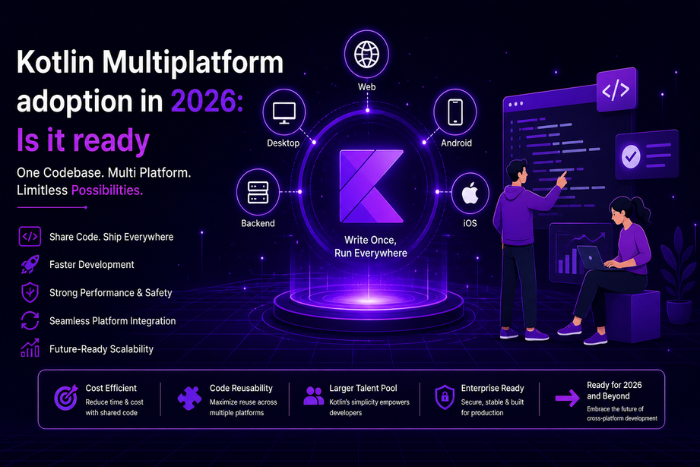
Kotlin Multiplatform Adoption in 2026: Is It Ready
Kotlin Multiplatform Adoption in 2026: Is It Ready Explore Kotlin Multiplatform adoption in 2026: Is it ready for scalable mobile development, enterprise apps, performance, and future growth. Introduction Cross-platform mobile development continues to evolve rapidly, and Kotlin Multiplatform (KMP) has emerged as one of the most promising frameworks for businesses seeking shared code efficiency without sacrificing native performance. In 2026, many CTOs, startups, and enterprise leaders are asking an increasingly important question: Kotlin Multiplatform adoption in 2026: Is it ready? Kotlin Multiplatform allows teams to share business logic, networking layers, data handling, and increasingly user interface components across Android, iOS, desktop, and web while preserving native flexibility. Backed by JetBrains, growing Google support, and expanding enterprise adoption, KMP is no longer experimental—it is becoming a strategic contender against Flutter, React Native, and traditional native development. However, readiness depends on business requirements, technical maturity, team expertise, and project scope. This guide explores the real-world state of Kotlin Multiplatform in 2026, including production readiness, strengths, limitations, enterprise viability, adoption strategies, and whether it is the right solution for future-focused organizations. Why Kotlin Multiplatform Adoption in 2026: Is It Ready is Important Framework decisions directly impact long-term scalability, engineering efficiency, and product competitiveness. Reduces Duplicate DevelopmentShared business logic improves efficiency. Maintains Native PerformanceStrong platform-specific capabilities remain intact. Supports Faster Product DeliveryAccelerates development timelines. Optimizes Engineering CostsShared resources lower long-term budgets. Strengthens Code ConsistencyUnified architecture improves maintainability. Future-Proofs Technology StrategyAligns businesses with evolving cross-platform ecosystems. Improves Team ProductivityDevelopers can focus on innovation over duplication. Types of Solutions for Kotlin Multiplatform Adoption in 2026: Is It Ready KMP supports multiple strategic business scenarios. Cross-Platform Mobile ApplicationsShared Android and iOS business logic. Enterprise Software SystemsScalable business-critical solutions. Consumer SaaS ProductsCost-efficient app ecosystems. Fintech & Healthcare ApplicationsNative-grade security with shared efficiency. Desktop + Mobile Unified ProductsBroader software reach. Internal Business ToolsOperational optimization. Gradual Legacy MigrationTransitioning from native silos. Compose Multiplatform UI SolutionsShared UI where appropriate. Get Free Quotation Now..!! Key Features of Kotlin Multiplatform Adoption in 2026: Is It Ready Modern KMP offers strategic technical advantages. Shared Core LogicReusable business and networking layers. Native UI FlexibilityFull platform customization. Growing Compose Multiplatform SupportExpanding shared UI capabilities. Strong Android IntegrationNative Kotlin ecosystem compatibility. iOS CompatibilityStable production support. Enterprise ScalabilitySuitable for large systems. K2 Compiler Performance ImprovementsFaster builds and improved developer productivity. Modular ArchitectureFlexible implementation models. Development Process Successful KMP implementation requires strategic planning. Business Requirement AssessmentDetermining KMP suitability. Architecture Strategy DesignDefining shared vs native boundaries. KMP Environment SetupConfiguring toolchains and CI/CD. Core Shared Module DevelopmentBuilding reusable infrastructure. Platform-Specific UI DevelopmentOptimizing native user experiences. Testing & ValidationEnsuring stability across ecosystems. Deployment & Continuous OptimizationScaling products efficiently. Technology Stack for Kotlin Multiplatform Adoption in 2026: Is It Ready Modern KMP development relies on advanced ecosystems: Languages: Kotlin, Swift, Objective-CFrameworks: Kotlin Multiplatform, Compose Multiplatform, Android SDKIDE Tools: Android Studio, IntelliJ IDEA, XcodeBackend Technologies: Ktor, Firebase, Node.jsCloud Platforms: AWS, Azure, Google CloudCI/CD Tools: GitHub Actions, Bitrise, JenkinsTesting Tools: Kotlin Test, XCTest, AppiumMonitoring Tools: Firebase Crashlytics, New Relic Cost Factors for Kotlin Multiplatform Adoption in 2026: Is It Ready KMP adoption costs depend on multiple variables. Initial Team ExpertiseUpskilling may require investment. Architecture ComplexityShared systems require planning. UI StrategyNative vs shared UI impacts scope. CI/CD InfrastructureMulti-platform deployment pipelines. Third-Party Integration RequirementsPlatform-specific APIs may add complexity. Long-Term MaintenanceShared logic often lowers future costs. Migration from Existing SystemsLegacy modernization budgets vary. Latest Trends KMP is rapidly maturing with notable ecosystem developments. Compose Multiplatform ExpansionIncreasing production readiness. Google Ecosystem AlignmentGreater Android strategic relevance. Enterprise KMP GrowthAdoption by major global companies. Improved iOS ToolingBetter Swift interoperability. Kotlin/Wasm EvolutionExpanding future web potential. AI-Assisted Cross-Platform DevelopmentProductivity enhancements. Modular Monorepo ArchitecturesLarge-scale engineering optimization. Strategic Migration from Flutter/React NativeEnterprise reevaluation trends. Why Choose Us for Kotlin Multiplatform Adoption in 2026: Is It Ready Successfully adopting KMP requires both technical precision and strategic planning. Deep Kotlin Multiplatform Expertise Experience building scalable KMP architectures. Enterprise & Startup Flexibility Solutions tailored for organizations of all sizes. Migration Strategy Leadership Helping teams transition from siloed development. Performance-Driven Engineering Optimized apps without compromising native quality. Cost-Efficient Cross-Platform Delivery Balancing innovation with ROI. Transparent Technical Consulting Clear roadmaps and measurable business outcomes. Future-Ready Development Building systems designed for evolving ecosystems. We help businesses confidently adopt Kotlin Multiplatform as a scalable, modern software strategy for 2026 and beyond. Ready to explore whether Kotlin Multiplatform is right for your business?Let’s build faster, scalable, and future-ready cross-platform applications.Contact us today for expert Kotlin Multiplatform consulting and development. Get Free Quotation Now..!! Key Points : KMP is increasingly production-ready for enterprise, SaaS, fintech, and mobile applications. Kotlin Multiplatform offers shared code efficiency while maintaining native performance. Compose Multiplatform continues expanding shared UI capabilities in 2026. Businesses can reduce long-term development and maintenance costs through KMP adoption. KMP provides strong Android integration with growing iOS and desktop support. Kotlin Multiplatform is becoming a serious alternative to Flutter, React Native, and siloed native development. FAQ’s Is Kotlin Multiplatform production-ready in 2026? Yes, for many mobile and enterprise use cases, especially shared business logic. Can KMP replace Flutter or React Native? In some scenarios, particularly where native performance and code sharing are priorities. Is Compose Multiplatform fully ready? It is increasingly viable, though maturity varies by platform. What industries benefit most from KMP? Fintech, healthcare, SaaS, enterprise systems, and operational tools. Is KMP suitable for startups? Yes, especially if long-term scalability is important. Should businesses adopt KMP now? For many organizations, 2026 presents a strong strategic window for adoption. Get Free Quotation Now..!!

App Development with .NET MAUI vs Flutter 2026
App Development with .NET MAUI vs Flutter 2026 Compare App development with .NET MAUI vs Flutter 2026 for performance, cost, scalability, enterprise use, and cross-platform success. Introduction Cross-platform app development continues to dominate modern software strategy, enabling businesses to build applications faster, reduce costs, and reach multiple platforms with unified codebases. In 2026, two major frameworks stand out in this space: .NET MAUI and Flutter. Both platforms offer powerful tools for building iOS, Android, desktop, and web applications, but their strengths, weaknesses, and ideal business use cases differ significantly. Understanding App development with .NET MAUI vs Flutter 2026 is essential for startups, enterprises, SaaS providers, and digital transformation leaders seeking the best framework for long-term product success. Flutter excels in highly customizable UI, strong community support, and rapid mobile-first development, while .NET MAUI offers deep Microsoft ecosystem integration, enterprise reliability, and native control advantages. Choosing the right framework directly impacts performance, hiring costs, development speed, maintainability, and scalability. This guide explores technical comparisons, strategic business factors, and future trends to help organizations confidently select the best cross-platform development path. Why App Development with .NET MAUI vs Flutter 2026 is Important Framework selection affects product performance, operational efficiency, and long-term ROI. Optimizes Development SpeedFaster product launches improve competitiveness. Controls BudgetEfficient frameworks reduce development and maintenance costs. Supports ScalabilityProper architecture enables sustainable growth. Improves User ExperienceFramework performance impacts customer satisfaction. Enhances Integration FlexibilitySupports modern cloud, AI, and enterprise ecosystems. Reduces Technical DebtStrategic framework selection improves maintainability. Strengthens Market PositionBetter apps outperform competitors. Types of Solutions for App Development with .NET MAUI vs Flutter 2026 Different business goals align with different framework strengths. Enterprise Business Applications.NET MAUI excels with Microsoft stack integration. Consumer Mobile AppsFlutter provides strong UI flexibility and rapid deployment. Cross-Platform SaaS ProductsBoth frameworks support scalable SaaS ecosystems. Internal Operational Tools.NET MAUI often aligns with enterprise software environments. MVP & Startup ProductsFlutter often accelerates product validation. Desktop + Mobile Unified Solutions.NET MAUI offers broader enterprise desktop capabilities. AI-Integrated ApplicationsBoth frameworks can integrate modern AI systems. High-Customization Consumer PlatformsFlutter often leads for design-centric applications. Get Free Quotation Now..!! Key Features of App Development with .NET MAUI vs Flutter 2026 Modern framework evaluation involves multiple strategic criteria. Cross-Platform Code SharingBoth reduce duplicate development effort. Performance OptimizationFlutter offers smooth rendering; MAUI leverages native controls. UI/UX CustomizationFlutter provides highly flexible design systems. Enterprise IntegrationMAUI supports Microsoft infrastructure deeply. Developer EcosystemFlutter has broader community support; MAUI benefits from .NET maturity. Security & ComplianceMAUI often aligns well with enterprise governance. Tooling & IDE SupportVisual Studio strengthens MAUI; Flutter offers flexible tooling. Maintenance EfficiencyUnified codebases simplify support. Development Process Choosing and implementing the right framework requires structured planning. Business Requirement AnalysisDefining scalability, design, and infrastructure needs. Framework Feasibility AssessmentEvaluating MAUI vs Flutter fit. UI/UX Architecture PlanningAligning product experience goals. Development Environment SetupEstablishing optimized toolchains. Core Development & IntegrationBuilding applications with backend and cloud systems. Testing & OptimizationEnsuring performance across devices. Deployment & Ongoing SupportLaunching and maintaining products. Technology Stack for App Development with .NET MAUI vs Flutter 2026 Each framework operates within distinct ecosystems: .NET MAUI: C#, .NET 10, Visual Studio, AzureFlutter: Dart, Flutter SDK, Firebase, Google CloudBackend Technologies: Node.js, .NET Core, PythonDatabases: PostgreSQL, MongoDB, Firebase FirestoreDevOps Tools: Docker, Jenkins, GitHub ActionsCloud Platforms: AWS, Azure, Google CloudTesting Tools: Appium, Selenium, XCTestAI Integrations: OpenAI APIs, TensorFlow, Azure AI Services Cost Factors for App Development with .NET MAUI vs Flutter 2026 Framework choice directly impacts project economics. Developer AvailabilityFlutter often has broader hiring pools. Enterprise LicensingMicrosoft ecosystem costs may impact MAUI budgets. Project ComplexityUI-heavy apps may favor Flutter. Maintenance CostsBoth frameworks offer cost efficiencies. Cloud InfrastructureBackend ecosystems vary. Integration RequirementsEnterprise systems may increase MAUI value. Long-Term ScalabilityFramework suitability impacts future redevelopment risk. Latest Trends Cross-platform ecosystems are rapidly evolving. AI-Integrated App DevelopmentSmarter apps influencing framework strategies. Desktop-Mobile ConvergenceBroader platform support becoming essential. Low-Code + Cross-Platform ExpansionFaster enterprise development. Security-First Framework AdoptionCompliance-focused decision-making. Composable ArchitectureModular software ecosystems. Performance Benchmark CompetitionFramework optimization races. Developer Productivity AutomationAI-assisted coding tools. Cloud-Native App GrowthBackend scalability priorities. Why Choose Us for App Development with .NET MAUI vs Flutter 2026 Choosing the right framework requires strategic expertise and technical precision. Cross-Platform Development Expertise Deep experience across both Flutter and .NET MAUI ecosystems. Strategic Framework Consulting Helping businesses select the best architecture for growth. Enterprise & Startup Support Solutions tailored for varying business scales. Cost-Optimized Development Maximizing ROI through smart framework decisions. Performance-Driven Engineering Building scalable, reliable applications. Transparent Delivery Process Clear milestones and measurable outcomes. Future-Ready Innovation Solutions built for evolving technology ecosystems. We empower businesses to build successful cross-platform applications using the most effective framework for their unique goals. Ready to choose between .NET MAUI and Flutter for your next app?Let’s build scalable, high-performance cross-platform applications tailored to your business.Contact us today for expert app development consulting. Get Free Quotation Now..!! Key Points : Flutter offers strong UI flexibility, rapid development, and broad developer adoption. .NET MAUI provides deep Microsoft ecosystem integration and enterprise-grade architecture. Framework choice directly impacts performance, scalability, hiring costs, and maintenance. Flutter is often ideal for startups, MVPs, and consumer-focused applications. .NET MAUI is highly suitable for enterprise systems and desktop-mobile integration. AI integration, cloud-native architecture, and security are major framework considerations in 2026. FAQ’s Which framework is better in 2026: .NET MAUI or Flutter? It depends on business goals—Flutter often excels in UI flexibility, while MAUI is strong for enterprise integration. Is Flutter faster than .NET MAUI? Flutter often offers smoother rendering, especially for design-heavy apps. Which framework has a larger developer community? Flutter generally has broader community adoption. Which is more cost-effective? Flutter may offer lower hiring and ecosystem costs, while MAUI can reduce enterprise integration expenses. Can both frameworks support AI-powered applications? Yes, both integrate well with modern AI services. How should businesses choose between them? By evaluating scalability, infrastructure, design needs, hiring availability, and long-term business strategy. Get Free Quotation Now..!!
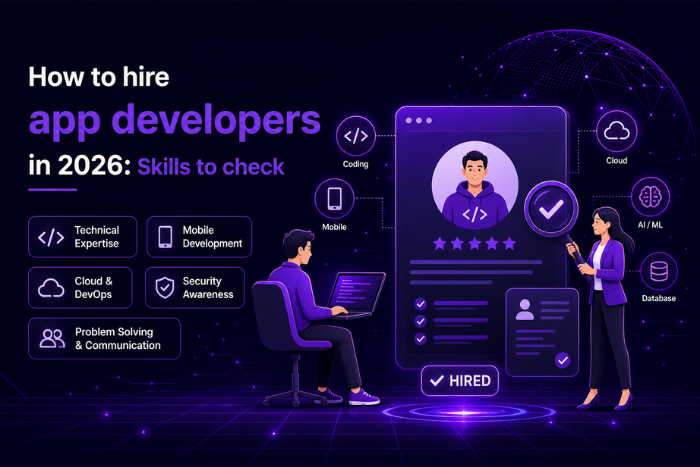
How to Hire App Developers in 2026: Skills to Check
How to Hire App Developers in 2026: Skills to Check Learn how to hire app developers in 2026: Skills to check, hiring models, technical expertise, and strategies for building successful apps. Introduction As mobile applications continue to dominate digital transformation, hiring the right app developers has become one of the most important business decisions for startups, enterprises, and growing brands. In 2026, app development requires far more than coding ability—developers must possess expertise in AI integration, cross-platform frameworks, security compliance, cloud infrastructure, user experience, and scalable architecture. Understanding how to hire app developers in 2026: Skills to check is essential for businesses seeking to build competitive, high-performance applications while avoiding costly hiring mistakes. Whether you are developing a startup MVP, enterprise platform, eCommerce solution, or AI-powered mobile product, selecting developers with the right technical and strategic capabilities directly impacts project success. Modern hiring strategies must evaluate not only technical proficiency but also communication skills, adaptability, DevOps understanding, and long-term product thinking. This guide explores the critical skills, hiring models, cost factors, and best practices businesses need to confidently hire app developers capable of delivering future-ready digital products. Why How to Hire App Developers in 2026: Skills to Check is Important Hiring the right development talent determines product quality, scalability, and business ROI. Ensures Technical ExcellenceSkilled developers build secure, efficient applications. Reduces Project RiskBetter hiring lowers delays and costly mistakes. Improves Time-to-MarketExperienced teams accelerate development cycles. Supports ScalabilityStrong developers build future-ready products. Enhances Security ComplianceCritical for modern app ecosystems. Optimizes Budget EfficiencyRight-fit talent improves ROI. Drives Competitive AdvantageHigh-quality apps outperform competitors. Types of Solutions for How to Hire App Developers in 2026: Skills to Check Businesses can choose from several hiring models based on project goals. Freelance App DevelopersBest for short-term or limited-scope projects. Dedicated Remote DevelopersFlexible long-term technical support. Mobile App Development AgenciesFull-service project execution. In-House Development TeamsFull operational control and alignment. Cross-Platform SpecialistsFlutter, React Native, and hybrid app experts. Native App DevelopersiOS and Android platform specialists. AI-Integrated Development TeamsAdvanced developers for modern app ecosystems. Enterprise Development PartnersLarge-scale, compliance-focused teams. Get Free Quotation Now..!! Key Features of How to Hire App Developers in 2026: Skills to Check Modern app developers require a broad set of capabilities. Programming ExpertiseSwift, Kotlin, Flutter, React Native, and backend systems. UI/UX UnderstandingUser-centric product development. AI & Automation KnowledgeAI integration and emerging technologies. Cloud & DevOps SkillsScalable deployment infrastructure. Security & Compliance ExpertiseGDPR, app store policies, and data protection. Problem-Solving AbilityStrategic technical thinking. Communication & CollaborationEffective team coordination. Testing & Quality AssuranceReliable software delivery. Development Process A strategic hiring process ensures better talent acquisition outcomes. Project Requirement DefinitionClarifying technical, business, and timeline needs. Hiring Model SelectionChoosing freelancers, agencies, or dedicated teams. Skill AssessmentEvaluating technical proficiency and portfolio quality. Technical Interviews & TestingReal-world problem-solving validation. Cultural & Communication EvaluationEnsuring collaboration fit. Contract & Compliance SetupProtecting business interests. Onboarding & Continuous Performance MonitoringMaximizing productivity. Technology Stack for How to Hire App Developers in 2026: Skills to Check Top app developers should understand modern ecosystems: Mobile Development: Swift, Kotlin, Flutter, React NativeBackend Development: Node.js, Python, Java, .NETCloud Platforms: AWS, Azure, Google CloudDatabases: PostgreSQL, MongoDB, FirebaseDevOps Tools: Docker, Kubernetes, JenkinsAI & Automation: OpenAI APIs, TensorFlow, PyTorchTesting Tools: Selenium, Appium, CypressSecurity Tools: Snyk, OAuth, Firebase Auth Cost Factors for How to Hire App Developers in 2026: Skills to Check Hiring costs vary depending on multiple factors. Developer Experience LevelJunior, mid-level, or senior expertise. Geographic LocationRegional pricing differences. Hiring ModelFreelancers, agencies, or in-house teams. Technical SpecializationAI, security, XR, or enterprise skills may increase rates. Project ComplexityAdvanced products require broader expertise. Long-Term Support NeedsMaintenance and scalability impact budgets. Compliance RequirementsHighly regulated industries often cost more. Latest Trends Hiring practices are evolving alongside technological advancements. AI-Augmented Development SkillsDevelopers leveraging AI productivity tools. Cross-Platform Expertise GrowthFlutter and React Native dominance. Remote Global Hiring ExpansionAccess to broader talent pools. Security-First HiringGreater emphasis on compliance expertise. Product Thinking Over Pure CodingStrategic development leadership. Low-Code/No-Code IntegrationBroader technical versatility. DevOps-Centric TeamsFull lifecycle development capabilities. Specialized Emerging Tech SkillsXR, blockchain, and AI integration. Why Choose Us for How to Hire App Developers in 2026: Skills to Check Building the right development team requires expertise, strategic hiring, and technical insight. Deep Technical Recruitment Expertise We help businesses identify top-tier development talent. Full Hiring Strategy Support From skill evaluation to onboarding. Global Talent Access Connecting businesses with high-performing developers. Cost-Optimized Hiring Models Balancing budget with technical excellence. Security & Compliance Focus Ensuring modern technical governance. Future-Ready Skill Evaluation Hiring developers equipped for evolving technologies. Transparent Process Clear communication and measurable hiring outcomes. We empower businesses to hire exceptional app developers who drive scalable digital success. Ready to hire the right app developers for your next project?Let’s build a high-performing development team tailored to your business goals.Contact us today for expert app developer hiring solutions. Get Free Quotation Now..!! Key Points : Modern app developers need expertise in AI, security, cloud, and cross-platform frameworks. Hiring the right developers reduces project risks, delays, and long-term costs. Freelancers, agencies, and dedicated teams offer different advantages based on project scope. Technical interviews, coding assessments, and portfolio reviews are critical hiring steps. Cross-platform and AI-integrated development skills are increasingly valuable in 2026. Security compliance and DevOps knowledge are now essential developer qualifications. FAQ’s What skills should app developers have in 2026? Key skills include mobile frameworks, cloud infrastructure, AI integration, security, and DevOps. Should businesses hire freelancers or agencies? It depends on project complexity, budget, and long-term support needs. Are cross-platform developers in demand? Yes, Flutter and React Native developers are increasingly valuable. How important is AI knowledge for app developers? AI integration is becoming a major competitive advantage. What is the biggest hiring mistake businesses make? Prioritizing cost over technical capability and scalability. Is outsourcing app development still effective in 2026? Yes, especially with skilled remote teams and strategic management. Get Free Quotation Now..!!

App Security: New Google Play & App Store Rules April 2026
App Security: New Google Play & App Store Rules April 2026 Stay compliant with App security: New Google Play & App Store rules April 2026, covering privacy, security, SDKs, and compliance updates. Introduction Mobile app security and compliance have become more critical than ever as Google Play and Apple App Store introduce stricter regulatory frameworks in April 2026. These updated policies are designed to strengthen user privacy, improve platform trust, enforce stronger SDK governance, enhance age verification protocols, and combat malware, deceptive practices, and non-compliant monetization strategies. For app developers, businesses, startups, and enterprises, understanding App security: New Google Play & App Store rules April 2026 is essential to avoid app rejections, suspensions, legal penalties, or lost revenue. Compliance is no longer limited to technical security alone—it now extends to user transparency, data collection practices, content moderation, AI governance, age verification, SDK security, and overall user experience standards. Businesses that proactively adapt to these evolving policies can protect their app ecosystem, accelerate approvals, reduce operational risks, and strengthen customer trust. This guide explores the latest security mandates, implementation strategies, cost implications, and future trends developers must understand to stay compliant and competitive in 2026. Why App Security: New Google Play & App Store Rules April 2026 is Important Regulatory updates significantly impact app distribution, business continuity, and platform trust. Ensures Store CompliancePrevents app rejection, suspension, or removal. Strengthens User TrustBetter privacy and security improve customer confidence. Protects Against Legal RisksCompliance reduces regulatory penalties. Improves Platform VisibilityCompliant apps may gain stronger marketplace performance. Enhances Security InfrastructureStronger controls reduce cyber vulnerabilities. Supports Monetization StabilityAvoids revenue disruptions from policy violations. Future-Proofs App OperationsKeeps businesses aligned with evolving app ecosystems. Types of Solutions for App Security: New Google Play & App Store Rules April 2026 Businesses require specialized compliance strategies to meet modern security standards. App Security AuditsFull assessments of privacy, SDKs, and policy risks. Privacy Compliance SolutionsData governance, consent systems, and user transparency. SDK Governance ManagementThird-party SDK security validation. Age Verification IntegrationCompliance with evolving youth protection laws. Malware & Threat PreventionCode security and vulnerability testing. App Store Submission OptimizationPreparing apps for faster approval. Monetization Compliance ReviewsAdvertising, subscriptions, and payment rule alignment. Continuous Compliance MonitoringOngoing adaptation to platform policy changes. Get Free Quotation Now..!! Key Features of App Security: New Google Play & App Store Rules April 2026 Modern compliance solutions focus on multiple security and governance layers. Advanced Privacy ControlsTransparent user permissions and consent management. SDK Security ValidationMonitoring third-party integrations. Age Verification FrameworksRegulatory-compliant onboarding. Malware DetectionProactive codebase security. Store Listing ComplianceMetadata and promotional content validation. Monetization Rule AlignmentAd policies and billing compliance. Security Testing AutomationContinuous vulnerability scanning. Policy Change MonitoringRapid adaptation to new rules. Development Process Effective compliance requires a strategic development and governance process. Policy Assessment & Risk AnalysisReviewing new store requirements. Technical Security AuditEvaluating vulnerabilities and SDK exposure. Privacy & Data Governance ImplementationStrengthening user data controls. Compliance Architecture DesignBuilding security-focused operational workflows. Testing & ValidationSecurity, policy, and user experience audits. Store Submission PreparationOptimizing approvals and reducing rejection risks. Continuous Monitoring & UpdatesMaintaining long-term compliance. Technology Stack Security compliance relies on robust modern tools: Mobile Platforms: iOS, Android, Flutter, React NativeSecurity Tools: OWASP, Snyk, Veracode, AppSweepIdentity & Access: OAuth, Firebase Auth, Auth0Privacy Tools: OneTrust, TrustArc, CMP platformsAge Verification APIs: Platform-native compliance APIsCloud Platforms: AWS, Azure, Google CloudMonitoring Tools: Firebase Crashlytics, Datadog, New RelicDevOps Security: Docker, Kubernetes, GitHub Actions Cost Factors for App Security: New Google Play & App Store Rules April 2026 Compliance introduces both operational and strategic costs. Security Audit ScopeLarger apps require deeper evaluations. SDK Review ComplexityThird-party dependencies increase workload. Privacy Framework IntegrationConsent and governance systems add expenses. Age Verification RequirementsCompliance infrastructure varies by jurisdiction. Security Testing ToolsOngoing software costs. Legal & Regulatory OversightIndustry-specific compliance increases investment. Continuous MaintenancePolicy changes require ongoing adaptation. Latest Trends Security ecosystems are rapidly evolving. Zero-Trust Mobile SecurityStronger access controls. AI-Powered Security AuditingAutomated compliance validation. SDK Supply Chain SecurityIncreased third-party governance. Privacy-First App DesignConsent-centric development. Global Age Verification ExpansionGrowing child safety regulation. App Store Policy AutomationFaster compliance tooling. Biometric Security EnhancementsAdvanced identity systems. Enterprise Mobile GovernanceCorporate compliance expansion. Why Choose Us for App Security: New Google Play & App Store Rules April 2026 Navigating evolving app store security regulations requires specialized expertise. Advanced Compliance Expertise We help businesses align with the latest Google and Apple requirements. End-to-End Security Audits Comprehensive privacy, SDK, and policy validation. Faster Approval Optimization Reducing rejection risks and accelerating launches. Privacy & Security Leadership Protecting both users and business operations. Cost-Efficient Compliance Solutions Maximizing protection while controlling expenses. Continuous Policy Monitoring Keeping apps compliant as regulations evolve. Future-Ready Security Strategy Building sustainable compliance for long-term success. We empower businesses to secure, optimize, and future-proof their mobile applications in an increasingly regulated digital ecosystem. Ready to secure your app for the latest Google Play and App Store regulations?Let’s build a compliance strategy that protects your users and your business.Contact us today for expert app security and compliance solutions. Get Free Quotation Now..!! Key Points : Updated policies focus on privacy, SDK governance, malware prevention, and age verification. Compliance helps prevent app rejection, suspension, and legal penalties. Security audits and continuous monitoring are essential for long-term app success. Privacy-first development is becoming critical for marketplace approvals. Businesses that proactively adapt gain stronger user trust and competitive advantage. FAQ’s What are the major Google Play and App Store security changes in April 2026? They include stricter privacy controls, SDK governance, age verification, monetization compliance, and malware prevention. Why are these new rules important for developers? Non-compliance can result in app rejection, removal, or revenue disruption. Do small businesses need to comply with these rules? Yes, all published apps must meet updated platform requirements. Are age verification laws affecting mobile apps? Yes, especially for apps serving younger audiences or regulated markets. How can businesses reduce compliance risks? Through security audits, privacy frameworks, and continuous monitoring. How often should app security policies be reviewed? Regularly, especially after major Google Play or App Store policy updates. Get Free Quotation Now..!!

