

Website Security Checklist After OWASP Top 10 2026 Update Website security checklist after OWASP Top 10 2026 update for stronger protection, compliance, risk reduction, and cyber resilience. Introduction As cyber threats continue evolving rapidly, businesses must proactively strengthen their web security strategies to protect customer data, business continuity, and digital trust. Understanding the website security checklist after OWASP Top 10 2026 update is essential for organizations seeking to defend against the latest vulnerabilities, compliance risks, and AI-driven attack vectors. The updated OWASP Top 10 continues highlighting critical security threats such as broken access control, cryptographic failures, injection attacks, insecure design, vulnerable components, authentication failures, and server-side request forgery. In 2026, businesses must also address emerging risks tied to AI integrations, API security, software supply chain vulnerabilities, and advanced threat automation. A comprehensive website security checklist ensures organizations build resilient digital ecosystems that reduce breach risks, maintain legal compliance, improve customer confidence, and support long-term growth. Security is no longer optional—it is a strategic business requirement. Why Website Security Checklist After OWASP Top 10 2026 Update is Important Modern businesses face increasing security threats with serious financial and reputational consequences. Data ProtectionSafeguard customer and business information. Regulatory ComplianceMeet GDPR, PCI-DSS, HIPAA, and other standards. Reduced Cyberattack RiskPrevent breaches and vulnerabilities. Customer TrustSecurity strengthens brand reputation. Business ContinuityPrevent costly operational disruptions. SEO ProtectionSecure websites avoid search penalties. AI Security PreparednessAddress emerging AI-specific vulnerabilities. Long-Term Digital ResilienceFuture-proof business infrastructure. Types of Solutions for Website Security Checklist After OWASP Top 10 2026 Update Organizations require layered security solutions: Security Audits & Risk AssessmentsComprehensive vulnerability identification. OWASP Top 10 RemediationAddress core web application risks. API Security TestingSecure modern integrations. Authentication & Access ControlMFA, Zero Trust, and identity protections. Secure Code ReviewPrevent insecure design. AI Security ControlsProtect AI-enhanced systems. DevSecOps IntegrationSecurity embedded throughout development. Continuous MonitoringReal-time detection and response. Penetration TestingSimulated attack validation. Get Free Quotation Now..!! Key Features of Website Security Checklist After OWASP Top 10 2026 Update A strong website security strategy includes: Broken Access Control PreventionRestrict unauthorized actions. Encryption & Cryptographic SecurityProtect sensitive data. Injection DefensePrevent SQL, XSS, and prompt injection attacks. Secure AuthenticationMFA and passwordless systems. Security Configuration HardeningEliminate misconfigurations. Software Supply Chain SecurityVet third-party dependencies. Threat Monitoring & LoggingRapid incident response. API Security GovernanceSecure endpoint management. AI-Specific Vulnerability ControlsProtect emerging attack surfaces. Development Process Building secure websites requires structured implementation: Security AuditAssess vulnerabilities against OWASP standards. Threat ModelingIdentify business-specific attack vectors. Secure Architecture PlanningBuild resilient infrastructure. Development Security ControlsIntegrate secure coding practices. Testing & ValidationConduct SAST, DAST, and penetration testing. Compliance AlignmentMeet industry regulations. Deployment SecurityHarden infrastructure and cloud environments. Continuous Monitoring & UpdatesOngoing defense evolution. Technology Stack Modern web security relies on advanced technologies: Security Testing: OWASP ZAP, Burp Suite, Snyk, VeracodeAuthentication: OAuth 2.0, MFA, Zero TrustEncryption: TLS 1.3, AES-256, PKIMonitoring: SIEM, Cloudflare, DatadogDevSecOps: GitHub Advanced Security, Docker Security, KubernetesCloud Security: AWS Shield, Azure Defender, WAFAPI Security: Postman Security, API GatewaysAI Security: Prompt injection protection, LLM firewalls Cost Factors for Website Security Checklist After OWASP Top 10 2026 Update Security investments vary based on organizational complexity: Website Size & ComplexityLarger infrastructures require broader security. Compliance RequirementsRegulated industries face higher costs. Security Audit ScopeDeeper testing increases expenses. Third-Party IntegrationsExpanded attack surfaces require more controls. Infrastructure SecurityHosting and cloud protections. Monitoring ToolsContinuous security subscriptions. Incident Response PlanningBusiness continuity investment. Staff TrainingSecurity education improves resilience. Latest Trends Web security continues evolving rapidly: AI-Powered Threat DetectionSmarter automated defenses. Zero Trust Security ModelsStronger identity-based access. API Security ExpansionProtecting interconnected ecosystems. Software Supply Chain SecurityDependency validation. Prompt Injection ProtectionAI application defense. Continuous Security MonitoringReal-time protection. DevSecOps MainstreamingSecurity embedded into workflows. Cloud-Native SecurityInfrastructure modernization. Why Choose Us for Website Security Checklist After OWASP Top 10 2026 Update We help businesses build robust digital security infrastructures. OWASP Expertise Deep specialization in modern security standards. Compliance-Driven Security Protecting businesses from regulatory and legal risks. Secure Development Excellence Security integrated into every stage. AI & API Security Readiness Advanced protection for evolving threats. Enterprise-Grade Protection Scalable security for growing businesses. Transparent Security Roadmaps Clear implementation and measurable protection. Continuous Monitoring Support Long-term resilience and rapid threat response. Business-Centric Risk Management Security aligned with operational success. We empower organizations to secure websites, protect customer trust, and future-proof digital ecosystems through comprehensive security strategies. Ready to strengthen your website security for 2026 and beyond?Let’s build resilient, compliant, and future-ready digital protection systems.Contact us today for expert website security consultation and implementation. Get Free Quotation Now..!! Key Points : Understand the website security checklist after OWASP Top 10 2026 update for modern cyber resilience. Protect websites against broken access control, injection attacks, cryptographic failures, and AI-specific threats. Implement secure authentication, API protection, DevSecOps, and continuous monitoring strategies. Reduce cybersecurity risks, regulatory exposure, and business disruption through proactive security measures. Leverage advanced tools like OWASP ZAP, SIEM, Zero Trust, MFA, and cloud-native security frameworks. Build scalable, compliant, and security-first digital ecosystems for sustainable business growth. FAQ’s What is the OWASP Top 10? OWASP Top 10 is a globally recognized list of critical web application security risks. Why is the 2026 update important? It reflects evolving cyber threats, AI risks, and modern attack surfaces. How often should businesses perform security audits? Regularly—typically quarterly, annually, and after major updates. Does website security impact SEO? Yes, secure websites improve trust and reduce penalties. Are small businesses at risk? Yes, cybercriminals frequently target smaller organizations. Get Free Quotation Now..!!

Astro vs Next.js vs Remix: Performance Benchmarks 2026
Astro vs Next.js vs Remix: Performance Benchmarks 2026 Astro vs Next.js vs Remix: Performance benchmarks 2026 comparing speed, SEO, scalability, DX, and framework ROI. Introduction As modern businesses demand faster websites, better SEO, stronger scalability, and optimized user experiences, selecting the right front-end framework has become a critical strategic decision. Understanding Astro vs Next.js vs Remix: Performance benchmarks 2026 helps businesses, developers, and digital leaders choose the ideal technology for long-term ROI. In 2026, Astro, Next.js, and Remix each offer unique advantages. Astro emphasizes zero-JavaScript by default and exceptional content-focused speed. Next.js continues dominating enterprise web development with full-stack React capabilities, advanced rendering strategies, and scalability. Remix focuses on web standards, progressive enhancement, and highly efficient server-side rendering. The best framework choice depends on project goals—whether building marketing websites, SaaS platforms, e-commerce ecosystems, or enterprise applications. Performance benchmarks across Core Web Vitals, Time to First Byte (TTFB), SEO, development speed, and maintenance costs are essential for making informed technology investments that support growth and digital competitiveness. Why Astro vs Next.js vs Remix: Performance Benchmarks 2026 is Important Framework decisions directly affect website profitability, user experience, and scalability. Website SpeedPerformance impacts SEO rankings and conversions. Core Web VitalsGoogle prioritizes technical performance. ScalabilityFramework flexibility supports future growth. Development EfficiencyFaster builds reduce project timelines. SEO PerformanceTechnical architecture affects visibility. Operational CostsDevelopment and maintenance budgets vary. User ExperienceFaster, smoother interactions improve engagement. Technology Future-ProofingLong-term framework stability matters. Types of Solutions for Astro vs Next.js vs Remix in 2026 Different frameworks excel for specific business needs: Astro for Content WebsitesBlogs, documentation, and marketing sites. Next.js for Enterprise PlatformsSaaS, e-commerce, and scalable applications. Remix for Transactional Web AppsDynamic applications prioritizing speed and standards. Headless CMS IntegrationsAPI-driven content ecosystems. Progressive Web AppsMobile-friendly web experiences. E-Commerce WebsitesSEO and conversion-focused storefronts. Corporate WebsitesHigh-performance lead generation platforms. Custom Web ApplicationsTailored digital systems. Get Free Quotation Now..!! Key Features of Astro vs Next.js vs Remix: Performance Benchmarks 2026 Each framework offers distinct technical strengths: Astro Islands ArchitectureMinimal JavaScript and superior speed. Next.js Partial PrerenderingStatic speed with dynamic flexibility. Remix Nested RoutingEfficient data loading and UX. Server-Side Rendering (SSR)Strong SEO support. Static Site Generation (SSG)Faster content delivery. Edge DeploymentGlobal performance optimization. Developer ExperienceBuild speed, tooling, and maintainability. API IntegrationsScalable third-party system support. Modern Security StandardsEnterprise-grade architecture. Development Process Choosing the right framework requires strategic planning: Business Requirement AnalysisDefine project objectives and scalability needs. Performance Benchmark EvaluationCompare Core Web Vitals and rendering speed. Architecture SelectionChoose SSR, SSG, or hybrid approaches. UI/UX DesignBuild optimized user journeys. Development ImplementationDeploy framework-specific solutions. SEO OptimizationTechnical search readiness. Testing & ValidationSpeed, security, and functionality. Continuous ScalingOngoing optimization. Technology Stack Modern framework ecosystems rely on advanced technologies: Astro Stack: Astro, TypeScript, Markdown, Tailwind CSSNext.js Stack: Next.js 15+, React, Node.js, VercelRemix Stack: Remix, React Router, Node.js, CloudflareCMS Platforms: Contentful, Sanity, WordPress HeadlessHosting: Vercel, Netlify, AWS, Cloudflare PagesDatabases: PostgreSQL, MongoDB, SupabasePerformance Tools: Lighthouse, WebPageTest, Core Web VitalsSEO Tools: Schema, Search Console, Ahrefs Cost Factors for Astro vs Next.js vs Remix: Performance Benchmarks 2026 Several factors influence framework investment: Project ComplexityEnterprise systems require larger budgets. Developer ExpertiseSpecialized talent affects costs. Maintenance RequirementsLong-term support varies. Hosting InfrastructurePerformance environments differ. Scalability GoalsGrowth impacts architecture investment. SEO OptimizationTechnical improvements add value. Third-Party IntegrationsAPI complexity affects pricing. Migration CostsTransitioning between frameworks can be expensive. Latest Trends in Astro vs Next.js vs Remix Framework Development 2026 Framework ecosystems continue evolving rapidly: Partial Hydration GrowthReduced JavaScript for better UX. Edge-Native ArchitecturesFaster global delivery. AI-Powered DevelopmentEnhanced developer productivity. Composable Web ArchitecturesModular digital ecosystems. Performance-Driven SEOCore Web Vitals prioritization. Headless CMS ExpansionFlexible content infrastructure. Progressive EnhancementBetter accessibility and resilience. Multi-Framework StrategiesBusinesses using hybrid solutions. Why Choose Us for Astro vs Next.js vs Remix: Performance Benchmarks 2026 We help businesses make strategic framework investments that maximize ROI. Advanced Framework Expertise Deep specialization across Astro, Next.js, and Remix. Performance-First Development Optimized for speed, SEO, and conversions. Business-Centric Technology Consulting Framework selection aligned with business goals. Scalable Digital Architecture Future-ready development solutions. Transparent Cost Planning Clear budgeting and ROI forecasting. SEO Optimization Excellence Technical architecture built for rankings. Enterprise Security Standards Robust protection for digital assets. Continuous Innovation Support Helping businesses stay ahead of framework evolution. We empower businesses to build faster, smarter, and more scalable websites using the right framework for long-term digital success. Ready to choose the best framework for your business in 2026?Let’s build high-performance digital platforms optimized for growth and profitability.Contact us today for expert framework consultation and development. Get Free Quotation Now..!! Key Points : Compare Astro vs Next.js vs Remix: Performance benchmarks 2026 for speed, SEO, scalability, and business ROI. Understand which framework delivers the best Core Web Vitals, TTFB, and user experience. Evaluate Astro for content-focused websites, Next.js for enterprise platforms, and Remix for dynamic applications. Learn how framework architecture impacts SEO rankings, conversions, and long-term scalability. Explore development costs, hosting requirements, and maintenance considerations for each framework. Leverage modern technologies like SSR, SSG, edge deployment, and headless CMS integrations. FAQ’s Which framework is fastest in 2026? Astro often delivers the best raw speed for content-heavy websites due to minimal JavaScript. Is Next.js better for enterprise websites? Yes, Next.js excels for complex enterprise applications and scalable ecosystems. What is Remix best suited for? Remix is ideal for dynamic web applications focused on progressive enhancement. Which framework offers the best SEO? All three can perform well, but implementation strategy matters most. Is Astro suitable for SaaS platforms? It can work, but Next.js or Remix may be better for highly interactive SaaS apps. Which framework is easiest for developers? Developer preference varies, but Next.js generally has broader ecosystem support. Get Free Quotation Now..!!

Ecommerce Website Trends: AI Search + Voice Commerce 2026
Ecommerce Website Trends: AI Search + Voice Commerce 2026 Ecommerce website trends: AI search + voice commerce 2026 for smarter shopping, personalization, SEO, and higher conversions. Introduction The future of online retail is being transformed by artificial intelligence, conversational experiences, and voice-enabled shopping. Understanding Ecommerce website trends: AI search + voice commerce 2026 is essential for businesses aiming to remain competitive in a rapidly evolving digital commerce landscape. In 2026, customers expect faster product discovery, hyper-personalized shopping journeys, frictionless purchasing, and seamless interactions across mobile, voice assistants, and AI-powered interfaces. AI search is redefining product recommendations, predictive search, visual discovery, and customer support, while voice commerce is changing how consumers search, compare, and purchase products using smart devices. For eCommerce brands, integrating these technologies is no longer optional—it is critical for improving customer acquisition, retention, SEO visibility, and conversion rates. Businesses that embrace AI-driven search and voice commerce can unlock stronger engagement, higher average order values, and future-ready digital shopping ecosystems. Why Ecommerce Website Trends: AI Search + Voice Commerce 2026 is Important Modern eCommerce success depends on intelligent, customer-centric innovation. Improved Product DiscoveryAI search accelerates customer journeys. Higher Conversion RatesPersonalized shopping increases purchases. Voice Search VisibilityVoice optimization expands market reach. Customer ConvenienceFrictionless purchasing boosts satisfaction. Competitive DifferentiationAdvanced commerce experiences outperform outdated stores. Omnichannel GrowthSeamless experiences across devices and platforms. SEO EvolutionConversational and AI search reshape visibility. Revenue GrowthSmarter commerce systems increase profitability. Types of Solutions for Ecommerce Website Trends: AI Search + Voice Commerce 2026 Businesses can implement multiple advanced eCommerce solutions: AI-Powered Product SearchPredictive and semantic product discovery. Voice Commerce IntegrationVoice-enabled purchasing via assistants. AI Chatbots & Shopping AssistantsAutomated customer guidance. Visual Search TechnologyImage-based product discovery. Personalized Recommendation EnginesBehavior-driven product suggestions. Smart Checkout SystemsOne-click and voice-assisted transactions. Dynamic Pricing AutomationAI-driven pricing optimization. Omnichannel Commerce PlatformsUnified shopping experiences. Fraud Detection SystemsAI-enhanced transaction security. Get Free Quotation Now..!! Key Features Leading eCommerce platforms require advanced features: Natural Language SearchConversational product queries. Voice Assistant CompatibilityAlexa, Google Assistant, Siri integrations. Predictive Product RecommendationsPersonalized shopping journeys. Visual Recognition SearchProduct identification through images. AI Customer Support24/7 shopping assistance. Smart Inventory ManagementDemand forecasting and stock optimization. Personalized Checkout ExperiencesReduced cart abandonment. Cross-Device CommerceUnified customer journeys. Advanced AnalyticsAI-powered customer insights. Development Process Building future-ready eCommerce platforms requires strategic execution: Business Goal AnalysisDefine sales, audience, and growth objectives. Commerce Architecture PlanningSelect AI, voice, and platform technologies. UX/UI DesignCreate intuitive shopping experiences. AI & Voice IntegrationImplement search, recommendation, and conversational tools. SEO OptimizationEnsure discoverability across search channels. Testing & Performance ValidationOptimize conversions and usability. DeploymentLaunch scalable infrastructure. Continuous OptimizationAdapt to evolving consumer behaviors. Technology Stack Modern eCommerce platforms rely on cutting-edge technologies: Frontend: Next.js, React, Vue.jsE-Commerce Platforms: Shopify Plus, Magento, WooCommerceAI Search Tools: Algolia, Elasticsearch, CoveoVoice Commerce APIs: Alexa Skills Kit, Google Assistant SDKBackend: Node.js, Python, LaravelCloud Platforms: AWS, Google Cloud, AzurePayment Systems: Stripe, Razorpay, PayPalAnalytics: GA4, Mixpanel, AI-driven BI toolsSecurity: AI fraud prevention, SSL, PCI compliance Cost Factors for Ecommerce Website Trends: AI Search + Voice Commerce 2026 Investment requirements depend on several factors: Platform SelectionSaaS vs custom commerce systems. AI Search ComplexityAdvanced recommendation engines increase costs. Voice Integration ScopeMulti-platform voice support impacts budget. Custom UX DesignPersonalized shopping experiences require investment. Third-Party IntegrationsPayment, logistics, and CRM systems. Security InfrastructureFraud prevention and compliance. Maintenance & UpdatesOngoing optimization. Scalability RequirementsEnterprise-level growth support. Latest Trends Online retail continues evolving rapidly: Conversational CommerceAI assistants driving customer journeys. Voice-First ShoppingIncreased smart speaker transactions. Hyper-PersonalizationAI-driven customer experiences. Visual Commerce ExpansionImage and AR-powered product discovery. Composable CommerceModular digital ecosystems. Predictive Inventory ManagementSmarter supply chain optimization. AI-Enhanced Customer RetentionPersonalized loyalty ecosystems. Search Generative ExperiencesAI-powered product recommendations. Why Choose Us for Ecommerce Website Trends: AI Search + Voice Commerce 2026 We help businesses build next-generation eCommerce platforms that maximize revenue and customer loyalty. AI Commerce Expertise Deep specialization in advanced eCommerce innovation. Voice Commerce Integration Future-ready conversational shopping solutions. SEO-First Commerce Development Visibility optimized for evolving search ecosystems. Conversion-Focused Design Revenue-driven shopping experiences. Scalable Commerce Infrastructure Built for long-term business growth. Advanced Security Standards Protecting transactions and customer trust. Transparent Strategic Planning Clear roadmaps and measurable ROI. Continuous Innovation Support Helping brands stay ahead of market trends. We empower businesses to transform online retail experiences through AI-driven search, voice commerce, and scalable digital commerce innovation. Ready to future-proof your eCommerce website for 2026?Let’s build intelligent shopping experiences that increase conversions and customer loyalty.Contact us today for expert eCommerce innovation solutions. Get Free Quotation Now..!! Key Points : Explore ecommerce website trends: AI search + voice commerce 2026 for smarter digital retail growth. Implement AI-powered product search, personalized recommendations, and conversational shopping experiences. Optimize eCommerce platforms for voice search, smart assistants, and voice-enabled purchasing. Improve customer engagement, conversions, and retention through hyper-personalized shopping journeys. Leverage visual search, AI chatbots, and predictive analytics for advanced online retail performance. Build scalable eCommerce websites using Next.js, Shopify, AI search tools, and voice commerce APIs. FAQ’s What is AI search in eCommerce? AI search uses machine learning to improve product discovery and personalized recommendations. What is voice commerce? Voice commerce allows customers to search and purchase products using voice-enabled devices. Why is voice commerce important in 2026? It improves convenience, customer experience, and market accessibility. How does AI improve eCommerce conversions? Through personalization, predictive recommendations, and smarter customer interactions. Is voice commerce expensive to implement? Costs vary depending on platform complexity and integration scope. Does AI search improve SEO? Yes, optimized search experiences can enhance engagement and discoverability. Get Free Quotation Now..!!
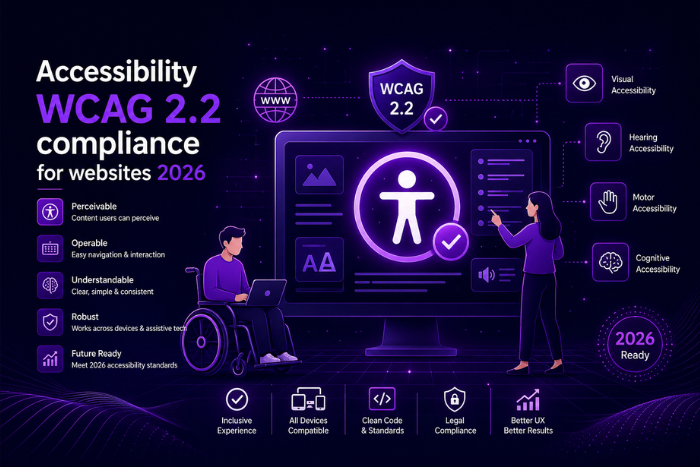
Accessibility WCAG 2.2 Compliance for Websites 2026
Accessibility WCAG 2.2 Compliance for Websites 2026 Accessibility WCAG 2.2 compliance for websites 2026 for legal safety, UX, SEO, and inclusive digital growth. Introduction As digital accessibility regulations tighten globally, Accessibility WCAG 2.2 compliance for websites 2026 has become a critical priority for businesses, organizations, and public institutions. Website accessibility is no longer just a legal or ethical consideration—it directly impacts user experience, SEO performance, customer trust, and revenue growth. WCAG 2.2 introduces updated standards focused on improved keyboard navigation, focus visibility, accessible authentication, target size, redundant entry prevention, and enhanced mobile usability. Businesses that fail to comply risk legal penalties, reputational damage, reduced customer reach, and lost conversions. In 2026, accessible website design is essential for serving users with disabilities while improving overall website performance for all audiences. From e-commerce and healthcare to education and enterprise systems, WCAG 2.2 compliance strengthens digital inclusivity, supports regulatory requirements, and creates stronger business outcomes through better usability and broader audience access. Why Accessibility WCAG 2.2 Compliance for Websites 2026 is Important WCAG 2.2 compliance impacts business performance far beyond regulatory obligations. Legal ComplianceReduce ADA, EAA, and accessibility lawsuit risks. Expanded Audience ReachServe users with disabilities more effectively. Improved SEO PerformanceAccessibility often strengthens search optimization. Enhanced User ExperienceBetter usability benefits all visitors. Higher Conversion RatesAccessible interfaces reduce friction. Brand ReputationDemonstrates social responsibility and inclusivity. Mobile AccessibilityImproved usability across devices. Future-Proof Digital PresenceAlign with evolving global standards. Types of Solutions for Accessibility WCAG 2.2 Compliance for Websites 2026 Businesses require multiple compliance-focused services: Accessibility AuditsComprehensive website compliance evaluations. WCAG 2.2 RemediationTechnical fixes for compliance gaps. Keyboard Navigation OptimizationImproved non-mouse accessibility. Accessible UX/UI RedesignInclusive design implementation. Screen Reader CompatibilityEnhanced assistive technology support. Accessible Forms & AuthenticationUser-friendly login and checkout processes. Mobile Accessibility EnhancementsTouch target and responsive improvements. Ongoing Accessibility MonitoringContinuous compliance tracking. Enterprise Accessibility ProgramsOrganization-wide digital accessibility frameworks. Get Free Quotation Now..!! Key Features of Accessibility WCAG 2.2 Compliance for Websites 2026 WCAG 2.2 introduces essential accessibility requirements: Focus Appearance ImprovementsClear visual focus indicators. Focus Not ObscuredBetter navigation visibility. Target Size MinimumsEasier touch interactions. Dragging Movement AlternativesAccessible interaction methods. Accessible AuthenticationSimplified login without cognitive barriers. Consistent Help FeaturesEasier support navigation. Redundant Entry PreventionStreamlined forms. Screen Reader SupportImproved semantic compatibility. Cross-Device AccessibilityMobile-first compliance. Development Process Achieving WCAG 2.2 compliance requires structured implementation: Accessibility AuditIdentify existing compliance gaps. Prioritization StrategyFocus on high-risk pages and conversion paths. UX/UI Accessibility PlanningRedesign inaccessible components. Technical DevelopmentImplement code-level fixes. Assistive Technology TestingValidate screen readers and keyboard usability. SEO & Accessibility AlignmentEnsure compliance strengthens discoverability. Compliance ValidationManual and automated testing. Continuous MonitoringMaintain long-term accessibility standards. Technology Stack Modern compliance solutions leverage specialized tools: Audit Tools: WAVE, Axe, Lighthouse, SiteimproveFrontend Frameworks: React, Next.js, Vue.jsCMS Platforms: WordPress, Drupal, WebflowAccessibility Libraries: ARIA, Semantic HTML, Accessible ComponentsTesting Tools: NVDA, JAWS, VoiceOverAutomation: BrowserStack, Cypress Accessibility TestingPerformance Tools: Google Lighthouse, Core Web VitalsCompliance Monitoring: Accessibility dashboards and legal documentation Cost Factors for Accessibility WCAG 2.2 Compliance for Websites 2026 Several factors determine compliance investment: Website SizeLarger sites require more remediation. Current Accessibility StatusPoorer compliance increases costs. Custom Development NeedsComplex systems require advanced technical work. Legal Risk LevelHigh-risk industries may need faster remediation. CMS or Platform ComplexityCertain platforms are easier to optimize. Manual Testing RequirementsHuman audits add investment. Ongoing MonitoringContinuous compliance incurs recurring costs. Team TrainingAccessibility education for internal teams. Latest Trends in Accessibility WCAG 2.2 Compliance for Websites 2026 Accessibility continues evolving rapidly: AI-Powered Accessibility TestingFaster compliance detection. Inclusive UX DesignAccessibility integrated from project inception. Regulatory ExpansionMore regions enforcing digital accessibility. Mobile Accessibility PrioritizationStronger smartphone usability standards. Accessible Authentication InnovationsPasswordless and frictionless systems. Enterprise Accessibility GovernanceOrganization-wide compliance strategies. Accessibility + SEO IntegrationUnified performance optimization. Continuous Compliance PlatformsReal-time monitoring solutions. Why Choose Us for Accessibility WCAG 2.2 Compliance for Websites 2026 We help businesses achieve accessible, legally compliant, and performance-optimized digital ecosystems. WCAG 2.2 Expertise Deep knowledge of evolving compliance standards. Legal Risk Reduction Protecting businesses from costly accessibility violations. Inclusive UX/UI Excellence Designs built for broader audience usability. Technical Accessibility Mastery Advanced remediation across modern platforms. SEO & Accessibility Integration Compliance that strengthens search visibility. Transparent Compliance Roadmaps Clear, measurable implementation strategies. Enterprise Scalability Accessibility solutions for businesses of all sizes. Ongoing Monitoring & Support Long-term compliance partnerships. We empower organizations to create inclusive, compliant, and conversion-optimized websites that serve all users while supporting sustainable business growth. Ready to achieve WCAG 2.2 compliance and future-proof your website?Let’s build accessible digital experiences that improve usability, SEO, and legal safety.Contact us today for expert accessibility compliance solutions. Get Free Quotation Now..!! Key Points : Understand accessibility WCAG 2.2 compliance for websites 2026 for legal, SEO, and user experience success. Implement updated WCAG 2.2 standards including focus visibility, target size, accessible authentication, and keyboard navigation. Reduce ADA, EAA, and accessibility lawsuit risks through professional compliance strategies. Improve website usability, conversions, and customer reach with inclusive digital experiences. Optimize website accessibility for mobile devices, screen readers, and assistive technologies. Leverage accessibility audits, remediation, and ongoing compliance monitoring for long-term success. FAQ’s What is WCAG 2.2 compliance? WCAG 2.2 is the latest global standard for website accessibility and inclusive digital experiences. Why is WCAG 2.2 important in 2026? It helps businesses meet legal standards, improve UX, and reduce compliance risks. What are the major new WCAG 2.2 updates? Key additions include focus appearance, target size, accessible authentication, and redundant entry improvements. Does WCAG 2.2 improve SEO? Yes, accessibility often supports stronger technical SEO and user engagement. Can automated tools ensure full compliance? No, manual audits are essential for complete compliance. Is accessibility compliance a one-time fix? No, ongoing monitoring is necessary as websites evolve. Get Free Quotation Now..!!
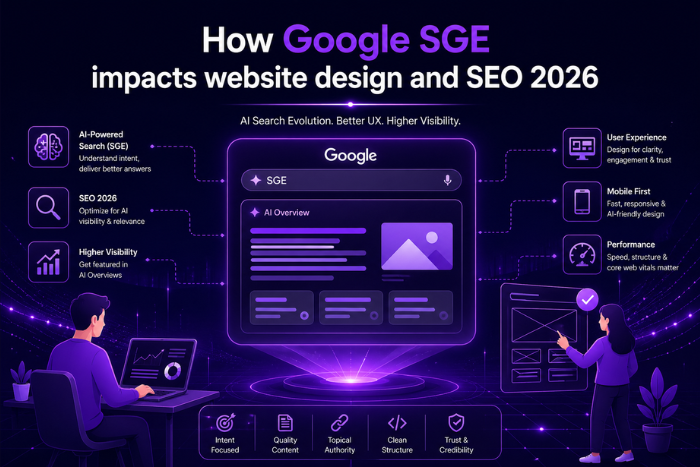
How Google SGE Impacts Website Design and SEO 2026
How Google SGE Impacts Website Design and SEO 2026 How Google SGE impacts website design and SEO 2026 through AI search, UX, content strategy, and search visibility optimization. Introduction Google’s Search Generative Experience (SGE) is fundamentally reshaping the future of search, digital visibility, and user interaction. Understanding how Google SGE impacts website design and SEO 2026 is now essential for businesses aiming to maintain search relevance, organic traffic, and competitive digital performance. Unlike traditional search, Google SGE leverages AI-generated overviews, conversational search experiences, contextual understanding, and predictive search behavior. This transformation means websites must evolve beyond keyword-focused SEO toward authority, user intent, structured content, and enhanced design experiences that align with AI-driven search ecosystems. In 2026, businesses must adapt website architecture, technical SEO, content strategies, and user experience design to remain visible in AI-generated search results. Companies that proactively optimize for SGE can strengthen search authority, improve customer acquisition, and future-proof their online presence in an increasingly AI-dominated digital landscape. Why How Google SGE Impacts Website Design and SEO 2026 is Important SGE changes how websites are discovered, ranked, and experienced. AI-Driven Search VisibilitySearch results increasingly prioritize contextual relevance. Reduced Traditional Click DependenceWebsites must compete for AI citations and authority. Enhanced User Intent OptimizationContent must match deeper conversational queries. Website UX ImportanceStrong design improves engagement signals. Authority-Based SEOExpertise and trustworthiness become more critical. Entity OptimizationStructured data improves AI recognition. Content Depth RequirementsRich, useful content outperforms shallow pages. Competitive Search AdvantageEarly adopters gain stronger digital visibility. Types of Solutions for How Google SGE Impacts Website Design and SEO 2026 Businesses must adopt strategic digital solutions to remain competitive: AI-Optimized Website DesignUX built for conversational search experiences. Entity-Based SEOStructured content for AI discoverability. Answer Engine Optimization (AEO)Content designed for AI summaries. Generative Engine Optimization (GEO)Enhanced visibility in AI-powered search engines. Technical SEO ModernizationSchema, Core Web Vitals, and indexing optimization. Content Authority DevelopmentExpertise-focused digital publishing. Conversational Content StrategyFAQ, natural language, and user-intent pages. Predictive Search AdaptationAI-aligned customer journeys. Get Free Quotation Now..!! Key Features of How Google SGE Impacts Website Design and SEO 2026 Modern websites require advanced capabilities: Structured Data IntegrationEnhanced schema markup. Fast PerformanceStrong Core Web Vitals. Conversational UXUser-friendly navigation and content flow. Authority SignalsE-E-A-T optimization. Semantic Content StructureEntity-focused architecture. AI-Friendly Information DesignEasily extractable valuable content. Mobile-First OptimizationCritical for search performance. Content PersonalizationBetter user engagement. Conversion-Centric DesignTraffic monetization despite reduced clicks. Development Process Adapting websites for Google SGE requires strategic implementation: Search Landscape AnalysisEvaluate SGE-driven SEO opportunities. Website AuditAssess technical, content, and UX gaps. Content Strategy DevelopmentBuild authority and conversational content. Design ModernizationImprove UX for AI-era engagement. Technical SEO OptimizationSchema, speed, and structured data. Performance MonitoringTrack AI visibility and engagement. Conversion OptimizationMaximize business outcomes. Continuous SGE AdaptationEvolve with Google’s AI search changes. Technology Stack Modern SEO and web optimization rely on advanced technologies: CMS Platforms: WordPress, Webflow, Headless CMSFrontend: Next.js, React, Vue.jsSEO Tools: Ahrefs, SEMrush, Surfer SEO, Google Search ConsoleSchema Tools: JSON-LD, Schema ProAnalytics: GA4, Hotjar, Search ConsolePerformance Tools: Lighthouse, Cloudflare, CDNAI Content Tools: NLP optimization platformsUX Optimization: Heatmaps, A/B testing platforms Cost Factors for How Google SGE Impacts Website Design and SEO 2026 Businesses should consider multiple investment factors: Website Redesign CostsUX modernization expenses. Technical SEO UpgradesSchema, speed, and indexing improvements. Content Strategy DevelopmentAuthority-building investments. AI Optimization ServicesGEO/AEO implementation. Performance Monitoring ToolsAnalytics and optimization subscriptions. Developer ExpertiseAdvanced SEO and design professionals. Ongoing AdaptationContinuous updates as SGE evolves. Competitive Industry PressureGreater SEO competition may increase investment. Latest Trends in How Google SGE Impacts Website Design and SEO 2026 Search and design strategies are rapidly evolving: Generative Engine Optimization (GEO)AI citation-focused SEO. Entity SEO ExpansionSemantic relevance prioritization. Conversational Search DesignUX built for natural language. AI Overviews OptimizationStructured information dominance. Zero-Click Search StrategiesBrand visibility despite lower clicks. Voice Search IntegrationNatural query optimization. Authority-Centric PublishingE-E-A-T becoming essential. Multi-Platform Search VisibilityBeyond traditional Google rankings. Why Choose Us for How Google SGE Impacts Website Design and SEO 2026 We help businesses future-proof digital performance in the AI search era. SGE SEO Expertise Advanced knowledge of AI-driven search transformation. Website Design Modernization Conversion-focused, AI-ready user experiences. Authority-Based SEO Strategies Building visibility through trust and expertise. Technical SEO Excellence Performance, schema, and structured data mastery. Conversion Optimization Maximizing ROI despite changing search behaviors. Transparent Strategic Planning Clear, measurable digital growth roadmaps. Continuous Innovation Support Adapting alongside evolving Google algorithms. Business Growth Focus SEO strategies aligned with revenue outcomes. We empower businesses to remain visible, competitive, and profitable as Google SGE transforms the digital marketing landscape. Ready to optimize your website for Google’s AI-driven future?Let’s build smarter SEO and website strategies for maximum visibility in 2026.Contact us today for expert SGE optimization solutions. Get Free Quotation Now..!! Key Points : Understand how Google SGE impacts website design and SEO 2026 through AI-driven search transformation. Optimize websites for AI-generated search overviews, conversational queries, and entity-based SEO. Improve search visibility with structured data, technical SEO, and authority-focused content strategies. Adapt website UX and design for better engagement in Google’s Search Generative Experience ecosystem. Learn how GEO (Generative Engine Optimization) and AEO (Answer Engine Optimization) shape future SEO. Strengthen E-E-A-T signals to improve AI search citations and brand authority. FAQ’s What is Google SGE? Google SGE (Search Generative Experience) uses AI-generated summaries and conversational search experiences. How does Google SGE affect SEO? It shifts SEO from keyword-only strategies toward authority, intent, and AI visibility. Will Google SGE reduce website traffic? Traditional clicks may decline, but strong optimization can preserve visibility and conversions. What is GEO in SEO? Generative Engine Optimization focuses on visibility within AI-generated search results. Does website design matter more with SGE? Yes, user experience and content structure are increasingly important. What industries are most impacted by SGE? Virtually all industries, especially competitive digital markets. Get Free Quotation Now..!!
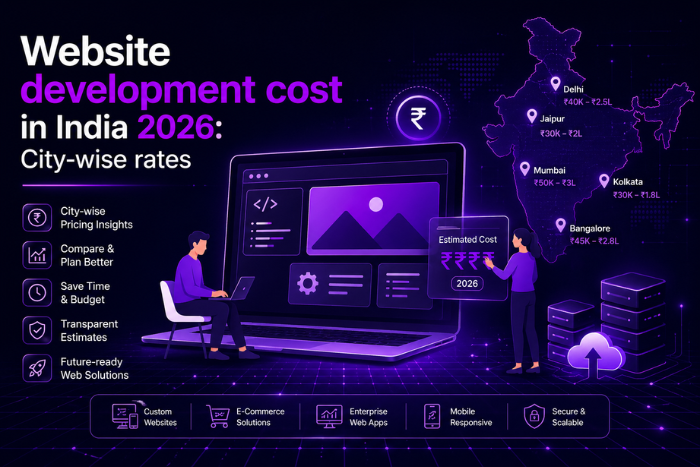
Website Development Cost in India 2026: City-Wise Rates
Website Development Cost in India 2026: City-Wise Rates Website development cost in India 2026: City-wise rates for businesses, startups, eCommerce, and custom websites across major Indian cities. Introduction As businesses across India continue accelerating digital adoption, understanding website development cost in India 2026: City-wise rates has become essential for startups, SMEs, enterprises, and entrepreneurs planning their online presence. Website pricing in India varies significantly based on city, developer expertise, project complexity, technology stack, and long-term business goals. In major cities like Bangalore, Mumbai, Delhi, Hyderabad, Chennai, Pune, and Kolkata, website development rates differ due to regional talent availability, agency competition, and market demand. Whether businesses require a basic website, eCommerce platform, custom enterprise portal, or SaaS solution, selecting the right development strategy directly impacts ROI, scalability, and brand credibility. This guide provides a comprehensive breakdown of website development costs across Indian cities in 2026, helping businesses make informed decisions, manage budgets effectively, and maximize digital growth while balancing quality, affordability, and long-term value. Why Website Development Cost in India 2026: City-Wise Rates is Important Understanding location-based website pricing helps businesses optimize budgets and project outcomes. Budget PlanningAccurate city-wise pricing supports smarter investment decisions. Regional Cost ComparisonCompare development rates across major Indian cities. ROI OptimizationBalance affordability with performance and business growth. Agency vs Freelancer DecisionsChoose the best development partner. Scalability ConsiderationsInvest based on future expansion needs. Technology SelectionCosts vary based on frameworks and integrations. SEO & Performance ImpactQuality websites improve digital marketing outcomes. Hidden Cost AwarenessPrevent budget overruns. Types of Solutions for Website Development Cost in India 2026 Website development costs depend on business requirements and website types: Basic Business WebsitesInformational websites for startups and small businesses. Corporate WebsitesProfessional sites with advanced branding and lead generation. E-Commerce WebsitesOnline stores with payment gateways and inventory systems. Custom Web ApplicationsSaaS platforms, dashboards, and enterprise solutions. Portfolio WebsitesPersonal branding and service showcases. Landing PagesMarketing campaign-focused pages. CMS-Based WebsitesWordPress, Shopify, or Webflow platforms. Headless & Enterprise SolutionsAPI-driven scalable architectures. Get Free Quotation Now..!! Key Features of Website Development Cost in India 2026: City-Wise Rates Website development pricing is shaped by essential features: Custom Design ComplexityUnique branding and UI/UX design. Responsive DevelopmentMobile-first optimization. SEO IntegrationTechnical SEO readiness. Performance OptimizationSpeed and Core Web Vitals. CMS CapabilitiesContent management flexibility. Third-Party IntegrationsCRM, ERP, payment systems. Security FeaturesSSL, compliance, and data protection. Scalable InfrastructureFuture growth support. Maintenance & SupportOngoing optimization. Development Process A structured development approach ensures cost-effective project delivery: Business Requirement AnalysisDefine goals, features, and audience. Platform SelectionChoose CMS, custom, or enterprise architecture. Design PlanningUI/UX wireframes and branding. Development ExecutionFrontend, backend, and integrations. SEO & Performance OptimizationSearch visibility and speed enhancements. Testing & Quality AssuranceFunctionality, responsiveness, and security. DeploymentLaunch website infrastructure. Maintenance & GrowthContinuous support and upgrades. Technology Stack Modern web development costs are influenced by technology choices: Frontend: HTML5, CSS3, React, Next.js, Vue.jsBackend: Node.js, PHP, Laravel, PythonCMS: WordPress, Shopify, WebflowDatabases: MySQL, PostgreSQL, MongoDBHosting: AWS, Google Cloud, Hostinger, CloudflareE-Commerce: WooCommerce, Shopify, MagentoSEO Tools: Yoast, RankMath, SEMrushDevOps: Docker, GitHub, CI/CD pipelines Cost Factors for Website Development Cost in India 2026: City-Wise Rates Several variables determine website pricing across India: City-Based Developer RatesBangalore, Mumbai, and Delhi often cost more than Kolkata or Jaipur. Project ComplexityAdvanced features increase costs. Freelancer vs AgencyAgencies provide broader support but higher pricing. Technology StackCustom frameworks cost more than template solutions. SEO & Marketing RequirementsOptimization adds investment. Maintenance CostsHosting, updates, and security. Design CustomizationUnique branding impacts budget. Third-Party IntegrationsAdditional systems increase pricing. Latest Trends in Website Development Cost in India 2026 Web development pricing is influenced by evolving market trends: AI Website DevelopmentAutomation reducing some costs. Headless CMS GrowthHigher flexibility with larger budgets. Progressive Web AppsMobile-first experiences. Core Web Vitals OptimizationSEO-focused performance investment. No-Code / Low-Code SolutionsBudget-friendly alternatives. Cybersecurity EnhancementsIncreased compliance spending. Cloud-Based ScalabilityFlexible infrastructure pricing. Conversion-Driven DesignRevenue-focused web development. Why Choose Us for Website Development Cost in India 2026: City-Wise Rates We help businesses maximize digital ROI with transparent, strategic website development solutions. Transparent Pricing Expertise Clear city-wise pricing with no hidden costs. Custom Business Solutions Websites tailored to unique business goals. SEO-First Development Built for search visibility and lead generation. Scalable Architecture Future-ready websites for long-term growth. Multi-City Development Knowledge Regional expertise across India’s digital markets. Cost-Optimized Delivery High-quality websites without unnecessary expenses. Security & Performance Focus Fast, secure, and conversion-ready websites. Dedicated Ongoing Support Long-term growth partnerships. We empower businesses to make informed web development investments that balance affordability, quality, and measurable digital success. Ready to build a high-performing website within your ideal budget?Let’s create scalable, SEO-driven digital solutions tailored to your business goals.Contact us today for a customized website development quote. Get Free Quotation Now..!! Key Points : Understand website development cost in India 2026: City-wise rates for startups, SMEs, and enterprises. Compare website pricing across major Indian cities like Bangalore, Mumbai, Delhi, Hyderabad, and Kolkata. Evaluate costs for business websites, eCommerce platforms, custom web applications, and enterprise solutions. Learn how design complexity, technology stack, SEO, and integrations affect development budgets. Identify hidden website costs including maintenance, hosting, security, and scalability expenses. Discover modern web development trends like AI, headless CMS, PWAs, and performance optimization. FAQ’s How much does website development cost in India in 2026? Costs typically range from ₹15,000 for basic websites to ₹5,00,000+ for enterprise platforms. Which Indian city offers the lowest website development cost? Cities like Kolkata, Jaipur, and Ahmedabad often offer more affordable pricing. Are website agencies better than freelancers? Agencies provide broader expertise, while freelancers may offer lower pricing. What factors most influence website pricing? Design complexity, features, SEO, integrations, and developer expertise. How much does an eCommerce website cost in India? Typically ₹50,000 to ₹3,00,000+ depending on functionality. Is SEO included in website development costs? Basic SEO may be included, but advanced SEO often costs extra. Get Free Quotation Now..!!
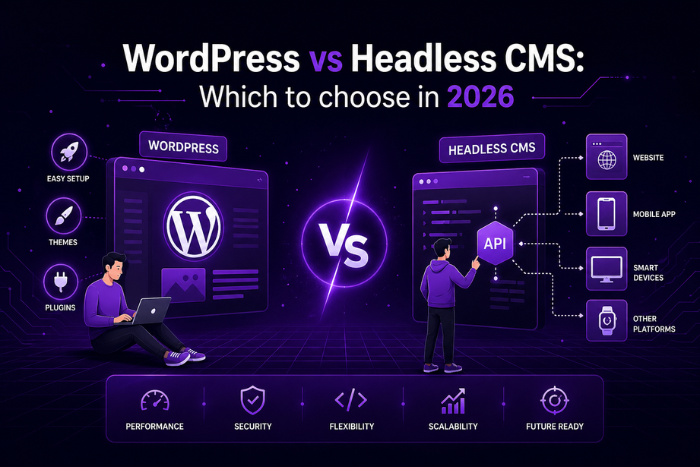
WordPress vs Headless CMS: Which to Choose in 2026
WordPress vs Headless CMS: Which to Choose in 2026 WordPress vs Headless CMS: Which to choose in 2026 for SEO, scalability, security, flexibility, and long-term business growth. Introduction As businesses continue evolving digitally, content management systems (CMS) play a critical role in website performance, scalability, security, and user experience. The debate around WordPress vs Headless CMS: Which to choose in 2026 has become increasingly important for organizations seeking future-ready digital infrastructure. Traditional WordPress remains a dominant choice due to its accessibility, plugin ecosystem, and lower entry cost. However, headless CMS platforms are gaining traction for offering superior flexibility, faster performance, omnichannel delivery, and modern development capabilities. In 2026, the right CMS decision directly impacts SEO rankings, website speed, content scalability, customer engagement, and operational efficiency. Businesses must evaluate their growth goals, technical requirements, and budget when choosing between WordPress and headless solutions. Whether prioritizing simplicity or advanced digital architecture, understanding the long-term ROI of each option is essential for making a strategic investment. Why WordPress vs Headless CMS: Which to Choose in 2026 is Important Your CMS selection shapes digital growth, operational flexibility, and competitive positioning. SEO PerformanceSite structure and speed influence search visibility. ScalabilityGrowing businesses need adaptable infrastructure. Website PerformanceFaster websites improve user experience and conversions. SecurityStronger architecture reduces vulnerabilities. Content FlexibilityOmnichannel publishing is increasingly essential. Development EfficiencyTechnical complexity affects speed to market. Maintenance CostsOngoing expenses vary significantly. Future-ProofingModern architecture supports long-term innovation. Types of Solutions for WordPress vs Headless CMS in 2026 Businesses can choose from several CMS models depending on goals: Traditional WordPress CMSFull-stack website management with themes and plugins. Managed WordPress SolutionsHosted WordPress with enhanced support and optimization. Headless CMS PlatformsAPI-driven systems like Contentful, Strapi, and Sanity. Headless WordPressWordPress backend with custom front-end frameworks. Decoupled CMSHybrid architecture balancing flexibility and usability. Enterprise CMS PlatformsLarge-scale systems for global organizations. Composable Digital Experience PlatformsModular, API-first ecosystems. Multi-Channel Content SystemsUnified content distribution across devices. Get Free Quotation Now..!! Key Features of WordPress vs Headless CMS: Which to Choose in 2026 Choosing the right solution depends on business-critical capabilities: Content Management SimplicityWordPress offers user-friendly publishing. Frontend FlexibilityHeadless CMS allows advanced custom experiences. Performance OptimizationHeadless often delivers faster load speeds. SEO CapabilitiesBoth options can perform well with proper implementation. SecurityAPI-driven headless systems reduce attack surfaces. ScalabilityHeadless architectures scale more efficiently. Plugin & Integration EcosystemWordPress offers extensive plugin options. Omnichannel DeliveryHeadless CMS supports multiple platforms. Developer ControlGreater customization with headless frameworks. Development Process Implementing the ideal CMS strategy requires structured planning: Business Goal AssessmentDefine content, SEO, and growth requirements. Platform EvaluationCompare WordPress, headless, or hybrid options. Architecture PlanningDetermine frontend, backend, and API needs. UI/UX DesignBuild optimized customer experiences. CMS ConfigurationSet up content workflows and integrations. SEO & Performance OptimizationEnsure search visibility and fast delivery. DeploymentLaunch scalable production environments. Maintenance & Continuous ImprovementOptimize over time. Technology Stack for WordPress vs Headless CMS: Which to Choose in 2026 Modern CMS ecosystems rely on diverse technologies: Traditional CMS: WordPress, WooCommerce, ElementorHeadless CMS: Contentful, Strapi, Sanity, GhostFrontend Frameworks: Next.js, React, Vue, Nuxt.jsAPI Technologies: REST API, GraphQLHosting Platforms: Vercel, Netlify, AWS, WP EngineSEO Tools: Yoast SEO, RankMath, AhrefsDatabases: MySQL, PostgreSQL, MongoDBSecurity: Cloudflare, SSO, WAF, CDN Cost Factors for WordPress vs Headless CMS: Which to Choose in 2026 Financial considerations vary widely based on complexity: Initial Development CostsWordPress is generally lower cost upfront. Custom Development InvestmentHeadless solutions often require larger budgets. Maintenance ExpensesWordPress plugin management can add costs. Hosting InfrastructureHeadless platforms may require advanced hosting. Scalability CostsLong-term growth may favor headless ROI. Security ManagementEnterprise compliance increases expenses. SEO & Performance OptimizationTechnical implementation impacts budget. Content Team ProductivityEase of use influences operational efficiency. Latest Trends in WordPress vs Headless CMS for 2026 The CMS landscape continues evolving rapidly: Headless Commerce ExpansionAPI-driven e-commerce growth. AI-Powered Content WorkflowsAutomation in publishing and personalization. Composable Architecture AdoptionModular business systems. Progressive Web AppsEnhanced mobile-first digital experiences. Omnichannel Content DeliveryBeyond websites into apps and devices. Performance-Driven SEOCore Web Vitals shaping CMS priorities. Enterprise PersonalizationAdvanced customer journey customization. Hybrid CMS ModelsCombining WordPress usability with headless flexibility. Why Choose Us for WordPress vs Headless CMS: Which to Choose in 2026 Selecting the right CMS partner ensures maximum business ROI. Strategic CMS Expertise We guide businesses toward the best long-term CMS investment. WordPress & Headless Development Mastery Expertise across both traditional and modern architectures. SEO-First Implementation Websites built for visibility and growth. Performance Optimization Fast, secure, and scalable digital ecosystems. Custom Business Solutions Tailored architecture for your unique needs. Transparent Cost Planning Clear budgets and strategic ROI analysis. Enterprise-Grade Security Protecting critical digital assets. Future-Ready Development Scalable systems designed for long-term success. We empower businesses to choose and implement the ideal CMS strategy for sustained growth, superior customer experiences, and competitive advantage. Ready to choose the right CMS for your business in 2026?Let’s build a scalable, secure, and SEO-driven digital platform.Contact us today for expert CMS consultation and development. Get Free Quotation Now..!! Key Points : Compare WordPress vs Headless CMS: Which to choose in 2026 for SEO, scalability, and business growth. Understand the performance, security, and flexibility differences between WordPress and headless CMS platforms. Evaluate long-term ROI, maintenance costs, and development complexity for each CMS solution. Discover which businesses benefit most from traditional WordPress, headless CMS, or hybrid architectures. Learn how headless CMS improves omnichannel content delivery and website speed. Explore technology stacks including WordPress, Next.js, Contentful, Strapi, and API-driven frameworks. FAQ’s Is WordPress still a good choice in 2026? Yes, WordPress remains ideal for businesses needing simplicity, affordability, and strong plugin ecosystems. What are the advantages of headless CMS? Headless CMS offers greater flexibility, speed, scalability, and omnichannel delivery. Is headless CMS more expensive than WordPress? Typically yes, due to higher development complexity and infrastructure requirements. Which businesses benefit most from headless CMS? Large enterprises, e-commerce brands, SaaS companies, and multi-channel organizations. Does WordPress require more maintenance? Yes, plugin updates and security management can increase maintenance needs. What is the best CMS strategy for future growth? The best solution depends on business goals, scalability requirements, budget, and technical resources. Get Free Quotation Now..!!

Web3 Integration for Business Websites: Use Cases 2026
Web3 Integration for Business Websites: Use Cases 2026 Web3 integration for business websites: Use cases 2026 for security, digital ownership, payments, identity, and business innovation. Introduction As digital transformation evolves, businesses are rapidly exploring decentralized technologies to improve security, ownership, customer engagement, and operational transparency. Web3 integration for business websites: Use cases 2026 is emerging as a strategic priority for organizations seeking to stay competitive in the next generation of the internet. Web3 introduces blockchain-powered solutions that enable decentralized payments, digital identity verification, tokenization, smart contracts, NFT ecosystems, and transparent customer interactions. For business websites, this means more than simply accepting cryptocurrency—it represents a complete shift toward secure, trust-driven, and user-controlled digital ecosystems. From e-commerce and SaaS to healthcare, finance, and enterprise operations, Web3 technologies are creating innovative opportunities for businesses to unlock new revenue streams, enhance customer trust, and future-proof their online infrastructure. Understanding the most valuable Web3 use cases in 2026 is essential for organizations aiming to leverage blockchain technology for growth, innovation, and competitive differentiation. Why Web3 Integration for Business Websites: Use Cases 2026 is Important Web3 adoption is transforming business websites into decentralized, secure, and innovation-driven platforms. Enhanced SecurityBlockchain reduces fraud and strengthens data protection. Digital OwnershipUsers gain control over identity and assets. Decentralized PaymentsCryptocurrency and token transactions expand payment options. TransparencyBlockchain records improve trust and accountability. New Revenue ModelsNFTs, tokenization, and smart contracts unlock monetization. Global AccessibilityBorderless transactions expand international reach. Customer EngagementWeb3 communities foster loyalty. Future-Proof InfrastructureBusinesses prepare for decentralized digital ecosystems. Types of Solutions for Web3 Integration for Business Websites: Use Cases 2026 Businesses can implement Web3 in multiple strategic ways: Crypto Payment GatewaysAccept decentralized payments securely. NFT MarketplacesMonetize digital products and loyalty systems. Decentralized Identity VerificationBlockchain-powered authentication systems. Smart Contract AutomationSecure, automated business agreements. Tokenized Membership SystemsReward-based ecosystems for customers. DAO Governance ModelsCommunity-driven decision-making platforms. Blockchain Supply Chain TransparencyVerifiable product tracking systems. Decentralized Data StorageSecure hosting alternatives. Web3 E-Commerce PlatformsBlockchain-enhanced online retail systems. Get Free Quotation Now..!! Key Features of Web3 Integration for Business Websites: Use Cases 2026 Modern Web3-enabled business websites benefit from advanced capabilities: Blockchain SecurityTamper-resistant infrastructure. Wallet IntegrationUser-controlled authentication and transactions. TokenizationDigital assets and customer rewards. Smart ContractsAutomated business processes. Cross-Border PaymentsReduced transaction friction. Decentralized HostingEnhanced uptime and censorship resistance. Transparent TransactionsPublicly verifiable records. InteroperabilityMulti-chain integration possibilities. Community GovernanceIncreased stakeholder participation. Development Process Implementing Web3 requires a structured technical strategy: Business Needs AnalysisIdentify practical Web3 opportunities. Blockchain Architecture PlanningChoose chains, wallets, and protocols. UX/UI DesignBuild user-friendly decentralized experiences. Smart Contract DevelopmentAutomate transactions and workflows. Security AuditingProtect against vulnerabilities. Frontend & Backend IntegrationConnect blockchain infrastructure with websites. Testing & DeploymentEnsure stability and scalability. Maintenance & ScalingSupport evolving ecosystems. Technology Stack for Web3 Integration for Business Websites: Use Cases 2026 Successful Web3 integration relies on advanced tools: Blockchain Networks: Ethereum, Polygon, Solana, AvalancheSmart Contracts: Solidity, RustWallets: MetaMask, WalletConnect, Coinbase WalletFrontend: Next.js, React, Vue.jsBackend: Node.js, Express, PythonStorage: IPFS, Filecoin, ArweaveSecurity: Chainlink, OpenZeppelinPayments: Stripe Crypto, Coinbase CommerceAnalytics: Dune, The Graph, Etherscan APIs Cost Factors for Web3 Integration for Business Websites: Use Cases 2026 Several financial variables affect implementation costs: Blockchain SelectionTransaction fees vary by network. Smart Contract ComplexityAdvanced automation increases costs. Security AuditsEssential for safe deployment. Custom Frontend DevelopmentUX quality impacts investment. Wallet & Payment IntegrationAdditional infrastructure expenses. Scalability RequirementsEnterprise systems require larger budgets. Regulatory ComplianceLegal frameworks may increase costs. Maintenance & UpgradesOngoing protocol support is critical. Latest Trends in Web3 Integration for Business Websites: Use Cases 2026 Web3 innovation is accelerating rapidly: Real-World Asset TokenizationBusinesses digitizing ownership. Decentralized Identity ExpansionSecure user authentication. Layer 2 AdoptionFaster, lower-cost blockchain transactions. AI + Web3 IntegrationSmarter decentralized systems. Enterprise Blockchain AdoptionMainstream corporate implementation. Zero-Knowledge ProofsPrivacy-focused authentication. Web3 Loyalty ProgramsTokenized customer retention. Cross-Chain InteroperabilityMulti-network digital ecosystems. Why Choose Us for Web3 Integration for Business Websites: Use Cases 2026 We help businesses strategically integrate Web3 technologies for measurable growth. Blockchain Development Expertise Deep experience in decentralized infrastructure. Business-Driven Web3 Strategy Practical use cases tailored for ROI. Security-First Implementation Comprehensive blockchain protection. Scalable Web3 Architecture Future-ready decentralized systems. UX-Focused Development Making Web3 user-friendly for mainstream adoption. Transparent Project Delivery Clear planning and communication. Multi-Industry Experience Solutions for e-commerce, SaaS, fintech, and enterprise. Continuous Innovation Support Helping businesses adapt to evolving Web3 opportunities. We empower businesses to unlock decentralized innovation, improve trust, and create powerful digital ecosystems through advanced Web3 website integration. Ready to transform your business website with Web3 innovation?Let’s build secure, scalable, and future-ready decentralized digital experiences.Contact us today for expert Web3 development solutions. Get Free Quotation Now..!! Key Points : Explore Web3 integration for business websites: Use cases 2026 for security, digital ownership, and innovation. Implement blockchain-powered solutions like crypto payments, smart contracts, and decentralized identity systems. Improve business website security, transparency, and customer trust through Web3 technologies. Discover tokenization, NFT ecosystems, and DAO governance opportunities for new revenue models. Build scalable decentralized websites using Ethereum, Polygon, Next.js, smart contracts, and blockchain APIs. Future-proof your website with next-generation decentralized technologies and customer engagement strategies. FAQ’s What is Web3 integration for business websites? It involves adding blockchain-powered features like payments, identity, smart contracts, and tokenization. How can Web3 improve business websites? Web3 enhances security, transparency, ownership, and customer engagement. Are crypto payments essential for Web3 websites? Not always, but they are a common and valuable use case. What industries benefit most from Web3 integration? E-commerce, finance, healthcare, SaaS, and supply chain sectors. Is Web3 integration expensive? Costs depend on complexity, blockchain choice, and security requirements. Can Web3 improve website security? Yes, decentralized systems often reduce common vulnerabilities. Get Free Quotation Now..!!

Next.js 15 Features Every Business Website Needs in 2026
Next.js 15 Features Every Business Website Needs in 2026 Discover Next.js 15 features every business website needs in 2026 for SEO, speed, scalability, security, and higher conversions. Introduction As digital competition intensifies, businesses need websites that are faster, more scalable, SEO-optimized, and conversion-driven than ever before. Next.js 15 features every business website needs in 2026 are redefining how modern organizations build high-performance websites that support growth, customer engagement, and competitive advantage. Next.js 15 introduces significant upgrades in performance optimization, rendering flexibility, developer productivity, and user experience. Features like React Server Components, Partial Prerendering, advanced caching controls, improved App Router architecture, and Turbopack create powerful opportunities for businesses seeking superior online performance. For companies focused on SEO, lead generation, e-commerce, or enterprise digital transformation, leveraging Next.js 15 is no longer optional—it is a strategic investment. Businesses that adopt these innovations can achieve better Core Web Vitals, faster page loads, improved security, and scalable digital ecosystems that deliver measurable ROI in 2026 and beyond. Why Next.js 15 Features Every Business Website Needs in 2026 is Important Modern businesses require advanced frameworks that directly impact profitability, user experience, and search visibility. Superior SEO PerformanceServer-side rendering and optimized architecture improve rankings. Faster Website SpeedImproved performance increases engagement and conversions. Enhanced User ExperienceBetter responsiveness strengthens customer satisfaction. Scalability for GrowthSupports expanding business requirements efficiently. Improved SecurityEnterprise-grade architecture enhances website protection. Reduced Development ComplexityBuilt-in optimizations accelerate project delivery. Future-Proof InfrastructureAligns with modern web standards. Competitive Business AdvantageHigh-performing websites outperform outdated platforms. Types of Solutions Powered by Next.js 15 Features Next.js 15 supports a wide range of business website solutions: Corporate WebsitesSEO-driven business sites with strong branding. E-Commerce PlatformsHigh-performance online stores with faster load speeds. SaaS ApplicationsScalable software platforms with optimized UX. Marketing Landing PagesConversion-focused campaigns with superior performance. Enterprise PortalsSecure internal and customer-facing systems. Content-Heavy WebsitesBlogs, media platforms, and knowledge hubs. Headless Commerce SolutionsFlexible front-end architecture for advanced integrations. Progressive Web Apps (PWAs)Mobile-friendly, app-like experiences. Get Free Quotation Now..!! Key Features of Next.js 15 Features Every Business Website Needs in 2026 Next.js 15 introduces critical capabilities for modern business success: React Server ComponentsReduced client-side JavaScript for better speed. App Router EnhancementsImproved routing and modular architecture. Partial PrerenderingCombines static speed with dynamic flexibility. Turbopack IntegrationFaster builds and development workflows. Advanced Caching ControlsGreater performance optimization precision. Edge Runtime SupportFaster global content delivery. Built-In SEO OptimizationBetter indexing and search performance. TypeScript SupportImproved code reliability and scalability. Middleware EnhancementsAdvanced authentication and personalization. Development Process Building with Next.js 15 requires strategic planning for maximum ROI: Business Requirement AnalysisDefine goals, audience, and performance targets. Architecture PlanningSelect rendering models and scalability strategies. UI/UX DesignDevelop conversion-focused user experiences. Core DevelopmentImplement Next.js 15 features and integrations. SEO OptimizationConfigure technical SEO and metadata. Testing & Performance ValidationEnsure Core Web Vitals compliance. Deployment & MonitoringLaunch with analytics and optimization systems. Continuous ImprovementScale features and performance over time. Technology Stack A powerful production stack supports optimal business outcomes: Frontend: Next.js 15, React 19, TypeScriptStyling: Tailwind CSS, CSS ModulesBackend: Node.js, API Routes, GraphQLCMS: Headless WordPress, Sanity, ContentfulDatabase: PostgreSQL, MongoDB, FirebaseHosting: Vercel, AWS, CloudflareAuthentication: NextAuth.js, ClerkAnalytics: GA4, Hotjar, MixpanelPerformance: Lighthouse, CDN, Edge Functions Cost Factors for Next.js 15 Features Every Business Website Needs in 2026 Several elements influence project investment: Project ComplexityEnterprise features increase costs. Custom Design RequirementsUnique branding adds design investment. SEO & Performance OptimizationTechnical excellence may require specialized expertise. Third-Party IntegrationsCRM, ERP, and API connections impact development. Hosting InfrastructurePremium deployment environments improve performance. Maintenance & UpdatesOngoing support ensures scalability. Security ComplianceAdvanced protections may increase budget. Development Team ExpertiseSkilled Next.js developers influence pricing. Latest Trends in Next.js 15 Business Website Development for 2026 Web development is rapidly evolving with advanced trends: Partial Prerendering AdoptionCombining speed and personalization. AI-Powered Website ExperiencesPersonalized customer journeys. Headless CMS ExpansionFlexible content ecosystems. Edge Computing GrowthFaster global experiences. Server Component OptimizationReduced front-end complexity. Composable CommerceModular e-commerce ecosystems. Advanced PersonalizationDynamic business content delivery. Performance-First SEOCore Web Vitals as competitive differentiators. Why Choose Us for Next.js 15 Features Every Business Website Needs in 2026 We help businesses maximize Next.js 15’s full potential. Next.js 15 Expertise Deep specialization in modern framework development. SEO-First Development Websites engineered for rankings and visibility. Conversion-Focused Strategy We build websites designed to generate revenue. Enterprise Scalability Future-ready architecture for long-term growth. Performance Optimization Superior Core Web Vitals and load speeds. Transparent Development Process Clear communication and strategic planning. Advanced Security Standards Protecting your digital business assets. Ongoing Support & Innovation Continuous optimization for evolving needs. We empower businesses with high-performance websites that drive traffic, increase conversions, and support sustainable growth in 2026 and beyond. Ready to future-proof your business website with Next.js 15?Let’s build a faster, smarter, and more scalable digital presence.Contact us today for expert Next.js development solutions. Get Free Quotation Now..!! Key Points : Discover Next.js 15 features every business website needs in 2026 for speed, SEO, and scalability. Improve business website performance with React Server Components and Partial Prerendering. Leverage advanced App Router architecture for better user experience and development efficiency. Optimize Core Web Vitals and search rankings with Next.js 15 performance enhancements. Build scalable e-commerce, SaaS, and enterprise websites with modern Next.js technology. FAQ’s Why is Next.js 15 ideal for business websites? It offers superior SEO, speed, scalability, and security for modern business growth. What is Partial Prerendering in Next.js 15? It combines static page speed with dynamic content flexibility. How does Next.js 15 improve SEO? Server-side rendering, metadata controls, and performance optimization boost rankings. What hosting platforms work best for Next.js 15? Vercel, AWS, Cloudflare, and Netlify are popular choices. Does Next.js 15 support enterprise applications? Yes, it scales effectively for enterprise-grade websites and applications. How much does Next.js 15 development cost? Costs vary based on complexity, integrations, and customization requirements. Get Free Quotation Now..!!

Core Web Vitals Update April 2026: New INP Thresholds
Core Web Vitals Update April 2026: New INP Thresholds Core Web Vitals update April 2026: New INP thresholds explained for SEO, UX, performance optimization, and website ranking success. Introduction Google’s Core Web Vitals update April 2026: New INP thresholds marks a major shift in how website performance is measured and ranked. Interaction to Next Paint (INP) has become increasingly critical as Google refines user experience standards, replacing outdated responsiveness metrics with stricter benchmarks that better reflect real-world interactivity. For businesses, website owners, developers, and SEO professionals, adapting to the new INP thresholds is essential for maintaining search visibility, improving user engagement, and protecting conversion rates. A poor INP score can directly affect search rankings, bounce rates, and customer satisfaction, especially for mobile-first websites and interactive web applications. This update requires organizations to focus more aggressively on JavaScript optimization, third-party script management, server response times, and front-end efficiency. Understanding the implications of Core Web Vitals update April 2026: New INP thresholds is crucial for future-proofing digital performance strategies and ensuring websites remain competitive in Google’s evolving algorithm landscape. Why Core Web Vitals Update April 2026: New INP Thresholds is Important The April 2026 update significantly impacts website SEO, user experience, and revenue performance. Improved Search RankingsBetter INP scores can strengthen organic visibility. Enhanced User ExperienceFaster interactions improve customer satisfaction. Higher Conversion RatesResponsive websites reduce friction during user journeys. Mobile OptimizationCritical for mobile-first indexing and performance. Competitive SEO AdvantageBusinesses with optimized performance outperform slower competitors. Reduced Bounce RatesFaster responsiveness keeps users engaged. Future Algorithm ComplianceStaying ahead of Google’s ranking changes protects long-term traffic. Revenue ProtectionPerformance directly impacts lead generation and sales. Types of Solutions for Core Web Vitals Update April 2026 Organizations need various optimization strategies to meet new thresholds: JavaScript Performance OptimizationReducing main-thread blocking and script execution times. Server-Side Rendering (SSR)Faster initial rendering for better interactivity. Static Site Generation (SSG)Pre-rendered pages improving responsiveness. Code SplittingLoading only essential resources. Third-Party Script ManagementLimiting performance-heavy external tools. Real User Monitoring (RUM)Tracking field performance metrics. Progressive Web Apps (PWAs)Enhanced mobile responsiveness. Edge Delivery NetworksFaster global content delivery. Get Free Quotation Now..!! Key Features of Core Web Vitals Update April 2026: New INP Thresholds Key performance improvements required under new standards include: Lower Input LatencyFaster response to user interactions. Optimized JavaScript ExecutionReduced processing bottlenecks. Efficient Resource LoadingFaster scripts, fonts, and images. Improved Main Thread AvailabilitySmoother browsing experiences. Reduced Third-Party ImpactLower script interference. Advanced Monitoring ToolsContinuous performance analysis. Mobile-First ResponsivenessSuperior smartphone performance. Enhanced UX SignalsBetter engagement metrics. Development Process Meeting new INP thresholds requires a strategic technical process: Performance AuditAnalyze current Core Web Vitals metrics. INP Bottleneck IdentificationDetect scripts and resources causing delays. Code OptimizationImprove JavaScript, CSS, and rendering efficiency. Infrastructure UpgradesEnhance hosting, CDN, and server performance. Third-Party Script ReductionMinimize unnecessary external dependencies. Testing & ValidationMonitor lab and real-world performance. SEO AlignmentEnsure technical optimization supports rankings. Continuous MonitoringAdapt to evolving Google standards. Technology Stack Modern optimization relies on advanced technologies: Performance Tools: Lighthouse, PageSpeed Insights, WebPageTest, CrUXFrameworks: Next.js, Nuxt.js, React, VueMonitoring: Cloudflare Web Analytics, New Relic, DatadogCDN Services: Cloudflare, Fastly, AkamaiBuild Tools: Vite, Webpack, ParcelCode Optimization: Tree Shaking, Lazy Loading, Code SplittingHosting Platforms: Vercel, Netlify, AWSSecurity & Speed: HTTP/3, Brotli Compression, Edge Functions Cost Factors for Core Web Vitals Update April 2026: New INP Thresholds Optimization costs vary depending on website complexity: Performance AuditsInitial diagnostic and reporting expenses. Development ResourcesFront-end and back-end optimization work. Infrastructure UpgradesCDN, hosting, and server improvements. Third-Party Tool ReplacementRemoving inefficient scripts may require alternatives. Continuous MonitoringOngoing analytics subscriptions. SEO Recovery CostsRanking losses may require additional investment. Custom DevelopmentLarger websites may require architectural redesigns. MaintenanceContinuous updates to remain compliant. Latest Trends in Core Web Vitals Update April 2026: New INP Thresholds Performance optimization is evolving rapidly: INP-Centric SEO StrategiesBusinesses prioritizing responsiveness optimization. Edge Computing AdoptionFaster interactions via distributed infrastructure. AI-Powered Performance MonitoringAutomated bottleneck detection. JavaScript MinimizationLeaner front-end development. Server ComponentsReducing client-side processing. Third-Party Script GovernanceStronger control over integrations. Predictive Resource LoadingAnticipating user behavior for speed gains. Performance-Driven UX DesignBuilding faster interfaces from inception. Why Choose Us for Core Web Vitals Update April 2026: New INP Thresholds We help businesses proactively adapt to Google’s evolving performance standards. Core Web Vitals Expertise Specialized experience in Google performance optimization. Advanced INP Optimization We target real-world responsiveness improvements. SEO-Focused Performance Strategy Performance enhancements aligned with ranking growth. Technical Development Excellence Deep front-end, server, and infrastructure expertise. Scalable Solutions Optimizations that support future updates. Transparent Reporting Clear performance metrics and measurable ROI. Conversion-Focused Results Faster websites that drive better business outcomes. Continuous Monitoring Support Ongoing compliance with future algorithm changes. We empower businesses to maintain search visibility, improve user experience, and maximize digital growth through advanced performance optimization. Ready to meet Google’s April 2026 Core Web Vitals standards?Let’s optimize your website for faster interactions, better SEO, and stronger conversions.Contact us today for expert performance optimization solutions. Get Free Quotation Now..!! Key Points : Learn how stricter INP standards affect website responsiveness, user experience, and conversions. Optimize JavaScript, server response times, and third-party scripts for improved INP performance. Discover essential strategies for maintaining Google search visibility under updated Core Web Vitals. Improve mobile-first website performance to meet new Google interactivity benchmarks. Explore technology solutions like SSR, CDN, code splitting, and real user monitoring. FAQ’s What is INP in Core Web Vitals? INP (Interaction to Next Paint) measures how quickly a website responds to user interactions. Why did Google update INP thresholds in April 2026? To create stricter standards for real-world website responsiveness and user experience. What causes poor INP performance? Heavy JavaScript, third-party scripts, slow rendering, and server delays. How can websites improve INP scores? By optimizing code, reducing scripts, improving hosting, and monitoring real user data. Are mobile websites more affected by INP updates? Yes, mobile devices often experience greater performance challenges. What tools help monitor Core Web Vitals? Google PageSpeed Insights, Lighthouse, CrUX, and real user monitoring platforms. Get Free Quotation Now..!!

