
Explore Kotlin Multiplatform adoption rate among startups 2026 and how it helps build scalable, cross-platform apps efficiently.
Introduction
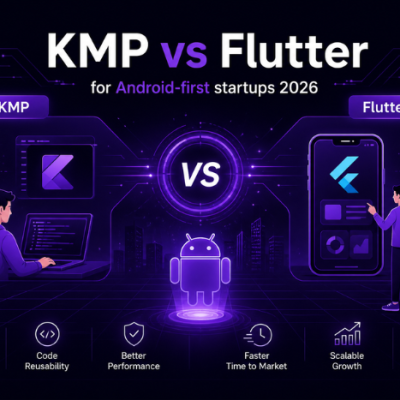
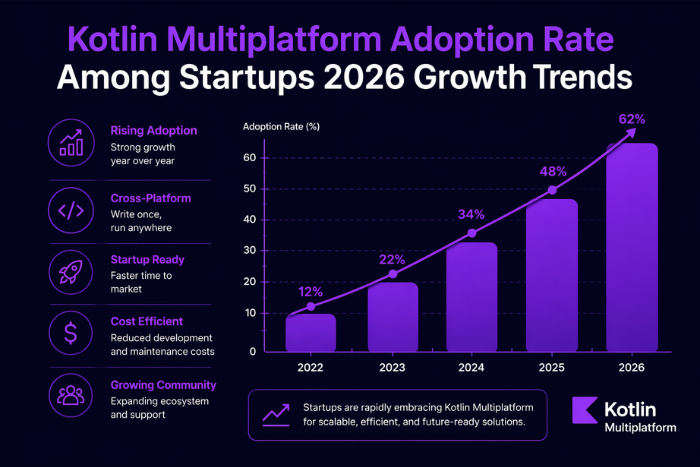
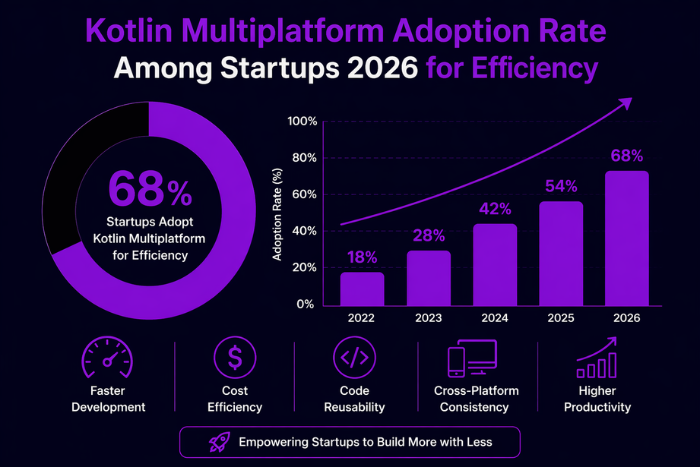
The mobile app development landscape is rapidly evolving, and startups are constantly seeking faster, cost-effective ways to build scalable applications. One technology gaining significant traction is Kotlin Multiplatform. As businesses aim to reduce development time while maintaining performance, understanding the Kotlin Multiplatform adoption rate among startups 2026 has become crucial.
Kotlin Multiplatform (KMP) allows developers to share code across multiple platforms—Android, iOS, web, and backend—while still maintaining native performance. Unlike traditional cross-platform frameworks, KMP offers flexibility by enabling teams to share only the logic they need, without compromising platform-specific UI capabilities.
In 2026, startups are increasingly adopting KMP due to its ability to streamline development workflows, reduce costs, and improve time-to-market. With strong backing from JetBrains and growing ecosystem support, Kotlin Multiplatform is emerging as a strategic choice for modern startups. Understanding its adoption trends helps businesses make informed decisions about their development strategy and stay ahead in a competitive market.
Why Kotlin Multiplatform Adoption Rate Among Startups 2026 is Important
The growing adoption of KMP highlights its importance in modern app development. Understanding Kotlin Multiplatform adoption rate among startups 2026 helps businesses evaluate its potential.
- Faster Development Cycles
Shared code reduces development time. - Cost Efficiency
Lower development and maintenance costs. - Native Performance
Apps maintain platform-specific performance. - Scalable Architecture
Supports long-term growth and expansion. - Flexibility in Development
Developers can choose what to share and what to keep native. - Growing Ecosystem Support
Increased tools and community adoption.
Types of Solutions for Kotlin Multiplatform Adoption Rate Among Startups 2026
Startups are leveraging KMP across various application types:
- Mobile Applications (Android & iOS)
Shared business logic with native UI. - Web & Desktop Applications
Cross-platform solutions with shared backend logic. - Enterprise Applications
Scalable systems for business operations. - Fintech & Healthcare Apps
Secure and data-driven applications. - E-commerce Platforms
High-performance shopping experiences. - IoT & Smart Device Apps
Integration with connected devices. - Backend & API Development
Shared logic across server-side applications. - MVP Development for Startups
Faster product launches with reduced cost.
Key Features of Kotlin Multiplatform Adoption Rate Among Startups 2026
KMP offers unique features that drive its adoption among startups:
- Code Sharing Across Platforms
Reuse business logic across multiple platforms. - Native Performance
No compromise on speed and responsiveness. - Incremental Adoption
Integrate KMP into existing projects gradually. - Platform-Specific UI Flexibility
Maintain native user experience. - Strong Tooling Support
Backed by JetBrains and modern IDEs. - Improved Developer Productivity
Faster development and reduced duplication. - Scalable Codebase
Supports complex and growing applications. - Interoperability with Existing Code
Works seamlessly with existing Android and iOS codebases.
Development Process
A structured approach ensures efficient implementation of Kotlin Multiplatform:
- Requirement Analysis & Strategy Planning
Identifying project goals and platform requirements. - Architecture Design
Defining shared and platform-specific components. - Code Sharing Implementation
Developing shared business logic. - Platform-Specific Development
Building native UI components. - Integration & Testing
Ensuring compatibility across platforms. - Deployment & Launch
Publishing apps on respective platforms. - Maintenance & Scaling
Continuous updates and performance improvements.
Technology Stack for Kotlin Multiplatform Adoption Rate Among Startups 2026
Modern KMP development uses advanced technologies:
Programming Languages: Kotlin, Swift, Java
Frameworks: Kotlin Multiplatform, Compose Multiplatform
Development Tools: IntelliJ IDEA, Android Studio
Backend Technologies: Ktor, Node.js, Spring Boot
Database: PostgreSQL, MongoDB, Firebase
Cloud Platforms: AWS, Google Cloud, Azure
DevOps Tools: Docker, Kubernetes, CI/CD pipelines
Testing Tools: Kotlin Test, JUnit

Cost Factors for Kotlin Multiplatform Adoption Rate Among Startups 2026
The cost of adopting KMP depends on several factors:
- Project Complexity
More features increase development costs. - Code Sharing Level
Higher shared code reduces overall cost. - Team Expertise
Skilled developers impact pricing. - Integration Complexity
Existing systems may require additional effort. - Testing & Quality Assurance
Cross-platform testing adds cost. - Maintenance & Updates
Ongoing improvements and scaling. - Infrastructure Costs
Cloud and backend services.
Latest Trends
Kotlin Multiplatform is evolving rapidly with new trends:
- Increased Startup Adoption
More startups choosing KMP for efficiency. - Compose Multiplatform Growth
Unified UI development across platforms. - Improved Tooling & Ecosystem
Better developer tools and libraries. - AI Integration in Apps
Smarter applications with AI features. - Cross-Platform Strategy Shift
Moving away from fully native development. - Enterprise Adoption Expansion
Large organizations adopting KMP. - Focus on Developer Productivity
Faster development cycles and reduced effort.
Why Choose Us for Kotlin Multiplatform Adoption Rate Among Startups 2026
Choosing the right development partner is key to leveraging KMP effectively. We specialize in helping businesses adopt Kotlin Multiplatform adoption rate among startups 2026 strategies for scalable app development.
Kotlin Expertise
Experienced in Kotlin and cross-platform development.
Strategic Consultation
Helping startups decide the best approach for adoption.
Custom Development Solutions
Tailored apps for different industries.
End-to-End Development
From planning to deployment and support.
Scalable Architecture
Apps designed for growth and performance.
Cost-Effective Development
Optimized solutions for better ROI.
Transparent Communication
Clear updates throughout the project.
We help startups build efficient, scalable, and future-ready applications using Kotlin Multiplatform.
Looking to adopt Kotlin Multiplatform for your startup?
Let’s build scalable and high-performance cross-platform applications.
Contact us today for a free consultation and development strategy.
Key Points :
- Growing adoption of Kotlin Multiplatform among startups in 2026
- Reduce development time with shared code across Android, iOS, and web
- Maintain native performance while using a single codebase
- Enable flexible development with platform-specific UI support
- Lower costs with efficient cross-platform architecture
FAQ's
Kotlin Multiplatform is a framework that allows code sharing across multiple platforms.
It reduces development time, cost, and improves scalability.
It depends on project needs; KMP offers native flexibility.
Costs vary based on complexity and features.
Startups in fintech, healthcare, e-commerce, and more.
Yes, it enables faster development and launch.